
Low rankings on WordPress usually come from a stack of smaller problems, not one missing plugin. A page can be well written and still underperform because of indexation issues, duplicate URLs, weak internal links, slow templates, or title tags that say almost nothing. This guide breaks down the most common WordPress SEO issues and the fixes to prioritize first.
Most site owners do not need a bigger plugin stack. They need a cleaner setup, a better sequence, and a way to separate real SEO blockers from busywork. If you are diagnosing a new site, start with crawl and index controls, then move to titles, internal links, speed, and content alignment.
The fastest way to diagnose WordPress SEO issues
Start with the problems that can suppress the whole site. If search engines cannot crawl or index the right URLs, your content improvements will not show up in rankings no matter how much time you spend rewriting pages.
| Priority | Area | What to check first | Why it matters |
|---|---|---|---|
| 1 | Indexing | Noindex tags, search engine visibility setting, robots.txt | A blocked site cannot rank |
| 2 | URL control | Canonical tags, www vs non-www, duplicate archives | Duplicate URLs split signals |
| 3 | On-page basics | Title tags, meta descriptions, headings | Weak snippets reduce relevance and clicks |
| 4 | Internal links | Links between related pages and posts | Helps Google discover and understand pages |
| 5 | Speed | Images, caching, script bloat, mobile rendering | Poor experience can hold similar pages back |
If you want a launch-focused version of this process, review our WordPress SEO checklist for new websites. It covers the specific settings that often break visibility before a site even has a chance to rank.
Issue 1: Search engines are blocked or confused

The most damaging WordPress SEO problem is simple: Google cannot access, crawl, or index the pages you want to rank. This usually comes from a sitewide noindex setting, a bad robots rule, or mixed signals between redirects, canonicals, and sitemaps.
In WordPress, check Settings, Reading, and confirm the search engine visibility box is not discouraging indexing on the live site. Then view the page source on the homepage and one interior page to look for a noindex directive. Also open your robots.txt file and confirm it is not blocking important content.
Google recommends using consistent canonicalization signals because redirects, rel canonical tags, and sitemap inclusion all help indicate the preferred URL version. Google also explains that duplicate URLs can split crawling attention and other signals across versions of the same page. Likewise, Google advises descriptive, concise title elements and warns against keyword stuffing when you are setting page titles. WordPress owners should treat these as cleanup tasks, not optional extras.
Fix this first
Use one preferred domain version, either www or non-www, and redirect the other. Keep one SEO plugin active, not two. Make sure your XML sitemap only includes indexable URLs. If your site was redesigned recently, compare old URLs against new ones to catch missing redirects before traffic losses compound.
If rankings dropped after a launch or redesign, our pre-launch SEO checklist can help you retrace the settings that usually cause the damage.
Issue 2: Title tags and headings say too little

Many WordPress pages do not rank because their titles are generic, repetitive, or written around plugin scores instead of search intent. A title like Home, Services, or SEO Company tells Google and users almost nothing about the page.
Google’s guidance for title links is straightforward: write concise, descriptive titles and avoid stuffing repeated keyword variations into the title element. On WordPress sites, this means overriding default templates when they produce vague titles and checking that category, service, and product pages each have a clear topic.
| Weak version | Stronger version |
|---|---|
| SEO Services | SEO Company | SEO Expert | WordPress SEO Services for Small Businesses |
| Blog | WordPress SEO Tips for Small Business Sites |
| Product Category | WooCommerce SEO Plugins for Faster Product Pages |
Your H1 should support the title, not repeat meaningless boilerplate. If every page uses the same headline pattern, the site starts to look thin even when the content is different. Clear topic targeting beats template-driven sameness.
Issue 3: Archive and filter pages create duplication
WordPress can generate far more URLs than most site owners realize. Tags, authors, dates, attachment pages, pagination, and WooCommerce filters can all create thin or duplicate pages that dilute crawl focus and muddy relevance.
This does not mean every archive should be noindexed. Category pages can work well when they are curated and useful. The problem is leaving every archive type indexable by default even when it adds no unique value. Most small business sites should review tag archives, date archives, and single-author archives first.
Fix this first
Audit which archive types are actually useful for searchers. If a page exists only because WordPress generated it, and it has little unique content, consider noindexing it. Check that canonical tags point to the right version and that parameter or filter URLs are not competing with the main page.
This is especially important on stores and larger content sites where duplication grows quietly over time. A cleaner index usually improves reporting clarity before it improves rankings, which is still progress because it tells you what Google is actually evaluating.
Issue 4: Internal linking is too thin
Internal linking problems are less dramatic than noindex mistakes, but they are one of the most common reasons good pages stay buried. If important posts and service pages are isolated, Google has less context about how topics relate across the site.
Look for pages that have no contextual links from related content. Then add links where they genuinely help the reader move to the next question. For example, a post about technical fixes should naturally point readers to broader guidance on improving WordPress site speed for SEO when speed is part of the diagnostic path.
Anchor text should describe the destination clearly. Generic anchors waste context. Descriptive anchors help both users and search engines understand why the linked page matters.
If you are seeing several of these issues at once, WordPress SEO Expert can help you sort out what to fix first. We focus on the bottlenecks most likely to move rankings, not a giant list of plugin suggestions.
Issue 5: Site speed advice is too vague to implement

Speed problems often get diagnosed correctly and fixed poorly. Telling someone to optimize images or reduce scripts is not enough if they do not know which settings to change, what impact to expect, or when to stop.
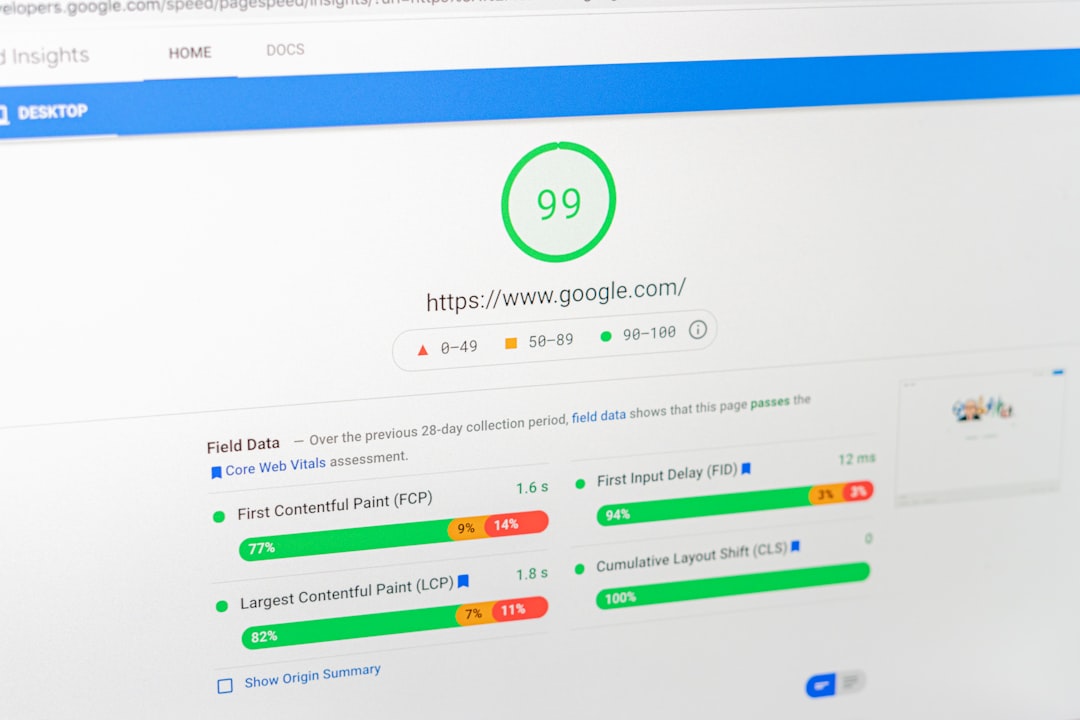
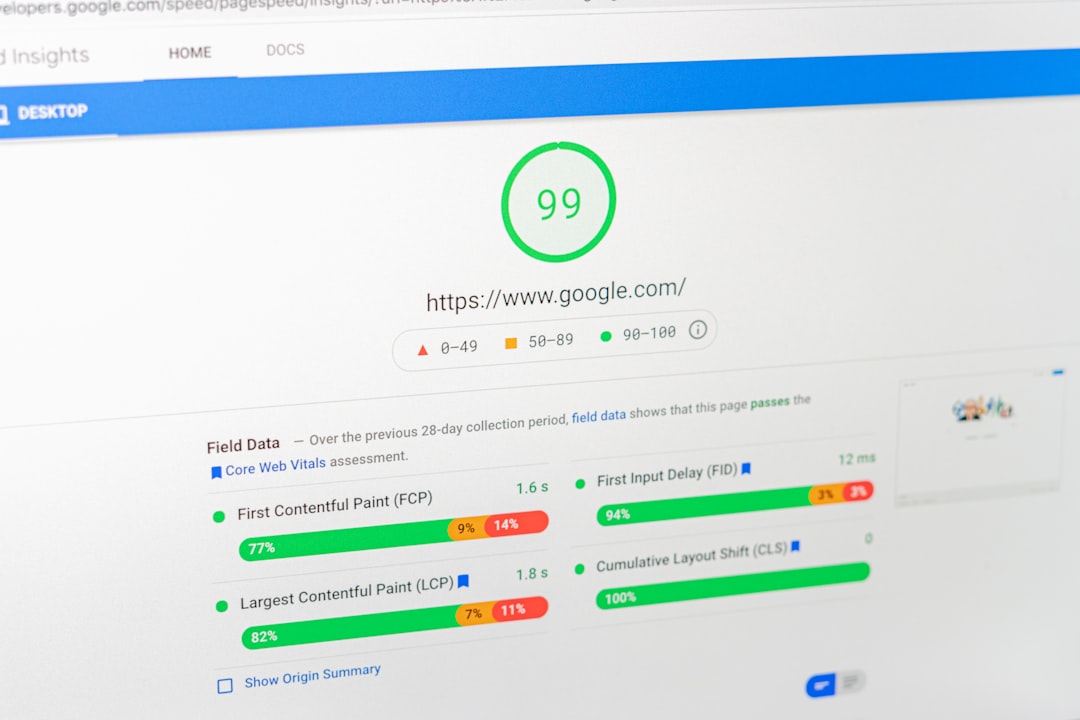
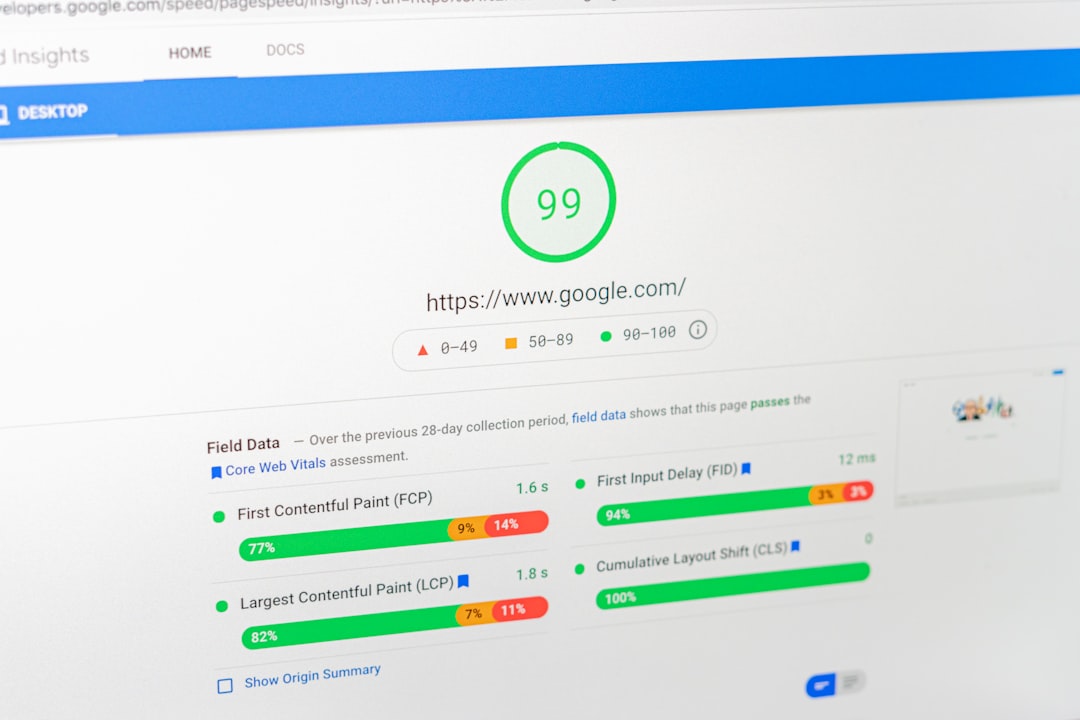
Google says Core Web Vitals are used by its ranking systems, but also makes clear that strong scores do not guarantee top rankings on their own. That is why speed should be treated as a practical fix, not a magic lever. The goal is to remove obvious experience bottlenecks so content and relevance are not dragged down by slow delivery.
On many WordPress sites, the first wins come from compressing oversized images, enabling caching, cutting unnecessary plugins, and checking mobile rendering on real devices. WordPress added native image lazy loading in version 5.5, but theme output and custom blocks can still create performance problems if they bypass good defaults.
For the exact plugin-level fixes, read our guide on how to improve WordPress site speed for SEO. It walks through practical settings instead of generic reminders.
Issue 6: Publishing more content is hiding weaker foundations
More posts will not solve structural SEO problems. If a site keeps publishing while core issues stay unresolved, the result is usually more pages with the same visibility ceiling, not better rankings.
This is where small business sites get stuck. They install an SEO plugin, chase green bullets, publish blog posts, and assume volume will overcome a weak setup. Usually it does not. A scattered plan creates scattered results.
A better sequence is simple. First make sure the site is crawlable and indexable. Then tighten URL control, improve page titles, build internal links, and fix the obvious speed blockers. Only after that should you judge whether the content itself needs a deeper rewrite.
A practical WordPress SEO action plan
If your WordPress SEO feels messy, do not try to fix everything in one weekend. Work in order, confirm each change, and avoid stacking overlapping tools that output conflicting metadata or duplicate features.
| This week | What to do |
|---|---|
| Day 1 | Check indexing controls, robots.txt, and noindex tags |
| Day 2 | Review canonicals, redirects, and preferred domain version |
| Day 3 | Rewrite weak page titles and top-page H1s |
| Day 4 | Add internal links between related pages and posts |
| Day 5 | Compress large images, review caching, and test mobile speed |
Most site owners do not need a full rebuild. They need clarity on which few issues are suppressing performance. Once those are fixed, the rest of SEO work becomes easier to measure and much less frustrating.
If you want a second set of eyes before changing settings, WordPress SEO Expert can review the site and tell you what is actually holding rankings back. Request a free WordPress SEO audit and we will help you prioritize the fixes that matter.
Contact WordPress SEO Expert today to schedule a consultation if your rankings are stuck after a redesign, plugin changes, or months of publishing without traction. We can help you separate technical blockers from content problems so you know what to fix first.