
Most WordPress SEO tips fail because they are presented as isolated tricks instead of a diagnostic process. Experts usually start by finding the constraint that is actually holding rankings back, then fix the highest-impact issue first. That is why two sites can use the same plugin and get very different results.
The practical difference is prioritization. Instead of chasing green plugin scores or publishing more posts blindly, experienced teams review crawl access, search demand, page targeting, internal links, titles, and speed in sequence. If you have already read our WordPress SEO for beginners guide or our WordPress SEO strategy for small business article, this is the expert-level version of that same logic.
What experts do before changing anything

Experts do not start with settings. They start with evidence from indexing, rankings, and page performance so they can tell whether the problem is technical, content-related, or competitive. This avoids wasting weeks on changes that were never the bottleneck.
A typical first pass includes checking whether important pages are indexable, whether one page has a clear keyword target, whether title tags are descriptive and distinct, whether internal links support priority pages, and whether the site is slow enough to hurt user experience. Google’s own guidance emphasizes people-first content, useful page experience, and descriptive, concise titles rather than search-engine-first tactics.
| Area | What experts check first | Why it matters |
|---|---|---|
| Indexing | Whether key pages can be crawled and indexed | A great page cannot rank if search engines cannot properly access it |
| Keyword targeting | Whether each page has one primary search intent | Mixed targeting weakens relevance signals |
| Titles and metadata | Whether titles are unique, descriptive, and non-repetitive | Weak titles reduce relevance and click-through rate |
| Internal links | Whether important pages receive contextual links | Internal links help users and search engines understand page importance |
| Speed and UX | Whether templates feel slow or unstable on mobile | Poor experience can suppress engagement and conversion even when rankings improve |
Experts simplify the plugin stack
Experts usually reduce SEO clutter instead of adding more tools. The goal is one clean SEO plugin setup, clear schema output, and fewer overlapping features that create conflicting canonical tags, duplicate sitemaps, or inconsistent metadata.
There is no single best SEO plugin for every WordPress site. The better question is whether your current setup creates clean titles, meta descriptions, XML sitemaps, schema, redirects, and indexation controls without duplication. Many stalled sites are not missing a plugin. They are running too many plugins that try to do the same job.
If your setup feels messy, compare it against a structured audit process like the one in our WordPress SEO audit guide. In many cases, removing overlap produces more stability than adding another optimization layer.
Experts match one page to one intent
Strong WordPress SEO is usually built page by page, not sitewide by slogan. Experts make sure each important page has a defined search intent, a focused topic, and supporting headings that reinforce the same theme instead of drifting into adjacent topics.
This is where many SEO tips go wrong. A service page tries to rank for five different services. A category page overlaps with a blog post. A location page repeats the same copy with only the city name changed. The result is diluted relevance. Google’s guidance on helpful content also aligns with this approach: content should be created to benefit people first, not to manipulate rankings.
A simple expert rule is this: if a page cannot be summarized in one sentence with one primary search intent, it probably needs a tighter scope.
Experts write titles for clarity, not keyword stuffing
Experts treat title tags as click and relevance assets, not as a place to cram variations. The best titles are specific, concise, and clearly matched to the page topic. They help searchers decide to click before they ever reach your site.
Google recommends descriptive and concise title text and advises against repetitive boilerplate and keyword stuffing. That means a title like SEO Services | SEO Company | SEO Expert is weaker than a clearer title that names the actual page topic and audience.
| Weak title | Stronger title |
|---|---|
| WordPress SEO | SEO Tips | SEO Help | WordPress SEO Tips for Small Business Sites |
| Home | WordPress SEO Services for US Businesses |
| Blog Post About SEO | How Experts Audit a WordPress Site for SEO |
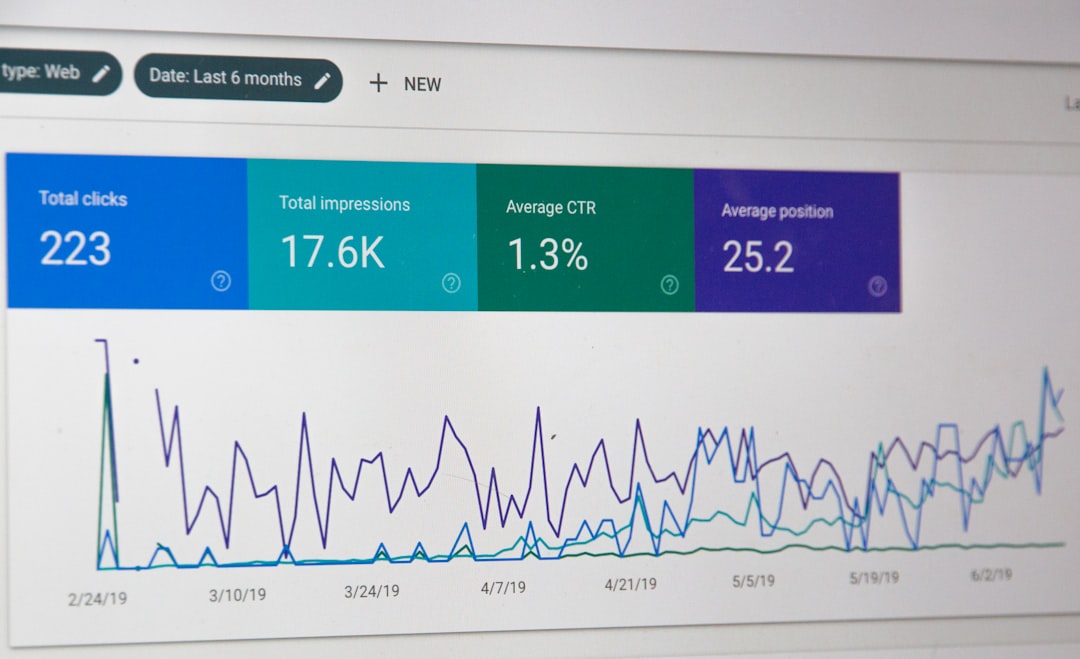
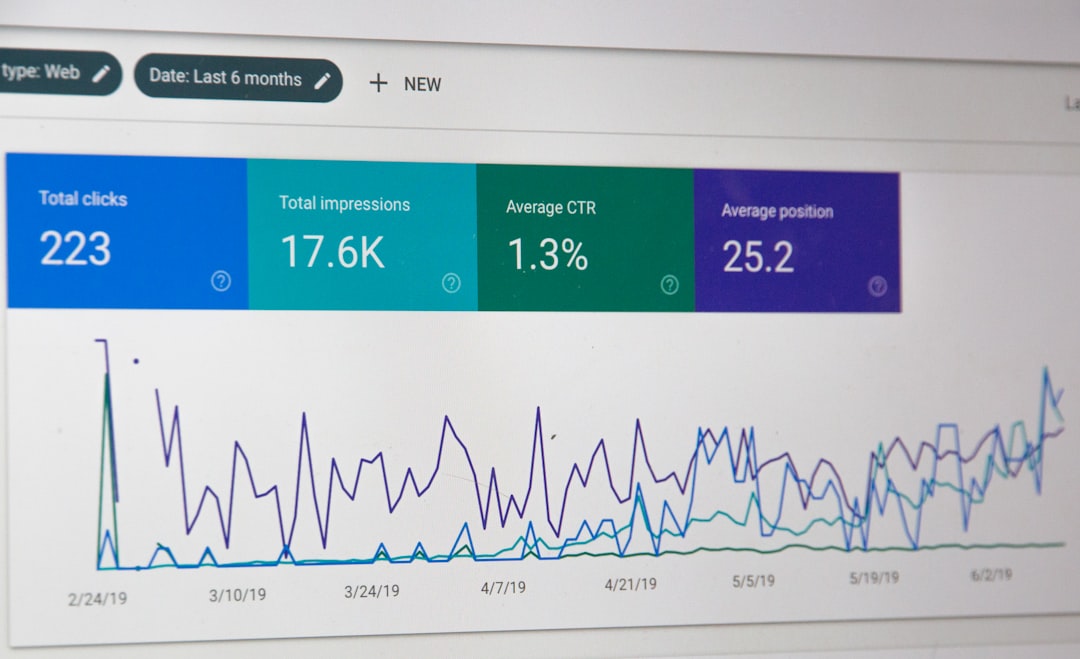
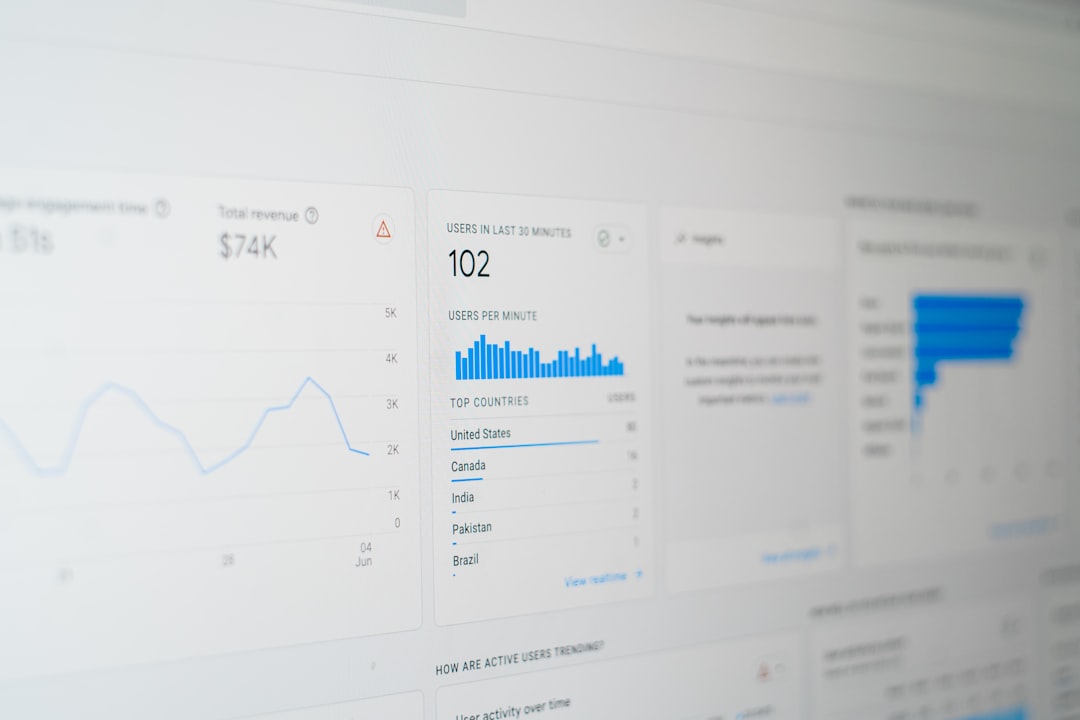
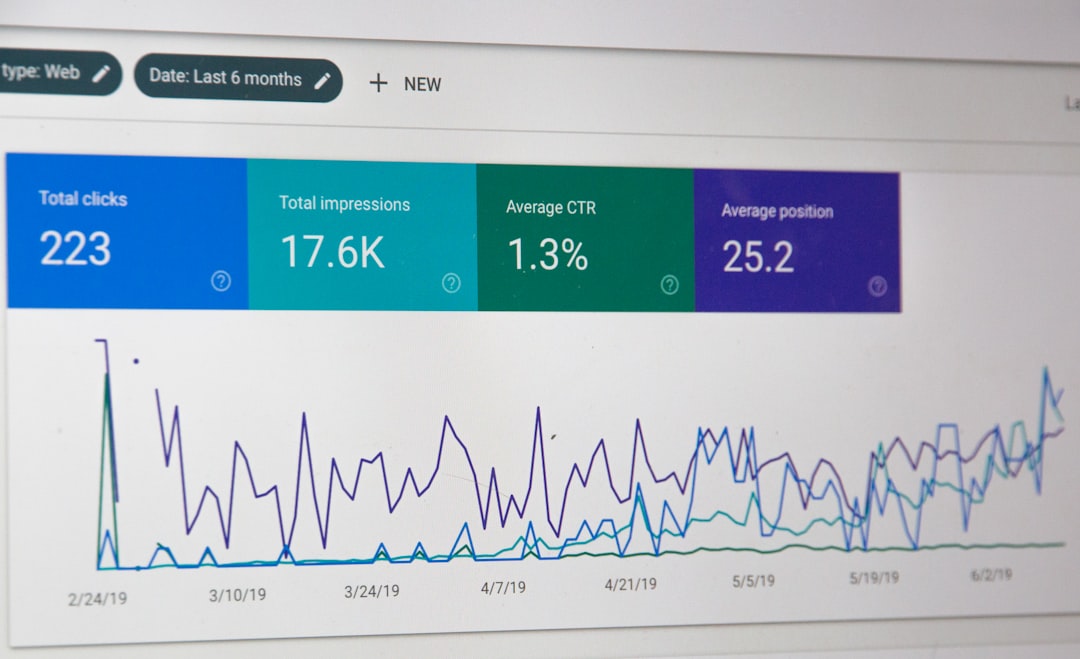
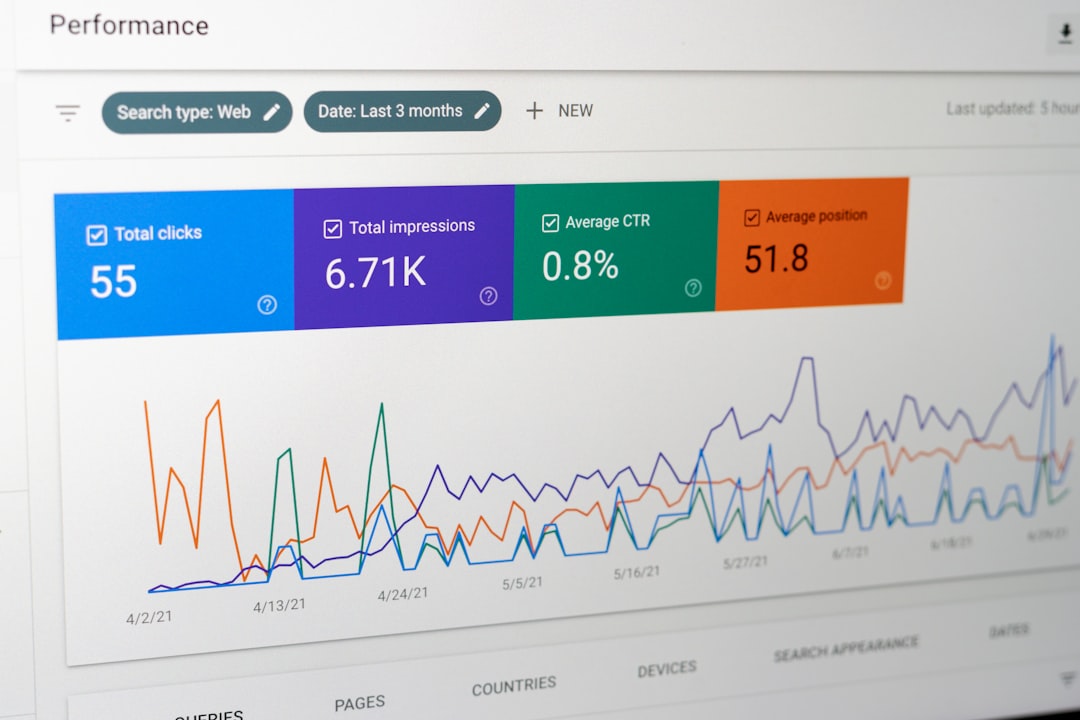
When rankings are close but clicks are weak, experts often review Search Console first. Google Search Console reports clicks, impressions, average CTR, and average position, which makes it useful for spotting pages that are visible but under-clicked.
Experts use internal links deliberately

Internal links are not filler. Experts use them to show page relationships, pass context, and guide visitors toward the next logical page. Good internal linking helps both discovery and understanding, especially on WordPress sites that publish blog content regularly.
Google specifically notes that descriptive anchor text in internal links helps people and Google understand your pages more easily. In practice, that means linking naturally from supporting posts into service pages, category pages, and cornerstone content. If you are cleaning up a weak structure, our articles on fixing WordPress SEO problems and improving WordPress SEO are useful next steps.
If you are not sure which pages deserve the most links, start with the pages tied closest to leads, sales, or high-intent queries. Experts usually strengthen those first before expanding into broader informational content.
If you are working through these issues and need a second set of eyes, WordPress SEO Expert can help identify which pages and templates are actually holding the site back.
Experts treat speed as an SEO support system
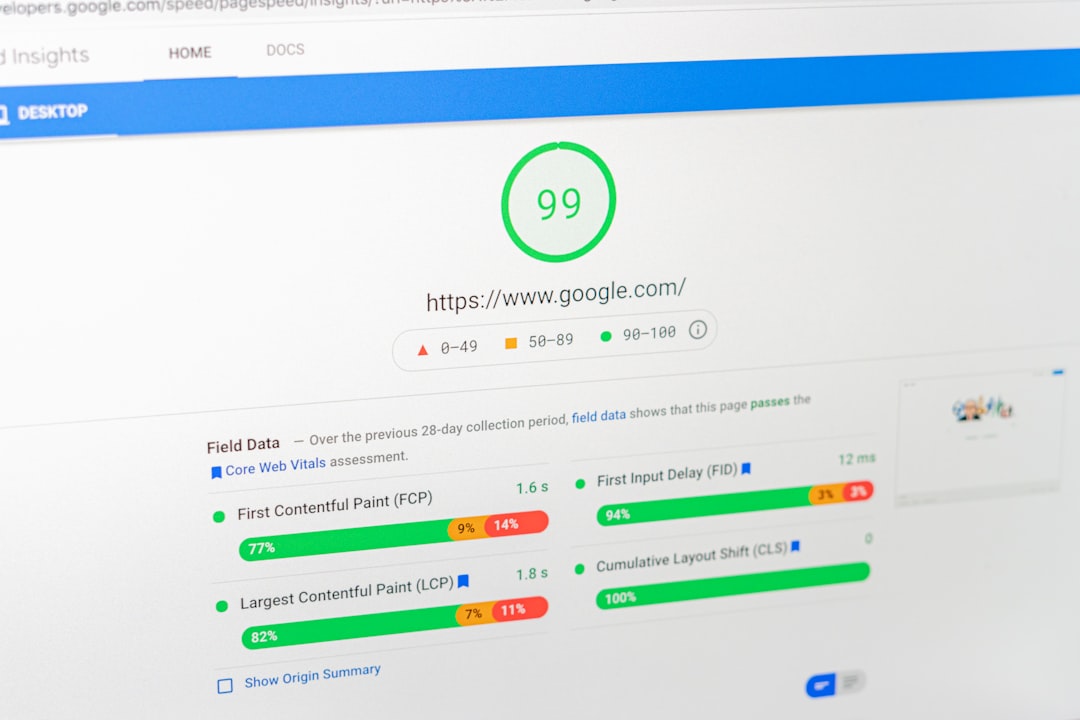
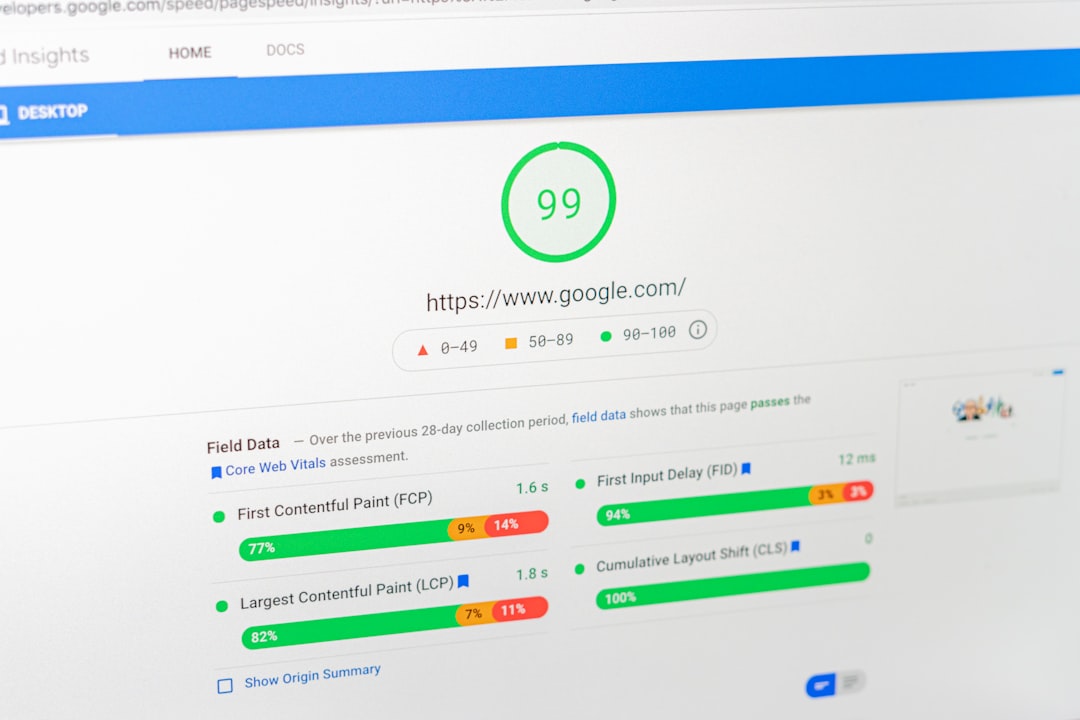
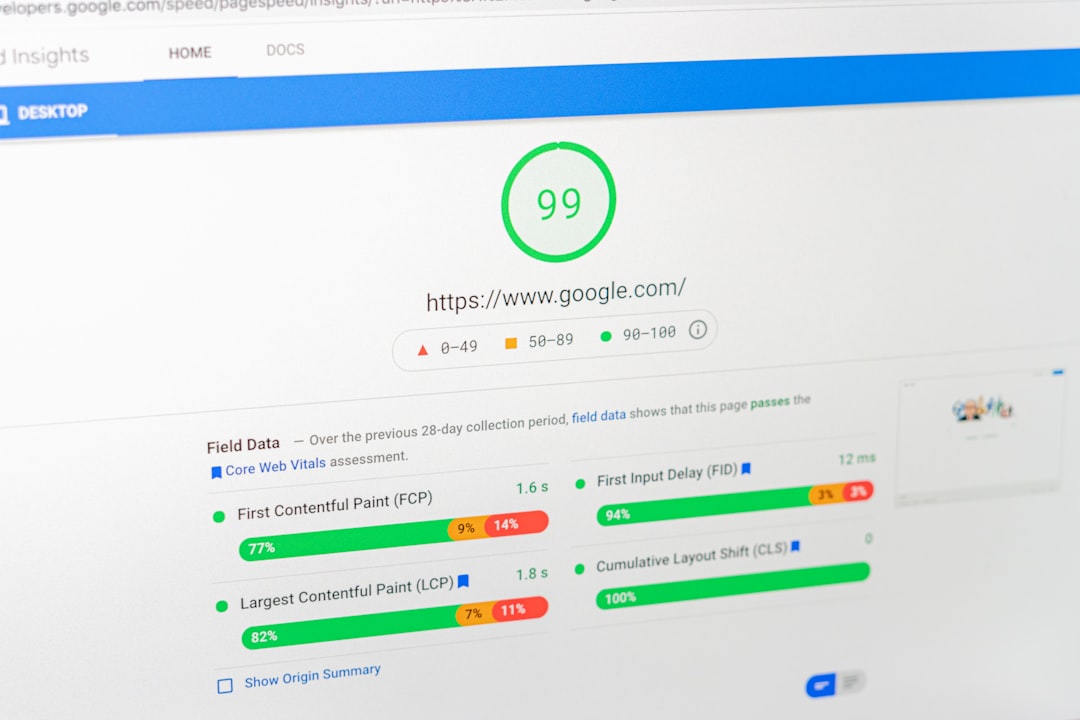
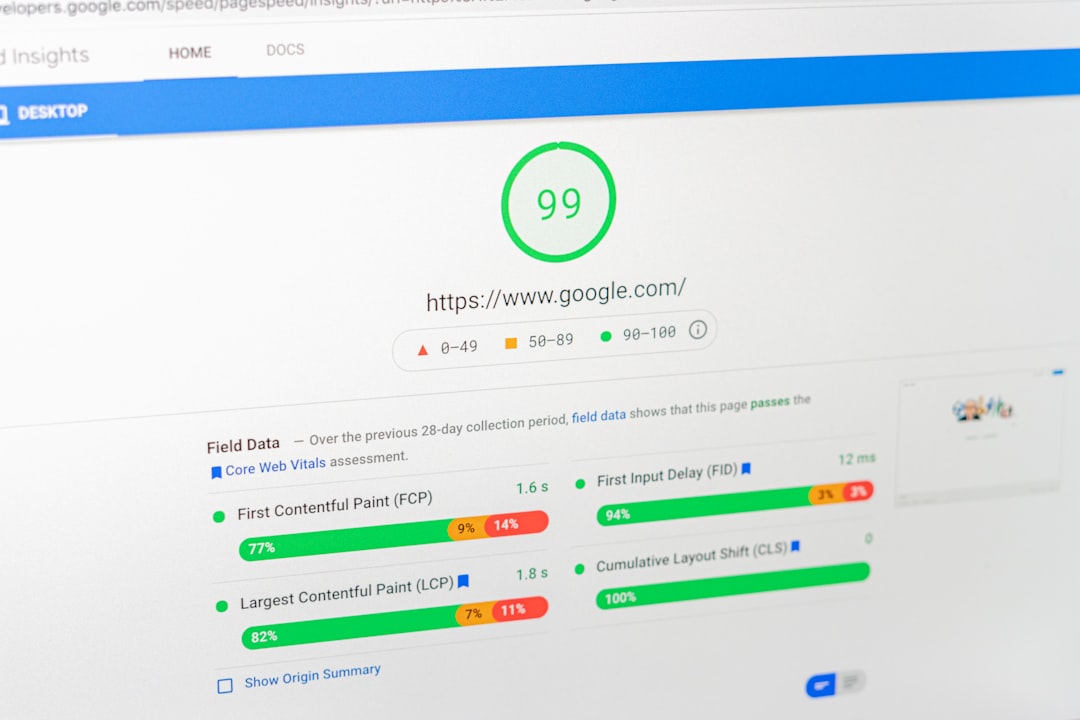
Speed matters, but experts do not obsess over perfect lab scores. They focus on the page elements most likely to slow real users down, especially oversized images, heavy scripts, weak hosting, and bloated themes or builders.
This is an important distinction. Many site owners keep tuning minor settings while ignoring template-level problems. A faster site can improve user experience, but the bigger win often comes from removing recurring bottlenecks rather than endlessly chasing a perfect report. If site speed is a known issue, review our WordPress site speed SEO fixes article for a more technical workflow.
Experts measure progress with the right signals
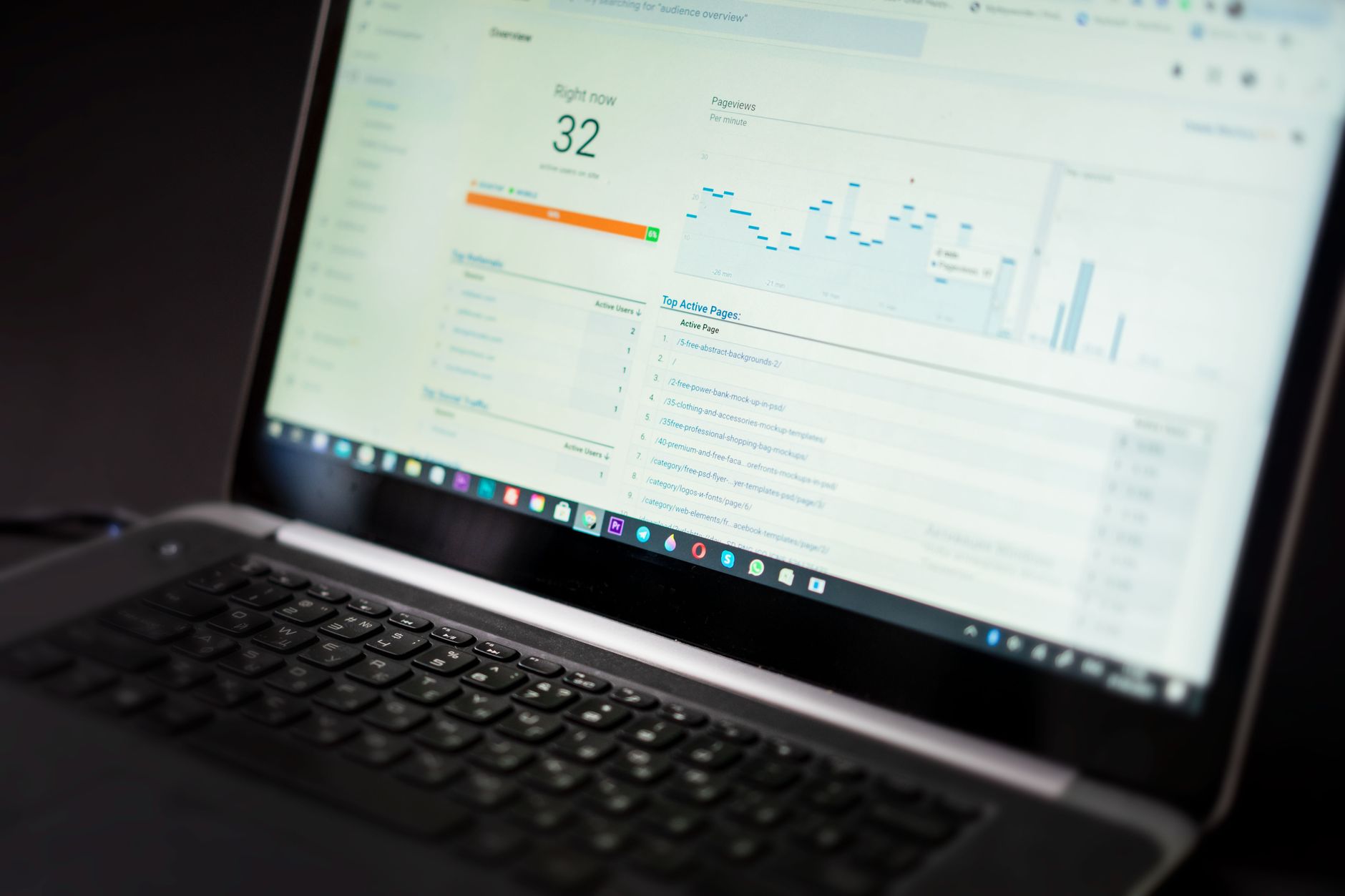
Experts do not judge SEO by plugin scores alone. They watch whether priority pages gain impressions, move into better average positions, earn more clicks, and generate more qualified leads. Those signals show whether the work is changing visibility, not just settings.
A practical review cycle is simple: choose a small set of target pages, improve their targeting and internal support, monitor Search Console, and compare performance over time. This keeps the work focused. It also prevents the common pattern of touching every page without moving any page meaningfully forward.
The expert approach in one sentence
Experts approach WordPress SEO tips as a sequence of decisions, not a bag of tricks. Diagnose first, simplify the setup, match each page to one intent, strengthen titles and internal links, fix obvious speed bottlenecks, and measure what changes in search performance.
If your rankings are stuck and you want a practical plan instead of another generic checklist, WordPress SEO Expert can review the site, identify the real constraints, and help you prioritize the fixes that matter most. Contact WordPress SEO Expert to schedule a consultation.