WordPress SEO gets easier when you stop chasing tricks and fix the basics first. A beginner-friendly setup usually comes down to clean titles, useful content, strong internal links, fast pages, and making sure search engines can crawl the site without friction.
WordPress already gives you a solid starting point, but it does not make every SEO decision for you. Google recommends clear titles, helpful content, and a site that search engines can understand, while WordPress includes built-in features like search-friendly permalinks and an XML sitemap on many installs. The work is choosing the right settings and avoiding common plugin mistakes.
If your site already has indexing or crawl issues, our technical SEO service page explains what usually breaks visibility behind the scenes. If your pages exist but still do not rank, our on-page SEO service page shows how titles, headings, and content structure affect performance.
What is WordPress SEO?
WordPress SEO is the process of helping search engines understand your WordPress site and helping users find the right page. In practice, that means improving page titles, site structure, internal linking, image alt text, loading speed, and the overall usefulness of your content.
Google’s SEO guidance is clear on one point many beginners miss: there is no secret setting that pushes a site to the top of results. Better visibility usually comes from publishing content that answers real searches, writing descriptive title elements, and removing technical barriers that keep important pages from being crawled or indexed.
Start with these 7 basics

Most beginners should focus on seven core tasks before doing anything advanced. If these are wrong, schema tweaks and plugin features will not save the site. If these are right, you build a foundation that supports future content and link growth.
1. Make sure search engines can index your site
First, confirm your site is visible to search engines. In WordPress, check Settings, then Reading, and make sure the search engine visibility option is not discouraging indexing. Beginners often leave this enabled after launching from staging or redesigning a site.
This matters because even strong content cannot rank if the site is blocking search engines. If you recently migrated, changed themes, or cloned a staging site, review indexing, robots rules, and your sitemap before doing any keyword work.
2. Use clean permalinks
Choose a simple permalink structure that makes URLs readable. For most beginners, the post name format is the easiest option because it creates short, descriptive URLs that users and search engines can understand quickly.
A messy URL will not destroy rankings by itself, but clean URLs help with clarity, crawling, and site maintenance. Keep slugs short, avoid stuffing extra words, and do not keep changing old URLs unless you also manage redirects correctly.
3. Write better page titles and meta descriptions
Your title tag has a direct job: tell Google and the searcher what the page is about. Google says title links are influenced by the HTML title element and other headings, so each important page should have a unique, concise title that matches the content.
Meta descriptions do not guarantee rankings, but they can improve click-through by summarizing the page clearly. Write them like ad copy for the search result. Promise the answer, mention the topic early, and avoid repeating the same description across multiple pages.
4. Publish content that answers one clear search intent
Each page should solve one main problem well. A beginner post about WordPress SEO should teach setup and priorities. A service page should explain what you offer, who it is for, and what happens next. Mixing too many intents weakens the page.
WordPress.org’s SEO documentation still gets the main principle right: content is what search engines read. Write naturally, use the words your audience actually searches, and cover the obvious follow-up questions so the page feels complete instead of thin.
5. Build internal links on purpose
Internal links help search engines discover pages and understand topic relationships. They also help visitors move from beginner information to deeper service pages, audits, or related tutorials. A page with no meaningful internal links often struggles to carry its full SEO value.
Link from relevant phrases inside the body, not random footer clutter. For example, a beginner learning site structure may also need help with crawlability, indexing, and site architecture. Someone improving page copy may want a deeper look at on-page optimization for WordPress pages.
6. Optimize images the simple way
Image SEO for beginners is mostly about clarity and accessibility. Google uses alt text, computer vision, and the surrounding page content to understand images, so your alt text should describe the image naturally and only include keywords when they genuinely fit.
Do not stuff alt text with repeated phrases. Rename files before upload when possible, compress large images, and choose dimensions that fit your theme layout. These small habits improve both page speed and image search understanding without adding much extra work.
7. Keep your site fast and technically clean
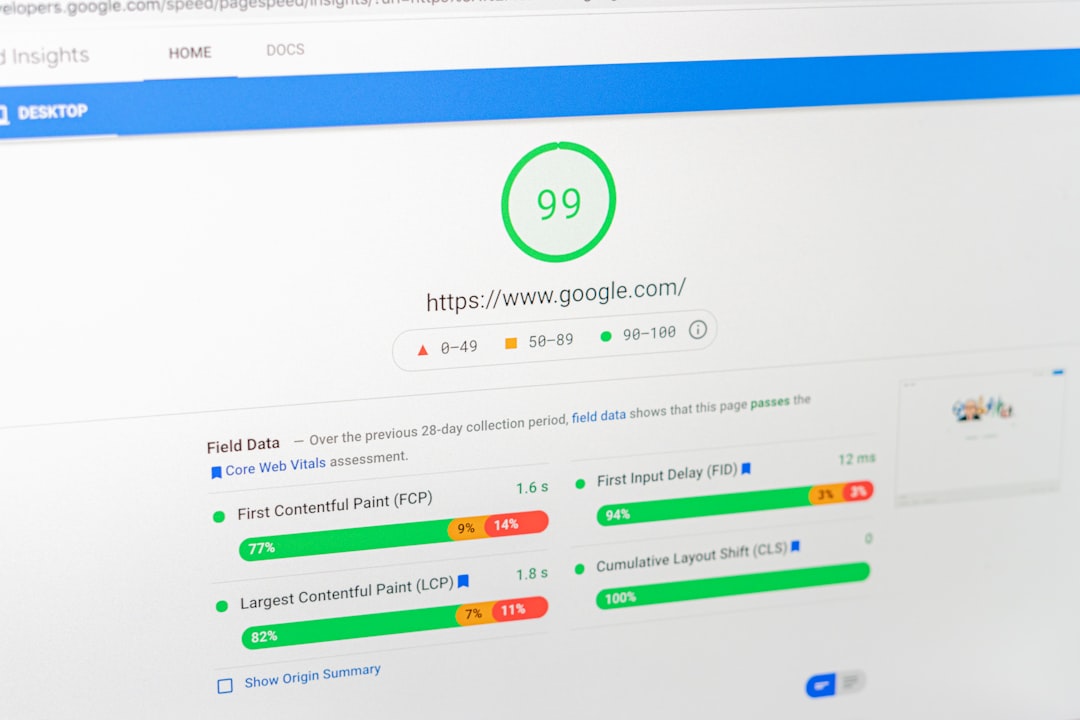
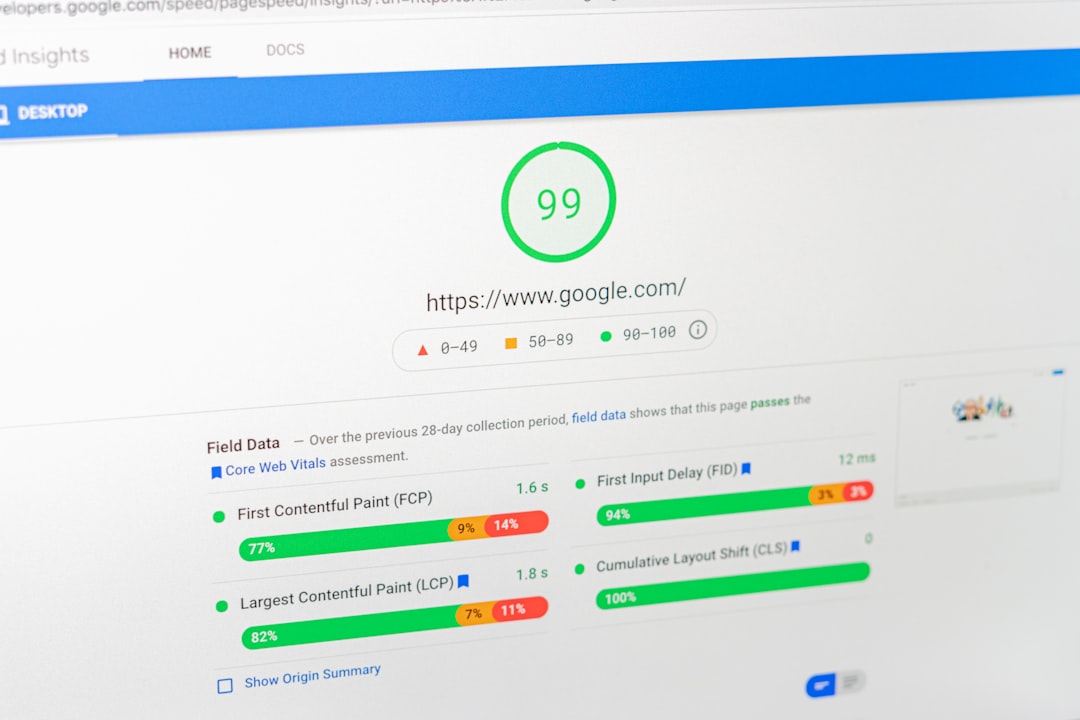
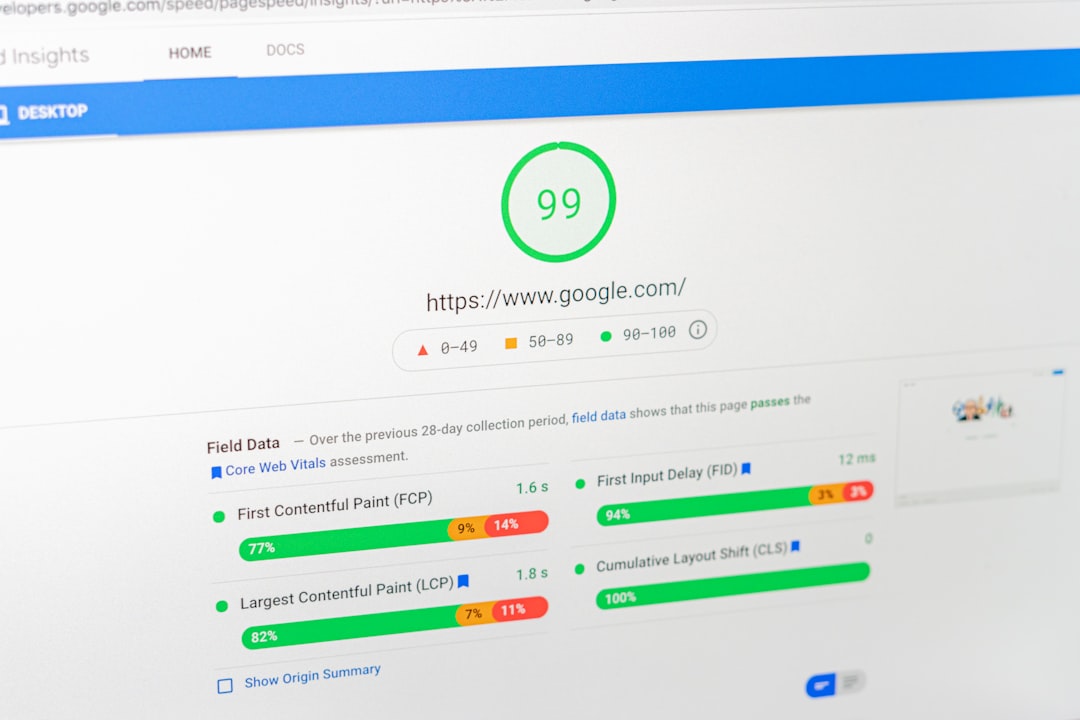
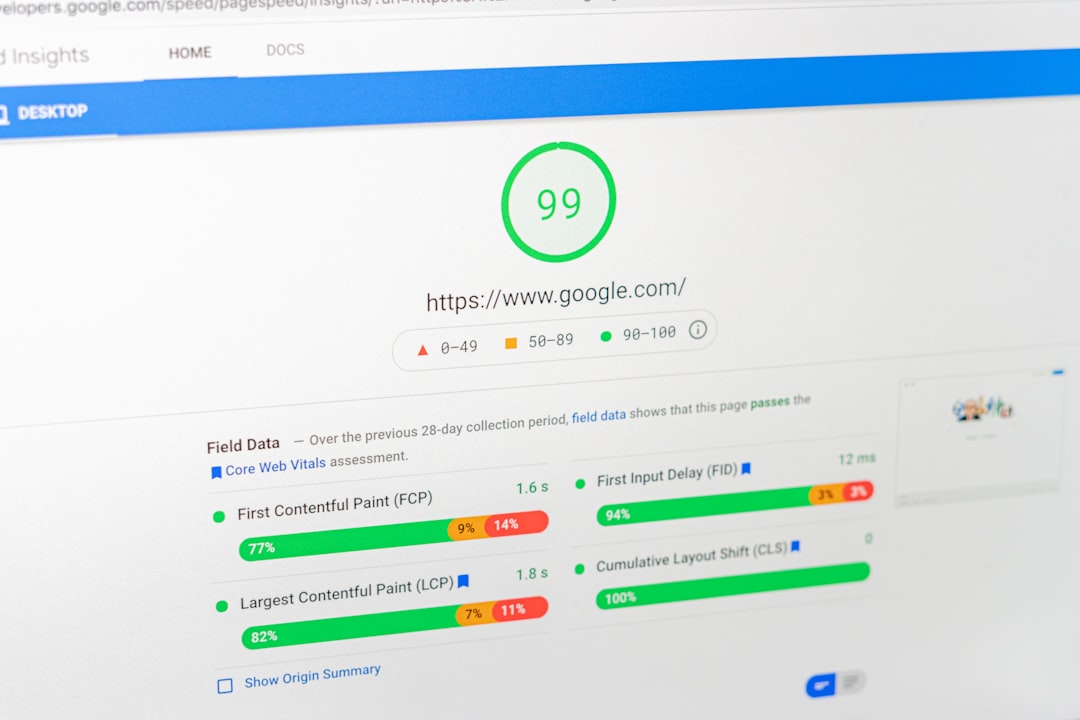
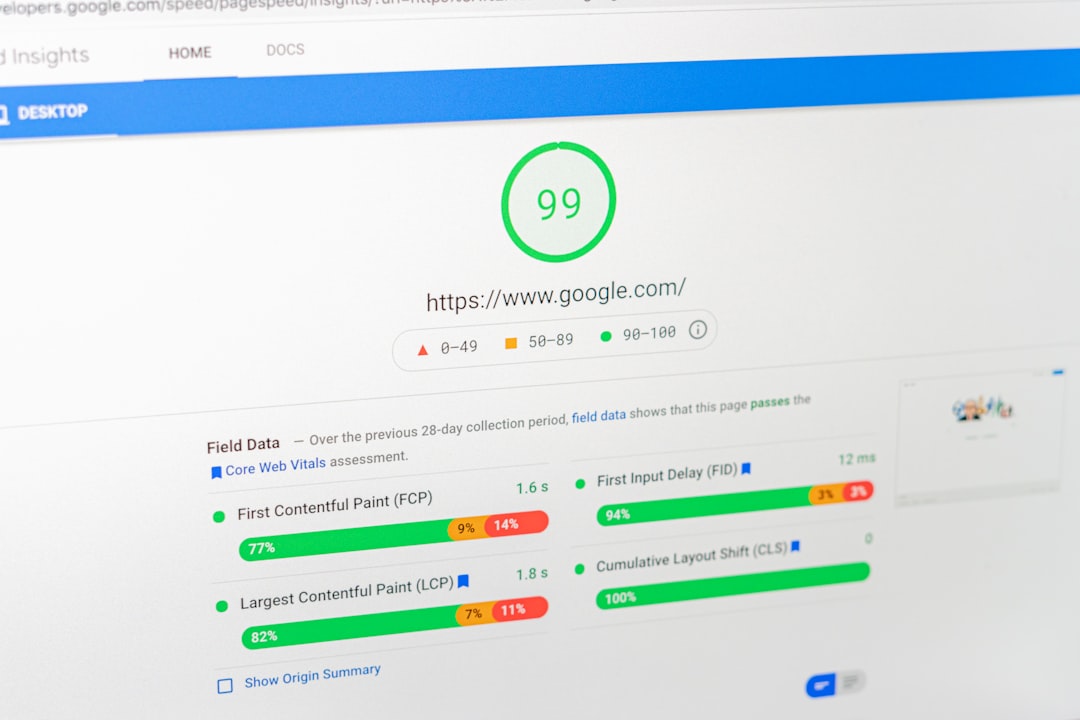
Fast pages support both usability and SEO. Beginners do not need to obsess over every performance score, but they should avoid oversized images, bloated plugins, broken links, redirect chains, and themes that create unnecessary overhead.
If you are seeing slow templates, excluded pages, or crawl waste, WordPress SEO Expert can help. A focused review often finds issues like thin archive pages, duplicate URLs, or plugin settings that quietly hold back organic growth.
Do you need an SEO plugin?
Yes, most beginners benefit from one SEO plugin, but only for control and convenience. A plugin can help you edit titles, meta descriptions, canonicals, schema basics, and sitemaps. It does not replace keyword research, content quality, or technical judgment.
The common mistake is installing multiple SEO plugins or treating plugin scores as the goal. Use one tool, configure the basics, and then spend more time improving actual pages than chasing green lights in the editor.
A simple beginner checklist
If you only have one hour to improve WordPress SEO, work through this list in order. It covers the changes that usually matter first and prevents you from spending time on advanced tasks before the basics are stable.
| Task | What to check |
|---|---|
| Indexing | Search engine visibility is enabled and important pages are indexable |
| Permalinks | URLs are short, readable, and consistent |
| Titles | Each key page has a unique title focused on one topic |
| Descriptions | Meta descriptions summarize the page clearly |
| Headings | Each page has one clear H1 and logical H2 sections |
| Internal links | Important pages link to related content naturally |
| Images | Alt text is descriptive and images are compressed |
| Speed | Heavy plugins, broken links, and bloated assets are reduced |
Common beginner mistakes
Most WordPress SEO problems are not advanced. They usually come from basic setup errors, scattered content, or overuse of plugins. Fixing these mistakes is often more valuable than adding another tool or publishing more weak posts.
Watch for these issues: blocking indexing by accident, using duplicate titles, publishing thin category pages, ignoring internal links, stuffing keywords into headings, and relying on plugin scores instead of search intent. These problems are common because they look small, but together they make a site harder to understand and harder to rank.
When to get help
You can handle basic WordPress SEO yourself, but recurring indexing issues, traffic drops, or a large content cleanup usually need a more technical review. That is especially true for WooCommerce stores, redesigned sites, and sites with many plugins affecting templates or metadata.
If you are stuck, WordPress SEO Expert can help with both the strategy and the technical cleanup. We look at how your pages are structured, what Google can crawl, and which fixes are worth doing first instead of handing you a generic checklist.
Final takeaway
WordPress SEO for beginners is mostly about getting the fundamentals right and repeating them consistently. Start with indexing, titles, content, internal links, images, and speed. Once those basics are working, every future post and page has a better chance to perform.
Need a second set of eyes on your setup? Book a free SEO consultation with WordPress SEO Expert and we will help you find the fastest fixes for your WordPress site.