
Understanding the Importance of SEO for Georgia Businesses
Search Engine Optimization plays an important role in helping businesses become more visible to potential customers online. When people need a product or service, they often begin by searching on Google or another search engine. Businesses with well-optimized websites have a better opportunity to appear in relevant search results and attract visitors who are already interested in what they offer.
For companies operating in Georgia, SEO can support growth by connecting their services with customers across local communities and larger markets. Whether a business operates in Atlanta, Savannah, Augusta, Macon, Athens, or a smaller Georgia town, an effective SEO strategy can help improve its online presence and create opportunities to reach the right audience.
How SEO Supports Business Growth
SEO helps businesses attract visitors through unpaid search results by improving website content, structure, technical performance, and relevance. Instead of relying entirely on advertisements, companies can build an organic presence that continues creating opportunities over time.
For example, a Georgia plumbing company can optimize its website for searches related to pipe repairs, water heater installation, and emergency plumbing services. When potential customers search for these services, relevant website pages may help the company become easier to discover.
SEO also supports business growth by helping companies understand customer interests and search behavior. Keyword research, website analytics, and competitor analysis can reveal what potential customers are looking for and which services deserve greater attention.
The Role of Organic Search Visibility
Organic search visibility refers to how easily people can find a website through unpaid search engine results. A business that appears for relevant searches has more opportunities to introduce its products or services to potential customers.
Strong visibility is not simply about ranking for popular keywords. It is about appearing for searches that match the business’s offerings and customer needs. A local roofing contractor, for example, may receive greater business value from ranking for relevant roof repair searches than from attracting visitors searching for unrelated roofing information.
An SEO expert works to improve this visibility through keyword targeting, content development, technical improvements, and website optimization. These activities help search engines understand the website and determine which searches its pages may be relevant to.
Why Local Businesses Need a Strong Online Presence
Local customers frequently use search engines to find nearby services, compare businesses, and check customer reviews. A company with accurate business information and useful website content can make it easier for these customers to understand its services and contact the business.
A Georgia restaurant, for example, may want to appear when people search for dining options in its neighborhood. A home improvement company may focus on customers searching for renovation services in the cities and communities it genuinely serves.
A strong online presence also helps businesses build credibility. Detailed service pages, updated contact information, genuine customer reviews, and helpful content allow potential customers to learn more before making a decision.
SEO as a Long-Term Marketing Investment
SEO should be viewed as an ongoing marketing investment rather than a quick promotional activity. Website improvements, content development, and authority building can take time to produce meaningful results, but they can create lasting value when managed consistently.
Unlike paid advertising, where visibility generally depends on continuing campaign spending, optimized website pages may continue attracting organic visitors after publication. However, businesses still need to maintain their websites, update important content, monitor performance, and respond to changing competition.
A professional SEO expert helps businesses prioritize improvements and develop a realistic long-term plan. This makes it easier to connect marketing activities with business objectives and evaluate progress over time.
Why Choosing the Right SEO Expert Matters
Selecting an SEO expert is an important decision because the professional or agency you hire can influence your website’s visibility, quality, and long-term marketing direction. A suitable expert understands that SEO involves research, planning, implementation, and continuous evaluation.
The right provider should also understand your business goals instead of offering the same package to every company. A local service provider, an online retailer, and a professional consulting firm may require very different SEO strategies.
The Impact of Professional SEO Strategies
A professional SEO strategy begins with understanding the website and the market in which the business operates. The expert evaluates existing performance, identifies weaknesses, researches relevant keywords, and determines which improvements should receive priority.
For example, a Georgia dental clinic may need better service pages, local keyword optimization, and improvements to its business profile. An online clothing store may require product page optimization, improved category navigation, and technical SEO work.
A structured strategy helps businesses avoid random changes that do not contribute to their objectives. It also makes it easier to measure completed work and understand how different optimization activities support overall performance.
Avoiding Ineffective Optimization Practices
Not every SEO technique produces sustainable results. Some providers rely on excessive keyword repetition, irrelevant backlinks, copied content, or promises of instant rankings. These approaches may waste money and can create problems for a website.
A reliable SEO expert follows ethical optimization practices and focuses on providing value to website visitors. They should explain why particular changes are recommended and how those changes relate to search visibility or user experience.
Business owners should be cautious when a provider refuses to explain their methods. Clear communication helps companies understand what is being done and reduces the risk of investing in services that do not support long-term growth.
Building a Sustainable Digital Presence
A sustainable digital presence is built through consistent improvements to website quality, content, reputation, and technical performance. It requires more than publishing a few articles or adding keywords to existing pages.
An SEO expert can help organize website content, improve important service pages, strengthen internal links, and identify opportunities to earn relevant backlinks. These activities work together to create a more useful and discoverable website.
For a Georgia business, sustainability also means maintaining accurate local information and adapting content to customer needs. A strong digital foundation makes it easier to introduce new services, target additional locations, and respond to market changes.
Connecting SEO Activities With Business Goals
SEO should support measurable business objectives rather than focus only on rankings and traffic numbers. Companies need to understand whether their website is attracting relevant visitors and encouraging useful actions.
For example, a home renovation company may measure quote requests, phone calls, and consultation bookings. An online store may focus on product sales, completed transactions, and revenue generated through organic search.
Before hiring an expert, business owners should explain what success means for their company. This allows the SEO provider to select suitable keywords, prioritize relevant pages, and create reports that reflect actual business performance.
Qualities to Look for in an SEO Expert in Georgia
Choosing an SEO expert requires careful evaluation because providers can differ significantly in their experience, technical knowledge, communication, and working methods. A good professional should be able to explain complex SEO concepts in a clear and practical way.
Business owners should look for someone who understands both search engine optimization and the needs of the company. The following qualities can help identify a provider who is prepared to support long-term growth.
Experience and Practical SEO Knowledge
Experience helps SEO professionals recognize common website problems and understand how different optimization activities work together. However, the number of years a person has worked in SEO should not be the only factor in the hiring decision.
Ask potential providers about the projects they have handled, the challenges they encountered, and how they approached those situations. Their explanations should demonstrate practical knowledge rather than relying on general claims about rankings.
A capable expert should understand keyword research, on-page optimization, technical SEO, local search, content strategy, and performance measurement. They should also recognize that different websites require different solutions.
Understanding of the Georgia Business Market
Knowledge of the local market can help an SEO expert develop more relevant strategies for businesses operating in Georgia. Local customer behavior, geographic competition, and service-area requirements may influence which keywords and pages deserve attention.
For example, a business targeting customers in Atlanta may face different search competition from one serving a smaller Georgia community. An expert should understand how to research these differences instead of applying one geographic strategy everywhere.
Local knowledge can also help identify relevant content opportunities. Businesses may benefit from pages that explain their services in specific communities, provided those pages offer useful and accurate information.
Strong Keyword Research Skills
Keyword research is one of the foundations of an effective SEO campaign. It helps identify the words and phrases potential customers use when searching for relevant products, services, and information.
A skilled SEO expert evaluates keywords according to relevance, search intent, competition, and business value. They should understand the difference between informational searches and phrases that indicate someone is ready to contact a provider or make a purchase.
For example, a Georgia landscaping company may target searches related to lawn maintenance, landscape design, and seasonal yard care. The expert should organize these opportunities into relevant website pages instead of placing every keyword on a single page.
Technical SEO Expertise
Technical SEO knowledge is essential because website problems can prevent search engines and visitors from accessing important information. A professional should understand how crawling, indexing, redirects, website speed, mobile usability, and site structure affect website performance.
An SEO expert may identify issues such as broken links, duplicate pages, incorrect canonical tags, slow loading resources, or pages that are accidentally blocked from indexing. They should also be able to explain which problems require immediate attention and which can be addressed later.
Technical recommendations should be practical and appropriate for the website. A strong professional works with developers or website administrators when necessary and checks that implemented changes function correctly.
Content Optimization Capabilities
Useful website content helps potential customers understand a business and helps search engines interpret the purpose of its pages. An SEO expert should know how to improve content without making it repetitive or unnatural.
This includes optimizing headings, page titles, descriptions, internal links, and relevant keywords. It also involves identifying missing information and recommending new pages that address genuine customer questions.
For example, a Georgia accounting firm may need separate pages for bookkeeping, tax preparation, payroll support, and business accounting. Clear service pages can help visitors understand the company’s offerings and choose the information most relevant to their needs.
Transparent Communication and Reporting
A professional SEO expert should communicate clearly about campaign activities, progress, challenges, and future priorities. Business owners should not have to guess what work is being completed or why particular changes are being recommended.
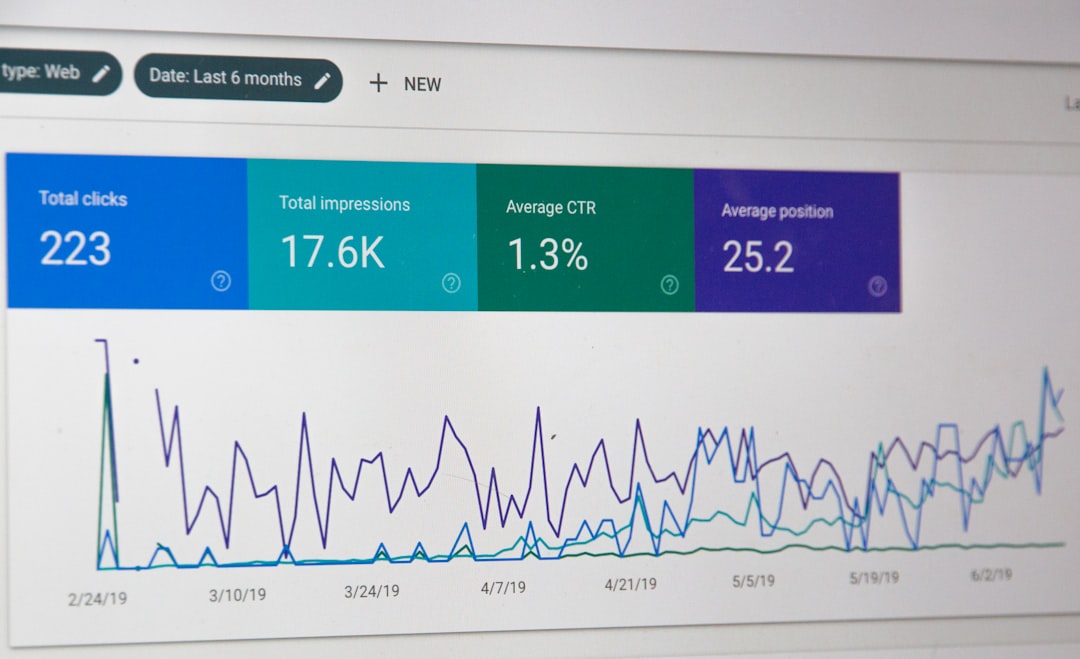
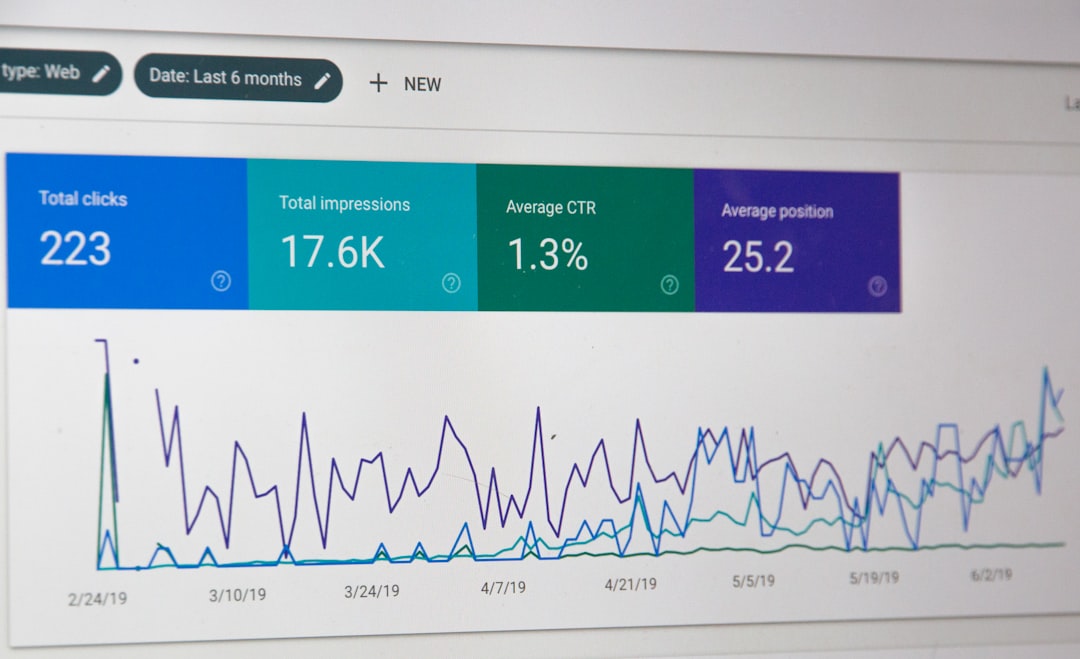
Reports should explain important measurements such as organic traffic, search impressions, clicks, keyword visibility, and conversions. The expert should connect these numbers with the company’s objectives instead of presenting technical data without context.
Regular communication also gives business owners an opportunity to ask questions and provide feedback. A transparent working relationship creates accountability and helps both sides make better decisions.
Ethical SEO Practices
Ethical SEO involves improving website quality and search visibility through methods that follow search engine guidelines. It focuses on useful content, appropriate technical optimization, genuine relationships, and a positive experience for visitors.
A trustworthy expert should avoid manipulative tactics such as automated link schemes, copied content, fake reviews, and excessive keyword stuffing. These practices can damage credibility and create unnecessary risks.
Business owners should ask potential providers how they build backlinks, create content, and manage local listings. A professional should be willing to explain their methods and discuss the limitations of SEO honestly.
Understanding Different SEO Services
SEO includes several areas of work that contribute to website visibility and performance. Understanding these services helps business owners choose an expert who can address their actual requirements.
Not every company needs every SEO service at the same time. The right combination depends on the website’s current condition, industry, competition, target audience, and business goals.
| SEO service | Main purpose | Business benefit |
|---|---|---|
| On-page SEO | Improve website pages and content | Makes information clearer and more relevant |
| Off-page SEO | Build website reputation and authority | Supports credibility and online discovery |
| Technical SEO | Improve crawling, indexing, and website performance | Creates a stronger website foundation |
| Local SEO | Improve visibility in location-based searches | Helps reach nearby customers |
| E-commerce SEO | Optimize product and category pages | Helps customers discover products |
| Content SEO | Plan and improve useful website content | Answers customer questions and attracts relevant visitors |
On-Page SEO
On-page SEO focuses on improving individual website pages so that their content and structure clearly communicate their subject. It includes page titles, headings, descriptions, keyword placement, image optimization, and internal linking.
For example, a Georgia roofing company may have separate pages for roof inspections, roof repairs, and complete roof replacements. Each page should explain the relevant service and provide information that helps potential customers understand their options.
An SEO expert reviews these pages to ensure they are useful, well-organized, and aligned with search intent. The objective is to make important information accessible to both visitors and search engines.
Off-Page SEO
Off-page SEO includes activities that take place outside the business website and contribute to its online reputation. Link building is one part of this process, but brand mentions, industry relationships, and genuine online recognition can also support visibility.
A Georgia business may develop relationships with local organizations, professional associations, community groups, and relevant publications. These relationships can create opportunities for legitimate website mentions and referrals.
A professional SEO expert focuses on relevance and quality when developing off-page strategies. The goal is to build credibility through genuine connections rather than collecting large numbers of unrelated backlinks.
Technical SEO
Technical SEO improves the website elements that help search engines access, crawl, and index its pages. It also addresses technical factors that influence the visitor experience.
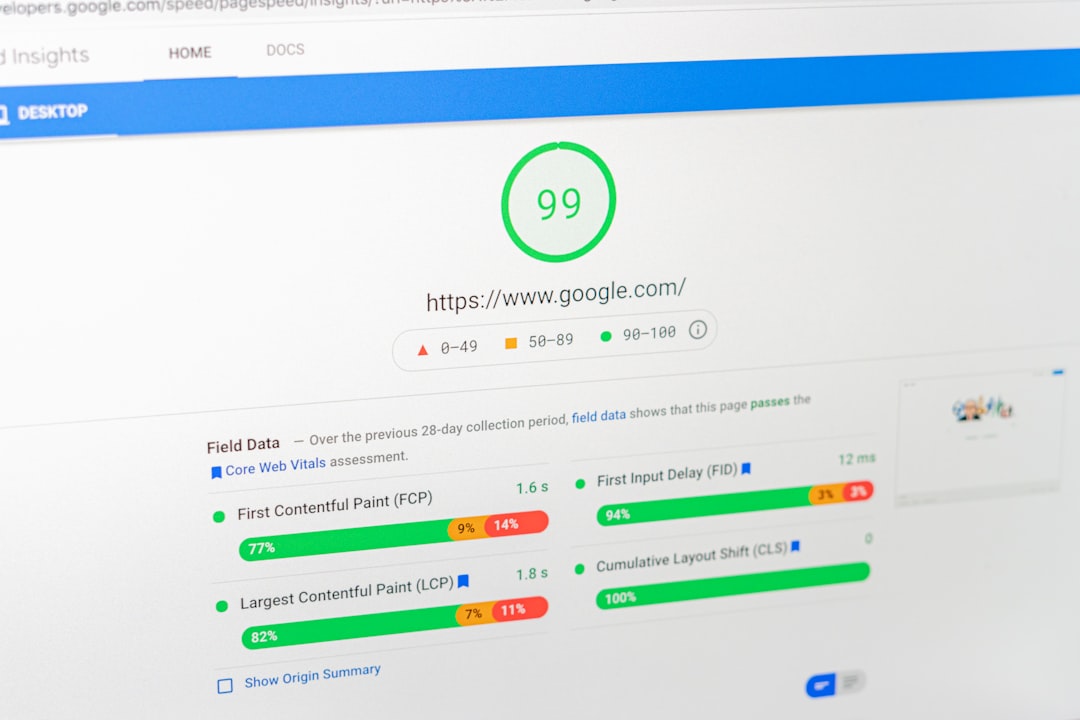
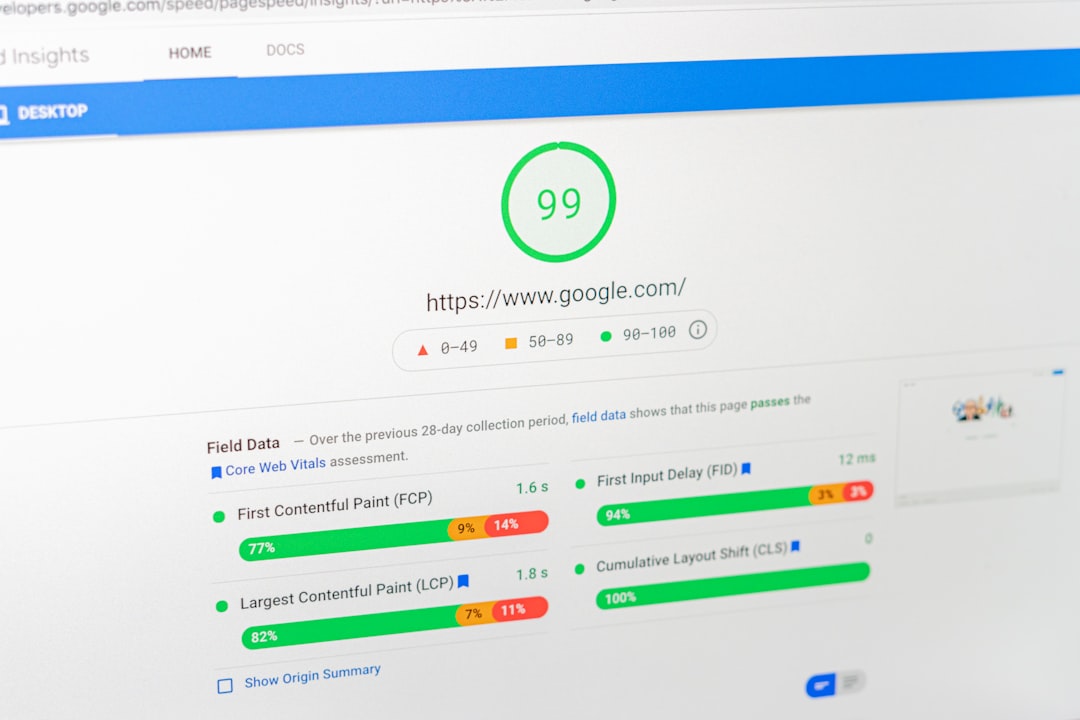
Common activities include improving loading speed, fixing broken links, reviewing redirects, checking mobile usability, and managing XML sitemaps. Technical audits can also identify duplicate content and indexing problems that require attention.
A technically sound website provides a stronger foundation for other SEO activities. Even excellent content may struggle to reach its audience if important pages are inaccessible or incorrectly configured.
Local SEO
Local SEO helps businesses improve their visibility for searches connected to particular geographic areas. It is especially valuable for companies that serve customers in specific cities, neighborhoods, or surrounding communities.
A local SEO campaign may include Google Business Profile optimization, local keyword research, location pages, customer review management, and consistent business listings. These activities help potential customers discover relevant businesses and understand where their services are available.
For example, a Georgia electrician may target customers in Atlanta and nearby communities through accurate service information and useful location-specific pages. Local optimization should always reflect the areas the business genuinely serves.
E-Commerce SEO
E-commerce SEO focuses on improving the visibility of online stores and their product-related pages. It involves optimizing product descriptions, category pages, images, navigation, and technical elements that affect search discovery.
A Georgia online retailer may need to organize products into clear categories and provide unique descriptions for important items. Customers should be able to understand product features, compare options, and move through the shopping process easily.
An SEO expert may also review duplicate product URLs, filtering systems, structured data, and website speed. These improvements can help create a more accessible shopping experience and support product discovery through search engines.
Content Marketing and Optimization
Content marketing involves creating and sharing useful information that attracts and supports a target audience. In SEO, this may include service pages, educational articles, guides, case studies, and frequently asked questions.
A Georgia financial consultant, for example, could publish educational content about business budgeting, financial planning, and bookkeeping. Such resources can answer customer questions while introducing readers to relevant professional services.
An SEO expert helps identify suitable topics and organize them around search intent. Content should be accurate, original, easy to understand, and genuinely useful rather than created only to include keywords.
Mobile SEO
Mobile SEO focuses on ensuring that a website works effectively on smartphones and other smaller screens. This includes responsive design, readable text, accessible buttons, fast loading pages, and simple navigation.
Mobile usability is particularly important for local businesses because customers may search for services while traveling or handling an immediate need. A visitor looking for an emergency repair service should be able to find the phone number and contact the company without difficulty.
An SEO expert can test the website across different devices and identify problems that affect the mobile experience. Improving mobile usability helps make the website more accessible and convenient for potential customers.

How to Evaluate an SEO Expert’s Experience
Evaluating an SEO expert’s experience is an important step before committing to a long-term working relationship. A professional may have an impressive website or attractive service packages, but business owners should look beyond promotional claims and examine practical knowledge, previous work, and the ability to deliver a clear strategy.
The best way to assess an expert is to ask specific questions and review evidence of their work. Their answers should demonstrate an understanding of SEO processes, business challenges, and realistic ways to improve website performance.
Review Previous SEO Projects
Ask potential SEO providers about projects they have completed for businesses with similar requirements. Experience in your industry can be useful, although a professional with strong SEO fundamentals may also be able to work effectively in a different sector.
Request examples of website improvements, content strategies, technical projects, or local SEO campaigns. A capable expert should be able to explain the initial challenges, the work performed, and the outcomes without exaggerating their contribution.
When reviewing previous projects, look for evidence of consistent improvement rather than a single ranking screenshot. Search performance can change because of competition, seasonality, algorithm updates, and other factors, so results should be evaluated in context.
Ask for Relevant Case Studies
Case studies can provide a clearer picture of how an SEO expert approaches real business challenges. They should explain the client’s starting position, campaign objectives, strategy, implementation, and measurable outcomes.
For example, a case study involving a Georgia home services company might describe how the provider improved service pages, corrected technical issues, and developed local search visibility. It could also explain whether organic leads or relevant website inquiries increased during the campaign.
Be careful with case studies that provide impressive percentages without explaining the measurement period or starting figures. Reliable professionals should be comfortable discussing how results were measured and what factors influenced them.
Understand Their SEO Process
A professional SEO expert should have a structured process for reviewing websites and developing campaigns. The process commonly begins with an audit, followed by research, strategy development, implementation, and regular performance evaluation.
Ask how the provider identifies website problems and decides which tasks should be completed first. Their response should show that recommendations are based on research and business priorities rather than a fixed checklist used for every client.
A clear process also makes collaboration easier. Business owners should understand what information the expert needs, which tasks require approval, and how progress will be communicated.
Check Their Technical Understanding
Technical SEO knowledge is especially important when a website has complex issues or needs significant improvements. Ask the expert how they would investigate indexing problems, duplicate pages, broken redirects, or slow website performance.
You do not need to understand every technical detail to evaluate the response. A good professional should explain the issue in simple language, describe its potential impact, and outline a sensible solution.
If the provider cannot explain basic technical recommendations, it may be difficult to trust their ability to manage more complicated website problems. Clear explanations are an important sign of professional competence.
Evaluate Their Communication Style
SEO campaigns require ongoing communication because strategies may need adjustments as the website and market develop. An expert should be approachable, responsive, and willing to explain decisions.
During an initial discussion, observe whether the provider listens carefully to your business requirements. Someone who immediately recommends an expensive package without asking about your website, audience, and goals may not be offering a genuinely tailored solution.
You should also clarify how often meetings and reports will take place. Agreeing on communication expectations early can prevent misunderstandings later.
The Importance of Local SEO Knowledge in Georgia
Local SEO is particularly important for businesses that depend on customers in specific geographic areas. A company may offer excellent products or services, but it can miss valuable opportunities if nearby customers cannot find it through relevant searches.
Georgia includes large cities, smaller towns, suburban communities, and rural areas. Each market may have different competitors, customer needs, and search patterns, making local research an important part of campaign planning.
Understanding Georgia’s Local Search Landscape
A local SEO expert should understand how to research customer searches across the locations a business genuinely serves. This includes identifying relevant city names, neighborhood terms, service-related keywords, and location-based search intent.
For example, a company serving Atlanta may want to reach customers looking for home cleaning, electrical repairs, or landscaping services in particular communities. A business serving Savannah or Augusta may require a different set of location-focused pages and keyword priorities.
The expert should not simply add city names to every page. Local content needs to provide useful information about the services available in each area and explain how the company helps customers there.
Optimizing Google Business Profile
Google Business Profile is an important part of local search visibility for eligible businesses that meet Google’s guidelines. A well-maintained profile can help customers discover business information, review services, view photographs, and contact the company.
An SEO expert may review the business name, primary and secondary categories, address or service area, phone number, operating hours, website link, and service descriptions. They should also help identify missing information and inconsistencies that could confuse potential customers.
Businesses should ensure that their profile information is accurate and follows platform guidelines. Adding irrelevant categories, creating duplicate profiles, or using misleading business information can create problems rather than improve visibility.
Building Location-Specific Website Pages
Businesses serving several Georgia communities may benefit from dedicated location pages when those pages provide meaningful information. These pages can explain the services offered, relevant service areas, customer needs, and practical details about contacting the company.
For example, a pest control provider serving Atlanta, Marietta, and Roswell may create useful pages for each location. Each page should have original content that reflects the company’s actual service coverage instead of repeating the same paragraphs with only the city name changed.
A professional SEO expert can organize these pages into a clear website structure. Internal links should connect relevant location pages with service pages and other helpful resources.
Managing Local Business Listings
Business information may appear across directories, professional platforms, maps, and industry websites. Consistent details help customers identify the correct business and reduce confusion when they are looking for contact information.
Important details include the business name, address, phone number, website, and other relevant information. A local SEO expert can review important listings and identify outdated or inconsistent entries.
Not every directory deserves equal attention. The focus should be on accurate, relevant platforms that customers may use and that make sense for the business’s industry and location.
Encouraging and Managing Customer Reviews
Customer reviews can influence how potential customers evaluate a local business. Positive, genuine feedback may help people understand the quality of a company’s services and feel more confident about contacting it.
An SEO expert can recommend a review process that makes it easy for real customers to share honest feedback. This may include sending a polite follow-up message after a completed service or providing clear instructions for leaving a review.
Businesses should never purchase fake reviews or pressure customers to provide positive ratings. Responses to negative feedback should remain professional, respectful, and focused on resolving genuine concerns.
Creating Locally Relevant Content
Local content helps businesses address questions and interests that matter to customers in their service areas. It can include local guides, seasonal advice, service explanations, project examples, and answers to common customer questions.
For example, a Georgia landscaping business could publish useful information about lawn maintenance during different seasons. A roofing contractor might explain how homeowners can recognize common roof problems and when a professional inspection may be appropriate.
An SEO expert should ensure that local content is accurate and relevant. The purpose is to help customers make informed decisions, not to create pages that mention locations without offering useful information.
How an SEO Expert Develops a Long-Term Strategy
A long-term SEO strategy provides direction for improving a website over time. It helps businesses prioritize activities, allocate resources, and measure whether optimization work is contributing to meaningful results.
SEO is not a one-time task because websites, competitors, customer expectations, and search engine systems continue to change. A professional expert should develop a strategy that can adapt as new information becomes available.
Conducting a Comprehensive Website Audit
The first step in developing a strategy is understanding the website’s current condition. An SEO audit examines important areas such as technical performance, content quality, keyword targeting, internal linking, mobile usability, and search visibility.
The audit should identify issues that may prevent important pages from performing effectively. These could include missing page titles, duplicate content, broken links, indexing problems, weak service descriptions, or confusing navigation.
A professional should organize findings according to their potential impact and implementation difficulty. This creates a practical action plan instead of overwhelming the business with a long list of unrelated recommendations.
Researching Keywords and Search Intent
Keyword research helps determine what potential customers are searching for and how those searches relate to the company’s services. A strong strategy considers both the wording of searches and the reason behind them.
Some people are looking for general information, while others are comparing providers or preparing to make a purchase. A Georgia business should have content that addresses the relevant stages of this customer journey.
For example, a customer searching for information about roof damage may need an educational guide. Someone searching for roof repair services in Atlanta may be closer to contacting a contractor. An SEO expert should create suitable pages for these different needs.
Analyzing Competitors
Competitor analysis helps businesses understand which companies are competing for the same search visibility and what strategies may be contributing to their performance. It can reveal content gaps, keyword opportunities, website weaknesses, and differences in service presentation.
An expert may review competing websites, page structures, content quality, local profiles, and backlink profiles. The purpose is not to copy another business but to understand the market and identify opportunities to offer something more useful.
For example, if several competitors have general service pages but provide limited answers to common customer questions, a business may have an opportunity to create more informative resources. The expert should connect these opportunities with the company’s strengths and customer needs.
Developing a Content Roadmap
A content roadmap organizes what the business should publish or improve over a defined period. It helps prevent random content creation and ensures that important topics receive appropriate attention.
The roadmap may include service pages, location pages, educational articles, comparison guides, case studies, and frequently asked questions. Each planned page should have a clear purpose and target audience.
A professional SEO expert should also review existing content before recommending new pages. Updating a useful existing page may be more valuable than creating another article that covers the same subject.
Prioritizing Technical Improvements
Technical issues should be addressed according to their impact on website accessibility, indexing, usability, and performance. Some problems may require immediate attention, while others can be scheduled as part of ongoing maintenance.
For example, a page that should appear in search results but is accidentally blocked from indexing may deserve urgent attention. A minor formatting issue may be less important than a broken website navigation system.
The SEO expert should coordinate with developers or website administrators when necessary. All major changes should be checked after implementation to confirm that they work as intended.
Building Website Authority Naturally
Website authority develops through a combination of useful content, relevant references, genuine recognition, and a strong online reputation. It should not be treated as a number that can be increased safely through bulk link purchases.
A long-term strategy may include creating valuable resources, contributing expert insights, participating in relevant industry activities, and building relationships with reputable organizations. These activities can create opportunities for meaningful mentions and links.
For a Georgia business, relevant professional associations, community organizations, suppliers, and industry publications may provide legitimate opportunities to build relationships. The expert should focus on relevance and quality rather than chasing a large backlink count.
Monitoring Results and Improving the Strategy
SEO performance should be reviewed regularly so the business can understand what is working and what needs adjustment. An expert may monitor organic traffic, search impressions, clicks, keyword visibility, conversions, and important technical indicators.
Reports should compare performance across suitable periods and account for seasonal changes where relevant. For example, some home services may experience higher demand during particular months, so traffic changes should be interpreted in context.
A long-term strategy should evolve as the data reveals new opportunities. If a service page attracts visitors but generates few inquiries, the expert may review its content, calls to action, contact options, and alignment with search intent.
Questions to Ask Before Hiring an SEO Expert
Asking the right questions before hiring an SEO professional can help businesses understand what they are purchasing and whether the provider is suitable for their needs. It also gives business owners an opportunity to compare different providers using consistent criteria.
A reliable expert should welcome reasonable questions and provide clear answers. Avoid choosing a provider solely because of a low price or an impressive promise.
What Is Your Approach to SEO?
Ask the provider to explain how they develop and manage an SEO campaign. Their answer should include research, website auditing, strategy development, implementation, and ongoing monitoring.
The expert should also explain how they decide which tasks receive priority. A strategy based on the website’s condition and business goals is generally more useful than a generic package that treats every company the same way.
Have You Worked With Businesses Similar to Mine?
Experience with similar businesses can help an expert understand industry-specific customer behavior and competition. Ask whether they have worked with companies of a comparable size, service type, or geographic focus.
If they have relevant examples, ask what challenges those businesses faced and how the campaigns were structured. If they do not have direct industry experience, ask how they would research and understand your market.
What Results Should I Realistically Expect?
This question helps reveal whether the provider understands the uncertainty involved in SEO. A trustworthy expert should explain that rankings and traffic depend on competition, website quality, resources, and many other factors.
They may provide milestones for completing audits, fixing technical issues, improving pages, and monitoring campaign performance. However, they should not guarantee a specific ranking or a fixed number of leads by an unrealistic deadline.
How Will You Measure Success?
Ask which metrics the expert will use to evaluate progress and how those measurements connect to business goals. Useful metrics may include organic clicks, qualified traffic, conversions, calls, form submissions, and relevant keyword visibility.
The provider should explain how tracking will be configured and whether the business will have access to its analytics and search performance data. Clear measurement makes it easier to evaluate the campaign’s value.
What Is Included in Your SEO Services?
Request a detailed explanation of the work included in the proposed package. This may cover audits, keyword research, content optimization, technical improvements, local SEO, link-building activities, and reporting.
Ask whether content writing, website development, and implementation are included or charged separately. Understanding these details helps prevent unexpected costs and confusion about responsibilities.
How Often Will I Receive Reports?
Reporting frequency should be agreed upon before work begins. Many businesses benefit from a regular monthly report supported by communication when important changes or problems occur.
Ask what the report will contain and whether the expert will explain the results during a meeting. Reports should make progress understandable rather than simply presenting large amounts of technical data.
Who Will Own the Website and SEO Accounts?
Business owners should retain control of their domain, website, Google Business Profile, analytics accounts, and other important digital assets. An SEO provider may receive the access needed to perform work, but ownership should remain with the business.
Ask how access is managed and what happens if the working relationship ends. A professional provider should not make it difficult for a company to retain its website or account information.
How Do You Handle Changes in Search Algorithms?
Search engines regularly update their systems, and these changes can influence website performance. Ask how the provider monitors developments and evaluates whether a change affects your website.
A capable expert should explain how they investigate performance changes before recommending adjustments. They should avoid making unnecessary website changes based on rumors or short-term ranking fluctuations.
SEO Red Flags to Avoid When Choosing a Provider
Choosing an unsuitable SEO provider can waste marketing budgets and create problems that take time to correct. Business owners should recognize warning signs before signing a contract or providing access to important website accounts.
A provider does not need to promise perfect results to demonstrate confidence. In fact, honest explanations, realistic expectations, and clear working methods are often more valuable than dramatic claims.
Guaranteed First-Page Rankings
No SEO expert can control every factor that determines search engine rankings. A provider who guarantees first-page placement for every keyword may be using unrealistic sales promises.
Search competition, website quality, search intent, location, and algorithm changes all influence ranking opportunities. A professional should discuss realistic goals and explain how progress will be evaluated.
Promises of Instant Results
SEO usually requires research, implementation, and time for search engines to discover and evaluate changes. A provider promising major results within a few days should be approached with caution.
Some improvements, such as correcting a technical error, may produce relatively quick benefits. However, building strong visibility in competitive markets generally requires consistent work and ongoing evaluation.
Unclear Link-Building Methods
Backlinks can contribute to a website’s reputation, but low-quality or manipulative link-building practices can create risk. Be cautious when an expert promises thousands of backlinks without explaining their sources or relevance.
Ask how links will be earned and whether the provider uses outreach, useful resources, industry relationships, or other legitimate methods. The expert should be able to explain the quality standards used to evaluate potential links.
Lack of Reporting and Accountability
A provider who refuses to share reports or explain campaign activities makes it difficult to evaluate performance. Business owners should know what work is being completed and how results are measured.
Before hiring, agree on reporting frequency, important metrics, and communication arrangements. The provider should be prepared to discuss both successful activities and areas that need improvement.
Extremely Low Prices With Unrealistic Deliverables
Affordable SEO services may be suitable for businesses with limited budgets, but extremely low prices combined with extensive promises deserve careful review. A package claiming to provide comprehensive SEO, large-scale content production, technical development, and extensive link building for a very small fee may not offer the level of work described.
Ask for a breakdown of deliverables and responsibilities. Comparing the actual work included is more useful than comparing package prices alone.
No Interest in Understanding Your Business
A professional should ask about your services, target customers, locations, competitors, and objectives before recommending a strategy. If the provider offers the same plan without learning anything about your business, the campaign may not address your real needs.
SEO should connect with the company’s commercial priorities. An expert who understands the business can make better decisions about keyword selection, page improvements, and content opportunities.
Comparing Freelance SEO Experts, Agencies, and In-House Specialists
Businesses in Georgia can choose from freelance SEO professionals, specialized agencies, and in-house specialists. Each option has different advantages, costs, and management requirements.
The right choice depends on the company’s budget, website complexity, internal resources, and expected level of support. Business owners should compare the actual services and expertise available rather than assuming one model is always better.
Freelance SEO Experts
Freelance SEO professionals often work independently and may provide direct communication and flexible service arrangements. They can be suitable for small businesses that need help with specific tasks or ongoing optimization without hiring a larger team.
A freelancer may specialize in local SEO, technical audits, content optimization, keyword research, or link-building strategy. However, one person may not have the time or expertise to manage every part of a large campaign.
Before hiring a freelancer, ask about their workload, availability, reporting process, and ability to handle technical or content-related requirements. You should also clarify whether additional specialists will be needed for certain tasks.
SEO Agencies
SEO agencies usually provide access to multiple professionals with different areas of expertise. Depending on the agency, the team may include strategists, content writers, technical SEO specialists, local SEO professionals, and account managers.
This structure can be useful for businesses that require several services or have more complex websites. Agencies may also have established reporting processes and resources for managing ongoing campaigns.
However, agency quality can vary, and a larger team does not automatically guarantee better results. Ask who will manage your account, who will complete the work, and how communication will take place.
In-House SEO Specialists
An in-house SEO specialist works directly within the business and can develop a detailed understanding of its services, products, customers, and internal processes. This arrangement may be useful for companies with ongoing SEO requirements and sufficient resources to support a dedicated role.
An internal specialist can coordinate closely with marketing, sales, website development, and customer service teams. This can make it easier to connect SEO activities with wider business objectives.
The main consideration is the cost and scope of expertise required. One employee may not have advanced knowledge in every SEO area, so the business may still need external support for specialized projects.
Choosing the Right Option
The most suitable arrangement depends on the work that needs to be completed. A small local company may begin with a freelancer, while a growing business with several services and locations may benefit from an agency or a combination of internal and external support.
| Provider type | Best suited for | Main advantage | Potential limitation |
|---|---|---|---|
| Freelancer | Small businesses and focused projects | Direct communication and flexibility | Limited capacity for large campaigns |
| SEO agency | Growing businesses and complex campaigns | Access to multiple specialists | Costs and service quality can vary |
| In-house specialist | Businesses with ongoing SEO needs | Strong understanding of internal operations | Recruitment and employment costs |
Before making a decision, compare expertise, communication, service scope, pricing, and accountability. The best provider is the one whose capabilities match your business requirements and whose working process supports sustainable progress.

Creating an SEO Budget for Long-Term Growth
Planning an SEO budget is an important part of building a successful digital marketing strategy. Businesses in Georgia should consider SEO an ongoing investment that requires suitable resources, consistent attention, and realistic expectations.
The amount a company spends depends on its website condition, industry competition, service requirements, and growth objectives. A small local business may need a focused campaign, while a larger organization with several locations may require a more comprehensive strategy.
Understanding What Influences SEO Costs
SEO pricing can vary because every website has different requirements. A new website may need keyword research, technical setup, content development, and local optimization, while an established website may require improvements to existing pages and a more advanced strategy.
Industry competition is another important factor. A business targeting a highly competitive service in Atlanta may need more extensive content development and authority-building activities than a company operating in a smaller market with fewer competitors.
The number of website pages, locations, services, and technical challenges can also influence costs. Business owners should evaluate the scope of work instead of selecting a provider based only on the lowest advertised price.
Choosing Between Monthly and Project-Based SEO
Monthly SEO services are suitable for businesses that need continuous optimization and performance monitoring. These arrangements may include keyword research, content improvements, technical maintenance, local SEO, reporting, and strategic adjustments.
Project-based SEO is useful when a company needs a specific task completed. Examples include a technical audit, website migration review, keyword research project, or optimization of a group of important service pages.
Some businesses benefit from combining both approaches. They may begin with a one-time website audit and then move into monthly optimization based on the findings and priorities.
Allocating Budget According to Business Priorities
An effective SEO budget should focus on activities that support the company’s most important objectives. A local service business may prioritize Google Business Profile optimization and service pages, while an e-commerce company may need product page improvements and technical support.
Business owners should also consider the resources required to implement recommendations. A technical audit may identify important problems, but the company needs a realistic budget for developers or website administrators to make the changes.
A professional SEO expert should help identify the most valuable activities within the available budget. This makes it easier to focus on essential improvements before investing in additional services.
Evaluating SEO Value Instead of Price Alone
A low-cost service is not necessarily the most affordable option in the long run if it produces poor work or creates technical problems. Similarly, an expensive package is not automatically valuable unless the deliverables and strategy justify the investment.
Compare providers according to their experience, work quality, reporting, communication, and understanding of your business. Ask for a clear breakdown of what is included and what may involve additional charges.
The value of SEO should ultimately be evaluated through its contribution to relevant traffic, qualified inquiries, customer acquisition, and business growth. A realistic budget supports consistent progress without creating financial pressure.
How to Measure the Success of an SEO Campaign
Measuring SEO performance helps businesses understand whether their optimization efforts are creating useful results. Without proper measurement, it can be difficult to determine which activities are working and where improvements are needed.
A professional SEO expert should establish suitable performance indicators before starting the campaign. These indicators should connect search visibility with the outcomes that matter to the business.
Organic Website Traffic
Organic traffic refers to visitors who reach a website through unpaid search engine results. Monitoring this traffic helps businesses understand whether their search presence is attracting more visitors over time.
However, traffic growth should not be treated as the only measure of success. A website may receive thousands of visits from people who are not interested in its services, so traffic quality is equally important.
An SEO expert should examine which pages attract visitors, what searches bring people to the website, and whether those visitors take meaningful actions. This information helps businesses focus on relevant audience growth.
Keyword Rankings and Search Visibility
Keyword rankings show where website pages appear for particular search queries. Tracking relevant keywords can help businesses understand changes in their visibility and identify opportunities for improvement.
For a Georgia business, useful keywords may include service-related phrases combined with the cities or areas it serves. The expert should monitor a relevant selection of keywords rather than focusing only on a few broad terms.
Rankings can fluctuate because of competition, location, search personalization, and algorithm updates. They should therefore be considered alongside clicks, impressions, traffic, and conversions.
Search Impressions and Clicks
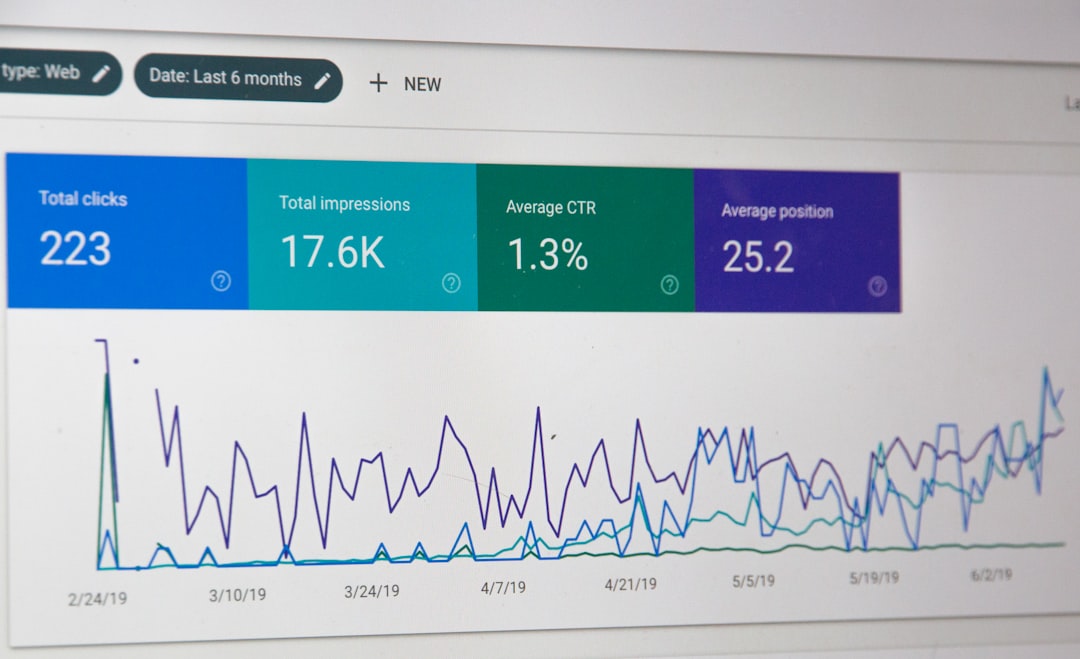
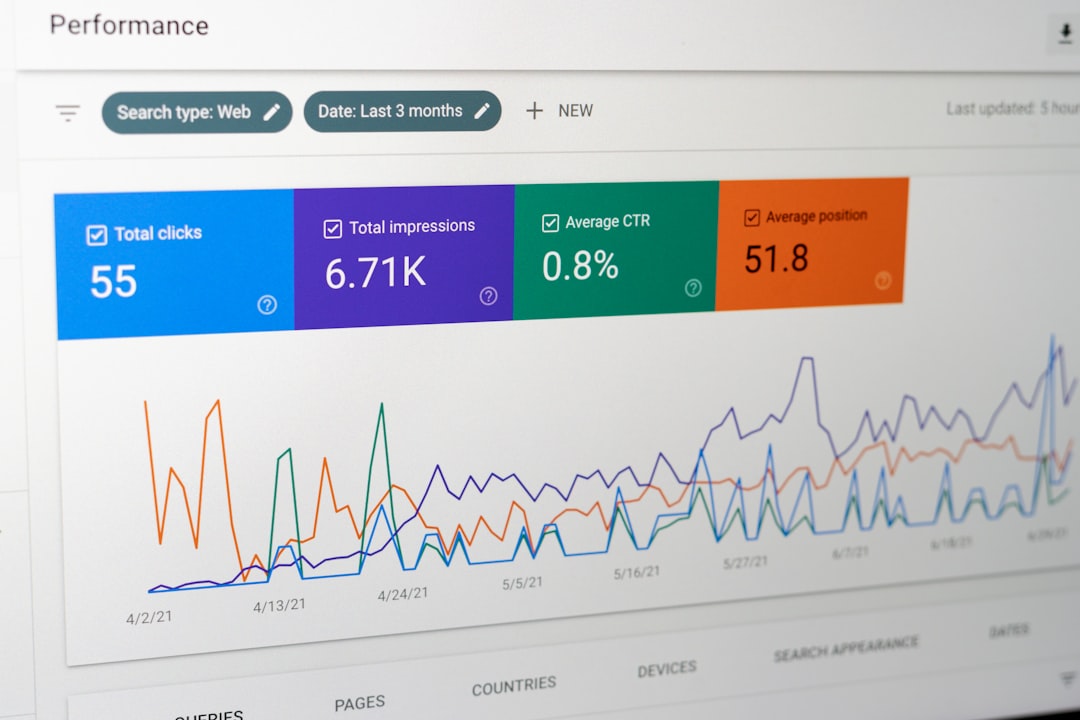
Search impressions indicate how often a website appears in search results, while clicks show how frequently people select its listing. These measurements help businesses understand whether their pages are being discovered and attracting attention.
If impressions increase but clicks remain low, the SEO expert may review page titles and meta descriptions to make them clearer and more relevant. If clicks increase but conversions remain limited, the website experience or page content may need further evaluation.
Search performance data can reveal opportunities that are not immediately visible through traffic reports alone. Reviewing these measurements regularly helps guide practical improvements.
Leads, Calls, and Form Submissions
For many Georgia businesses, the most important SEO outcome is generating qualified customer inquiries. Phone calls, contact forms, quote requests, consultation bookings, and appointment requests can help measure whether organic visitors are becoming potential customers.
An SEO expert should work with the business to establish appropriate conversion tracking. This may involve analytics configuration, call tracking, form tracking, or other suitable measurement methods.
The quality of inquiries matters as much as the quantity. A business should evaluate whether leads match its services, locations, pricing, and ideal customer profile.
Conversion Rate and Revenue
Conversion rate measures the percentage of visitors who complete a desired action. Depending on the business, this may mean making a purchase, submitting a contact form, requesting a quotation, or booking an appointment.
For e-commerce businesses, revenue and transactions from organic search can provide useful indicators of campaign value. For service companies, tracking qualified leads and completed jobs may offer a more meaningful picture.
SEO experts should help businesses understand how website performance contributes to sales opportunities. This allows decisions to be based on business outcomes instead of traffic figures alone.
Reporting and Continuous Improvement
Regular reporting helps businesses understand campaign activities and identify areas that require attention. A useful report should explain what changed, what work was completed, which results improved, and what the next priorities are.
The expert should also explain unexpected declines or fluctuations instead of hiding disappointing results. Honest reporting creates accountability and helps the business make informed decisions.
A successful campaign is not one that produces a positive report every month. It is one that uses accurate information to identify problems, improve performance, and work toward meaningful long-term objectives.
How Long-Term SEO Builds Business Credibility
A strong online presence can influence how potential customers perceive a business. When people find useful information, clear service details, and consistent business information, they may feel more confident about considering that company.
SEO supports credibility by improving how a business presents itself online. It helps make important information easier to discover and gives customers more opportunities to understand the company’s services and expertise.
Creating Helpful and Informative Content
Useful content demonstrates that a business understands the questions and challenges its customers face. Educational articles, service guides, practical tips, and detailed explanations can help visitors make informed decisions.
For example, a Georgia home improvement company could publish information about planning a renovation, choosing suitable materials, and recognizing common maintenance problems. This content may help potential customers understand the process before requesting professional assistance.
Content should be accurate, relevant, and written for real people. Repeatedly publishing low-quality articles simply to target more keywords does not create a trustworthy online presence.
Strengthening Brand Recognition
Consistent search visibility can help customers become familiar with a business over time. When a company appears for relevant searches and provides useful information, people may begin recognizing its name and services.
Brand recognition can develop through service pages, local listings, educational content, and relevant online mentions. These activities help create a more complete picture of the business across different digital platforms.
An SEO expert should maintain consistent messaging and ensure that website content accurately represents the company. This helps customers understand what the business offers and how it differs from other providers.
Improving Customer Confidence
Customers often research businesses before deciding whom to contact. They may review service descriptions, business information, customer feedback, photographs, and answers to common questions.
A well-organized website can make this research process easier. Clear contact information, transparent service details, and genuine customer testimonials help visitors evaluate whether a company meets their needs.
SEO supports this experience by making relevant information easier to discover. Businesses should ensure that the information presented online is accurate and does not make misleading claims.
Developing Authority Within an Industry
Industry authority grows when a business consistently provides valuable information and demonstrates knowledge of its services. Useful guides, original insights, project examples, and relevant professional contributions can support this reputation.
A Georgia accounting firm, for example, may publish helpful explanations about bookkeeping and business financial planning. A landscaping company may provide practical guidance about maintaining outdoor spaces throughout the year.
An SEO expert can organize these resources into a clear content strategy. Over time, useful content may help the company become a more recognizable source of information within its market.
Common SEO Mistakes Businesses Should Avoid
Many businesses invest in SEO but fail to achieve their expected progress because of avoidable mistakes. These problems may involve poor planning, weak content, technical issues, or unrealistic expectations.
Understanding common mistakes helps business owners make better decisions and work more effectively with their SEO provider.
Targeting Irrelevant Keywords
Choosing keywords only because they have high search volume can attract visitors who are unlikely to become customers. A business should focus on search phrases that match its services and customer needs.
For example, a local plumbing company may receive more value from relevant repair and installation searches than from broad informational keywords unrelated to its offerings. Keyword selection should consider search intent, competition, and commercial relevance.
An SEO expert should organize keywords around suitable pages and avoid targeting unrelated topics simply to increase traffic. Relevance is essential for attracting the right audience.
Ignoring Technical SEO
Technical problems can affect how search engines access and understand a website. Broken links, indexing errors, slow pages, duplicate URLs, and poor mobile usability may reduce the effectiveness of other SEO activities.
Businesses should not assume that a visually attractive website is automatically technically sound. Regular audits can identify issues that may otherwise remain unnoticed.
A professional should prioritize technical problems according to their impact. Fixing important issues can create a stronger foundation for content and local optimization.
Publishing Low-Quality Content
Content that repeats existing information without providing useful insights may offer little value to visitors. Excessive keyword usage and copied material can also damage the quality of a website.
Businesses should publish content that answers genuine questions and explains their services clearly. Each page should have a defined purpose and provide information that helps the reader.
An SEO expert should review content quality, accuracy, originality, and search intent. Publishing fewer useful pages can be more effective than producing large quantities of repetitive material.
Neglecting Local SEO
Businesses that depend on nearby customers can miss opportunities when they ignore local search optimization. Inaccurate business listings, incomplete profiles, weak location pages, and inconsistent contact details can make it harder for customers to find reliable information.
Local SEO should be maintained rather than treated as a one-time setup task. Business owners should regularly review operating hours, service areas, contact details, and customer feedback.
A local SEO expert can help create a consistent approach across the website and relevant business platforms. This supports a clearer online presence for customers searching within Georgia.
Expecting Immediate Results
SEO requires time because search engines need to discover, process, and evaluate website changes. Results may appear at different speeds depending on competition, website history, technical condition, and the type of work being completed.
Expecting immediate rankings can lead businesses to abandon useful strategies too early. It can also make them vulnerable to providers who promise unrealistic results.
A better approach is to establish milestones and review progress consistently. Businesses should evaluate improvements in website quality, search visibility, qualified traffic, and conversions over an appropriate period.
Failing to Monitor Performance
Launching an SEO campaign without monitoring its performance makes it difficult to understand whether the strategy is effective. Businesses need reliable data to evaluate results and identify problems.
Regular performance reviews can reveal which pages attract relevant visitors, which keywords create opportunities, and where customers leave the website. This information can guide future optimization.
An SEO expert should provide understandable reports and explain the next steps. Measurement should be part of the campaign from the beginning.
SEO Trends Georgia Businesses Should Consider
Search behavior and digital marketing practices continue to develop, so businesses need to review their strategies regularly. SEO professionals should pay attention to changes that affect how customers discover information and evaluate service providers.
Not every new trend requires an immediate investment. Businesses should focus on developments that are relevant to their audience, industry, and marketing objectives.
Search Intent and Helpful Content
Search engines aim to provide results that satisfy the purpose behind a user’s search. Businesses should therefore create content that directly addresses customer questions and provides practical information.
A Georgia construction company might publish a guide explaining the stages of a home renovation project. A professional service provider could answer common questions about consultations, pricing factors, and service processes.
Content should demonstrate genuine knowledge and be kept accurate as services or industry requirements change. Helpful information is more valuable than pages created solely to repeat popular search phrases.
Mobile-First User Experience
Many customers use smartphones to research local businesses, compare services, and contact providers. A website that is difficult to navigate on mobile devices can create unnecessary barriers.
Businesses should pay attention to responsive design, readable text, fast-loading pages, accessible contact details, and simple forms. Visitors should be able to complete important actions without struggling with the layout.
An SEO expert can review mobile usability and identify areas where the customer experience needs improvement. These changes support both accessibility and the overall quality of the website.
Voice and Conversational Searches
Some customers use voice assistants or conversational searches when looking for information. These searches may use natural questions rather than short keyword phrases.
Businesses can prepare useful content by answering common questions clearly and organizing information under descriptive headings. For example, a customer may search for information about finding a reliable electrician in a particular Georgia community.
There is no need to create a separate page for every possible spoken question. The priority should be clear, useful content that addresses real customer needs.
Structured Data and Rich Search Results
Structured data helps search engines understand certain types of website information. Depending on the content and eligibility requirements, it may support enhanced search presentations.
Businesses may use appropriate structured data for products, services, organizations, local businesses, articles, or other supported content types. Implementation should accurately reflect information visible on the website and follow search engine guidelines.
An SEO expert can identify suitable opportunities and check that the markup is technically correct. Structured data does not guarantee special search appearances or higher rankings.
AI-Assisted Search Experiences
Search experiences increasingly include AI-supported features that may summarize information and help users explore topics. Businesses should pay attention to how these developments influence customer discovery and information needs.
The most practical response is to maintain accurate, useful, well-organized website content. Clear explanations, relevant expertise, original insights, and reliable business information can help people understand what a company offers.
Businesses should avoid publishing large amounts of automatically generated content without proper review. Human oversight remains important for accuracy, originality, and relevance.
Reputation and Customer Experience
Online reputation continues to influence how people evaluate businesses. Reviews, service information, website quality, and the way companies respond to customers can all contribute to customer confidence.
Businesses should make it easy for customers to find accurate information and contact the company. They should also handle genuine feedback professionally and use customer concerns to improve their services.
An SEO expert can help integrate reputation management into a broader local search strategy. The objective should be to build a trustworthy presence rather than manipulate ratings.
Building a Successful Partnership With Your SEO Expert
A successful SEO campaign depends on more than technical skills. It also requires cooperation between the business and the professional responsible for optimization.
Business owners understand their products, customers, and operations, while SEO experts bring knowledge of search strategy and website performance. Combining these strengths can create a more effective marketing partnership.
Establish Clear Goals From the Beginning
Before work begins, discuss what the business wants to achieve through SEO. Goals may include increasing qualified website traffic, improving local visibility, generating more inquiries, supporting online sales, or expanding into additional service areas.
The goals should be specific enough to guide decisions and measure progress. An SEO expert can then develop a strategy that connects individual tasks with the company’s wider objectives.
Both sides should understand which outcomes are realistic and which factors may influence performance. This creates a shared understanding of expectations.
Maintain Open Communication
Regular communication helps business owners stay informed about campaign activities and gives SEO professionals access to important business updates. Changes to services, pricing, locations, operating hours, or customer priorities may affect the strategy.
Businesses should provide accurate information and respond to requests for approvals or technical access in a reasonable time. SEO experts should communicate clearly when they need information or when a project requires additional resources.
A consistent communication process reduces delays and helps prevent misunderstandings. It also makes the working relationship more productive.
Provide Useful Business Information
SEO professionals need to understand the company’s services, strengths, target audience, and competitive position. Business owners can support the campaign by sharing common customer questions, service details, and insights from sales conversations.
This information can improve keyword research and content planning. It also helps ensure that website pages accurately reflect what the company provides.
For example, a Georgia home services business may know which repairs customers request most often during particular seasons. Sharing this information can help the SEO expert plan relevant content and prioritize important service pages.
Review Reports and Recommendations Together
Reports should be reviewed with an understanding of the business’s objectives. Instead of focusing only on ranking changes, both sides should discuss traffic quality, conversions, completed work, and upcoming opportunities.
Business owners should feel comfortable asking why a particular recommendation matters. The SEO expert should explain the reasoning and identify what resources may be required to complete the work.
Regular reviews help the strategy remain connected to actual business conditions. They also create opportunities to adjust priorities when new challenges or growth opportunities appear.
Give the Strategy Enough Time
SEO improvements often require consistent implementation before meaningful results become clear. Businesses should avoid changing providers or abandoning a strategy every time rankings fluctuate.
At the same time, giving a campaign time does not mean accepting poor communication or a lack of progress. The provider should complete agreed work, report on performance, and explain any challenges.
A balanced partnership combines patience with accountability. This helps businesses make informed decisions while allowing suitable strategies to develop.
Why Choose DealMate
Choosing the right SEO partner can make a meaningful difference to a business’s online growth. DealMate understands the importance of building a clear digital strategy that supports visibility, customer discovery, and long-term business objectives.
Businesses need more than a collection of keywords or occasional website changes. They need a structured approach that considers their market, audience, website performance, and future plans.
SEO Strategies Based on Business Goals
Every business has different priorities, and its SEO strategy should reflect those needs. DealMate focuses on understanding business objectives and identifying optimization opportunities that support relevant growth.
Whether a company wants to improve local visibility, attract more qualified visitors, or strengthen its website content, a focused strategy can help organize the work. Clear priorities also make it easier to evaluate progress.
Focus on Local Search Opportunities
Local visibility can be especially valuable for businesses serving customers across Georgia. DealMate recognizes the importance of relevant location targeting, accurate business information, and useful local content.
A thoughtful local SEO approach can help customers discover services in the areas a business genuinely serves. It also supports a consistent online presence across important digital platforms.
Attention to Website Quality
A successful SEO strategy needs a website that is useful, accessible, and easy to navigate. DealMate emphasizes the importance of relevant content, sound website structure, and a positive user experience.
Technical improvements and content optimization can help create a stronger foundation for search visibility. Businesses benefit when their websites communicate services clearly and make it easy for visitors to take the next step.
Transparent Communication and Ongoing Improvement
SEO is an ongoing process that requires regular evaluation and adjustments. DealMate values clear communication so businesses can understand campaign priorities, completed activities, and areas that need further attention.
A practical strategy should be reviewed as performance data and business needs change. This helps companies make informed decisions and continue improving their online presence.
Supporting Sustainable Business Growth
Long-term growth comes from consistent work, useful information, and a clear understanding of customer needs. DealMate aims to support businesses with an approach that focuses on meaningful visibility and lasting digital development.
For companies looking to strengthen their presence in Georgia, choosing an SEO partner should be based on expertise, communication, transparency, and a shared commitment to business goals. A well-planned SEO strategy can help create more opportunities to connect with potential customers.
Frequently Asked Questions
How do I choose the right SEO expert in Georgia?
Start by reviewing the expert’s experience, previous projects, and understanding of your industry. Ask how they conduct website audits, research keywords, and measure campaign performance. Compare their communication style, service scope, and pricing before making a decision. Choose a professional who offers realistic expectations and a strategy based on your business goals.
What services should a professional SEO expert provide?
A professional SEO expert may provide keyword research, on-page optimization, technical SEO, content strategy, and performance reporting. Local businesses may also need Google Business Profile optimization and location-focused website content. The exact services should depend on the website’s condition and business objectives. Ask for a clear list of deliverables before signing an agreement.
How long does SEO take to show results?
SEO timelines vary according to competition, website quality, technical condition, and the work required. Some improvements may become visible relatively quickly, while stronger organic growth often requires several months of consistent effort. Competitive industries and established websites with significant problems may need more time. A reliable expert should provide realistic milestones instead of guaranteeing immediate rankings.
Is local SEO important for Georgia businesses?
Local SEO is valuable for companies that want to reach customers in specific cities, neighborhoods, or service areas. It helps improve the accuracy and visibility of business information across relevant search platforms. Location-specific pages, customer reviews, and an optimized Google Business Profile can support local discovery. Businesses should target only the areas they genuinely serve.
How much should I budget for SEO services?
SEO costs depend on the website’s size, competition, required services, and campaign objectives. A small local business may need a focused package, while a larger company may require more extensive technical and content support. Ask providers to explain their pricing and the work included in each service. Choose a budget that supports consistent, realistic optimization without creating financial pressure.
Can an SEO expert guarantee first-page rankings?
No professional can reliably guarantee first-page rankings for specific keywords because search engines control ranking systems. Competition, search intent, website quality, and algorithm changes can all influence results. A trustworthy expert should focus on improving website quality, relevant visibility, and meaningful business outcomes. Be cautious of providers who promise guaranteed rankings or instant results.
What is the difference between local SEO and general SEO?
General SEO focuses on improving a website’s visibility across relevant search results, regardless of a specific location. Local SEO focuses on searches connected to geographic areas and nearby services. It may involve business profile optimization, local listings, location pages, and review management. Many Georgia businesses benefit from combining both approaches.
Should I hire a freelancer or an SEO agency?
A freelancer may be suitable for a small business that needs focused services and direct communication. An agency may offer access to several specialists and a wider range of services for more complex campaigns. The right choice depends on your budget, website requirements, and expected level of support. Compare actual experience, deliverables, and accountability rather than choosing based on company size alone.
How can I measure whether my SEO campaign is successful?
You can measure SEO success through organic traffic, search impressions, clicks, relevant keyword visibility, and conversions. Local businesses should also monitor qualified phone calls, quote requests, and contact form submissions. E-commerce companies may focus on organic transactions and revenue. The most useful measurements are those that connect search performance with business objectives.
Why should I invest in long-term SEO?
Long-term SEO helps businesses build a stronger online presence through continuous website improvements and useful content. It can create opportunities to attract relevant visitors without depending entirely on paid advertising. Ongoing optimization also helps companies respond to changes in customer behavior and competition. Consistent work can support sustainable visibility and business growth over time.
Conclusion
Choosing the right SEO expert in Georgia is an important decision for any business that wants to improve its online visibility and attract relevant customers. The right professional should understand your industry, evaluate your website carefully, and develop a strategy that reflects your business goals rather than relying on generic promises.
A successful SEO campaign combines keyword research, technical improvements, useful content, local optimization, and regular performance measurement. Each activity should contribute to a clear objective and support a better experience for potential customers.
Business owners should take time to compare providers, review their working methods, and ask questions about experience, reporting, pricing, and account ownership. A transparent partnership makes it easier to understand progress and make informed decisions throughout the campaign.
SEO is a long-term process, but consistent improvements can create valuable opportunities for businesses across Georgia. By choosing a knowledgeable expert and maintaining a clear strategy, companies can strengthen their digital presence, build customer confidence, and create a stronger foundation for sustainable growth.