A well-optimized WordPress page needs more than a primary keyword and an SEO plugin. On-page SEO involves reviewing the content, structure, metadata, images, links, and overall page experience.
Using a consistent checklist can make optimization easier and help prevent important details from being overlooked.
1. Define the Main Topic
Before optimizing a page, identify exactly what it is about.
A page should have one clear primary purpose. Avoid combining unrelated topics simply because they have similar keywords.
For example, a page targeting WordPress on-page SEO should focus on page-level optimization rather than trying to cover every part of digital marketing.
2. Check Search Intent
Ask what someone searching for the topic expects to find.
If the search is informational, provide useful explanations or instructions.
If the search has commercial intent, explain the service or product clearly and give visitors an appropriate next step.
Matching the content with search intent makes the page more useful.
3. Optimize the Page Title
Review the SEO title before publishing.
It should:
- Clearly describe the topic
- Include the main topic naturally
- Be easy to understand
- Avoid unnecessary repetition
Do not write titles for search engines at the expense of readability.
4. Create a Clear H1
The main heading should communicate the subject of the page.
For example:
WordPress On-Page SEO Checklist for Better Rankings
is direct and tells visitors exactly what they are about to read.
5. Organize H2 and H3 Headings
Long content should be divided into logical sections.
Use headings to answer related questions and guide readers through the page.
A clear hierarchy also makes content easier to scan on mobile devices.
6. Improve the Main Content
Check whether the page genuinely answers the searcher’s question.
Look for:
- Missing information
- Unnecessary repetition
- Outdated facts
- Weak explanations
- Lack of examples
- Poor formatting
Do not add paragraphs merely to increase the word count.
7. Use Keywords Naturally
Include relevant terms where they make sense.
Important locations may include:
- Page title
- Main heading
- Introduction
- Relevant subheadings
- Body content
- URL
Use related words and concepts naturally rather than repeating one exact phrase throughout the page.
8. Review the URL
Keep the URL simple and descriptive.
For example:
/wordpress-on-page-seo-checklist/
is easy to understand.
If the page already has traffic or backlinks, avoid changing the URL without a clear reason and a proper redirect plan.
9. Add Internal Links
Look for related pages that can provide additional information.
A page about on-page SEO could naturally link to:
- Technical SEO
- WordPress website speed
- Keyword research
- SEO audits
Internal links should be useful and contextually relevant.
10. Optimize Images
Before publishing, check image dimensions and file sizes.
Large image files can unnecessarily increase page weight.
Where appropriate:
- Resize images
- Compress files
- Use suitable formats
- Add descriptive alt text
Alt text should describe meaningful images rather than becoming a keyword list.
11. Check Mobile Usability
Review the page on a smartphone.
Make sure:
- Text is readable
- Buttons are easy to tap
- Navigation works
- Images display properly
- Forms are usable
- Content does not overflow horizontally
A page should be comfortable to use across different screen sizes.
12. Review Meta Description
Write an accurate description of the page.
It should give searchers a useful idea of what they will find.
Avoid misleading claims and excessive keyword repetition.
13. Check Indexing
Make sure important pages are not accidentally blocked from search engines.
Depending on your WordPress setup, review:
- Noindex settings
- XML sitemap
- Robots.txt
- Canonical URL
Technical settings should be checked carefully before making changes.
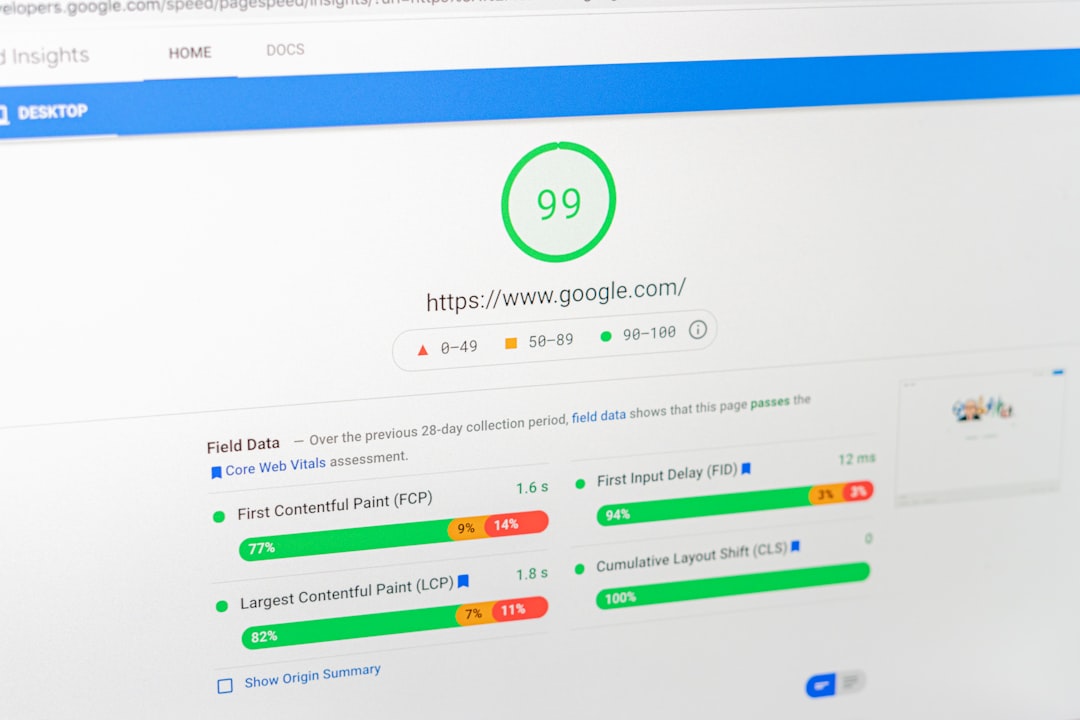
14. Check Page Performance
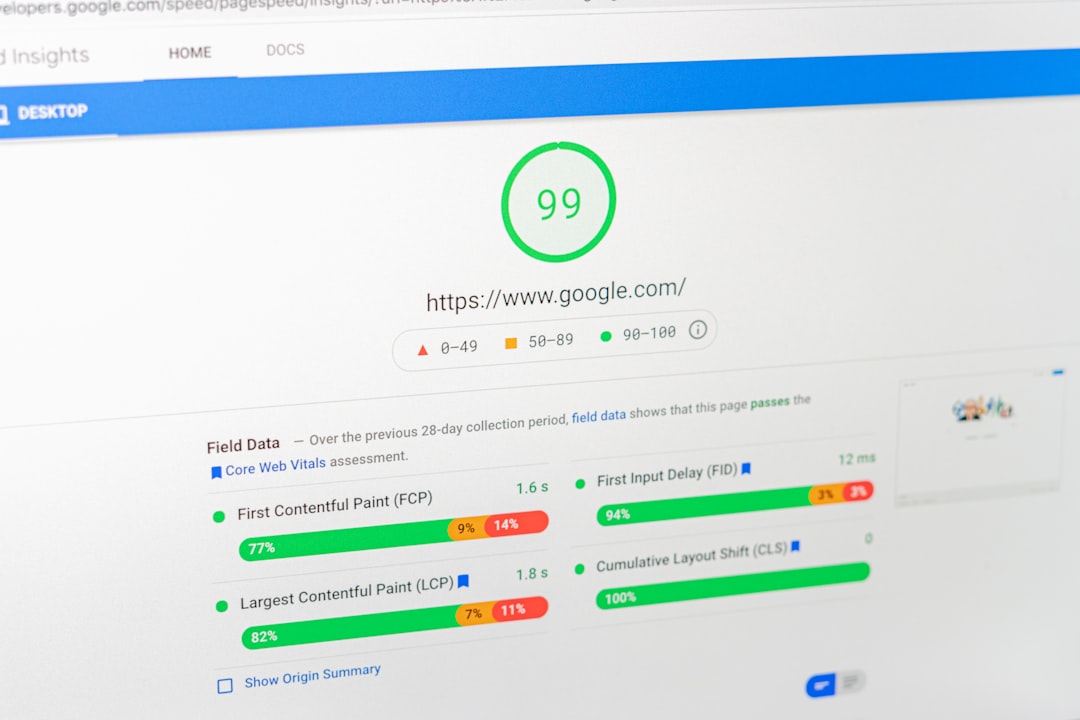
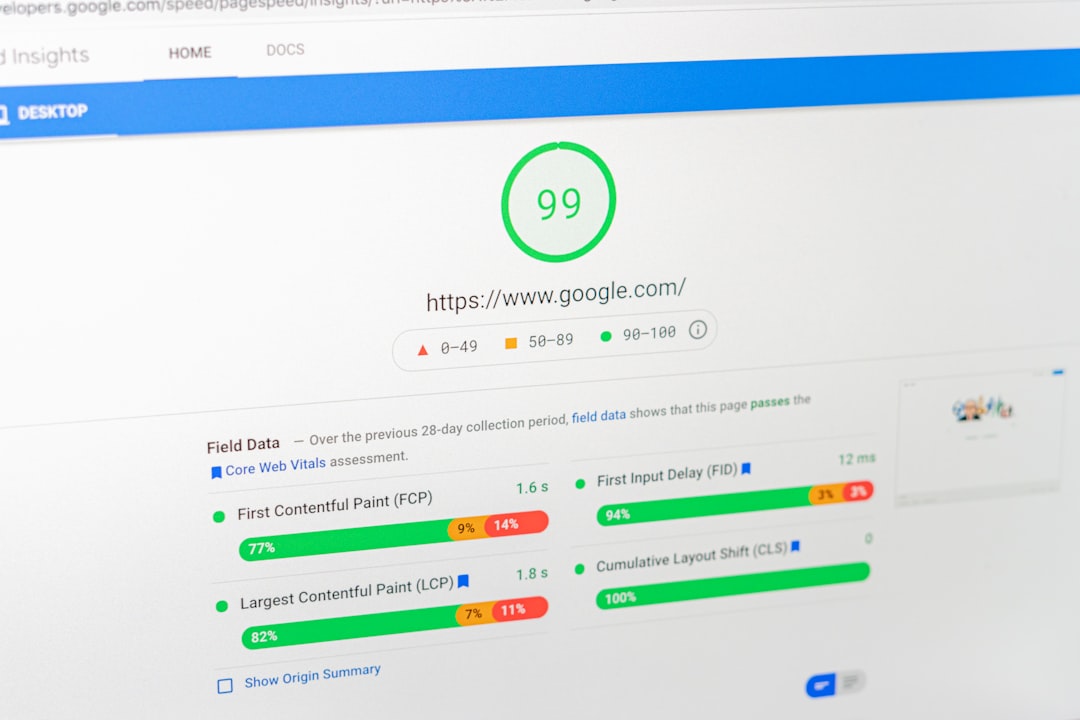
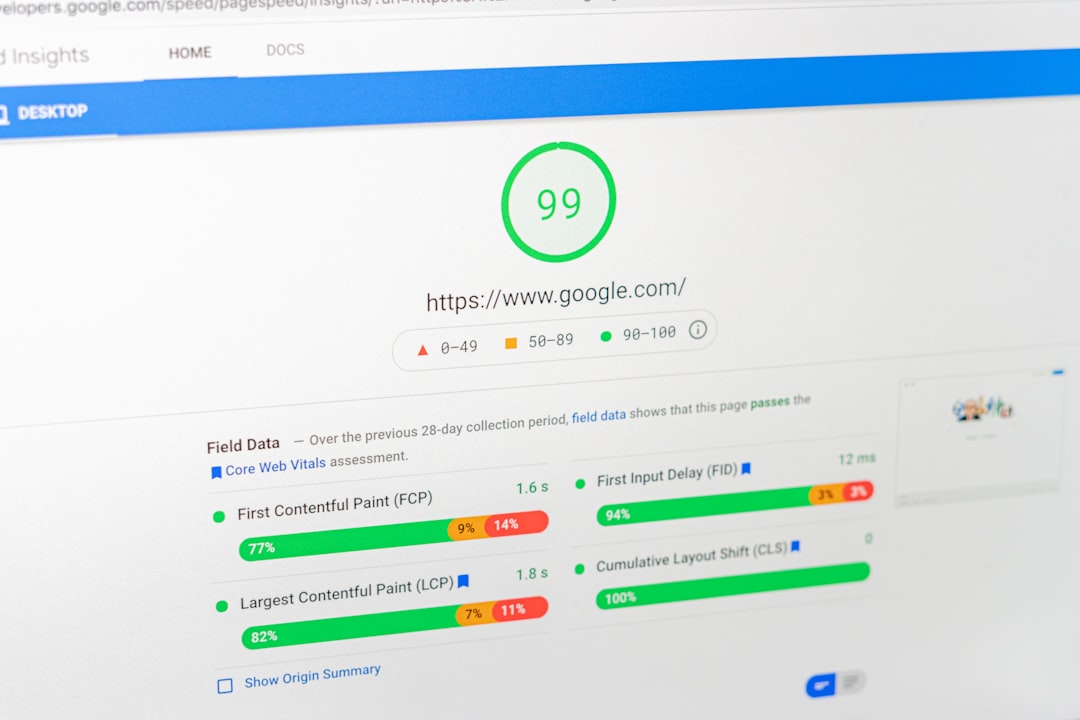
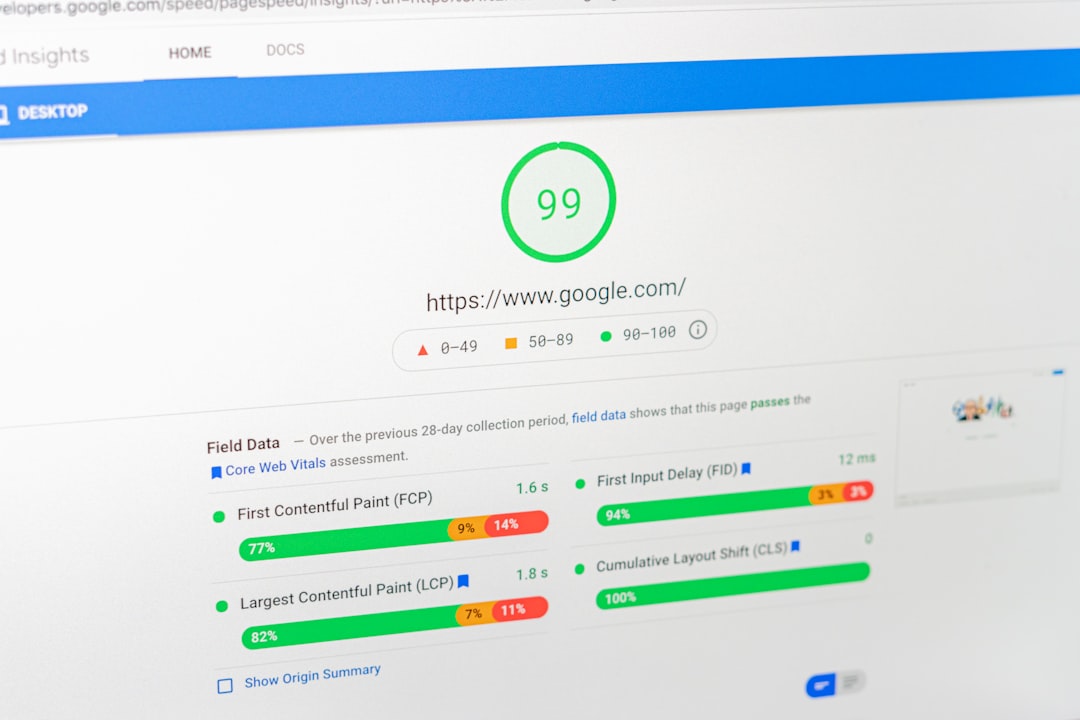
Review loading performance, particularly on mobile.
Potential areas to investigate include:
- Large images
- Excessive plugins
- Unnecessary scripts
- Caching
- Hosting
- Third-party resources
Do not install multiple optimization tools without understanding how they interact.
15. Review Before Publishing
A final review can catch simple problems.
Ask:
- Is the page useful?
- Does it match search intent?
- Is the main topic clear?
- Are headings organized?
- Are internal links relevant?
- Are images optimized?
- Is the page mobile-friendly?
- Can search engines access it?
16. Monitor After Publishing
On-page SEO does not end when you press Publish.
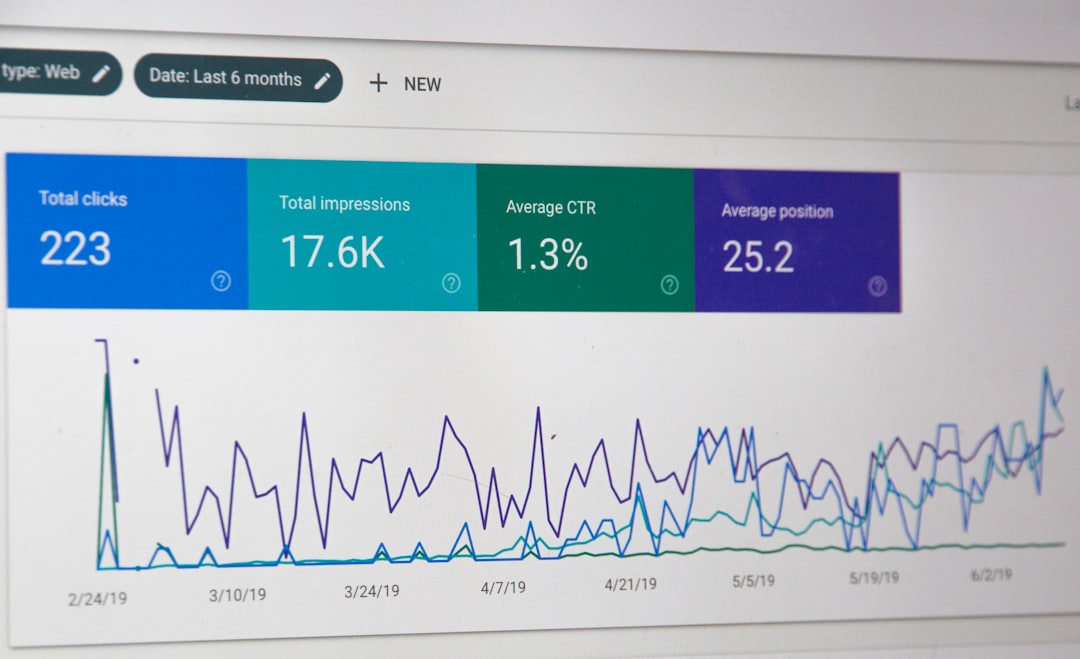
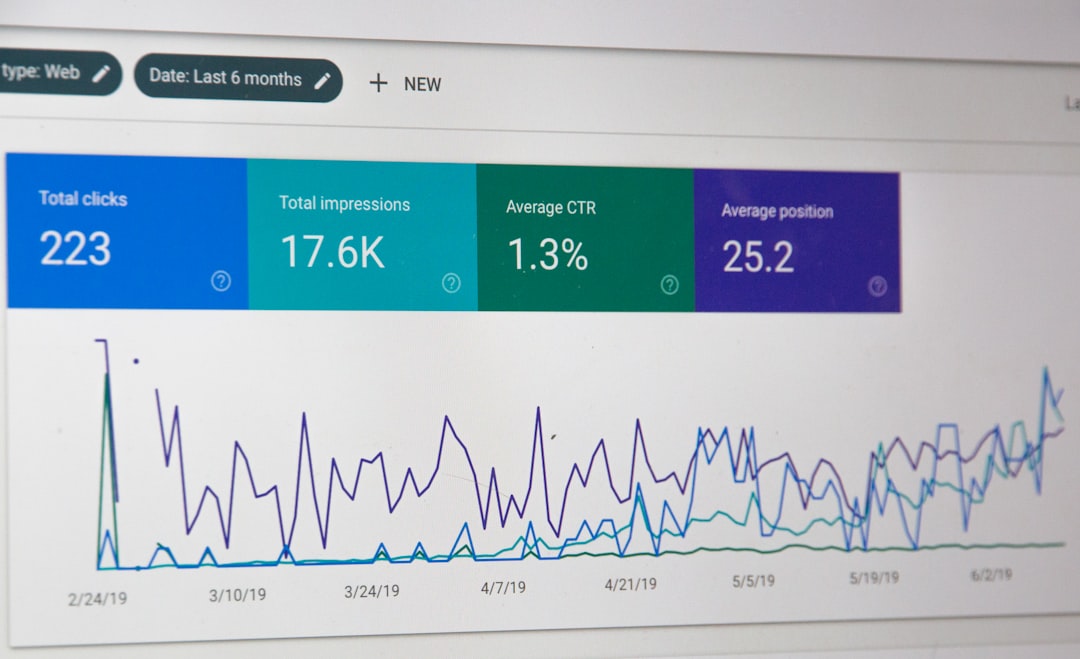
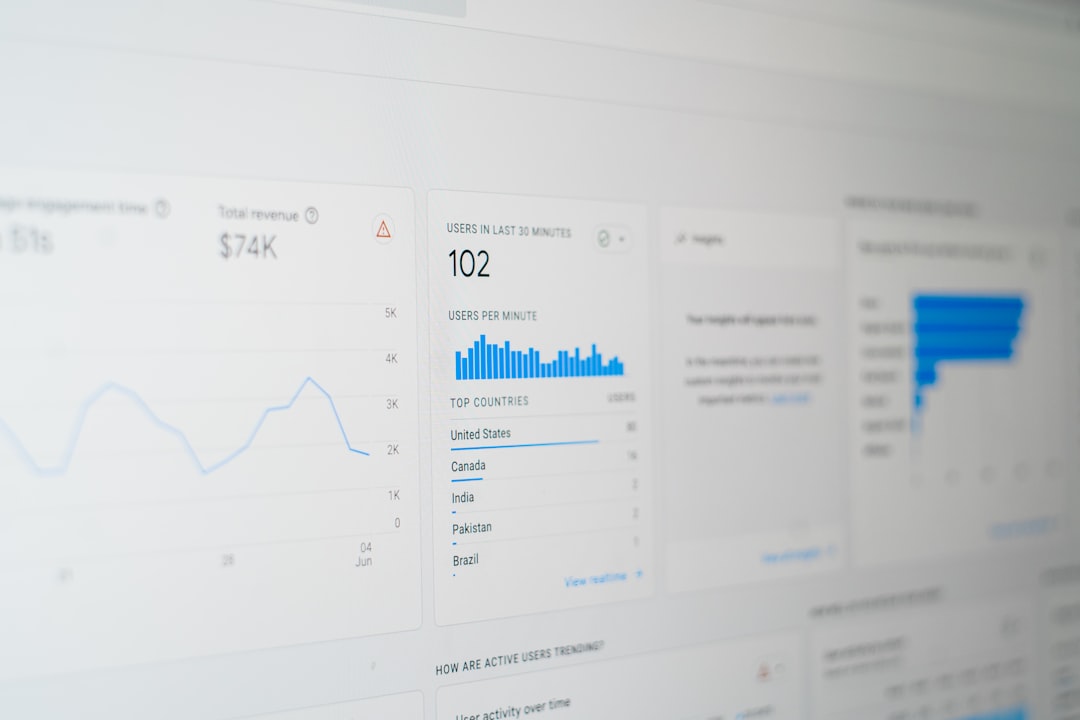
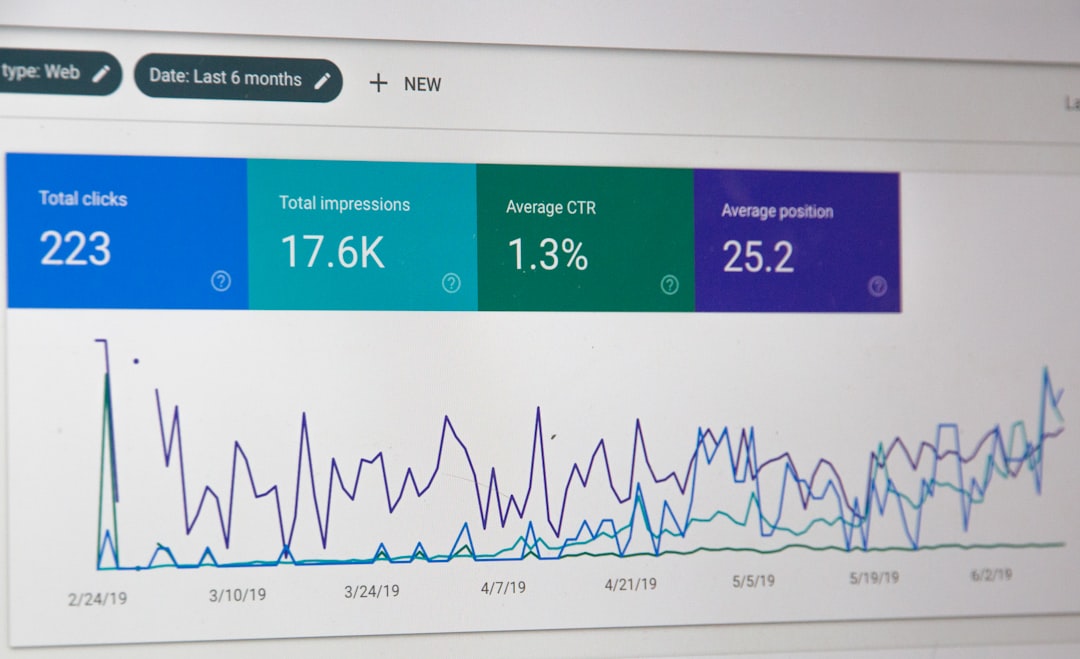
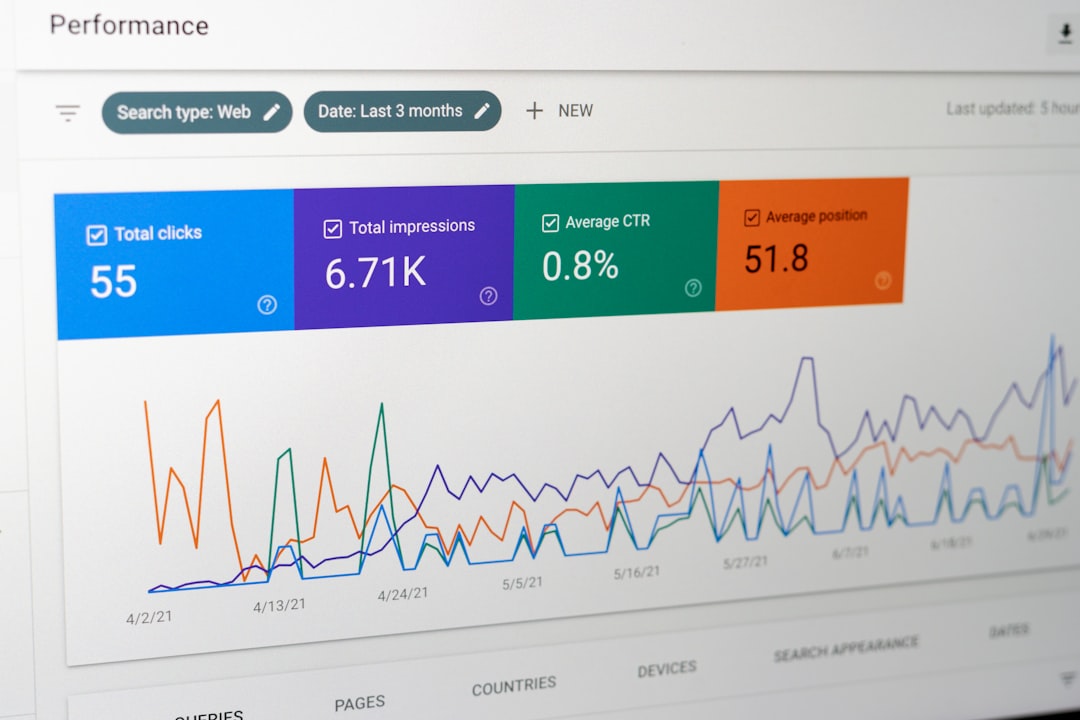
Monitor impressions, clicks, search queries, rankings, organic traffic, and conversions where relevant.
Performance data can reveal opportunities for further improvement.
A Practical On-Page Workflow
Use this simple process:
Topic → Intent → Content → Structure → Keywords → Links → Images → Metadata → Technical Review → Monitoring
For large WordPress websites, an SEO expert can help apply this checklist across important pages and prioritize improvements based on business value and search performance.
A consistent checklist does not replace strategy, but it makes the optimization process more reliable and easier to manage.