
WordPress on-page SEO focuses on optimizing the elements that appear on your website pages. It helps search engines understand what a page is about while making the content easier and more useful for visitors.
From titles and headings to content, images, and internal links, small improvements across important pages can create a stronger overall SEO foundation.
What Is WordPress On-Page SEO?
On-page SEO includes optimization performed directly on your website.
Common elements include:
- Page titles
- Headings
- Content
- URLs
- Meta descriptions
- Images
- Internal links
- Keyword usage
- Content structure
- User experience
Unlike off-page SEO, which involves activities outside your website, on-page SEO is largely under your direct control.
Start With Search Intent
Before optimizing a page, determine what the searcher wants.
For example, someone searching “how to optimize WordPress images” is likely looking for instructions.
Someone searching “WordPress SEO services” may be looking for professional assistance.
The page should match the purpose behind the search.
Optimize Page Titles
The page title helps communicate the subject of a page.
A useful title should be:
- Relevant
- Clear
- Specific
- Naturally written
Avoid repeating the same keyword unnecessarily.
For example, instead of:
WordPress SEO | WordPress SEO Services | Best WordPress SEO
a clearer title might be:
WordPress SEO Services for Business Websites
Use Headings Properly
Headings divide content into logical sections.
Use one clear primary heading and organize supporting sections with relevant subheadings.
For a guide about WordPress on-page SEO, sections might include:
- Keyword Research
- Page Titles
- Content Optimization
- Internal Linking
- Image SEO
- Technical Considerations
This structure makes the article easier to scan.
Create Useful Content
Content is the central part of on-page SEO.
A well-optimized page should answer the visitor’s question clearly and provide enough context to be genuinely useful.
Avoid writing content simply to reach a specific word count.
A 700-word article that completely answers a question can be more useful than a 2,000-word article filled with repetition.
Use Keywords Naturally
Keywords help identify the topic of a page, but they should fit naturally into the writing.
Include relevant terms where appropriate in:
- Title
- Main heading
- Subheadings
- Introduction
- Body content
- Image descriptions
- Internal links
There is no need to force the same phrase into every section.
Optimize URLs
Keep URLs short and descriptive.
For example:
/wordpress-on-page-seo/
is easier to understand than:
/page?id=9283&category=seo
Avoid changing established URLs without a reason. If a URL does need to change, handle the old address properly with an appropriate redirect.
Improve Images
Images can improve a page when they support the content.
Before uploading an image:
- Use an appropriate file format
- Resize unnecessarily large images
- Use descriptive filenames where practical
- Add useful alt text when the image conveys meaningful information
Alt text should describe the image’s purpose rather than becoming a list of keywords.
Strengthen Internal Links
Link related pages together naturally.
For example, an article about on-page SEO can link to a detailed guide about WordPress technical SEO when that resource provides additional information.
Internal links help users explore your website and can help search engines understand relationships between pages.
Write Useful Meta Descriptions
Meta descriptions provide a short summary of a page.
They should accurately describe what users can expect and encourage relevant searchers to visit.
Avoid stuffing them with keywords or making promises that the page does not fulfill.
Review User Experience
On-page SEO is not only about text.
Consider whether visitors can:
- Find information quickly
- Read content comfortably
- Navigate on mobile
- Identify important buttons
- Understand the page’s purpose
A clear page structure supports both users and search visibility.
Create a Page-Level Checklist
Before publishing an important WordPress page, review:
| Element | Check |
|---|---|
| Search intent | Matches the query |
| Title | Clear and relevant |
| H1 | Describes the main topic |
| Content | Useful and original |
| URL | Simple and descriptive |
| Images | Relevant and optimized |
| Internal links | Relevant connections included |
| Mobile | Easy to use |
| Metadata | Accurate and useful |
Keep Improving Existing Pages
On-page SEO is not necessarily finished when a page is published.
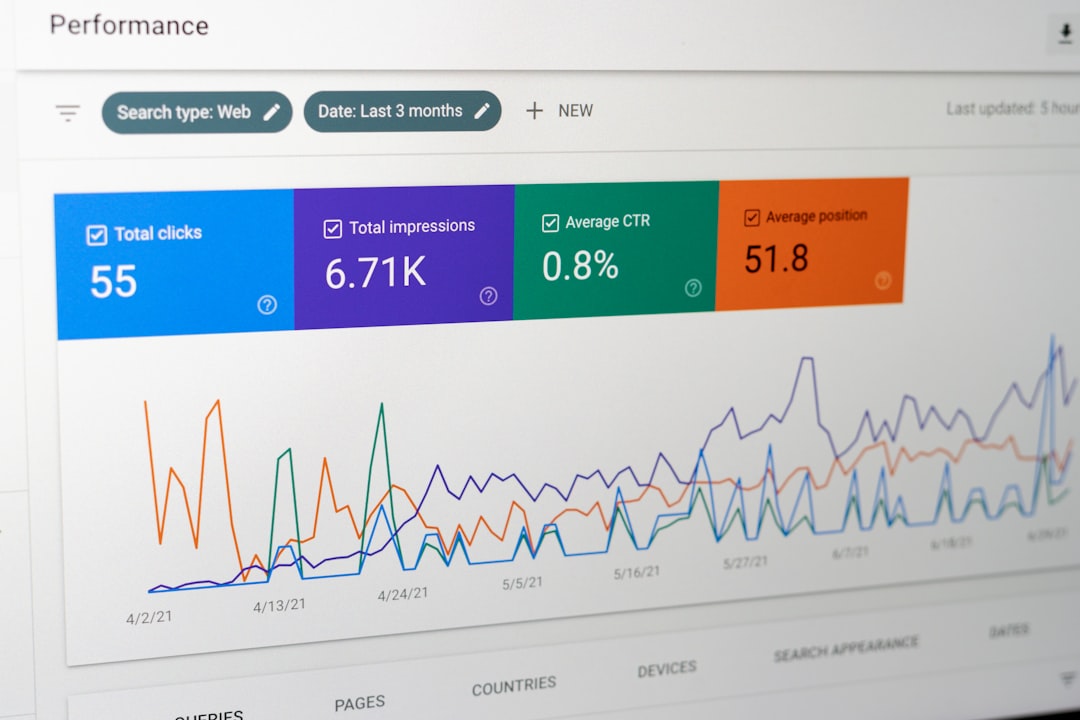
Monitor performance and update pages when information becomes outdated, new search opportunities appear, or the content no longer satisfies the topic completely.
For larger websites, a WordPress SEO expert can help identify which pages need optimization and prioritize improvements based on search data and business goals.
A strong on-page SEO strategy ultimately makes every important page clearer, more useful, and easier for search engines to understand.