A successful SEO campaign needs more than individual optimization tasks. Without a clear workflow, businesses may spend time fixing minor issues while more important problems remain unresolved.
A WordPress SEO company can use a structured workflow to review the website, identify priorities, implement improvements, and measure results.
Step 1: Understand the Website
The first step is learning about the business and its website.
Review:
- Main products or services
- Target audience
- Service locations
- Business goals
- Existing website structure
- Current organic traffic
- Main competitors
This information helps shape the SEO strategy.
Step 2: Perform a Website Audit

Before making changes, inspect the website for technical and on-page issues.
An audit may review:
- Indexing
- Broken links
- Redirects
- Page titles
- Headings
- URLs
- Internal links
- Images
- Mobile usability
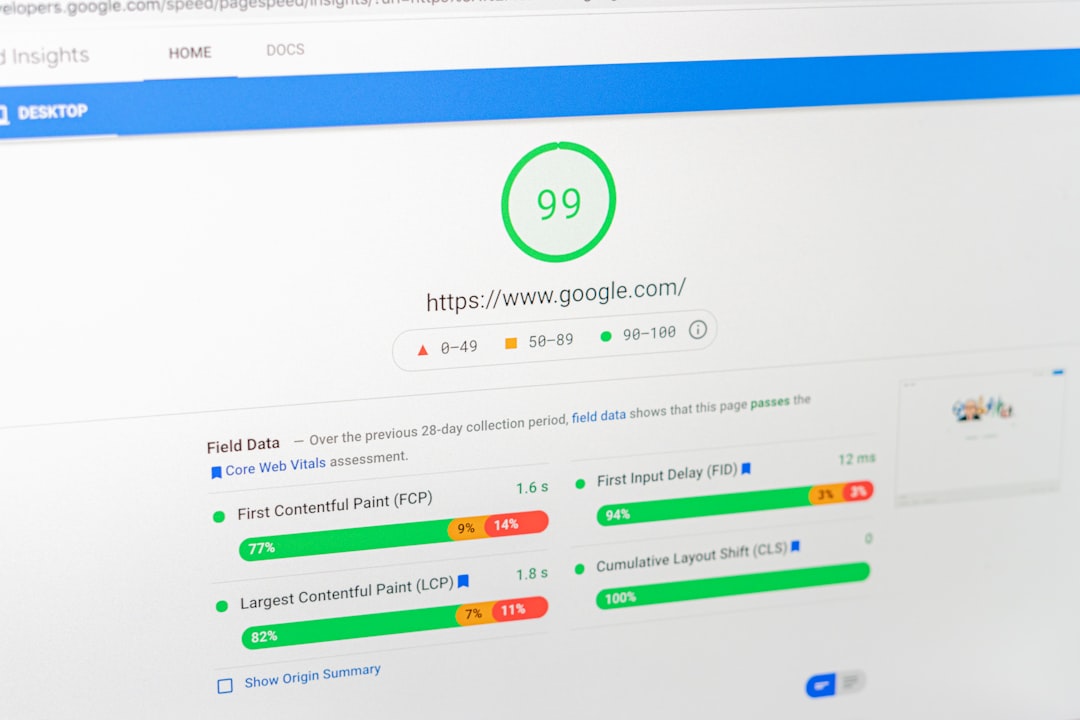
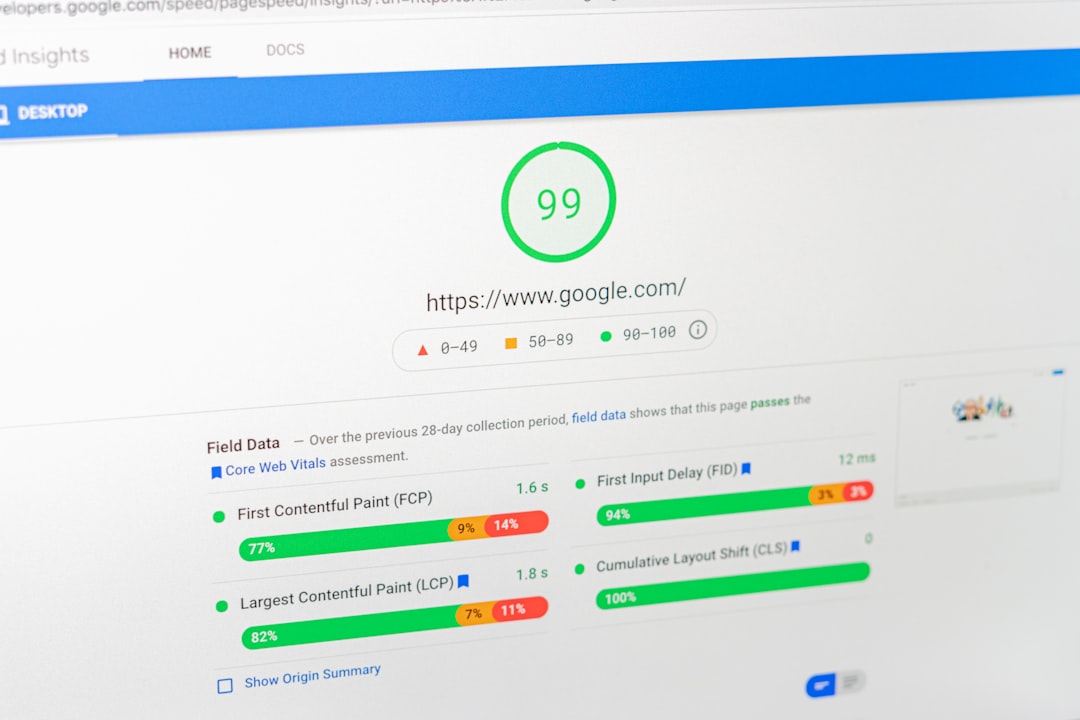
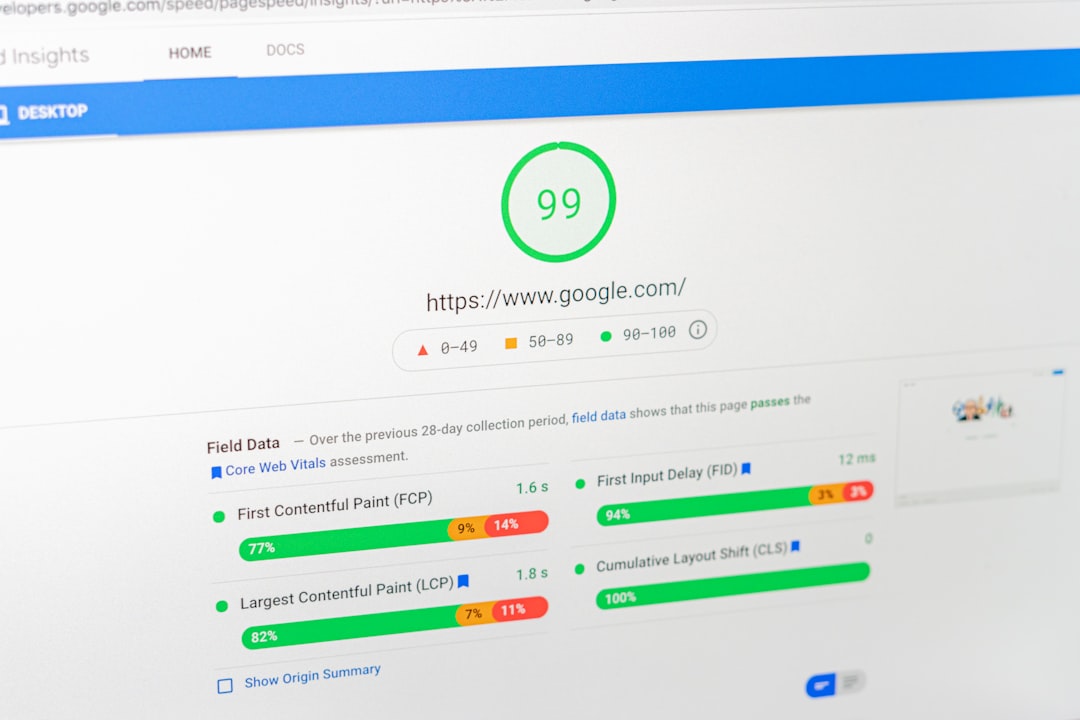
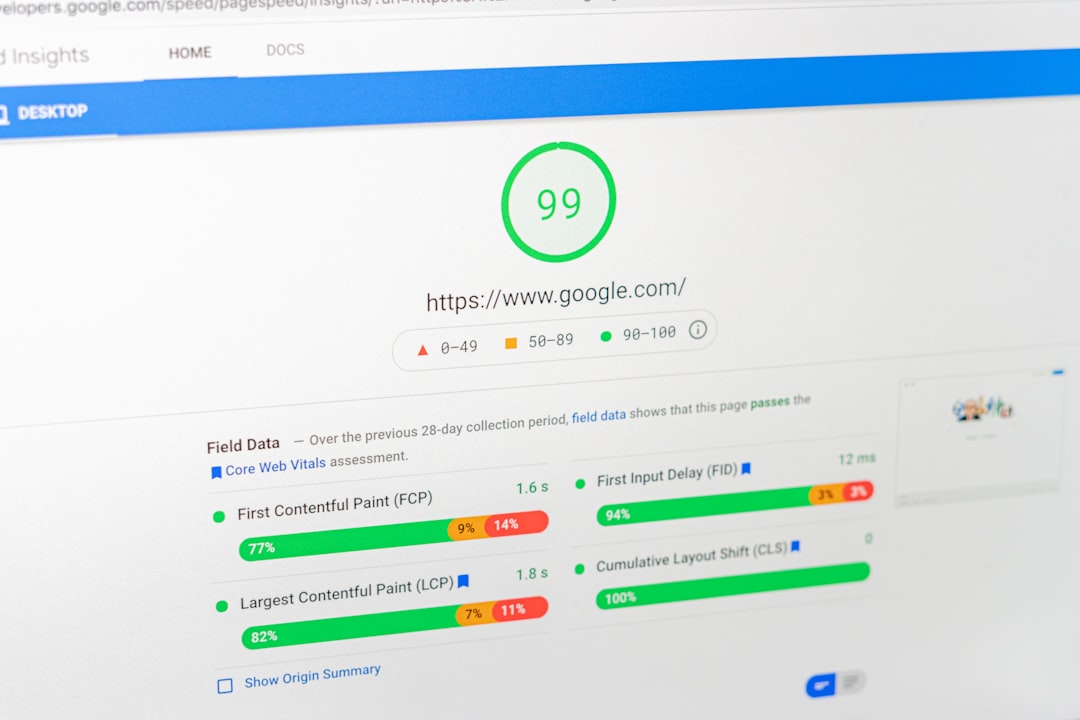
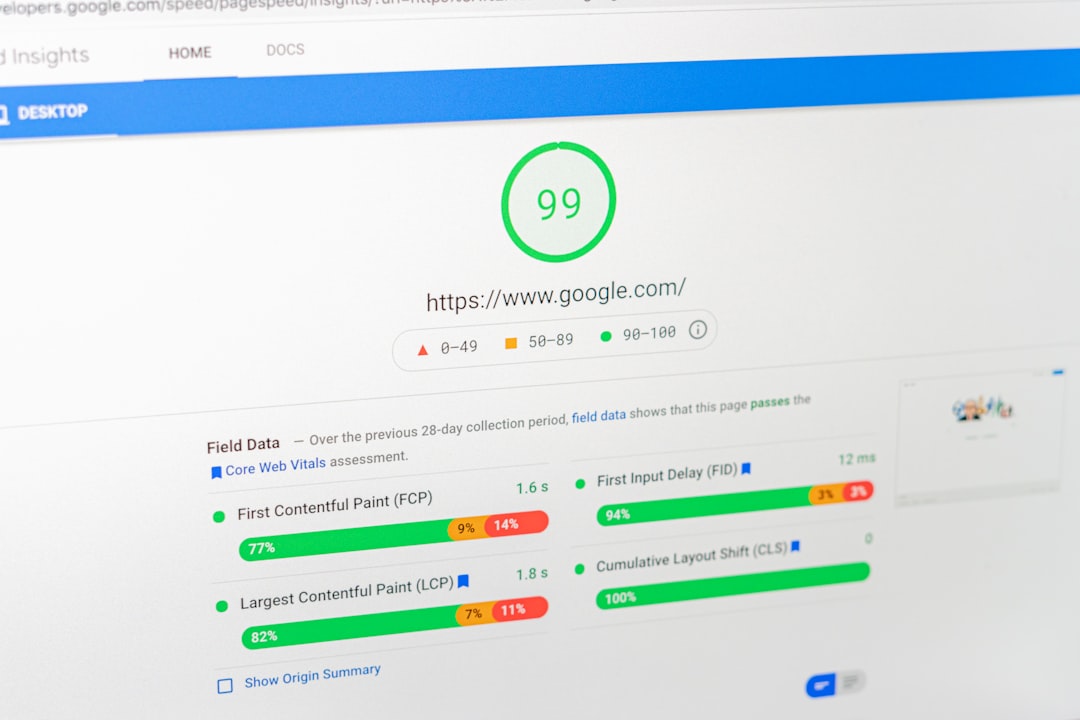
- Website performance
The purpose is to understand the website’s current condition.
Step 3: Research Keywords
Next, identify relevant searches that potential customers use.
Keyword research should consider:
- Search intent
- Relevance
- Competition
- Business value
- Location
- Customer needs
The keywords should then be mapped to suitable pages.
Step 4: Prioritize SEO Issues
Not every issue deserves immediate attention.
A practical priority system can be:
High impact → Medium impact → Low impact
For example, an important page accidentally blocked from indexing may require faster attention than a minor metadata improvement.
Step 5: Optimize Important Pages
Once priorities are clear, optimize core pages.
This may include:
- Homepage
- Service pages
- Product pages
- Location pages
- Important blog posts
Review their content, headings, titles, internal links, and search intent.
Step 6: Improve Technical SEO
Technical optimization may include resolving:
- Indexing issues
- Broken links
- Redirect problems
- Sitemap errors
- Canonical issues
- Mobile usability problems
- Performance concerns
Technical changes should be tested carefully after implementation.
Step 7: Build Supporting Content

A website may need additional content to cover important topics.
Supporting articles can answer customer questions and link naturally to commercial pages.
For example:
SEO Guide → SEO Service Page → Contact Page
This connects informational and commercial content.
Step 8: Strengthen Internal Linking
Review the website for opportunities to connect related pages.
Important pages should receive relevant internal links from other useful pages.
Avoid adding links simply to increase the number of links. Each connection should help visitors navigate the website.
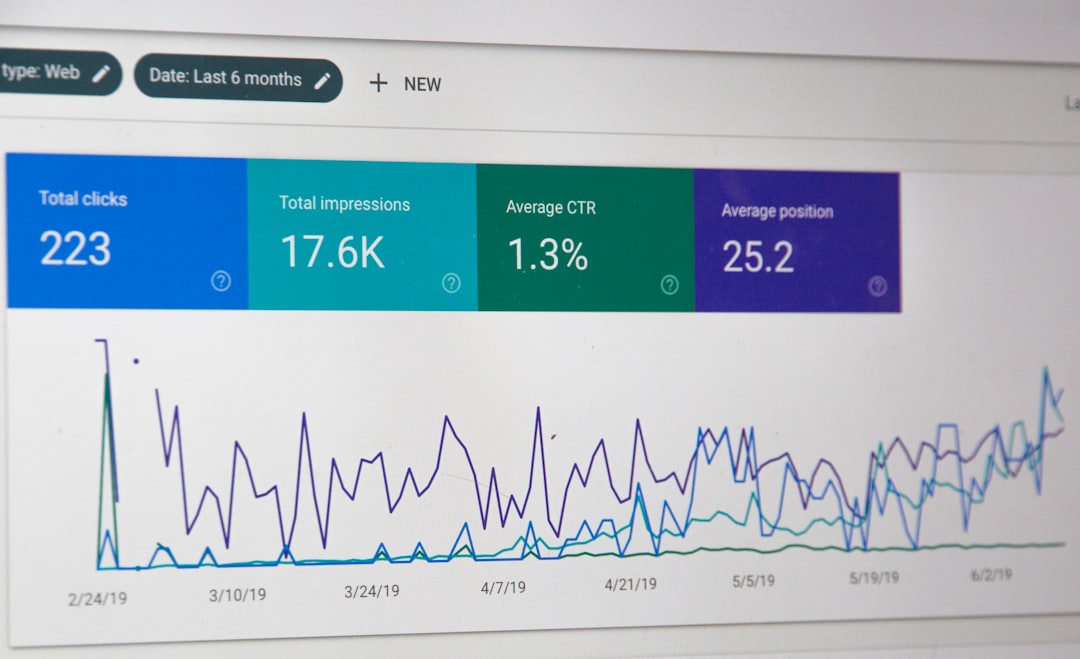
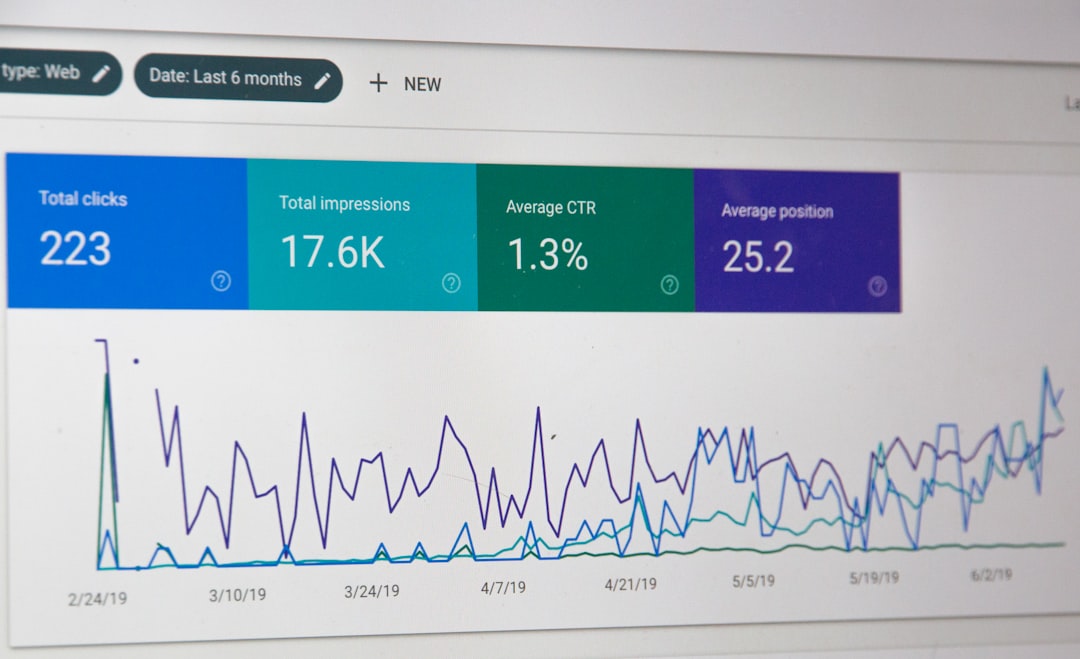
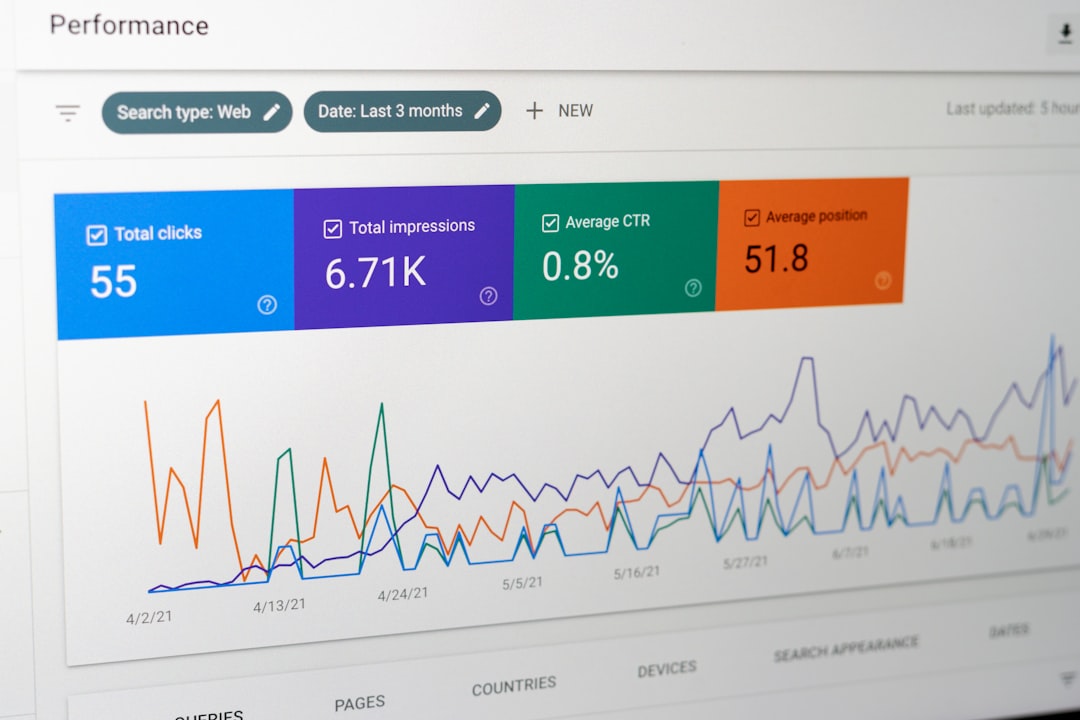
Step 9: Monitor Performance
After changes are implemented, track performance.
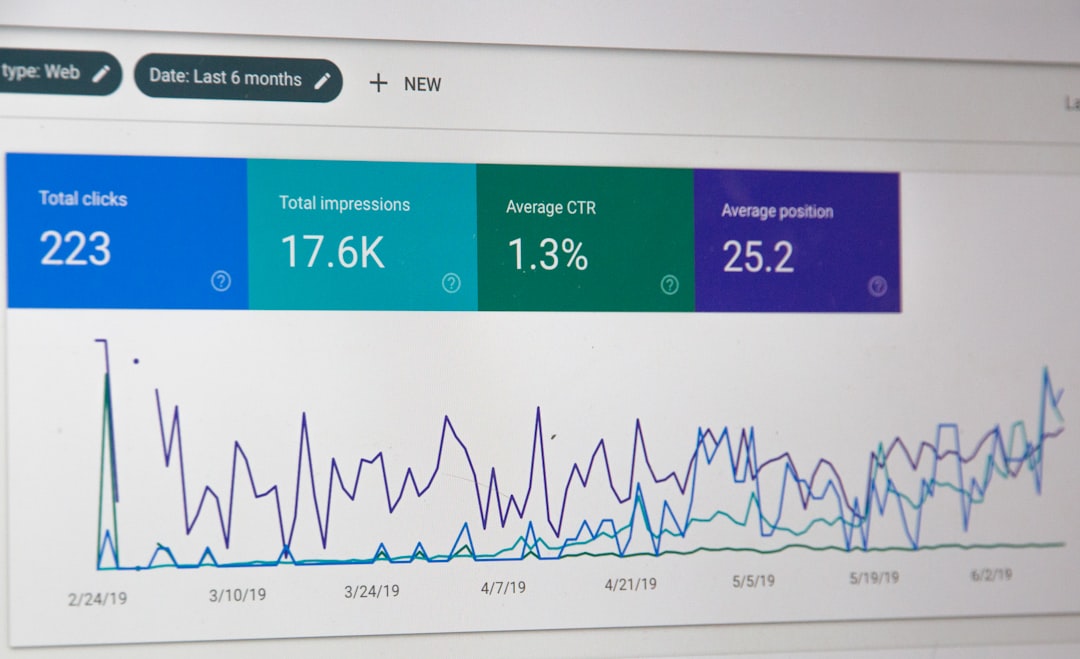
Useful metrics include:
| Metric | Purpose |
|---|---|
| Organic clicks | Measures search traffic |
| Impressions | Measures visibility |
| Rankings | Tracks keyword movement |
| CTR | Measures search-result engagement |
| Conversions | Measures business outcomes |
| Technical errors | Tracks website health |
Step 10: Report and Improve
SEO should follow a continuous cycle rather than ending after one audit.
A simple workflow is:
Audit → Research → Prioritize → Optimize → Monitor → Improve
Monthly reporting can show what has been completed and what should happen next.
A WordPress SEO company can use this workflow to keep optimization organized while adapting the strategy to the website’s changing needs. The process should always focus on useful improvements rather than completing SEO tasks simply for the sake of having a checklist.