
Small businesses often have limited budgets, time, and marketing resources. This makes it important to use SEO efforts carefully and focus on the areas that can support real business goals.
A WordPress SEO company can help small businesses build a practical strategy that combines technical optimization, relevant content, local search, and ongoing performance tracking.
Start With Business Goals
SEO should begin with understanding what the business wants to achieve.
A small business may want to:
- Generate local leads
- Increase service inquiries
- Sell products online
- Build brand visibility
- Attract relevant website visitors
These goals can influence the keywords, pages, and content that should receive attention.
Focus on Relevant Keywords

Small businesses do not necessarily need to target the broadest keywords.
A local service provider, for example, may benefit from specific searches related to its service and location.
Keyword research should consider:
- Search intent
- Relevance
- Location
- Competition
- Customer needs
The best keyword opportunities are those that connect naturally with the products or services the business actually provides.
Optimize Core Pages
Important pages should receive priority.
These may include:
- Homepage
- Service pages
- Product pages
- Location pages
- Contact page
- Important blog posts
Each page should have a clear purpose and provide useful information.
Build Local SEO Signals
For businesses serving specific areas, local SEO can be an important part of the strategy.
A small business should maintain accurate information across relevant platforms and ensure its website clearly communicates:
- Business name
- Service areas
- Contact details
- Services
- Locations
Location-specific pages can also be useful when the business genuinely serves those areas.
Create Useful Content
Small businesses can use content to answer questions potential customers commonly ask.
For example, a home improvement company could publish articles about:
- Choosing the right service
- Common maintenance problems
- Cost considerations
- Preparation guides
- Frequently searched customer questions
This type of content can support the main service pages through relevant internal links.
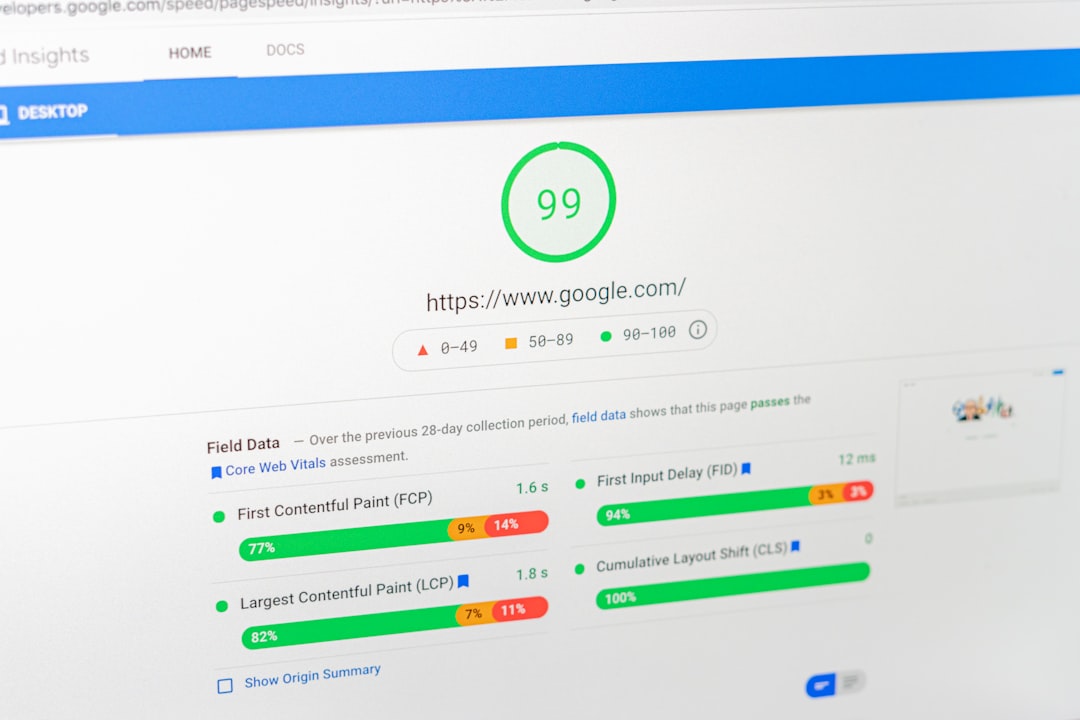
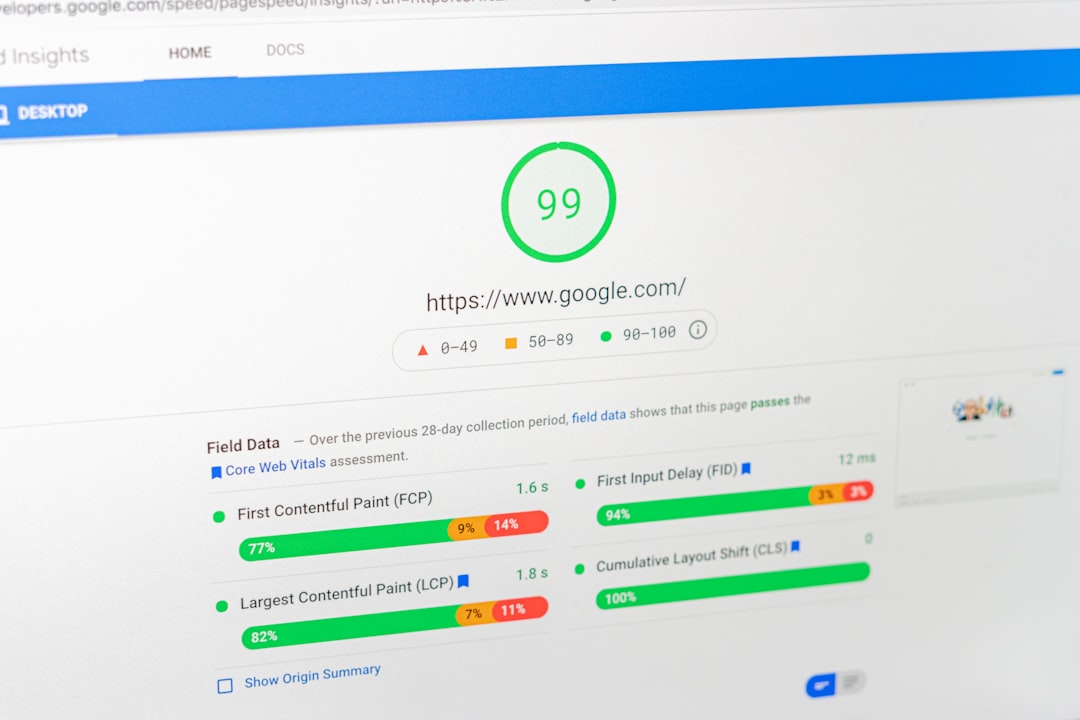
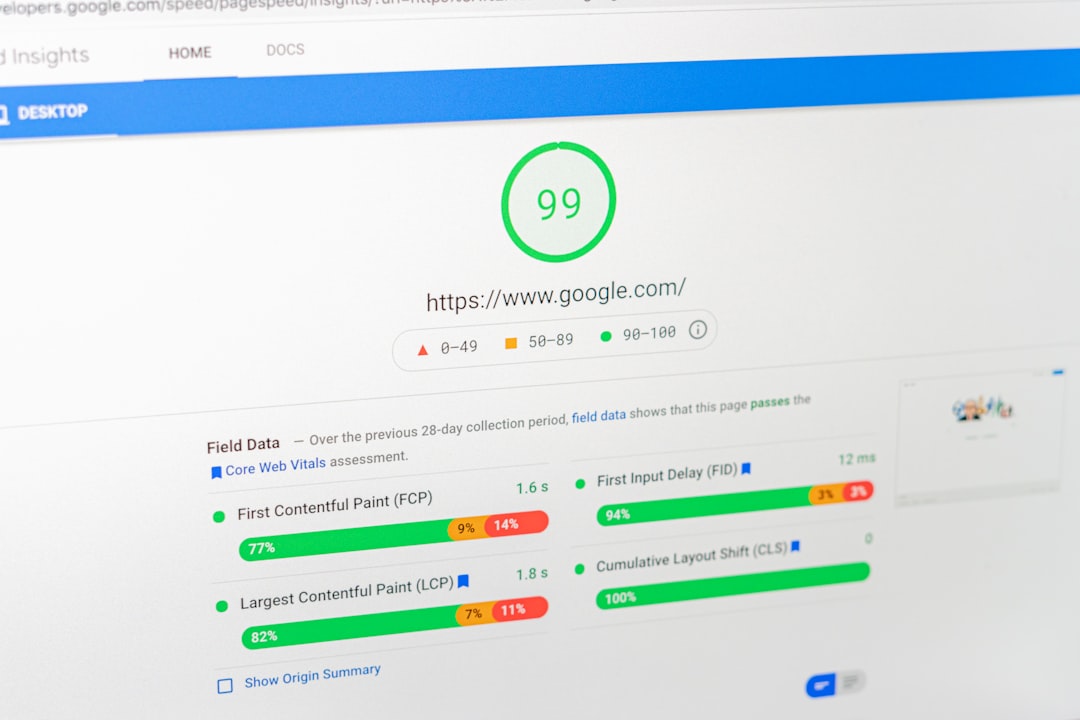
Improve Website Performance
A small business website does not need complicated technology to perform well.
Start with practical improvements such as:
- Compressing images
- Removing unnecessary plugins
- Improving caching
- Fixing broken links
- Improving mobile usability
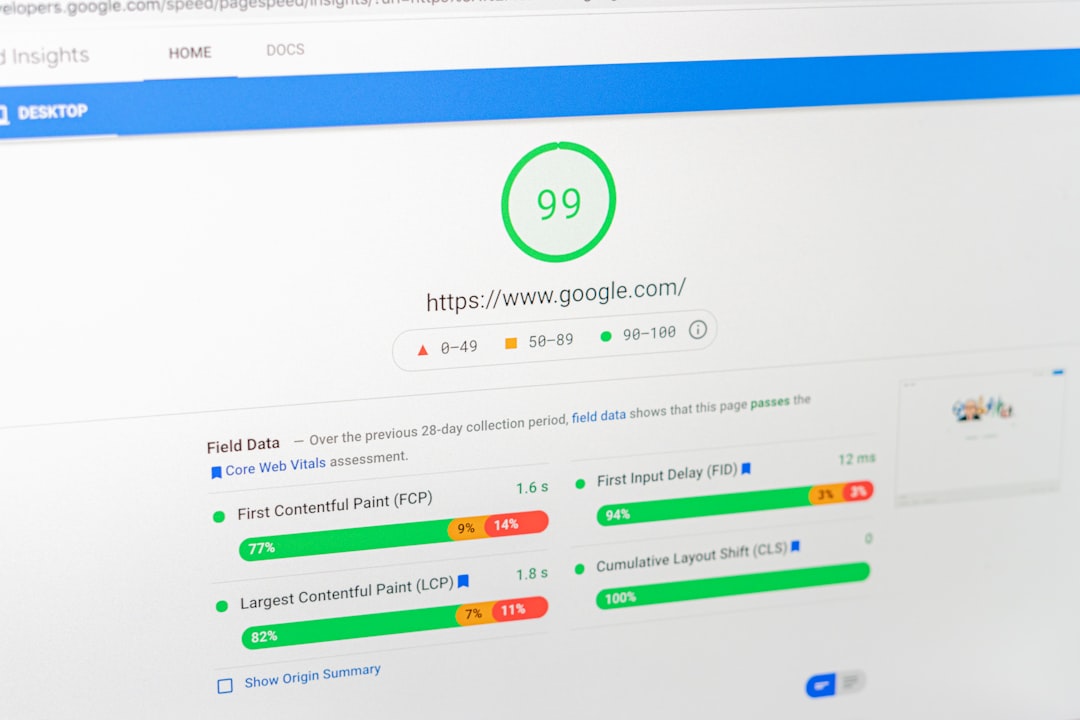
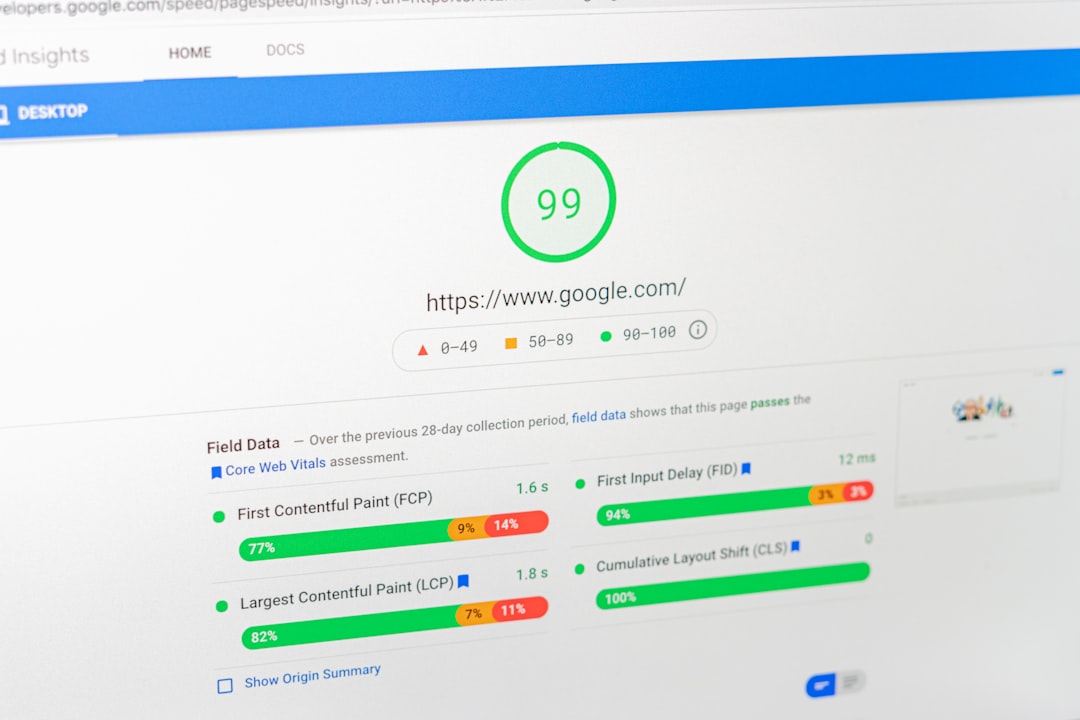
Performance should be tested regularly rather than assumed.
Strengthen Internal Linking
Connect relevant blog posts to important commercial pages.
For example:
Helpful Guide → Related Service → Contact Page
This can make it easier for visitors to move from informational content toward a business action.
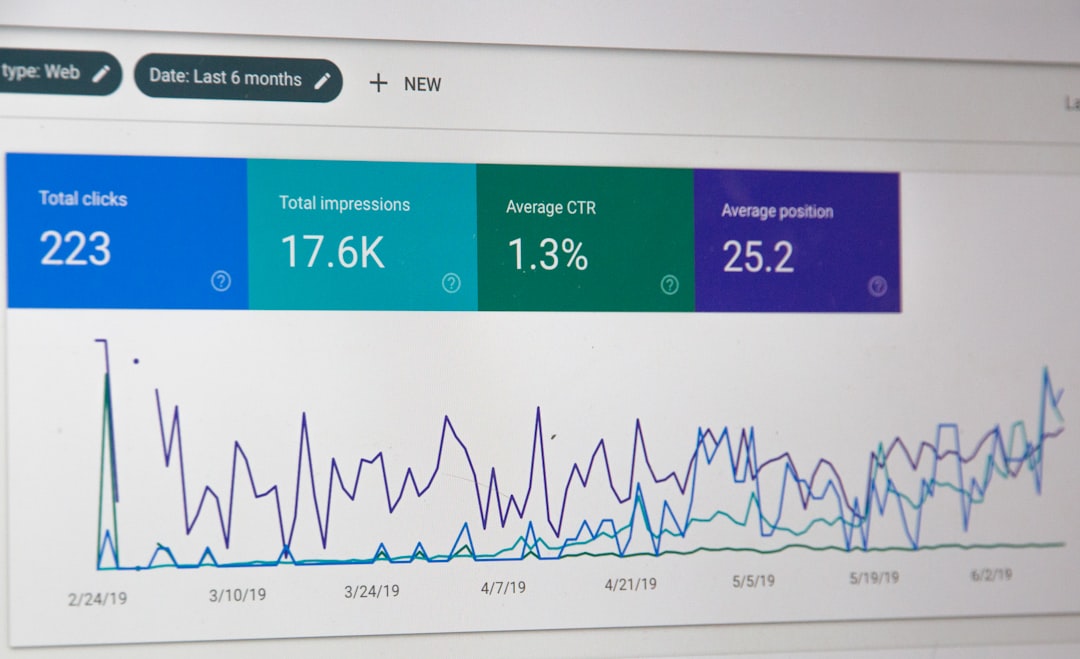
Monitor SEO Results
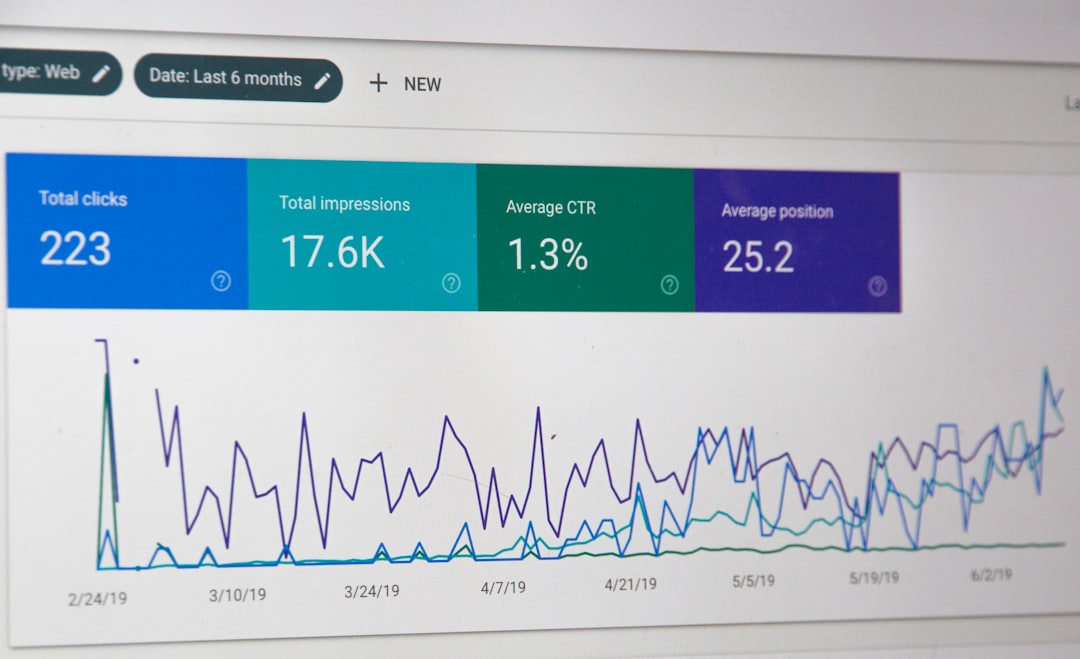
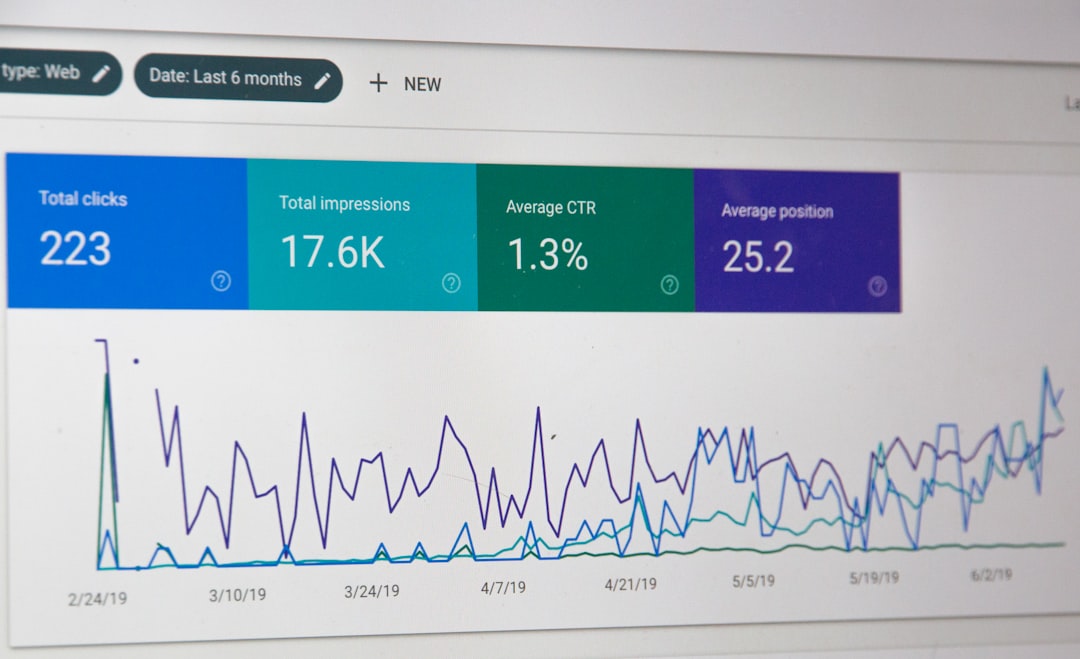
Small businesses should track metrics that relate to their goals.
| Metric | What It Shows |
|---|---|
| Organic clicks | Search traffic |
| Impressions | Visibility |
| Rankings | Keyword performance |
| Leads | Business inquiries |
| Conversions | Completed actions |
| Local visibility | Geographic search presence |
Tracking these metrics helps identify which parts of the strategy need improvement.
Avoid Trying to Do Everything at Once

Small businesses can benefit from prioritization.
A practical order may be:
Technical problems → Important pages → Local SEO → Content → Internal links → Ongoing optimization
This approach helps focus limited resources on meaningful improvements.
Work With a WordPress SEO Company
Professional support can be useful when a business owner does not have enough time or SEO knowledge to manage the website.
A WordPress SEO company can assist with audits, keyword research, content optimization, technical SEO, local SEO, performance, and reporting.
The strategy should remain focused on the business’s actual audience and goals rather than simply increasing the number of SEO tasks.
For small businesses, a focused and consistent SEO process can create a stronger foundation for attracting relevant visitors and potential customers through organic search.