WordPress SEO continues to involve more than traditional keyword optimization. In 2026, businesses need websites that are technically sound, easy to navigate, mobile-friendly, useful to visitors, and aligned with search intent.
A WordPress SEO company can help manage these areas through a structured strategy rather than relying on individual SEO tricks.
1. Build Around Search Intent
One of the most important SEO practices is understanding why someone searches for a particular phrase.
Search intent may be:
- Informational
- Commercial
- Transactional
- Navigational
For example, someone searching “how to speed up WordPress” is likely looking for information, while someone searching “WordPress SEO company” may be researching professional services.
Content should match the purpose behind the search.
2. Prioritize Helpful Content

Businesses should create content that genuinely answers users’ questions.
Good content can include:
- Practical examples
- Step-by-step instructions
- Original explanations
- Relevant data
- Useful comparisons
- Clear solutions
Avoid creating multiple pages that cover almost the same topic simply to target slightly different keyword variations.
3. Keep Technical SEO Healthy
Technical SEO remains an important part of WordPress optimization.
Regularly check:
- Crawlability
- Indexing
- XML sitemaps
- Robots.txt
- Canonical URLs
- Redirects
- Broken links
- Mobile usability
- Page performance
A technically strong website gives search engines a clearer path through the site.
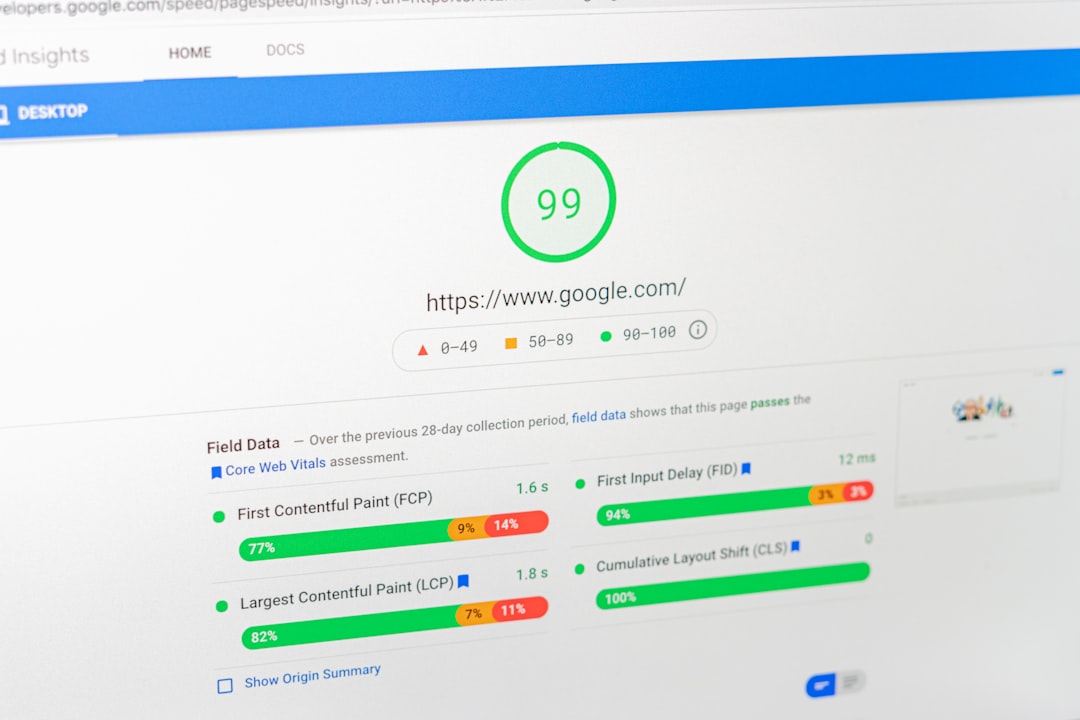
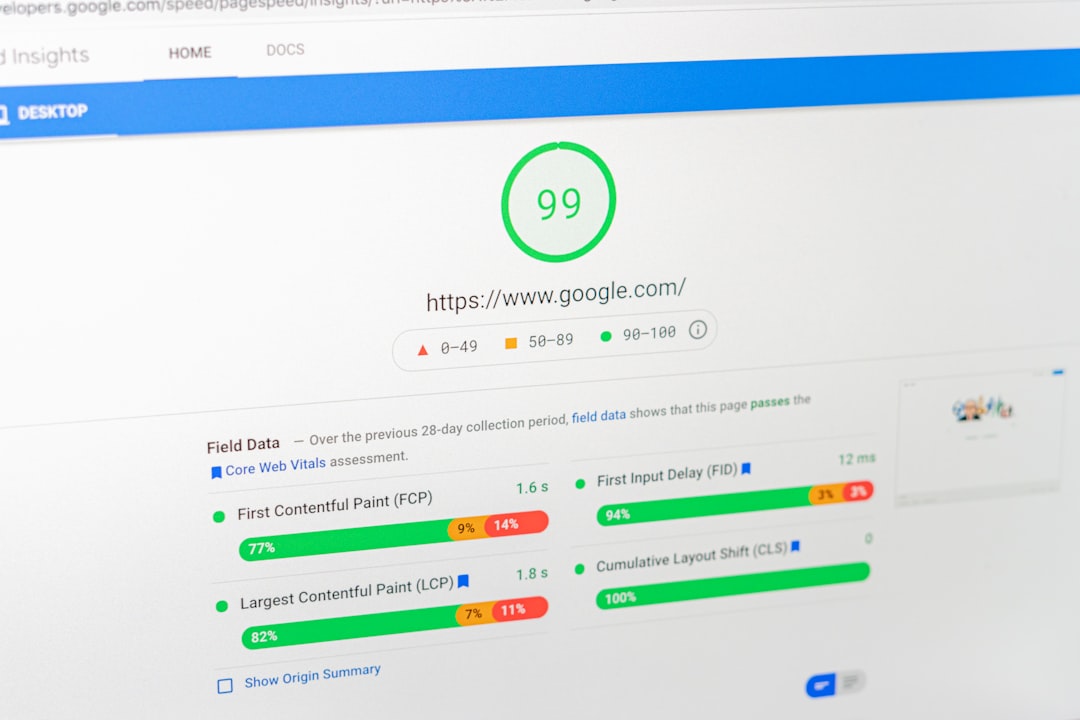
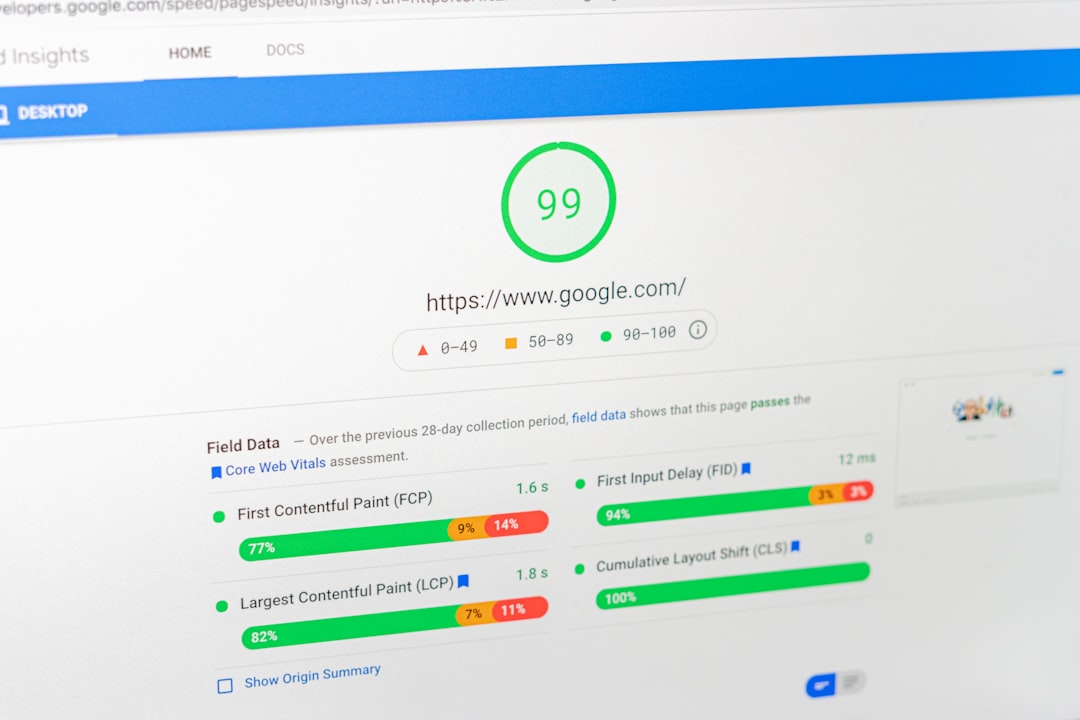
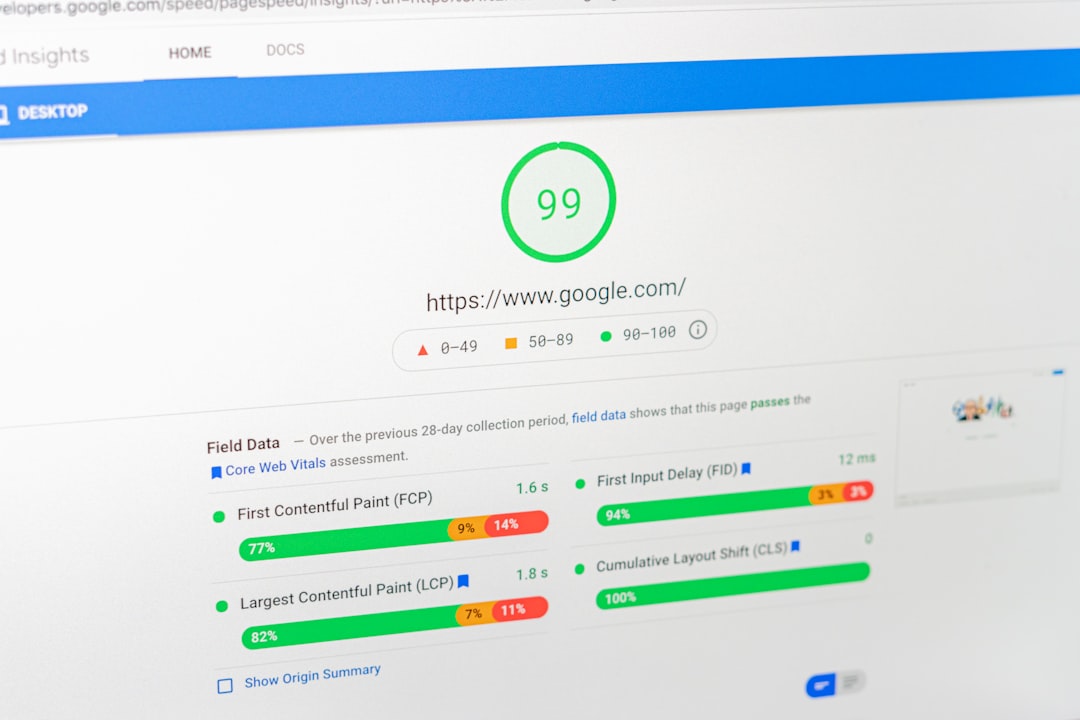
4. Improve Website Speed
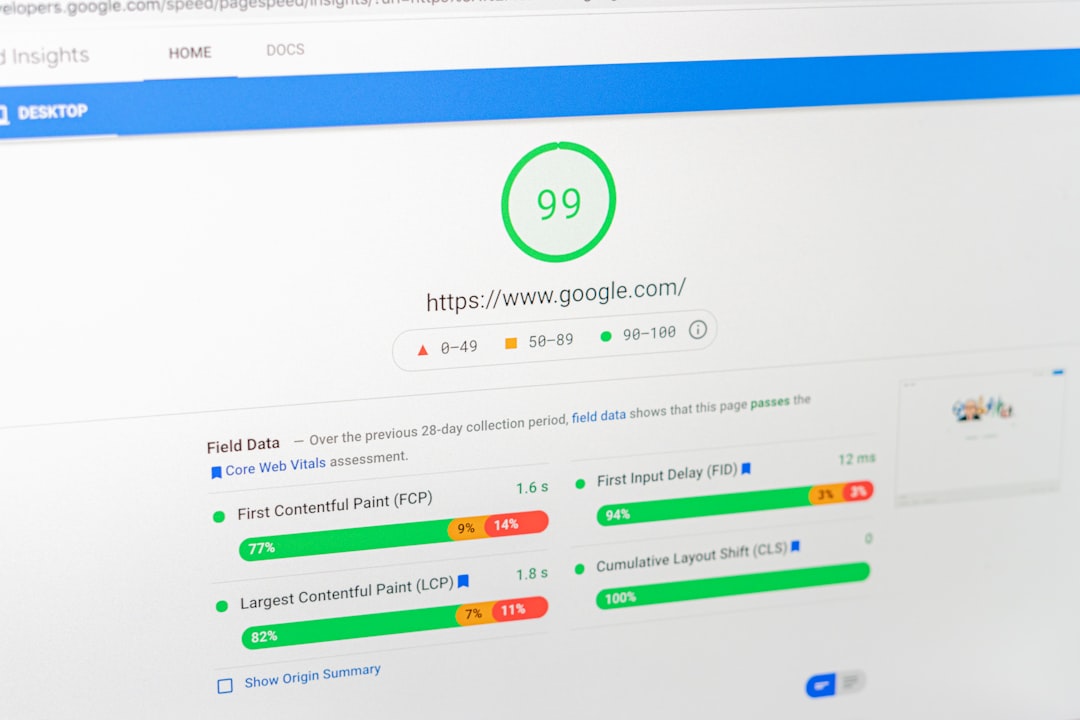
Website performance affects both user experience and search visibility.
To improve performance, consider:
- Compressing large images
- Removing unnecessary plugins
- Using caching
- Reducing unnecessary scripts
- Choosing reliable hosting
- Using suitable image formats
Performance improvements should be tested rather than implemented blindly because every WordPress setup is different.
5. Optimize for Mobile Users
Mobile optimization should be part of every WordPress SEO strategy.
Check whether users can easily:
- Read content
- Navigate menus
- Tap buttons
- Complete forms
- View images
- Access important pages
A page that works well on desktop but creates problems on mobile can lose potential visitors.
6. Create a Strong Internal Linking Structure
Internal links help connect related information.
For example, a WordPress SEO blog can link naturally to related service pages, technical SEO resources, local SEO content, and website optimization guides.
Use descriptive anchor text and make sure every internal link has a clear purpose.
7. Optimize Images and Media
Images should support the content instead of slowing the website down.
Use appropriate image dimensions, descriptive alt text, and compressed files where possible.
Videos and other media should also be implemented carefully so they do not create unnecessary performance problems.
8. Strengthen Local SEO Where Relevant
Businesses serving specific locations should optimize their website for local search.
This may involve:
- Consistent business information
- Location-specific service pages
- Local keyword research
- Google Business Profile optimization
- Relevant local citations
- Genuine customer reviews
Local SEO strategies should reflect the actual locations and services a business provides.
9. Track Business Results

SEO should ultimately support meaningful business goals.
A WordPress SEO company may track:
| SEO Metric | Business Value |
|---|---|
| Organic clicks | Website visits |
| Rankings | Search visibility |
| Conversions | Leads or sales |
| Engagement | Visitor interaction |
| Indexed pages | Search accessibility |
| Organic revenue | Commercial impact |
Traffic alone does not explain whether SEO is helping a business. Conversion and revenue data can provide additional context.
10. Review and Update Existing Content
Older content can become outdated.
Review important pages periodically and update:
- Statistics
- Screenshots
- Links
- Product information
- Examples
- Outdated recommendations
Refreshing useful content can keep it relevant for both readers and search engines.
11. Use SEO Tools for Better Decisions
SEO tools can help identify technical and content opportunities.
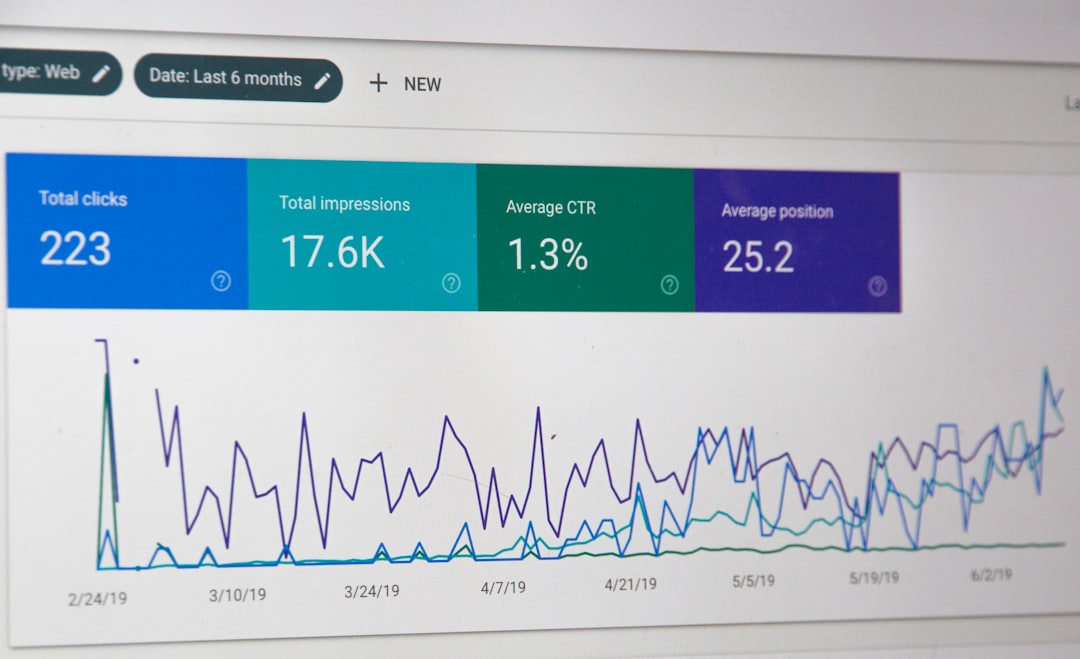
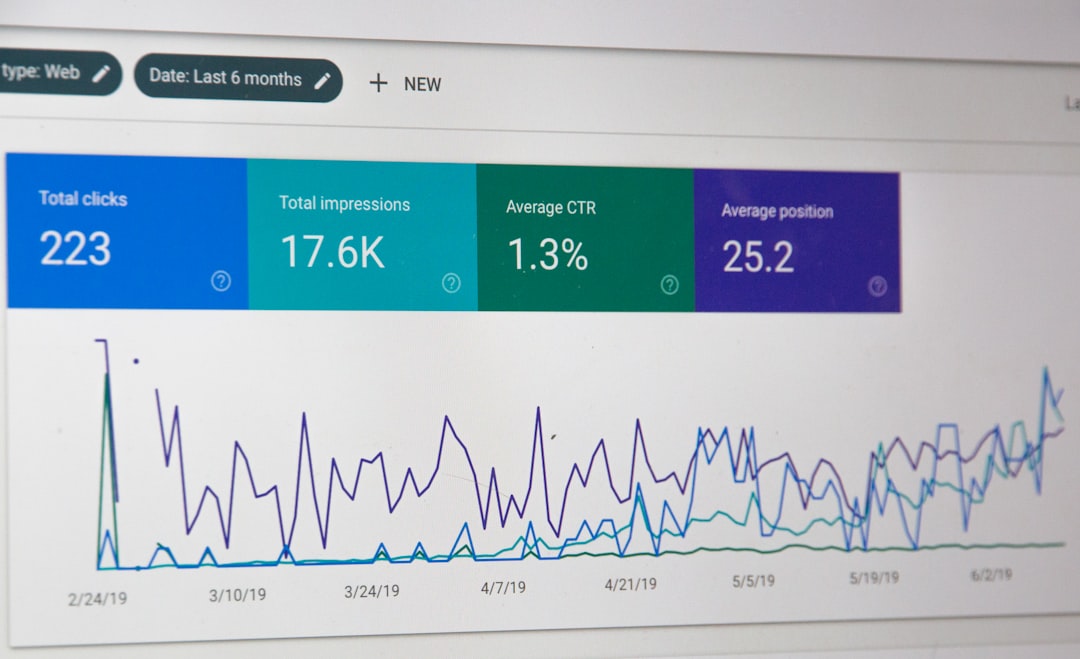
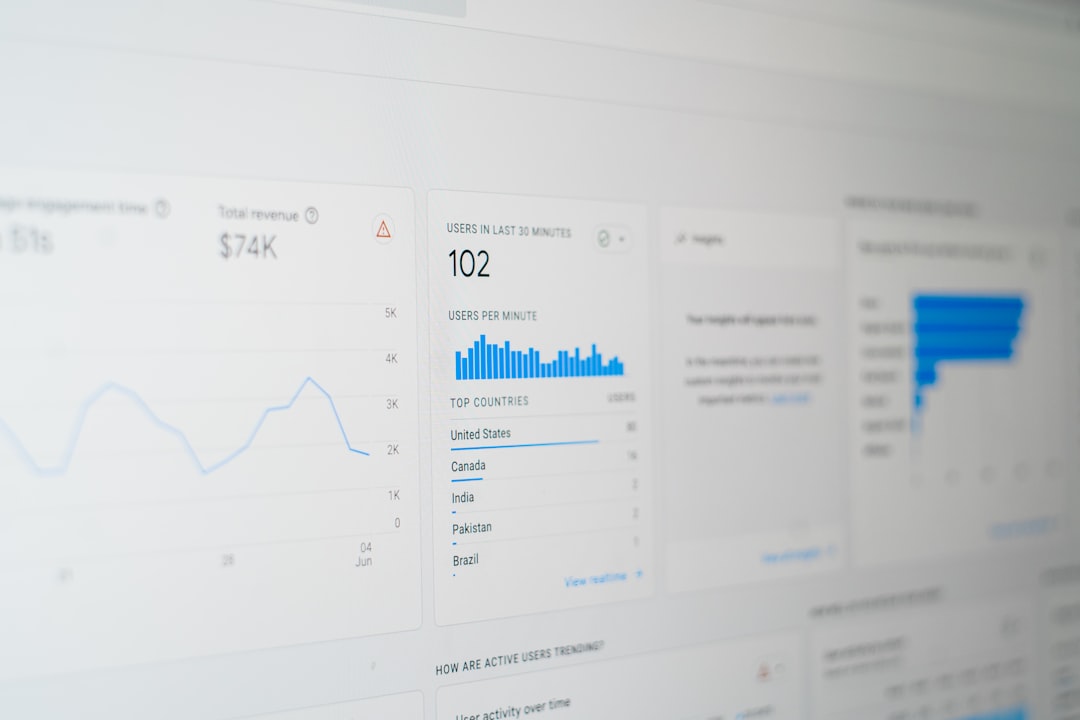
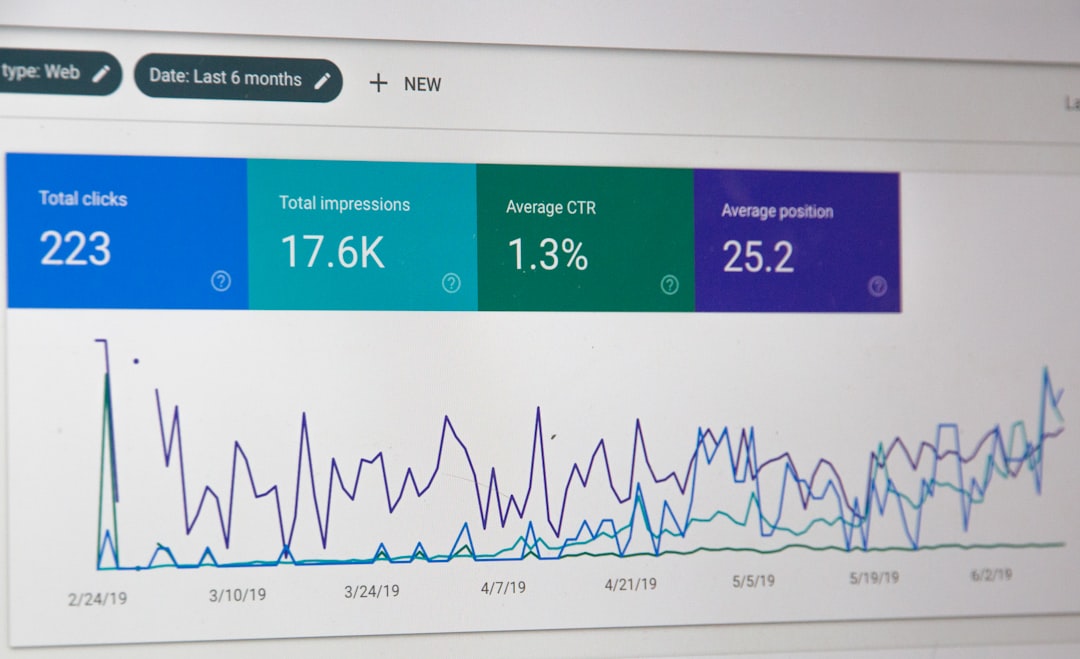
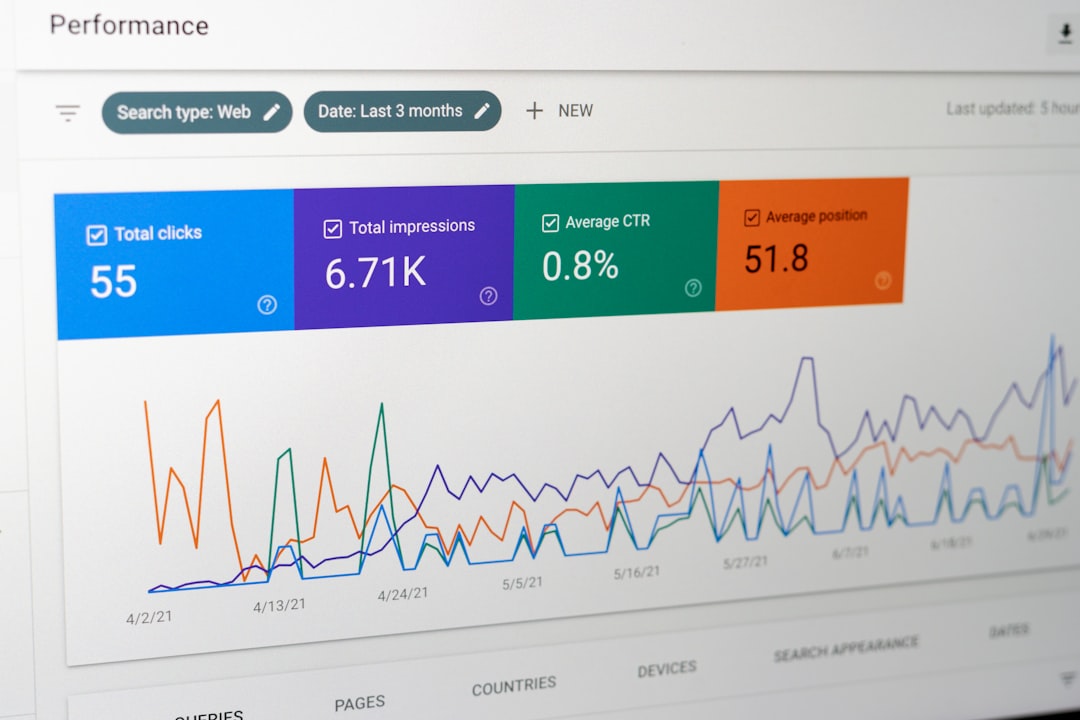
Depending on the project, a WordPress SEO company may use Google Search Console, Google Analytics, crawling tools, keyword research platforms, and performance testing tools.
The important part is not simply collecting data. The data should lead to practical actions.
12. Focus on Sustainable SEO
Modern WordPress SEO should be based on quality, relevance, technical reliability, and a good user experience.
Avoid shortcuts such as keyword stuffing, manipulative links, or mass-produced low-value pages. A sustainable strategy focuses on building a website that is genuinely useful to its target audience.
By combining technical optimization, useful content, mobile performance, internal linking, and regular measurement, businesses can create a stronger foundation for organic search growth in 2026.