
WordPress SEO becomes easier to manage when the work follows a clear process. Instead of making random changes, a WordPress SEO company can move through specific stages, starting with research and auditing and ending with monitoring and continuous improvement.
Here is a practical step-by-step approach.
Step 1: Understand the Business

SEO should begin with the business rather than the website alone.
Identify:
- Main products or services
- Target audience
- Service locations
- Business goals
- Main competitors
- Existing organic traffic
This information helps determine which SEO activities should receive priority.
Step 2: Audit the Website
The next step is understanding the current condition of the WordPress website.
Review:
- Technical SEO
- Content
- Website structure
- Internal links
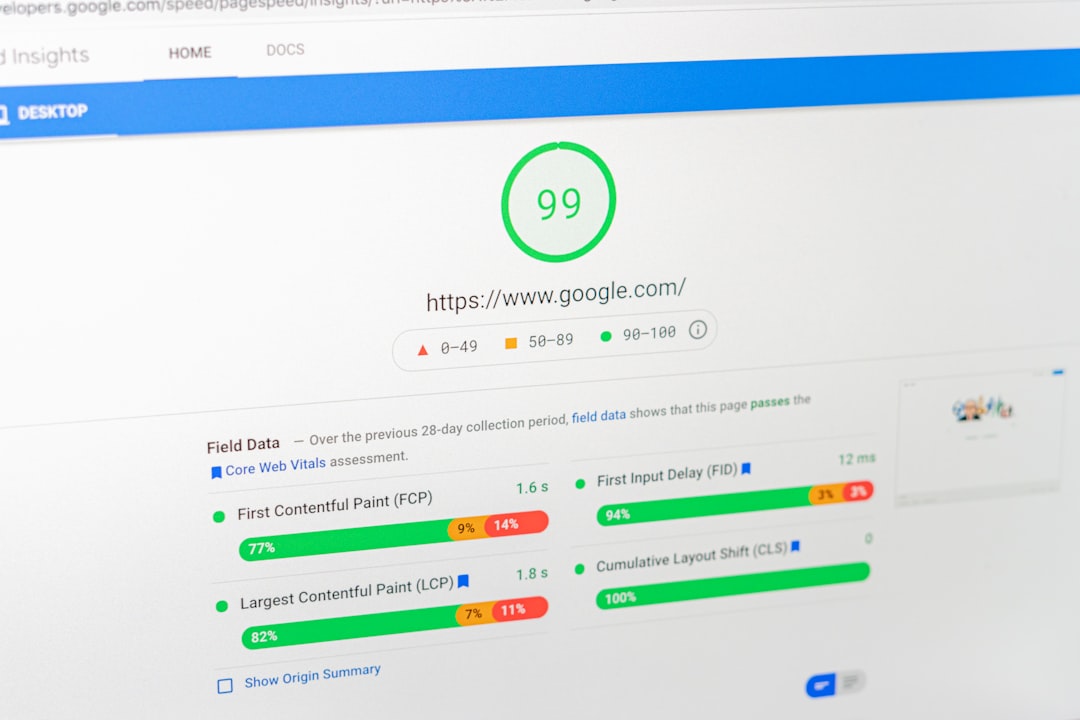
- Page speed
- Mobile usability
- Indexing
- Existing rankings
An audit provides a baseline and prevents unnecessary changes.
Step 3: Research Keywords
Identify search terms that are relevant to the business.
Group them by intent.
For example:
| Intent | Example |
|---|---|
| Informational | How does WordPress SEO work? |
| Commercial | Best WordPress SEO services |
| Service | WordPress SEO consultant |
| Local | WordPress SEO company in Lahore |
The purpose is to match keywords with the right pages.
Step 4: Map Keywords to Pages
Avoid targeting the same main keyword on multiple pages without a clear reason.
Create a simple map:
Keyword → Search Intent → Target Page
For example, a commercial keyword may be assigned to a service page, while an informational query may be assigned to a blog article.
This reduces unnecessary topic overlap.
Step 5: Optimize Important Pages
Start with pages that have the most business value.
Improve:
- Page titles
- Headings
- Main content
- URLs
- Images
- Internal links
- Meta descriptions
The goal is to make each page clear and useful.
Step 6: Fix Technical Issues
Address important technical problems identified during the audit.
These may include:
- Indexing errors
- Broken links
- Incorrect redirects
- Duplicate URLs
- Canonical issues
- Sitemap problems
- Poor mobile performance
Technical work should be prioritized according to impact.
Step 7: Improve Content
Review existing articles and landing pages.
Some pages may benefit from:
- Updated information
- Additional examples
- Better structure
- More useful explanations
- Stronger internal links
New content should be created when there is a genuine topic or search opportunity.
Step 8: Build Internal Links
Connect related pages throughout the website.
A useful structure might be:
Main Service → Detailed Guide → Supporting Articles
This helps visitors discover more information and creates stronger relationships between pages.
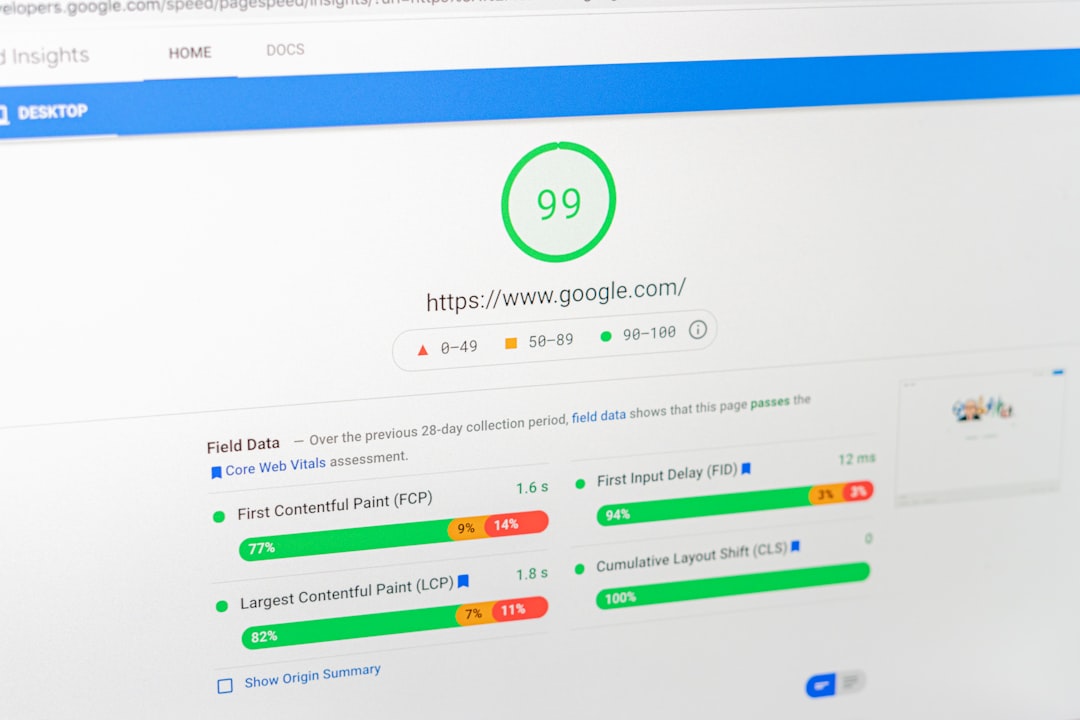
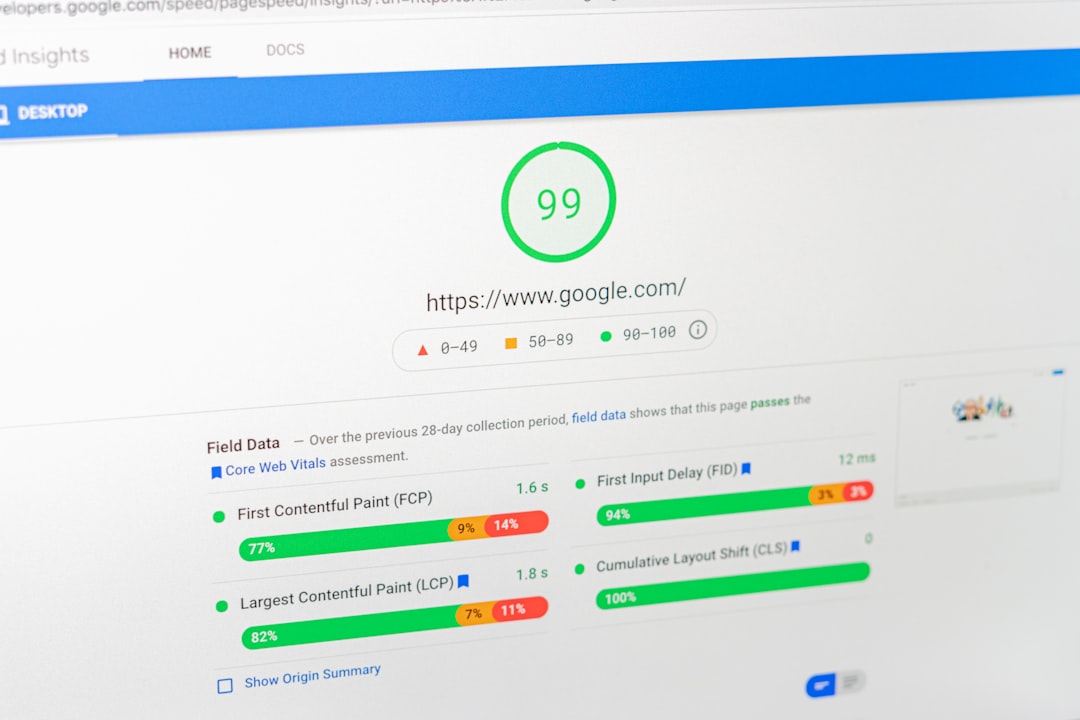
Step 9: Improve Performance
Review website speed and user experience.
Potential areas include:
- Images
- Caching
- Plugins
- Hosting
- Scripts
- Mobile performance
Changes should be based on actual performance issues.
Step 10: Build Relevant Authority

Depending on the business, SEO may also include authority-building activities.
These can involve:
- Relevant backlinks
- Digital PR
- Industry publications
- Partnerships
- Business listings
- Useful resource promotion
Quality and relevance matter more than simply increasing link numbers.
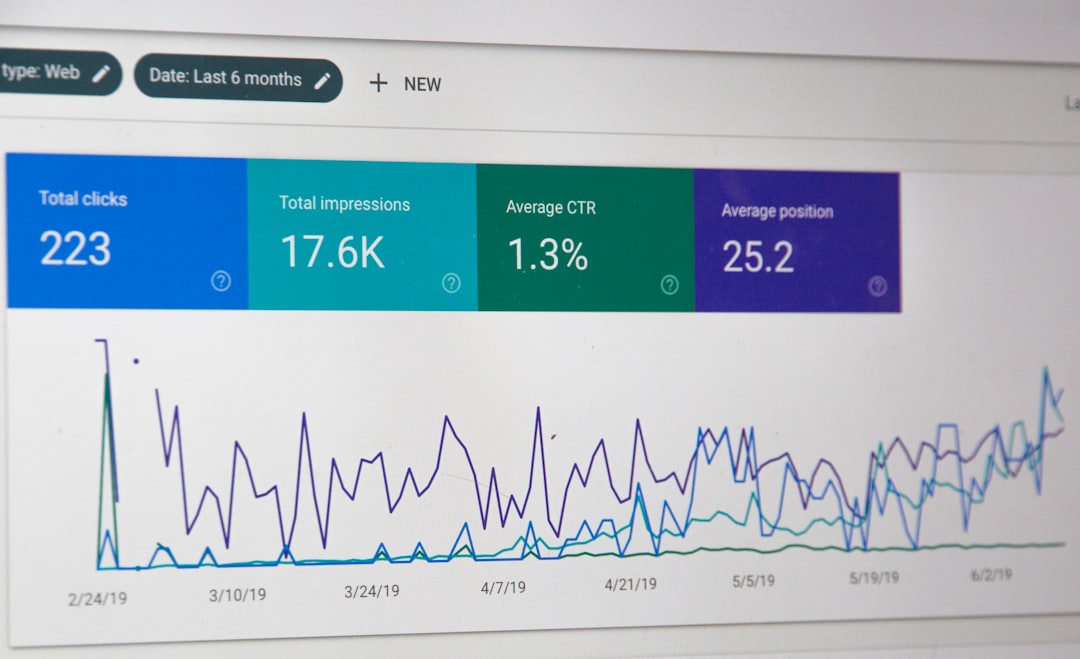
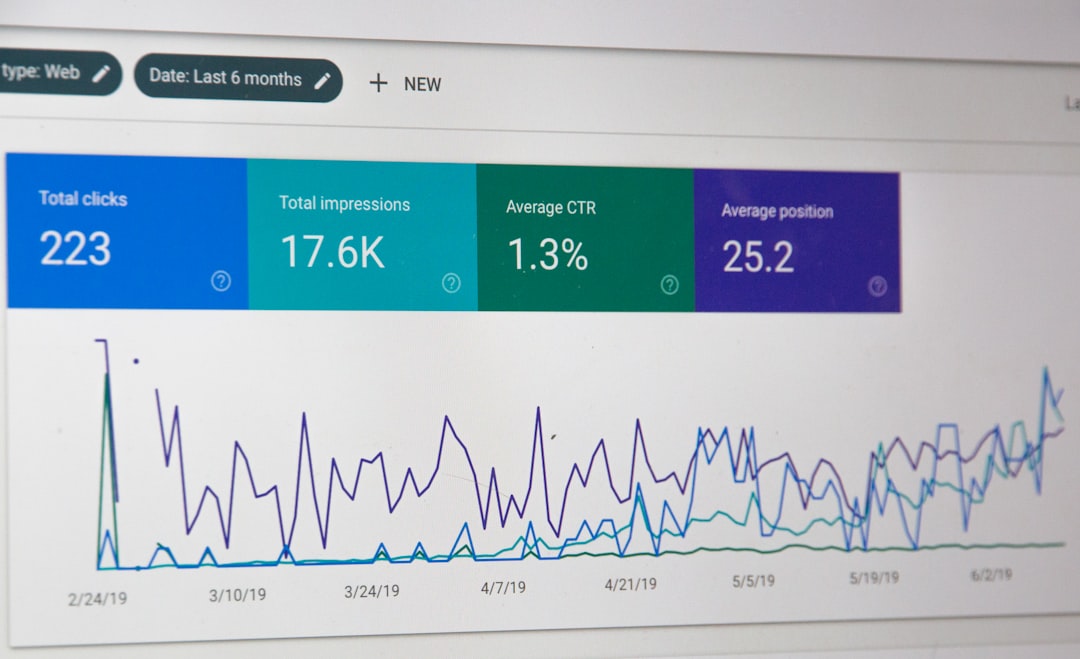
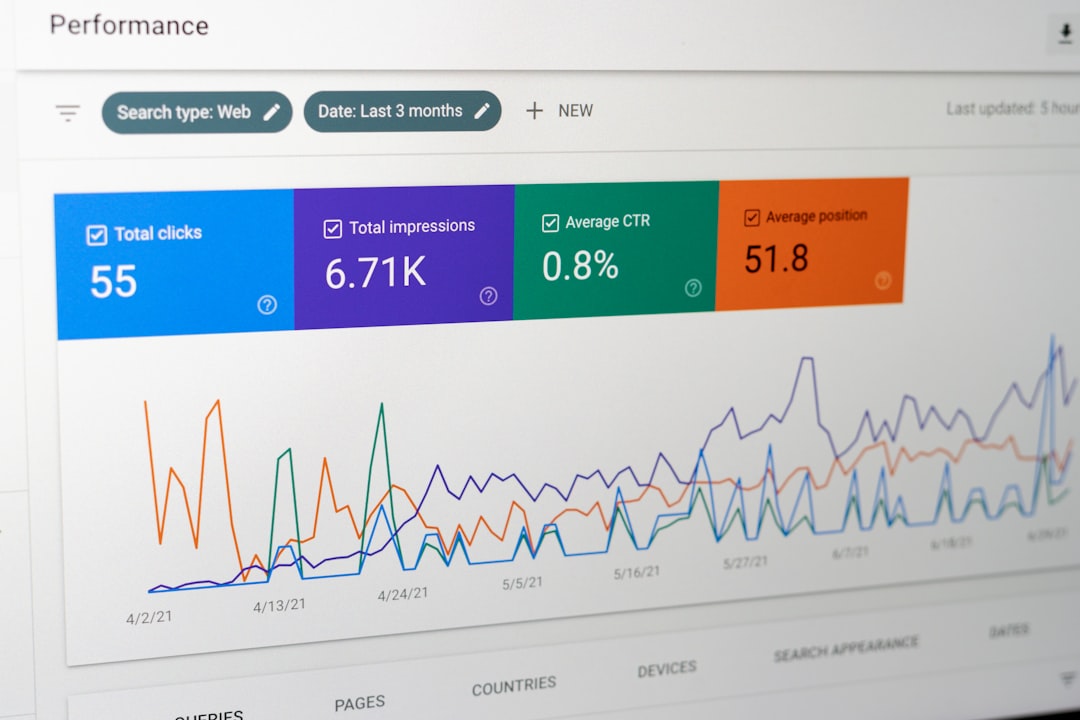
Step 11: Monitor Results
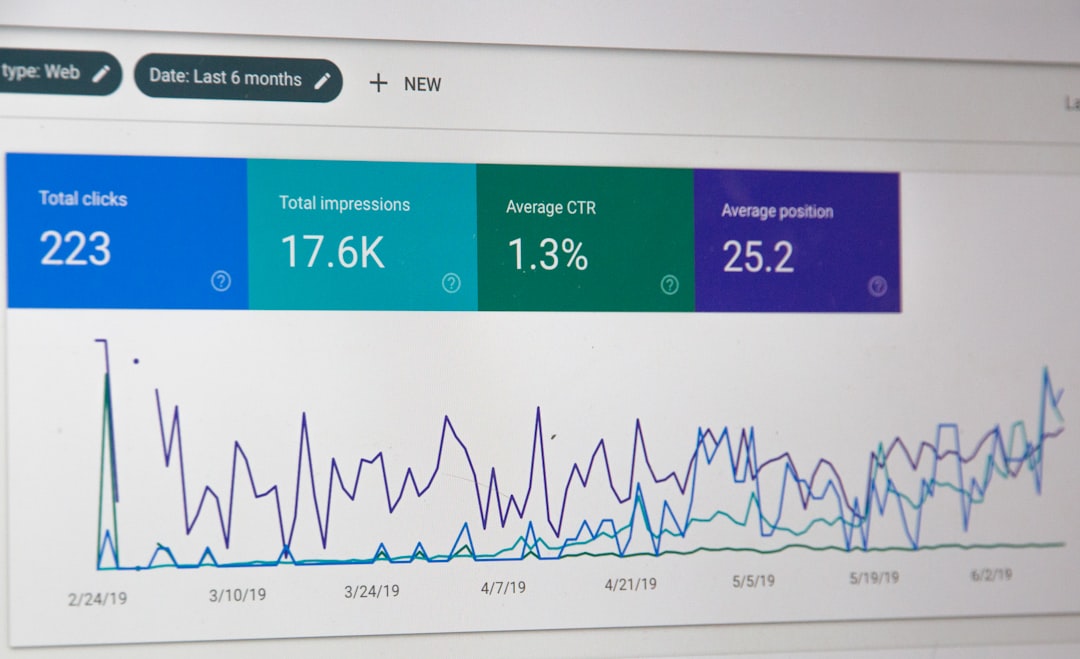
After implementation, monitor performance.
Important metrics include:
- Organic clicks
- Impressions
- Rankings
- Conversions
- Indexed pages
- Landing-page performance
A change that produces unexpected results should be investigated rather than ignored.
Step 12: Continue Improving
SEO is an ongoing process.
A practical cycle is:
Research → Audit → Optimize → Publish → Monitor → Improve
A WordPress SEO company can manage this process continuously, adapting the strategy as the website, competition, content, and search behavior change.
Following a structured workflow makes SEO more organized and helps ensure that technical improvements and content work support the same overall objective.