
Improving a WordPress website’s search visibility requires attention to several different areas. A website may have excellent content but still struggle if important technical settings, internal links, or performance issues are overlooked.
A structured checklist helps keep SEO work organized and makes it easier to identify areas that need improvement.
1. Check Search Engine Visibility

The first step is making sure search engines are allowed to access the website.
Review:
- WordPress search engine visibility settings
- Robots.txt
- Meta robots directives
- XML sitemap
- Important page indexing
A single incorrect setting can prevent valuable pages from appearing in search results.
2. Review Website Structure
The website should have a logical hierarchy.
For example:
Homepage → Services → Individual Services → Supporting Content
Important pages should be easy to reach through navigation and internal links.
Avoid creating unnecessary levels of categories or pages that make navigation confusing.
3. Optimize URLs
WordPress URLs should be simple and descriptive.
For example:
example.com/wordpress-seo-services/
is generally clearer than a URL containing unnecessary parameters or random numbers.
Review older URLs carefully before changing them, because established URLs may have backlinks and search visibility.
4. Check Page Titles and Headings
Every important page should have a clear title describing its topic.
Also review:
- H1 headings
- H2 sections
- H3 subsections
- Duplicate titles
- Missing headings
Headings should organize the content naturally rather than exist only for keyword placement.
5. Review Content Quality
Content should provide genuine value to visitors.
Check whether each important page:
- Matches search intent
- Answers the main question
- Provides useful details
- Avoids unnecessary repetition
- Uses clear language
- Contains relevant examples
Thin or outdated content may need improvement.
6. Improve Internal Linking
Internal links help connect related pages.
For example, an article about WordPress technical SEO can link to a relevant technical SEO service page.
Check for:
- Important pages with few internal links
- Broken internal links
- Irrelevant links
- Opportunities to connect related content
7. Optimize Images
Large images can affect page performance.
Review:
- Image dimensions
- Compression
- File formats
- Alt text
- Lazy loading where appropriate
Alt text should describe meaningful images rather than contain unnecessary keywords.
8. Check Mobile Experience
A website should work properly across different screen sizes.
Test:
- Navigation
- Buttons
- Forms
- Text size
- Images
- Page spacing
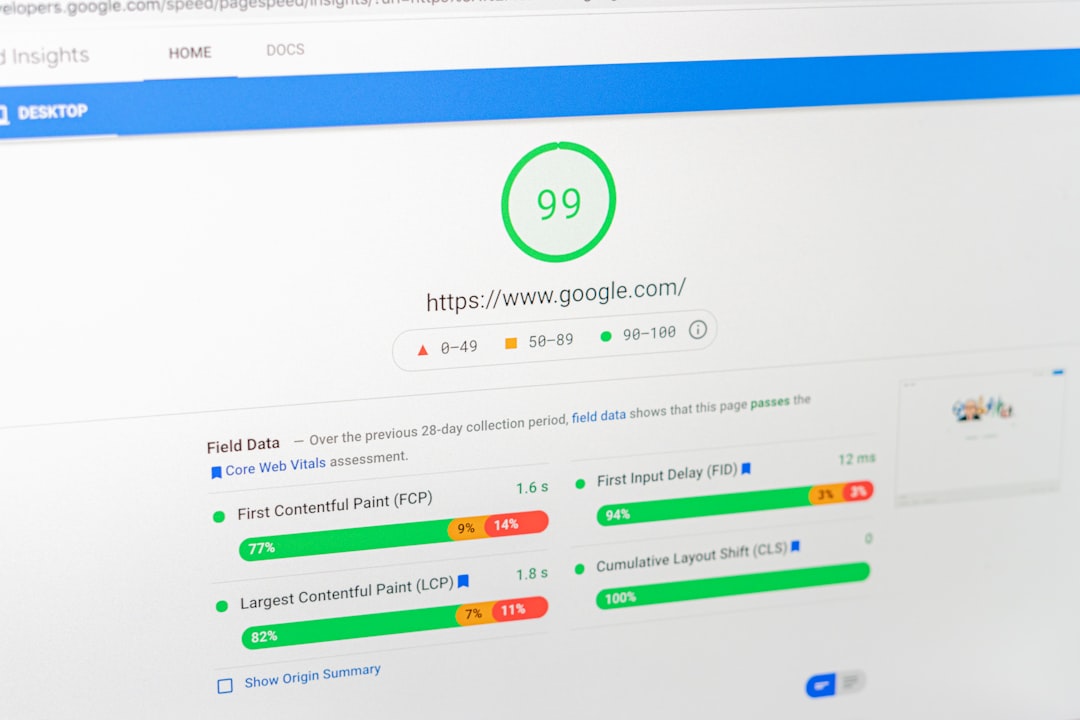
- Loading performance
Mobile usability is especially important because many visitors access websites through smartphones.
9. Review Technical SEO
A technical checklist can include:
| Area | Check |
|---|---|
| Sitemap | Important URLs included |
| Robots.txt | No unnecessary blocking |
| Canonicals | Correct preferred URLs |
| Redirects | Working and relevant |
| 404 pages | Broken URLs identified |
| HTTPS | Secure website |
| Indexing | Important pages accessible |
10. Monitor Search Performance

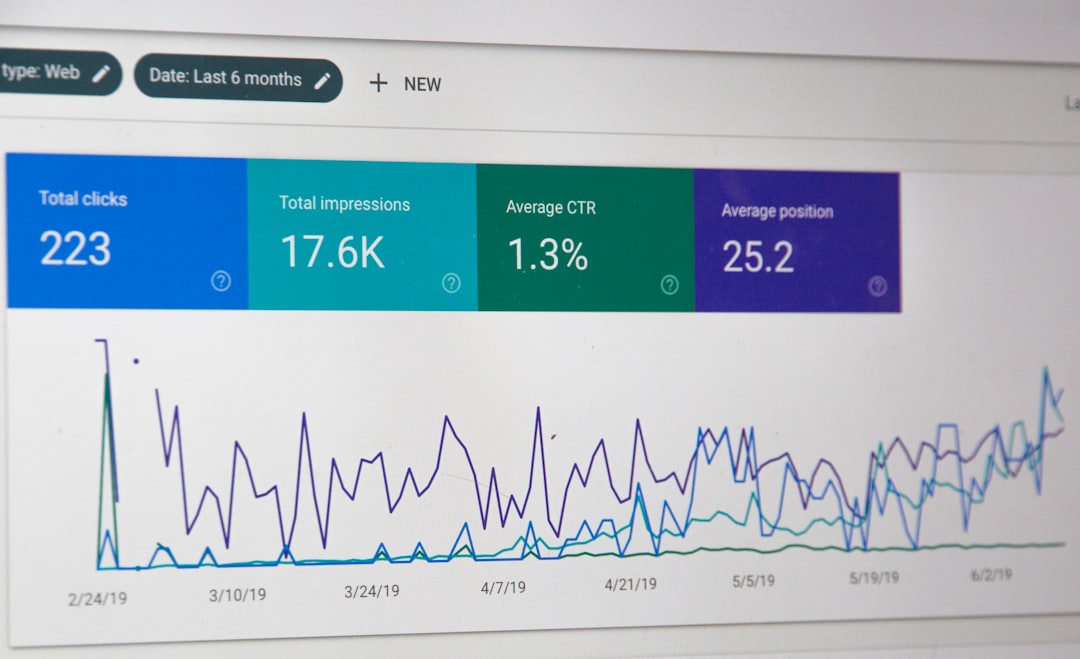
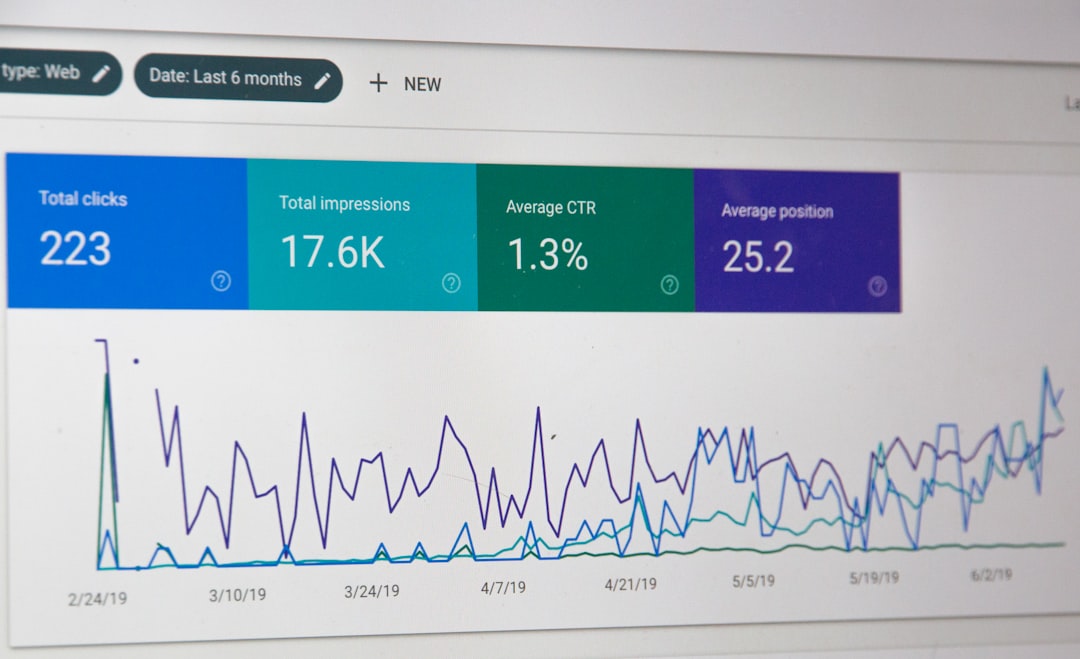
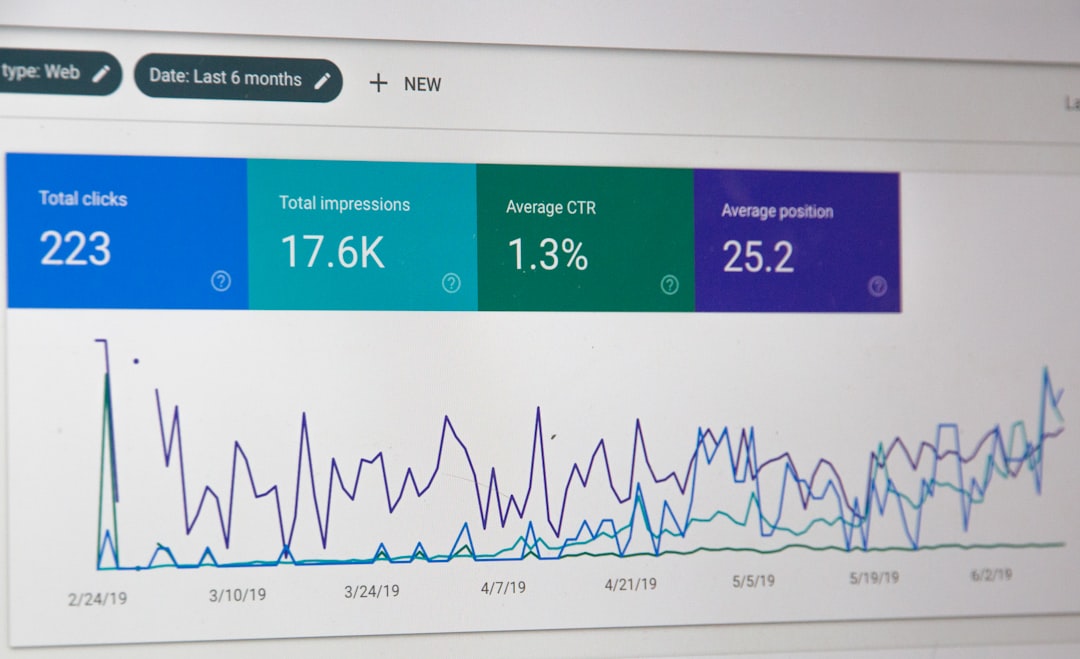
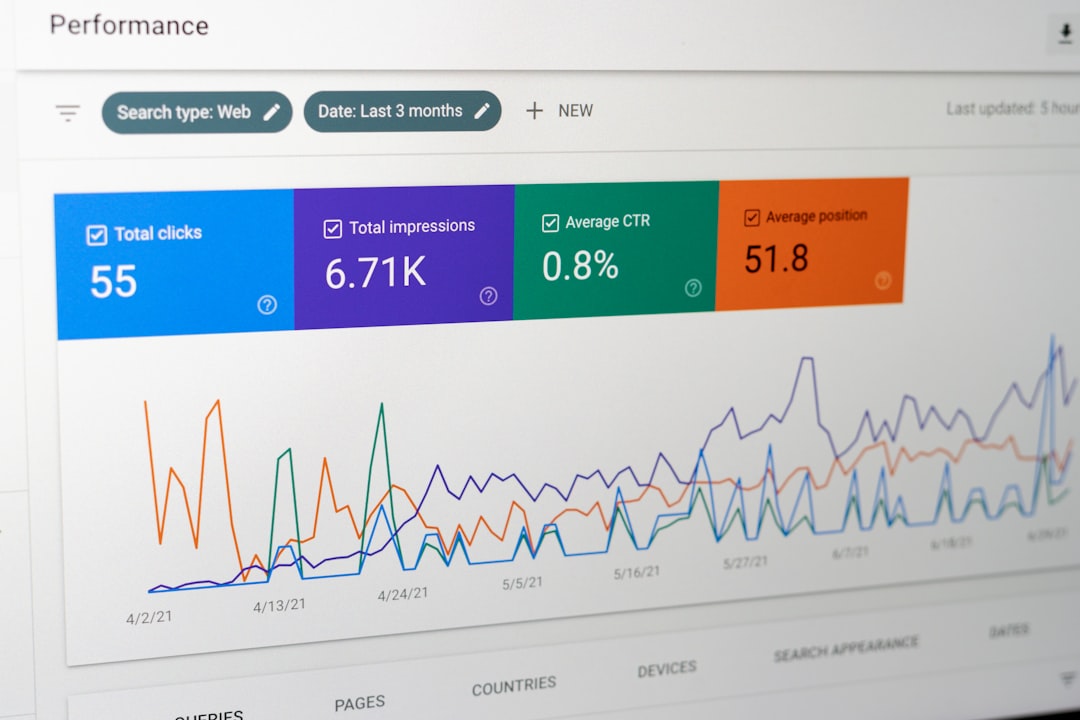
SEO work should be measured regularly.
Track:
- Organic clicks
- Impressions
- Search positions
- CTR
- Organic conversions
- Indexed pages
This makes it easier to identify trends and decide what needs attention next.
11. Review WordPress Plugins
Too many plugins can create unnecessary complexity and sometimes affect performance.
A WordPress SEO company should review whether plugins are:
- Necessary
- Updated
- Performing duplicate functions
- Creating conflicts
- Affecting website speed
Plugin changes should be made carefully on established websites.
Building a Practical SEO Routine
A useful WordPress SEO checklist can be divided into regular tasks:
Technical checks → Content updates → Internal linking → Performance → Search monitoring
This keeps SEO from becoming a one-time activity.
A WordPress SEO company can use this process to identify technical problems, improve important pages, strengthen website structure, and monitor organic performance over time. The checklist should always be adapted to the specific website rather than followed mechanically.