
Growing organic visibility takes time, but a focused strategy can make SEO work more efficient. Instead of trying to optimize every part of a WordPress website simultaneously, prioritize the pages and improvements that have the strongest connection to business goals.
Here are practical ways a WordPress SEO agency can approach faster and more organized growth.
Focus on High-Value Pages

Start with pages that already have business importance.
These may include:
- Service pages
- Product pages
- Main category pages
- High-traffic articles
- Location pages
- Lead-generation pages
Improving an important existing page can sometimes be more useful than creating several unrelated new articles.
Find Existing SEO Opportunities
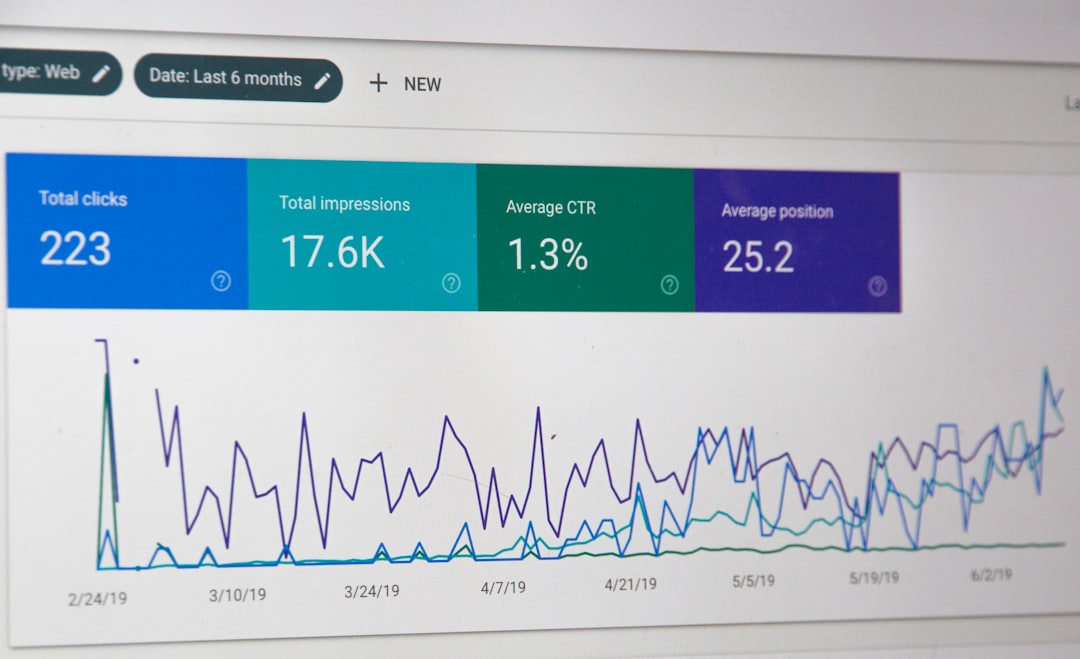
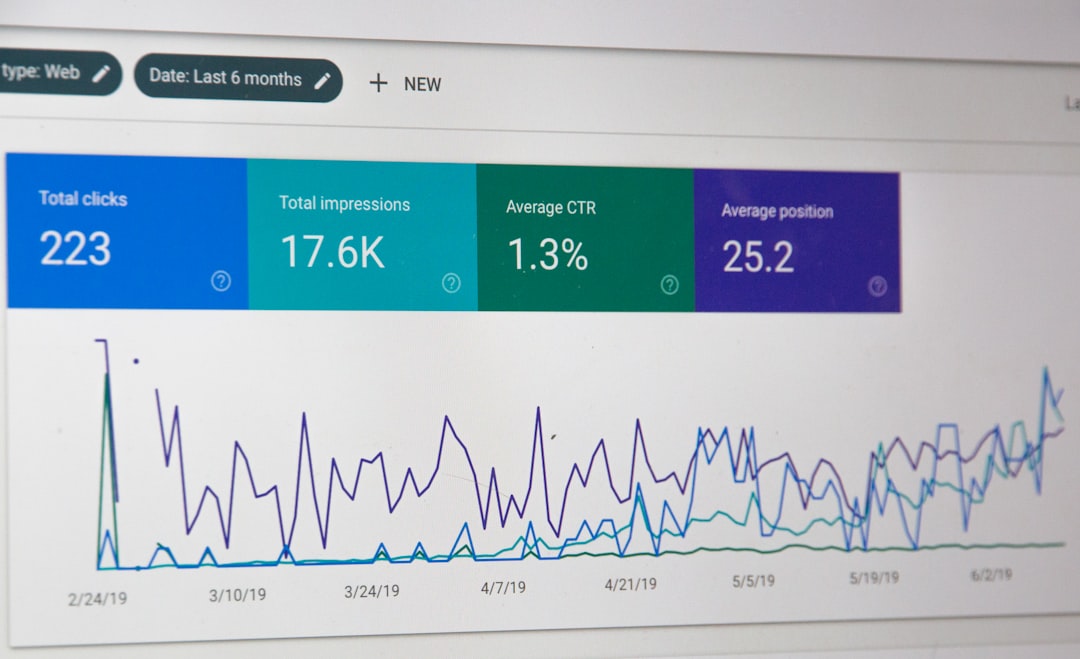
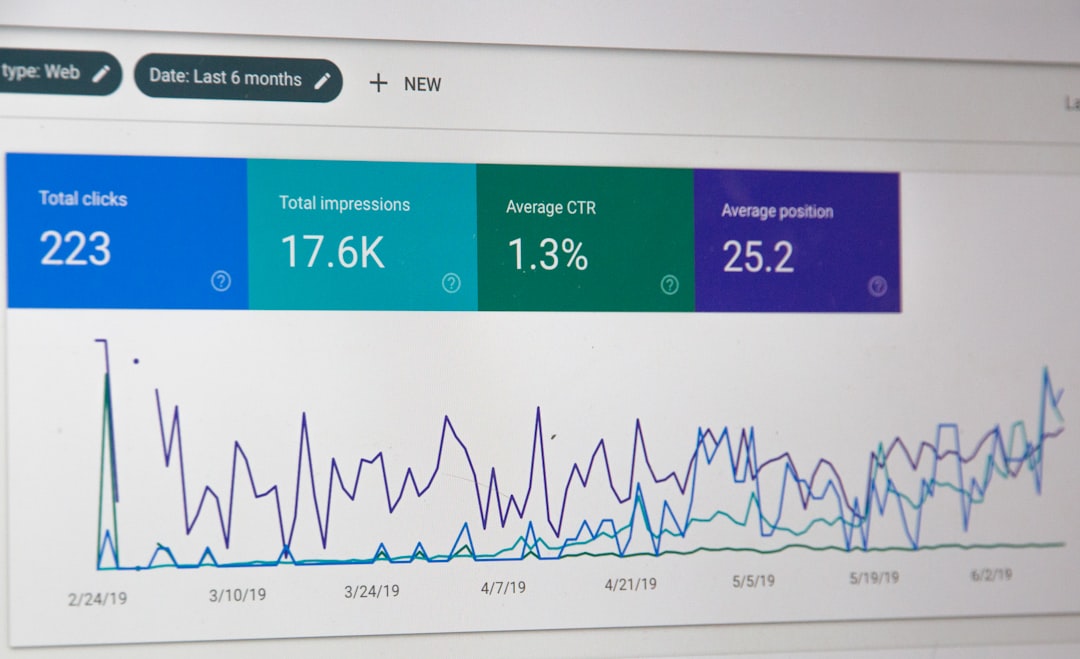
Look for pages that already receive impressions but could perform better.
For example:
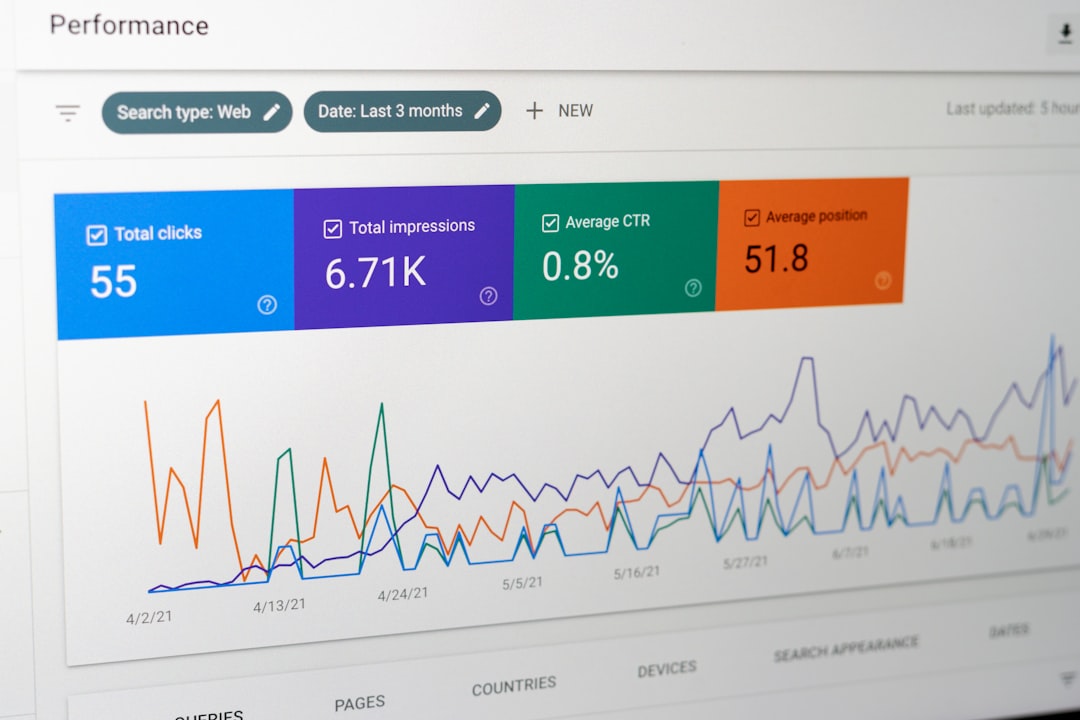
High impressions + low CTR
The page may need a clearer title or more compelling search-result description.
Ranking near the first page
The content, internal links, or overall page quality may have opportunities for improvement.
Traffic + low conversions
The page may need a clearer offer or stronger user experience.
Target Specific Search Intent
Broad keywords can be highly competitive.
Instead of targeting every broad phrase, identify specific searches that closely match your services or products.
For example, a specialized WordPress service may benefit from targeting more specific commercial searches rather than competing only for “SEO.”
The goal is to attract relevant visitors, not simply increase traffic numbers.
Build Topic Clusters
Create groups of related content around important subjects.
For example:
Main topic: WordPress SEO
Supporting topics:
- WordPress technical SEO
- WordPress speed
- Mobile SEO
- Internal linking
- SEO audits
- Keyword research
Connect these pages naturally through internal links.
Improve Existing Content
Content that already has search visibility may have untapped potential.
Update:
- Outdated information
- Weak introductions
- Missing sections
- Broken links
- Poor headings
- Weak internal links
Do not expand an article simply to make it longer. Add information that improves its usefulness.
Improve Internal Linking
Internal links can help distribute attention across the website.
When publishing a new article, identify relevant existing pages to link to.
Likewise, revisit older articles and add links to newer, useful resources.
This creates a website where related information is connected rather than isolated.
Improve Technical Performance
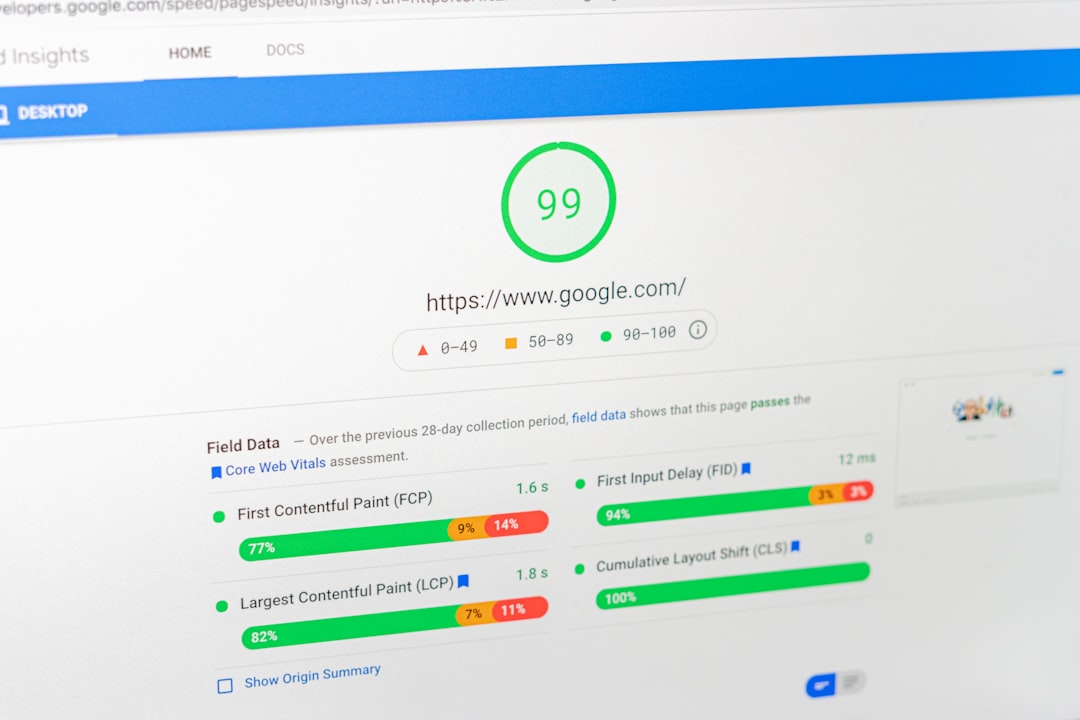
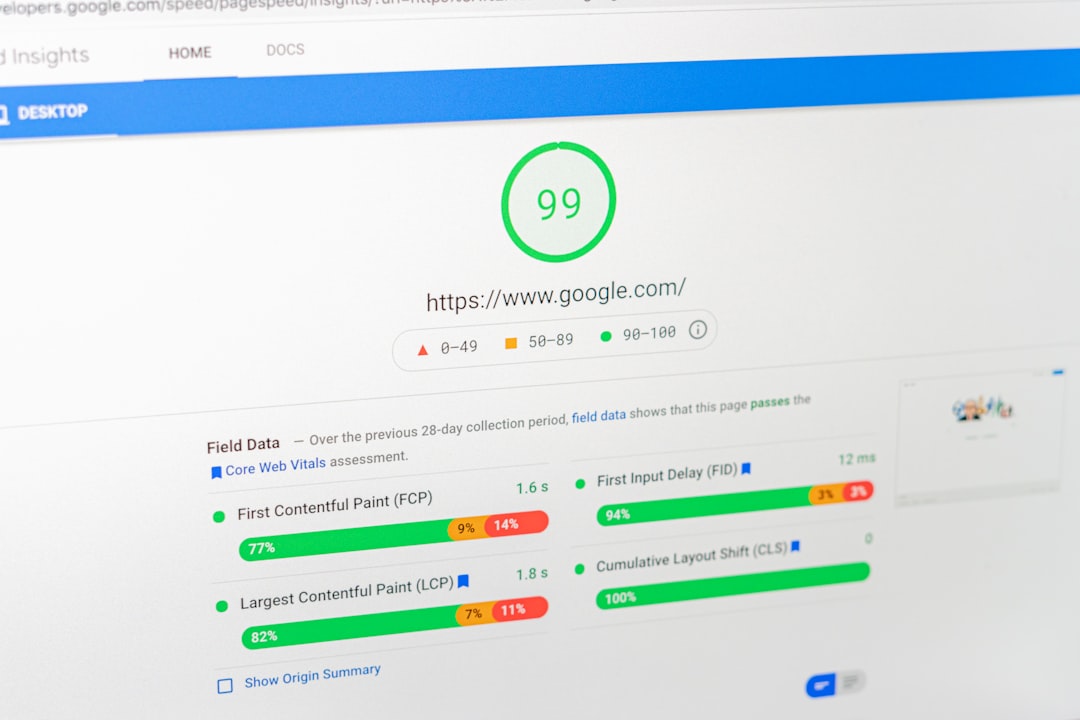
Technical improvements can make SEO work more efficient.
Prioritize:
- Indexing problems
- Broken links
- Mobile issues
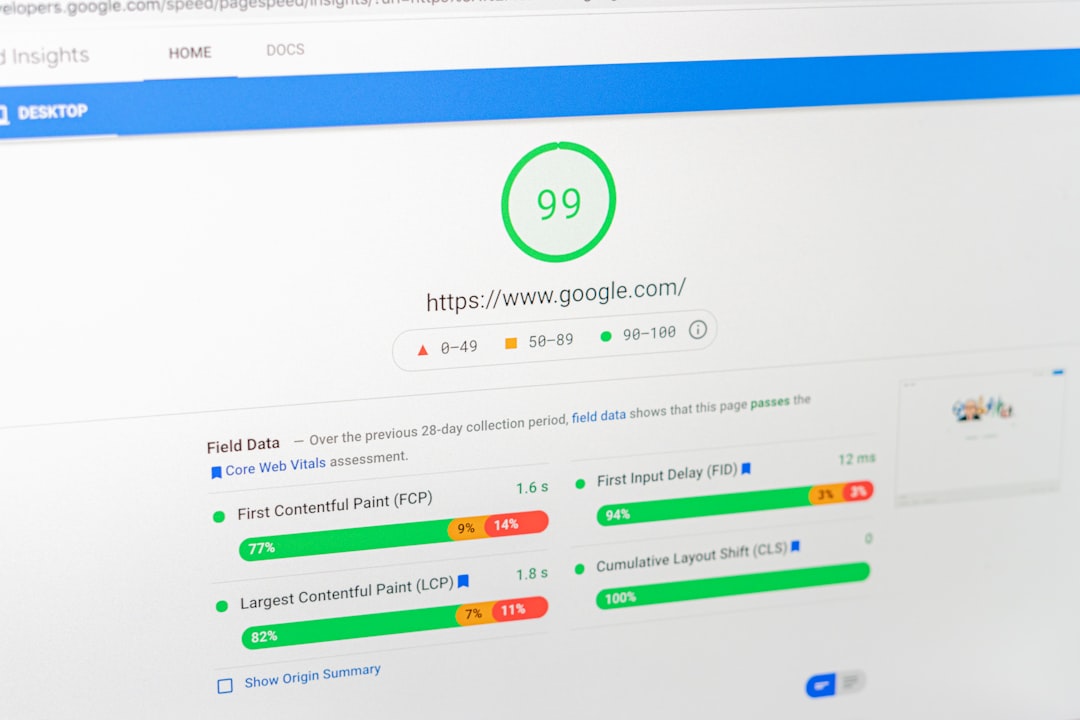
- Slow pages
- Duplicate URLs
- Incorrect redirects
- Sitemap problems
Fix foundational issues before spending significant time on minor details.
Create Useful Content Consistently
Consistency is more useful than publishing large amounts of low-value content.
A content calendar can include:
- Customer questions
- Service-related topics
- Product guides
- Comparisons
- Tutorials
- Industry information
Each article should have a clear purpose and audience.
Strengthen Authority Gradually
Relevant external references can support a website’s authority.
Explore:
- Digital PR
- Expert contributions
- Industry publications
- Original research
- Useful resources
- Relevant partnerships
Avoid shortcuts that focus only on increasing backlink numbers.
Improve Conversion Paths

More organic traffic does not automatically mean more business.
Review what happens after visitors arrive.
Make sure important pages provide clear next steps such as:
Contact Us
Request a Quote
Book a Consultation
View Products
The call to action should match the page’s purpose.
Track Progress Regularly
Use data to decide what to improve next.
| Area | Metric |
|---|---|
| Visibility | Impressions |
| Traffic | Organic sessions |
| Engagement | CTR |
| Rankings | Target keywords |
| Leads | Form submissions |
| Sales | Revenue or purchases |
Review trends rather than reacting to individual daily changes.
Prioritize Instead of Doing Everything
A practical SEO priority list might look like:
1. Critical technical problems
2. High-value page improvements
3. Search-intent and content gaps
4. Internal linking
5. Authority building
6. Ongoing testing and monitoring
This approach keeps the strategy focused.
A WordPress SEO agency can help accelerate the process by combining technical optimization, content strategy, internal linking, authority development, and conversion improvements into one coordinated workflow. The aim is not simply to make more SEO changes, but to make the right changes consistently.