For local businesses, SEO is not only about reaching people across the internet. The goal is often to become visible when people search for products or services in a specific area.
A WordPress SEO agency can help local businesses improve their website structure, local content, technical SEO, and overall search visibility.
Start With Local Keyword Research

Local SEO begins with understanding how customers search.
A business may target combinations of:
- Service + city
- Service + neighborhood
- Product + location
- “Near me” searches
- Location-specific questions
For example, a business providing WordPress services could target searches related to WordPress SEO services in its service area.
Avoid adding locations unnaturally to every sentence. Use them where they genuinely help explain the service.
Optimize Core Service Pages
Each major service should have a dedicated page when there is enough useful information to justify it.
A local service page can explain:
- What the business offers
- Who it serves
- Areas covered
- How the service works
- Why customers choose the business
- How to get started
The content should be genuinely useful rather than simply repeating a city name.
Keep Business Information Consistent
Make sure important business details are accurate across the website and relevant business listings.
Check:
- Business name
- Address
- Phone number
- Opening hours
- Website
- Service area
Inconsistent information can create confusion for customers and make local optimization harder to manage.
Optimize the Contact Page
A local business website should make it easy for potential customers to contact the business.
Include appropriate information such as:
- Phone number
- Address
- Service area
- Business hours
- Contact form
If the business has a physical location, provide clear directions or location information where appropriate.
Create Location-Relevant Content
Local content should solve real questions from people in the area.
Useful topics might include:
- Local service guides
- Area-specific buying advice
- Community resources
- Local industry information
- Service-related questions
Avoid creating dozens of nearly identical location pages with only the city name changed.
Strengthen Internal Linking
Connect location and service pages logically.
For example:
Homepage → Services → Local Service Page
A blog article can also link to a relevant service page when the connection is natural.
This creates a clearer structure for visitors and search engines.
Build Relevant Local Authority
Local businesses can benefit from relevant external references.
Potential opportunities include:
- Local publications
- Industry organizations
- Community websites
- Local directories
- Partnerships
- Sponsorships
- Local events
The focus should be on genuine local relevance rather than collecting random directory links.
Use Reviews Appropriately
Customer reviews can provide useful social proof for local businesses.
Encourage genuine customers to leave honest feedback on appropriate platforms.
Do not create fake reviews or offer misleading incentives for positive reviews.
Reviews should represent real customer experiences.
Optimize for Mobile Searches

Local searches frequently happen when people are on the move.
Make sure the website works well on smartphones.
Pay particular attention to:
- Clickable phone numbers
- Easy-to-use forms
- Location information
- Navigation
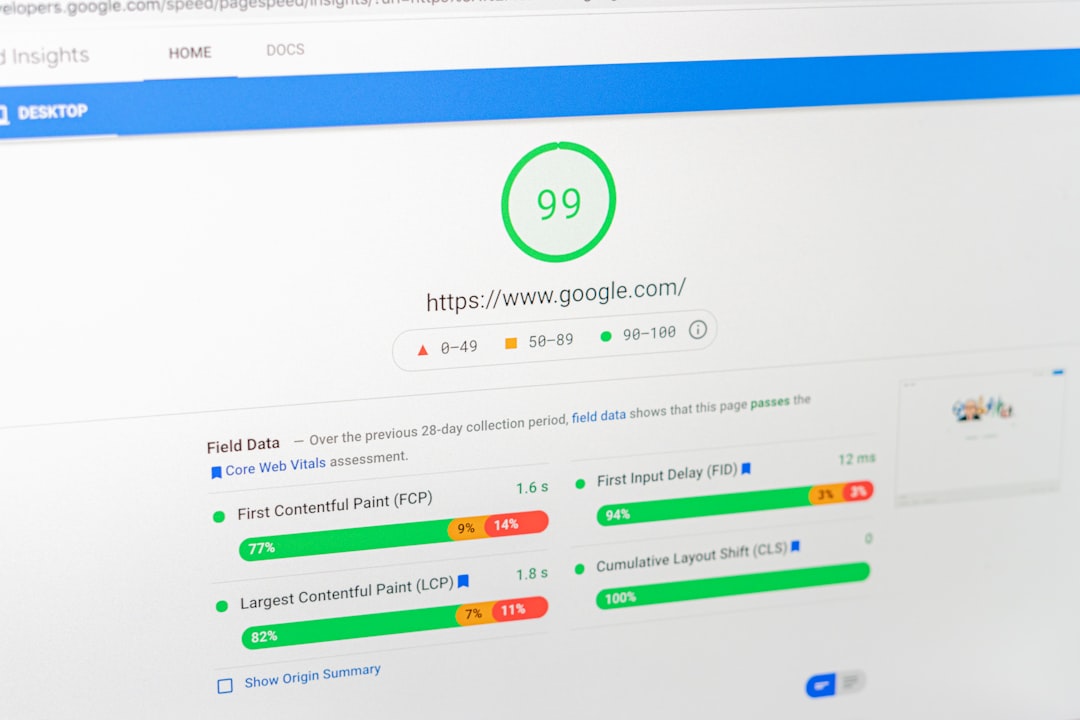
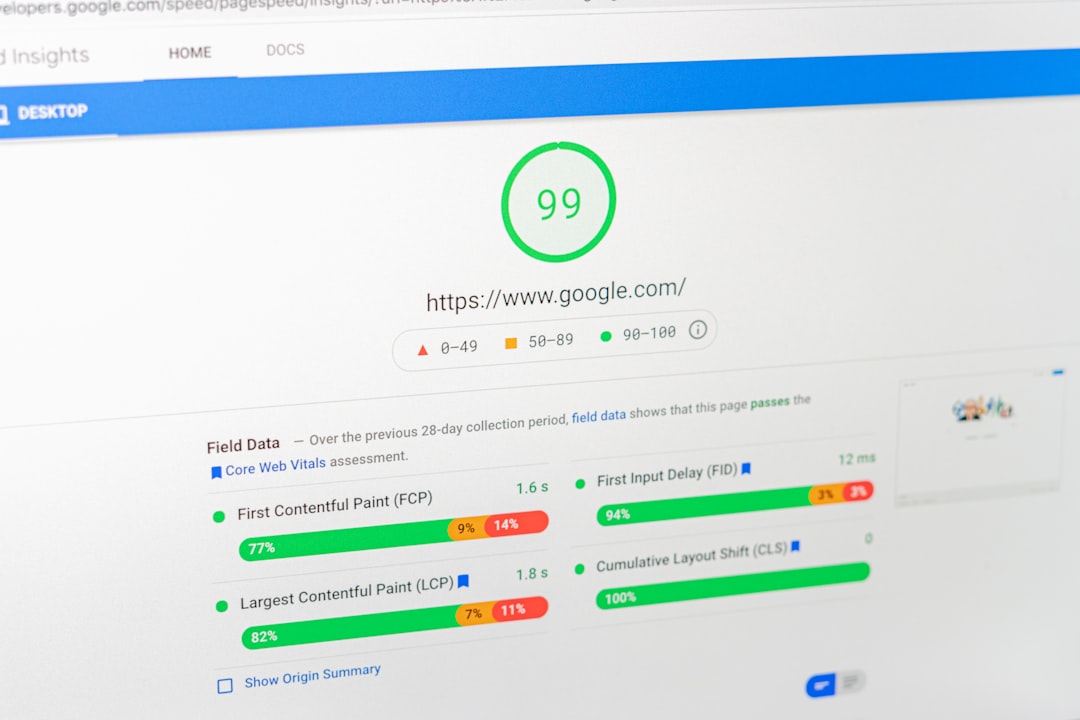
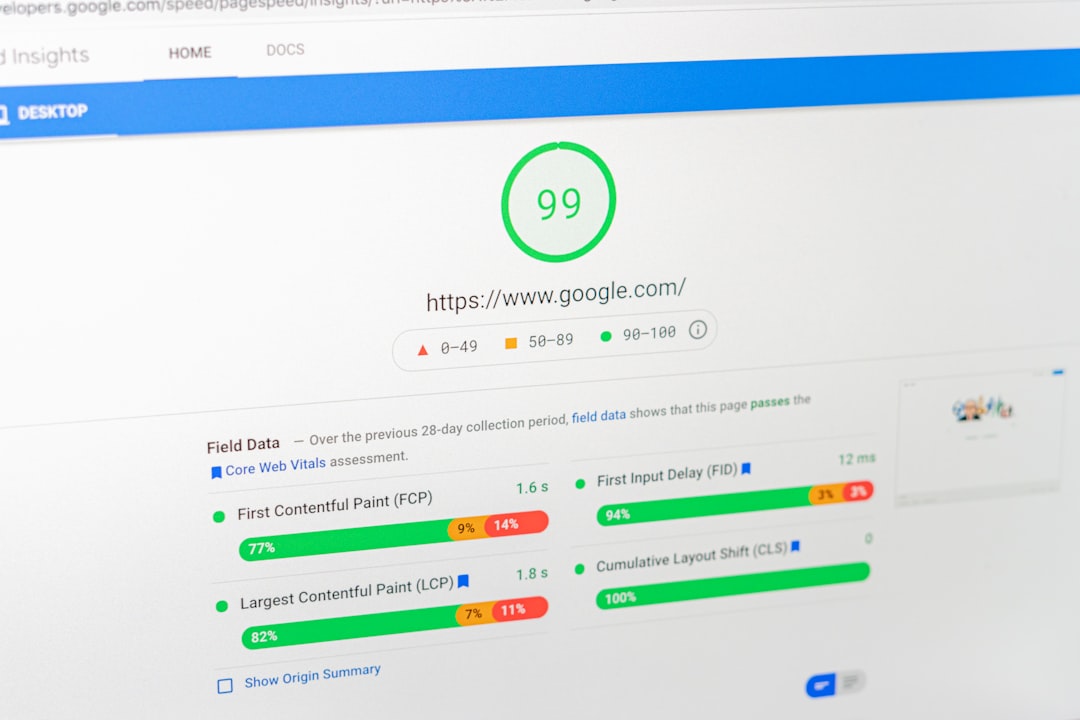
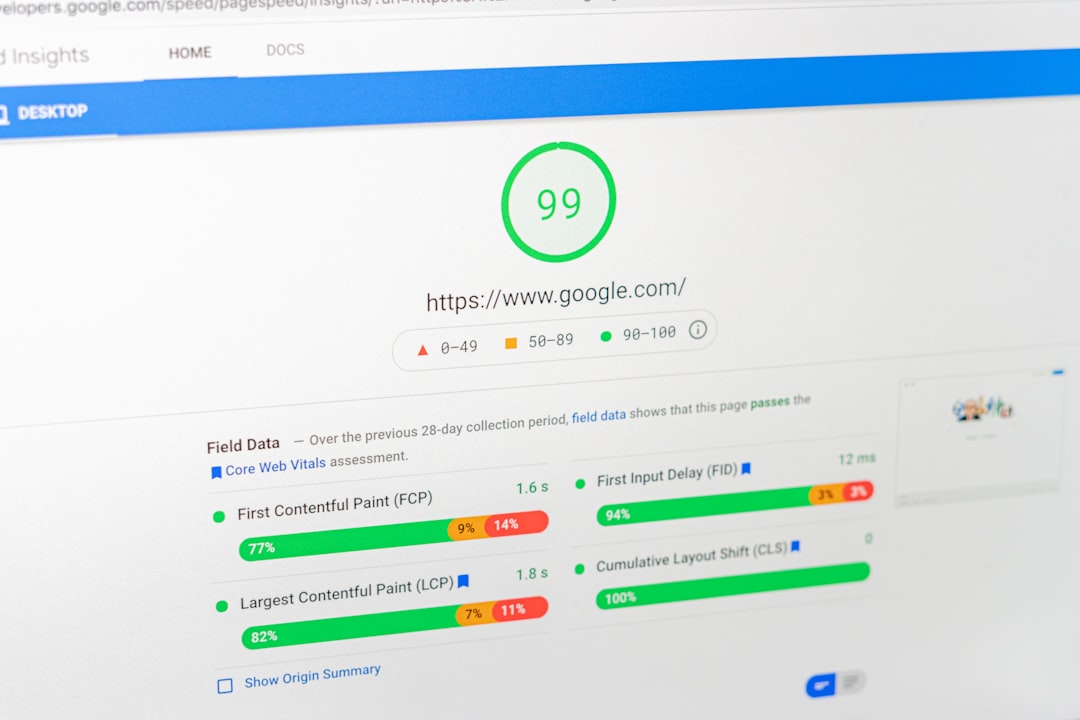
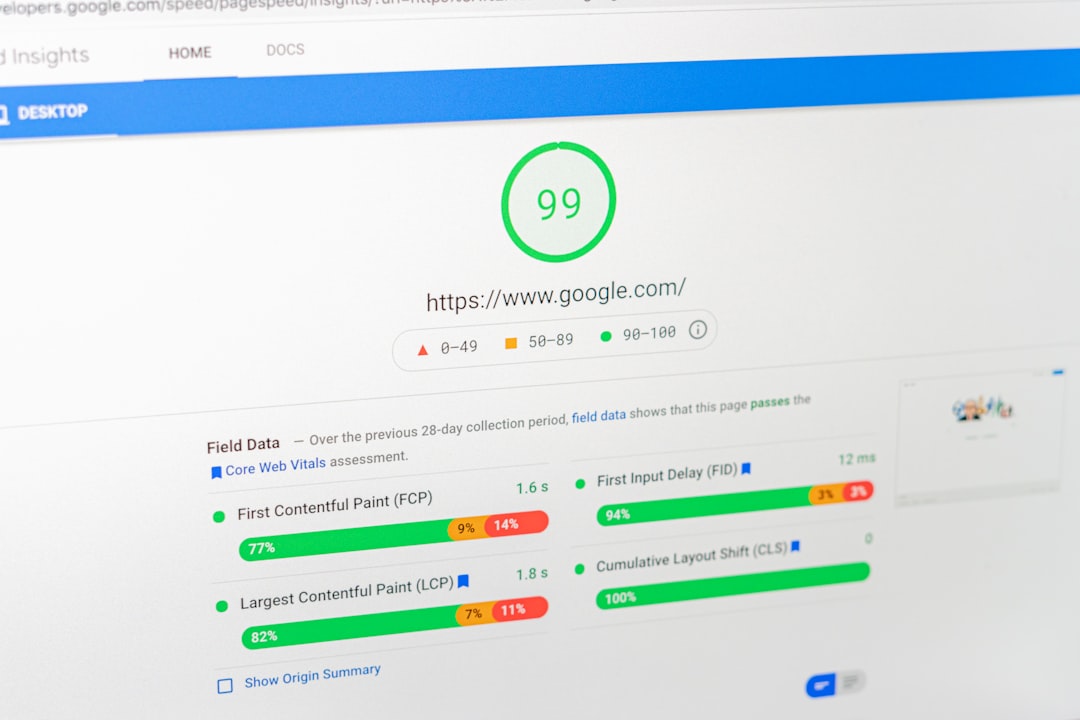
- Page speed
- Clear calls to action
A visitor should not have to struggle to find basic business information.
Measure Local Performance
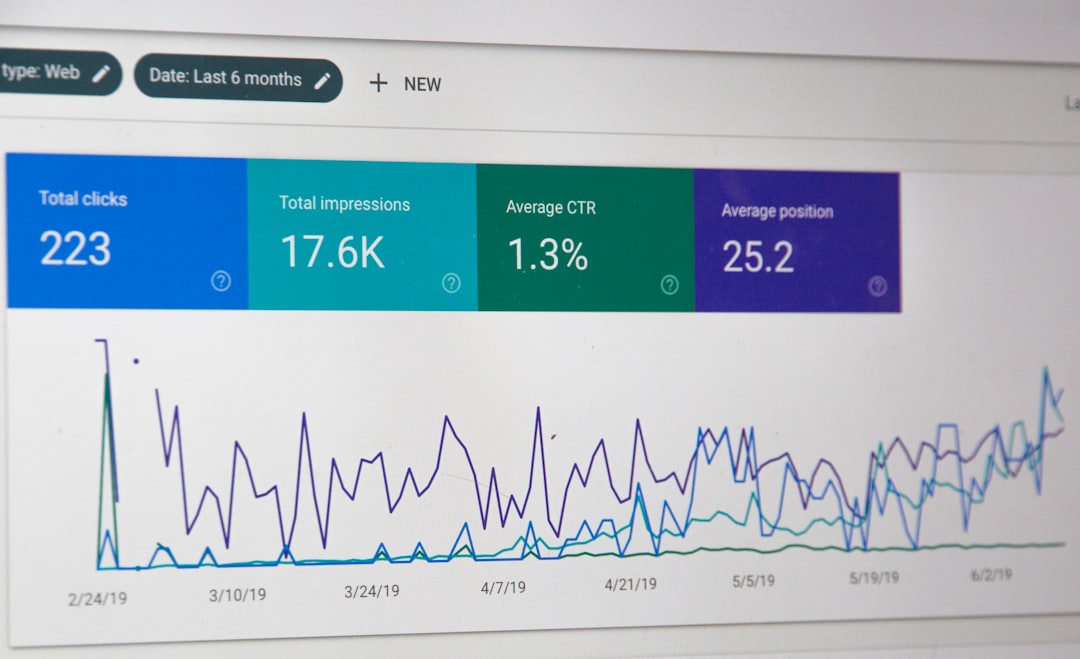
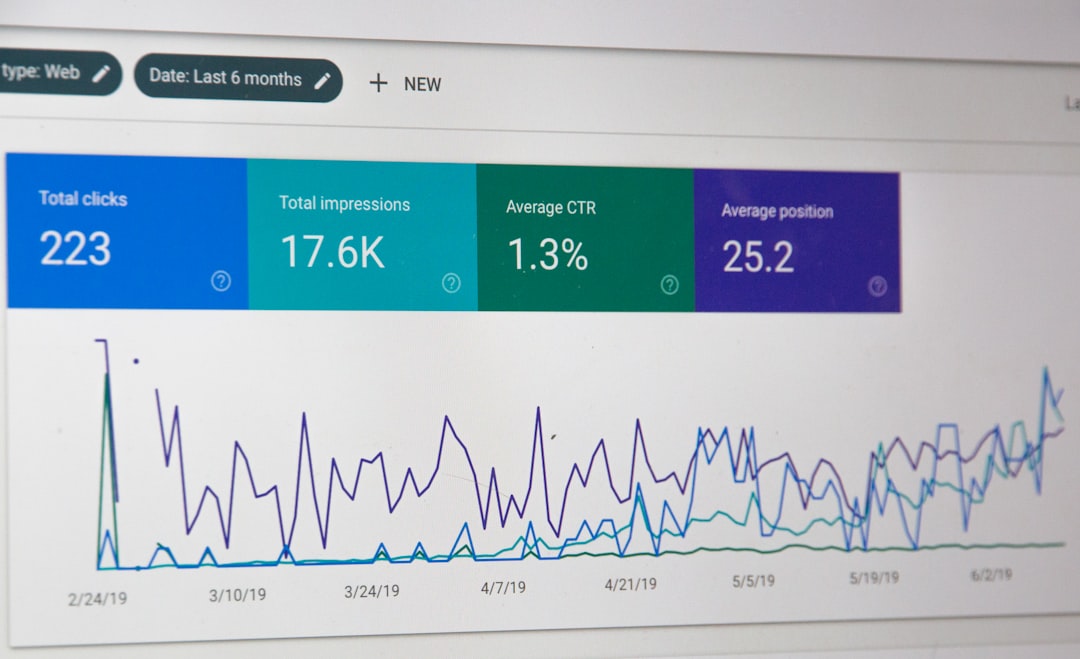
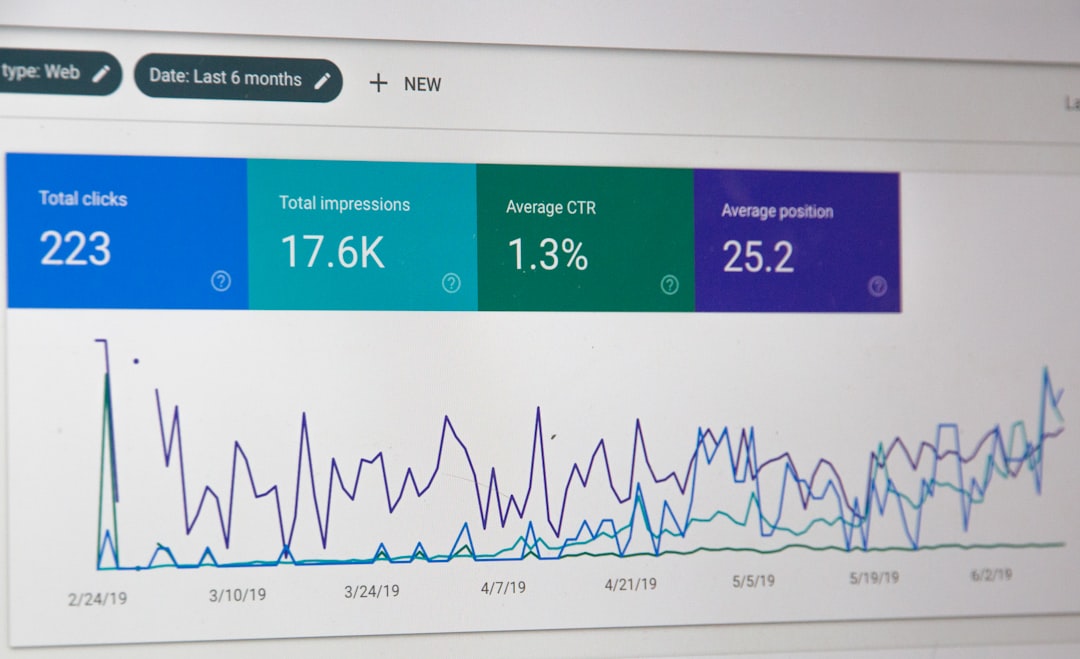
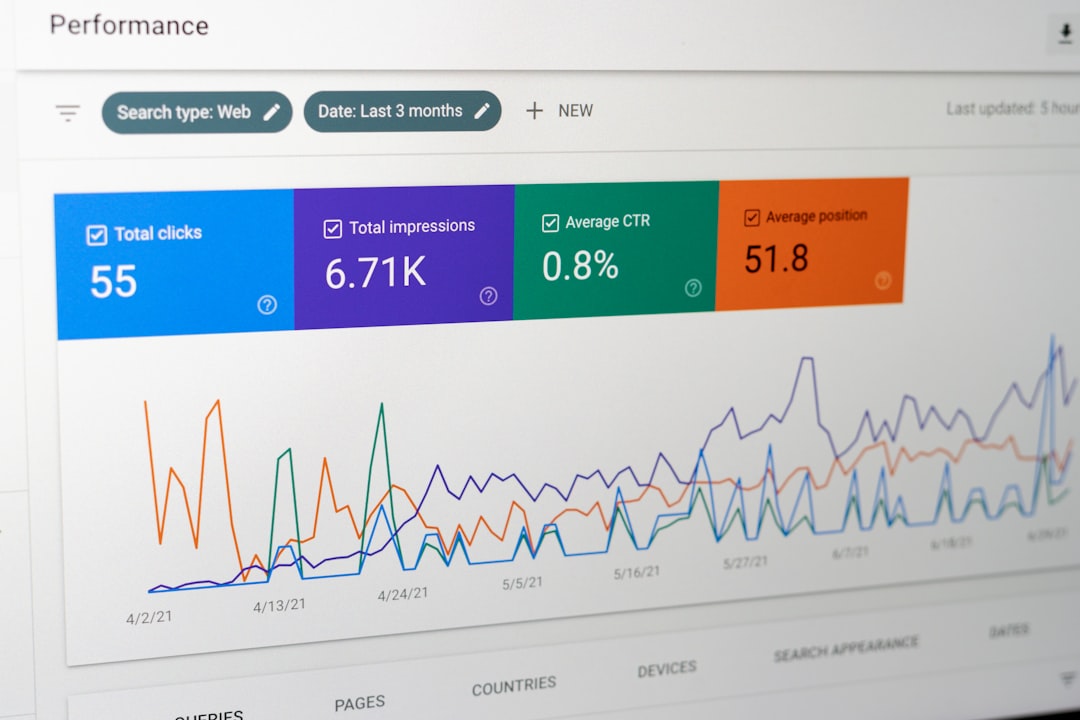
Track relevant SEO and business metrics.
| Metric | Purpose |
|---|---|
| Organic traffic | Measures website visitors |
| Local queries | Shows location-related visibility |
| Calls | Measures direct interest |
| Form submissions | Tracks leads |
| Directions or location actions | Indicates local engagement |
| Conversions | Measures business outcomes |
Build a Consistent Local SEO Process
A practical strategy can follow this sequence:
Research → Optimize → Create Local Content → Build Relevant Authority → Monitor → Improve
A WordPress SEO agency can manage these activities together so the website supports both local search visibility and real customer needs.
The goal is not simply to rank for a city name. It is to create a trustworthy local website that helps people understand the business and take the next step.