If you run a WordPress website, getting traffic from search engines requires more than simply publishing content. SEO involves technical setup, keyword research, content optimization, website performance, links, and regular monitoring. A WordPress SEO agency can bring these areas together into a structured process.
Understanding the steps involved also helps business owners know what an SEO agency is actually doing and why each stage matters.
Step 1: Understand the Website and Business

Before making SEO changes, an agency needs to understand the website, target audience, products or services, competitors, and business goals.
For example, a local plumbing company may want calls and location-based traffic, while an online store may focus on product searches and conversions. The SEO strategy should reflect these differences.
An initial review normally considers:
- Website structure
- Existing organic traffic
- Main services or products
- Target locations
- Existing content
- Competitors
- Current rankings
- Conversion goals
This gives the agency a foundation for creating a practical SEO plan.
Step 2: Perform an SEO Audit
The next step is identifying existing problems and opportunities.
A WordPress SEO audit may examine technical, on-page, content, and off-page factors. Common issues include broken links, duplicate content, missing metadata, slow pages, poor internal linking, indexing problems, and weak keyword targeting.
The audit helps separate urgent technical problems from improvements that can be handled gradually.
Step 3: Research Relevant Keywords
Keyword research connects the website with the searches potential customers are making.
Instead of choosing keywords only because they have high search volume, an agency should consider:
- Search intent
- Competition
- Relevance
- Business value
- Location
- Buying stage
For instance, “WordPress SEO services” has a different intent from “how to improve WordPress SEO.” Both can be useful, but they may require different types of content.
Step 4: Improve Website Structure
A well-organized website makes it easier for visitors and search engines to understand its content.
An agency may review:
- Main navigation
- Categories
- Service pages
- Blog structure
- URL organization
- Internal links
- Breadcrumbs
Important pages should not be buried several clicks away from the homepage.
Internal linking can also help distribute relevance between related pages. A blog about local SEO, for example, could naturally link to a relevant local SEO service page.
Step 5: Optimize Important Pages
Once the structure is clear, individual pages can be optimized.
This may include improving:
- Page titles
- Meta descriptions
- Headings
- Content structure
- Keyword placement
- Image alt text
- Internal links
- URLs
Optimization should remain natural. Repeating the same keyword excessively can make content difficult to read and does not create a better user experience.
Step 6: Improve Content
SEO content should answer real questions and provide useful information.
A WordPress SEO agency may update old articles, expand thin pages, remove unnecessary content, or create new pages based on keyword research.
Good content should be:
- Relevant to the audience
- Easy to scan
- Clearly organized
- Accurate
- Helpful
- Written around search intent
Updating an old article can sometimes be more useful than publishing another article covering the same topic.
Step 7: Address Technical SEO
Technical SEO helps search engines access, understand, and index a website properly.
A WordPress website may need attention to:
- XML sitemaps
- Robots.txt
- Canonical URLs
- HTTPS
- Mobile usability
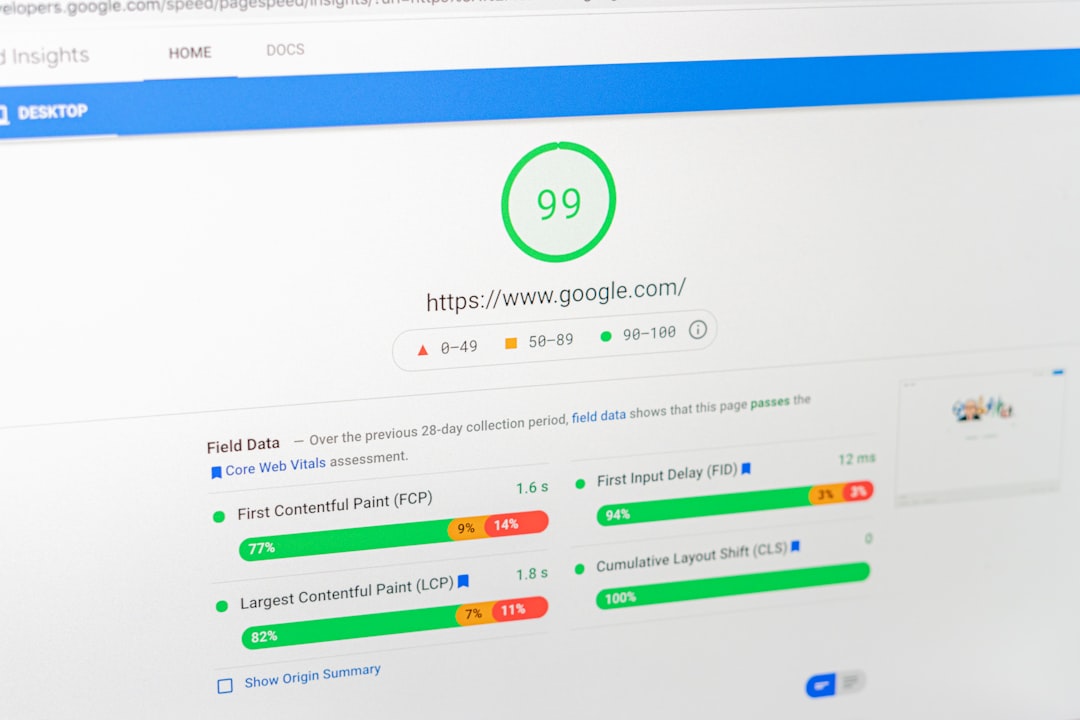
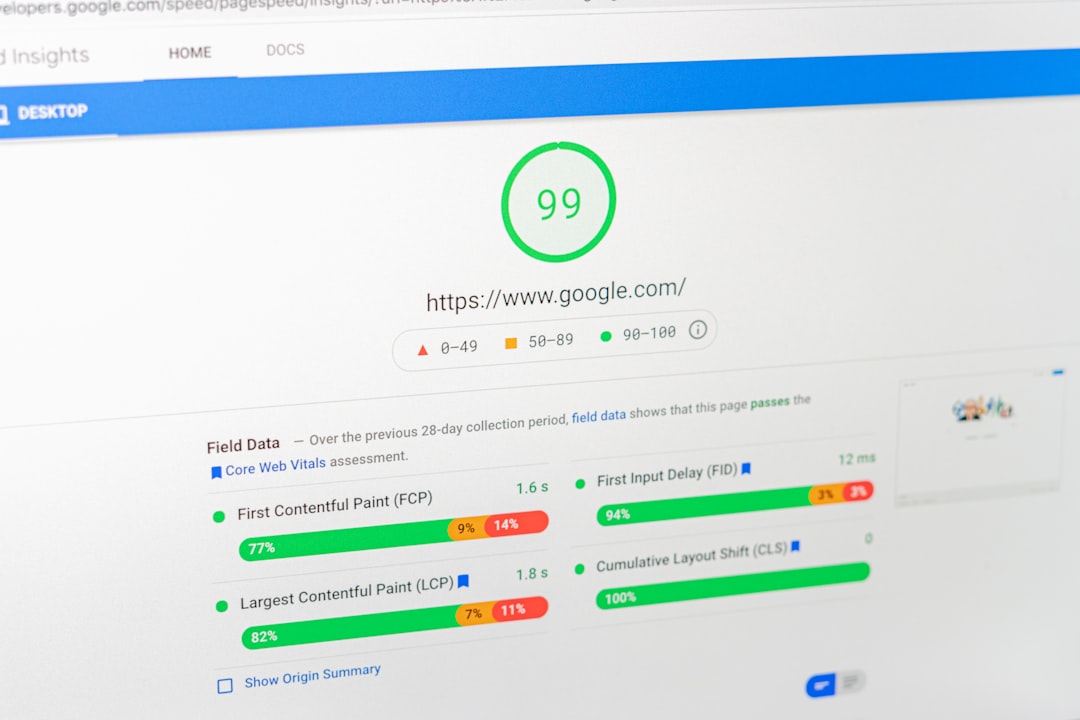
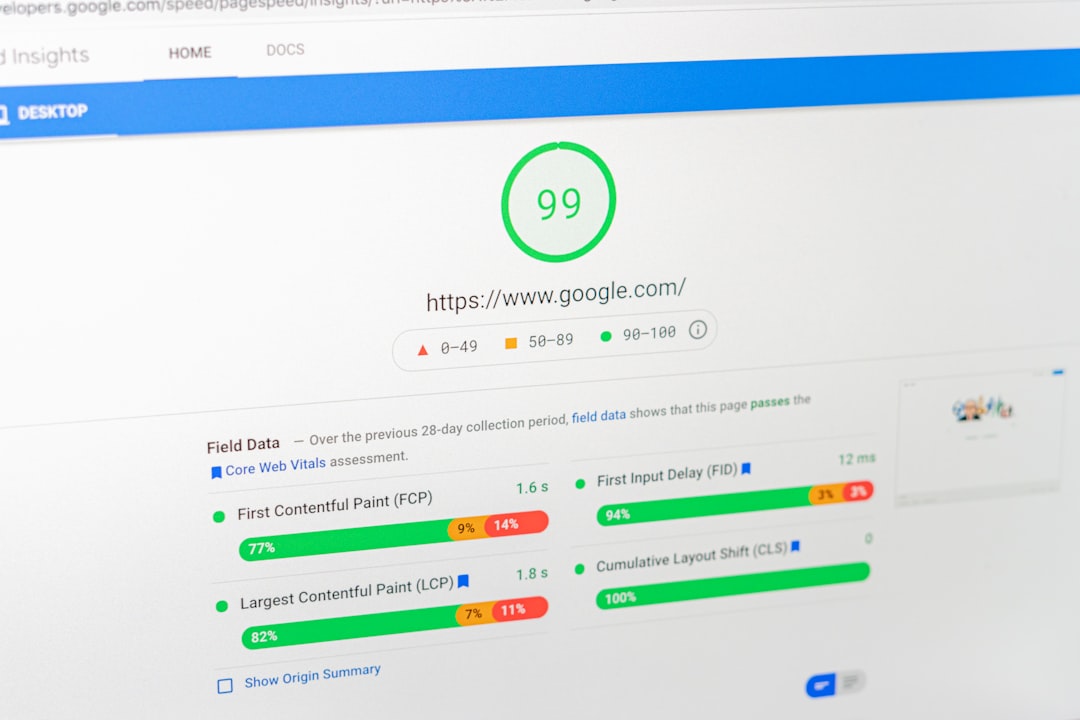
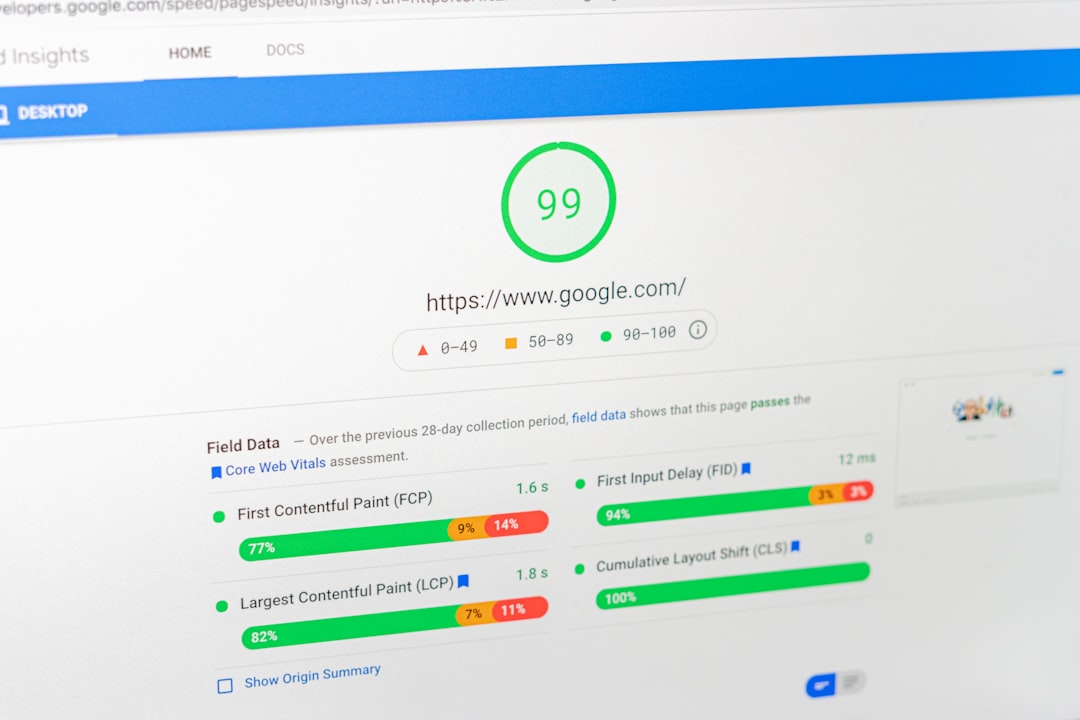
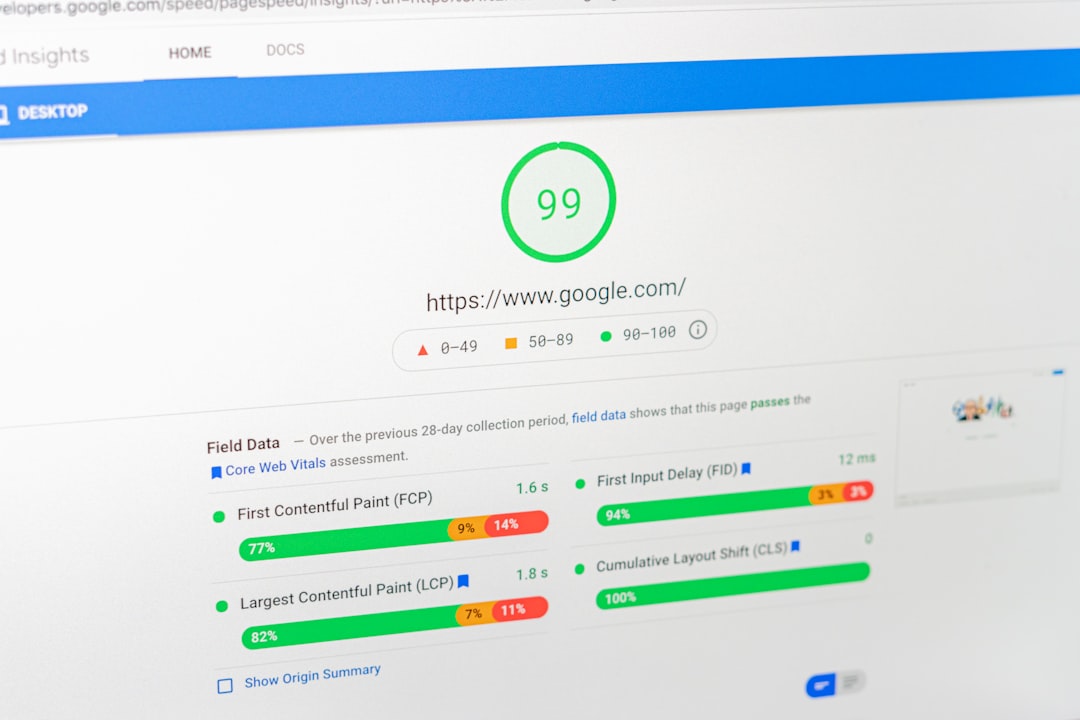
- Page speed
- Indexing
- Redirects
- Broken pages
Plugins can simplify some SEO tasks, but installing plugins alone does not guarantee good SEO. Configuration and overall website health still matter.
Step 8: Work on Off-Page SEO
Off-page SEO can strengthen a website’s authority and visibility.
Depending on the business, an agency may work on:
- Relevant backlinks
- Digital PR
- Business citations
- Industry directories
- Guest contributions
- Brand mentions
The focus should be on relevance and quality rather than collecting large numbers of low-quality links.
Step 9: Monitor Performance

SEO requires ongoing measurement.
An agency may monitor:
| Area | What to Track |
|---|---|
| Rankings | Target keyword positions |
| Traffic | Organic visitors |
| Engagement | User behavior |
| Conversions | Leads, sales, calls |
| Technical health | Errors and indexing |
| Backlinks | Relevant referring domains |
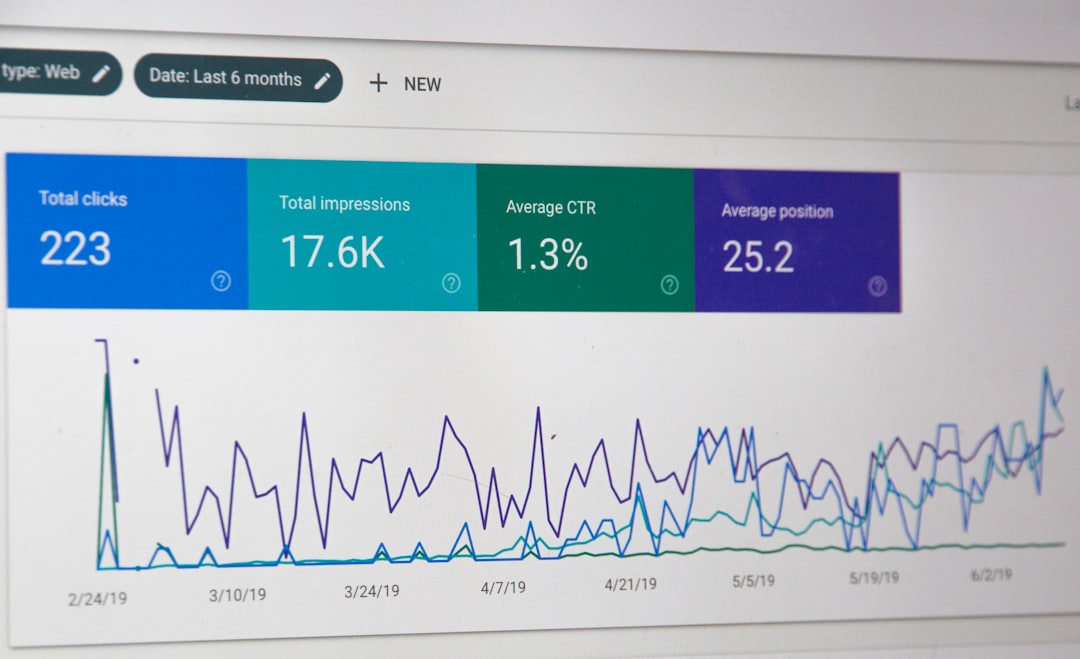
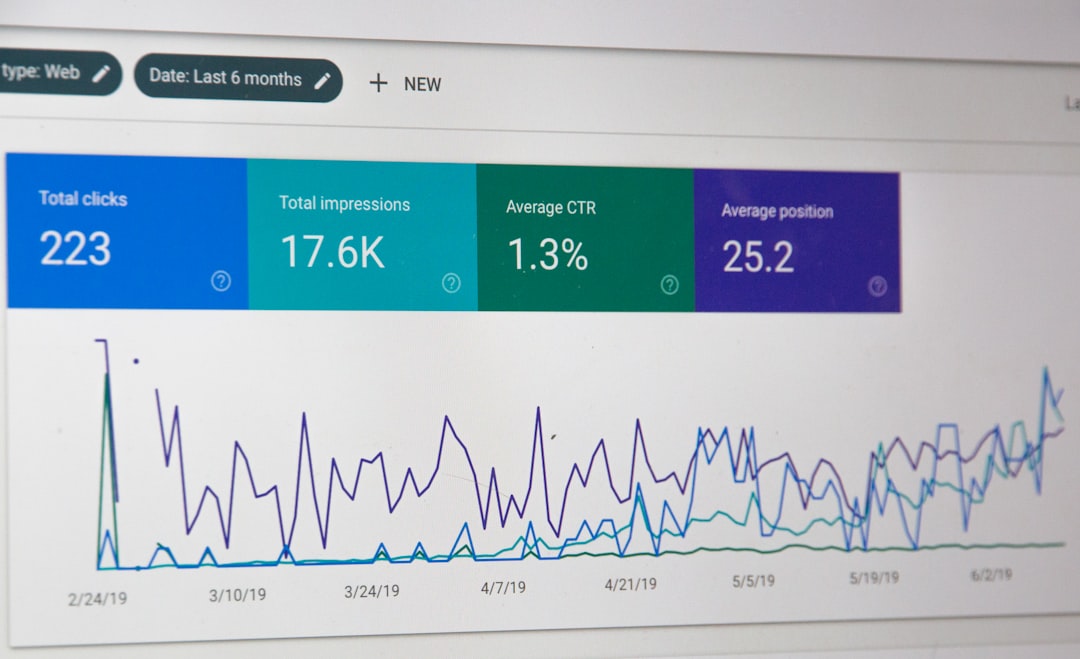
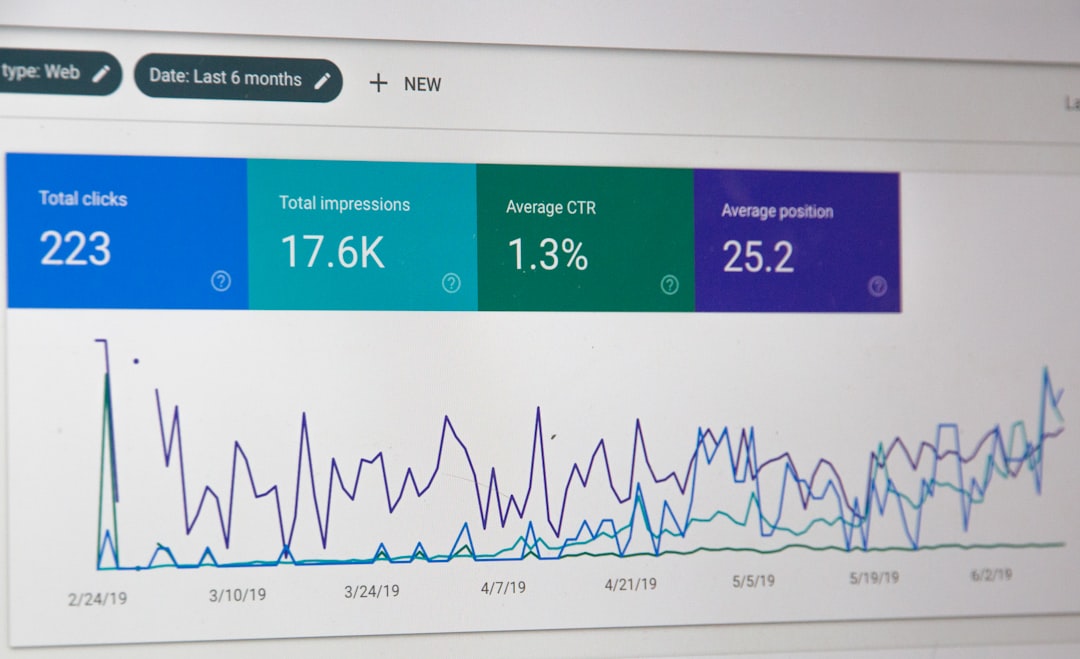
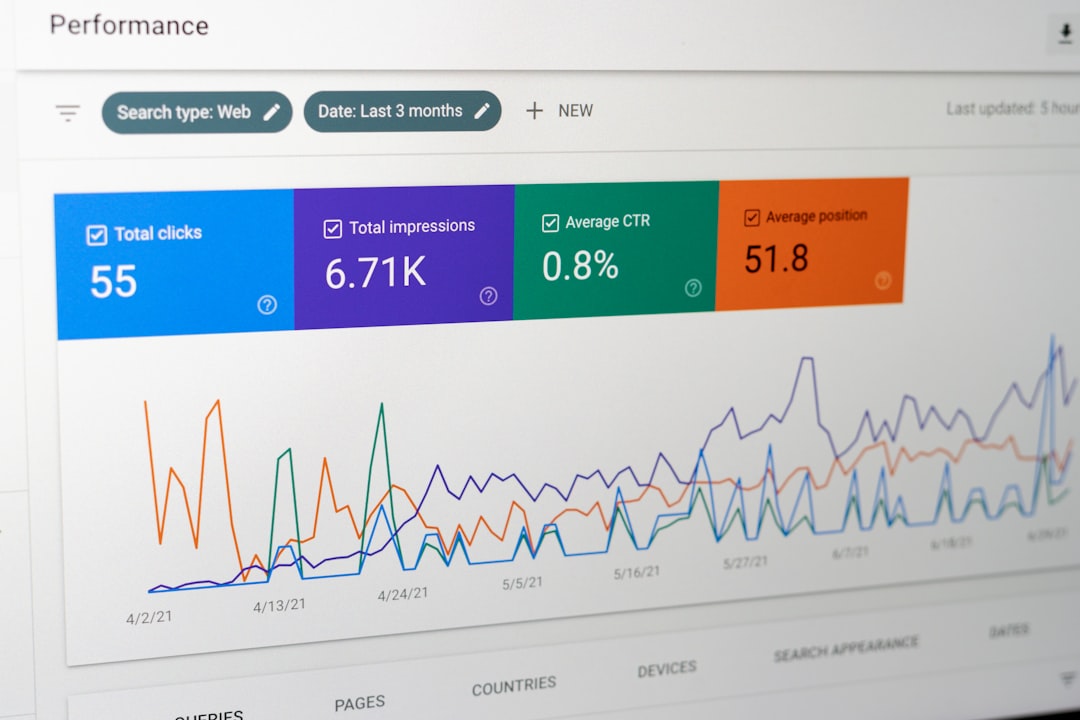
Google Search Console and analytics tools can provide valuable information about how the website is performing.
Step 10: Refine the Strategy
SEO is not a one-time setup. Search behavior, competitors, content, and websites change over time.
If a page receives impressions but few clicks, its title or description may need improvement. If traffic increases but leads do not, the page experience or conversion path may need attention.
A WordPress SEO agency can use these observations to continuously refine the strategy.
When Professional Help Makes Sense
Managing basic WordPress SEO yourself is possible, especially for a small website. However, larger websites or competitive industries may require more consistent technical, content, and off-page work.
A professional WordPress SEO agency can provide structured audits, optimization, content planning, technical improvements, and performance tracking without treating SEO as a collection of isolated tasks.
The most effective approach is usually a continuous process: audit → plan → optimize → measure → improve. This keeps SEO connected to the actual goals of the website rather than focusing only on rankings.