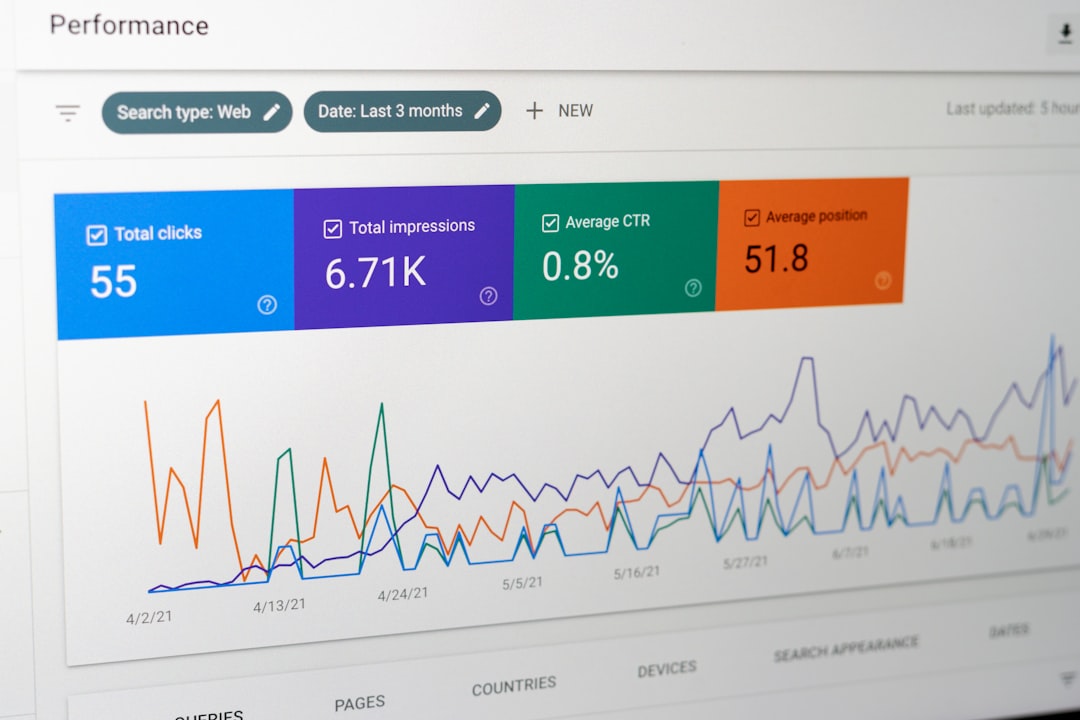

A successful WordPress SEO strategy should be organized around useful content, technical accessibility, clear website structure, and measurable goals. Businesses often make SEO harder than necessary by focusing on individual tactics instead of building a complete process.
A WordPress SEO Agency can follow several practical best practices to keep optimization focused and sustainable.
1. Start With a Website Audit

Before changing the website, understand its current condition.
Review:
- Technical SEO
- Indexing
- Content
- Keywords
- Internal links
- Website structure
- Mobile experience
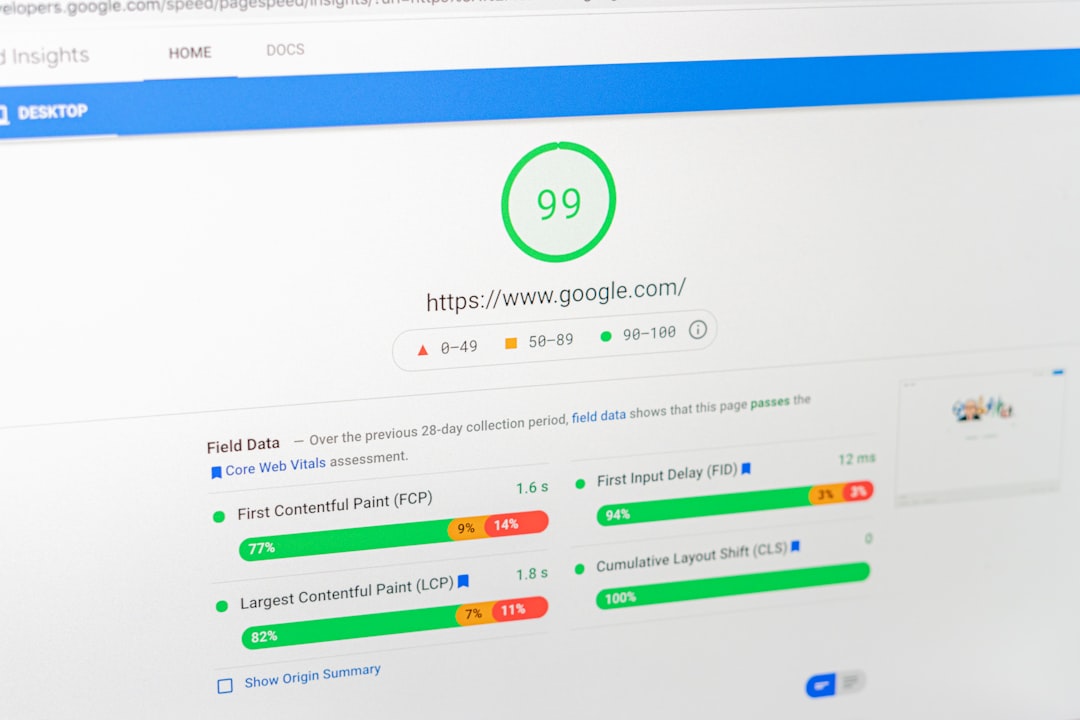
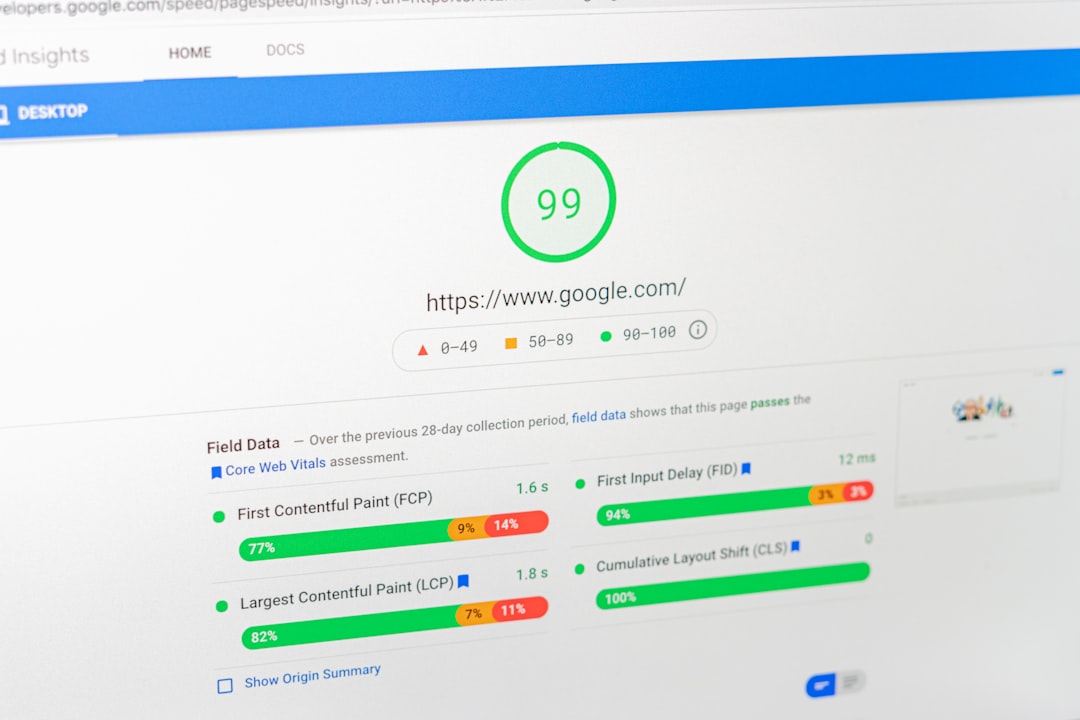
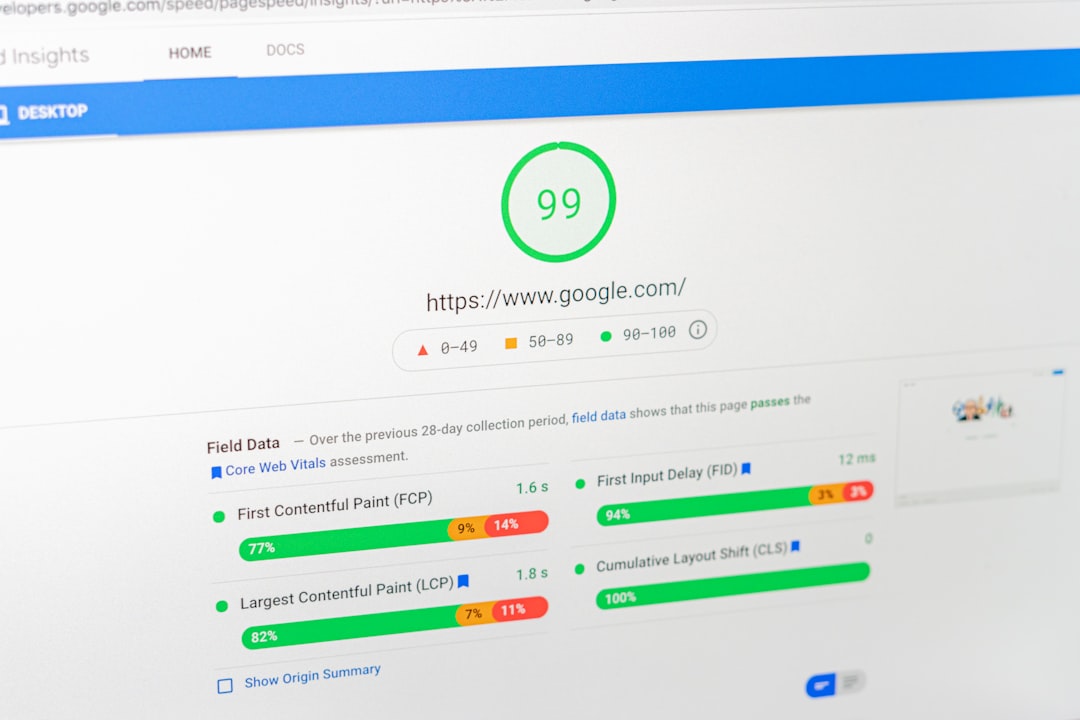
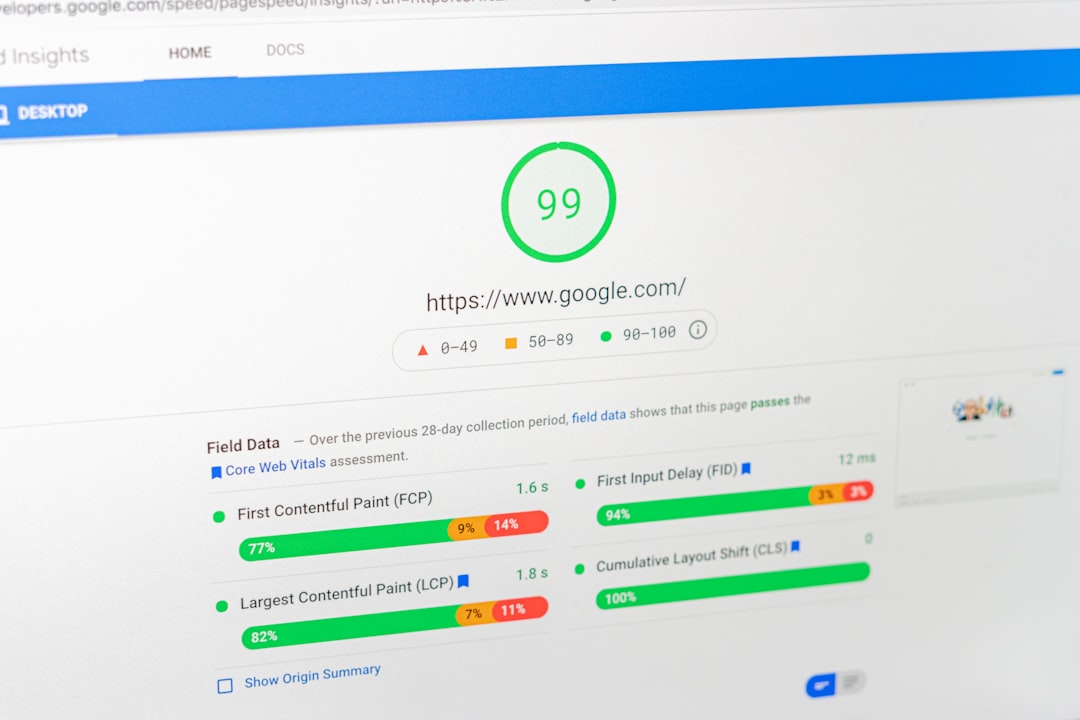
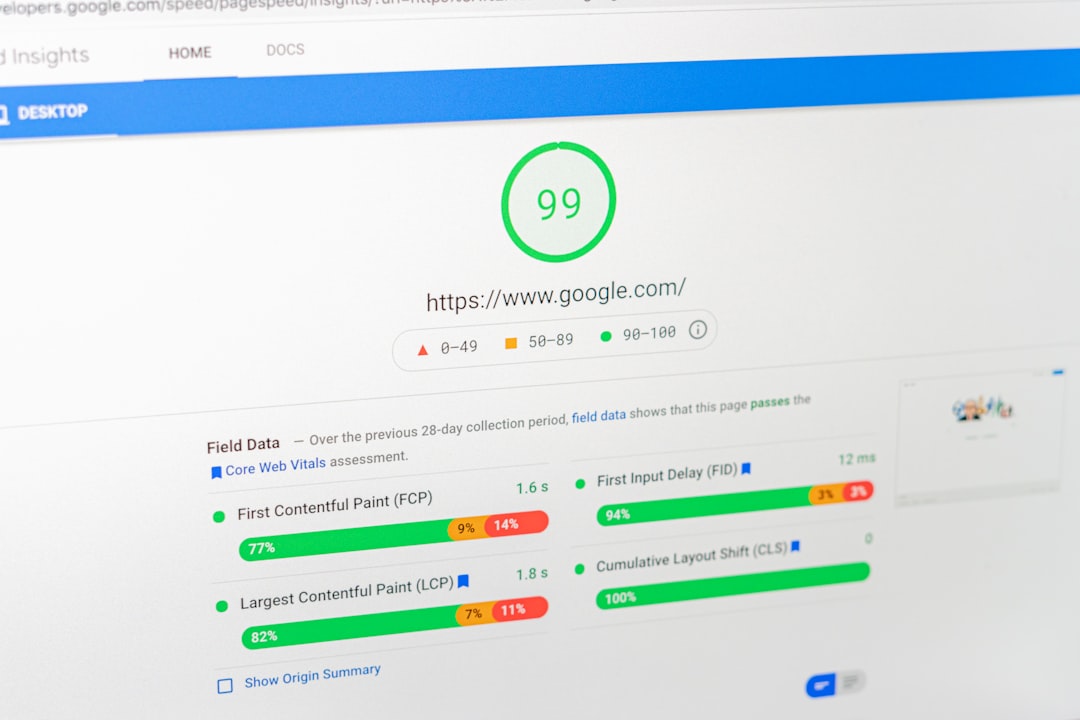
- Performance
An audit helps identify which issues deserve attention first.
2. Research Search Intent
Keywords should never be viewed in isolation.
Determine whether a search is:
- Informational
- Commercial
- Transactional
- Navigational
- Local
Then create or optimize the page that best matches that intent.
3. Create Useful Content
Content should solve a problem or answer a question.
Useful formats include:
- Detailed guides
- Tutorials
- Comparisons
- Case studies
- Service pages
- Product guides
Avoid creating multiple pages simply because they contain slightly different versions of the same keyword.
4. Maintain a Logical Site Structure
Visitors should be able to move through the website easily.
For example:
Homepage → Main Category → Subcategory → Individual Page
Use menus and internal links to make important pages easy to discover.
5. Optimize On-Page Elements
Important pages should have:
- Descriptive titles
- Logical headings
- Relevant content
- Clean URLs
- Useful internal links
- Appropriate image alt text
Optimization should remain natural and readable.
6. Keep Technical SEO Healthy

Regularly check:
- Indexing
- XML sitemap
- Robots.txt
- Canonical URLs
- Redirects
- Broken links
- Mobile usability
- Page performance
WordPress plugins can assist with certain tasks, but they should be configured correctly.
7. Optimize for Mobile
Test important pages on mobile devices.
Check whether users can easily:
- Read content
- Navigate menus
- Click buttons
- Complete forms
- View images
- Contact the business
A responsive website should be part of the basic SEO setup.
8. Build Relevant Authority
When link building is appropriate, focus on relevance and quality.
Potential sources include:
- Industry publications
- Relevant directories
- Resource websites
- Digital PR
- Expert contributions
- Business partnerships
Avoid treating backlink quantity as the only measure of success.
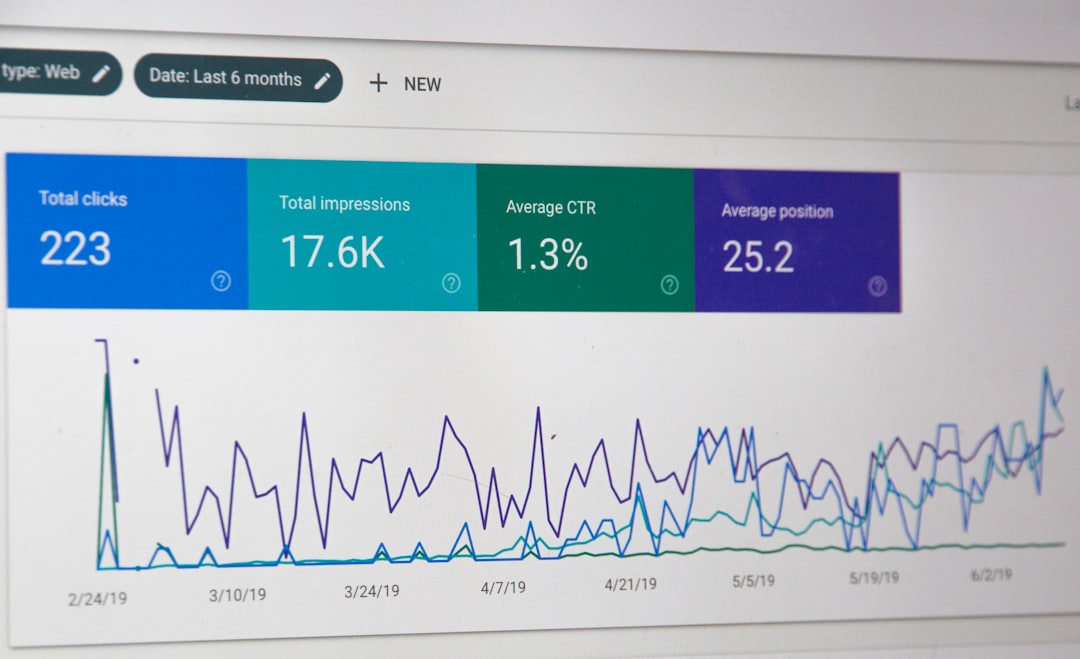
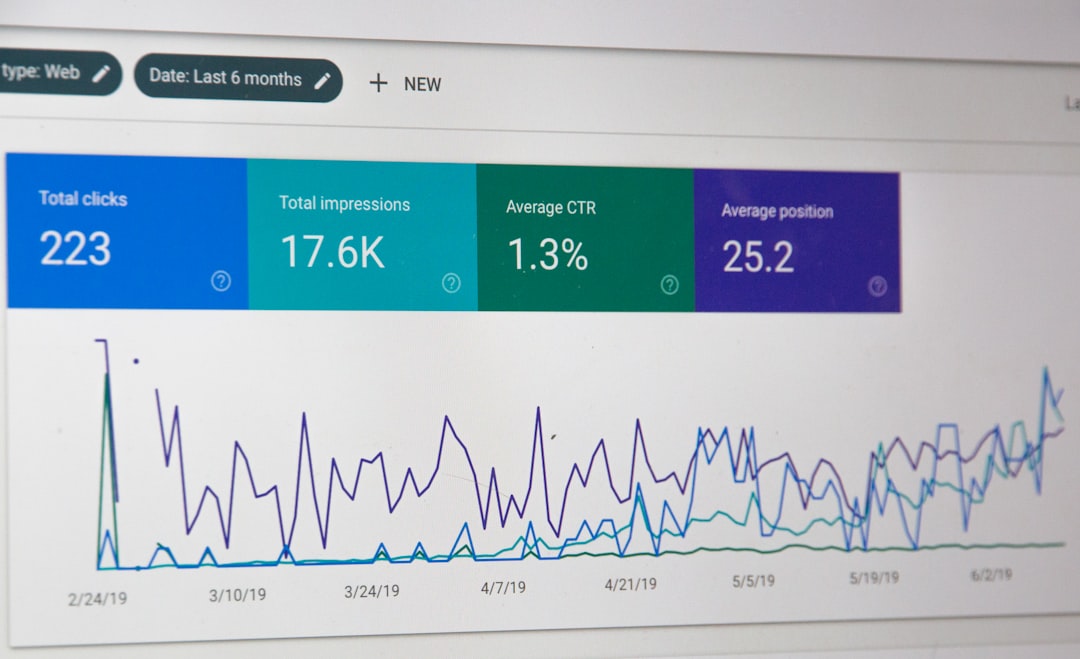
9. Track Meaningful Metrics
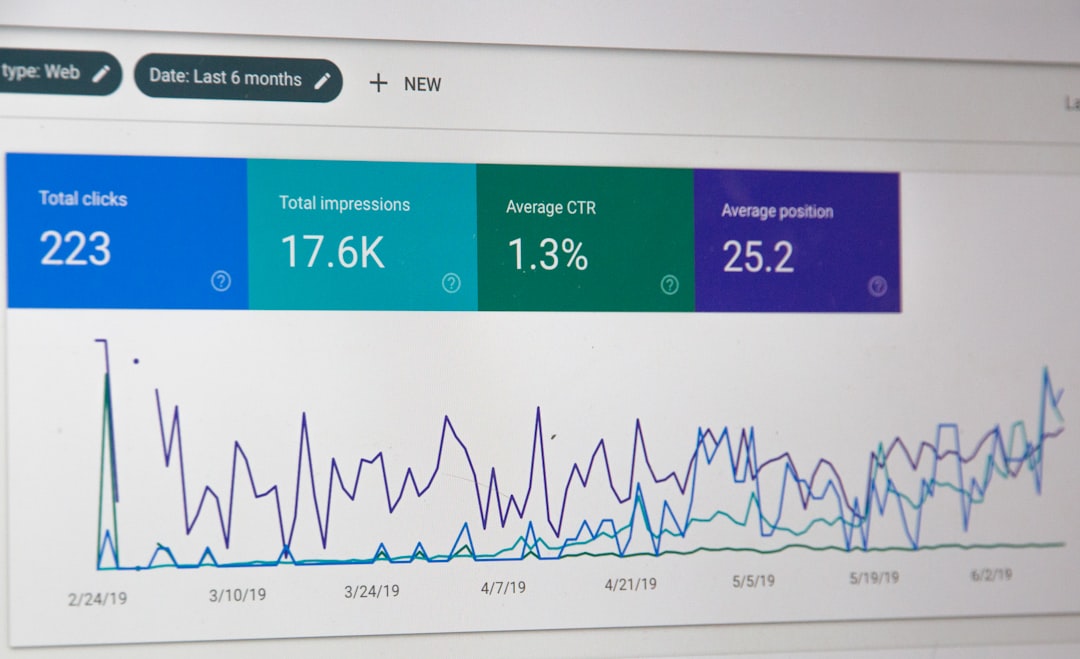
Use data to evaluate performance.
| Metric | What It Measures |
|---|---|
| Organic traffic | Search visitors |
| Impressions | Visibility |
| Clicks | Search engagement |
| Rankings | Keyword performance |
| Leads | Inquiries |
| Revenue | Business impact |
The right combination depends on the website’s goals.
10. Keep Improving
SEO is an ongoing process.
Review performance regularly and identify:
- Pages that are growing
- Pages that are declining
- New keyword opportunities
- Content gaps
- Technical problems
- Internal linking opportunities
Then adjust the strategy based on evidence.
Build a Consistent SEO Process
A practical WordPress SEO workflow can be:
Audit → Research → Optimize → Publish → Link → Measure → Improve
Following a consistent process helps prevent random changes and keeps the strategy connected to measurable objectives.
A WordPress SEO Agency can use these best practices to create websites that are easier for search engines to crawl, easier for visitors to navigate, and better aligned with the needs of the target audience.