
Hiring a WordPress SEO agency can help a business improve its search visibility, but SEO results depend heavily on the quality of the strategy being used. Some mistakes are easy to overlook, especially when a website owner is not involved in SEO every day.
Understanding common problems can help businesses avoid wasted effort and build a more practical SEO process.
Focusing Only on Rankings

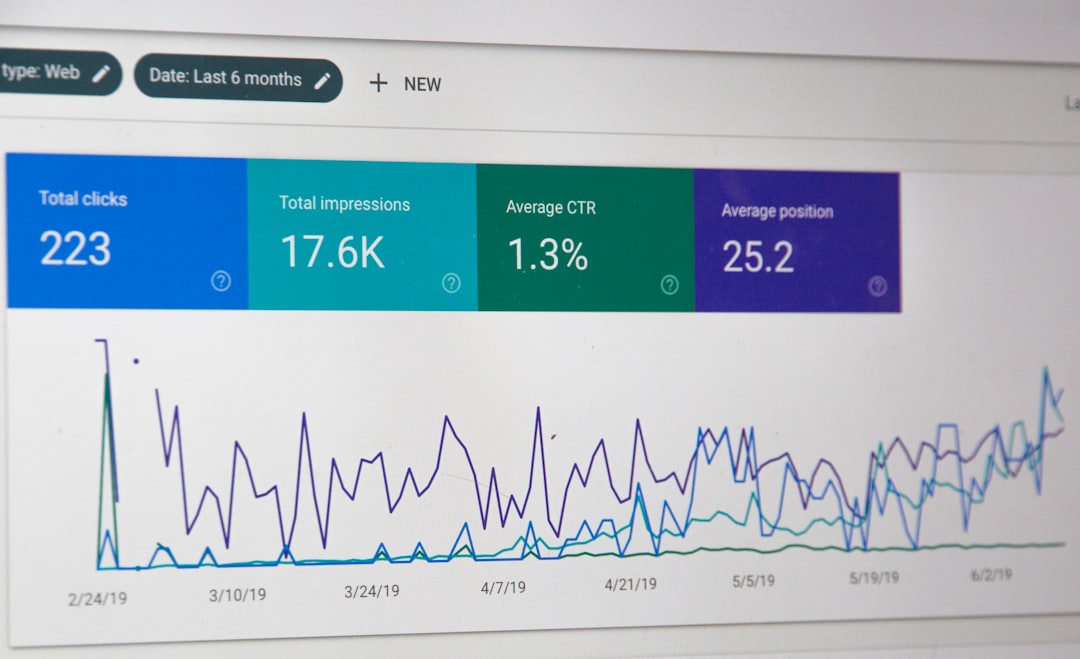
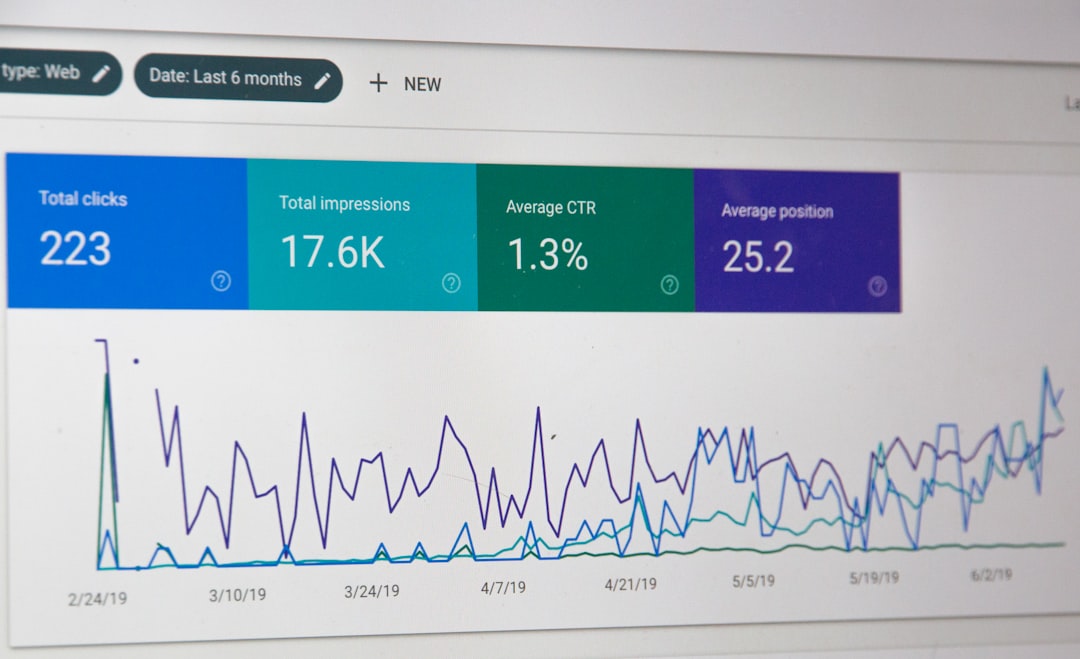
Rankings are important, but they are not the entire purpose of SEO.
A website can rank for hundreds of keywords and still generate very few leads or sales. A better strategy connects search visibility with business goals.
An agency should consider:
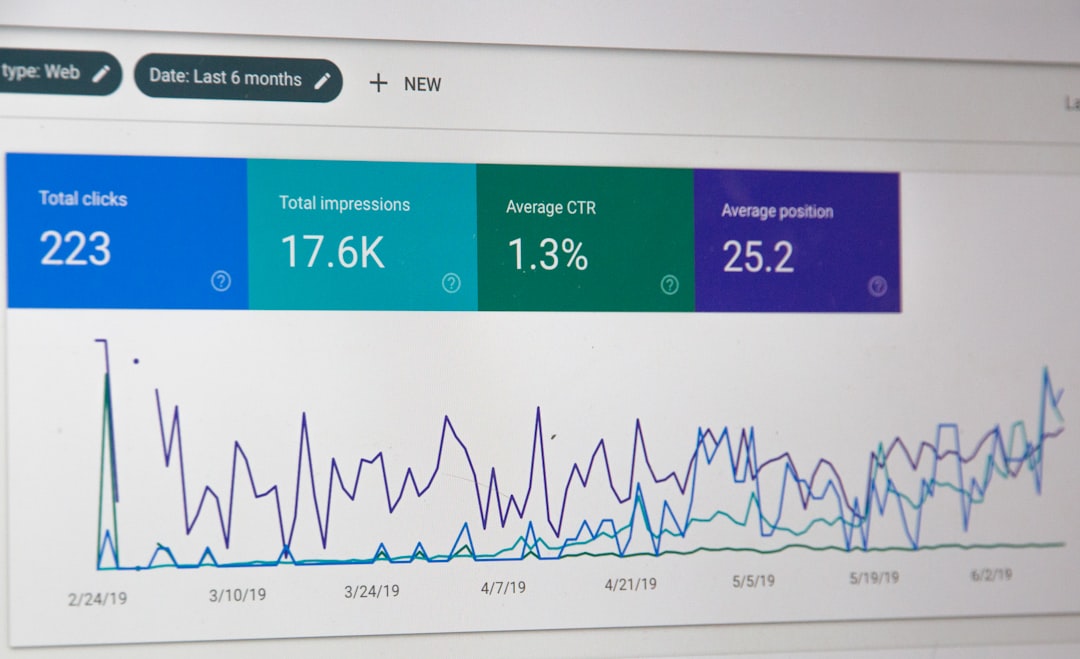
- Organic traffic
- Relevant search queries
- Leads
- Sales
- Click-through rates
- User engagement
The objective is meaningful traffic, not simply a larger keyword count.
Choosing Keywords Without Understanding Intent
One of the most common SEO mistakes is selecting keywords based only on search volume.
A keyword may receive thousands of searches but still be unsuitable for a particular business.
For example, someone searching for “what is WordPress SEO” may be looking for educational information, while someone searching for “WordPress SEO services” may be researching professional help.
The content should match what the searcher is actually trying to accomplish.
Publishing Too Much Low-Value Content
More content does not automatically mean better SEO.
Publishing large numbers of short, repetitive articles can make a website harder to manage and may provide little value to readers.
A better approach is to create useful content that:
- Answers a specific question
- Demonstrates expertise
- Matches search intent
- Provides original information
- Supports the website’s main topics
Updating an existing useful article can sometimes be more valuable than publishing another similar post.
Ignoring Technical SEO
Content can be excellent while technical problems prevent search engines from properly accessing the website.
Common issues include:
- Incorrect noindex settings
- Broken links
- Poor redirects
- Duplicate URLs
- Sitemap problems
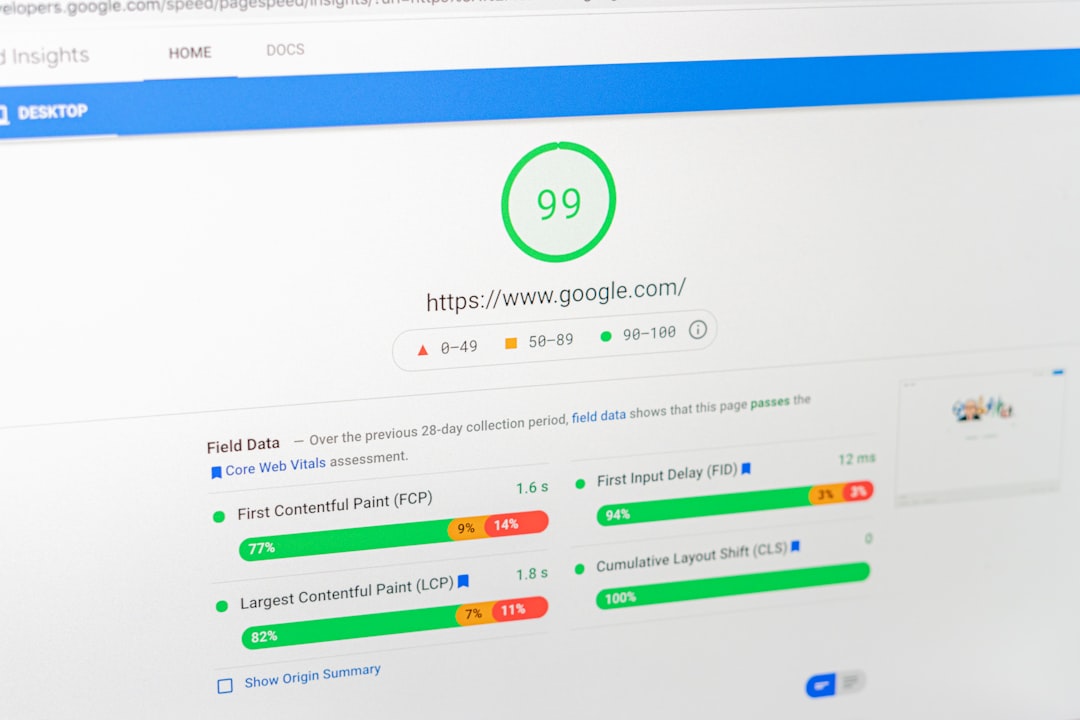
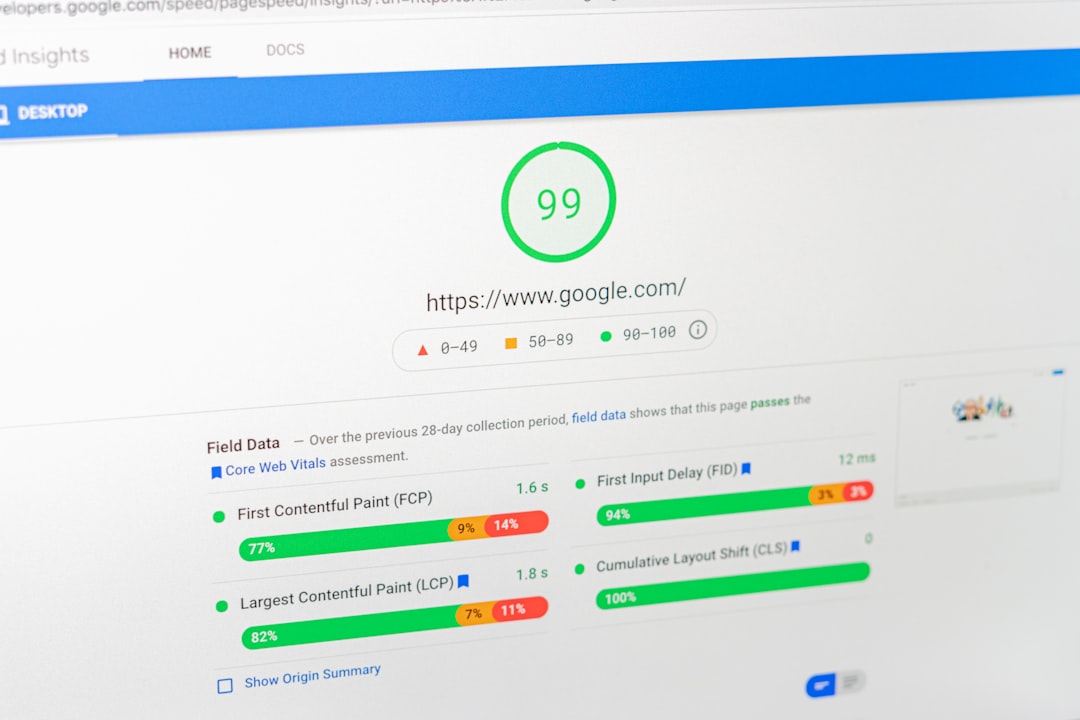
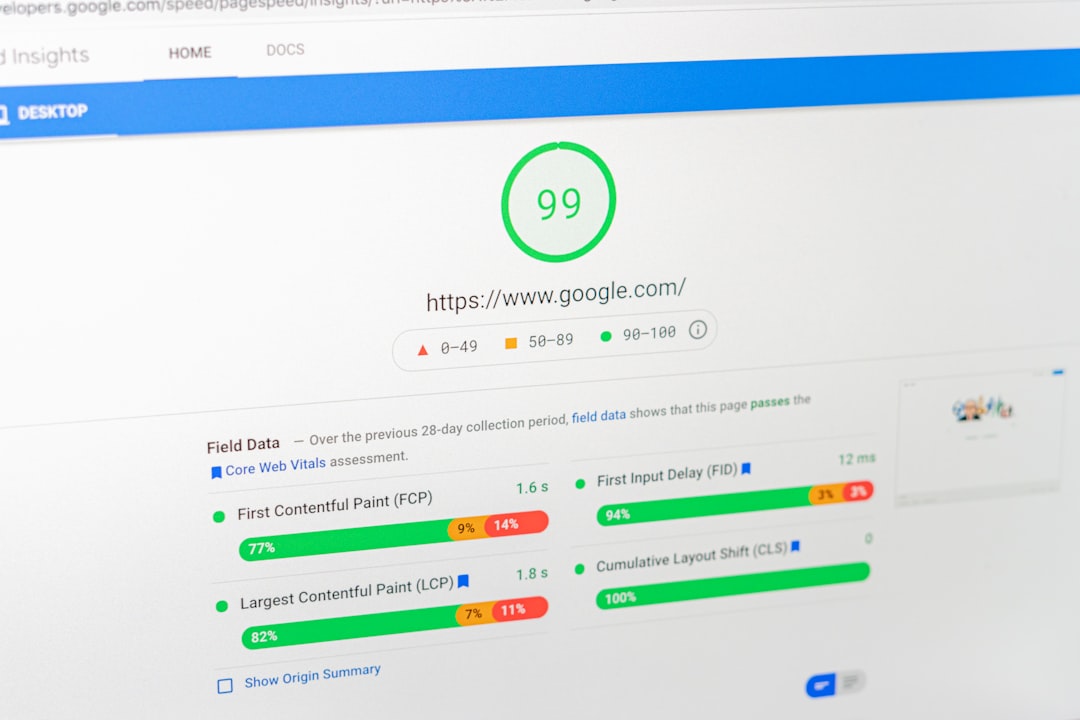
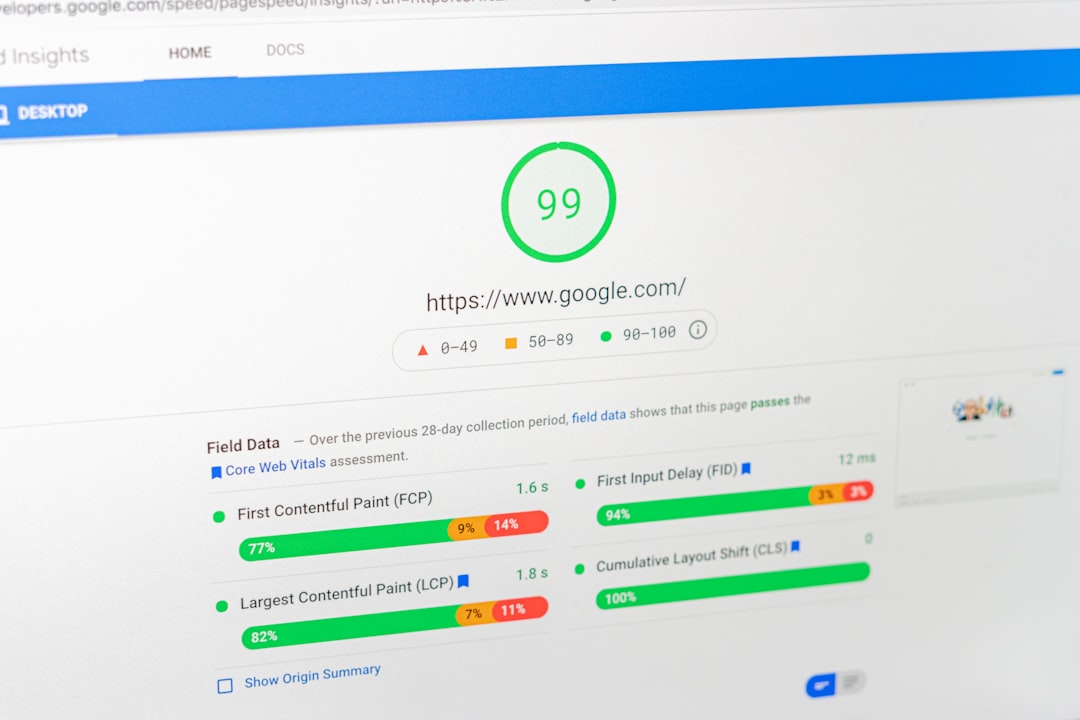
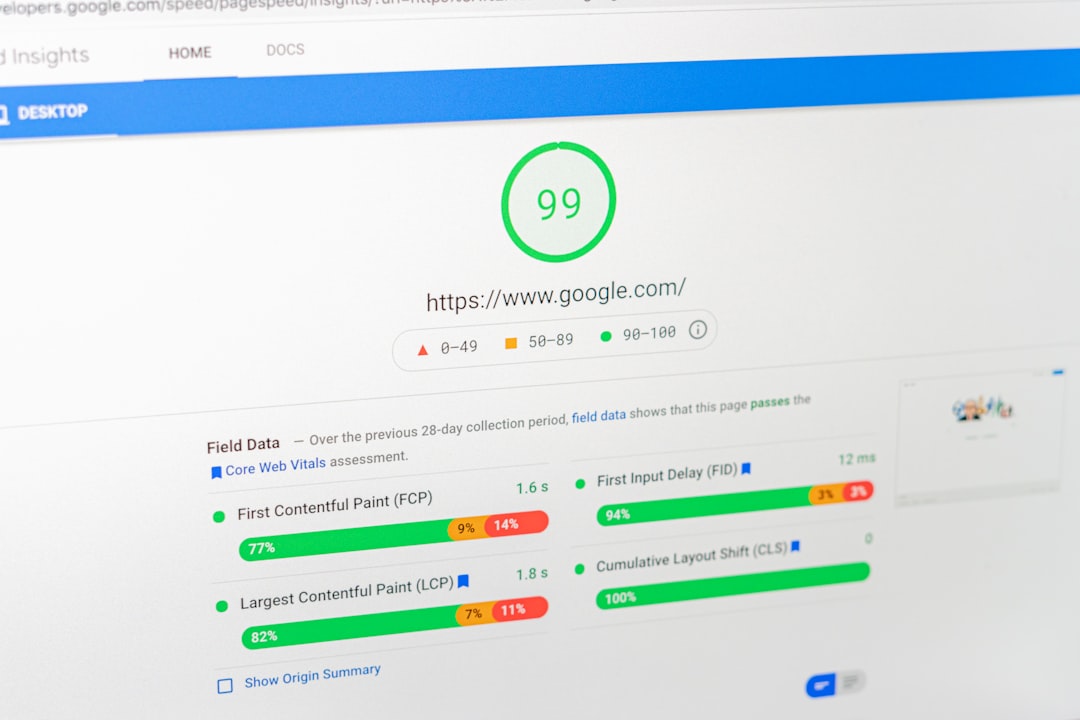
- Slow pages
- Mobile usability issues
A WordPress SEO agency should review technical health as part of the wider strategy rather than treating it as a one-time task.
Installing Too Many SEO Plugins
WordPress offers many SEO and performance plugins. However, more plugins do not necessarily mean better optimization.
Multiple plugins may create overlapping settings, conflicts, or unnecessary website code.
The focus should be on using the tools required for the site’s needs and configuring them correctly.
Neglecting Internal Links
Internal linking is often overlooked because it does not have the same visibility as backlinks.
However, useful internal links can help visitors discover related content and help search engines understand the relationship between pages.
For example, a blog discussing technical SEO could naturally link to a relevant WordPress SEO service page.
Using Poor-Quality Backlinks
Backlinks can support authority, but quality and relevance matter.
Buying large quantities of unrelated links or relying on manipulative link-building practices can create unnecessary risks.
A stronger approach focuses on earning relevant links through:
- Useful resources
- Industry publications
- Digital PR
- Genuine partnerships
- Valuable guest contributions
Ignoring Mobile Users
A website that looks excellent on desktop may still provide a poor mobile experience.
An agency should check:
- Text size
- Navigation
- Buttons
- Images
- Page layout
- Loading performance
Mobile usability should be considered during both new development and ongoing SEO work.
Not Updating Old Content
Older pages can lose relevance as information changes and competitors publish stronger resources.
Regular content reviews can identify pages that need:
- Updated statistics
- Better explanations
- New sections
- Improved headings
- Better internal links
- Refreshed titles
Content maintenance should be part of the SEO workflow.
Making Unrealistic Promises

No agency can control every factor affecting Google search results.
Be cautious of promises such as guaranteed first-place rankings or instant traffic increases.
A professional approach should explain the planned work, expected measurement process, and factors that can influence results.
Failing to Measure Conversions
Traffic is useful, but businesses ultimately need meaningful outcomes.
A service website should know whether organic visitors are submitting forms, calling, booking appointments, or taking another valuable action.
Without conversion tracking, it becomes difficult to understand whether SEO is contributing to business growth.
How to Avoid These Mistakes
A reliable WordPress SEO process should combine technical work, content, keyword research, internal linking, authority building, and performance analysis.
Instead of asking only, “Did the ranking increase?” businesses should ask:
Did the right people find the website, and did the website help them take the next step?
That broader approach makes SEO more useful and keeps optimization connected to real business objectives.