Improving WordPress rankings is not about changing one setting and waiting for Google to respond. Strong SEO usually comes from many smaller improvements working together.
A WordPress SEO agency checklist can help make sure important areas are reviewed consistently. It also gives website owners a clearer picture of what professional SEO work should include.
1. Website Setup

Start with the basics.
Check that the website:
- Uses HTTPS
- Has a clear domain structure
- Loads correctly on mobile devices
- Has a logical navigation menu
- Uses readable URLs
- Has an XML sitemap
- Is accessible to search engines
Basic configuration problems can affect everything that comes afterward.
2. Indexing and Crawlability
Search engines need to access important pages before those pages can appear in search results.
Review:
- Robots.txt
- XML sitemap
- Noindex settings
- Canonical tags
- Redirects
- Broken URLs
- Crawl errors
WordPress SEO plugins can make some settings easier to manage, but they still need to be configured correctly.
3. Keyword Research
Every important page should have a clear topic.
Before optimizing content, identify relevant search terms based on:
- Search intent
- Relevance
- Competition
- Business value
- Target audience
Avoid forcing several unrelated primary keywords onto one page.
4. Page Titles
Titles help users and search engines understand what a page is about.
A good title should be:
- Relevant
- Specific
- Easy to understand
- Naturally written
Avoid repeating keywords unnaturally just to make a title appear more optimized.
5. Meta Descriptions
Meta descriptions should accurately summarize the page and give searchers a reason to consider clicking.
Although they are not a direct ranking factor, a useful description can support better search-result engagement.
6. Heading Structure
Use headings to organize information logically.
A typical structure might look like:
H1: Main page topic
H2: Major section
H3: Supporting topic
The purpose is readability and organization, not simply placing keywords in every heading.
7. Content Quality
Review important pages for:
- Accuracy
- Relevance
- Original value
- Search intent
- Readability
- Useful examples
- Clear explanations
Thin or outdated pages may need improvement, consolidation, or removal depending on their purpose.
8. Internal Linking
Internal links help users discover related information and help search engines understand relationships between pages.
For example, a blog explaining WordPress technical SEO could naturally link to a related WordPress SEO service page.
A useful internal-linking checklist includes:
- Link relevant blog posts
- Connect supporting pages to important service pages
- Use descriptive anchor text
- Avoid excessive links
- Check for broken internal links
9. Image Optimization

Images can improve content, but poorly optimized images may slow down a website.
Check:
- File size
- Appropriate dimensions
- Descriptive filenames
- Relevant alt text
- Modern image formats where appropriate
Alt text should describe meaningful images rather than contain repeated keywords.
10. Mobile Experience
Google uses mobile-first indexing, making the mobile version of a website especially important.
Check that:
- Text is readable
- Buttons are easy to tap
- Navigation works properly
- Images fit the screen
- Content is not hidden or difficult to access
- Pages load efficiently
Testing on an actual mobile device can reveal issues that are easy to miss on a desktop.
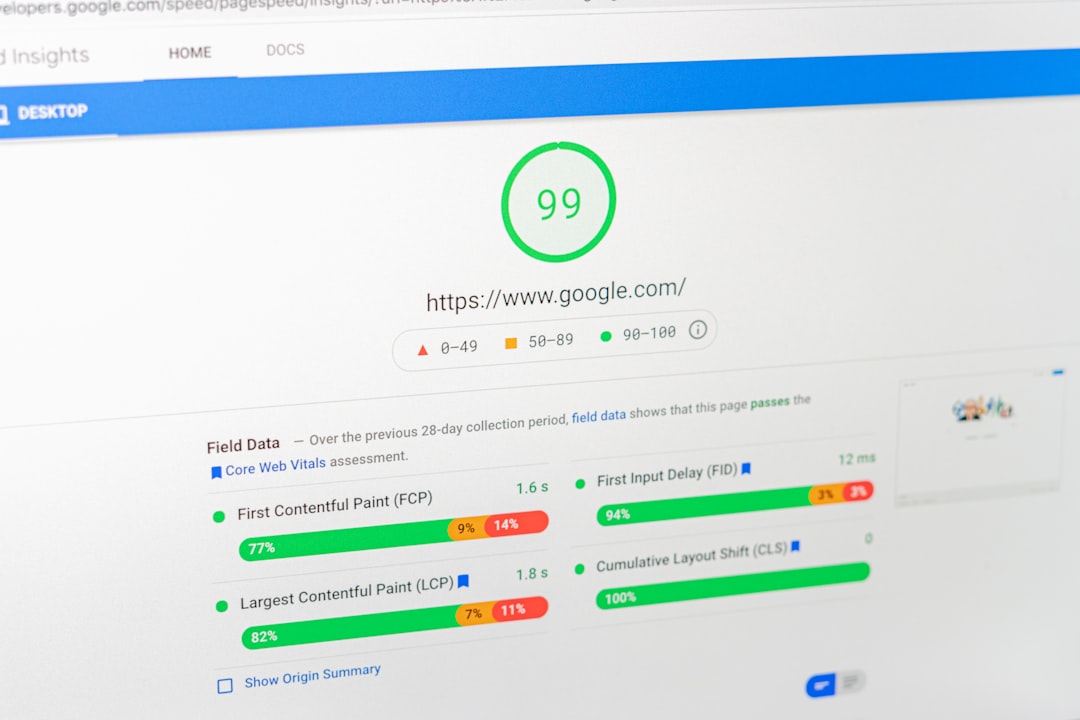
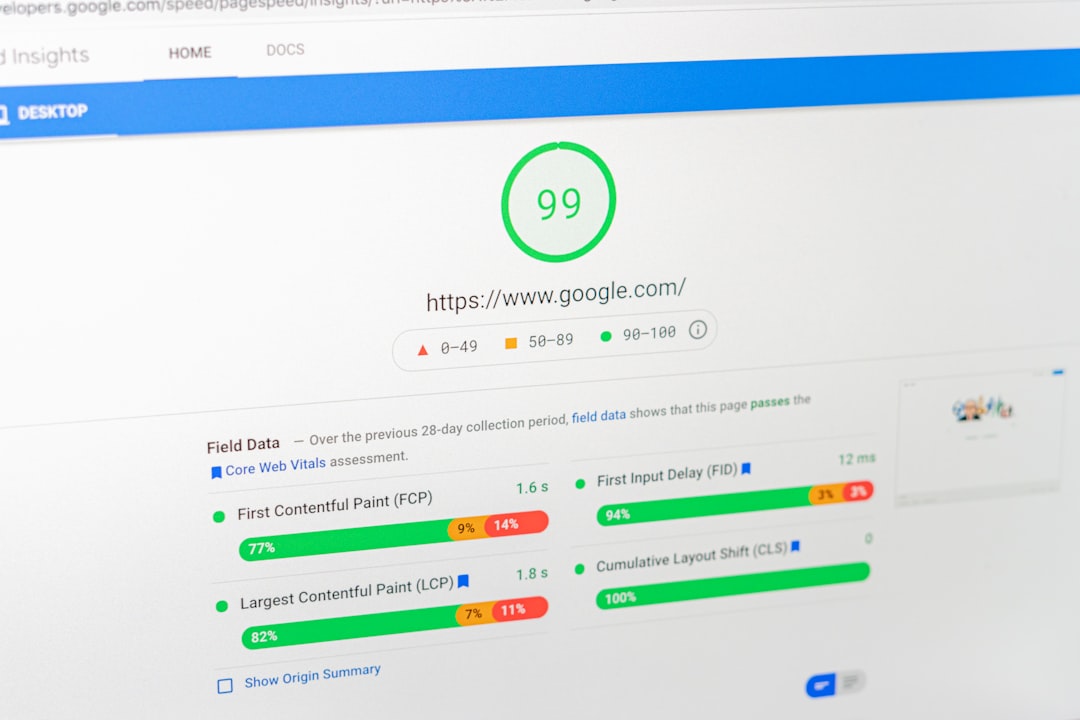
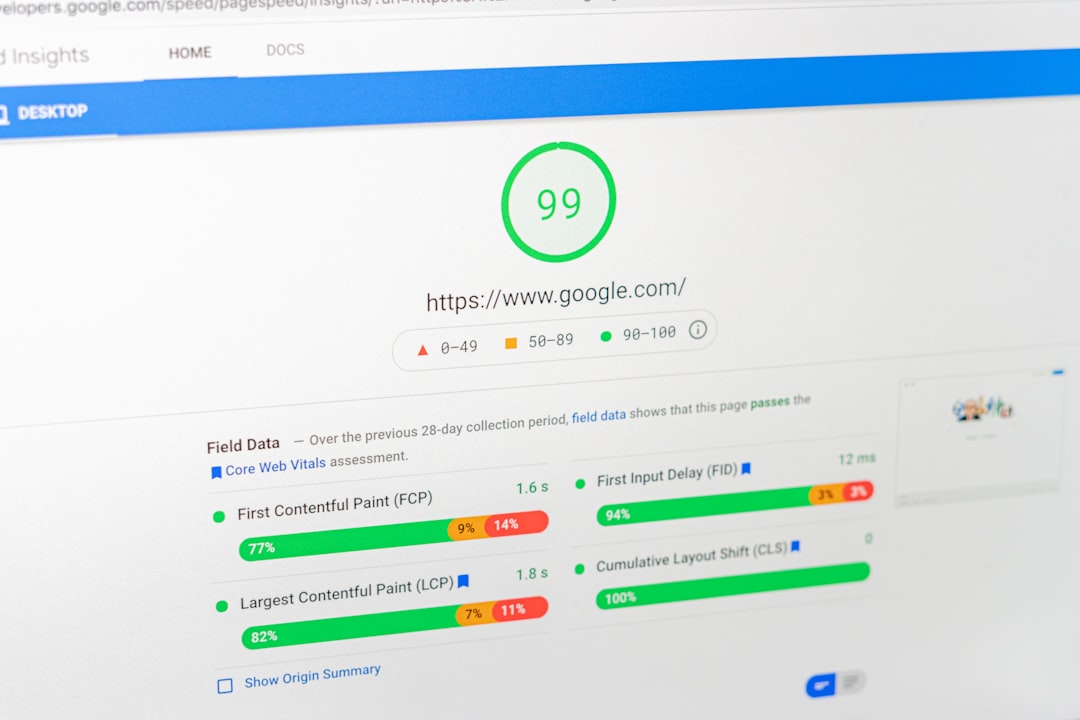
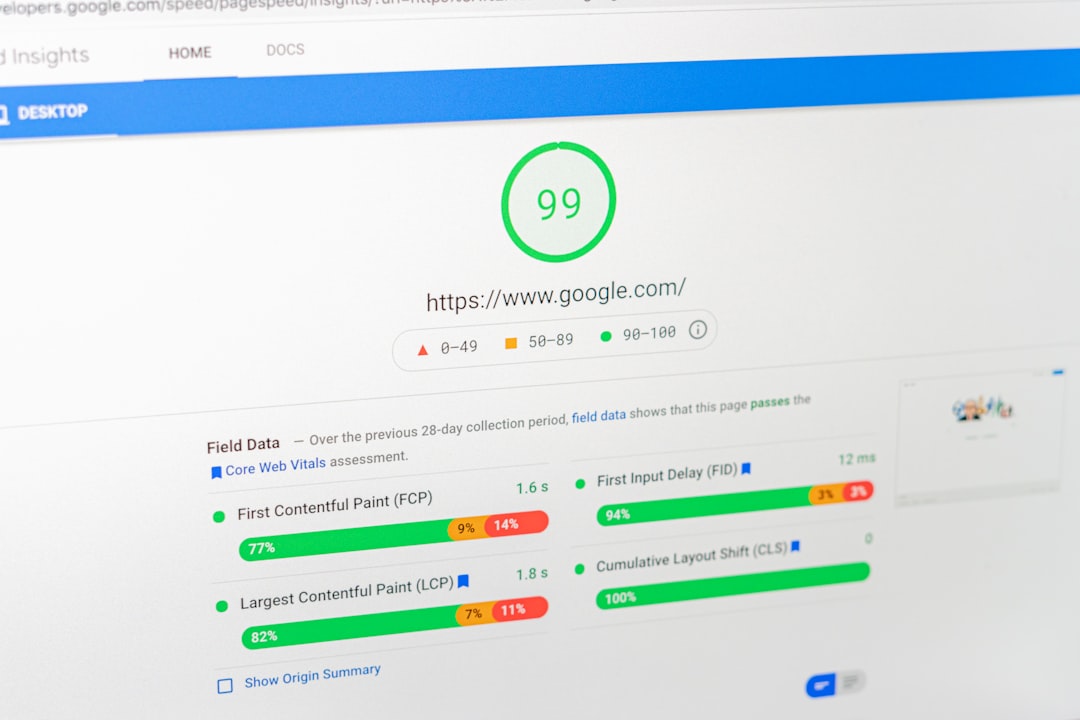
11. Page Performance
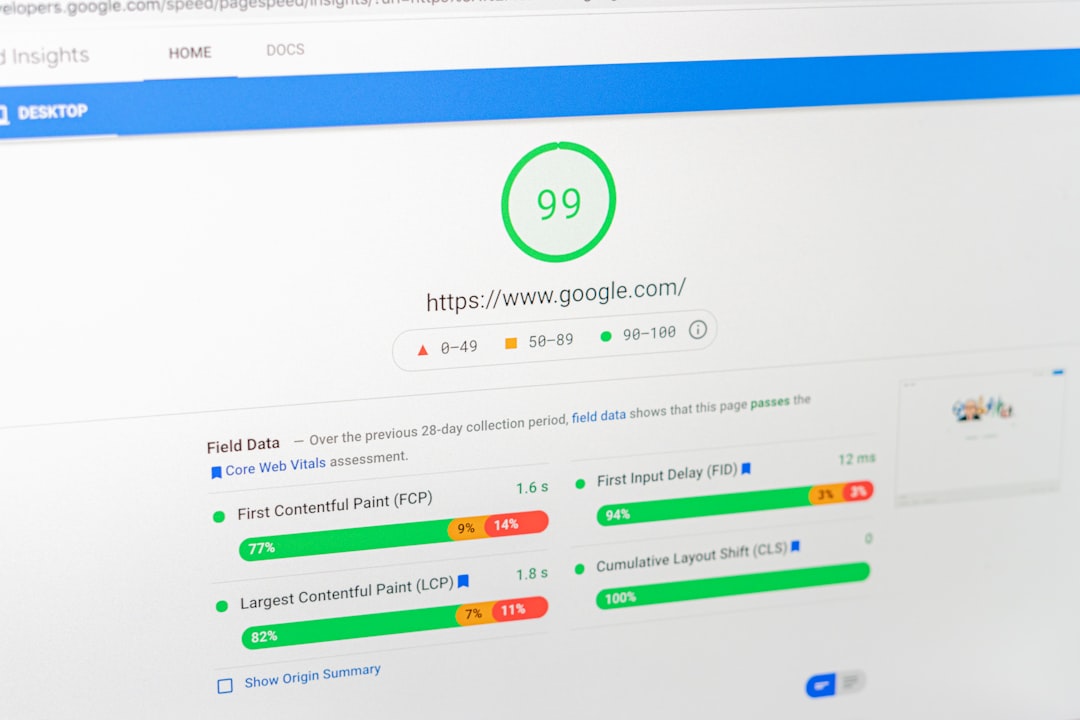
Performance affects user experience and can contribute to overall SEO quality.
Review:
| Area | What to Check |
|---|---|
| Images | Compression and dimensions |
| Plugins | Unnecessary plugins |
| Scripts | Excessive third-party code |
| Caching | Proper configuration |
| Hosting | Server performance |
| Core Web Vitals | User experience signals |
Do not assume that installing multiple speed plugins will automatically make a site faster. Poor configurations can sometimes create conflicts.
12. Local SEO
For businesses serving specific locations, review:
- Google Business Profile
- Business information consistency
- Location pages
- Local keywords
- Relevant directories
- Local content
- Customer reviews
Local SEO should match the actual locations and services the business provides.
13. Backlinks
Review the website’s backlink profile for relevance and quality.
An agency may look for opportunities through:
- Industry websites
- Digital PR
- Relevant publications
- Business directories
- Partnerships
- Useful resource pages
The goal should be earning relevant authority rather than acquiring links in bulk.
14. Track Performance
SEO work needs measurement.
Monitor:
- Organic clicks
- Impressions
- Search queries
- Rankings
- Organic conversions
- Indexed pages
- Technical issues
- Backlink growth
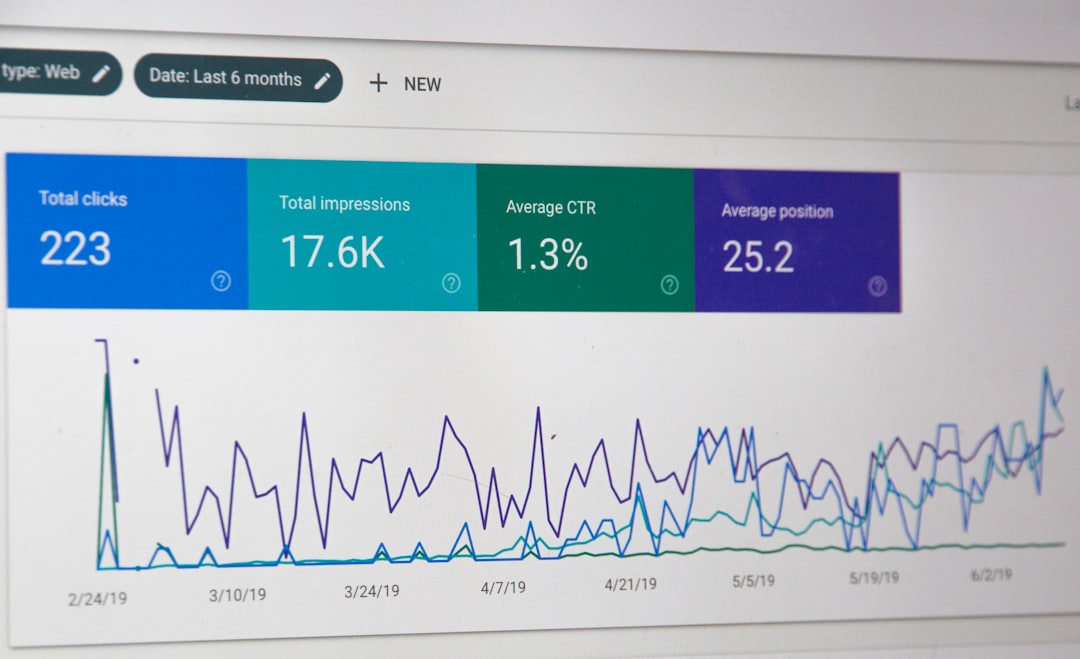
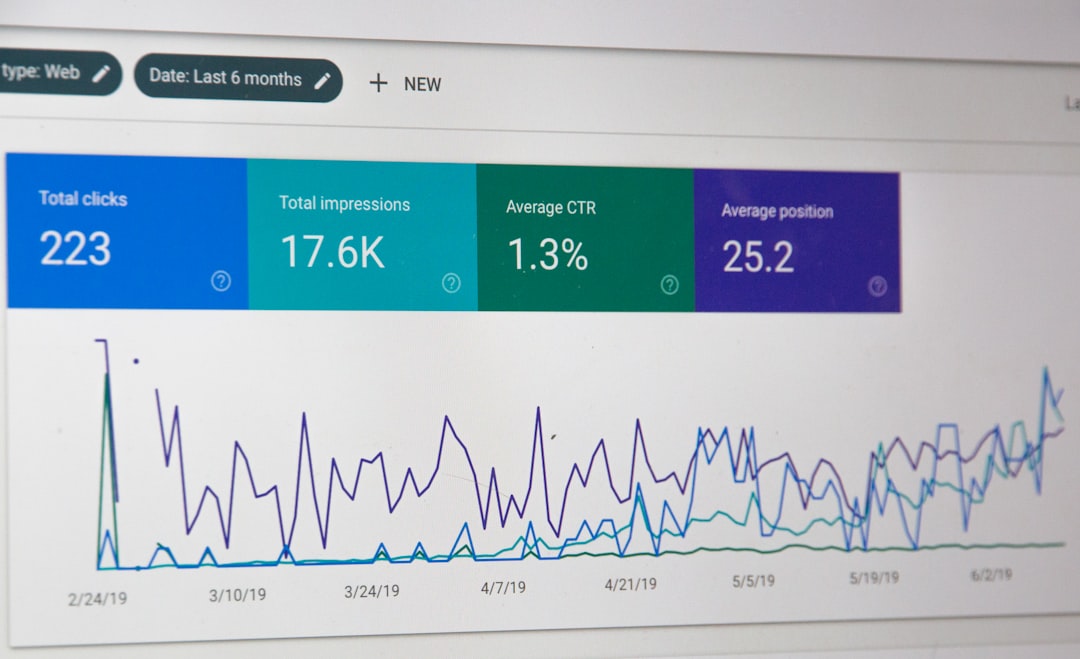
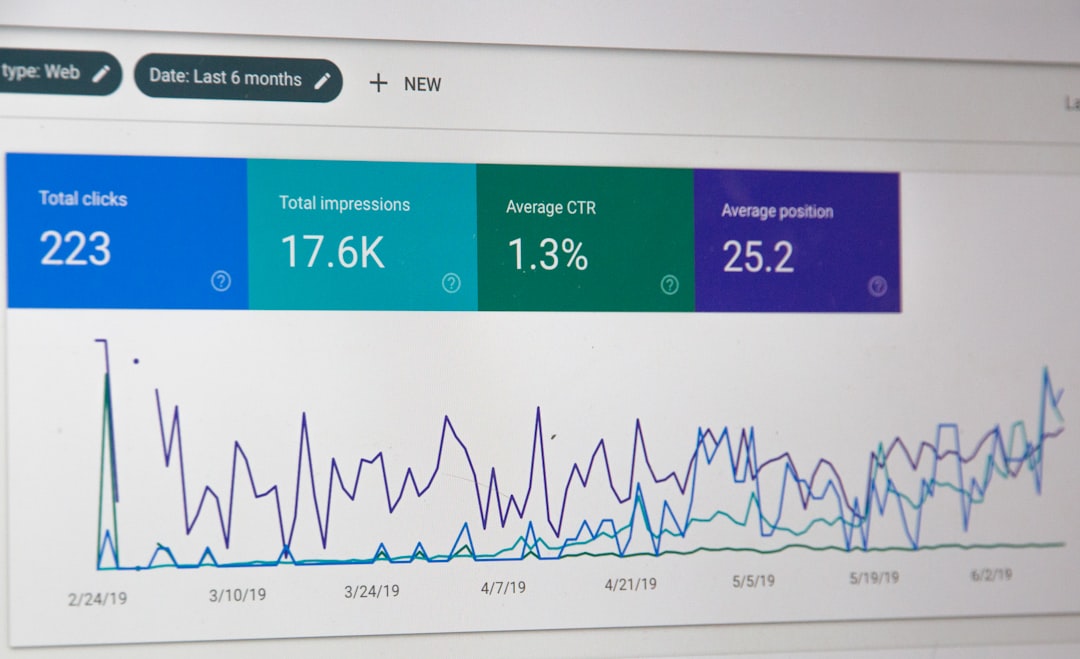
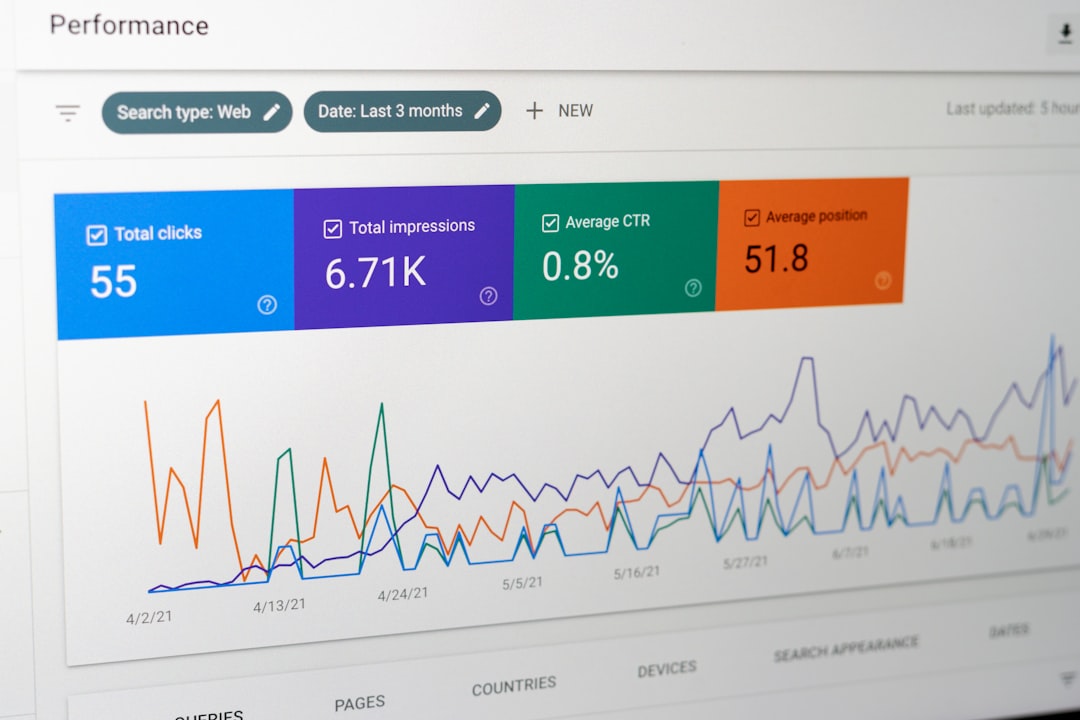
Google Search Console can be particularly useful for understanding how pages appear in search.
15. Review the Checklist Regularly
SEO is an ongoing process. A checklist should be revisited as the website changes.
New pages, plugins, redesigns, redirects, content updates, and technical changes can all introduce new SEO issues.
A WordPress SEO agency can turn this checklist into a recurring workflow: audit → prioritize → optimize → monitor → improve.
That approach keeps SEO organized and helps ensure that important ranking opportunities are not overlooked.