Mastering WordPress SEO requires more than learning where to add a keyword or how to install an SEO plugin. Effective optimization combines technical knowledge, content strategy, search intent, website architecture, performance analysis, and continuous improvement.
Whether you manage your own website or work professionally in SEO, understanding these areas creates a stronger foundation.
Learn the Core SEO Principles
Start with the fundamentals:
- Keyword research
- Search intent
- On-page SEO
- Technical SEO
- Internal linking
- Content strategy
- Backlinks
- Analytics
These concepts apply to WordPress as well as other platforms.
Understand WordPress Structure

WordPress has its own elements that can affect SEO.
Become familiar with:
- Posts
- Pages
- Categories
- Tags
- Media
- Permalinks
- Themes
- Plugins
- Menus
Understanding how these components interact makes it easier to build a clean website structure.
Develop Better Keyword Research Skills
Do not rely only on high-volume keywords.
Study:
- Search intent
- Competition
- Long-tail terms
- Related searches
- Customer questions
- Commercial relevance
Group keywords according to the pages and topics they should support.
Learn Technical SEO
Technical knowledge becomes increasingly important as websites become larger.
Important areas include:
Crawling and Indexing
Understand how search engines discover and process pages.
Canonicalization
Know how canonical URLs help identify the preferred version of similar pages.
Redirects
Understand when redirects are useful during URL changes or website restructuring.
Sitemaps
Learn how XML sitemaps help search engines discover important URLs.
Build Strong Content Strategies
Good SEO content should answer a real need.
Before creating an article, ask:
- Who is searching?
- What do they want to know?
- What information should the page provide?
- What related questions should it answer?
- What action should the visitor take next?
This creates content with a clear purpose.
Practice Internal Linking

Internal linking is one of the most practical areas to improve on a WordPress website.
Create connections between:
Pillar content → Supporting articles → Relevant service pages
Use natural anchor text and prioritize links that help visitors.
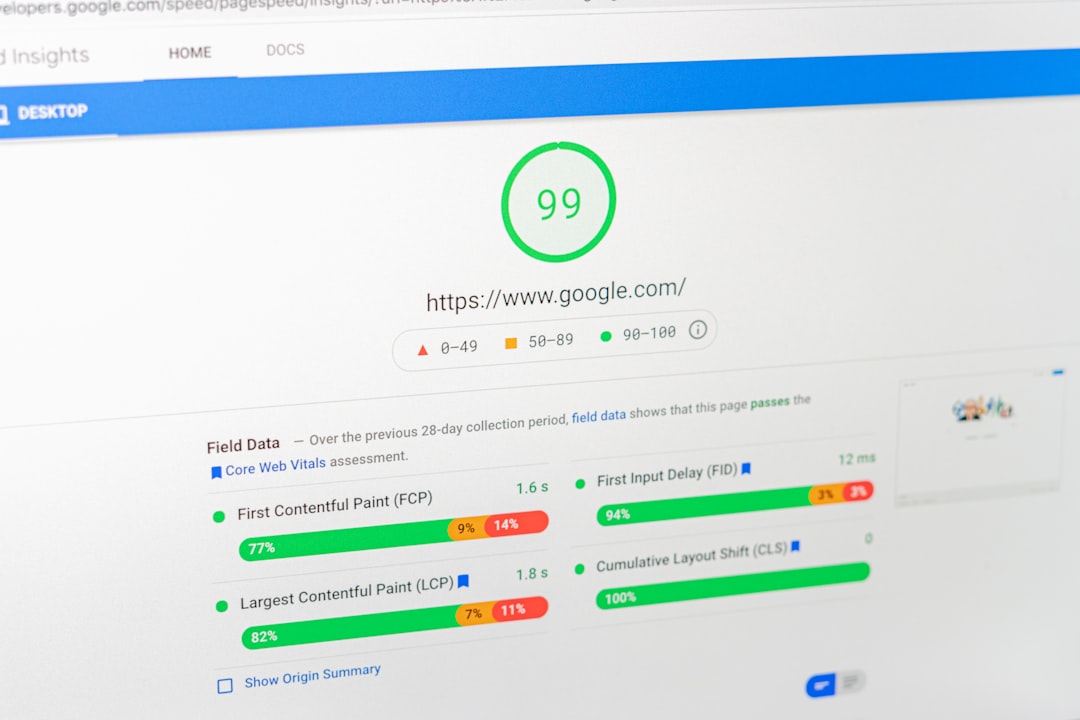
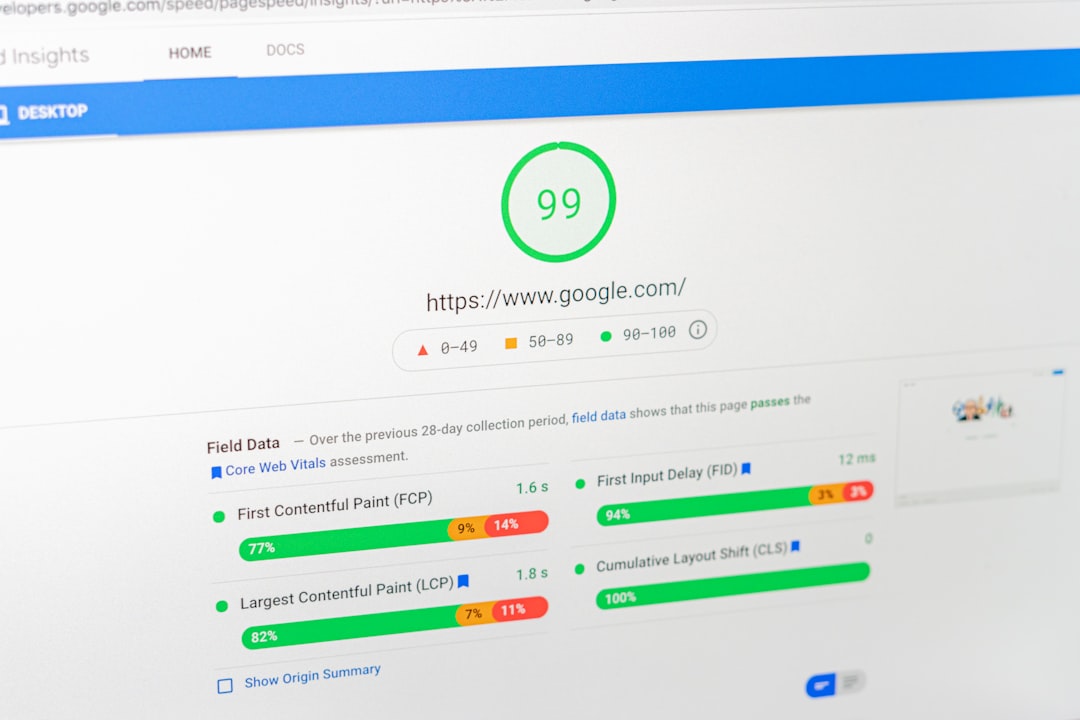
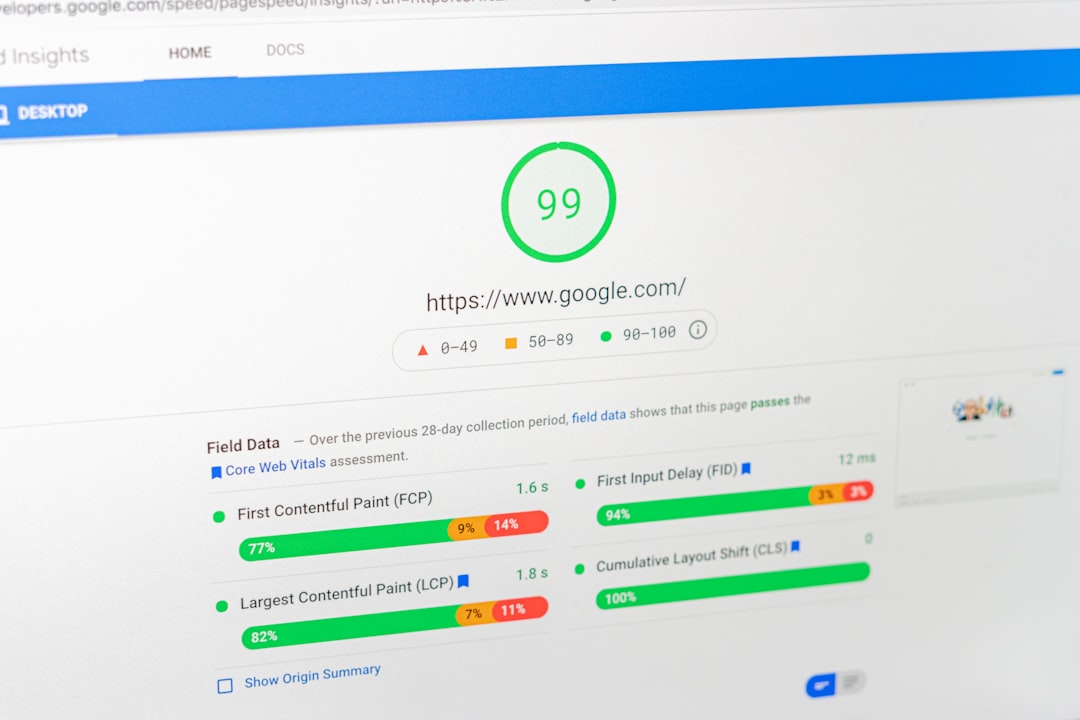
Learn Performance Optimization
A technically strong website should also provide a smooth user experience.
Understand the impact of:
- Images
- Caching
- Plugins
- Scripts
- Hosting
- Mobile layouts
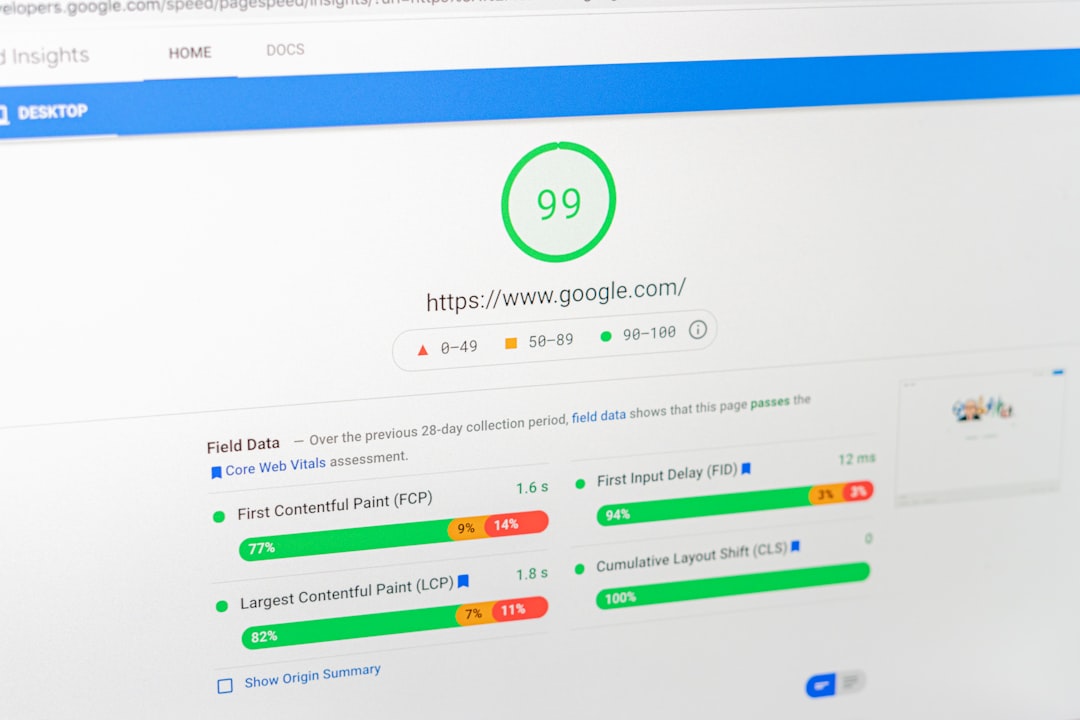
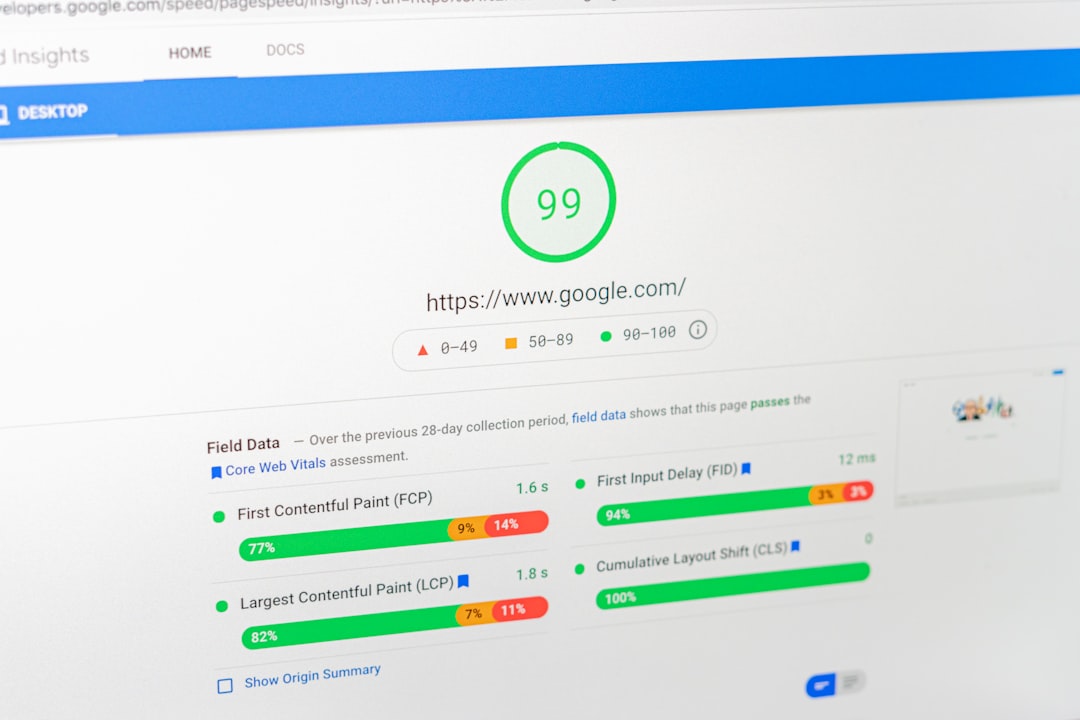
Use performance data to identify actual problems before making changes.
Develop Analytical Skills
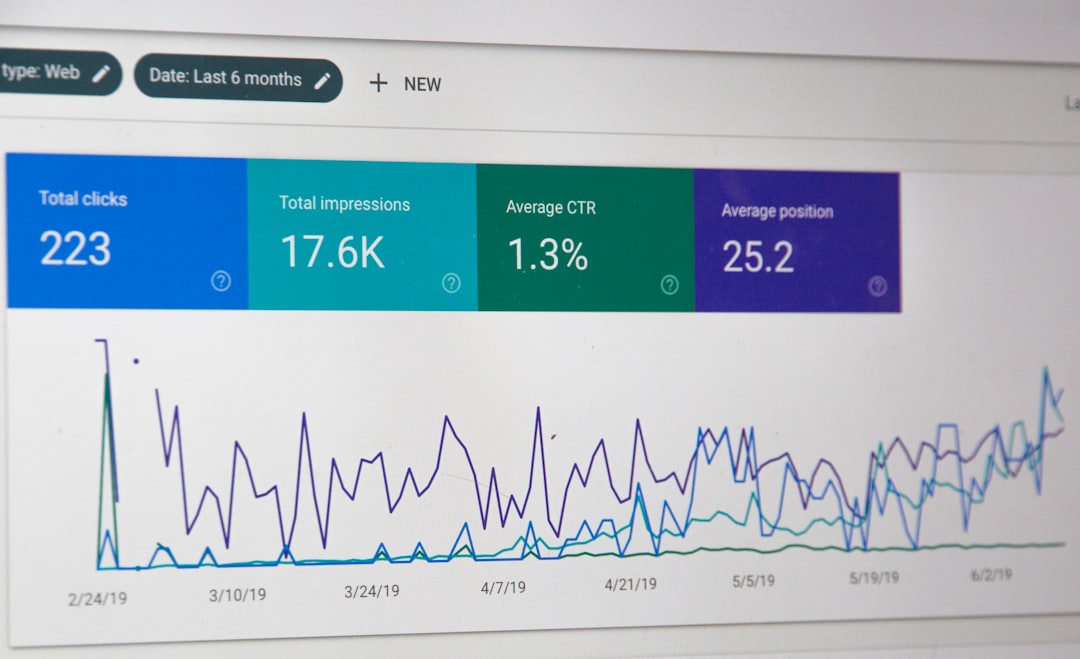
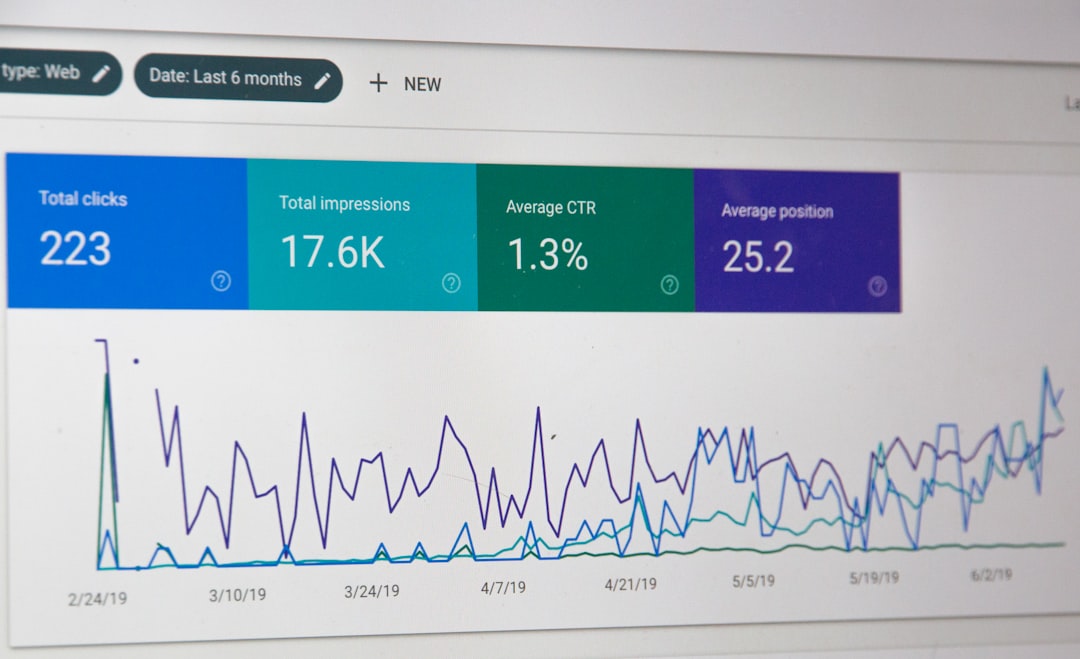
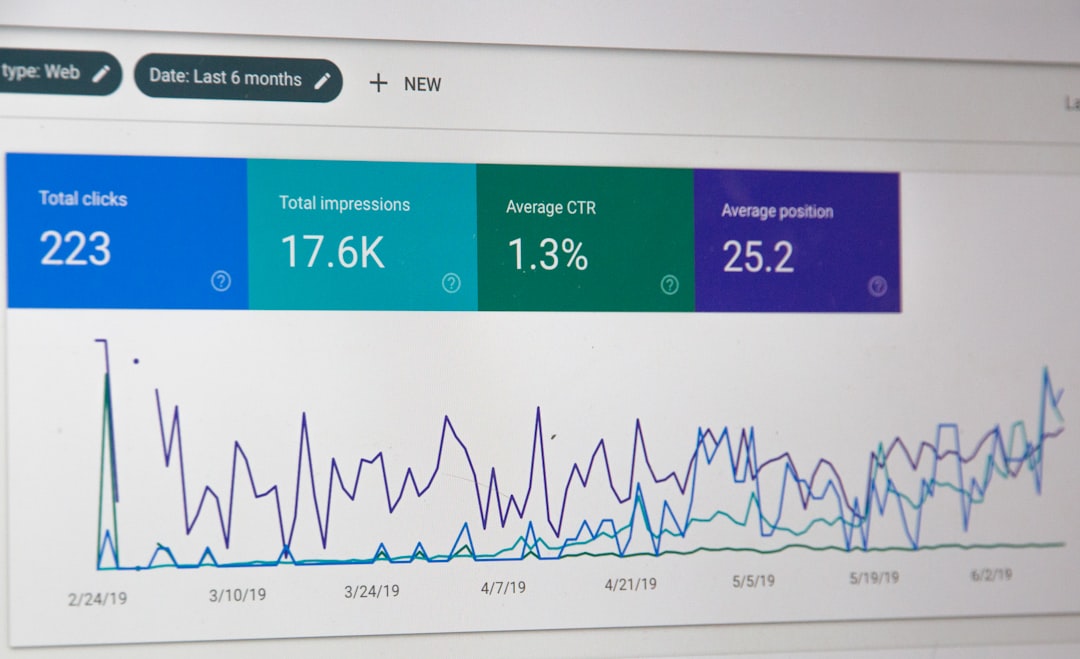
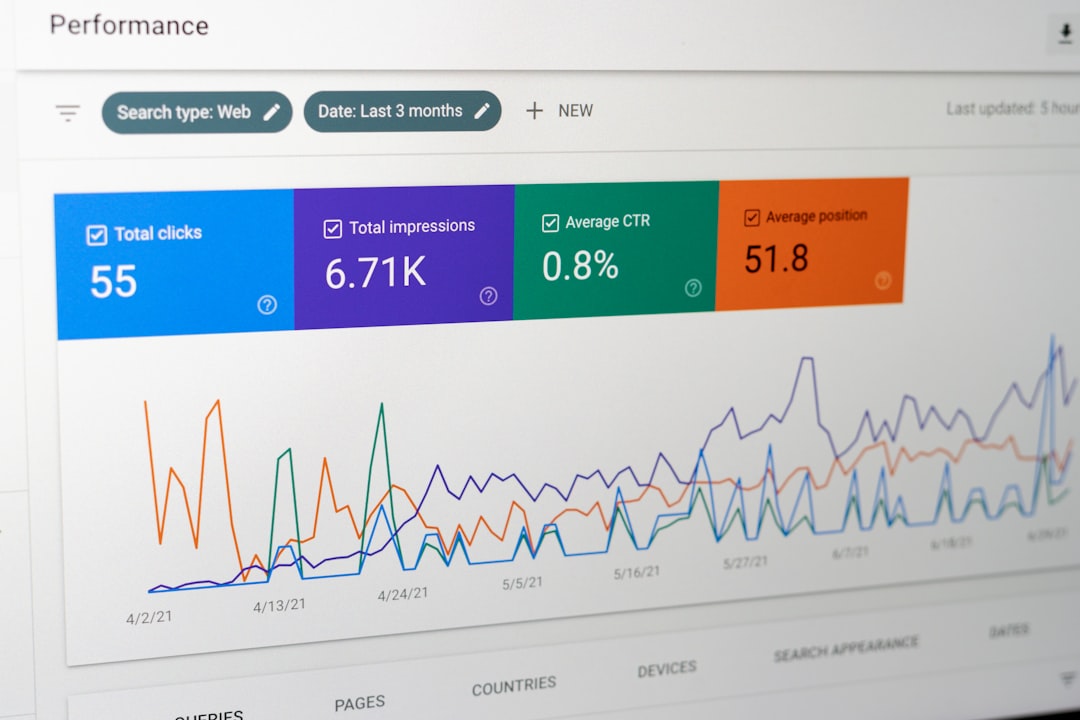
SEO professionals need to interpret data rather than simply collect it.
Review:
| Data | Question |
|---|---|
| Impressions | Are pages appearing more often? |
| Clicks | Are users selecting the results? |
| Traffic | Which pages attract visitors? |
| Rankings | Which topics are improving? |
| Conversions | Is SEO supporting business goals? |
Patterns across several metrics are often more useful than one number.
Keep Learning
Search and website technologies change over time.
Continue reviewing SEO documentation, testing strategies, analyzing websites, and learning from actual results.
Practical experience is especially valuable because every website has different problems and opportunities.
Create Your Own SEO Workflow
A repeatable workflow can make optimization more organized:
1. Audit
2. Research
3. Prioritize
4. Optimize
5. Publish
6. Monitor
7. Improve
A WordPress SEO Consultant can use this framework for both small websites and larger projects.
Mastering WordPress SEO is ultimately about understanding how different parts of a website work together. The strongest results come from combining technical accuracy, useful content, logical structure, relevant authority, and consistent measurement.