
Organic traffic comes from users who discover a website through unpaid search results. For businesses, increasing this traffic can create opportunities for leads, sales, and brand visibility.
However, getting more visitors requires more than publishing random articles. A WordPress SEO Consultant can help build a strategy that attracts relevant users and improves the website’s ability to perform in search.
Start With the Right Search Terms

The first step is identifying keywords that match the business and its audience.
Look for terms based on:
- Products
- Services
- Customer problems
- Questions
- Locations
- Industry topics
For example, a web design company could target terms related to WordPress web design, ecommerce development, business websites, and local web design.
The goal is to attract people who are genuinely interested in what the business offers.
Match Pages With Search Intent
A keyword alone is not enough.
Consider what the user expects to find after searching.
For example:
“How to improve WordPress SEO” suggests informational intent.
“WordPress SEO consultant services” has stronger commercial intent.
The page should match that expectation. Otherwise, even a high-ranking page may struggle to attract meaningful engagement.
Improve Existing Pages
Before creating dozens of new articles, review pages that already receive impressions or traffic.
Look for opportunities to improve:
- Content depth
- Headings
- Search intent
- Page titles
- Internal links
- Outdated information
- Supporting examples
Existing pages can sometimes provide valuable opportunities for growth.
Build Topic-Based Content
A website can attract broader organic traffic by creating useful content around its main subjects.
For example:
Main topic: WordPress SEO
Supporting content:
- Technical WordPress SEO
- On-page optimization
- WordPress SEO audits
- Mobile SEO
- Local WordPress SEO
- Ecommerce WordPress SEO
These articles can connect to one another and to relevant service pages.
Strengthen Internal Linking

Internal links help users move through the website.
A practical structure could be:
Educational article → Detailed guide → Service page
Review older articles regularly and identify natural opportunities to connect them with important pages.
Improve Technical Performance
Organic traffic can be affected when search engines or visitors encounter technical problems.
Review:
- Indexing
- Broken links
- Redirects
- Mobile usability
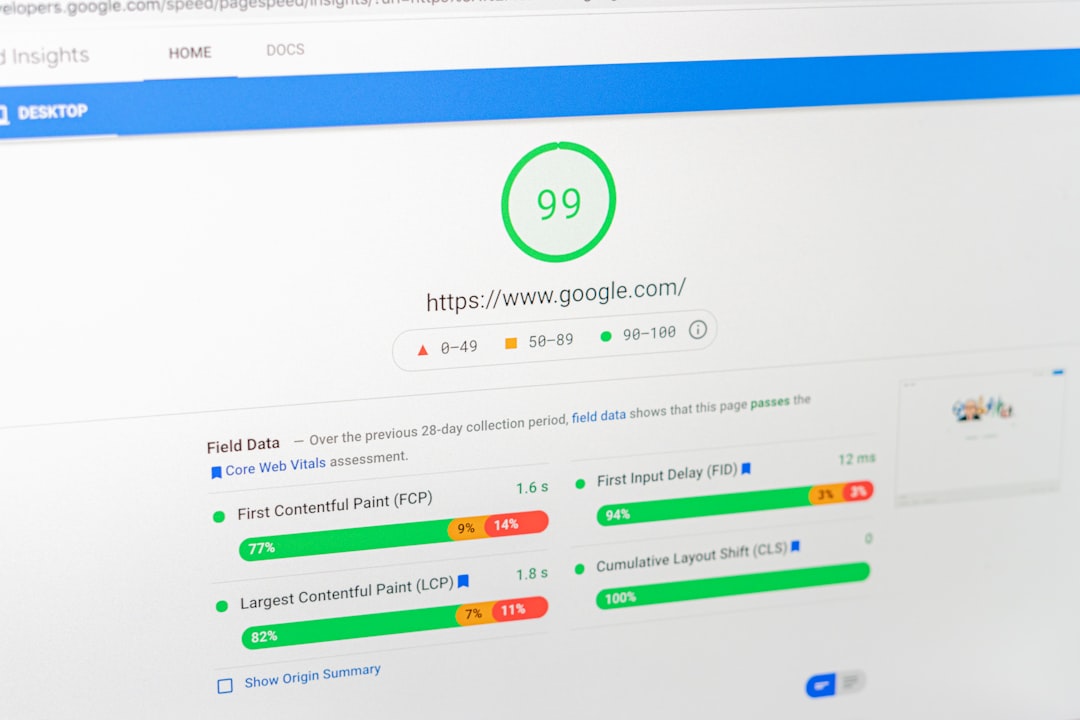
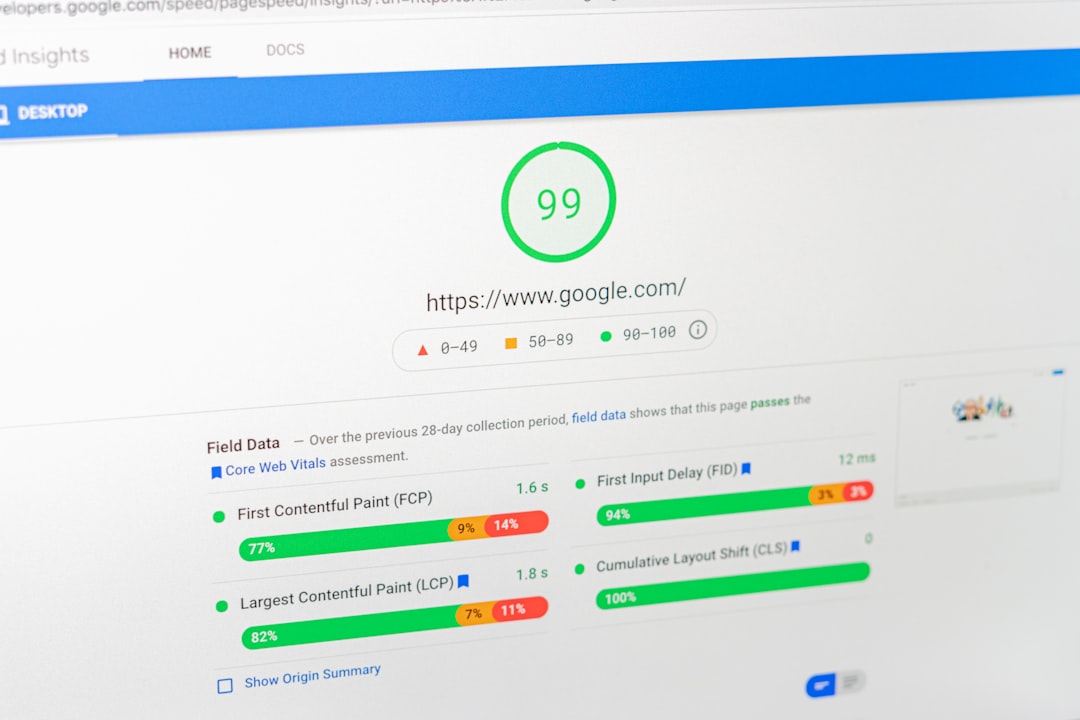
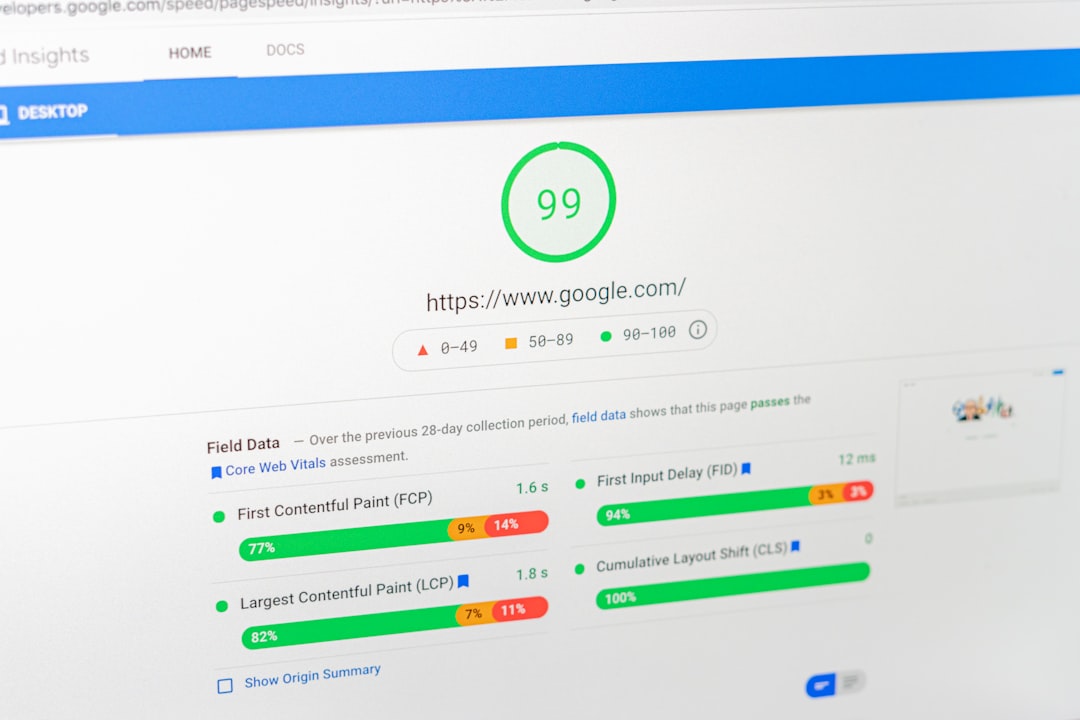
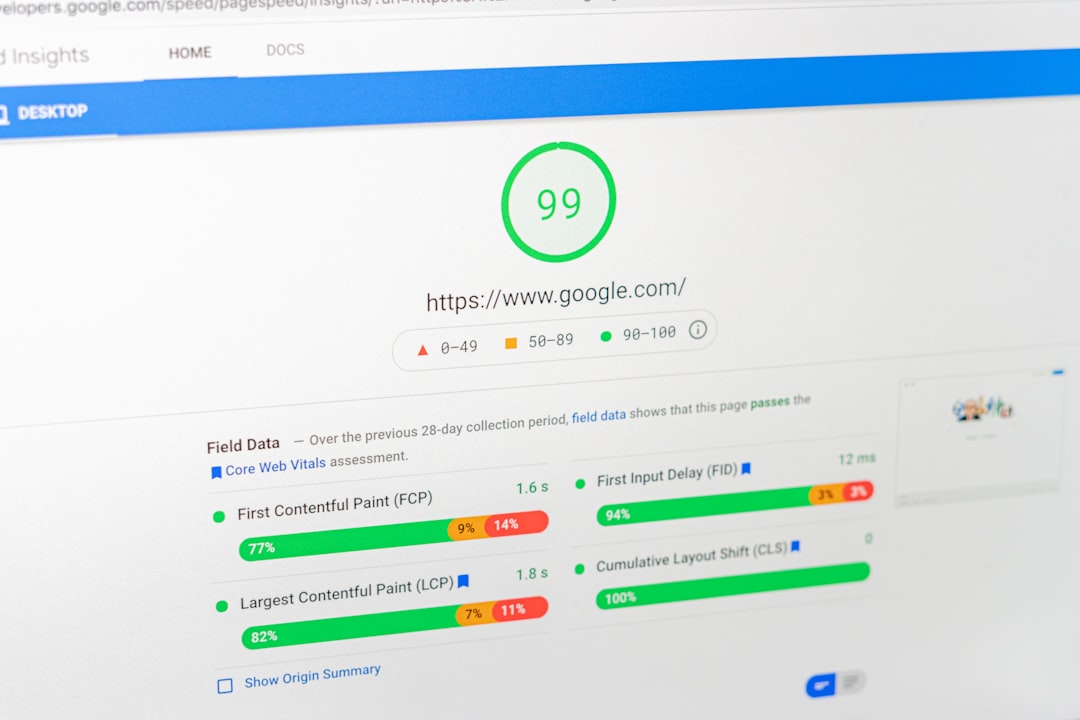
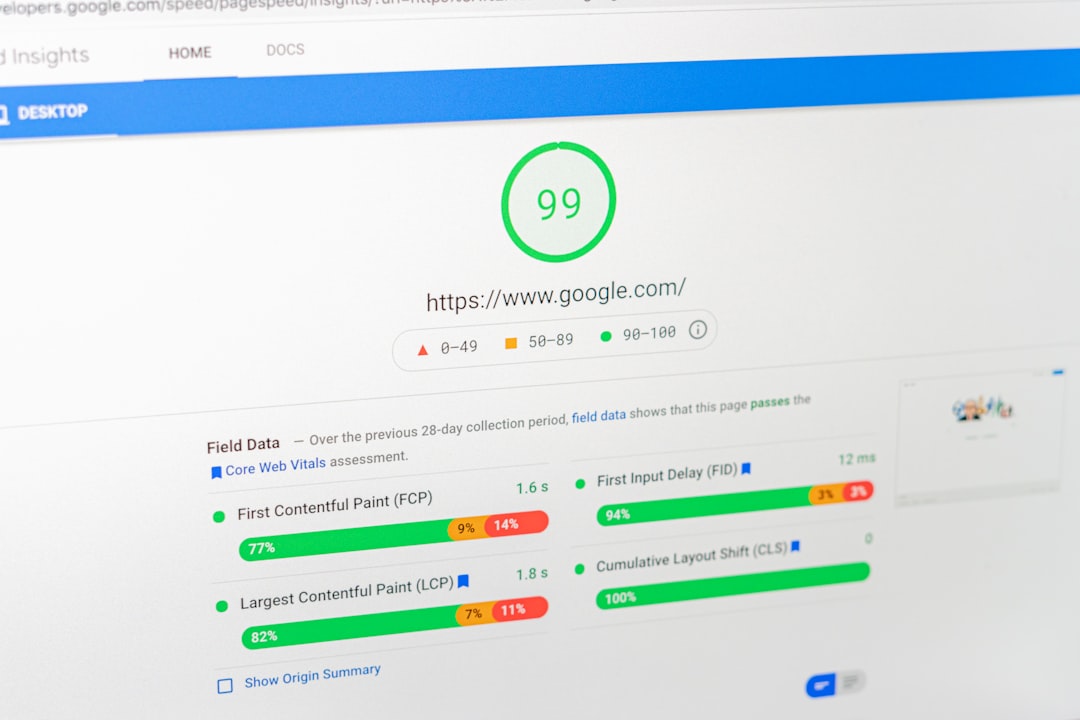
- Page speed
- XML sitemap
- Canonical URLs
Technical improvements provide a stronger foundation for content and keyword optimization.
Make Pages Easier to Read
Content should be easy to scan.
Use:
- Short paragraphs
- Descriptive headings
- Bullets
- Tables where useful
- Relevant examples
- Clear explanations
Readable content can help visitors find the information they need more efficiently.
Build Relevant Authority
External links can support search visibility when they come from relevant and trustworthy sources.
Potential methods include:
- Digital PR
- Industry publications
- Expert contributions
- Resource pages
- Original research
- Relevant partnerships
Avoid focusing only on the number of links.
Track Organic Traffic Correctly
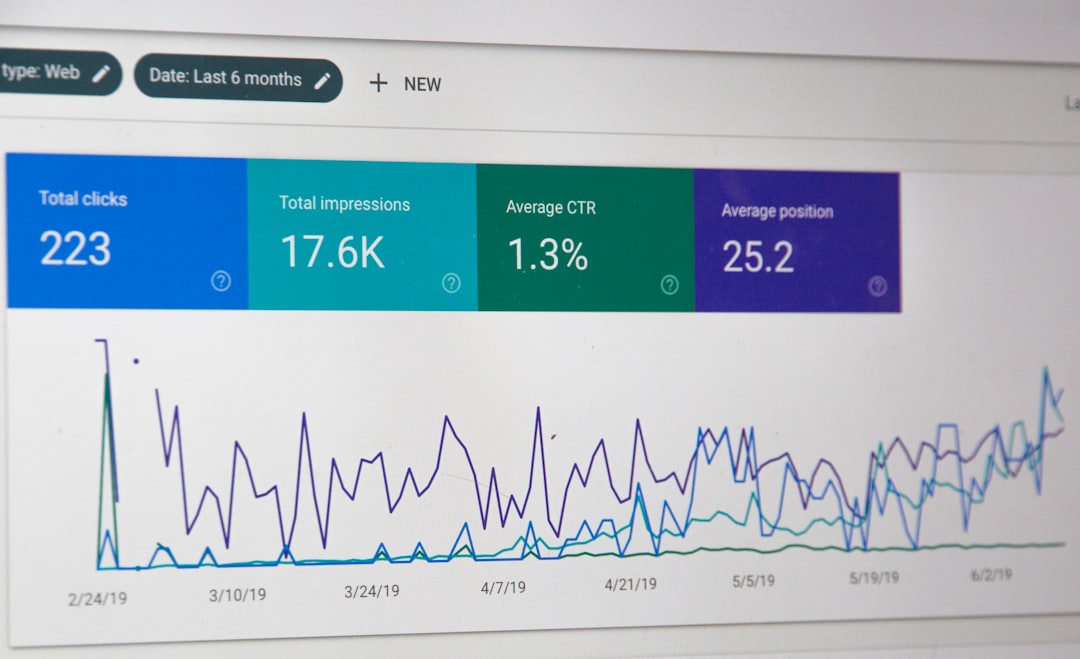
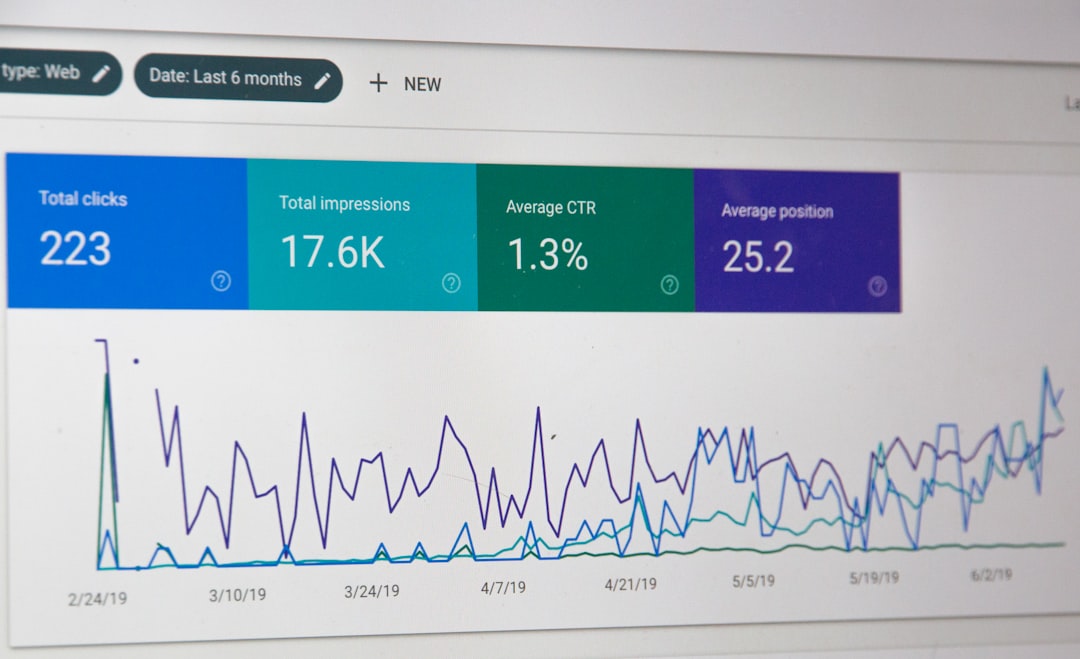
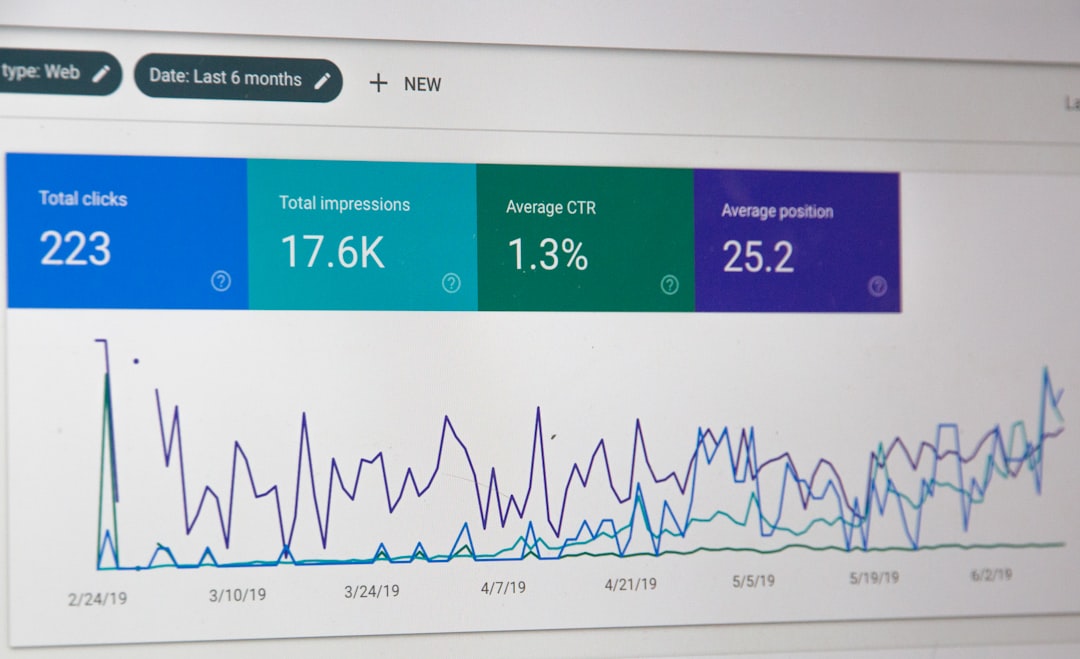
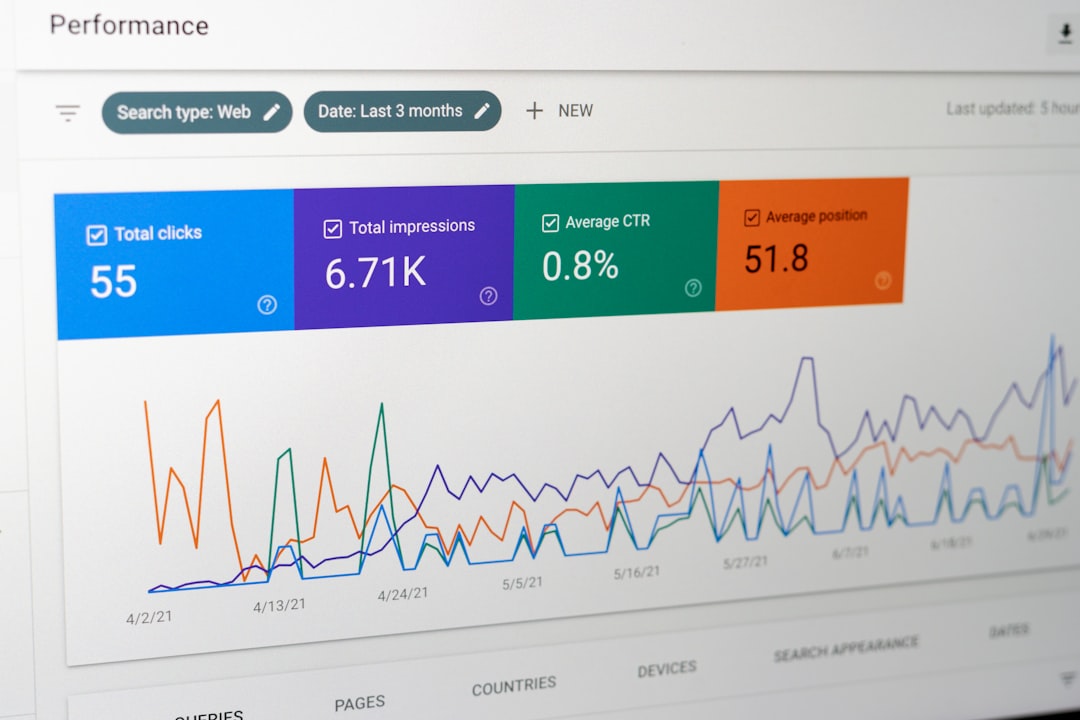
Traffic should be evaluated alongside other metrics.
| Metric | What It Shows |
|---|---|
| Organic sessions | Search visitors |
| Impressions | Search visibility |
| Clicks | Search engagement |
| Landing pages | Pages attracting traffic |
| Conversions | Business outcomes |
A traffic increase is more meaningful when it also brings relevant visitors and useful actions.
Create a Consistent Optimization Process
A practical process can be:
Research → Audit → Optimize → Publish → Link → Monitor → Improve
A WordPress SEO Consultant can use this process to identify opportunities and adjust the strategy based on actual performance.
Better organic traffic is not simply about attracting the largest possible audience. It is about attracting people who are searching for information, products, or services that the website can genuinely provide.