WordPress SEO usually improves when you narrow the plan, not when you add more tools. Expert work starts by deciding what is blocking visibility right now, then fixing those issues in order instead of chasing plugin scores, scattered checklists, or another round of random content updates.
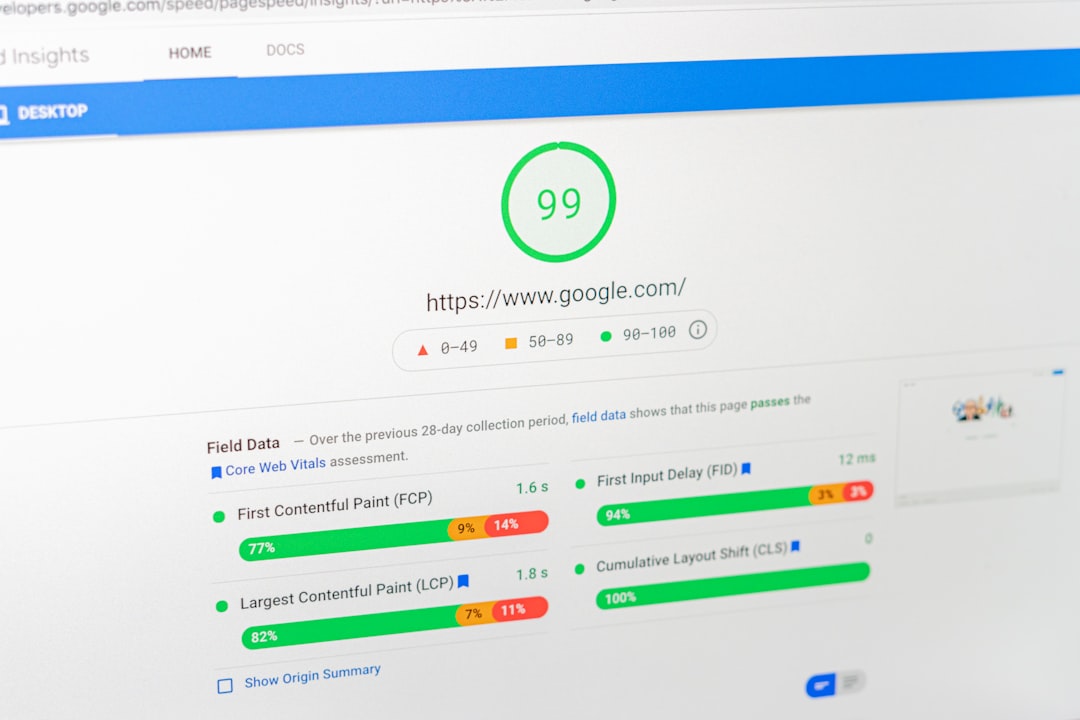
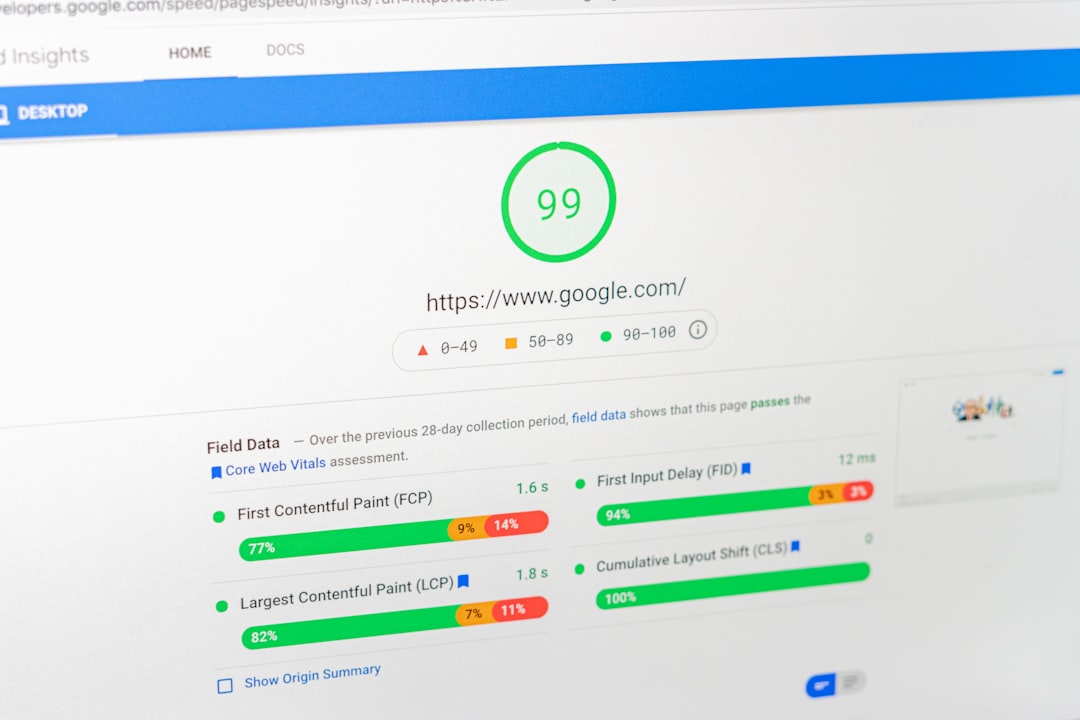
A green light in an SEO plugin does not mean the page deserves to rank. Stronger results usually come from cleaner indexing rules, clearer page targeting, better internal links, and a simpler setup that sends consistent signals. That is the difference between basic maintenance and a real optimization approach.
Experts start with diagnosis, not settings
The first step is identifying which layer is actually underperforming. Experts do not begin by rewriting every page title or installing another plugin. They check whether search engines can crawl the right pages, whether key pages are indexed, and whether the site structure supports the pages that matter most.
That diagnostic mindset matters because most WordPress sites do not have one dramatic failure. They have a stack of smaller issues that compound over time. A weak title template, thin archives, duplicate metadata, and poor internal links can all exist at once. If you fix them in the wrong order, you waste time polishing pages that are still being held back by bigger technical problems.
If you want a broader foundation before working through the details, review this practical WordPress SEO guide for DIY site owners and this WordPress SEO audit process. Both help frame the work in the order it should be done.
The priority order is what separates expert work
Experts fix the issues that block visibility before the issues that polish visibility. That means crawlability, indexing, duplicate handling, and internal structure come before cosmetic plugin tweaks or endless content expansion.
This order is what many site owners miss. It feels productive to adjust schema settings, rewrite meta descriptions, or chase content volume, but those actions have limited effect when the foundation is unstable. A better sequence keeps the site from sending mixed signals and makes later improvements work harder.
| Priority | What experts review first | Why it comes first |
|---|---|---|
| 1 | Crawlability and indexation | Pages cannot perform if search engines cannot reliably find and index them |
| 2 | Plugin conflicts and duplicate output | Overlapping metadata, canonicals, and sitemaps create sitewide confusion |
| 3 | Titles, headings, and page targeting | Important pages need clear topical signals and a defined search intent |
| 4 | Internal linking and site structure | Links help search engines discover pages and understand hierarchy |
| 5 | Supporting elements like schema and meta descriptions | These strengthen presentation, but they do not replace the foundation |
Titles and headings are handled with restraint
Experts treat titles as high-impact signals, but they do not stuff them. Google recommends descriptive, concise title text and warns against keyword stuffing and repetitive boilerplate, so the goal is clarity, not repetition.
That usually means choosing one clear page target and writing a title that matches it. The same discipline applies to headings. One strong H1, then a clean H2 and H3 structure, tells both users and search engines what the page is about without turning the content into a checklist of repeated phrases.
| Weak title | Stronger title |
|---|---|
| SEO Services | SEO Company | SEO Expert | WordPress SEO Services for Small Businesses |
| WordPress SEO | How Experts Approach WordPress SEO |
| SEO Tips | WordPress SEO Fixes That Matter First |
If your titles are repetitive, vague, or built from boilerplate templates, that is often a cleaner place to improve than rewriting entire pages. For a deeper look at setup mistakes that affect titles and templates, see how to fix WordPress SEO setup problems.
One SEO plugin is usually enough
Experts simplify the stack before they optimize the details. Running multiple SEO plugins often creates duplicate metadata, conflicting canonicals, and competing sitemap output that makes troubleshooting harder than it needs to be.
The better approach is one well-configured plugin, clear defaults, and fewer overlapping features. This is especially important on sites that have changed hands, gone through redesigns, or accumulated plugins over time. Simplicity makes problems easier to spot and signals easier to control.
If you are comparing plugin setups or trying to reduce clutter, these advanced WordPress SEO setup strategies and these common setup mistakes can help you simplify the system before making more changes.
Internal links are treated as a core SEO system
Experts do not treat internal links as an afterthought. Google explains that links help it find pages and recommends descriptive, concise anchor text, which is why internal linking is one of the clearest ways to strengthen page discovery and topical relationships.
In practice, that means linking related guides together, pointing informational posts toward service pages, and making sure important pages are not isolated. A page that only exists in a sitemap is under-supported, even if the content itself is solid. Internal links are how a site shows which pages matter most.
If you are experiencing these symptoms, our team at WordPress SEO Expert can help. Many flat-ranking sites are not missing some secret tactic. They are missing a clear internal structure that reinforces their most important pages.
Schema and meta descriptions stay in a support role
Experts use schema and meta descriptions to clarify and support, not to force rankings. Google’s guidance says structured data should match visible page content, and meta descriptions work best when they accurately summarize the page instead of repeating generic language.
This is where many WordPress sites overcomplicate things. They enable every schema type available, write descriptions from templates that sound identical, and expect those changes to overcome weak page targeting. A simpler approach is more reliable: mark up what is actually on the page and write descriptions that help the right visitor decide to click.
Experts measure progress with evidence
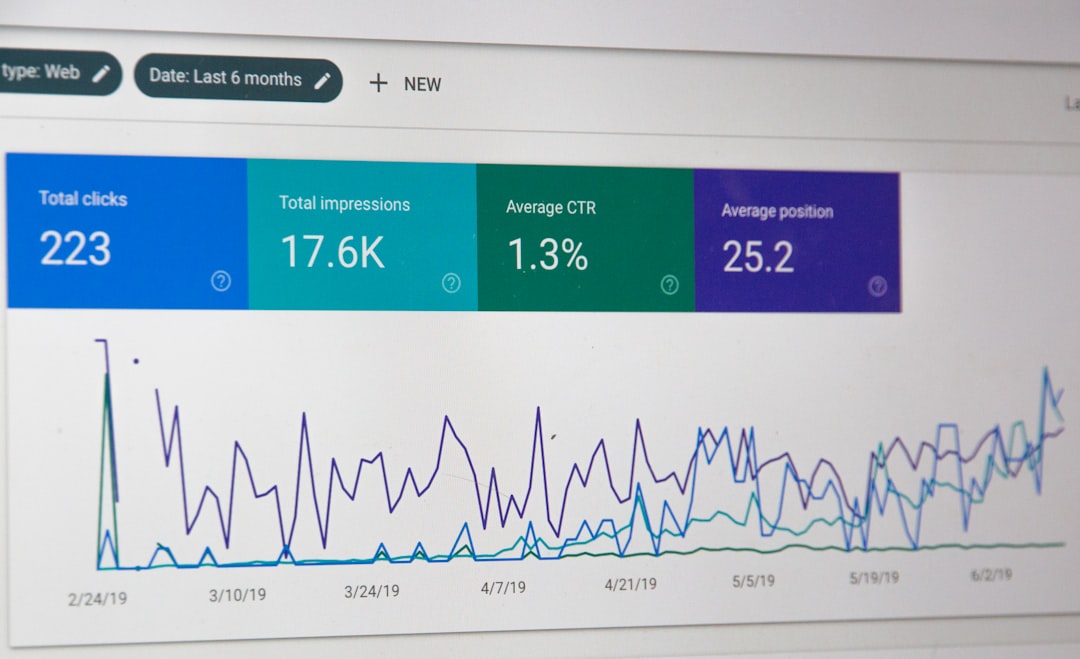
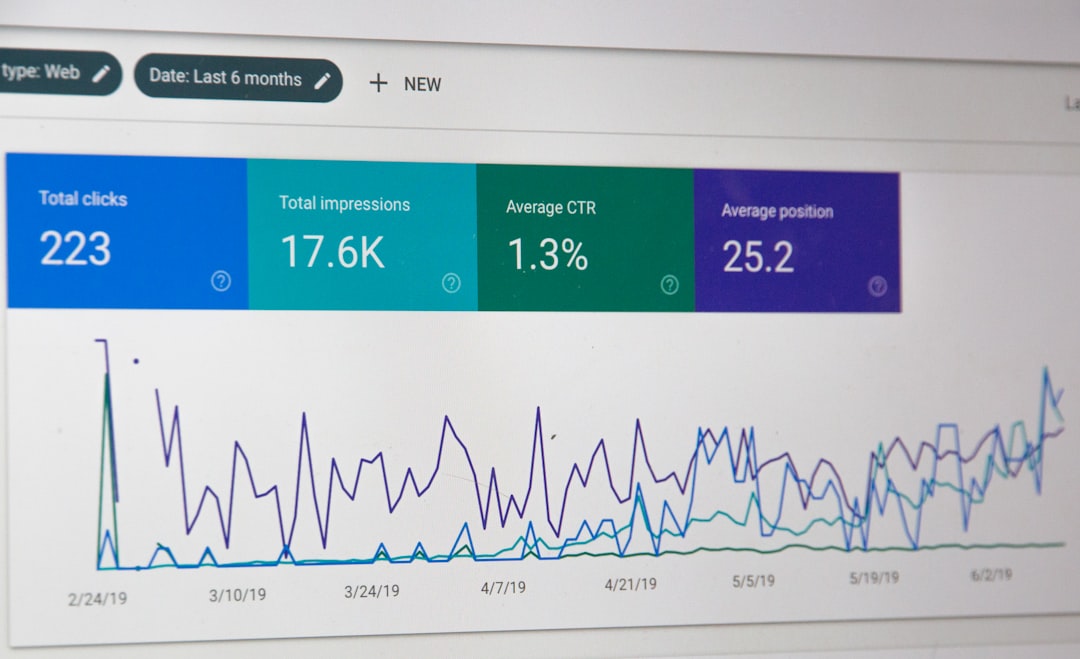
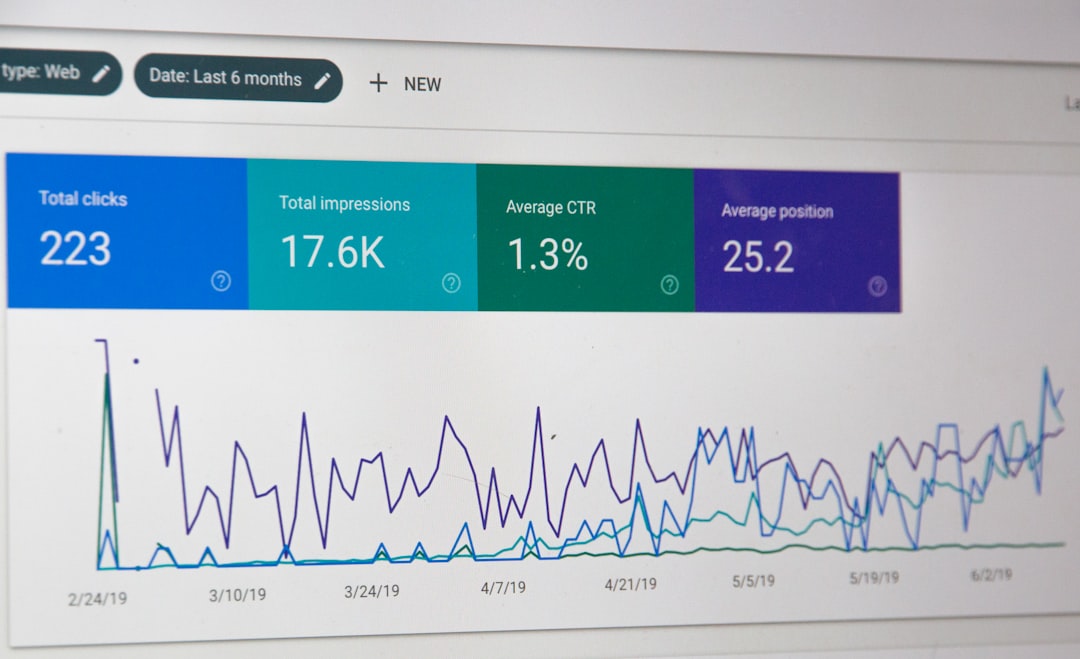
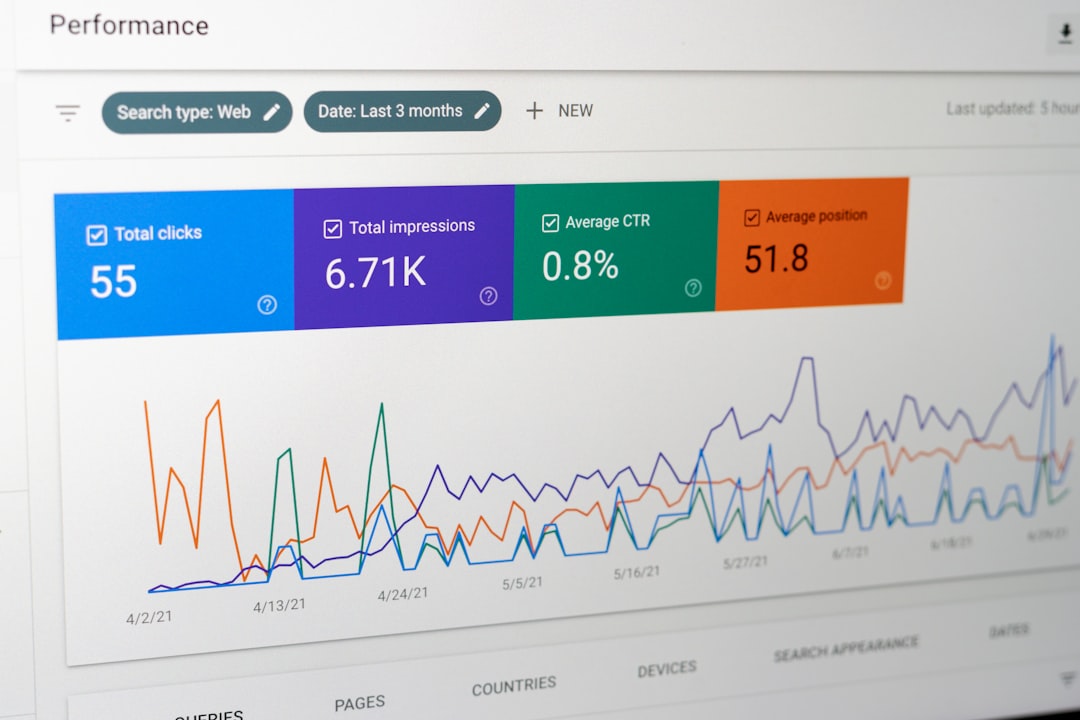
Good WordPress SEO work is guided by what the site is already showing you. Experts review impressions, queries, indexed pages, and page-level behavior before deciding what to update next.
That evidence-first approach keeps the work focused. Instead of touching every page, they look for pages already earning impressions, pages with weak click potential, and sections of the site where duplication or thin content is creating drag. The goal is not to make every URL look optimized. The goal is to make the right URLs easier to find, understand, and trust.
What this approach means for your site
Expert WordPress SEO is usually less dramatic than site owners expect. It is not about chasing a perfect score or turning on every feature. It is about reducing conflict, clarifying priorities, and strengthening the pages that deserve to rank.
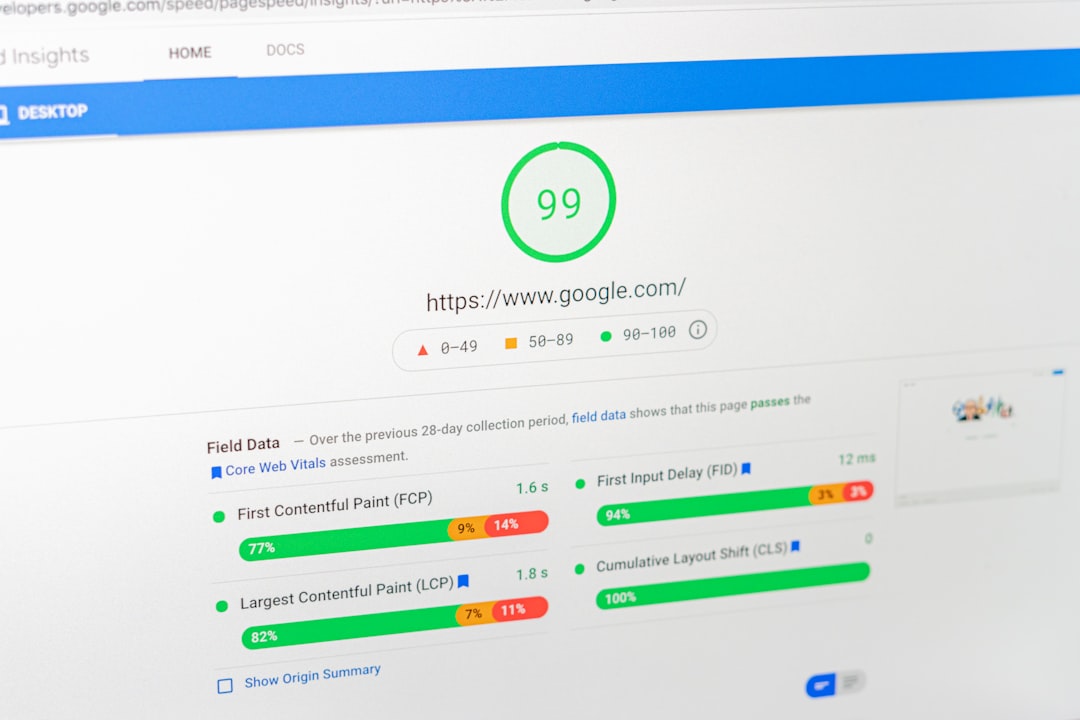
You do not need a perfect score. The goal is a site that loads cleanly, is easy to use, and sends consistent signals about which pages matter most. If your rankings are flat and you are not sure whether the real problem is indexing, duplication, weak targeting, or plugin clutter, WordPress SEO Expert can help.
Book a free SEO consultation. No pitch, no pressure. Just an honest look at what your site actually needs and whether your current setup is part of the solution or part of the problem.
Contact WordPress SEO Expert today to schedule a consultation if you want a practical plan for improving your WordPress SEO without adding more confusion.