Faster growth in WordPress SEO usually comes from better prioritization, not more activity. If your rankings are flat, the issue is often a stack of small problems such as weak page targeting, thin internal links, plugin clutter, or slow templates that make every improvement work harder than it should.
A green light in an SEO plugin does not mean the page deserves to rank. The pages that grow tend to have clearer titles, cleaner structure, stronger internal links, and fewer technical distractions. If you need a broader baseline before making changes, start with our practical WordPress SEO guide for DIY site owners.
Start With the Fixes That Unlock Growth
The fastest path to growth is to fix what blocks visibility before you polish what is already visible. That usually means checking indexation, simplifying plugins, tightening titles, and improving internal links before you spend weeks publishing more content.
Most site owners do not have one catastrophic problem. They have compounding issues that dilute relevance and waste crawl attention. One well-configured SEO plugin is enough. Running overlapping SEO tools often creates duplicate metadata, conflicting canonicals, and competing sitemap outputs that make diagnosis harder.
Write Better Titles Before You Rewrite Pages
Title tags are one of the clearest signals you control, so improving them is often a faster win than rewriting full pages. Google recommends descriptive, concise title text and warns against keyword stuffing and repetitive boilerplate, which is why generic templates tend to underperform.
Focus first on your homepage, primary service pages, and posts already earning impressions. Titles should match the page’s actual purpose instead of trying to force every possible variation into one line. If your setup is messy, our guide on fixing WordPress SEO setup problems can help you clean up the foundation before expanding content.
| Weak title | Stronger title |
|---|---|
| SEO Services | SEO Company | SEO Expert | WordPress SEO Services for Small Businesses |
| Blog | WordPress SEO Tips for Service Businesses |
| Home | Local Plumbing Repairs in Austin |
Strengthen Internal Links With Clear Anchor Text
Internal links help search engines find pages, understand hierarchy, and connect related topics across your site. Google says links should be crawlable and use descriptive anchor text, so vague phrases and buried orphan pages make growth slower than it needs to be.
Link broad blog posts to service pages, connect closely related articles, and make sure important pages are reachable from other crawlable pages on the site. Descriptive anchors work better than empty prompts because they help both users and search engines understand where the link leads.
If you are experiencing these symptoms, our team at WordPress SEO Expert can help. A focused review often shows whether your site is underperforming because of weak linking, indexing confusion, or scattered page targeting.
Keep Technical SEO Simple and Clean
Technical SEO matters most when it affects crawlability, indexation, or user experience. You do not need a perfect setup in every corner of WordPress. You need a clean setup that makes key pages easy to crawl, easy to understand, and easy to use.
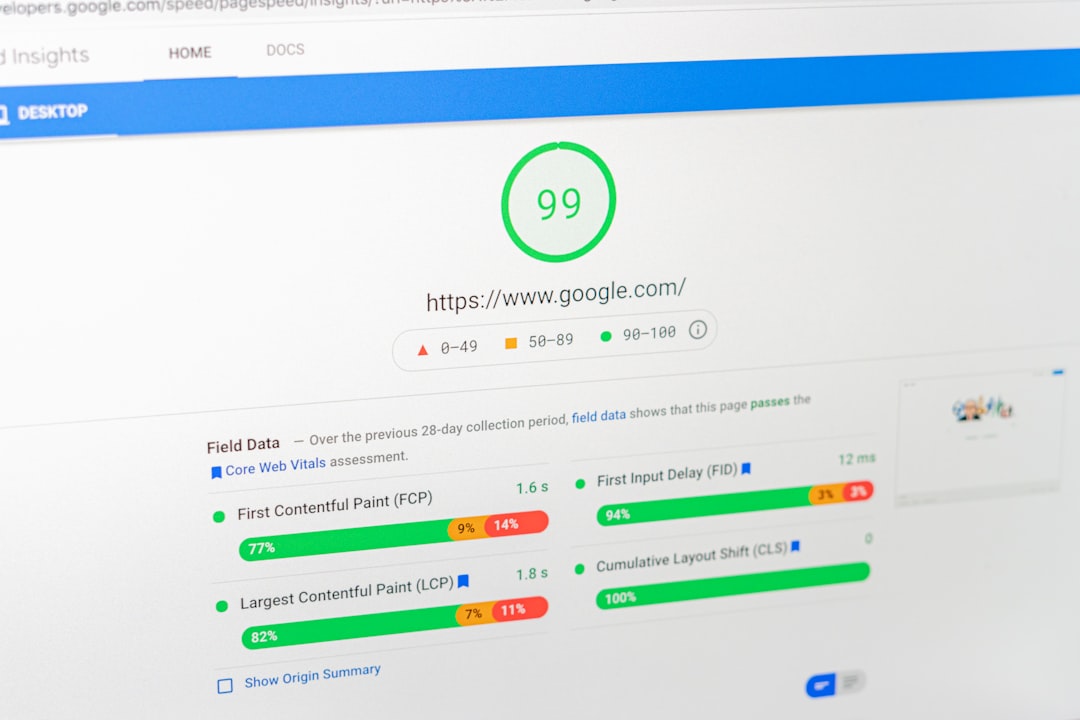
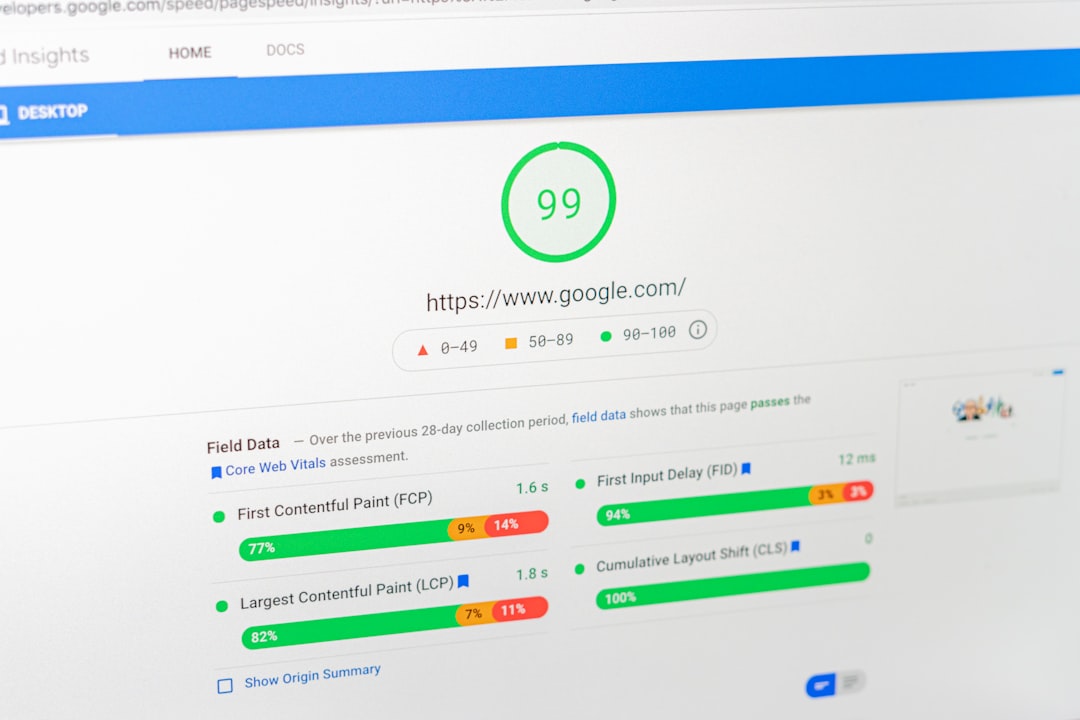
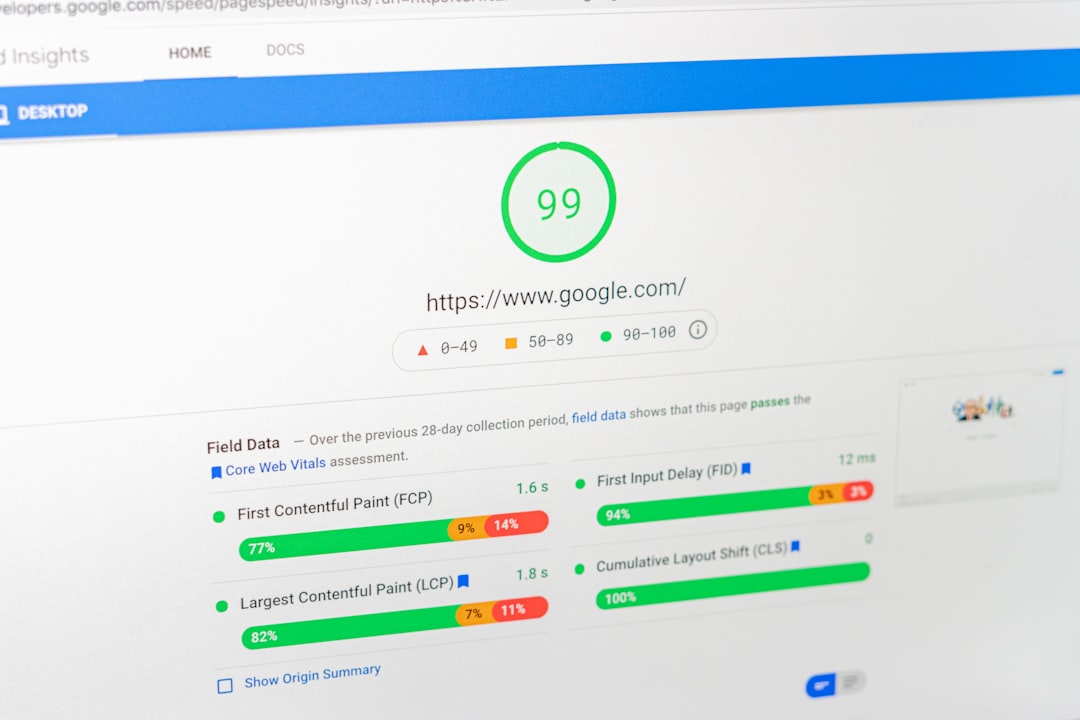
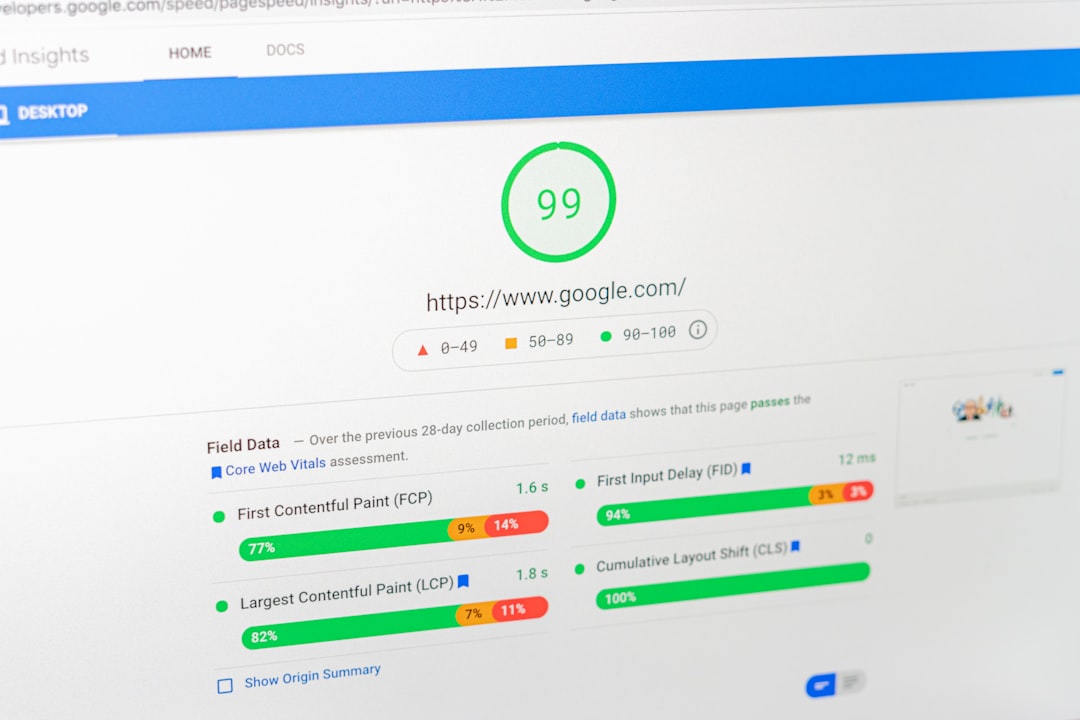
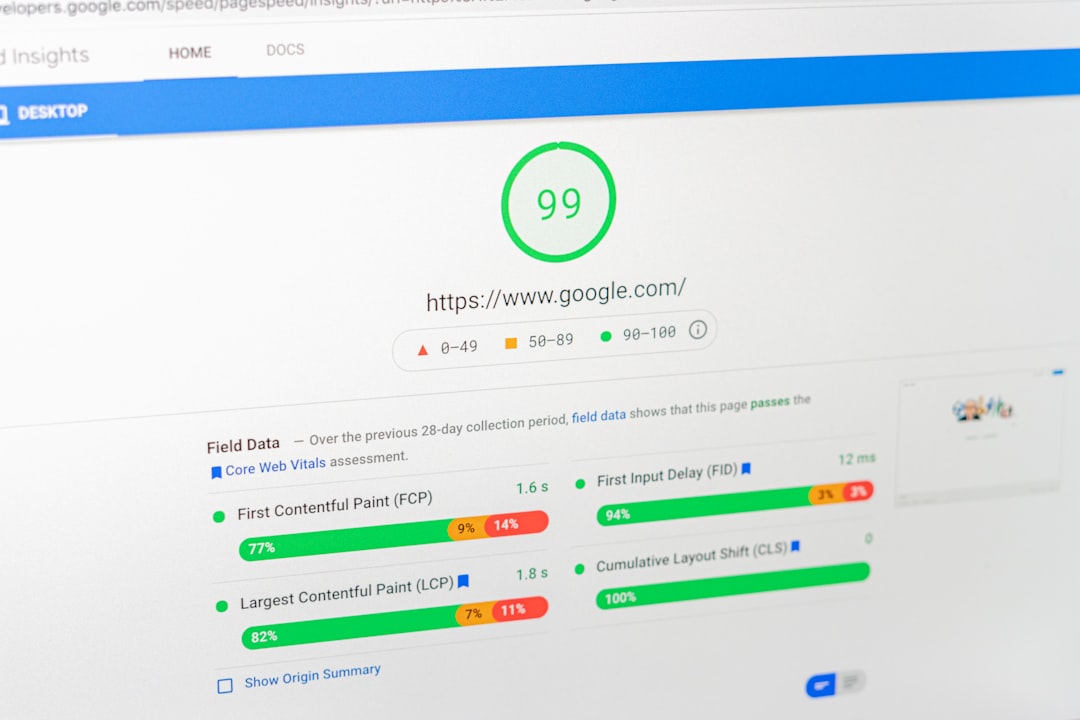
Check that important pages are indexable, your sitemap is clean, and thin archives are not competing with real landing pages. On the performance side, Google strongly recommends achieving good Core Web Vitals for search success and better user experience, so image compression, caching, and lighter templates are practical places to start.
Do Not Let Plugins Drive the Strategy
Plugins are useful tools, but they should support a strategy, not replace one. Many WordPress sites stall because the owner keeps adding features, modules, and plugins instead of deciding which pages matter most and what each page should rank for.
One plugin can handle titles, canonicals, schema basics, and sitemaps. After that, growth comes from better targeting, better structure, and stronger content support. If you have already done the basic setup work, our advanced WordPress SEO setup strategies article is a good next step.
Focus on Fewer Pages With Clearer Intent
Publishing more pages only helps when each page has a distinct purpose. Faster growth usually comes from improving the pages already closest to ranking, consolidating overlap, and making sure every important URL targets one clear search intent.
Instead of producing several thin posts around minor keyword variations, strengthen your best pages with clearer headings, better supporting sections, and stronger internal links from relevant articles. That approach usually outperforms volume-based publishing on small and mid-sized WordPress sites.
What to Fix First
If you want quicker SEO gains, use a simple order of operations. Fix the issues that block visibility before the issues that polish visibility, then build on the pages already showing search potential.
| Priority | What to fix | Why it matters |
|---|---|---|
| 1 | Indexing and crawl access | Pages cannot grow if search engines cannot reach them properly. |
| 2 | Plugin conflicts | Conflicting SEO outputs create mixed signals sitewide. |
| 3 | Page titles | Clearer titles improve relevance and click potential. |
| 4 | Internal links | Better links improve discovery, context, and page support. |
| 5 | Speed improvements | Faster templates improve usability and reduce friction. |
When Outside Help Makes Sense
If your rankings are flat and you are not sure whether the real issue is indexation, duplication, weak targeting, or plugin clutter, the problem is usually prioritization rather than effort. A second set of eyes can often shorten the path to results by showing what to ignore as much as what to fix.
WordPress SEO Expert can help you sort out what is actually slowing growth and what belongs later in the process. Book a free SEO consultation. No pitch, no pressure. Just an honest look at what your site actually needs and whether your current setup is part of the solution or part of the problem.
Contact WordPress SEO Expert today to schedule a consultation if you want a practical SEO roadmap built around cleaner priorities, stronger structure, and steadier growth.