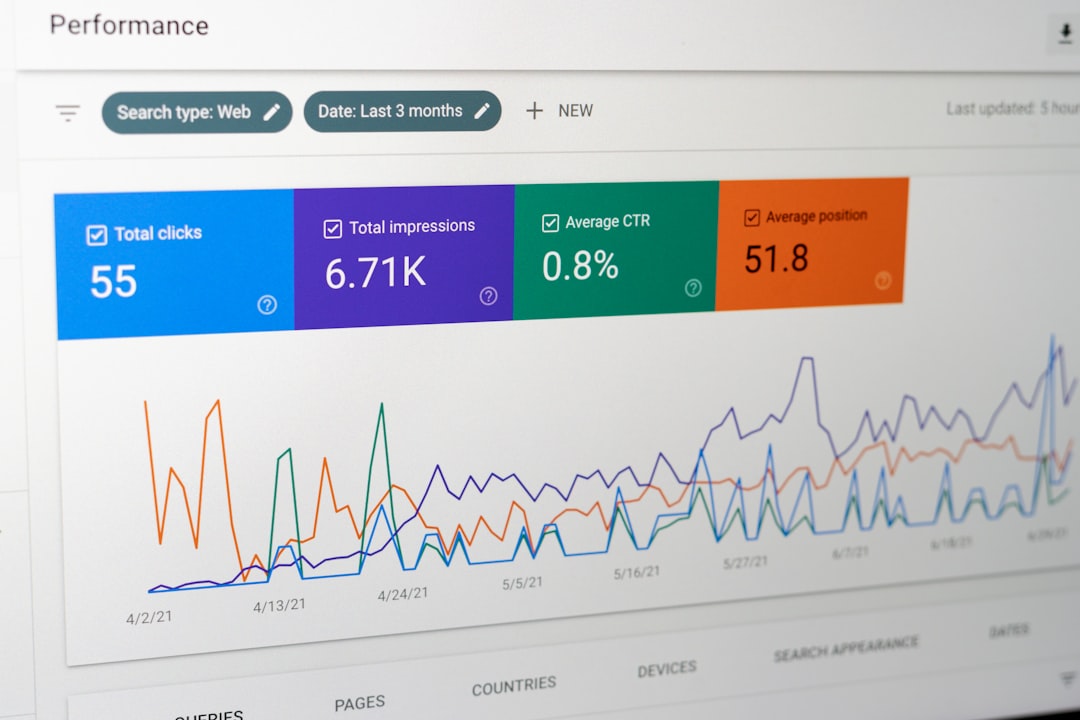

Flat rankings usually point to a scattered plan, not a lack of effort. If you run a service business on WordPress, the real win is to fix visibility blockers first, strengthen your lead pages second, and stop spending time on plugin scores that look productive but do not change results.
A green light in an SEO plugin does not mean the page deserves to rank. Service businesses usually grow faster when they simplify the setup, map one clear intent to each core page, and build internal links that support the pages meant to generate enquiries.
This strategy gives you that order of operations. If you need supporting context on setup and execution, review our practical WordPress SEO guide for DIY site owners and our WordPress SEO checklist for service businesses.
Start with the pages that should bring leads
Your homepage, core service pages, and any legitimate location pages should be the first priority. These pages carry commercial intent, so they need clear targeting, strong messaging, and direct paths to contact before you worry about publishing more blog content.



Many service businesses do the opposite. They keep adding articles while their most important pages stay vague, overlap each other, or fail to explain what the business actually offers. A blog can support visibility, but it rarely makes up for a weak service page.
Fix visibility blockers before polishing pages
Technical clarity comes before copy improvements. If important pages are noindexed, poorly linked, duplicated, or sending mixed canonical signals, title rewrites and content updates will have limited impact until those issues are cleaned up.
Most site owners do not have one catastrophic problem. They have a stack of smaller issues that compound over time. That is why the right sequence matters more than adding another plugin or publishing another thin page.
| Priority | What to fix first | Why it matters |
|---|---|---|
| 1 | Indexing and crawl settings | Pages cannot rank if search engines cannot access them properly. |
| 2 | Duplicate URL and canonical issues | Conflicting versions of a page dilute signals and create confusion. |
| 3 | Service page targeting | Each money page needs one clear topic and one clear purpose. |
| 4 | Titles, headings, and internal links | These signals help search engines and users understand page relevance. |
| 5 | Speed and template cleanup | Cleaner templates improve usability and reduce friction on key pages. |
| 6 | Supporting content | Blog content works best when it supports a clean commercial structure. |
Map one intent to each core page
Service business SEO works better when each important page has a distinct role. Your homepage can target the broadest version of your offer, while individual service pages should focus on narrower problems, industries, or service types without competing with each other.
When three pages all chase the same commercial phrase with slightly different wording, none of them tends to become the clear winner. Consolidation usually helps more than expansion. Fewer, stronger pages are easier to optimize, easier to link to, and easier for search engines to understand.
Write titles that describe the service clearly

Title tags remain one of the strongest on-page signals you control. Service businesses generally get better results from descriptive, specific titles than from broad boilerplate filled with generic SEO terms or repeated service keywords.
Google advises writing descriptive, concise titles and avoiding repetitive or stuffed wording, so the goal is clarity rather than variation for its own sake. Your title should tell both the search engine and the potential customer what the page is actually about.
| Weak title | Stronger title |
|---|---|
| SEO Services | SEO Company | SEO Expert | WordPress SEO Services for Service Businesses |
| Plumbing Services | Emergency Plumbing Services for Homeowners |
| HVAC Repair | Residential HVAC Repair and Maintenance |
A green light in an SEO plugin does not mean the page deserves to rank. Write for the reader first, then make sure the technical fields support the page instead of trying to rescue weak positioning with a checklist score.
Use internal links to support money pages

Internal links help search engines understand which pages matter most and help visitors move from general information to a page that can convert. This is one of the most underused levers on service business sites, especially when core pages only receive links from the menu.
Link relevant blog posts to service pages with descriptive anchor text. Link related service pages to each other when the connection helps the user. If you want a cleaner way to sequence those improvements, our service business SEO checklist pairs well with a broader WordPress SEO planning guide.
If you are not sure whether your current structure, plugin configuration, or internal links are helping or quietly hurting you, WordPress SEO Expert can help.
Keep your WordPress setup simple
One well-configured SEO plugin is enough for most service business sites. Running overlapping plugins often creates duplicate metadata, conflicting canonicals, and competing sitemap output that makes troubleshooting harder than it needs to be.
The cleaner strategy is usually the stronger strategy. Keep the plugin stack lean, noindex thin archives where appropriate, and make sure your sitemap reflects the pages you actually want discovered. You do not need a perfect score. You need a site that loads cleanly, is easy to use, and sends consistent signals about which pages matter most.
Build supporting content around real buyer questions
Blog content works best when it supports your commercial pages instead of drifting away from them. Educational posts should answer practical questions your buyers ask, then guide readers toward the service page that solves the larger problem.
This is where many service businesses overpublish and underconnect. Instead of creating thin posts for every slight keyword variation, build fewer articles that address a real question in depth, then connect them naturally to the service pages that matter.
Use a simple 90-day SEO plan
A useful strategy needs an execution window, not just a list of ideas. For most service businesses, a focused 90-day plan is enough to clean up structural issues, improve lead pages, and create a better base for future content.
| Timeline | Main focus |
|---|---|
| Days 1-30 | Audit indexing, reduce duplication, review page intent, and simplify the site structure. |
| Days 31-60 | Rewrite service page titles and headings, improve copy, and strengthen internal links. |
| Days 61-90 | Publish supporting content, review performance, and refine pages with the clearest upside. |
What to stop doing
Most stalled sites improve faster when they stop adding clutter. Thin location pages, overlapping services, extra plugins, and keyword-stuffed titles often create more confusion than momentum.
Fix the issues that block visibility before the issues that polish visibility. That one shift usually changes how service businesses spend their time, and it often explains why previous SEO work felt busy but failed to move rankings.
The next step if rankings are still flat
A better WordPress SEO strategy for service businesses starts with prioritization, not more activity. If your rankings are flat and you are not sure whether the real problem is indexing, duplication, weak targeting, or plugin clutter, WordPress SEO Expert can help.
Book a free SEO consultation. No pitch, no pressure. Just an honest look at what your site actually needs and whether your current setup is part of the solution or part of the problem.
Contact WordPress SEO Expert today to schedule a consultation.