
WordPress SEO usually improves when you simplify the setup and fix the pages that matter most. If traffic is flat, the problem is rarely effort. It is usually a scattered plan, mixed signals from plugins, and too much time spent polishing pages before the visibility basics are stable.
A green light in an SEO plugin does not mean the page deserves to rank. What works is a cleaner system: one SEO plugin, stronger titles, better internal links, and fewer indexation mistakes. If you need a broader baseline first, review our practical WordPress SEO guide for DIY site owners.
Start With the Problems That Block Visibility
The fastest gains usually come from fixing crawl, indexing, and duplication issues before rewriting copy. If search engines cannot clearly find, understand, or prioritize your important pages, better wording alone will not move much.
Start by checking whether your main service pages, category pages, and key posts are indexable and internally linked. Then review whether thin archives, attachment pages, or duplicate URLs are competing with them. If you are sorting through a messy setup, our post on how to fix WordPress SEO setup problems gives you a clean diagnostic order.
Use One SEO Plugin, Not Several

One well-configured SEO plugin is enough. Running overlapping plugins often creates duplicate metadata, conflicting canonicals, and competing sitemap outputs that make troubleshooting harder than it needs to be.
If your site has changed owners, gone through a redesign, or accumulated add-ons over time, this is one of the first things to clean up. Keep one primary plugin for titles, meta descriptions, schema defaults, and sitemap control. Remove the extras unless they solve a specific problem your main setup cannot handle.
Fix Titles Before You Chase Scores
Your title tag is one of the clearest signals you control, and Google recommends descriptive, concise titles while warning against keyword stuffing and repetitive boilerplate. That means the right fix is usually a clearer title, not more variations jammed into the same field.
Weak title patterns often look broad, repetitive, or vague. Stronger titles match the actual page topic and the searcher’s likely intent.
| Weak title | Stronger title |
|---|---|
| SEO Services | SEO Company | SEO Expert | WordPress SEO Services for Small Businesses |
| Blog | WordPress SEO Tips for Service Businesses |
| Home | WordPress SEO Consultant for Growing Sites |
Google can also use headings and other page signals when generating title links, so keep your on-page heading and your title tag aligned instead of sending mixed messages. The goal is clarity, not maximum keyword repetition.
Strengthen Internal Links With Real Intent
Internal links help search engines discover pages, understand hierarchy, and connect your supporting content to revenue pages. They work best when the anchor text is descriptive and the linked page is the natural next step for the reader.
Google recommends crawlable HTML links with descriptive anchor text. On WordPress sites, that usually means linking related blog posts to service pages, connecting overlapping articles, and making sure important pages do not rely only on menus or sitemaps for discovery. Descriptive phrases outperform generic anchors because they help both users and search engines understand the destination.
If you are experiencing these symptoms, our team at WordPress SEO Expert can help. A focused review often shows whether the real issue is weak linking, poor page targeting, or technical clutter that is burying your strongest pages.
Keep Schema Accurate and Visible
Schema should support the page you already have, not invent meaning the page does not show. Google’s structured data guidance is straightforward: markup should reflect visible page content and follow the relevant feature rules.
For most WordPress sites, that means staying simple. Common useful types include organization details, article markup for posts, and breadcrumb markup where breadcrumbs are actually visible. More schema is not automatically better. Clean, accurate markup is safer than enabling every option in a plugin dashboard.
A Practical Order of Operations
SEO work becomes easier when you stop treating every task as equally urgent. Fix the issues that block visibility before the issues that polish visibility, and you will spend less time chasing low-impact tweaks.
| Priority | What to fix | Why it comes first |
|---|---|---|
| 1 | Indexing and crawl access | Pages cannot rank if search engines cannot reliably reach them. |
| 2 | Plugin conflicts and duplicate signals | Conflicting metadata and sitemaps create confusion across the site. |
| 3 | Title tags and heading alignment | Clear topical signals improve relevance and click potential. |
| 4 | Internal linking | Stronger links improve discovery, hierarchy, and context. |
| 5 | Schema cleanup | Refines understanding after the foundation is stable. |
What to Stop Doing
Most stalled WordPress sites do not need more features. They need fewer conflicting settings, clearer page purpose, and more discipline about what deserves to be indexed and supported.
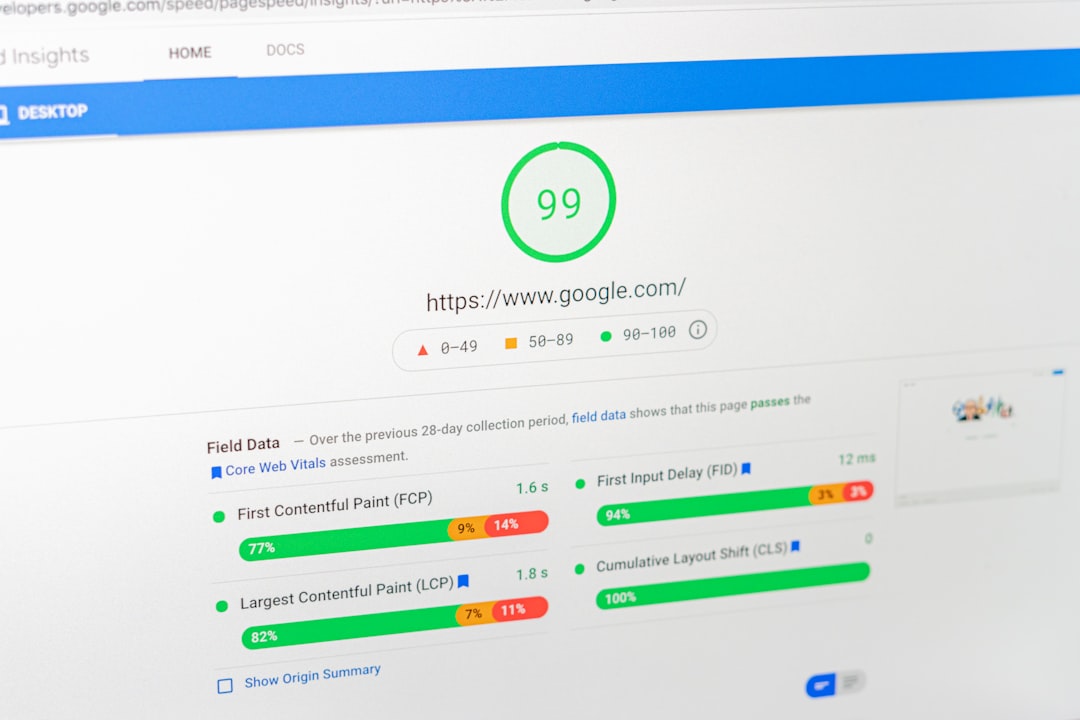
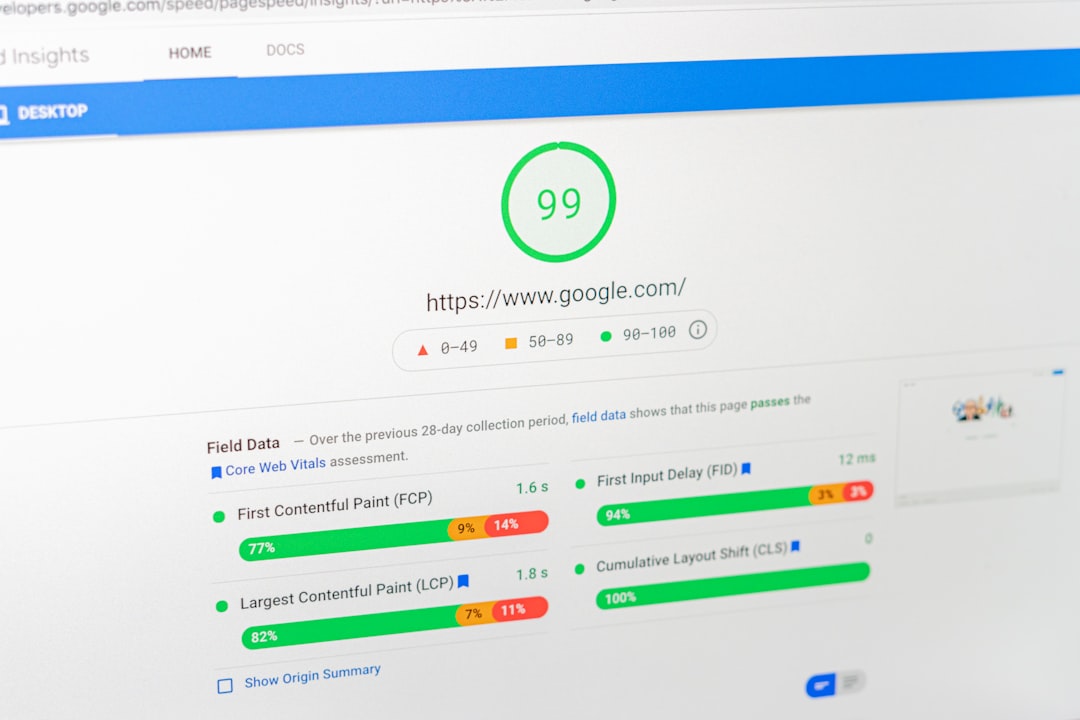
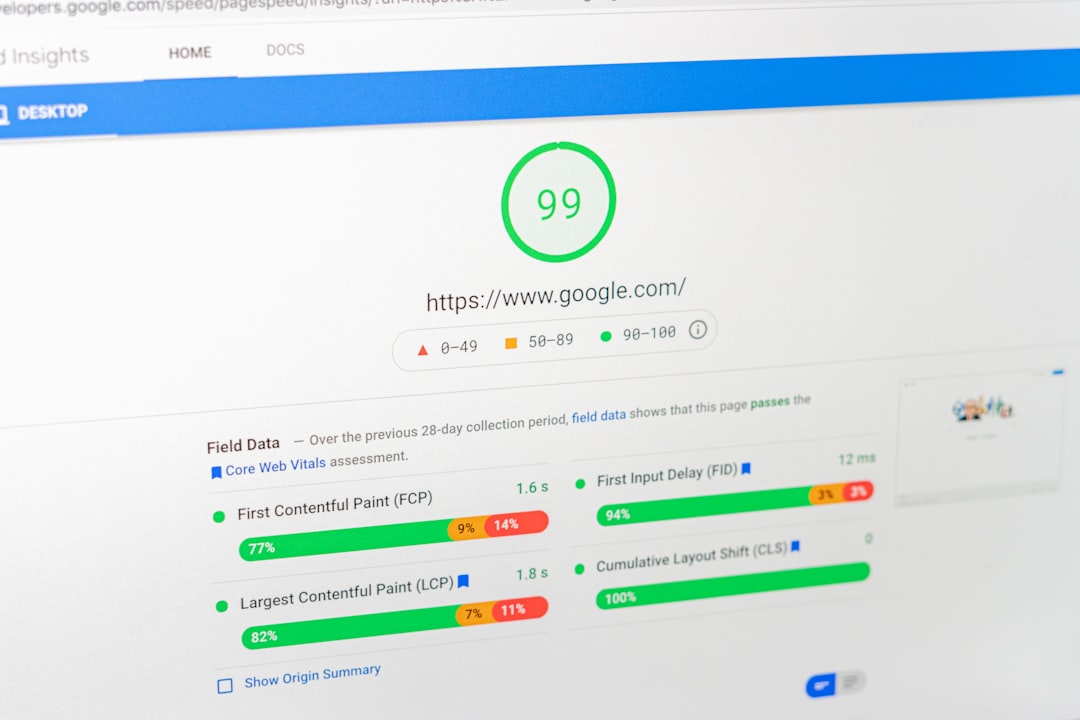
Stop chasing perfect plugin scores. Stop publishing thin near-duplicate posts just to cover slight keyword variations. Stop assuming every archive or auto-generated page deserves to rank. You do not need a perfect score. The goal is a site that loads cleanly, is easy to use, and sends consistent signals about which pages matter most.
When to Get Help
If your rankings are still flat after the basics are cleaned up, the issue is usually prioritization, not effort. A second set of eyes can quickly tell you whether the bottleneck is indexing, duplication, weak targeting, or plugin clutter.
WordPress SEO Expert can help you sort the technical problems from the content problems before you change anything major. Book a free SEO consultation. No pitch, no pressure. Just an honest look at what your site actually needs and whether your current setup is part of the solution or part of the problem.
Contact WordPress SEO Expert today to schedule a consultation if you want a practical plan instead of another generic checklist.