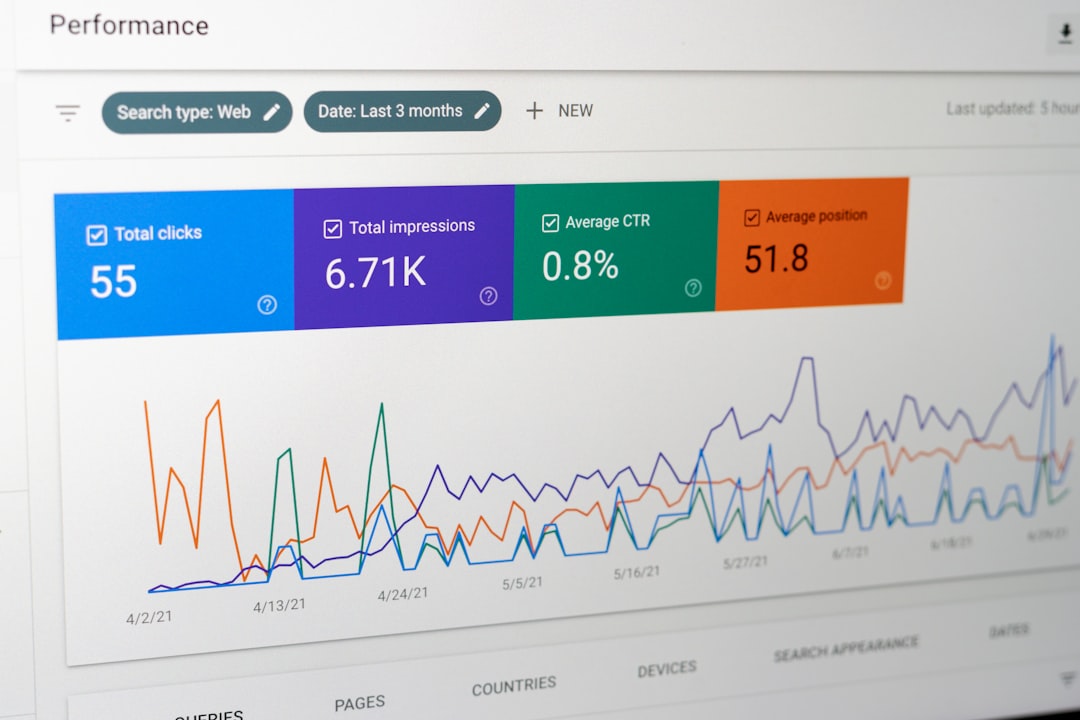

Small business rankings usually stall because the work is scattered, not because one plugin setting is missing. A practical WordPress SEO strategy starts by choosing what matters most, simplifying your setup, and fixing the issues that block visibility before you spend time polishing details.
For most small businesses, the goal is not to chase every tactic. It is to make sure your core service pages can be crawled, clearly target the right searches, and support conversions when visitors arrive. A green light in an SEO plugin does not mean the page deserves to rank.
If your site already has content but traffic is flat, that usually points to prioritization problems. A cleaner plan often does more than adding another plugin, publishing more thin posts, or rewriting pages that were never the main issue in the first place.
Start with the pages that matter most
The fastest SEO gains usually come from your highest-value pages, not your entire site at once. For a small business, that usually means the homepage, core service pages, main location pages if they are legitimate, and a handful of posts already earning impressions.
Before changing anything, identify which pages actually support revenue. Then ask three questions. Can search engines crawl them? Do they clearly match what the searcher wants? Are other pages on your site linking to them in a helpful way?
If you need a broader foundation first, review this practical WordPress SEO guide for DIY site owners. It pairs well with a small business strategy because it helps separate foundational issues from lower-priority tweaks.
Use one SEO plugin and simplify the setup
One well-configured SEO plugin is enough for most small business WordPress sites. Running overlapping plugins often creates duplicate metadata, conflicting canonicals, and competing sitemap output that make troubleshooting harder than it needs to be.
This is especially common on sites that have changed owners, gone through redesigns, or added features over time. If your site uses multiple SEO-related plugins for titles, schema, redirects, or social metadata, simplify before doing anything else. Fewer moving parts usually means cleaner signals.
If your current setup feels messy, this guide on fixing WordPress SEO setup problems can help you spot conflicts before they affect rankings further.
Fix technical blockers before on-page polish
Technical SEO does not need to be complicated, but it does need to come first. If important pages are blocked, excluded, duplicated, or buried, stronger copy alone will not solve the visibility problem.
Start by checking whether your important pages are indexable, included in your XML sitemap, and linked from other crawlable pages. Google recommends using crawlable HTML links and descriptive anchor text so both users and search engines can understand how pages connect. Google also advises clear, concise page titles instead of repetitive or stuffed title tags, and notes that useful meta descriptions can help generate better snippets in search results.
For a small business WordPress site, common technical priorities include archive cleanup, redirect checks after redesigns, duplicate URL control, and making sure the preferred page version is the one consistently linked across the site.
Build each core page around one clear intent
Each important page should target one main search intent. When a page tries to rank for everything, it usually becomes vague, repetitive, and less useful to both searchers and search engines.
Your homepage should support your broadest offering. Service pages should target commercial or transactional searches. Blog posts should answer informational questions and guide readers toward the next logical page. This structure is usually stronger than publishing several near-duplicate pages aimed at slight keyword variations.
A simple way to think about it is this: one topic, one primary page, one clear next step. If two pages compete for the same search, consolidation is often better than expansion.
Write titles and headings that actually help

Titles and headings work best when they clarify the page, not when they try to force every keyword variation into one line. Small business sites often improve quickly when vague titles are replaced with specific, descriptive language tied to the real service being offered.
| Weak title | Stronger title |
|---|---|
| SEO Services | SEO Company | SEO Expert | WordPress SEO Services for Small Businesses |
| Home | Accounting Services for Small Businesses in Denver |
| Blog | WordPress SEO Tips for Local Service Businesses |
Google recommends descriptive and concise title text and warns against repetitive boilerplate and keyword stuffing. Your H1 should also make the topic obvious on the page itself. These elements do not need to match word for word, but they should support the same topic and intent.
Strengthen internal links around revenue pages
Internal linking is one of the most underused SEO levers on small business sites. It helps search engines discover important pages, understand page relationships, and see which services or topics matter most on your site.
Link related blog posts to service pages. Link supporting service pages back to broader parent pages where that helps the user. Make sure important pages are not isolated except for navigation links. Every page you care about should have contextual support from other relevant pages.
If your rankings are flat and you are not sure whether the problem is indexing, duplication, weak targeting, or plugin clutter, WordPress SEO Expert can help. A focused review often reveals that the issue is less about effort and more about the order of operations.
Create fewer pages, but make them more useful
Small businesses usually benefit more from stronger core pages than from publishing high volumes of thin content. The better strategy is to create a compact group of genuinely useful pages that cover your services, common questions, and decision-stage concerns clearly.
That might include a well-built homepage, a dedicated page for each core service, a realistic about page, and a blog that answers the questions your customers ask before they contact you. This approach is easier to maintain and more likely to support trust than dozens of short posts with overlapping topics.
A practical order of operations
A good small business SEO strategy is easier to follow when the work is sequenced. Fix the issues that block visibility before the issues that polish visibility.
| Priority | What to do first | Why it matters |
|---|---|---|
| 1 | Check indexing and crawl access | Pages cannot rank if search engines cannot reach or index them properly |
| 2 | Remove plugin overlap and setup conflicts | Conflicting metadata and sitemap signals create sitewide confusion |
| 3 | Clean up titles, headings, and page targeting | Improves topical clarity and aligns pages with search intent |
| 4 | Add internal links to core pages | Strengthens discovery, hierarchy, and context |
| 5 | Expand content only where gaps are real | Prevents thin content and topic overlap |
What small businesses should stop doing
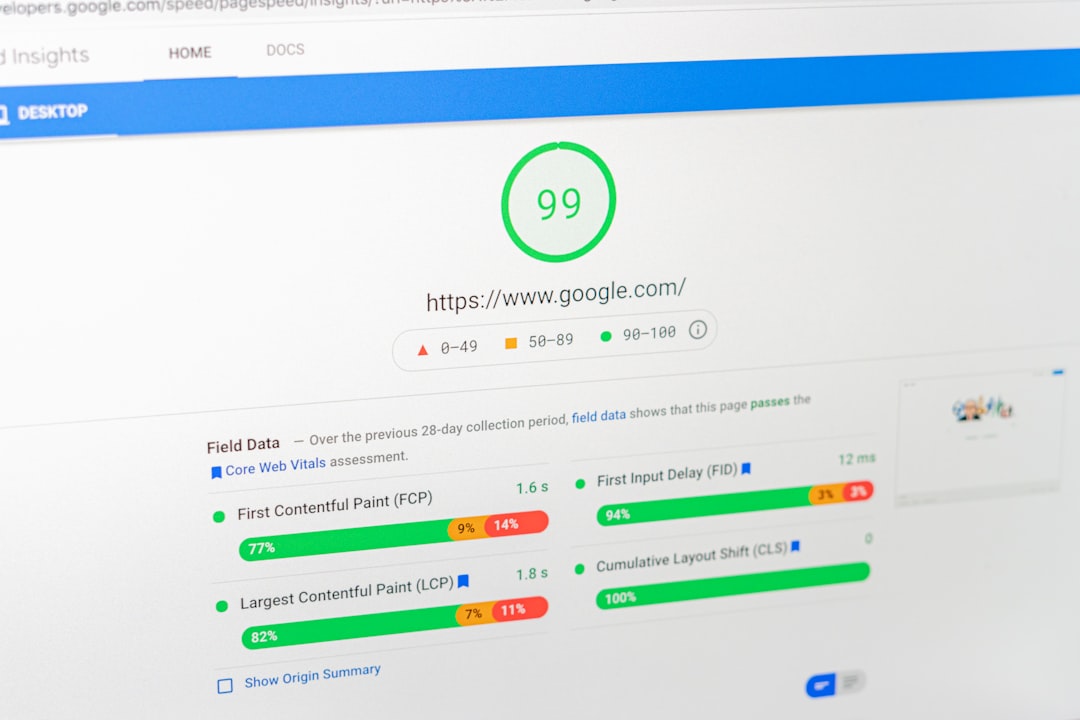
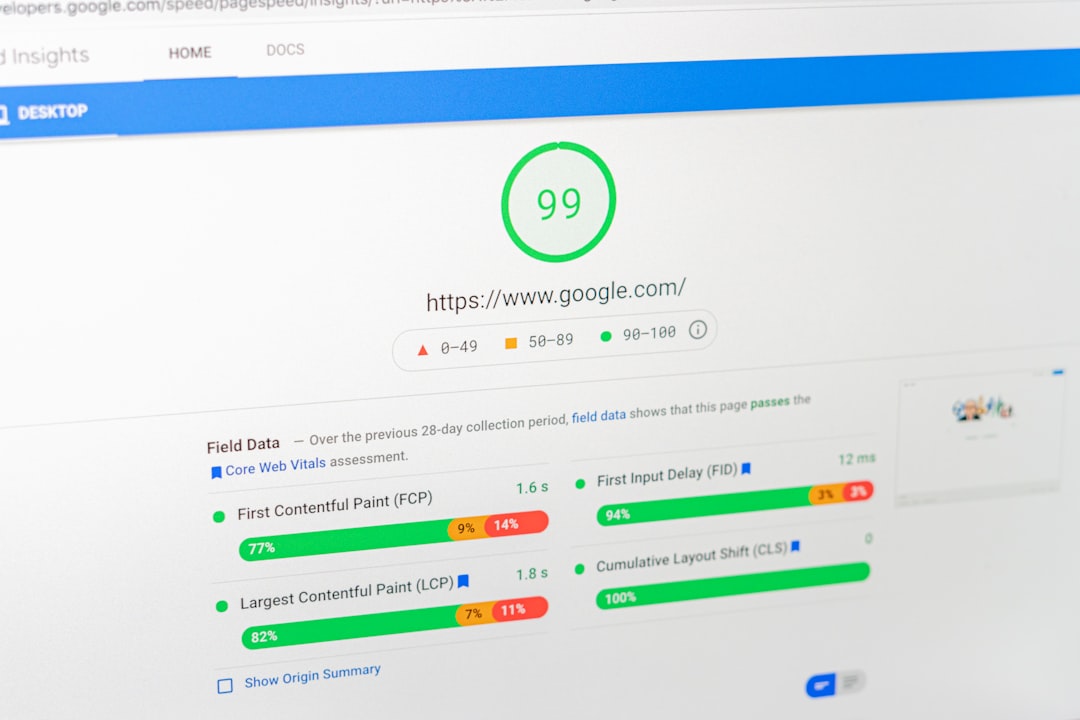
Stop chasing plugin scores as if they are rankings. Stop publishing slight variations of the same page. Stop assuming more content automatically means more traffic. And stop treating every SEO task as equally urgent.
You do not need a perfect score. You need a site that loads cleanly, is easy to use, and sends consistent signals about which pages matter most. Most site owners do not have one catastrophic problem. They have a stack of smaller issues that compound over time.
When to get expert help
If you have already done the basic SEO work and rankings are still flat, the next step is usually diagnosis, not more guesswork. A second opinion can show whether the real bottleneck is technical SEO, weak page targeting, internal linking, or a cluttered plugin setup.
WordPress SEO Expert can help you sort out what to fix first. Book a free SEO consultation. No pitch, no pressure. Just an honest look at what your site actually needs and whether your current setup is part of the solution or part of the problem.
Contact WordPress SEO Expert today to schedule a consultation if you want a practical SEO plan built around your small business site, your real constraints, and the pages that matter most.