
Flat rankings usually point to a scattered setup, not one missing trick. A WordPress SEO audit works best when you review the site in order: indexing first, duplicate signals second, then on-page clarity, internal links, and performance. That sequence shows what is actually blocking visibility instead of sending you deeper into plugin settings.
Most site owners do not have one catastrophic problem. They have a stack of smaller issues that compound over time. A green light in an SEO plugin does not mean the page deserves to rank. The goal of an audit is to find which issues matter first, which ones can wait, and which settings are creating confusion instead of helping.
Start With Indexing and Crawl Access
The first question is simple: can search engines reach, crawl, and index the pages you actually care about. If the answer is no, the rest of the audit can wait because better copy and cleaner headings will not fix a page that is blocked, excluded, or buried.
Check whether important pages are indexable, linked from crawlable navigation or body content, and included in your XML sitemap. Review noindex settings, robots rules, and whether archive pages are competing with the pages that should be doing the ranking. If you need a broader setup baseline before auditing deeper, review our WordPress SEO setup for beginners guide.
What to review first
Look at your homepage, primary service pages, top category pages, and your strongest blog posts first. These are usually the pages with the highest business value. If those pages are noindexed, canonically misdirected, or weakly linked, the audit should stay focused there before moving to lower-value content.
Check for Plugin Conflicts and Duplicate Signals
One well-configured SEO plugin is enough. If your site is running overlapping SEO, schema, sitemap, or redirect plugins, your audit should flag that immediately because conflicting metadata creates sitewide noise that is hard to diagnose later.
Look for duplicate title outputs, multiple canonicals, competing sitemap generators, and schema coming from several tools at once. This is especially common on sites that have been redesigned or handed between teams. If your current setup feels cluttered, our guide on fixing WordPress SEO setup problems will help you simplify what stays and what should be removed.
Audit Titles, Headings, and Search Intent

Once technical access is stable, review whether each important page clearly targets one topic and one intent. Many WordPress pages underperform because their titles are vague, their headings are generic, or multiple pages are trying to rank for the same thing.
Audit your title tags for clarity, not for maximum keyword count. Weak titles usually sound broad, repetitive, or templated. Stronger titles tell both users and search engines what the page is actually about. Your H1 should support the page topic clearly, and your H2s should organize the content into useful sections instead of acting like decoration.
| Weak title | Stronger title |
|---|---|
| SEO Services | SEO Company | SEO Expert | WordPress SEO Services for Small Businesses |
| Blog | WordPress SEO Tips for Service Businesses |
| Home | WordPress SEO Consultant for Growing Sites |
If several pages target the same phrase with only minor wording changes, consolidate them. One strong page usually performs better than several thin pages competing with each other.
Review Internal Links Before Publishing More Content

Internal linking is one of the clearest audit wins because it affects discovery, hierarchy, and topical relevance. If important pages only receive links from the menu, or if blog posts never point toward service pages, your site structure is probably weaker than it looks.
Check whether your core pages are linked from related articles, whether older posts connect to newer ones, and whether any valuable pages are effectively orphaned. A useful next step is to compare your structure against a broader framework like a practical WordPress SEO guide for DIY site owners, which shows how technical setup, page targeting, and internal links work together.
If you are experiencing these symptoms, our team at WordPress SEO Expert can help.
Look for Archive, Attachment, and URL Clutter
WordPress often creates extra URLs that look harmless but dilute your signals over time. Tag archives, author archives, attachment pages, and filter-style URLs can all turn into clutter if they are thin, repetitive, or left unmanaged.
Your audit should identify which archives help users and which ones only expand the crawl footprint without adding value. Single-author blogs often do not need author archives indexed. Thin tag pages usually do not help. Attachment pages rarely deserve indexation on business sites. The goal is not to remove every archive. The goal is to keep only the ones that strengthen structure and usefulness.
Audit Performance With Priorities, Not Scores
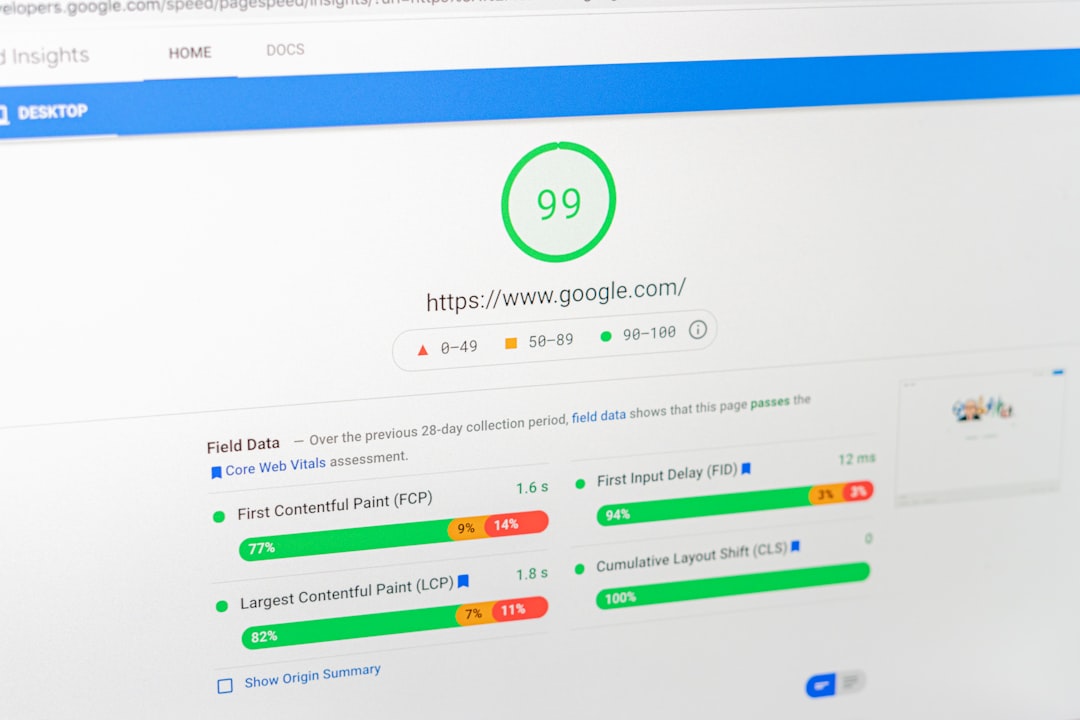
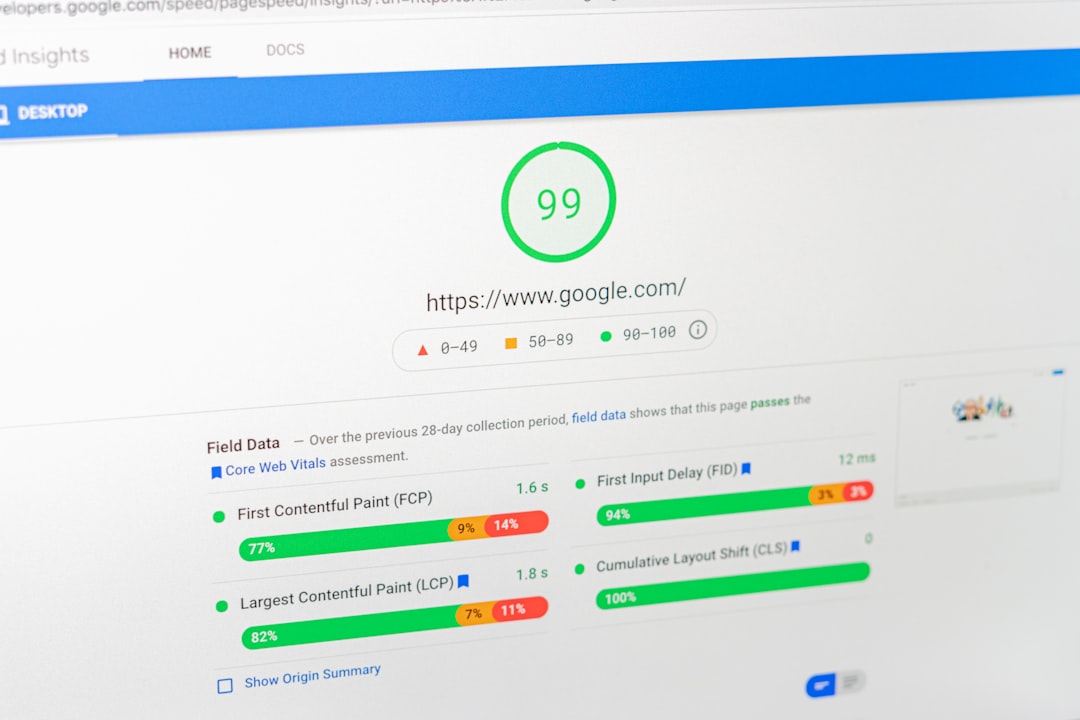
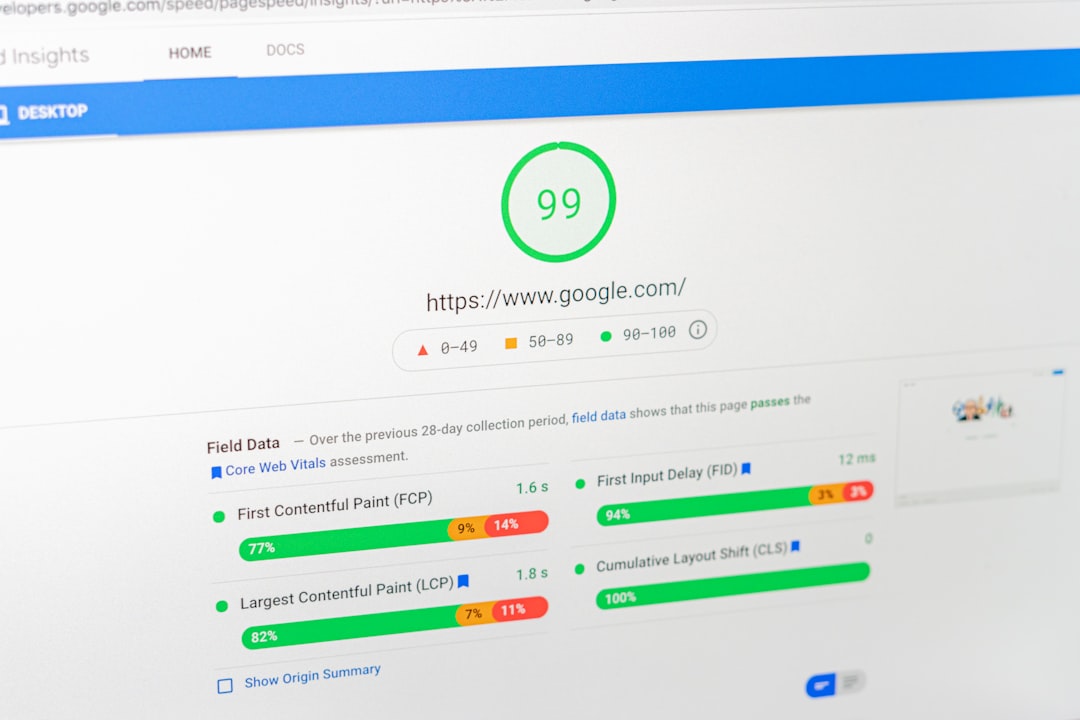
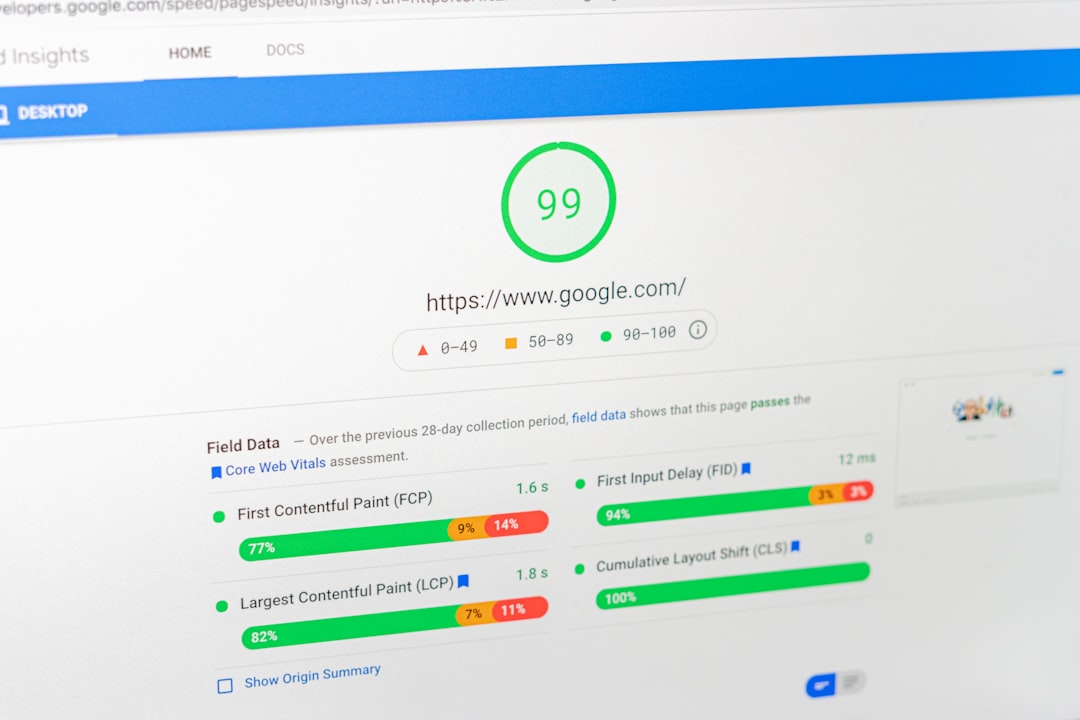
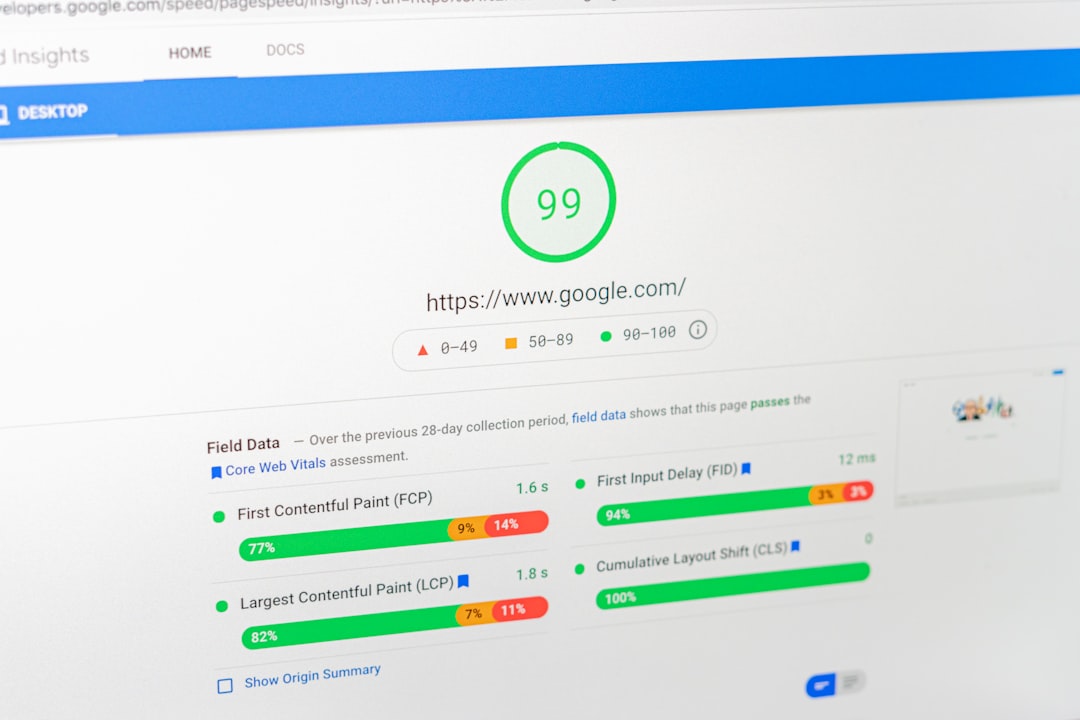
Performance matters when slow templates frustrate users or make key pages harder to use. During an audit, look for broad problems like oversized images, too many plugins, or heavy page builder output before you chase tiny score improvements.
Review your homepage, a key service page, and a blog post separately because they often behave differently. If the site is bloated, fix the obvious causes first: image weight, unnecessary plugins, caching gaps, and template-heavy layouts. You do not need a perfect score. The goal is a site that loads cleanly, is easy to use, and sends consistent signals about which pages matter most.
A Simple Audit Order That Keeps You Focused
The best audit framework is one you can actually follow without jumping between random checklists. Fix the issues that block visibility before the issues that polish visibility. That keeps you from spending hours on copy edits while indexing or duplication problems are still holding the site back.
| Priority | What to audit | Why it comes first |
|---|---|---|
| 1 | Indexing and crawl access | Pages cannot rank if search engines cannot reach them correctly |
| 2 | Plugin conflicts and duplicate metadata | Conflicting signals create sitewide confusion |
| 3 | Canonicals, redirects, and URL duplication | Prevents signal dilution across duplicate versions |
| 4 | Titles, H1s, and page targeting | Improves topical clarity and intent match |
| 5 | Internal linking | Strengthens discovery and page relationships |
| 6 | Performance on key templates | Improves usability after bigger blockers are fixed |
What a Good Audit Should Tell You
A useful audit should leave you with a ranked list of problems, not a giant spreadsheet of equal-weight observations. You should know which issue is suppressing visibility now, which pages deserve attention first, and which settings are just noise.
If your rankings are flat and you are not sure whether the real problem is indexing, duplication, weak targeting, or plugin clutter, WordPress SEO Expert can help. Book a free SEO consultation. No pitch, no pressure. Just an honest look at what your site actually needs and whether your current setup is part of the solution or part of the problem.
Contact WordPress SEO Expert today to schedule a consultation.