
Getting started with WordPress SEO is usually less about learning hundreds of tactics and more about fixing the right things in the right order. Most beginners do not need a bigger plugin stack. They need a simple setup, clear page targeting, and a site structure that helps search engines understand which pages matter most.
A green light in an SEO plugin does not mean the page deserves to rank. Search visibility comes from a clean foundation: crawlable pages, descriptive titles, useful content, and internal links that connect related topics. If you want a broader starting point before working through this beginner roadmap, read our practical WordPress SEO guide for DIY site owners.
What beginners should focus on first
The fastest way to improve WordPress SEO is to focus on visibility blockers before polish. That means checking whether your important pages can be crawled and indexed, choosing one SEO plugin, writing stronger titles, and linking your pages together in a way that makes sense.
Beginners often start at the wrong end. They tweak schema settings, chase plugin scores, or install overlapping tools before they know whether Google can reach the right pages. Google recommends descriptive and concise title text, unique page descriptions where possible, and crawlable HTML links with relevant anchor text. Those basics still matter more than most plugin features.
| Priority | What to fix | Why it matters |
|---|---|---|
| 1 | Indexing and crawl access | Pages cannot rank if search engines cannot reach them |
| 2 | One SEO plugin setup | Prevents duplicate metadata and sitemap conflicts |
| 3 | Page titles and headings | Improves relevance and clarity |
| 4 | Internal links | Helps search engines discover and understand pages |
| 5 | Content quality | Gives the page a real reason to rank |
Step 1: Make sure search engines can see your site
Before you write a title tag or install a plugin, confirm that your site is visible to search engines. If indexing is blocked, every other SEO improvement will underperform no matter how polished the page looks in WordPress.
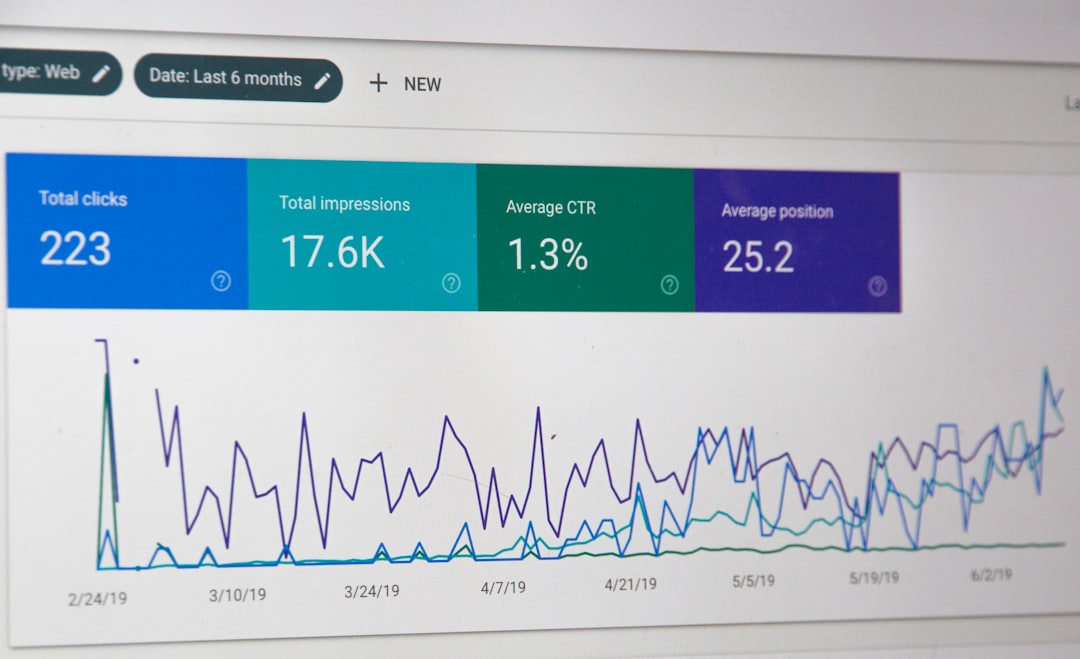
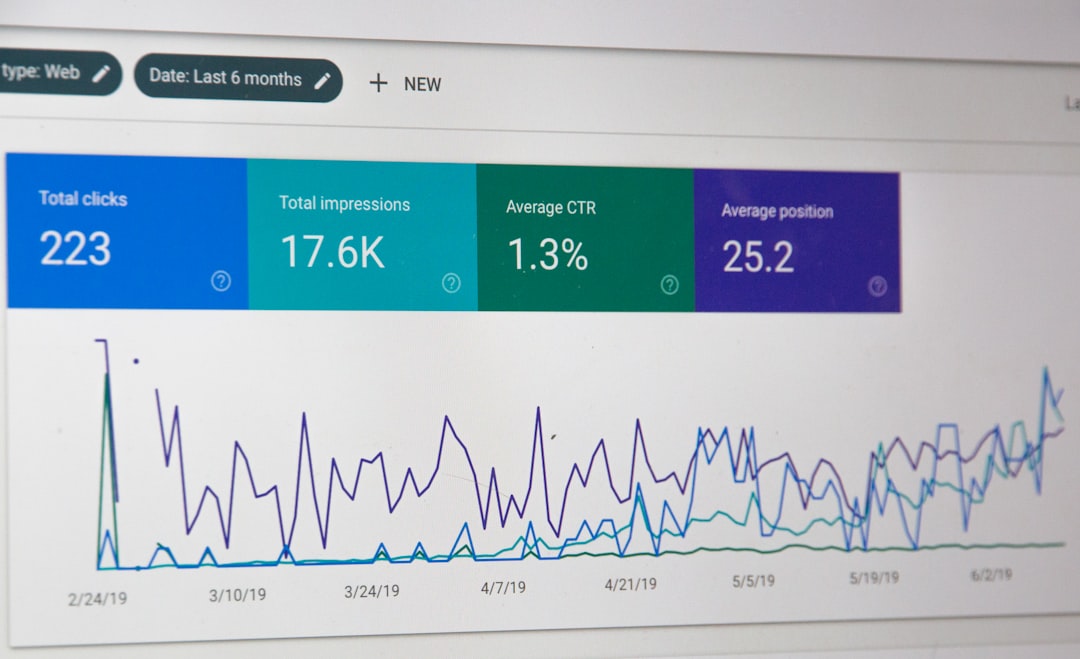
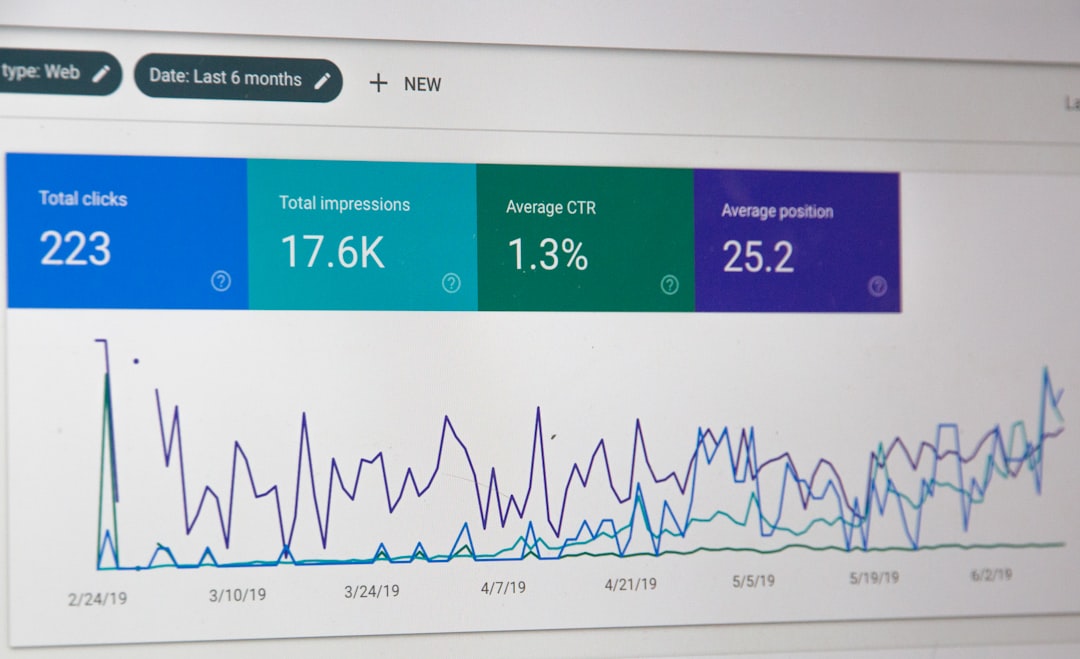
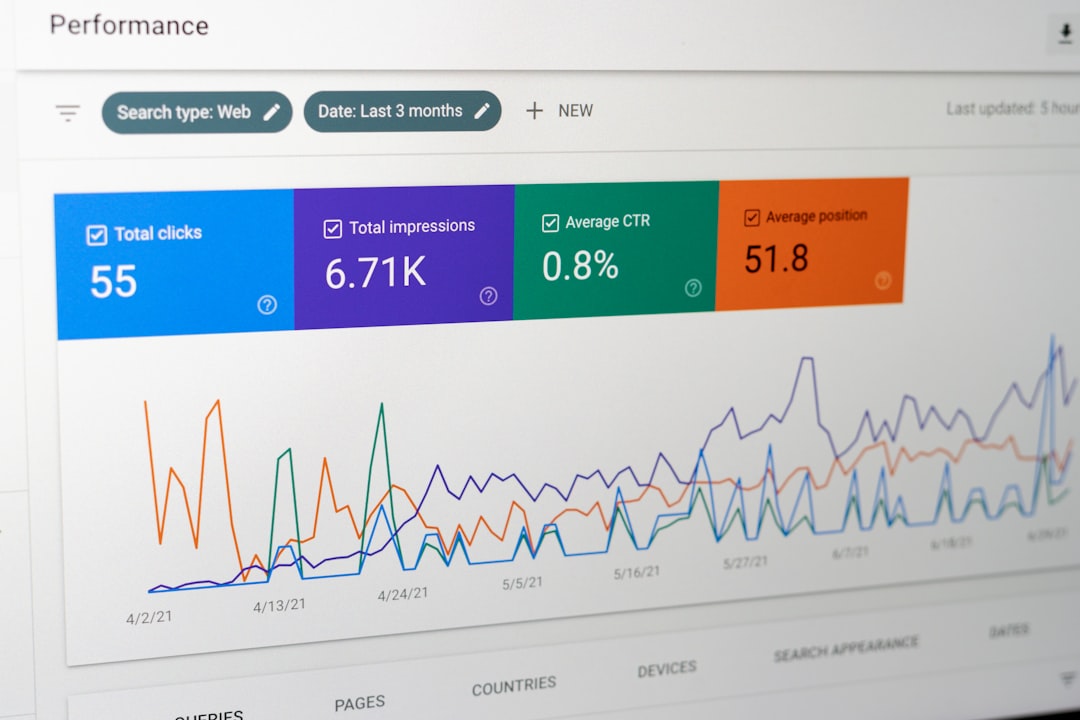
In WordPress, start by checking Settings, then Reading, and make sure the option that discourages search engines from indexing the site is not enabled on a live website. After that, connect Google Search Console so you can see whether pages are being indexed or excluded. If you are already seeing strange behavior, conflicting settings, or pages that will not appear in search, our guide on how to fix WordPress SEO setup problems can help you diagnose the underlying issue.
What to check
Look for a valid XML sitemap, crawlable internal links, and a robots setup that is not blocking important content. Google’s documentation explains that links are easiest to crawl when they use standard HTML anchor elements with an href attribute, which is one reason clean menus and contextual links matter so much on WordPress pages.
Step 2: Use one SEO plugin and keep the setup simple
One well-configured SEO plugin is enough for most beginner WordPress sites. Running multiple SEO plugins often creates duplicate metadata, conflicting canonicals, and competing sitemap outputs that make troubleshooting harder than it needs to be.
Choose one primary plugin, configure the basics, and ignore the urge to add more tools just because they offer extra scoring systems. Beginners usually do better with a simple setup they understand than an advanced setup they cannot maintain. Your plugin should help you edit title tags, meta descriptions, XML sitemaps, and indexation settings. It should not become the center of your SEO strategy.
Step 3: Write better page titles and headings

Strong titles help search engines and users understand what a page is about within seconds. Google advises site owners to write title text that is descriptive, concise, and distinct for each page, while avoiding keyword stuffing and repetitive boilerplate.
That means a title like Home or Services is usually too vague, and a title stuffed with repeated variations is usually too messy. Beginners should aim for one clear topic per page and write titles that match what the visitor will actually find after clicking.
| Weak title | Stronger title |
|---|---|
| Home | WordPress SEO Services for Small Businesses |
| SEO Services | SEO Company | SEO Expert | WordPress SEO Help for Small Business Websites |
| Blog | WordPress SEO Tips for Beginners |
Your on-page heading structure matters too. Most pages should have one main H1, then H2s for major sections, and H3s where you need subtopics. Keep headings useful and readable instead of treating them like a place to repeat the same keyword in slightly different forms.
Step 4: Write meta descriptions that support clicks
Meta descriptions are not a shortcut to rankings, but they can improve how your page is summarized in search. Google says it may use the meta description tag when it provides a more accurate description of the page, so beginners should treat this field as a short pitch for the specific page.
Keep each description specific and natural. Avoid copying the same sentence across dozens of pages. If a page is important enough to rank, it is important enough to deserve its own summary.
Step 5: Build internal links as you publish

Internal linking is one of the easiest beginner wins because it helps search engines find pages, understand relationships, and see which content matters most on your site. It also gives users a clearer path from introductory content to deeper or more commercial pages.
Each new post should link to a few older, relevant posts, and your older posts should be updated to link back when appropriate. Use descriptive anchor text instead of vague prompts. For example, link a phrase like WordPress SEO setup problems to a page about that issue rather than using generic wording. This is also how you begin turning isolated articles into a useful content cluster.
If your rankings are flat and you are not sure whether the real problem is indexing, duplication, weak targeting, or plugin clutter, WordPress SEO Expert can help. A focused review often reveals that the issue is not effort. It is sequencing.
Step 6: Create content around real search intent
Beginner content works best when each page targets one clear search intent. Instead of publishing several thin posts around tiny keyword variations, create fewer pages with clearer purpose and stronger coverage.
A service page should answer a commercial or transactional need. A blog post should usually answer an informational question, then link naturally to the related service or core page. One strong page that matches intent will usually outperform several weaker pages that overlap and compete with each other.
Step 7: Keep technical SEO practical
Beginners do not need to master every technical SEO concept at once. The practical goal is to avoid the common WordPress problems that quietly suppress visibility: duplicate archives, conflicting plugins, broken links, poor internal structure, and slow pages bloated by unnecessary themes or builders.
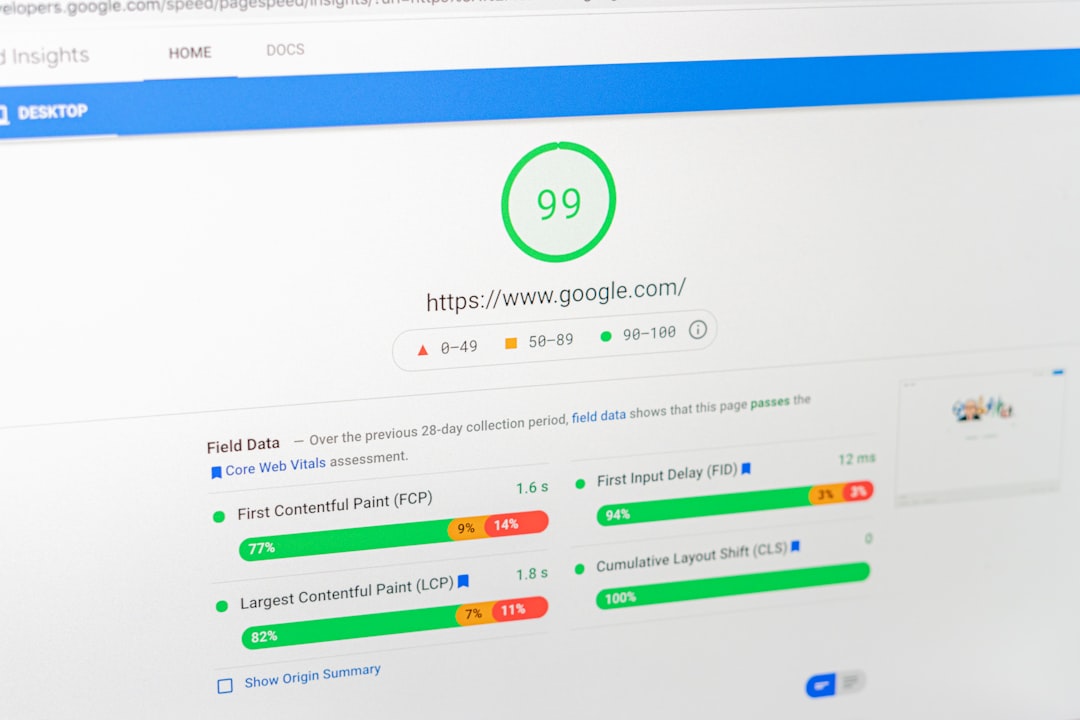
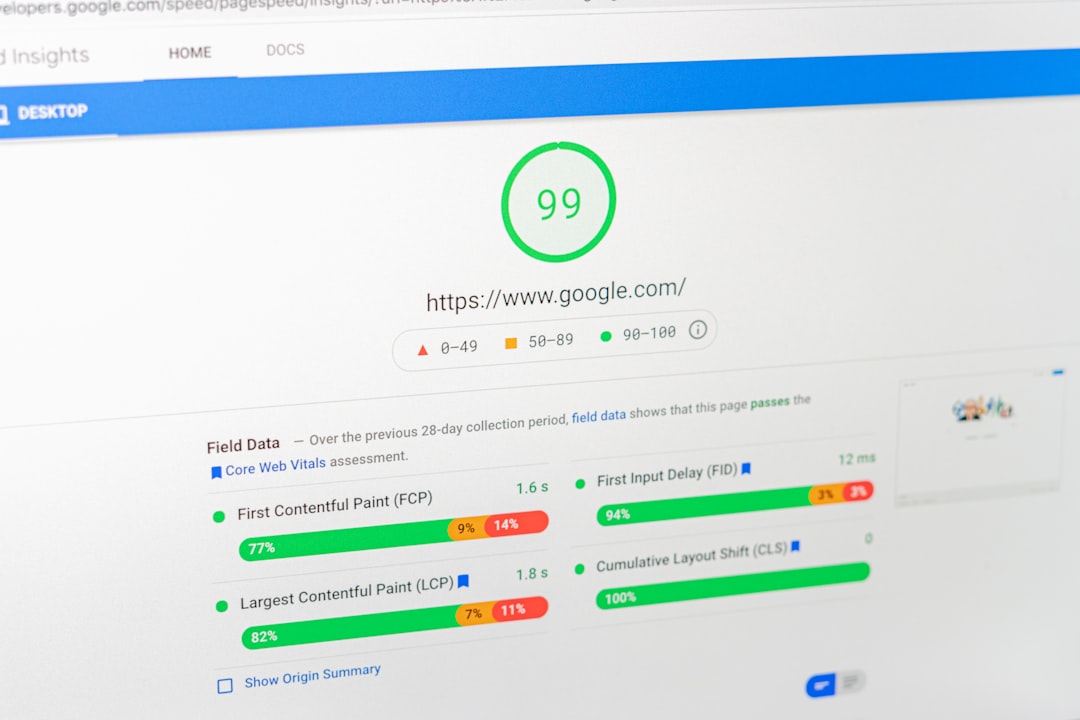
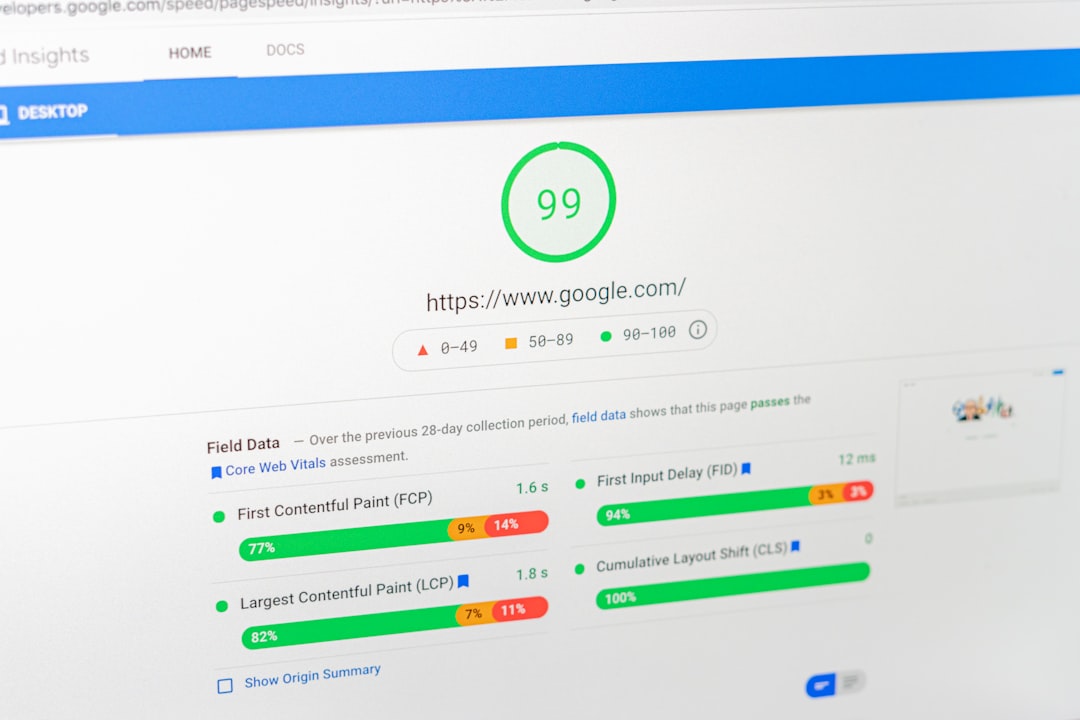
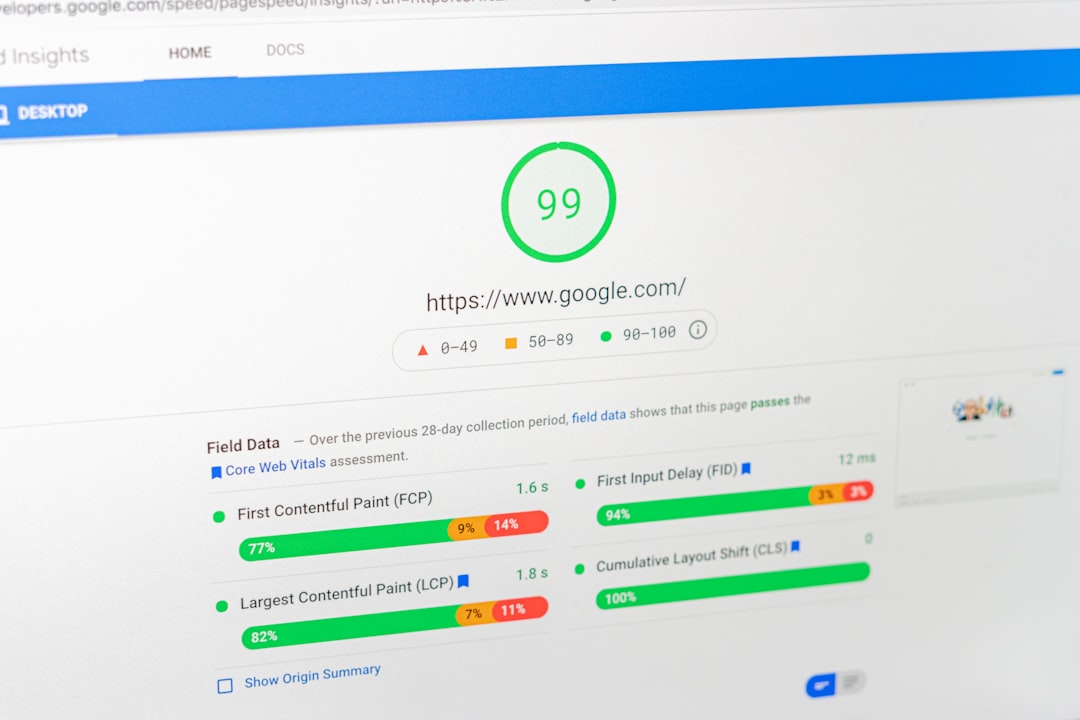
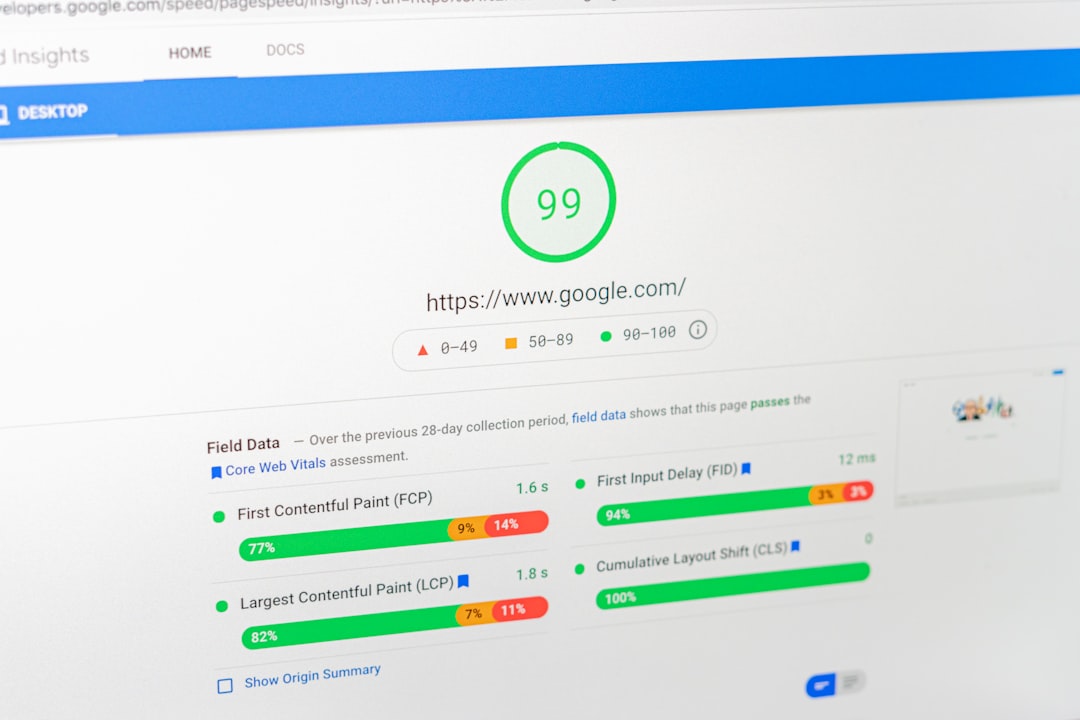
Focus on a clean sitemap, a simple plugin setup, crawlable links, compressed images, and a site that loads cleanly on important templates. You do not need a perfect score. The goal is a site that is easy to use and sends consistent signals about which pages deserve attention.
Common beginner mistakes to avoid
Most beginner SEO mistakes are not catastrophic on their own, but they compound over time. Avoiding a few recurring problems will save you far more time than chasing advanced tactics too early.
The most common mistakes are installing too many SEO tools, publishing thin content just to stay active, leaving core pages with vague titles, and ignoring Google Search Console once the initial setup is finished. A scattered plan usually causes more damage than one missing feature.
When to get help
If you have already done the basic work and your rankings still are not moving, the next step is usually diagnosis, not more plugin tweaking. A good SEO review should tell you what is blocking visibility, what can wait, and whether your current setup is part of the problem.
Book a free SEO consultation with WordPress SEO Expert. No pitch, no pressure. Just an honest look at what your site actually needs and whether your current setup is helping or holding it back.
Contact WordPress SEO Expert today to schedule a consultation if you want a practical plan for improving WordPress SEO without adding more clutter to your site.