
WordPress SEO gets easier when you stop treating it like a plugin checklist and start treating it like a system. If your traffic is flat, the problem is usually not effort. It is that indexing, page targeting, internal links, and technical setup are working against each other instead of reinforcing each other.
This tutorial walks from the beginner basics to the advanced fixes that matter most. The goal is not a perfect plugin score. The goal is a site that is easy to crawl, easy to understand, and clear about which pages deserve attention.
Start with the foundation, not the plugin score
Beginner WordPress SEO starts with visibility, crawl access, and page focus. Advanced WordPress SEO builds on that with cleaner architecture, stronger internal linking, and better control over duplicate URLs. A green light in an SEO plugin does not mean the page deserves to rank.
Google recommends clear, concise title text, unique page descriptions when helpful, crawlable links, and structured data that matches visible page content. That is why the right order matters more than chasing every feature inside your plugin settings. If you need a broader baseline first, read our practical WordPress SEO guide for DIY site owners before you start changing templates and archives.
Beginner stage: what to set up first

The fastest beginner wins come from making sure search engines can crawl the right pages and ignore the wrong ones. Before you rewrite content, confirm that your site is indexable, your key pages are linked internally, and your SEO plugin is not competing with another plugin.
1. Use one SEO plugin
One well-configured SEO plugin is enough. Running overlapping plugins often creates duplicate metadata, conflicting canonicals, and competing sitemap outputs. Choose one primary plugin, configure it properly, and remove the rest.
2. Check search visibility and indexing
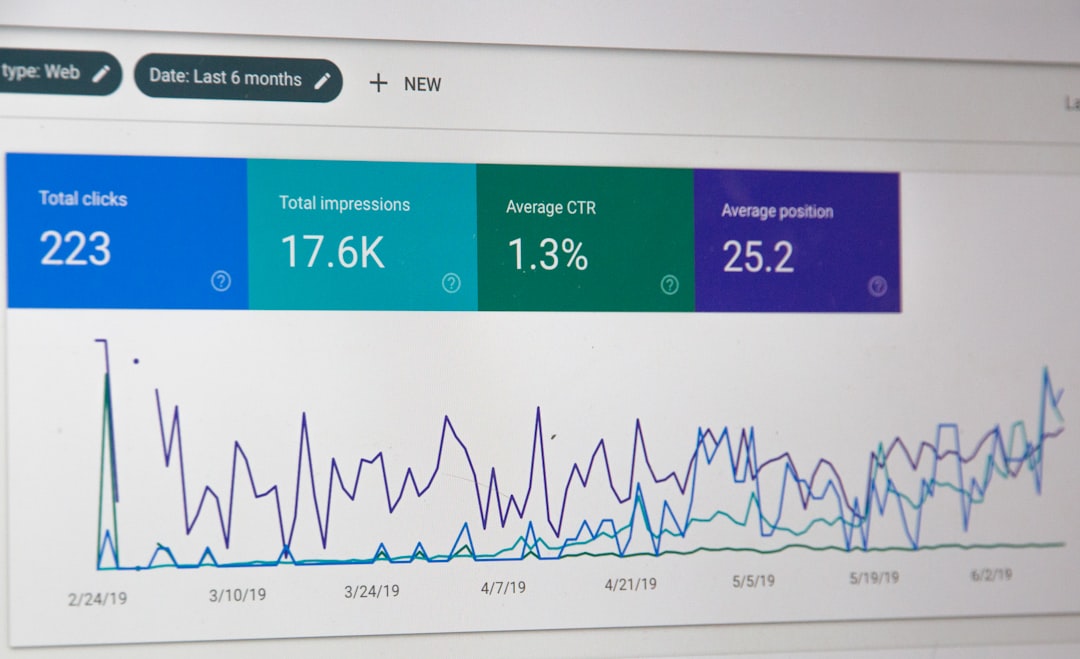
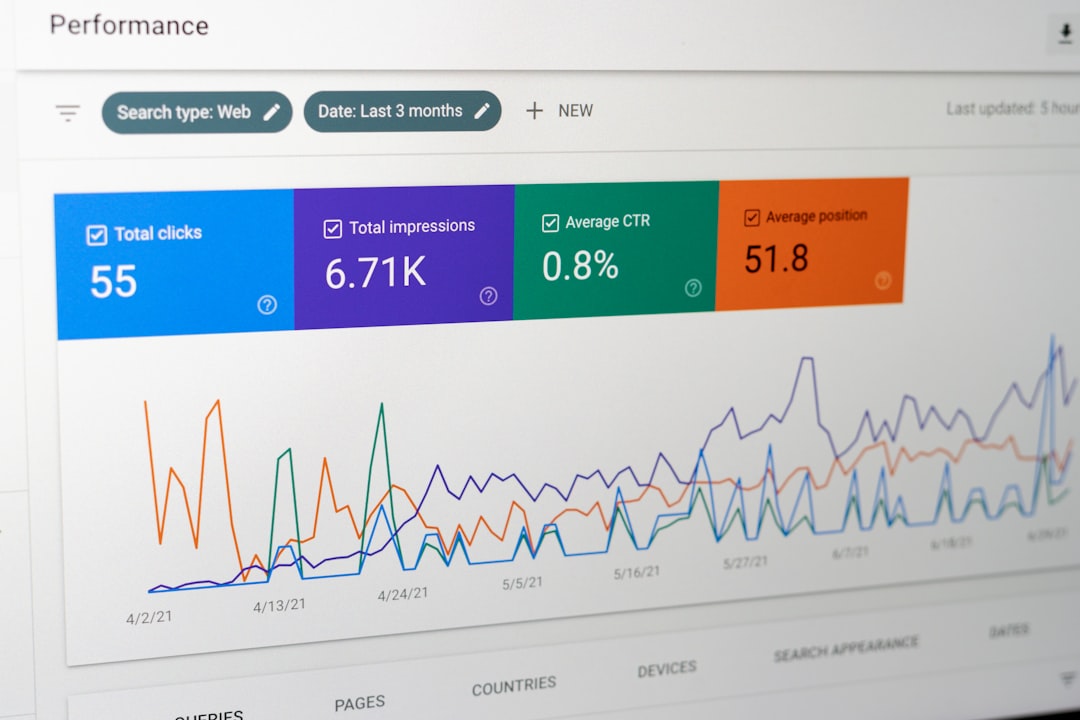
Make sure your site is not accidentally discouraging search engines from indexing it. Then review Google Search Console to see which pages are indexed, excluded, or throwing crawl issues. If Google cannot reach the page or is being told not to index it, nothing else you do will matter much.
3. Fix your title tags first
Title tags are one of the strongest on-page signals you control. Google specifically recommends descriptive, concise titles and warns against keyword stuffing and repetitive boilerplate. That means every important page should have a distinct title that matches the actual search intent behind the page.
| Weak title | Stronger title |
|---|---|
| SEO Services | SEO Company | SEO Expert | WordPress SEO Services for Small Businesses |
| Blog | WordPress SEO Tips for Local Business Websites |
| Home | WordPress SEO Consultant for Small Business Sites |
4. Write useful meta descriptions
Meta descriptions do not act like ranking shortcuts, but they can improve how your page is summarized in search. Google says it may use the meta description when it better describes the page, so focus on clear, page-specific summaries instead of copying the same line across the site.
5. Build basic internal links
Internal links help search engines discover pages and understand which ones matter most. Google recommends crawlable HTML links with descriptive anchor text, so link related posts and pages with natural phrases instead of vague anchors. If your setup feels messy already, our guide on how to fix WordPress SEO setup problems will help you clean up the basics first.
Intermediate stage: turn a basic setup into a working system





Once the basics are in place, the next gains usually come from clearer page targeting and fewer duplicate signals. This is where many sites stall. They publish more content without deciding what each page should rank for or how related pages should support one another.
Map one primary intent to each page
Every page should have one main job. A service page should target a transactional or commercial query. A blog post should target an informational query. When two pages chase the same topic from the same angle, they often compete instead of helping each other.
Clean up thin archives and low-value URLs
WordPress can create extra URLs for tags, authors, dates, media attachments, and search results. Some are useful. Many are not. If those archives are thin or duplicate stronger pages, noindex them and keep search engines focused on pages that actually deserve visibility.
Strengthen your heading structure
Use one H1 for the page topic, then organize sections under H2s and H3s. This helps readers scan the page and helps search engines understand the hierarchy of ideas. Do not use headings just to make text look bigger. Use them to show structure.
Improve internal linking with a content map
Random posts create weak SEO signals. Related posts connected through thoughtful internal links create stronger topical signals. Build small clusters around your main services or topics, and make sure supporting articles link back to the main page they are meant to reinforce.
If you are experiencing these problems, our team at WordPress SEO Expert can help. A good audit usually shows whether the real issue is weak page targeting, duplicate URLs, poor internal linking, or a plugin setup that is creating conflicts behind the scenes.
Advanced stage: fix the issues that quietly cap rankings
Advanced WordPress SEO is less about tricks and more about reducing friction. By this stage, the biggest gains often come from resolving canonical confusion, improving site speed on key templates, and tightening how your site handles archives, faceted navigation, and structured data.
Canonical tags and duplicate handling
When multiple URLs show the same or similar content, search engines can receive mixed signals about which version should rank. Canonical tags help consolidate those signals, but they only work well when your internal links, sitemaps, and redirects also point consistently to the preferred version.
Template-level speed improvements
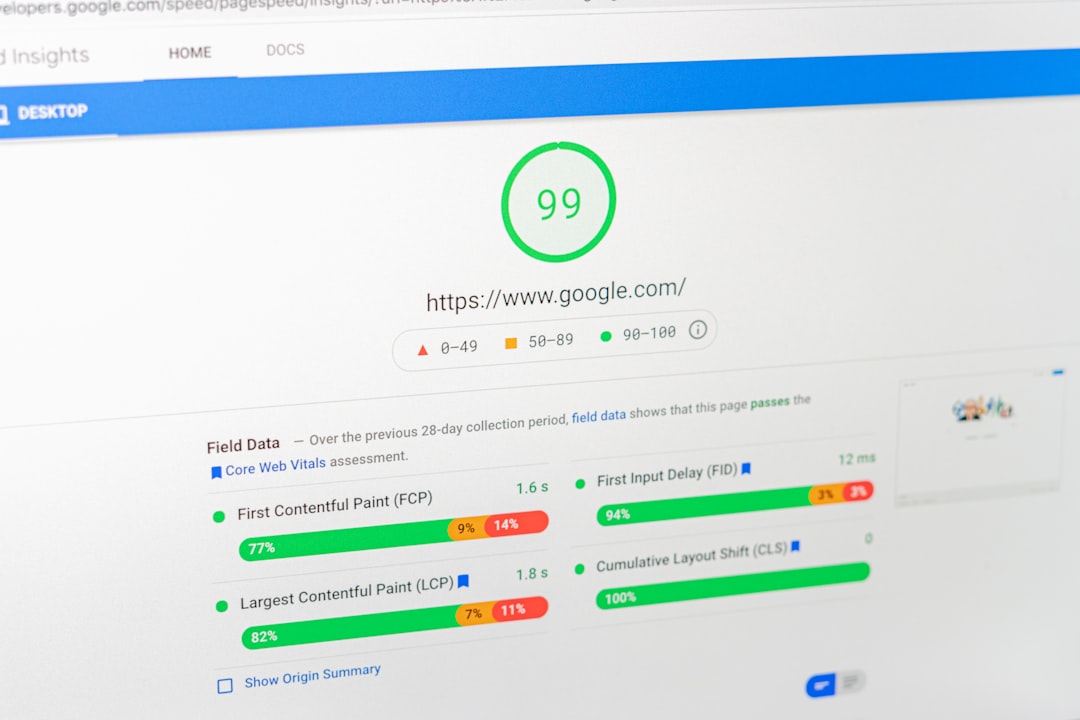
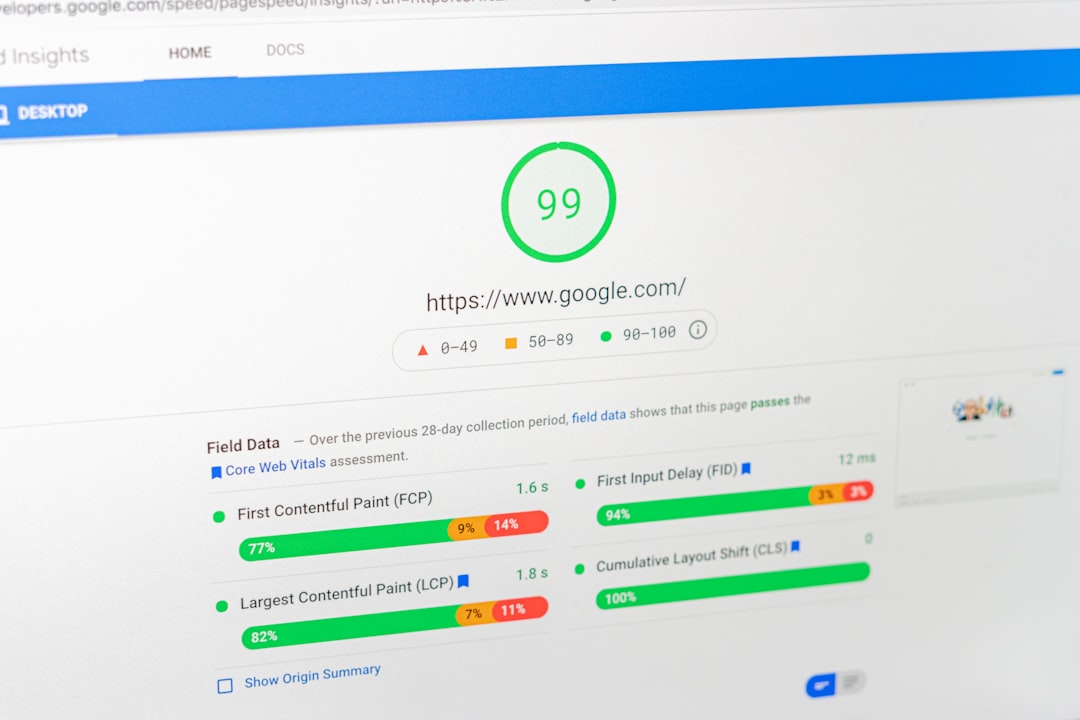
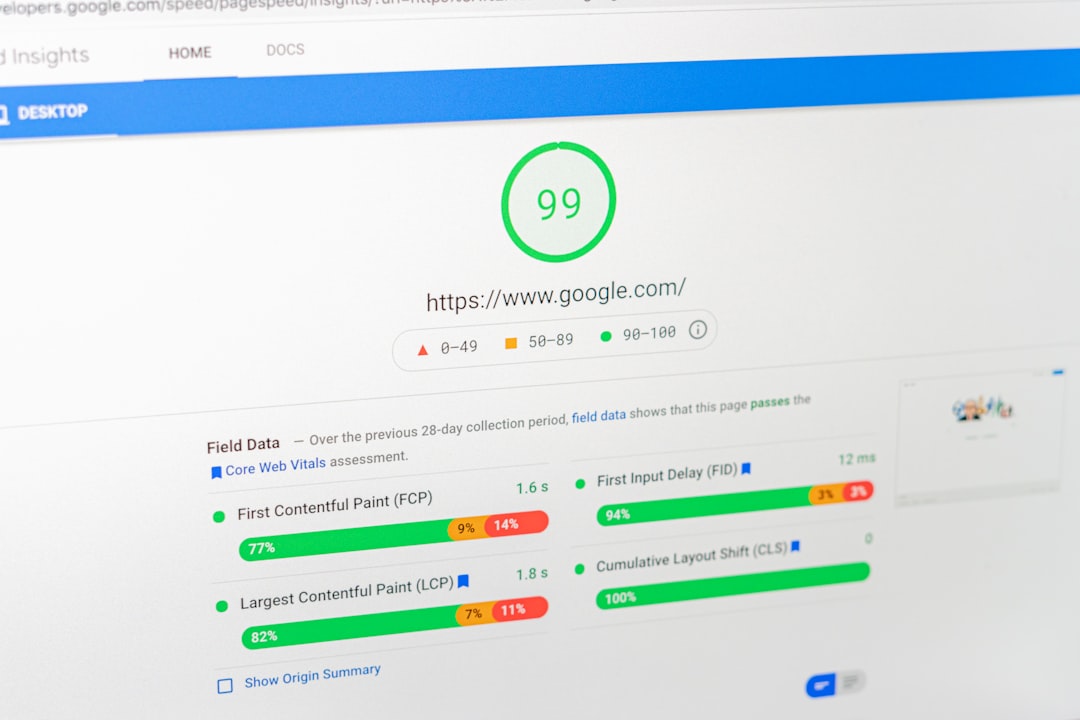
Do not judge site speed from one page alone. Test your homepage, a core service page, and a typical blog post separately because they often perform differently. In practice, the biggest WordPress speed wins usually come from image compression, page caching, fewer heavy plugins, and cleaner theme or builder output.
Schema that matches the visible page
Structured data should clarify what users can already see, not invent meaning that is not there. Google’s guidance is clear that structured data should match visible content. For most sites, simple, accurate schema is stronger than enabling every schema type your plugin offers.
WooCommerce and filtered URL control
WooCommerce sites often create crawl clutter through layered navigation, filtered URLs, product variations, and category overlap. The fix is usually not more content. It is deciding which category, product, and filter pages deserve indexation and making sure the rest do not dilute crawl attention.
A practical order of operations
Most site owners do not have one catastrophic problem. They have a stack of smaller issues that compound over time. This order helps you fix the issues that block visibility before the issues that polish visibility.
| Priority | What to fix | Why it matters first |
|---|---|---|
| 1 | Indexing and crawl access | Pages cannot rank if search engines cannot reach or index them properly. |
| 2 | SEO plugin conflicts | Conflicting metadata and sitemaps can distort signals across the site. |
| 3 | Titles and page targeting | Clear relevance matters before deeper refinements do. |
| 4 | Duplicate URLs and canonicals | Consolidates signals and reduces confusion between versions. |
| 5 | Internal linking | Strengthens discovery, hierarchy, and topical relationships. |
| 6 | Speed and template cleanup | Improves usability and reduces friction on key pages. |
| 7 | Schema refinement | Adds clarity after the foundation is already stable. |
What beginners should stop doing
Most WordPress SEO frustration comes from doing too many disconnected things at once. Stop adding plugins to solve every symptom. Stop publishing thin posts for tiny keyword variations. Stop treating readability scores and green indicators like proof that a page is competitive.
You do not need a perfect score. You need a site that loads cleanly, uses clear titles, avoids duplicate clutter, and links users toward the pages that matter most. That is what creates momentum over time.
When to get professional help
If you have done the basics and rankings are still flat, the issue is usually prioritization, not effort. A second set of eyes can tell you whether the real bottleneck is indexing, duplication, weak targeting, internal linking, or technical clutter from your current setup.
WordPress SEO Expert can help you sort out what to fix first without turning your site into a plugin experiment. Book a free SEO consultation. No pitch, no pressure. Just an honest look at what your site actually needs and whether your current setup is part of the solution or part of the problem.
Contact WordPress SEO Expert today to schedule a consultation if you want a practical roadmap from beginner fixes to advanced cleanup without wasting months on scattered advice.