
WordPress SEO works best when you simplify the setup and fix the highest-impact issues first. If your pages are published but rankings are flat, the problem is usually not effort. It is usually a mix of weak targeting, thin internal links, indexation mistakes, and plugin clutter that sends mixed signals to Google.
A green light in an SEO plugin does not mean the page deserves to rank. Google recommends descriptive titles, unique descriptions, crawlable links, and structured data that matches visible page content. That is why the strongest WordPress SEO tutorial is not a plugin tour. It is a practical order of operations you can actually follow.
If you need a broader baseline before changing settings, review our practical guide for DIY WordPress site owners. If your current setup already feels messy, our guide on how to fix WordPress SEO setup problems will help you spot common conflicts faster.
Start With What Google Needs First
Google needs to crawl your pages, understand what each page is about, and see clear signals about which pages matter most. Before you rewrite copy or add more plugins, make sure your most important pages are indexable, internally linked, and supported by clear titles and headings.
This is the part many site owners skip. They spend time adjusting plugin scores while important pages are buried, duplicated, or not clearly targeted. Fix the issues that block visibility before the issues that polish visibility.
Use One SEO Plugin Only
One well-configured SEO plugin is enough for most WordPress sites. Running overlapping plugins often creates duplicate metadata, conflicting canonicals, and competing sitemap output, which makes troubleshooting much harder than it needs to be.
Choose one main SEO plugin, configure it properly, and remove the extras that duplicate the same job. Simplicity usually improves clarity faster than another feature does. If your rankings are flat and you are not sure whether the real problem is indexing, duplication, weak targeting, or plugin clutter, WordPress SEO Expert can help.
Write Better Titles for Google



Your title tag is one of the clearest on-page signals you control. Google recommends descriptive, concise title text and warns against keyword stuffing and repeated boilerplate. That means your title should describe the page clearly without trying to cram every variation into one line.
| Weak title | Stronger title |
|---|---|
| SEO Services | SEO Company | SEO Expert | WordPress SEO Services for Small Businesses |
| Blog | WordPress SEO Tutorial for Google Rankings |
| Home | WordPress SEO Consultant for Growing Sites |
Fix your homepage, core service pages, and pages that already get impressions before touching lower-value pages. Clear page titles help users decide to click and help Google understand what the page is trying to rank for.
Clean Up Meta Descriptions
Meta descriptions support clicks, not rankings directly. Google may use your meta description when it summarizes the page well, so the practical goal is to write unique descriptions that match the page and give the searcher a reason to care.
Do not reuse one template across dozens of important pages if it makes every page sound the same. Write a short summary for each key page that reflects the actual topic, benefit, or next step. You do not need clever copy. You need accurate, readable copy.
Keep Headings Simple and Logical
Each page should have one clear H1, then H2s for major sections and H3s where you need subtopics. A logical heading structure helps readers scan quickly and gives your content a clearer hierarchy.
Do not use headings just to make text bigger. If your theme already outputs the page title as the H1, let that do its job and build the rest of the page underneath it. The goal is clarity, not a perfect formatting score.
Strengthen Internal Links


Internal links are one of the most underused WordPress SEO levers. Google recommends crawlable HTML links with descriptive anchor text, and that matters because internal links help search engines discover pages, understand relationships, and identify which pages deserve more attention.
Link related posts to service pages, connect overlapping tutorials, and make sure important pages do not depend on the navigation menu alone. For example, if you are cleaning up a scattered setup, link naturally to your WordPress SEO setup problems guide from pages that mention duplicate metadata, archive bloat, or conflicting plugins.
If you already have educational content, connect it back to broader resources like our WordPress SEO practical guide so readers and search engines can follow the topic path more easily.
Check Indexing Before Publishing More
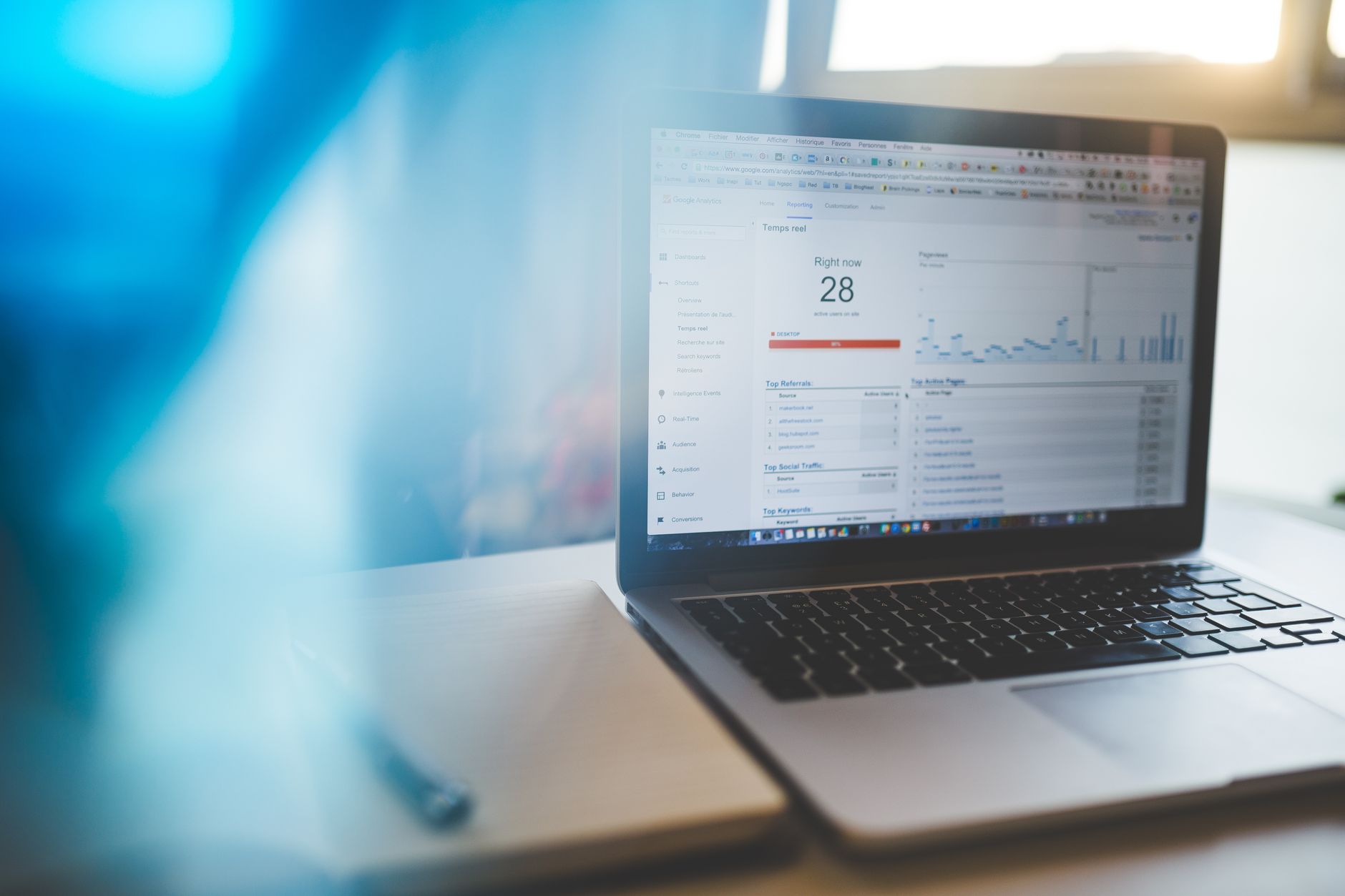
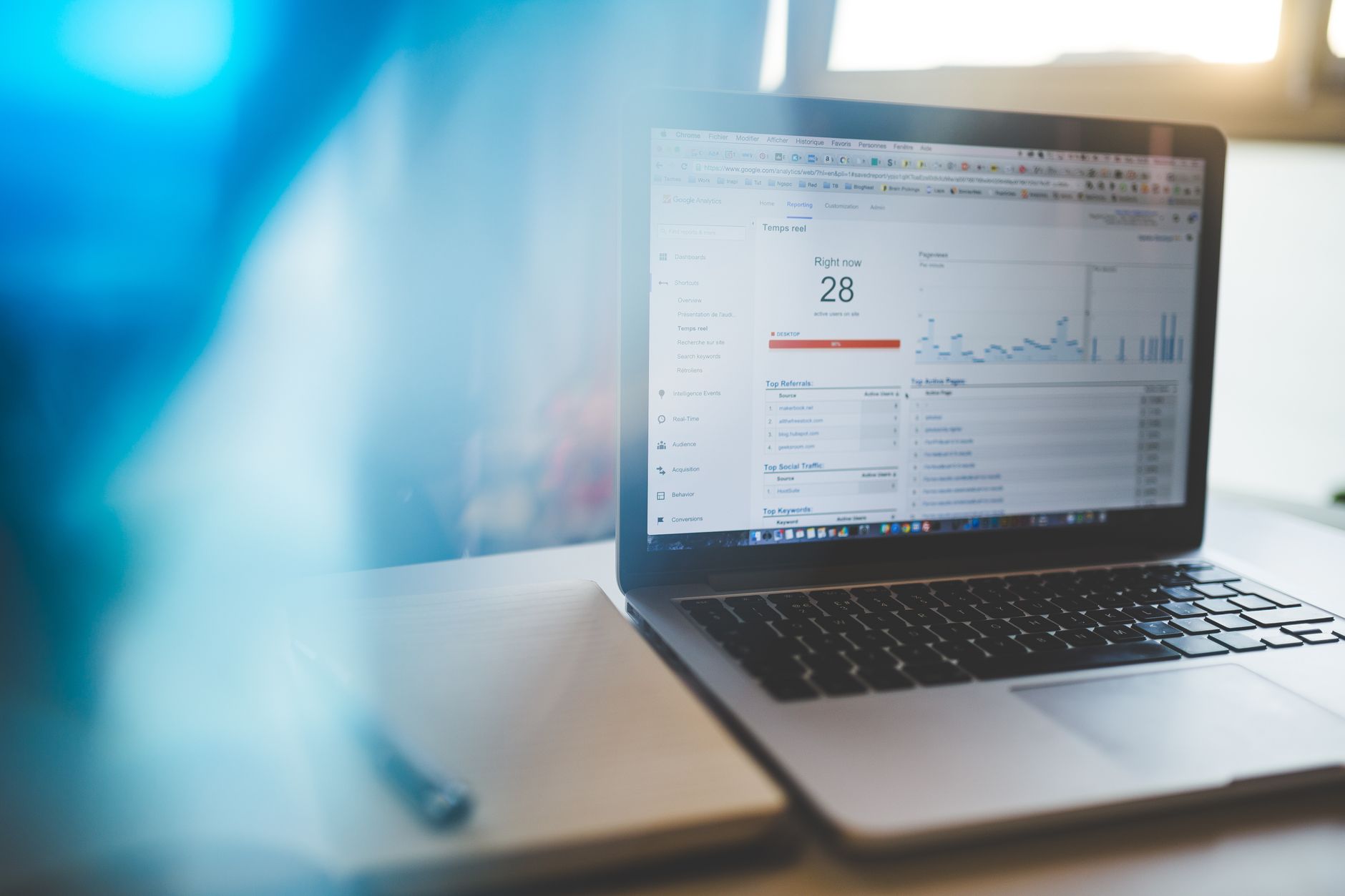
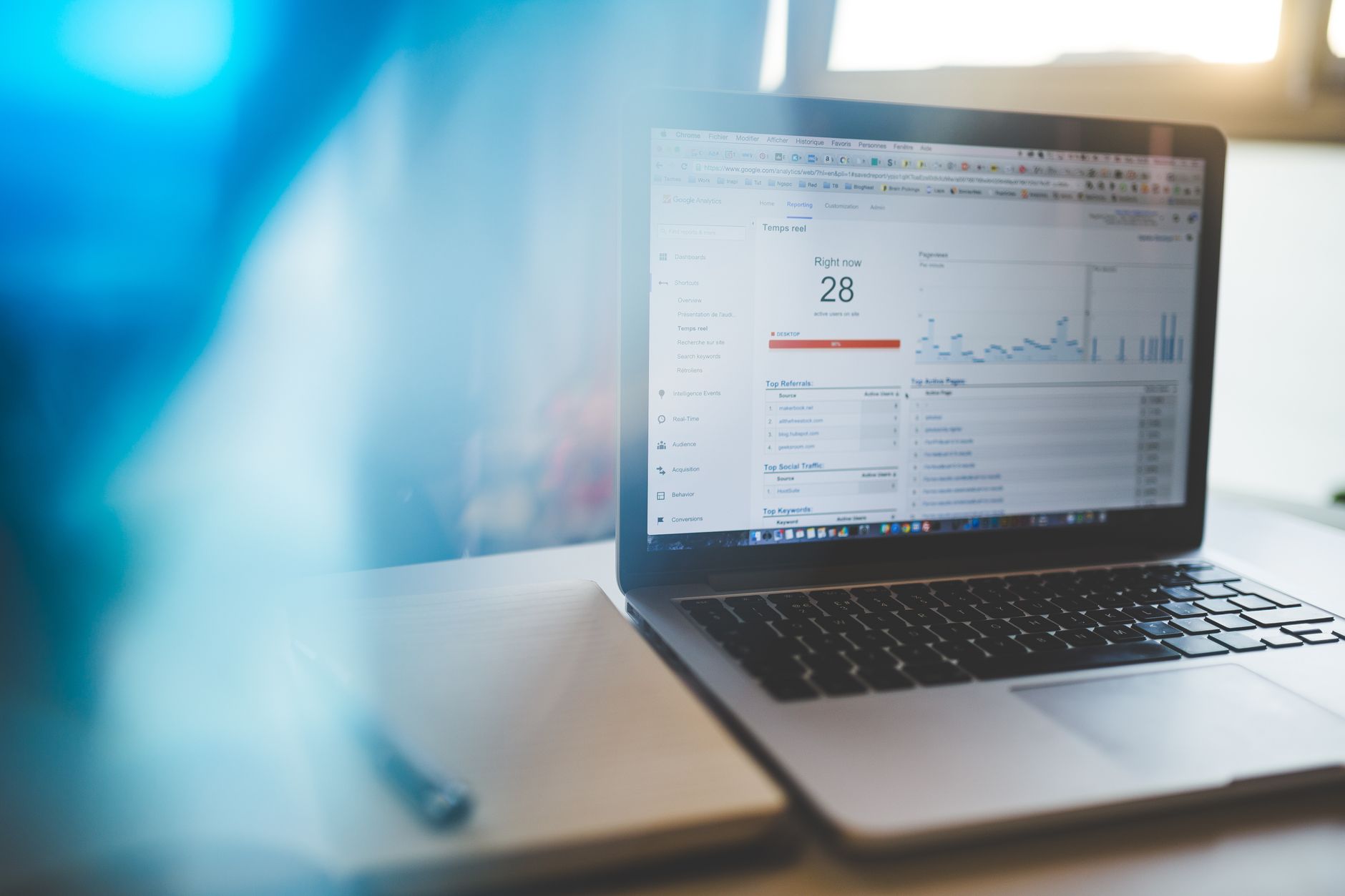
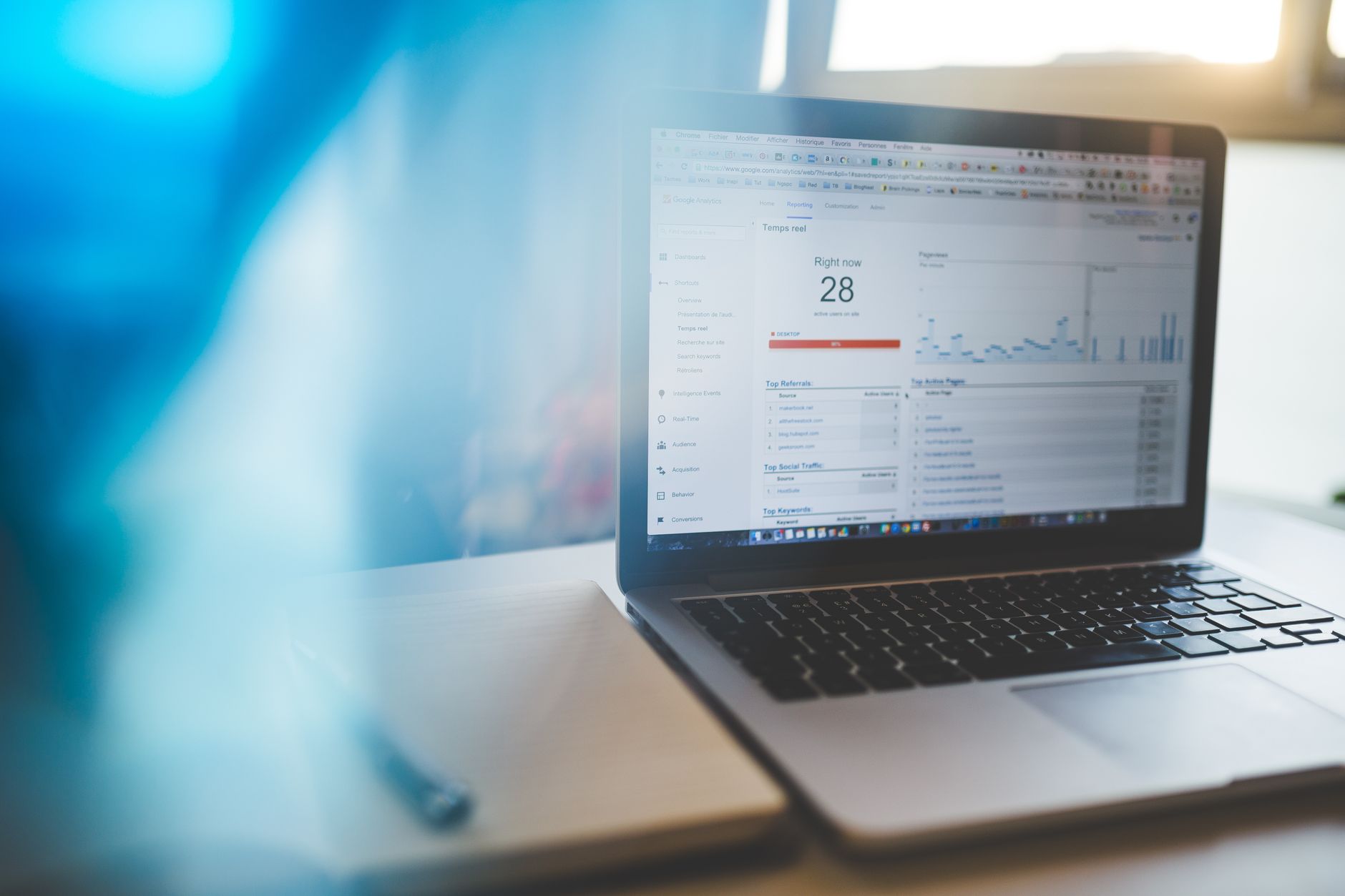
If Google cannot index the right pages, new content will not solve the underlying problem. Review your visibility settings, XML sitemap, archive settings, and any noindex rules before you assume content is the issue.
On WordPress, common problems include thin tag archives, unnecessary attachment pages, accidental noindex settings, and pages that exist in the sitemap but have little internal link support. Most site owners do not have one catastrophic problem. They have a stack of smaller issues that compound over time.
Use Schema Carefully
Schema helps clarify page meaning, but it is a support layer, not a shortcut. Google’s guidance is straightforward: structured data should match the main visible content of the page and should not be misleading.
That usually means keeping it simple. Use the schema your SEO plugin generates for your real page type, review it for obvious mismatches, and avoid enabling every option just because it exists. More markup is not automatically better markup.
A Better Order of Operations
The fastest WordPress SEO gains usually come from better sequencing, not more activity. Work from foundations upward so your effort compounds instead of scattering across low-impact tweaks.
| Priority | What to fix | Why it matters |
|---|---|---|
| 1 | Indexing and crawl access | Pages cannot rank if Google cannot reach or index them properly |
| 2 | SEO plugin conflicts | Conflicting outputs create mixed sitewide signals |
| 3 | Titles and headings | Improves topical clarity and click potential |
| 4 | Internal links | Supports discovery, hierarchy, and relevance |
| 5 | Schema and polish | Refines understanding after the basics are stable |
You do not need a perfect score. The goal is a site that loads cleanly, is easy to use, and sends consistent signals about which pages matter most.
When to Get Help
If you have already installed the plugins, published the pages, and followed generic checklists, but traffic is still flat, the missing piece is often diagnosis. You need to know whether the bottleneck is technical SEO, page targeting, internal links, or duplication before you do more work.
Book a free SEO consultation with WordPress SEO Expert. No pitch, no pressure. Just an honest look at what your site actually needs and whether your current setup is part of the solution or part of the problem.
Contact WordPress SEO Expert today to schedule a consultation if you want a practical plan for improving WordPress SEO for Google without adding more clutter.

















