Improving WordPress SEO usually comes down to better prioritization, not more effort. If your rankings are flat, the problem is often a mix of weak page targeting, messy plugin settings, thin internal linking, and indexation issues that quietly compound over time.
A green light in an SEO plugin does not mean the page deserves to rank. The real goal is a site that is easy to crawl, easy to understand, and clear about which pages matter most.
Start With the Problems That Block Visibility
The fastest way to improve WordPress SEO is to fix technical and structural issues before polishing copy. If Google cannot crawl the right pages, index them properly, or understand the topic focus of each page, later improvements will have less impact.
Start by reviewing whether your key pages are indexable, whether your XML sitemap is active, whether your page titles are distinct, and whether important pages are linked from other relevant pages on the site. If you need a broader baseline first, review this practical guide for DIY WordPress site owners and this walkthrough on fixing WordPress SEO setup problems.
Use One SEO Plugin and Configure It Well

One well-configured SEO plugin is enough for most sites. Running overlapping SEO plugins often creates duplicate metadata, conflicting canonicals, and competing sitemap outputs that make troubleshooting much harder.
Choose one primary SEO plugin, then use it to manage title templates, meta descriptions, archive settings, schema defaults, and sitemap behavior. Do not add extra SEO plugins just to chase more features. Simpler setups are usually easier to maintain and less likely to create conflicting signals.
Improve Titles Before You Rewrite Entire Pages
Title tags are one of the clearest on-page signals you control, so they deserve attention early. Google recommends descriptive, concise titles and warns against keyword stuffing and repetitive boilerplate, which is why generic or stuffed titles often underperform even when the page content is decent.
| Weak title | Stronger title |
|---|---|
| SEO Services | SEO Company | SEO Expert | WordPress SEO Services for Small Businesses |
| Blog | WordPress SEO Tips for Service Businesses |
| Home | WordPress SEO Consultant for Small Business Sites |
Focus on your homepage, main service pages, and posts that already earn impressions. Distinct titles help users and search engines understand why one page should rank for one topic instead of blending into a set of vague duplicates.
Write Better Meta Descriptions
Meta descriptions support clicks more than rankings, but they still matter. Google may use your meta description as the search snippet when it better summarizes the page, so each important page should have a short, specific description instead of a generic template repeated sitewide.
Keep descriptions clear, page-specific, and useful. Think of them as a short pitch for that exact page, not as a place to repeat the same keyword over and over.
Fix Heading Structure and On-Page Focus
Clean heading structure helps search engines and readers understand the page quickly. Most pages should have one clear H1, followed by H2s and H3s in a logical order that reflects the actual sections of the content.
Do not use heading tags just to make text bigger. Use them to organize the page. Each section should support the page’s main intent instead of wandering into loosely related subtopics that would be better handled on a separate page.
Strengthen Internal Links
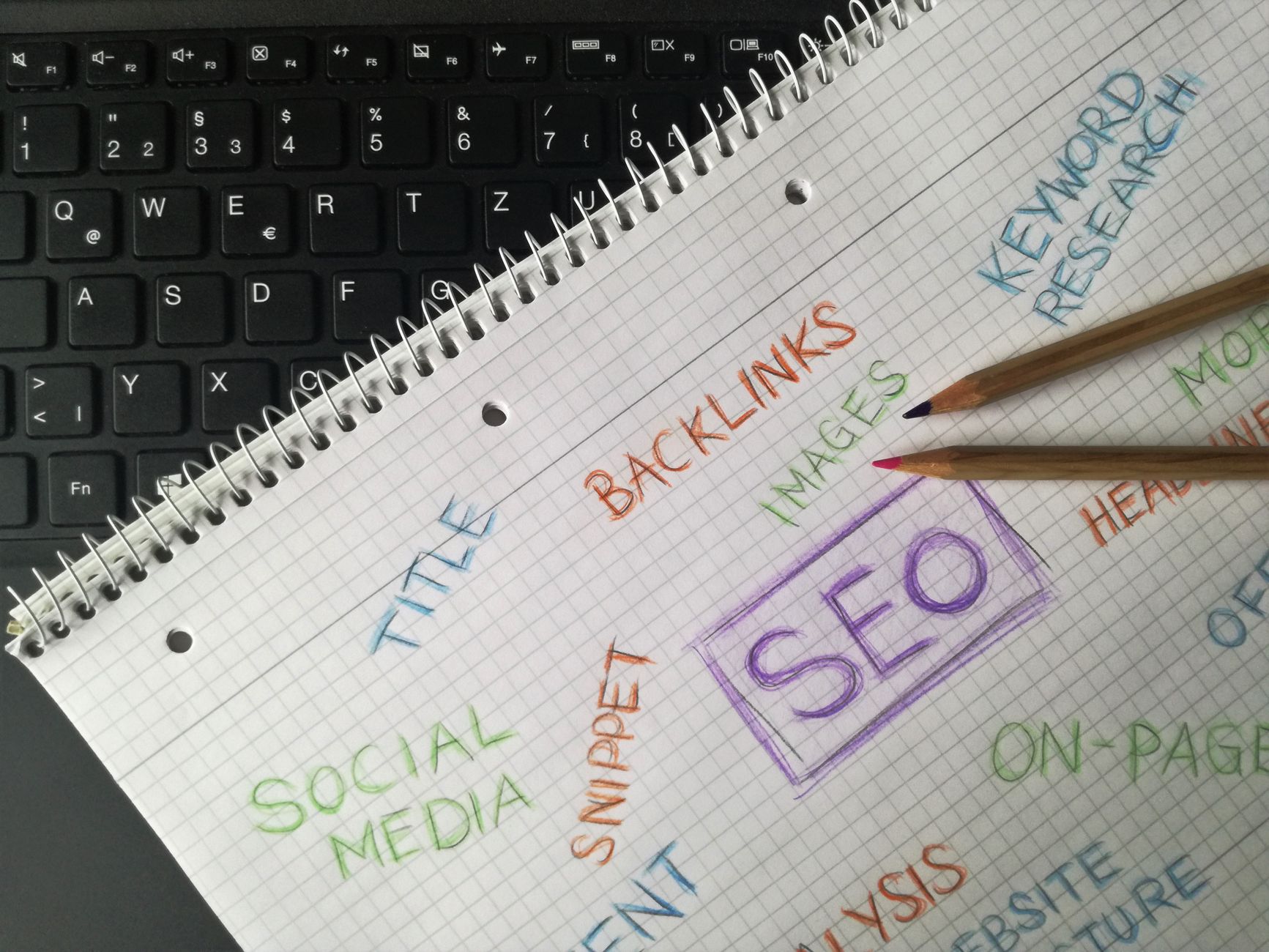
Internal links are one of the most underused ways to improve WordPress SEO. Google recommends crawlable HTML links with descriptive anchor text, and that matters because internal links help search engines discover pages, understand topical relationships, and see which pages are most important.
Link related blog posts to service pages, connect overlapping guides, and make sure important pages are not isolated. Descriptive anchors are more useful than vague phrases, and contextual links inside the body often help more than relying on navigation alone. If you are trying to clean up your structure, this SEO setup guide and this WordPress SEO guide are good next reads.
If your rankings are stuck and you are not sure whether the real issue is indexing, duplication, weak targeting, or plugin clutter, our team at WordPress SEO Expert can help.
Review Indexing, Archives, and Duplicate URLs
Many WordPress SEO problems come from pages that should not compete in search at all. Thin tag archives, author archives on single-author sites, attachment pages, and inconsistent URL versions can dilute signals and waste crawl attention.
Review your archive settings, noindex thin pages where appropriate, and make sure the preferred version of each important URL is the one you link to consistently. Most site owners do not have one catastrophic problem. They have a stack of smaller issues that compound over time.
Use Schema Carefully
Schema can help search engines understand a page more clearly, but it should only support visible, relevant content. Google’s structured data guidance warns against markup that is misleading or not representative of the page’s main content.
That means you should avoid enabling every schema type your plugin offers just because it is available. Clean, accurate markup is more useful than a bloated setup full of features the page does not genuinely support.
Publish Fewer, Better Pages
Publishing more content does not automatically improve SEO. Stronger results usually come from clearer topic targeting, better consolidation, and pages that match one main search intent instead of several competing ones.
If you have multiple thin posts targeting slight keyword variations, combine them into a stronger page where it makes sense. Fix the issues that block visibility before the issues that polish visibility.
A Practical Order to Follow
If you want a simpler tutorial to follow, work in sequence instead of jumping between random tasks. That approach reduces confusion and helps you see which fixes are actually tied to performance.
| Priority | What to improve | Why it matters |
|---|---|---|
| 1 | Indexing and crawl access | Pages cannot rank if search engines cannot reach them |
| 2 | SEO plugin cleanup | Prevents conflicting metadata and sitemap issues |
| 3 | Titles and page focus | Improves topical clarity and click potential |
| 4 | Internal linking | Supports discovery, hierarchy, and context |
| 5 | Archives and duplicate URLs | Reduces wasted signals and overlap |
| 6 | Schema and refinements | Polishes technical clarity after the foundation is stable |
When to Get Help
If you have already installed the tools, published content, and followed plugin checklists but rankings are still flat, the issue is usually prioritization, not effort. A second set of eyes can often tell you whether the real bottleneck is technical SEO, weak internal structure, duplicate pages, or misaligned page targeting.
Book a free SEO consultation with WordPress SEO Expert. No pitch, no pressure. Just an honest look at what your site actually needs and whether your current setup is part of the solution or part of the problem.
Contact WordPress SEO Expert today to schedule a consultation if you want a practical plan for improving WordPress SEO without adding more clutter to your site.