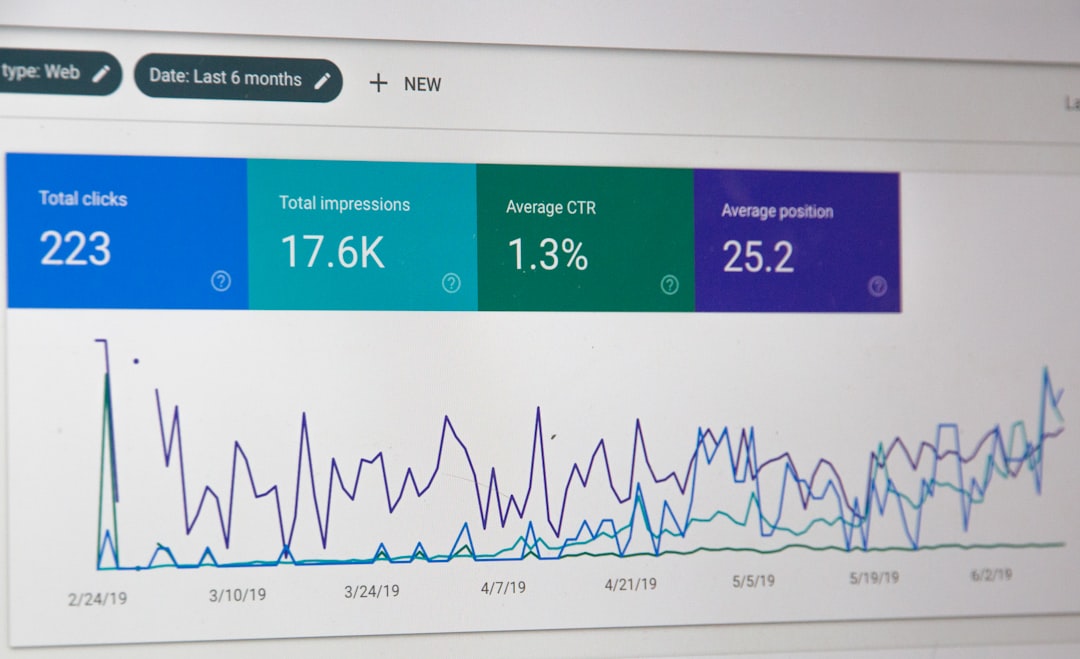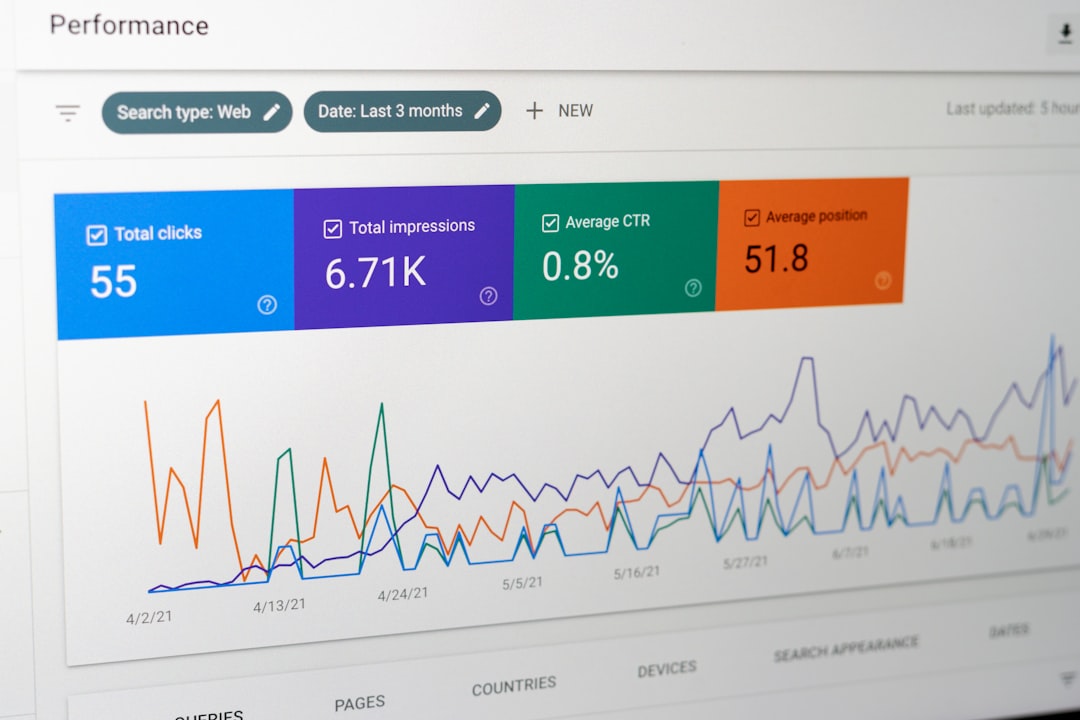

Flat rankings usually come from a scattered plan, not one missing plugin. A WordPress SEO tutorial is only useful if it shows you what to fix first, what to ignore for now, and how to stop turning small setup issues into sitewide confusion.
Most site owners do not have one catastrophic SEO problem. They have a stack of smaller issues that compound over time: weak page targeting, thin internal links, overlapping plugin output, and pages that are technically live but poorly supported. A green light in an SEO plugin does not mean the page deserves to rank.
This tutorial walks through WordPress SEO in the order that actually helps: indexing first, page targeting second, internal linking third, and technical cleanup after that. If you need a broader baseline before working through this checklist, review our practical guide for DIY site owners and our advice on how to fix WordPress SEO setup problems.
What should you fix first in WordPress SEO?
Start with the issues that block visibility before the issues that polish visibility. If search engines cannot crawl the right pages, index them correctly, or understand which URLs matter most, rewriting copy and tweaking plugin scores will not move much.
The right order is simple. First, confirm your important pages can be indexed. Second, make sure each page targets one clear topic or intent. Third, strengthen internal links so your site structure supports those priorities. Fourth, clean up duplicate signals, plugin overlap, and thin archives.
Step 1: Check indexing and crawl access
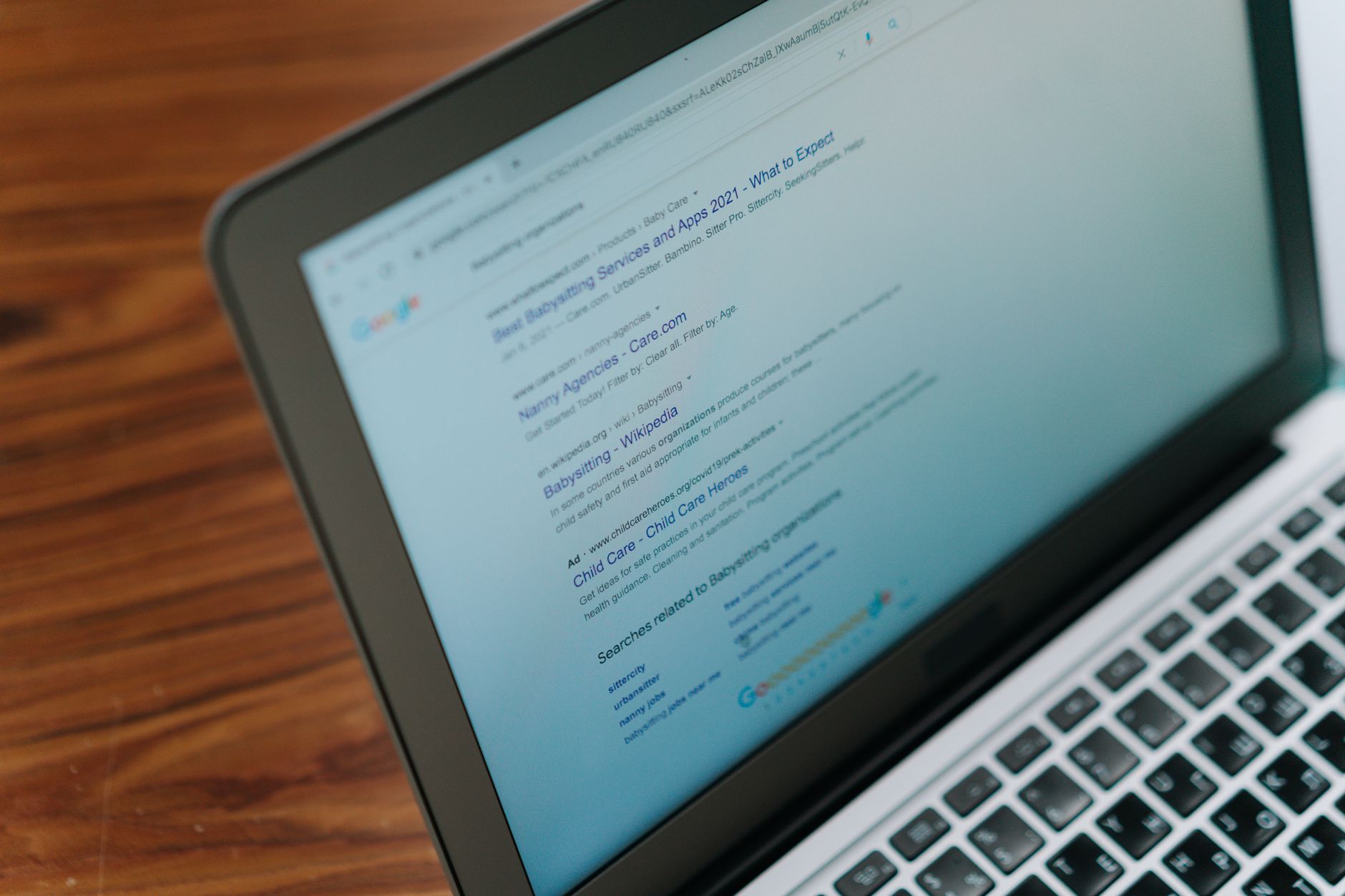
Before you edit titles or install anything new, make sure Google can actually reach and index your pages. This is the fastest way to rule out invisible technical problems that keep otherwise decent pages from performing.
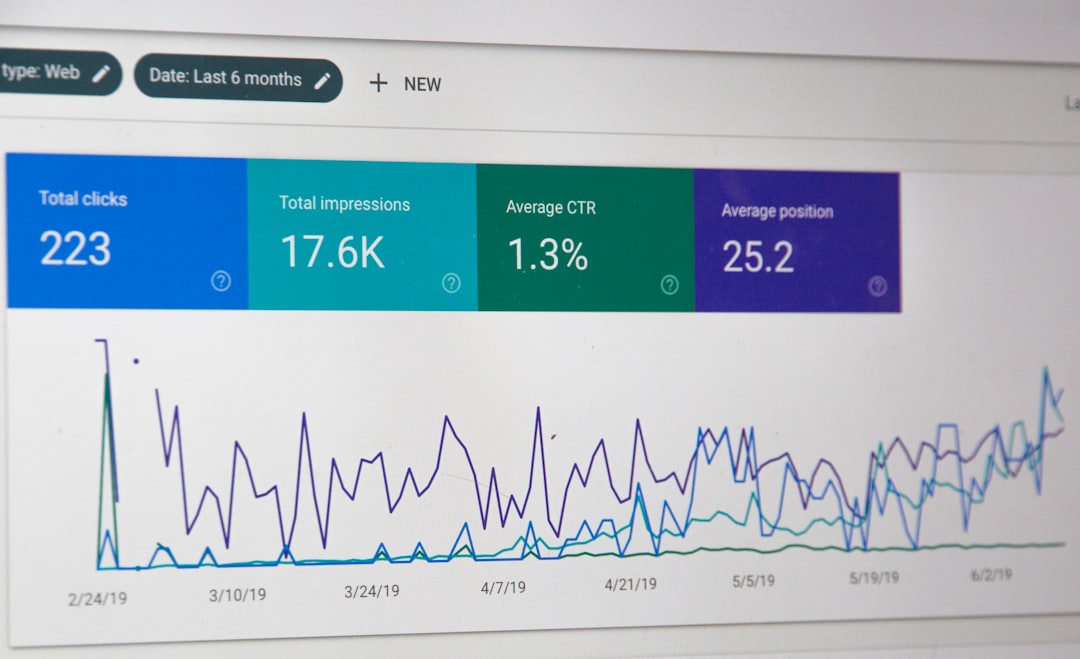
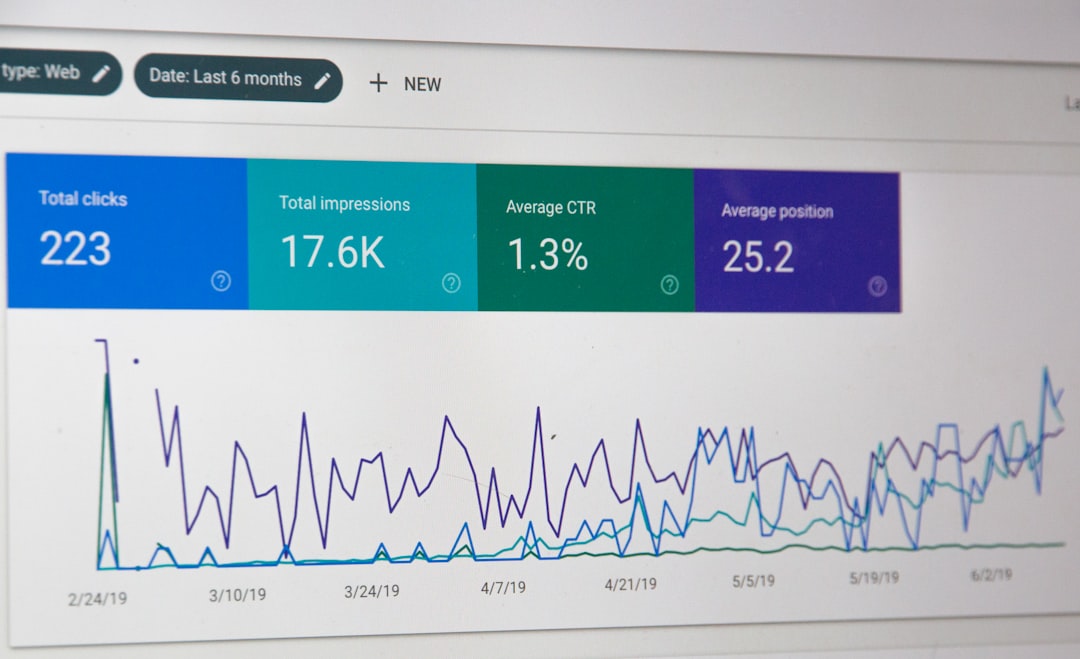
Open Google Search Console and review which pages are indexed, excluded, redirected, or marked as duplicates. Pay closest attention to your homepage, main service pages, top category pages, and any posts that already get impressions. If those are blocked, no amount of polishing will help.
In WordPress, also check your reading settings, your robots directives, and whether your XML sitemap is active. One well-configured SEO plugin is enough. Running overlapping plugins often creates duplicate metadata, conflicting canonicals, and competing sitemap outputs.
What to review in this step
Look for accidental noindex settings, thin archive pages that should not be indexed, and important pages that are too buried to be discovered naturally. If a page only exists in a sitemap and almost nowhere else on the site, it is under-supported from the start.
Step 2: Use one SEO plugin and simplify settings
Your plugin setup should reduce confusion, not create more of it. The goal is one clean system for titles, meta descriptions, canonicals, schema defaults, and sitemap controls.
Many WordPress sites collect extra SEO plugins over time, especially after redesigns, handoffs, or experiments. That clutter often causes contradictory signals across the site. Keep one primary SEO plugin, remove overlapping add-ons, and configure the basics inside that single system.
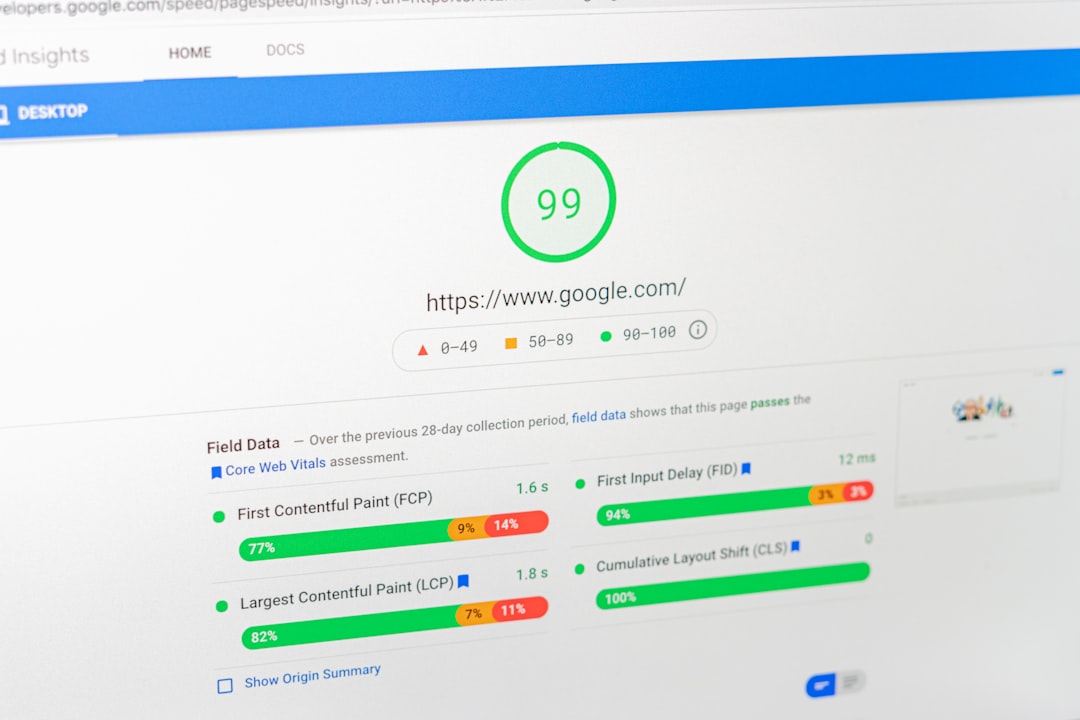
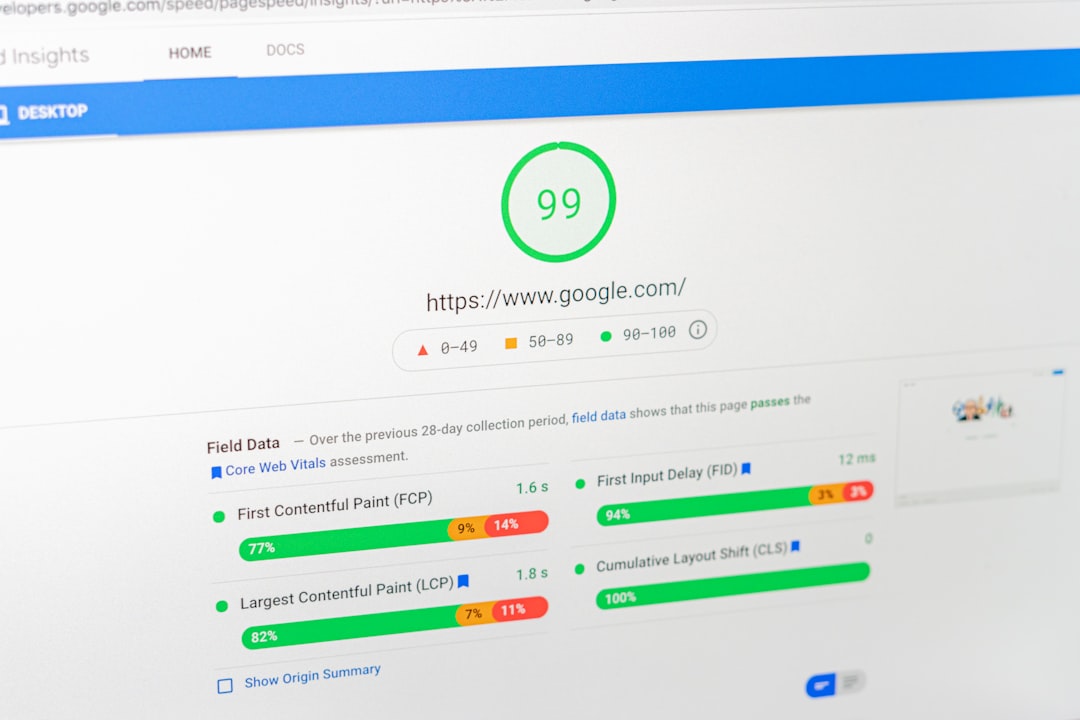
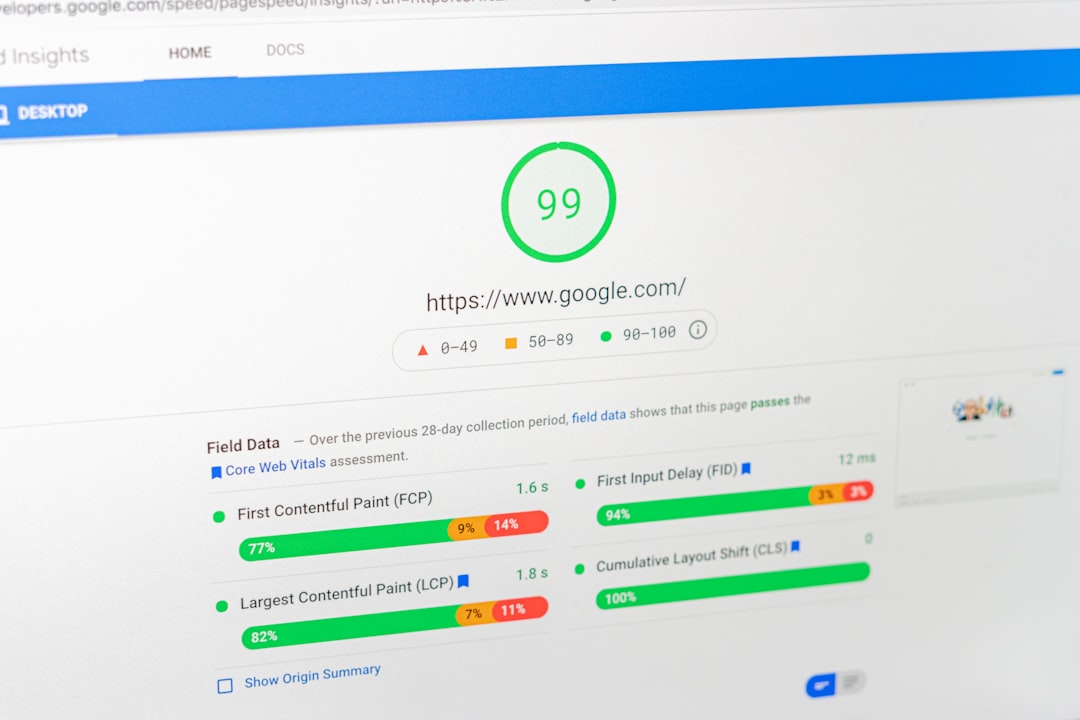
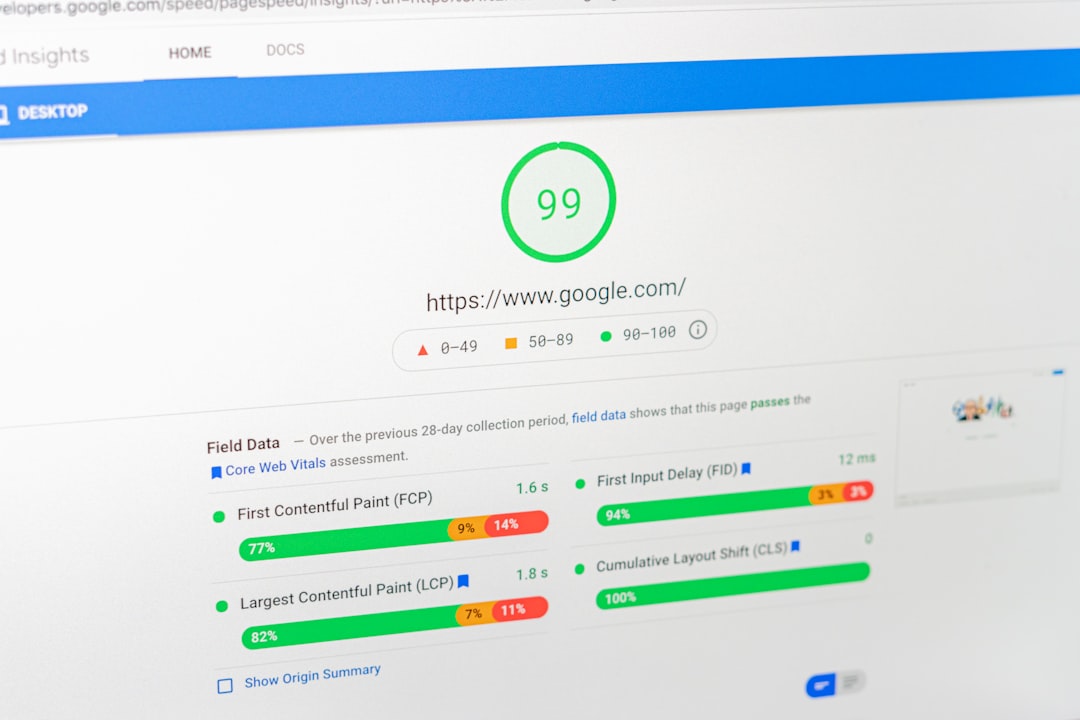
Do not chase plugin scores. Those checks can catch simple omissions, but they do not measure search intent, usefulness, or whether the page is the best answer for the query. You do not need a perfect score. The goal is a site that loads cleanly, is easy to use, and sends consistent signals about which pages matter most.
Step 3: Fix page titles before rewriting content
Titles are one of the clearest on-page signals you control, so they deserve attention early. A vague or repetitive title makes it harder for search engines and users to understand why the page exists.
Write titles that match the page’s real purpose. Avoid boilerplate-heavy patterns and avoid stuffing multiple variations into one tag. Stronger titles are specific, readable, and aligned with one search intent instead of several competing ones.
| Weak title | Stronger title |
|---|---|
| SEO Services | SEO Company | SEO Expert | WordPress SEO Services for Small Businesses |
| Blog | WordPress SEO Tips for Service Businesses |
| Home | WordPress SEO Consultant for Growing Sites |
If your titles are generic across major pages, fix those first. Start with the homepage, key service pages, and the posts already earning impressions. Those pages usually offer the fastest improvement path.
Step 4: Match one page to one intent
Most weak WordPress SEO efforts break down because too many pages chase the same topic from slightly different angles. When that happens, your own pages compete with each other and none of them gets the full benefit of your internal links and authority.
Give each important page one primary job. A service page should target a transactional or commercial search. A blog post should answer an informational question and then guide readers toward the next relevant page. If two pages target the same query or intent, consolidation is usually better than expansion.
This is where many DIY site owners waste time. They keep publishing instead of clarifying. More content on a confused structure usually creates more confusion, not more visibility.
Step 5: Build internal links that support priority pages

Internal linking is one of the most underused WordPress SEO levers. It helps search engines discover pages, understand hierarchy, and see which content matters most on your site.
Link broad informational posts to specific service pages. Connect related posts with descriptive anchor text. Make sure your important pages are linked from navigation where appropriate and from relevant body content where context adds clarity.
If your site structure feels messy, review the pages that should carry the most business value and ask a simple question: how many useful internal paths lead to them? If the answer is very few, those pages probably need stronger support. Our WordPress SEO guide for DIY site owners expands on this layered approach, and our article on fixing SEO setup problems can help if plugin or archive issues are getting in the way.
If you’re experiencing these symptoms, our team at WordPress SEO Expert can help.
Step 6: Clean up duplicate and low-value pages
Duplicate and thin pages dilute signals across a WordPress site. Cleaning them up is often less about deleting content and more about deciding which URLs deserve to be indexed and supported.
Common trouble spots include tag archives, author archives on single-author sites, attachment pages, parameter-based URLs, and older pages that overlap heavily with newer content. Not every archive is bad, but thin or repetitive ones usually do more harm than good.
Use noindex where appropriate, consolidate overlapping posts, and redirect outdated URLs when one stronger page should replace several weaker ones. Fixing duplication is often what makes your other SEO work start to count.
Step 7: Improve speed without obsessing over scores

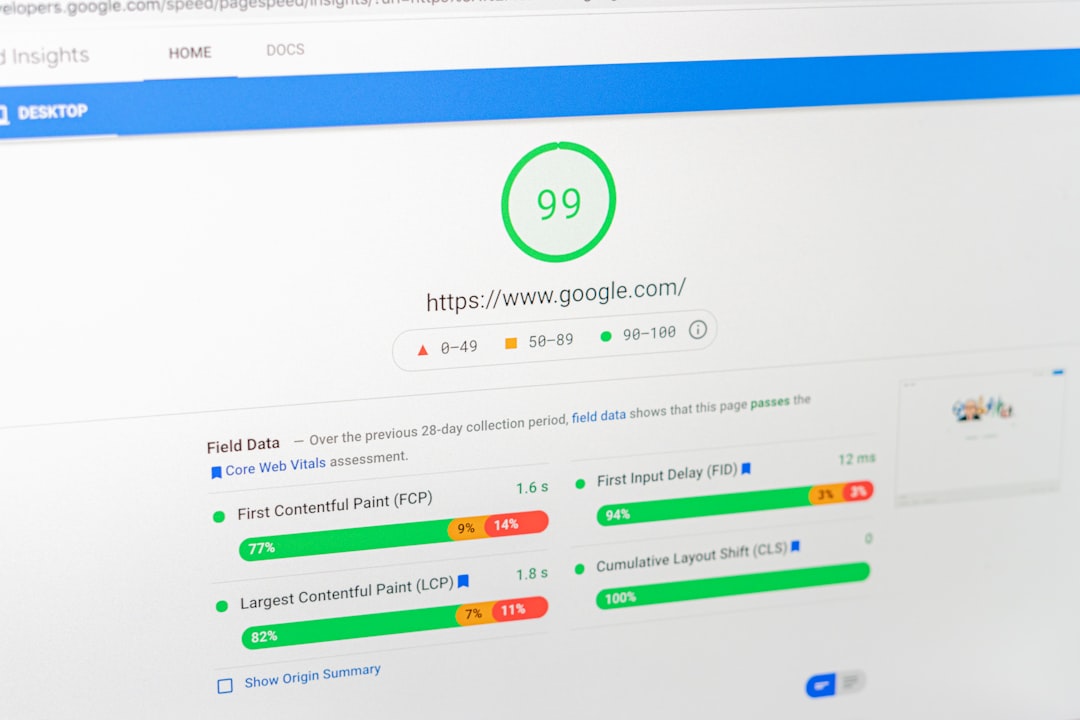
Speed matters when it affects usability, not because a tool gave you a disappointing color. A site that feels clean and responsive is more valuable than a site chasing perfect lab metrics while ignoring bigger structural problems.
Start with practical fixes: compress heavy images, use caching, remove unused plugins, and test whether your builder or theme is adding unnecessary weight. Focus on the templates that matter most, such as the homepage, a main service page, and a typical blog post.
Keep the goal plain and realistic. Good WordPress SEO is rarely about one dramatic fix. It is about removing friction so search engines and users can move through the site without confusion.
A simple WordPress SEO workflow
If you want a repeatable process, use the same review order every month. That keeps you from bouncing between plugin settings, title edits, and new content ideas without solving the actual bottleneck.
| Priority | What to review | Why it matters |
|---|---|---|
| 1 | Indexing and crawl access | Pages cannot rank if they are blocked, excluded, or hard to discover |
| 2 | Page purpose and targeting | Each important page needs one clear job |
| 3 | Title tags and headings | These shape topical clarity and click potential |
| 4 | Internal linking | Helps reinforce hierarchy and support key pages |
| 5 | Duplicate and thin URLs | Prevents diluted signals across overlapping pages |
| 6 | Speed and cleanup | Improves usability after core visibility issues are addressed |
What this tutorial should change
A useful WordPress SEO tutorial should make your next actions clearer, not longer. If this walkthrough did its job, you should now be able to separate real visibility blockers from lower-priority polish work.
That shift matters. Most rankings stay flat because effort is spread too thin across too many tasks. Once you simplify the setup, tighten the structure, and support the right pages, the rest of your optimization work starts making more sense.
Contact WordPress SEO Expert today to schedule a consultation. Book a free SEO consultation. No pitch, no pressure. Just an honest look at what your site actually needs and whether your current setup is part of the solution or part of the problem.