
Better results with WordPress SEO usually come from better sequencing, not more effort. If your rankings are flat, the issue is often that you are polishing titles, plugins, or page scores before fixing the basics that control whether the right pages can be crawled, indexed, and understood.
WordPress SEO Expert works with site owners who have already done plenty of work and still are not seeing movement. A green light in an SEO plugin does not mean the page deserves to rank. What helps more is a clean setup, clearer page targeting, and a practical order of operations that fixes the issues blocking visibility first.
Start with the fundamentals in the right order
The fastest way to improve WordPress SEO fundamentals is to focus on visibility blockers before refinement tasks. That means checking indexing, simplifying plugin output, tightening titles and headings, and improving internal links before you spend weeks rewriting every page.
Most site owners do not have one catastrophic SEO problem. They have a stack of smaller issues that compound over time. That is why a scattered checklist often feels busy but produces very little. Fix the issues that block visibility before the issues that polish visibility.
Make sure search engines can reach the right pages


If search engines cannot crawl or index your important pages, the rest of your SEO work will underperform. Before adjusting copy or adding tools, review whether your service pages, product pages, and key posts are actually indexable and linked from crawlable areas of the site.
Look for common WordPress issues such as thin tag archives, author archives on single-author sites, attachment pages, accidental noindex settings, and important pages that only exist in a sitemap. If your setup feels messy, this guide to fixing WordPress SEO setup problems is a strong next step.
Use one SEO plugin and configure it well
One well-configured SEO plugin is enough. Running overlapping SEO plugins often creates duplicate metadata, conflicting canonicals, and competing sitemap outputs that make your setup harder to trust and harder to troubleshoot.
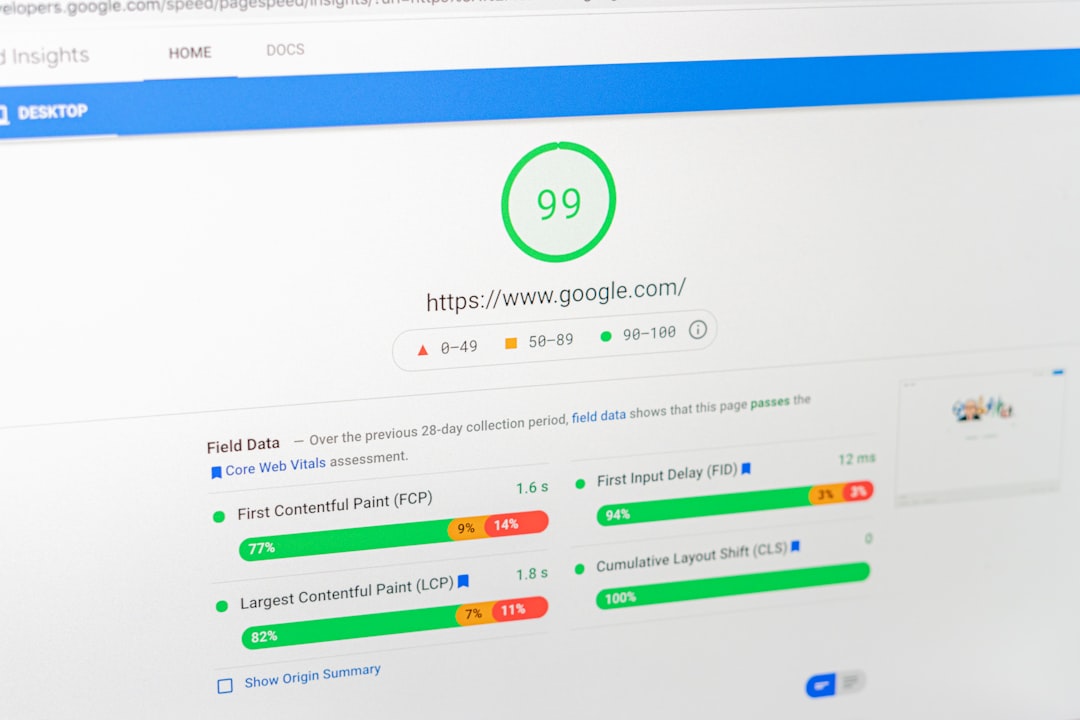
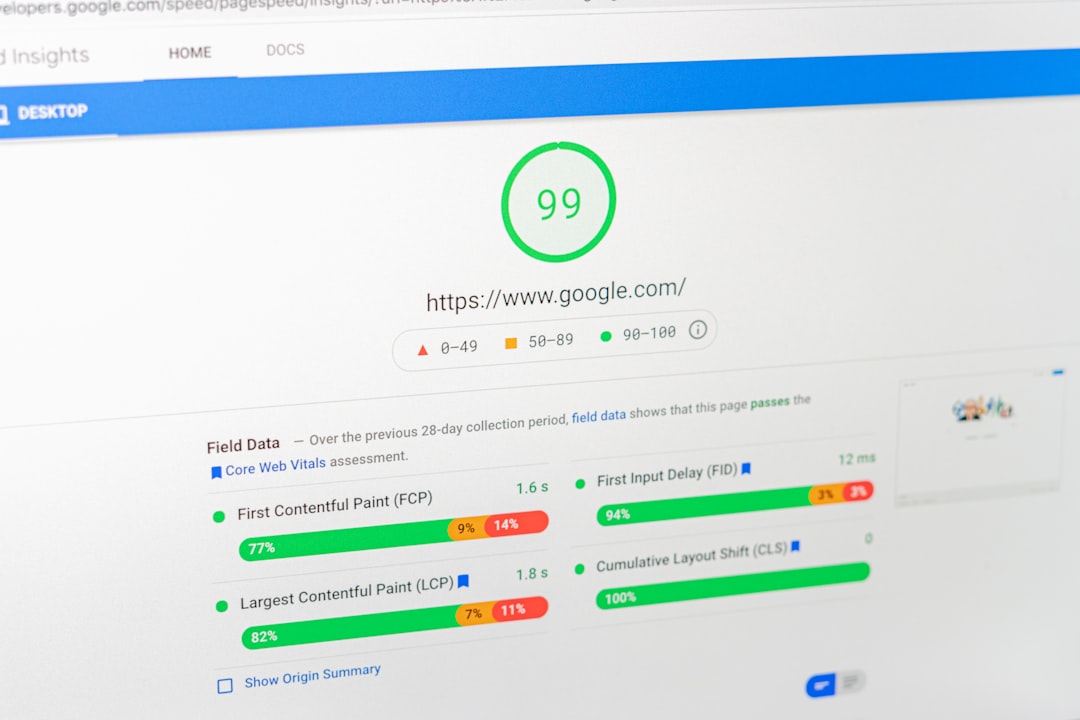
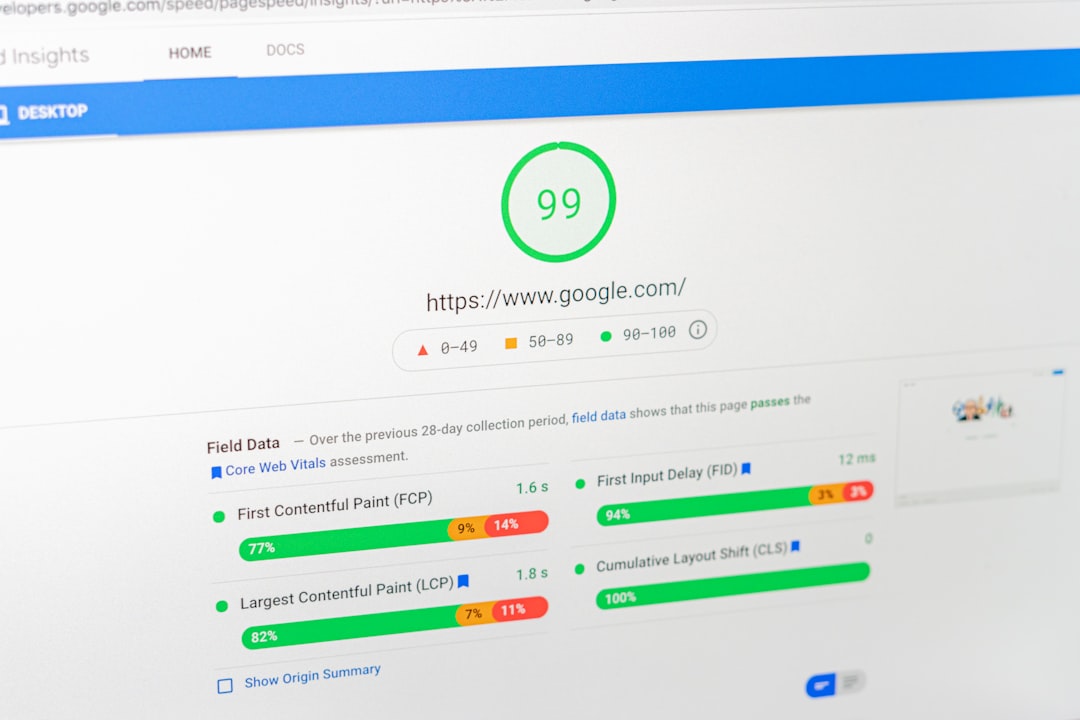
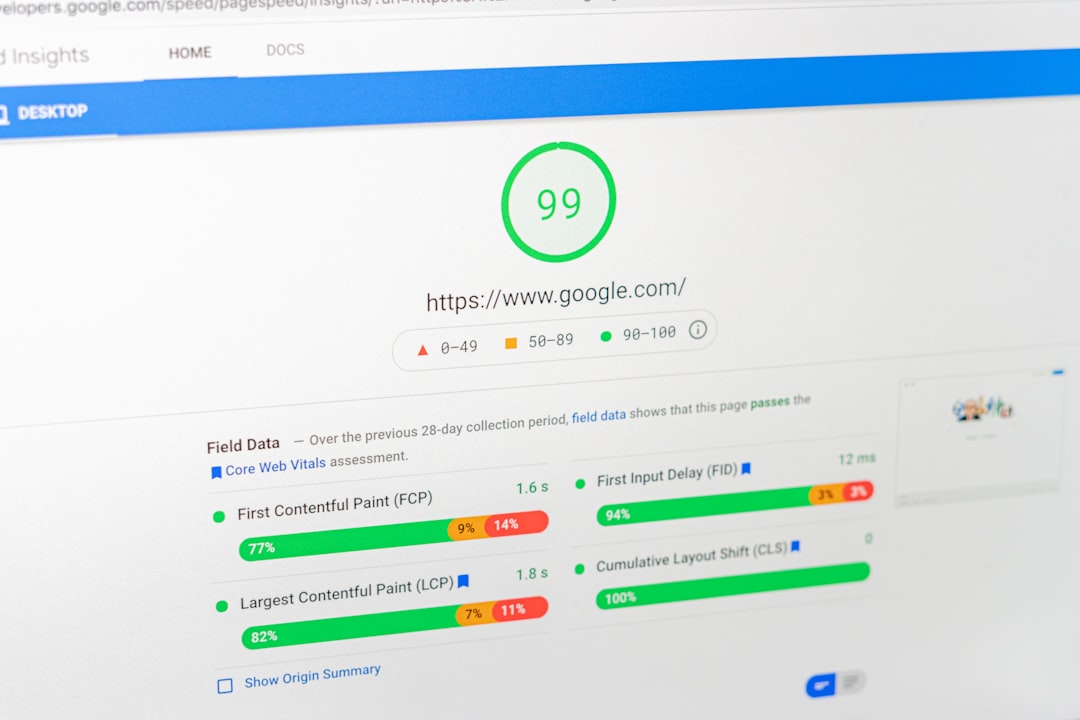
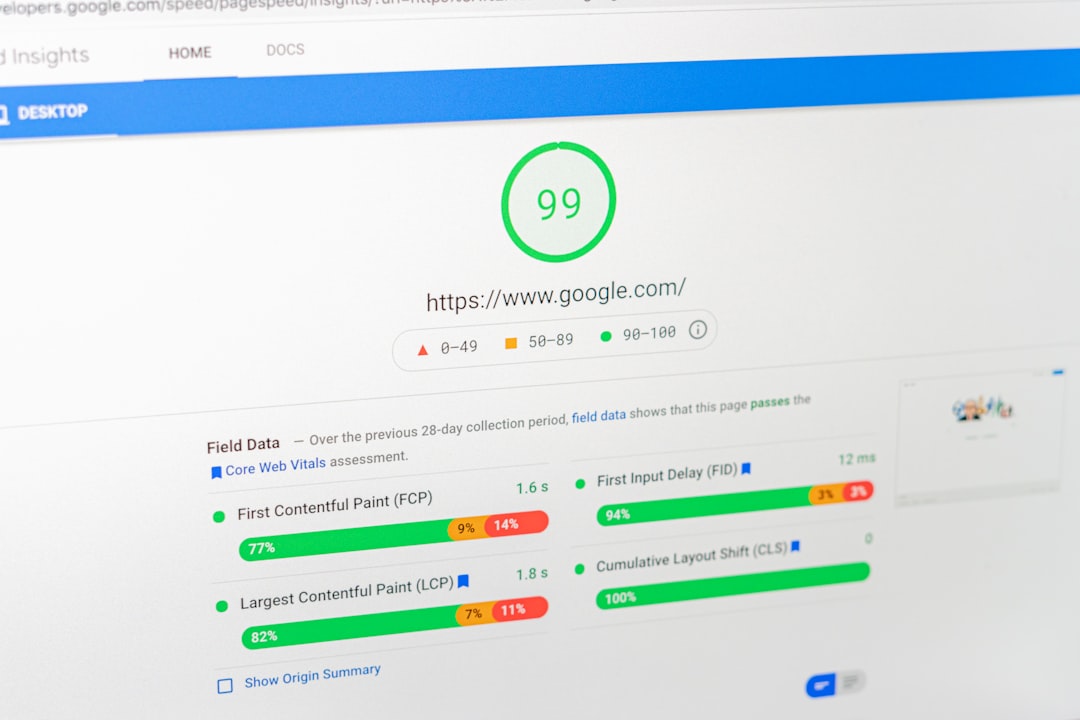
If you inherited a site, check whether an SEO plugin, a schema plugin, and theme-level SEO settings are all outputting similar signals. Simplifying this stack usually improves consistency faster than adding new features. You do not need a perfect score. The goal is a site that loads cleanly, is easy to use, and sends consistent signals about which pages matter most.
Improve titles and headings before chasing plugin scores


Titles and headings shape relevance more than most plugin checklists do. Instead of trying to satisfy every content score, make sure each important page has one clear topic, one strong H1, and a title that matches what the page actually helps with.
| Weak title | Stronger title |
|---|---|
| SEO Services | SEO Company | SEO Expert | WordPress SEO Services for Small Businesses |
| Blog | WordPress SEO Tips for Service Businesses |
| Home | WordPress SEO Help for Small Business Websites |
The stronger versions give search engines and users a clearer signal about the page. They also reduce the common mistake of stuffing variations into one title field. A green light in an SEO plugin does not mean the page deserves to rank.
Strengthen internal links on purpose



Internal links are one of the simplest ways to improve WordPress SEO fundamentals because they help search engines discover pages, understand hierarchy, and connect supporting content to your most important pages. Weak internal linking leaves good pages under-supported.
Link related posts to service pages, connect overlapping guides, and make sure important pages are not isolated. If you need a broader framework, this practical WordPress SEO guide for DIY site owners shows how the layers fit together.
Stop publishing pages that compete with each other
Better results often come from consolidation, not expansion. If several pages target the same idea with slight wording changes, they can dilute relevance instead of building it.
Give each page one primary purpose. Let service pages target commercial intent, let blog posts answer informational questions, and use internal links to connect them. Publishing more thin pages rarely solves flat rankings. A stronger page with clearer targeting usually does.
A simple order of operations
If your WordPress SEO work feels scattered, use a short priority sequence. This keeps you from wasting time on low-impact tweaks while larger technical or structural issues are still holding the site back.
| Priority | What to review first | Why it matters |
|---|---|---|
| 1 | Indexing and crawl access | Pages cannot perform if they are blocked, excluded, or buried |
| 2 | SEO plugin overlap | Conflicting output creates mixed signals across the site |
| 3 | Titles and headings | Clarifies what each page is actually about |
| 4 | Internal linking | Reinforces page importance and topic relationships |
| 5 | Content consolidation | Reduces cannibalization and strengthens weak pages |
If you are experiencing these symptoms, our team at WordPress SEO Expert can help. A focused review usually reveals whether your real problem is indexing, duplication, weak targeting, or plugin clutter.
What better fundamentals usually look like
Strong WordPress SEO fundamentals are usually simple. One plugin. Clear titles. Clean indexation rules. Useful internal links. Fewer thin archives. Fewer duplicate signals. More clarity around which pages matter and what each page is supposed to rank for.
You do not need a more complicated setup to get better results. You need a setup that is easier for search engines to interpret and easier for your visitors to use. That is usually where momentum starts.
When to get help
If you have already installed the tools, adjusted the settings, and published the content but rankings still are not moving, the next step is diagnosis. WordPress SEO Expert can help you figure out what is actually blocking performance so you can stop guessing.
Contact WordPress SEO Expert today to schedule a consultation. No pitch, no pressure. Just an honest look at what your site actually needs and whether your current setup is part of the solution or part of the problem.