
Most WordPress SEO setups fail quietly because site owners track settings instead of outcomes. A green light in an SEO plugin does not mean the page deserves to rank. The better approach is to measure whether your setup is improving visibility, clicks, and the quality of pages Google actually surfaces.
If you have already handled the basics, this is the next step: track results in the right order. Start with indexing and search visibility, then measure page-level performance, then review engagement and conversions. That sequence tells you whether your setup is helping or whether you are just maintaining plugin settings.
If your setup still feels messy, review common WordPress SEO setup problems and compare your current configuration with this WordPress SEO checklist that actually works before you judge results too quickly.
What should you track first?

Track whether Google can see and show your important pages before you worry about fine-tuning titles or plugin scores. Most site owners do not have one catastrophic problem. They have a stack of smaller issues that compound over time, and bad tracking habits hide them.
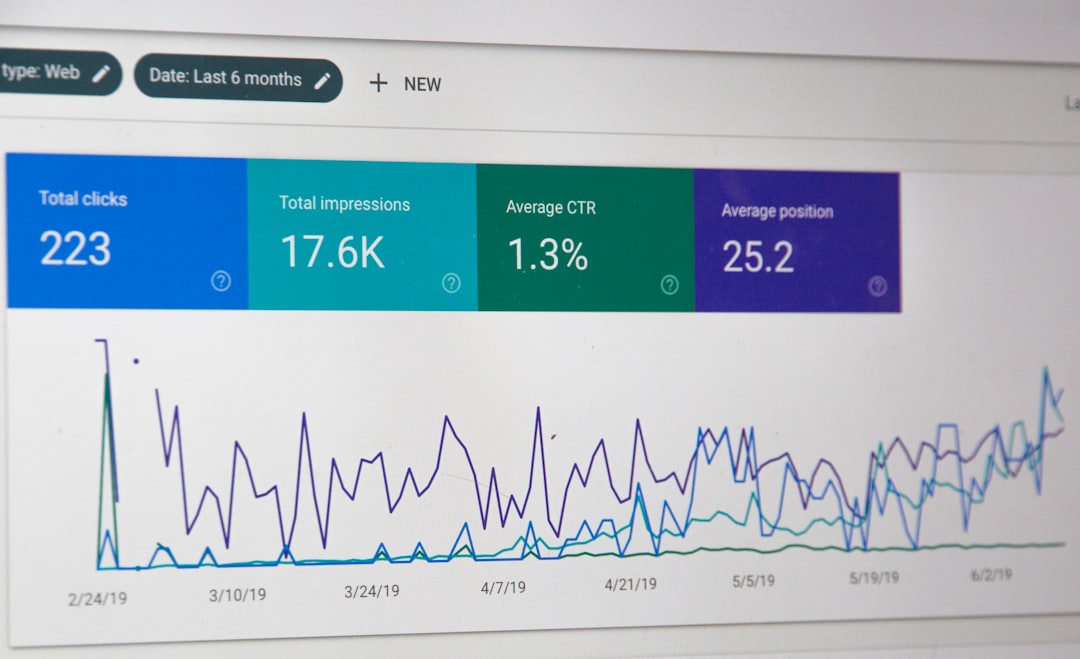
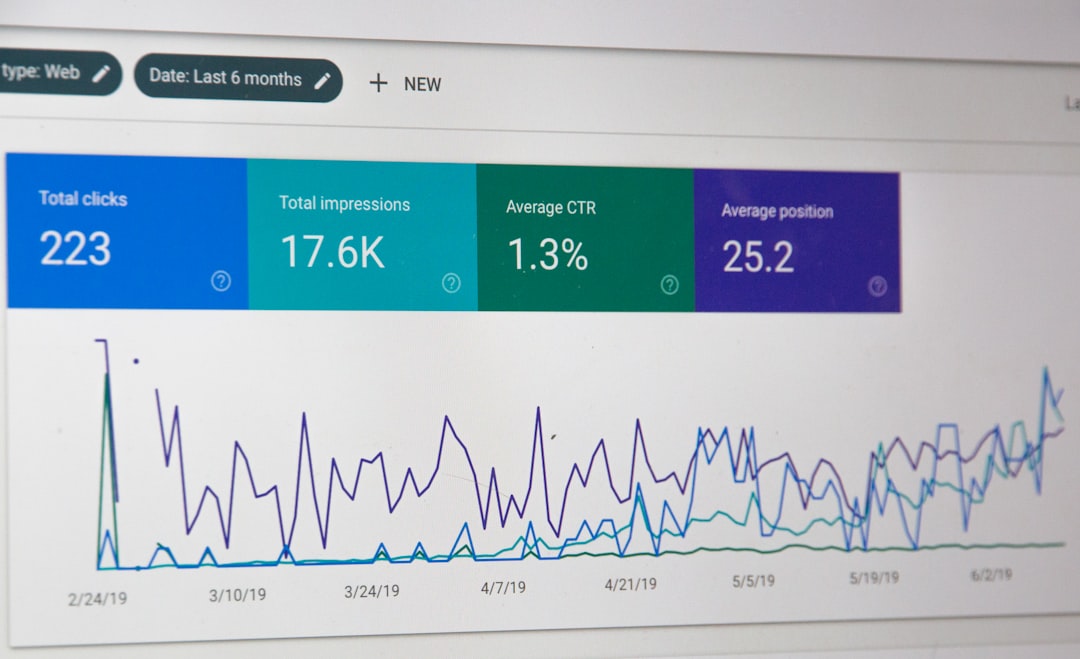
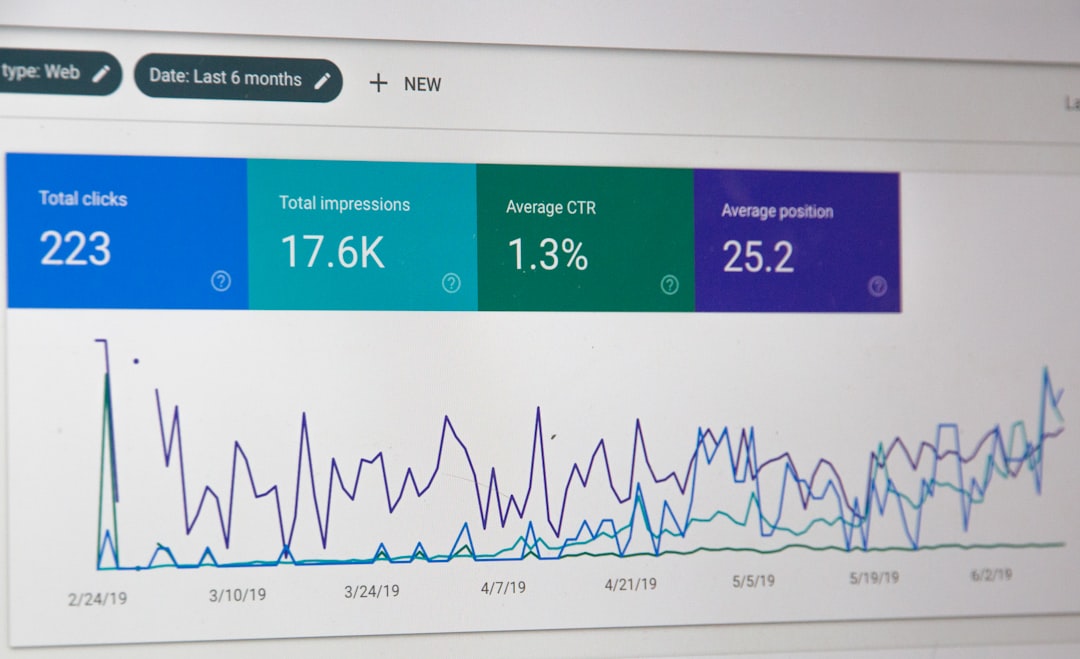
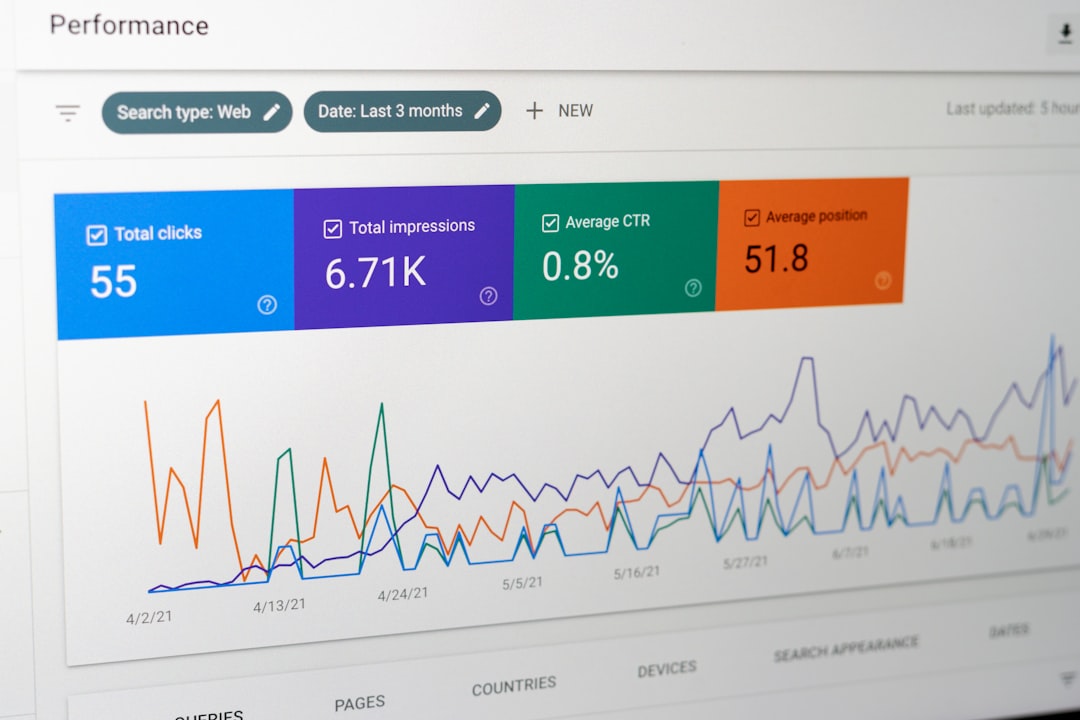
Your first dashboard should include indexed pages, clicks, impressions, average CTR, and average position in Google Search Console. Google’s Performance report shows clicks, impressions, CTR, and average position for your property, and it lets you review those metrics by query and by page. Average position reflects the average topmost result from your site, so it is useful for trend tracking, but it should not be treated as the only success metric.
| Metric | Why it matters | What it can reveal |
|---|---|---|
| Indexed pages | Confirms key pages are eligible to appear | Noindex issues, crawl blocks, thin archive clutter |
| Impressions | Shows whether visibility is growing | Google is starting to test pages for more queries |
| Clicks | Shows whether visibility is turning into traffic | Titles, intent match, and page relevance |
| CTR | Measures how often searchers choose your result | Weak titles, repetitive metadata, poor SERP fit |
| Average position | Helps track direction over time | Improving relevance or slipping rankings |
Which tools matter most?

You do not need a crowded reporting stack to track WordPress SEO setup results. One clean SEO plugin, Google Search Console, and your analytics platform are usually enough. Running overlapping plugins often creates duplicate metadata, conflicting canonicals, and competing sitemap outputs.
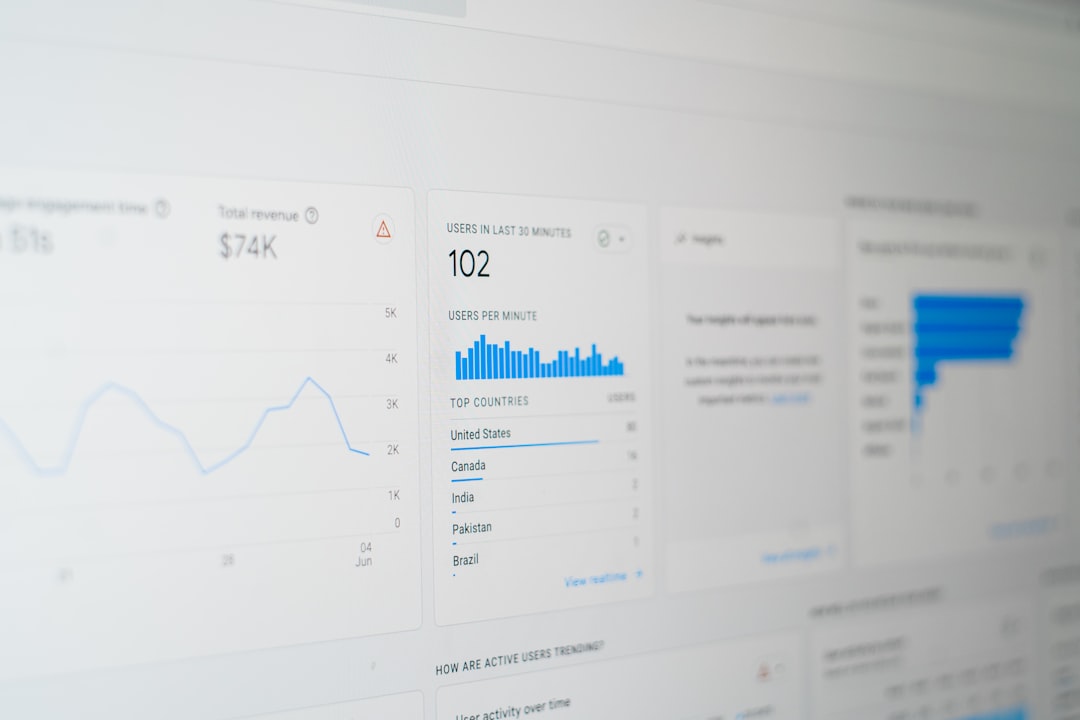
Google Search Console should be your main source for search performance because it shows how often your pages appear in Google Search and which queries and pages are driving those results. Analytics helps you confirm what happens after the click, such as engaged sessions, leads, purchases, or contact form completions. If you use WooCommerce, tracking revenue by landing page is often more useful than staring at sitewide traffic totals.
If you are unsure whether the problem is plugin clutter, weak targeting, or inconsistent page signals, WordPress SEO Expert can help. We look at what your setup is actually producing, not whether a plugin gave you a reassuring color.
How often should you review SEO results?
Review your data weekly for changes and monthly for decisions. SEO performance moves unevenly, so daily checking usually creates noise, not insight. The goal is to spot patterns early without overreacting to normal fluctuations.
A weekly review should answer simple questions. Are important pages gaining impressions? Did clicks drop on a page that recently changed? Did a new post start showing for relevant queries? A monthly review should go deeper and compare page groups, content types, and search intent patterns.
Google notes that the default Performance report view shows data for the past three months, and its documentation recommends using trends in impressions and clicks to understand change over time. That makes monthly comparisons more useful than reacting to isolated daily movement.
What does improvement actually look like?

Improvement usually appears as a sequence, not a single jump. First impressions rise, then rankings stabilize, then clicks grow, and only after that do leads or sales improve. Fix the issues that block visibility before the issues that polish visibility.
That sequence matters because many site owners expect traffic growth immediately after changing metadata or plugin settings. In reality, stronger internal structure, cleaner indexing, clearer page targeting, and better titles work together over time. If impressions are flat, your pages may not be earning visibility yet. If impressions rise but clicks do not, your titles and intent match may be weak.
| Pattern | Likely meaning | What to check next |
|---|---|---|
| Impressions up, clicks flat | Pages are being seen but not chosen | Titles, meta descriptions, search intent match |
| Clicks up, conversions flat | Traffic quality or page experience is weak | Landing page clarity, calls to action, offer fit |
| Indexed pages down | Important pages may be blocked or devalued | Noindex tags, canonicals, sitemap accuracy |
| Position improves slowly | Relevance signals may be strengthening | Internal links, content depth, page targeting |
How do you track results by page?
Page-level tracking is where WordPress SEO setup results become actionable. Sitewide averages can hide the pages that are improving, stalling, or dragging the whole site down. Look at your main service pages, category pages, and blog posts separately.
Inside Search Console, review the Pages tab and compare date ranges for each key URL. Watch which queries are attached to that page, whether impressions are growing, and whether CTR is improving after title updates. Google also explains that data can look different when viewed by property versus by page because the aggregation method changes, so avoid mixing those views without context.
This is also where internal structure matters. A page can be well written and still underperform if it sits too deep in the site or competes with near-duplicate pages. If that sounds familiar, this WordPress SEO audit process and this practical WordPress SEO guide for DIY site owners can help you narrow the issue faster.
What should you ignore?
Ignore vanity signals that do not help you make a better decision. Plugin scores, isolated keyword rankings, and raw traffic spikes are easy to obsess over, but they rarely explain whether your setup is healthy.
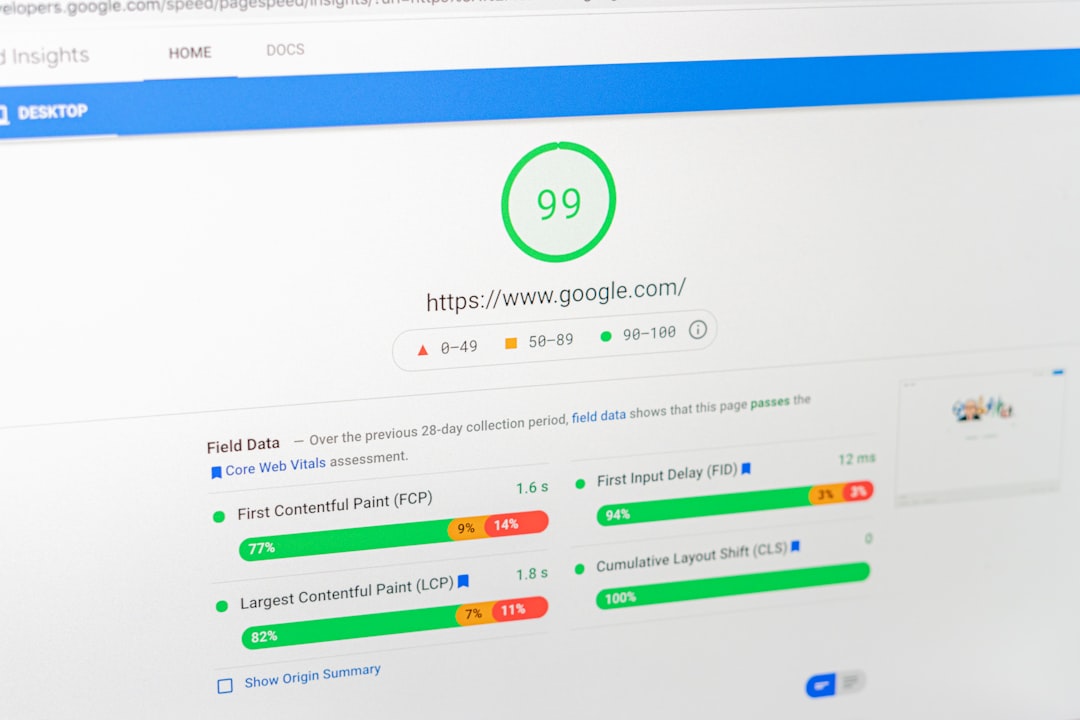
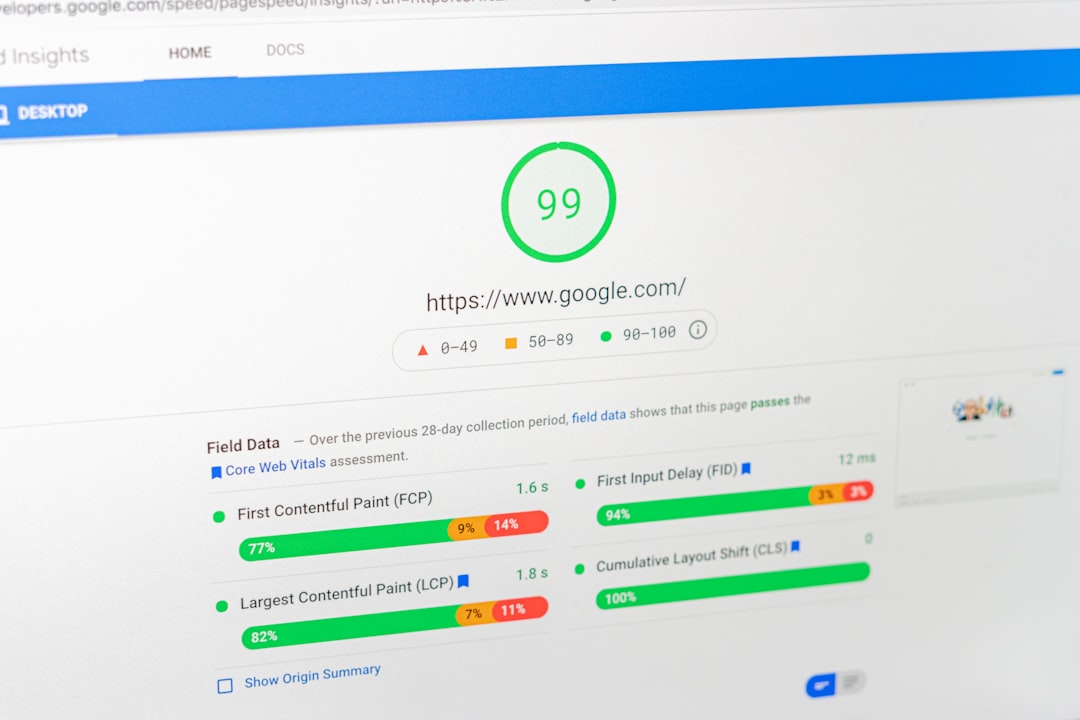
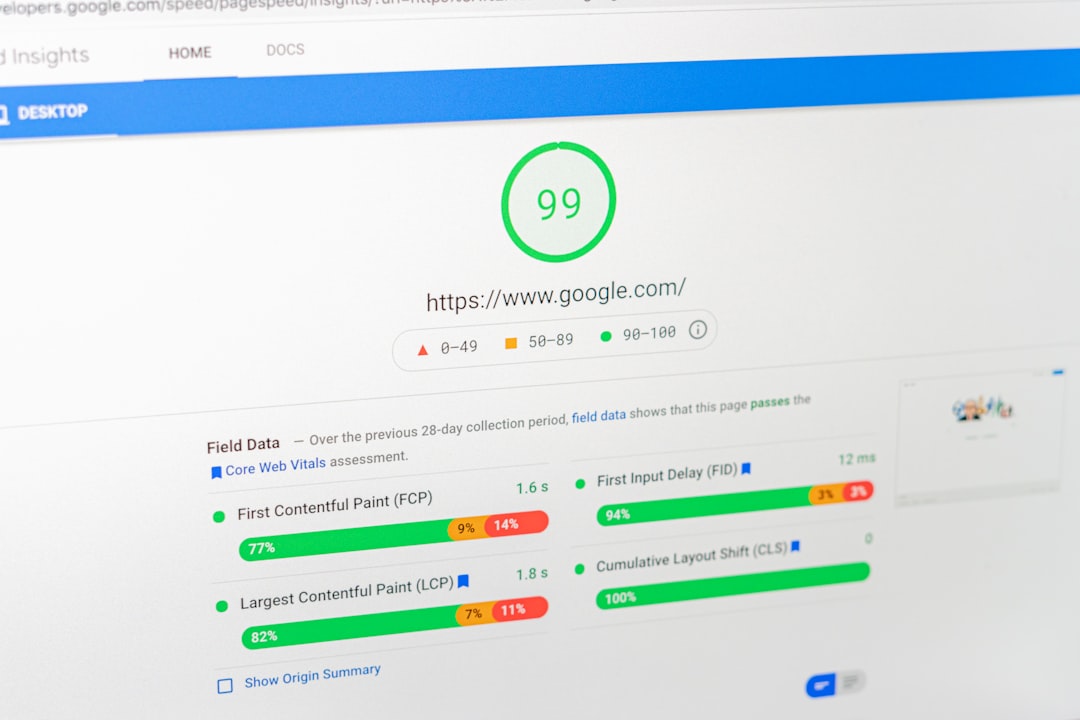
One well-configured SEO plugin is enough. The goal is not a perfect score. The goal is a site that loads cleanly, is easy to use, and sends consistent signals about which pages matter most. If your reporting setup keeps pushing you toward color-coded checkboxes instead of page performance, it is pointing you in the wrong direction.
A simple monthly tracking routine
A simple routine beats an overbuilt dashboard you never use. Track a short list of metrics for a short list of important pages, and write down what changed each month. That record helps you connect SEO work to outcomes instead of guessing later.
Each month, review your top pages, note changes to titles, internal links, templates, or indexing settings, and compare clicks, impressions, CTR, and conversions. Then decide what to fix next. That order keeps you focused on the few actions most likely to move search visibility.
Book a free SEO consultation with WordPress SEO Expert. No pitch, no pressure. Just an honest look at what your site actually needs and whether your current setup is part of the solution or part of the problem.
Contact WordPress SEO Expert today to schedule a consultation if your rankings are flat and you are not sure whether the real problem is indexing, duplication, weak targeting, or plugin clutter.