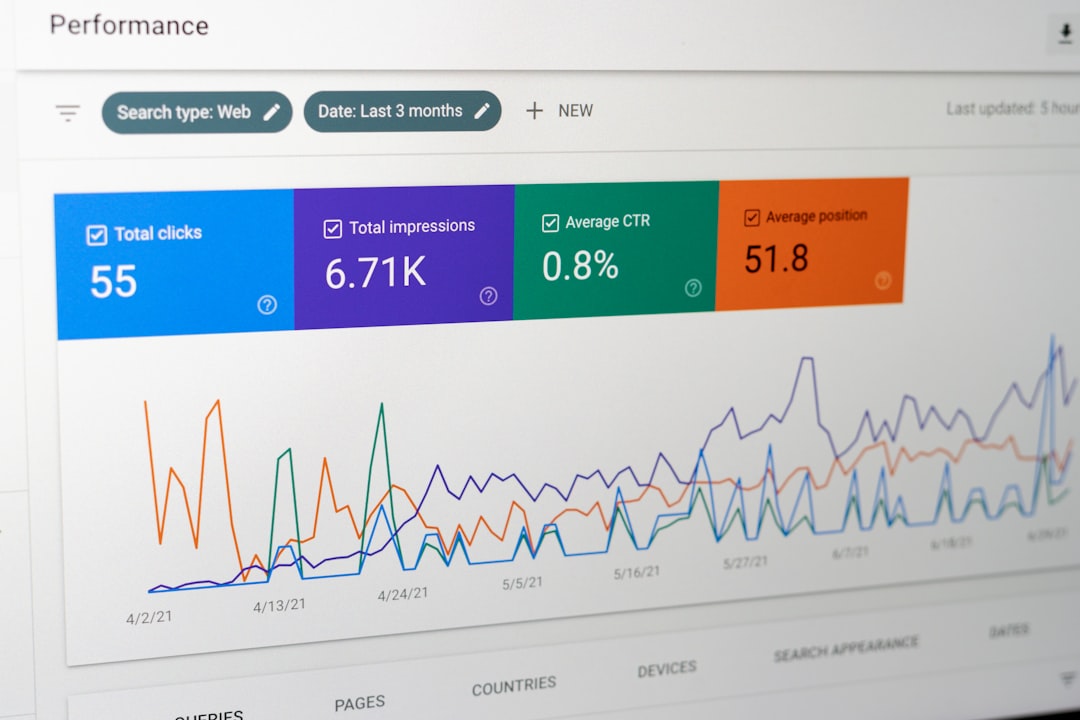
Flat ecommerce rankings usually come from a scattered setup, not one missing plugin. Most WooCommerce stores do not have one catastrophic problem. They have a stack of smaller issues like duplicate filter URLs, weak category targeting, thin product copy, and conflicting plugin output that compound over time.
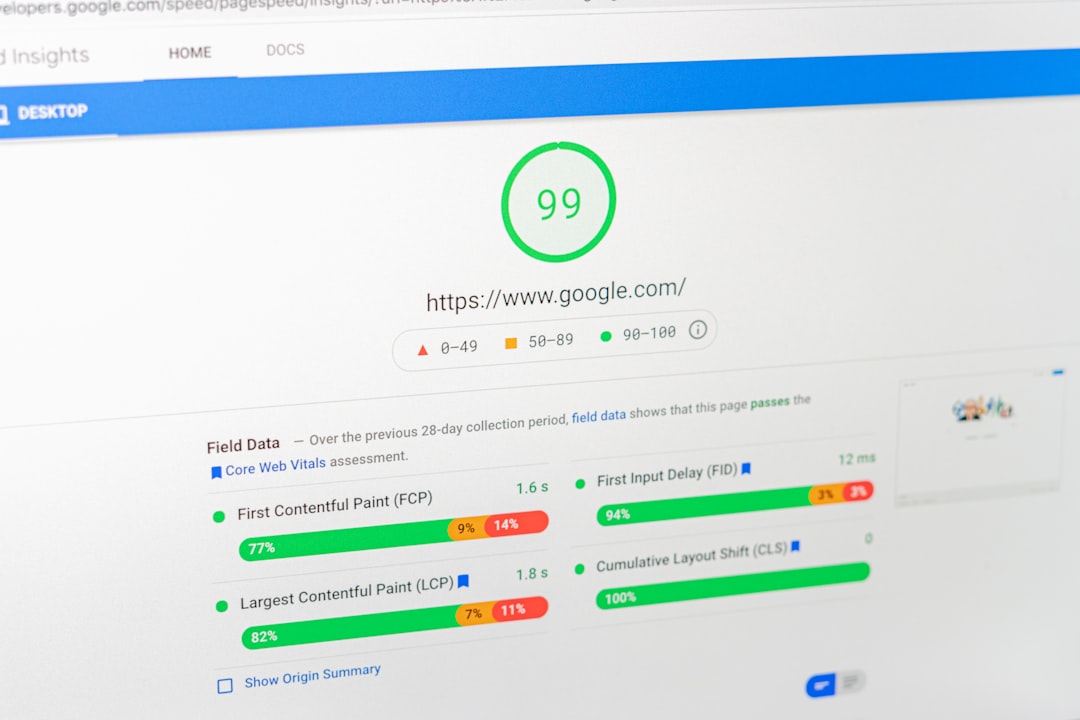
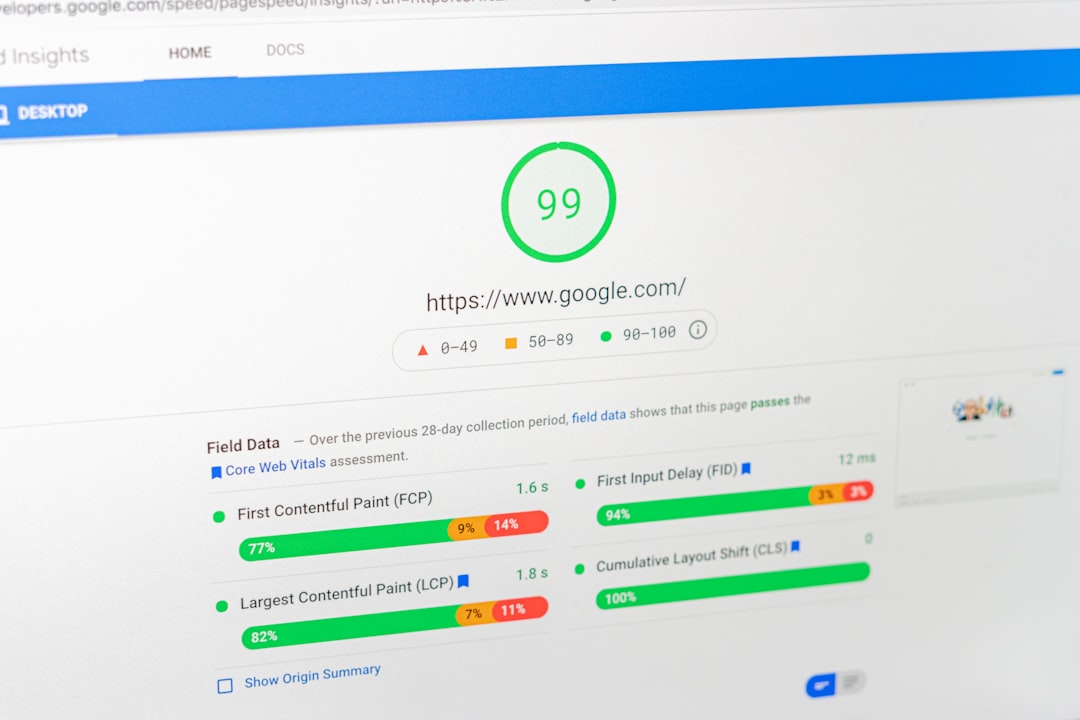
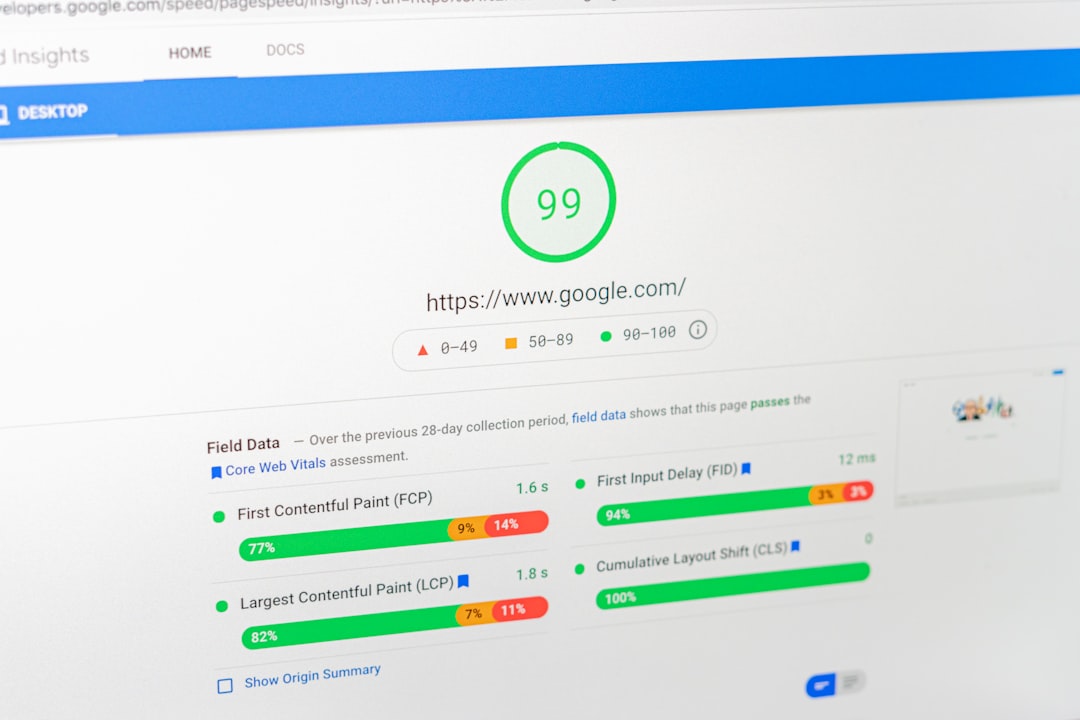
A green light in an SEO plugin does not mean the page deserves to rank. The goal is not a perfect score. The goal is a store that is easy to crawl, easy to understand, and clear about which category, product, and supporting pages matter most.
If your store feels busy but organic growth is flat, this is the setup strategy to fix first things first. It follows the same sequencing we use at WordPress SEO Expert when a WooCommerce site has too many moving parts and not enough visibility.
Start With Crawl Control, Not Cosmetics

The fastest SEO gains for ecommerce usually come from cleaning up crawl paths and duplicate URLs before rewriting copy. Product grids, faceted navigation, search pages, and variation URLs can create far more indexable noise than most store owners realize.
Google’s ecommerce guidance stresses crawler-friendly site structure and warns that faceted navigation can generate a near-infinite number of URLs if it is not controlled. Google also recommends clear internal linking and crawlable HTML links so important category and product pages are easy to discover. Google’s ecommerce site structure documentation, its faceted navigation guidance, and its link best practices all point in the same direction.
For WordPress stores, that means reviewing filter URLs, tag archives, internal search pages, and parameter-based duplicates before touching secondary items like schema tweaks. If you need a broader technical baseline first, review our guide to fixing WordPress SEO setup problems.
Use One SEO Plugin and Keep the Stack Simple
One well-configured SEO plugin is enough for most ecommerce sites. Running overlapping SEO plugins often creates duplicate metadata, conflicting canonicals, and competing sitemap outputs that make diagnosis harder, not better.
This matters even more on WooCommerce because stores already have more templates and URL types than a standard brochure site. When you add multiple SEO plugins, extra schema tools, and redirect tools with overlapping features, you increase the odds of mixed signals. If you are unsure whether your setup is already cluttered, our practical WordPress SEO guide for DIY site owners explains how these problems usually stack up.
Prioritize Category Pages Before Product Pages

For most ecommerce sites, category pages are the primary SEO assets because they match broader commercial intent and consolidate authority better than individual products. Product pages matter, but category pages usually do more of the heavy lifting for non-branded search.
That means your setup strategy should start by deciding which product categories deserve strong indexable pages, unique copy, clean title tags, and internal links. Many stores invest all their energy in product imports while category pages remain thin, duplicated, or buried. Fix the issues that block visibility before the issues that polish visibility.
What strong category targeting looks like
A strong category page has one clear search purpose, a distinct title, useful introductory copy, subcategory paths if needed, and product listings that support that topic. It should not be a near-duplicate page that only swaps one adjective or filter state.
| Weak setup | Stronger setup |
|---|---|
| Many thin categories with overlapping products | Fewer, clearer categories with distinct search intent |
| Auto-generated category titles | Descriptive titles tied to how shoppers search |
| No supporting copy above or below the grid | Useful category copy that clarifies the page topic |
| Important categories only linked in menus | Categories supported by contextual internal links from guides and related pages |
Clean Up URL Rules and Canonicals Early

Canonical and URL decisions should be made early because ecommerce duplication spreads fast. Filter combinations, sort parameters, session variants, pagination, and product variations can create multiple URLs that compete with each other or waste crawl attention.
Google recommends consolidating duplicate URLs with canonical signals when needed, and its ecommerce URL guidance explains that poor URL design can cause indexing problems and missed content. Review Google’s canonical guidance and its ecommerce URL structure documentation before assuming your current setup is harmless.
For WooCommerce stores, this usually means choosing one preferred version of category and product URLs, avoiding indexation of low-value filtered states, and making sure internal links consistently point to preferred URLs. Most site owners do not need more indexable pages. They need cleaner signals about the pages they already have.
Set Smarter Title Templates for Store Pages
Title templates should help scale relevance across products and categories without creating repetitive boilerplate. Google recommends descriptive, concise titles and specifically warns against keyword stuffing and repeated text across pages.
That advice is especially important for ecommerce because template mistakes repeat across hundreds of URLs. Review Google’s title link guidance before building your title formulas.
| Page type | Weak title | Stronger title |
|---|---|---|
| Category page | Running Shoes | Best Running Shoes | Shoes | Men’s Running Shoes for Daily Training |
| Product page | Blue Bottle 32oz | Bottle | Store Name | 32oz Insulated Blue Water Bottle |
| Brand page | Nike Products Online | Nike Running Shoes and Apparel |
Use templates as a framework, not a substitute for judgment. Your highest-value categories and best-selling products usually deserve manual title review.
Write Meta Descriptions for Click Quality
Meta descriptions do not fix weak SEO foundations, but they can improve how the right pages are summarized in search. The practical goal is better click quality on your important categories and products, not filling every field just because the plugin asks for it.
Google says it may use your meta description when it better summarizes the page, and it recommends unique descriptions that accurately describe specific pages. That is why broad, reusable copy usually underperforms on ecommerce templates. See Google’s meta description guidance for the principle behind this setup decision.
Support Store SEO With Internal Links

Internal links help Google understand which categories, collections, and guides matter most. They also help shoppers move from research to purchase without relying only on menus, filters, or on-site search.
Google recommends crawlable HTML links with descriptive anchor text. On ecommerce sites, that usually means linking from buying guides, FAQs, comparison pages, and blog posts into priority categories and products with natural anchor text. A store whose revenue pages are only linked from navigation is usually under-supported.
If you are experiencing these symptoms, our team at WordPress SEO Expert can help. A focused review often shows whether the real issue is crawl waste, duplication, weak category targeting, or plugin clutter.
Keep Product Pages Useful, Not Thin
Product pages still need unique value, but not every product requires a long essay. The real goal is to avoid empty, manufacturer-duplicate, or variation-only pages that add little information and little confidence.
Useful product pages usually include clear naming, original product details, helpful images, availability messaging if relevant, and content that answers common buyer questions. If dozens of products differ only by size or color, the SEO question is not how to optimize every version independently. The question is whether your URL and variation setup is creating unnecessary duplication.
A Practical Setup Order for Ecommerce Sites
The right order prevents wasted effort. Do not start with plugin scores, schema extras, or endless product description rewrites while the store is still sending mixed signals about what should be crawled and indexed.
| Priority | What to fix | Why it comes first |
|---|---|---|
| 1 | Crawl and index rules | Important pages cannot rank if search engines waste time on low-value URLs |
| 2 | Plugin and sitemap conflicts | Conflicting outputs create storewide confusion |
| 3 | Canonicals and duplicate URL handling | Prevents diluted signals across filtered or alternate URLs |
| 4 | Category page targeting | Improves the pages most likely to win commercial searches |
| 5 | Title and meta templates | Scales clearer relevance across templates |
| 6 | Internal linking | Strengthens hierarchy and supports key revenue pages |
| 7 | Product copy improvements | Polishes individual pages after the larger structure is stable |
What to Stop Doing
Stop adding plugins every time rankings stall. Stop indexing every filter and archive by default. Stop assuming more URLs means more chances to rank. Ecommerce SEO usually improves when the store becomes simpler, not heavier.
You do not need a perfect score. You need a store that loads cleanly, uses one clear SEO system, and sends consistent signals about which category and product pages deserve attention. That is the difference between a busy setup and a useful setup.
When to Get Ecommerce SEO Help
If your store has traffic plateaus, index bloat, or unclear WooCommerce behavior after redesigns, migrations, or plugin changes, the problem is usually prioritization rather than effort. A technical review can show what is suppressing visibility before you spend more time rewriting pages that are already being held back upstream.
WordPress SEO Expert can help you sort out what your ecommerce site actually needs and what is just clutter. Book a free SEO consultation. No pitch, no pressure. Just an honest look at whether your current setup is part of the solution or part of the problem.
Contact WordPress SEO Expert today to schedule a consultation if you want a practical SEO setup plan for your ecommerce store.