WordPress SEO setup works best when you treat it like a priority order, not a plugin scavenger hunt. Most sites with flat rankings do not need more tools. They need a cleaner setup, fewer conflicts, and clearer signals about which pages matter most.
A green light in an SEO plugin does not mean the page deserves to rank. Most site owners do not have one catastrophic problem. They have a stack of smaller issues that compound over time. Fix the issues that block visibility before the issues that polish visibility, and the rest of your SEO work starts making more sense.
If you want a broader baseline before adjusting settings, review our practical guide for DIY WordPress site owners. If your current setup already feels messy, our post on how to fix WordPress SEO setup problems pairs well with this guide.
Start With One SEO Plugin
One well-configured SEO plugin is enough for most WordPress sites. Running overlapping plugins often creates duplicate metadata, conflicting canonicals, and competing sitemap outputs that make troubleshooting harder than it should be.
Choose one primary SEO plugin and configure it fully before adding anything else. That usually means setting title templates, meta defaults, archive indexing rules, social sharing defaults, and sitemap behavior in one place. If you are running multiple SEO plugins, simplify first. Cleanup often solves problems faster than adding features.
Check Indexing Before On-Page Tweaks

If search engines cannot crawl or index the right pages, title tags and content edits will not move much. Start by confirming that your important pages are live, crawlable, and included in your sitemap.
Look for common WordPress setup issues such as accidental noindex settings, archive pages that should stay out of search results, thin tag pages, attachment pages, and important service pages that have almost no internal links pointing to them. This is where many rankings stall. The page exists, but the setup around it sends weak or mixed signals.
Set Better Titles and Meta Descriptions
Your title setup does more for clarity than most plugin features ever will. Focus on distinct, descriptive titles for your homepage, service pages, category pages, and posts already earning impressions.
Weak title patterns usually rely on repetition and boilerplate. Stronger titles tell both users and search engines what the page actually offers. Meta descriptions support the click, but they do not rescue a weak page. Write them to summarize the benefit of the page in plain language rather than stuffing in every variation of a keyword.
| Weak title | Stronger title |
|---|---|
| SEO Services | SEO Company | SEO Expert | WordPress SEO Services for Small Businesses |
| Blog | WordPress SEO Tips for Service Businesses |
| Home | WordPress SEO Consultant for Growing Businesses |
Clean Up Archives and Duplicate URLs
Archive settings can quietly create duplication across a WordPress site. If you run a single-author blog or use tags loosely, author pages, date archives, and thin tag archives often add more crawl waste than value.
Review which archives deserve to be indexed and which should be noindexed. Also check for duplicate paths caused by attachment pages, inconsistent URL formats, redirects left unfinished after redesigns, or product and category overlap on larger sites. Most setup problems are not dramatic. They are small technical leaks that keep authority from consolidating where it should.
Improve Internal Links With Purpose

Internal linking is one of the fastest ways to strengthen a WordPress SEO setup once the technical basics are stable. It helps search engines discover pages, understand topic relationships, and see which URLs deserve more attention.
Link broad informational posts to service pages. Link related guides to each other using descriptive anchor text. Make sure important pages do not depend only on navigation menus or sitemaps. If you need a bigger-picture framework, our WordPress SEO guide for DIY site owners shows how internal links fit into the larger strategy.
If you are experiencing these symptoms, our team at WordPress SEO Expert can help. A focused review can show whether the real issue is indexing, duplication, weak targeting, or plugin clutter.
A Simple WordPress SEO Setup Order
The best setup order is simple: make the site crawlable, remove conflicts, improve core page targeting, then strengthen internal links. This keeps you from wasting time polishing pages while bigger setup issues are still holding them back.
| Priority | What to fix | Why it matters |
|---|---|---|
| 1 | Indexing and crawl access | Pages cannot rank if they are blocked, buried, or excluded |
| 2 | SEO plugin conflicts | Conflicting metadata and sitemap settings create mixed signals |
| 3 | Canonicals and duplicate URLs | Helps consolidate authority to the right version of each page |
| 4 | Page titles and meta descriptions | Improves topical clarity and click support |
| 5 | Internal links | Strengthens discovery, hierarchy, and relevance across the site |
What to Stop Doing
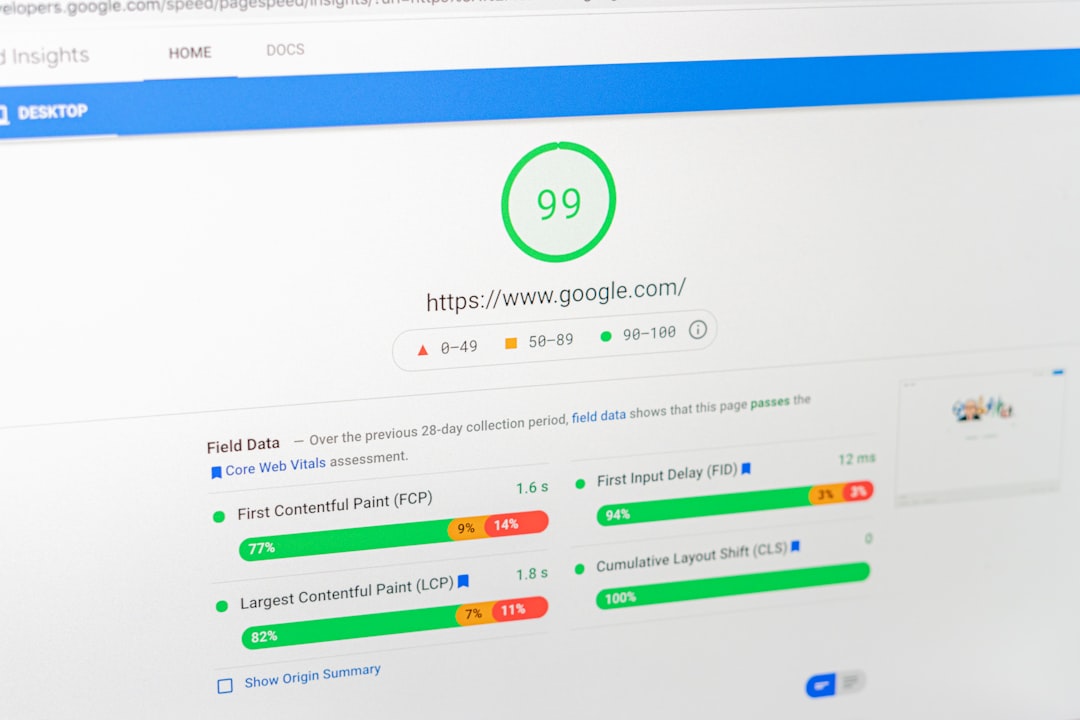
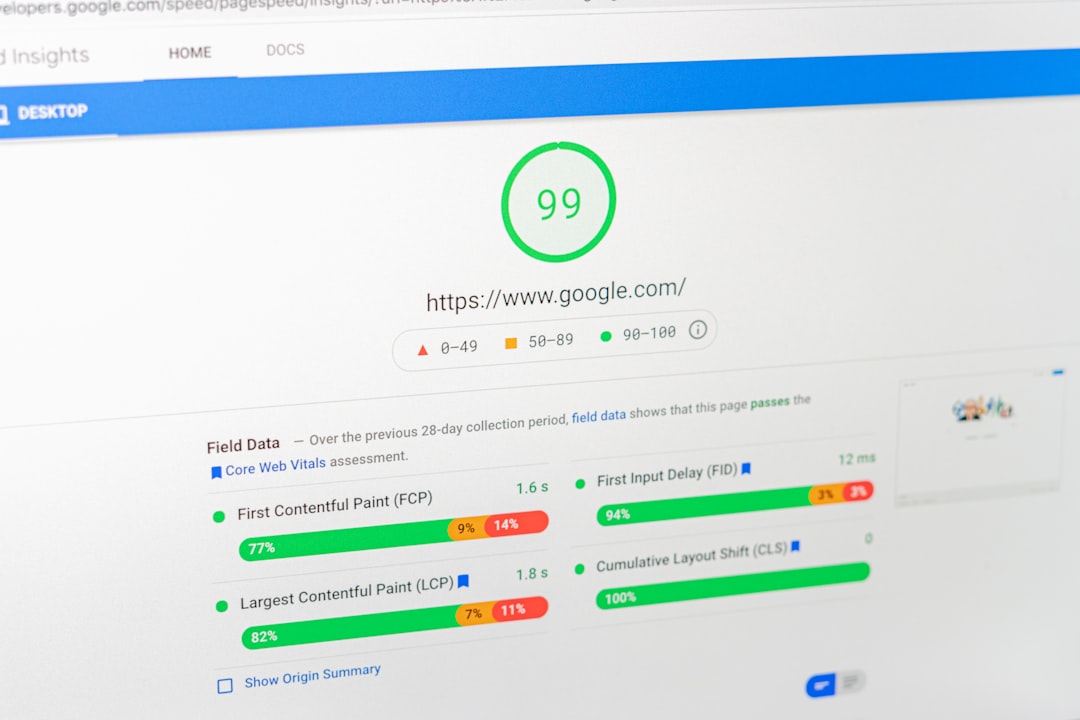
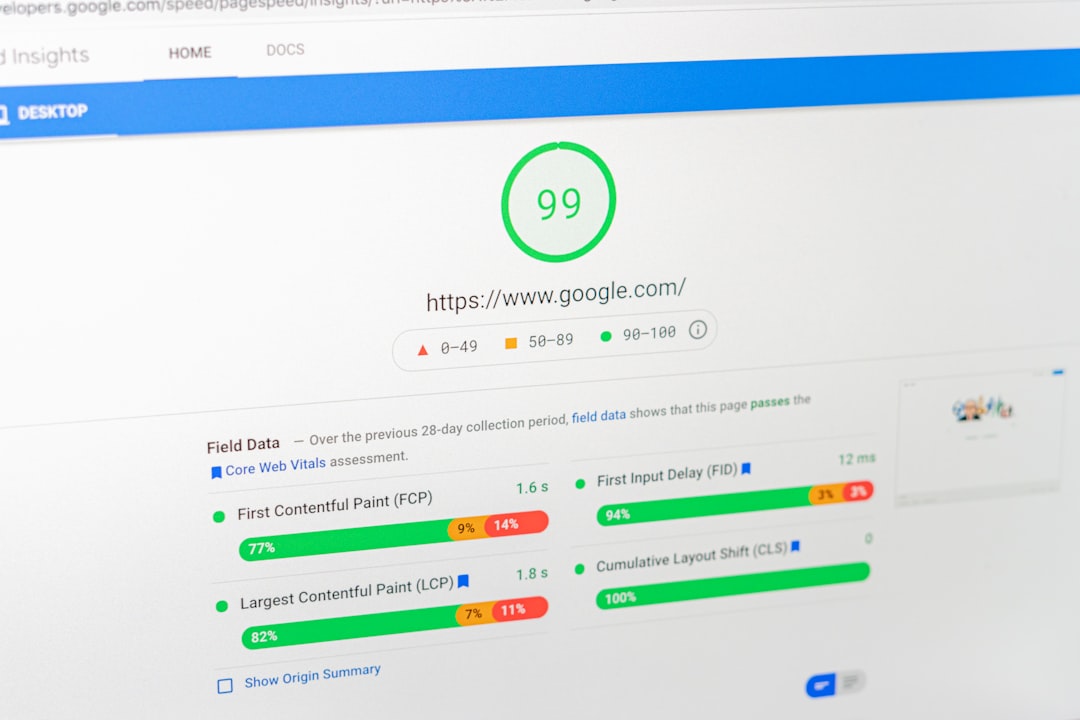
Stop chasing plugin scores as if they measure ranking potential. A perfect checklist score does not mean the page matches search intent, solves the reader’s problem, or fits cleanly into the rest of your site structure.
You do not need a perfect score. The goal is a site that loads cleanly, is easy to use, and sends consistent signals about which pages matter most. That usually comes from simpler tools, cleaner architecture, stronger titles, and better linking, not from adding another feature layer.
When to Get Help
If you have already installed the usual plugins, written content, and checked the obvious boxes but rankings are still flat, the problem is usually prioritization. An outside review can tell you what is actually suppressing visibility and what can safely wait.
WordPress SEO Expert can help you sort through setup problems without adding more confusion. Book a free SEO consultation. No pitch, no pressure. Just an honest look at what your site actually needs and whether your current setup is part of the solution or part of the problem.
Contact WordPress SEO Expert today to schedule a consultation if you want a practical plan for cleaning up your WordPress SEO setup and focusing on the changes that matter first.