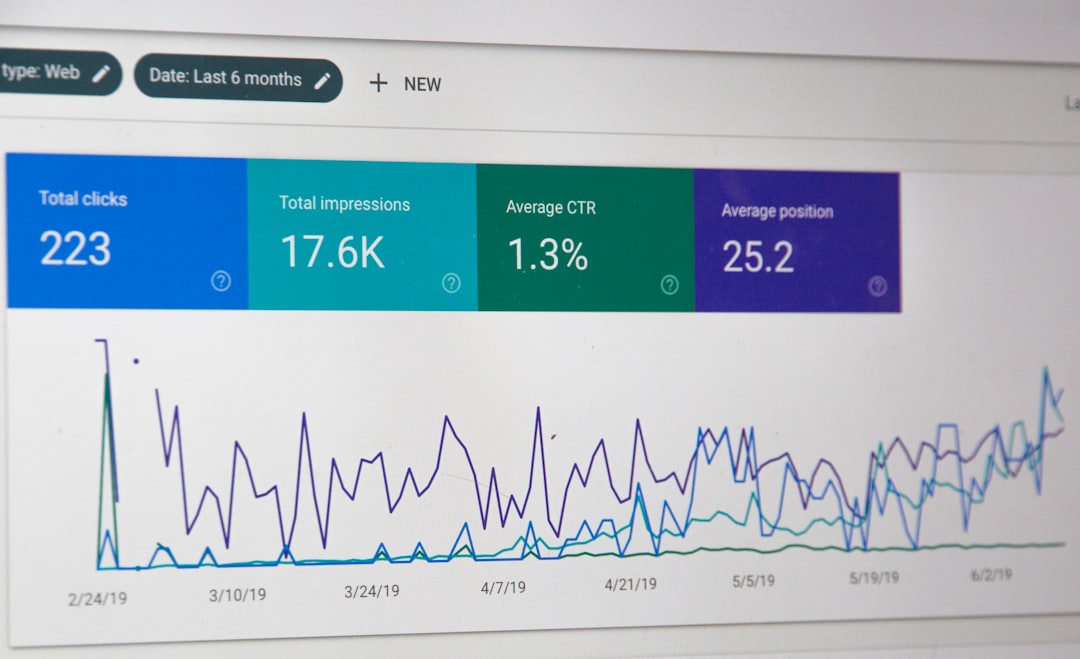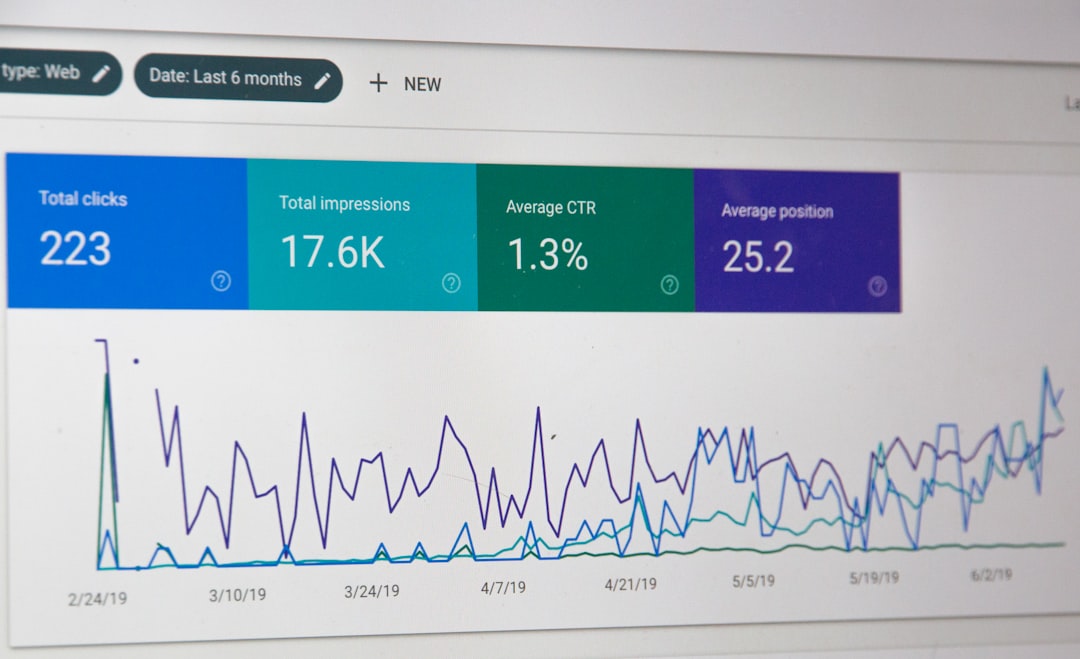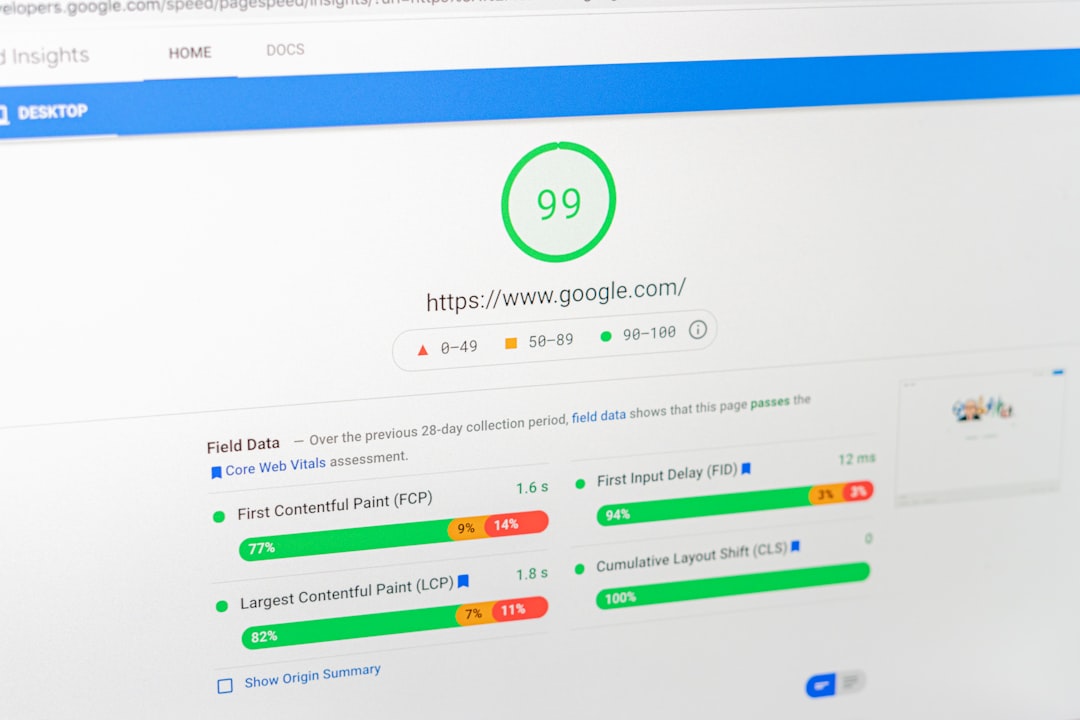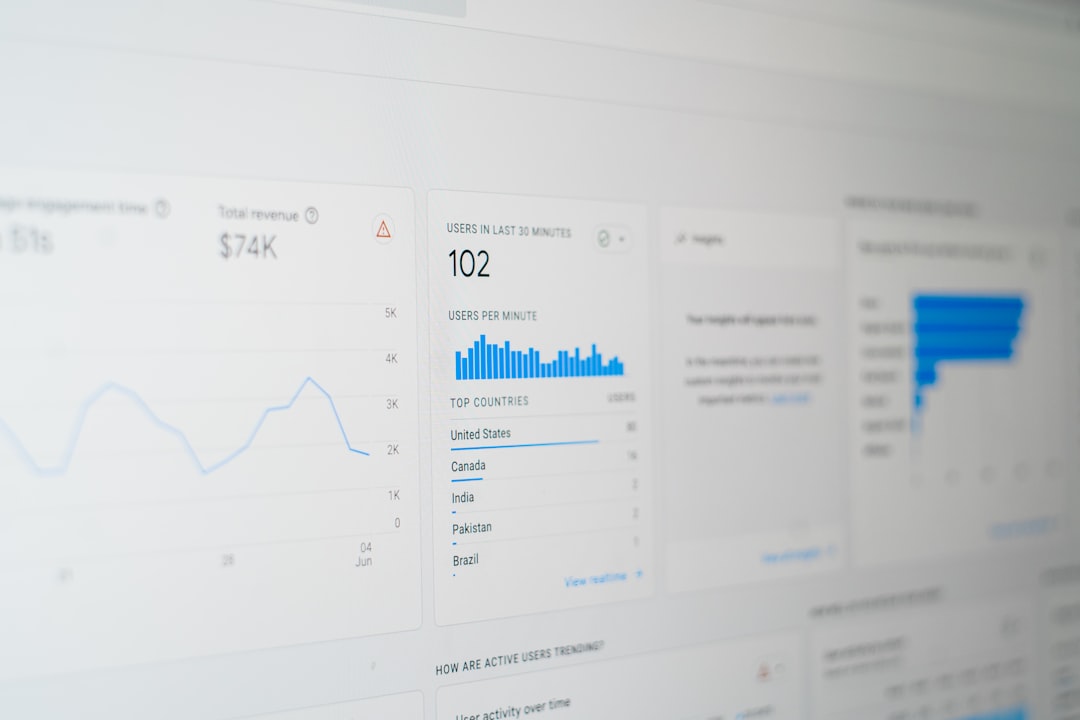

Better results from a WordPress SEO setup usually come from cleaner priorities, not more tools. If you have installed a plugin, filled in some fields, and still are not seeing movement, the problem is often that the setup is technically active but strategically weak. A green light in an SEO plugin does not mean the page deserves to rank.
Most site owners do not have one catastrophic SEO problem. They have a stack of smaller issues that compound over time: weak page titles, overlapping plugins, thin archives, inconsistent internal links, and important pages that are hard for search engines to understand. The good news is that these problems are usually fixable without rebuilding the whole site.
If your current setup feels busy but unproductive, WordPress SEO Expert can help you sort out what is actually helping, what is conflicting, and what should be fixed first.
Start With the Pages That Matter Most
The fastest SEO gains usually come from improving your most important pages first. That means your homepage, main service pages, key category pages, and any posts that already earn impressions but are stuck below stronger competitors.
Many WordPress sites spread effort too widely. They tweak every blog post, install extra modules, and chase editor scores while core business pages still have vague titles, thin internal support, or weak search intent alignment. Fix the issues that block visibility before the issues that polish visibility.
If your site already has a messy foundation, our guide to fixing WordPress SEO setup problems is a useful companion to this article.
Use One SEO Plugin and Configure It Well

One well-configured SEO plugin is enough for most WordPress sites. Running overlapping SEO plugins often creates duplicate metadata, conflicting canonicals, and competing sitemap outputs that make diagnosis harder than it needs to be.
This is especially common on sites that have changed owners, switched themes, or gone through a redesign. Instead of adding more features, simplify the stack. Keep one main plugin, review its title settings, archive rules, schema defaults, and sitemap output, then remove the tools that duplicate those functions.
If you are not sure whether plugin clutter is part of the problem, our practical WordPress SEO guide for DIY site owners explains how the core layers fit together.
Improve Titles Before You Rewrite Content
Title tags are one of the clearest signals you control, so they should be fixed early. Google recommends descriptive, concise title text and warns against keyword stuffing and repetitive boilerplate, which is why generic templates often hold WordPress pages back.
Instead of cramming variations into every title field, write titles that clearly describe the page and match the intent behind the search. Your goal is not to mention every phrase. Your goal is to make the page instantly understandable.
| Weak title | Stronger title |
|---|---|
| SEO Services | SEO Company | SEO Expert | WordPress SEO Services for Small Businesses |
| Home | WordPress SEO Help for Growing Service Businesses |
| Blog | WordPress SEO Tips for DIY Site Owners |
Start with your highest-value pages, not your entire site. A better title on the wrong page order will not solve everything, but improving the pages that matter most often creates momentum quickly.
Check Indexing and Crawl Paths

If search engines cannot reach your important pages or do not understand which URLs matter, rankings stay flat no matter how much you edit copy. Google recommends crawlable HTML links with descriptive anchor text, so internal structure is part of setup, not an optional extra.
On WordPress sites, common problems include accidental noindex settings, archives that should not be indexed, pages buried too deep in the site, and internal links that rely too much on navigation alone. Make sure important pages can be reached through normal on-site links and are clearly connected to related content.
This is where many site owners confuse publication with discoverability. A page can be live and still underperform because it is poorly supported by the rest of the site.
Strengthen Internal Links With Purpose

Internal linking is one of the most underused ways to improve a WordPress SEO setup. Strong internal links help search engines find pages, understand hierarchy, and connect supporting content to the pages that actually drive leads or sales.
Link related posts to service pages. Link overlapping articles to each other when they genuinely help the reader move forward. Use descriptive anchor text instead of vague phrases. Google’s guidance on links emphasizes that links should be crawlable and the anchor text should be relevant and concise.
If a page matters to your business, it should not depend on the sitemap alone. It should be linked naturally from other pages that Google can already find.
If you’re experiencing these symptoms, our team at WordPress SEO Expert can help.
Clean Up Meta Descriptions and Archives
Meta descriptions do not fix weak rankings by themselves, but they can improve how your pages are summarized in search. Google may use your meta description when it accurately describes the page, so writing unique descriptions for important URLs is still worthwhile.
At the same time, review the archive pages WordPress creates automatically. Tag archives, author archives, and date archives can quietly create thin or overlapping pages if they are left unmanaged. Not every archive is bad, but every archive should have a purpose.
The right move is usually simplification. Keep the archives that help users and support site structure. Limit or noindex the ones that create duplication without adding value.
Use Schema as Support, Not a Shortcut
Schema helps clarify visible page content, but it does not compensate for weak targeting, weak titles, or poor internal structure. Google’s structured data guidelines say markup should reflect the main content of the page and should not be misleading.
That matters because many WordPress plugins make it easy to turn on every available schema type. More markup is not automatically better. Clean, accurate markup that matches what users can actually see is the safer and more useful approach.
A Better Order for WordPress SEO Setup
If your current setup feels scattered, use a sequence that reduces noise and improves clarity. This order helps you avoid wasting time on surface-level edits while more important technical and structural problems remain unresolved.
| Priority | What to fix | Why it matters |
|---|---|---|
| 1 | Indexing and crawl access | Pages cannot perform if search engines cannot reach or index them correctly |
| 2 | Plugin conflicts | Conflicting outputs create mixed signals across the site |
| 3 | Page titles | Clearer titles improve relevance and click potential |
| 4 | Internal links | Stronger linking improves discovery and context |
| 5 | Meta descriptions and archives | These improve summaries and reduce low-value duplication |
| 6 | Schema cleanup | Helpful once the main technical and content signals are already stable |
What to Stop Doing
Stop chasing perfect plugin scores as if they guarantee rankings. Stop adding overlapping tools just because a feature sounds useful. Stop publishing more pages before your important pages are clearly structured, clearly titled, and clearly connected.
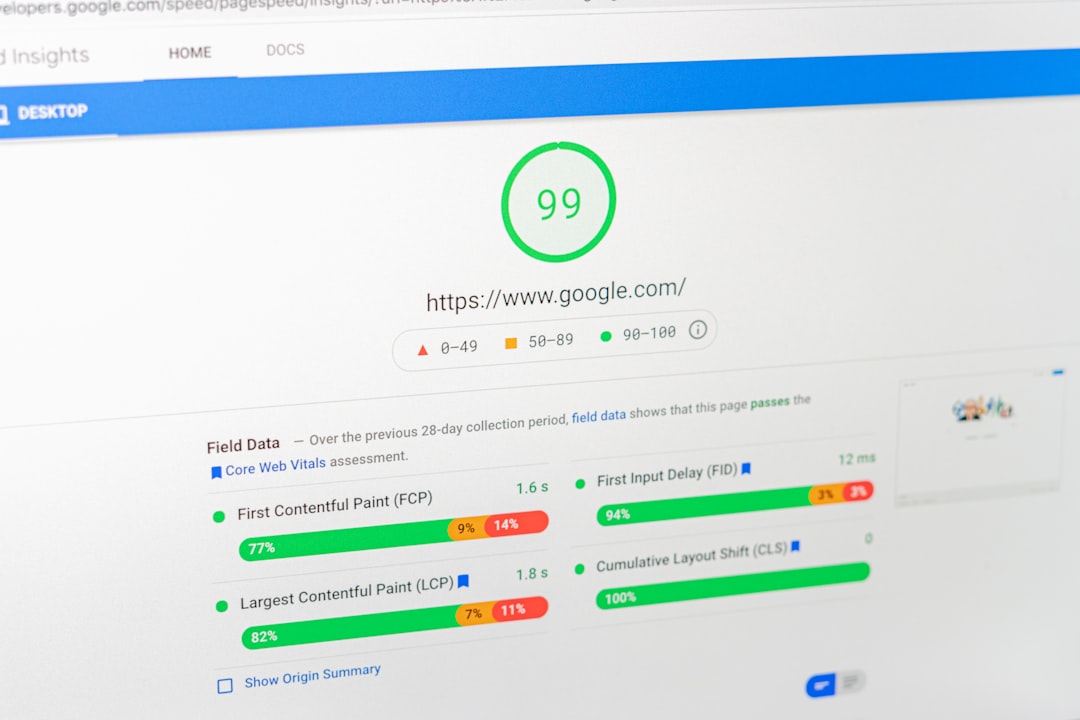
You do not need a perfect score. The goal is a site that loads cleanly, is easy to use, and sends consistent signals about which pages matter most. Better results come from consistency and prioritization, not from checking every box in the dashboard.
When to Get Help
If you have done the basic setup work and rankings are still flat, the issue is usually not effort. It is usually that the real blocker has not been identified yet. That blocker may be indexing, duplication, weak targeting, internal linking, or a plugin conflict that keeps distorting your signals.
WordPress SEO Expert can help you identify what to fix first and what to ignore for now. Book a free SEO consultation. No pitch, no pressure. Just an honest look at what your site actually needs and whether your current setup is part of the solution or part of the problem.
Contact WordPress SEO Expert today to schedule a consultation.