
Most WordPress SEO problems do not come from a lack of effort. They come from a setup that sends mixed signals through plugin overlap, weak page titles, thin archives, and internal links that do not support the pages that matter most.
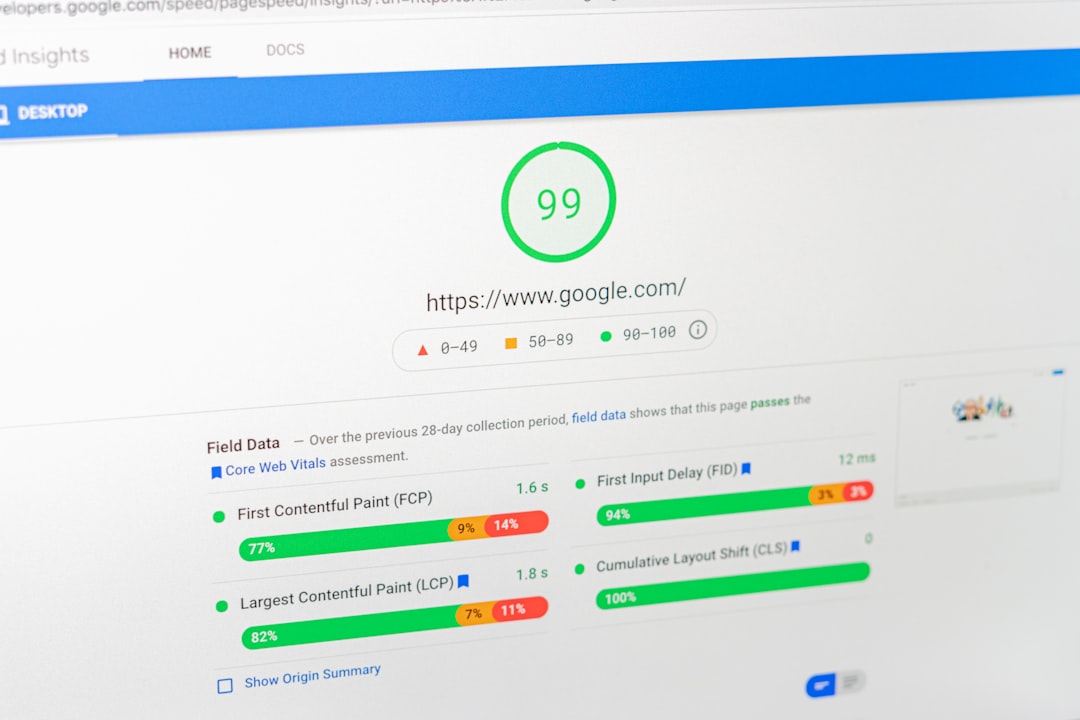
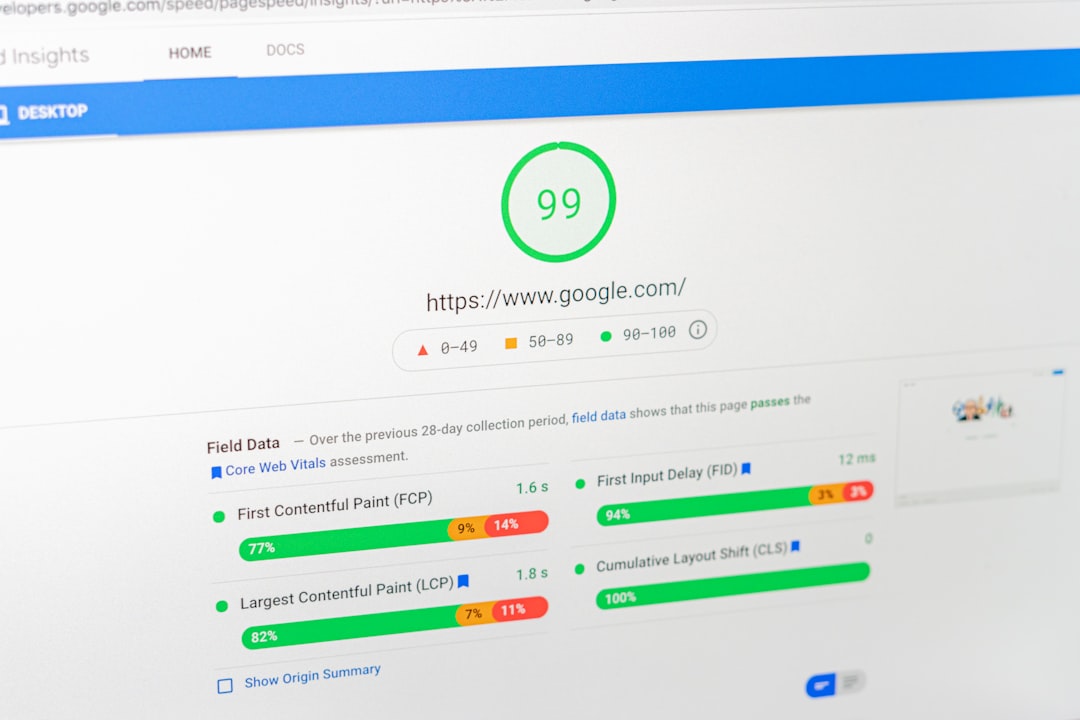
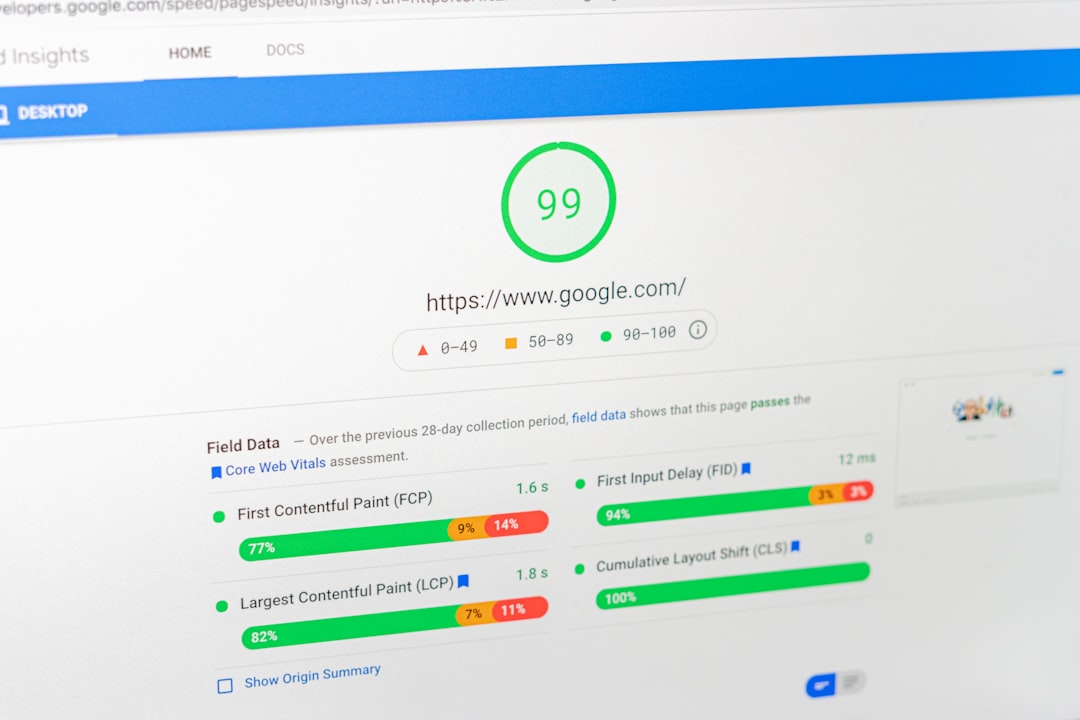
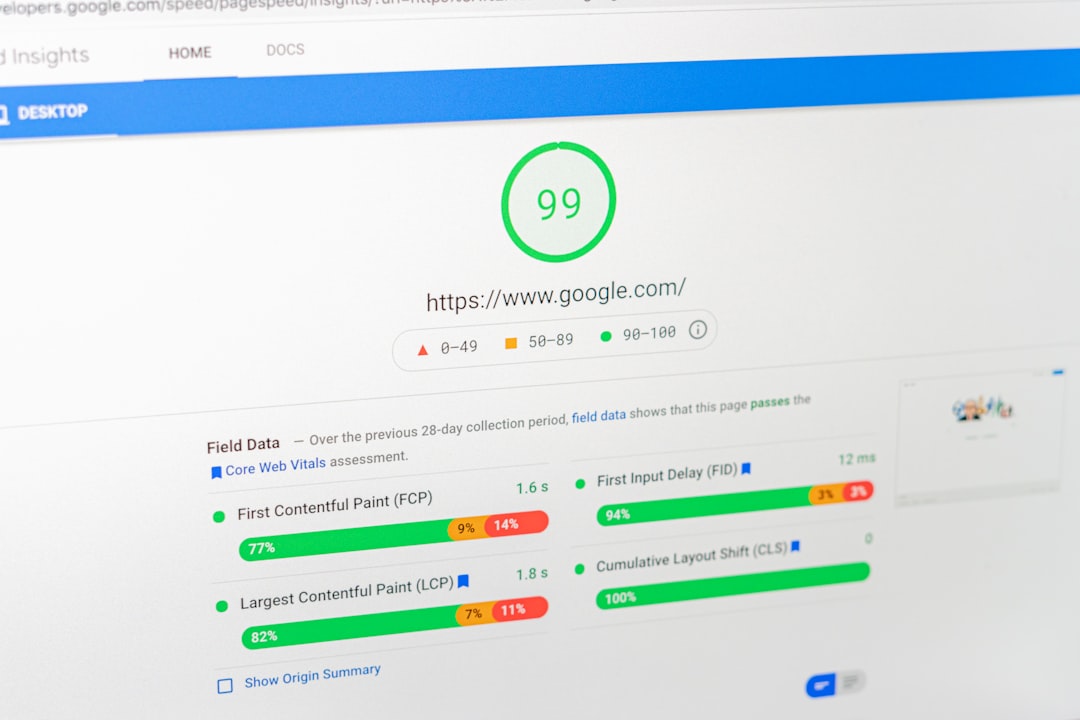
A green light in an SEO plugin does not mean the page deserves to rank. What works is a clean setup, one clear plugin configuration, and a priority order that fixes visibility problems before cosmetic ones.
If you want a broader diagnosis before changing anything, start with our guide on how to fix WordPress SEO setup problems and then compare your site against the practical framework below.
Start With the Setup Problems That Block Rankings

The first wins usually come from removing barriers, not adding features. If Google cannot clearly crawl, interpret, and prioritize your important pages, better copy and more content will not solve the core problem.
Fix the issues that block visibility before the issues that polish visibility. That means checking whether the right pages are indexable, whether your title templates are useful, whether duplicate URLs are under control, and whether your internal links reinforce the structure you want search engines to understand.
Use One SEO Plugin and Configure It Well
One well-configured SEO plugin is enough. Running overlapping plugins often creates duplicate metadata, conflicting canonicals, and competing sitemap outputs that make troubleshooting harder than it needs to be.
If your site has Yoast, Rank Math, a schema plugin, and a second metadata tool all trying to control the same output, simplify first. The goal is not more modules. The goal is consistent signals from one system.
If you are still deciding how to simplify your stack, our WordPress SEO guide for DIY site owners explains how plugin choices fit into the bigger ranking picture.
Fix Page Titles Before You Rewrite Whole Pages

Title tags are one of the clearest on-page signals you control, so they deserve early attention. Google recommends descriptive, concise titles and warns against keyword stuffing and repetitive boilerplate.
That means vague or stuffed patterns usually underperform compared with titles that describe the page clearly. Your homepage, service pages, category pages, and posts already earning impressions should be reviewed first.
| Weak title | Stronger title |
|---|---|
| SEO Services | SEO Company | SEO Expert | WordPress SEO Services for Small Businesses |
| Home | WordPress SEO Consultant for Service Businesses |
| Blog | WordPress SEO Tips for Small Business Websites |
A strong title helps users and search engines understand the page fast. Google’s own guidance on influencing title links is a good baseline if you want to review the principles directly.
Write Meta Descriptions for Important Pages Only
Meta descriptions support click quality more than rankings. They matter most on the pages that already have a chance to earn impressions, because a better summary can improve how your result is understood in search.
Do not try to handwrite a perfect description for every low-value archive and tag page. Focus on pages that bring business value, and make each description specific to the page instead of repeating the same template everywhere.
Google explains that it may use the meta description when it better summarizes the page, which is why clear page-specific summaries outperform generic templates. You can review that in Google’s documentation on how to write meta descriptions.
Check Indexing and Archive Settings
Many flat-ranking WordPress sites have important pages competing with low-value archives and duplicate URLs. The fix is usually to reduce clutter so search engines spend more attention on pages that deserve visibility.
Review author archives, date archives, tag archives, attachment pages, and internal search pages. If they are thin, repetitive, or not useful as landing pages, they often belong in noindex rather than competing with your core content.
Most site owners do not have one catastrophic problem. They have a stack of smaller issues that compound over time. Cleaning up archives is one of the fastest ways to make a messy setup easier to understand and maintain.
Make Internal Links Descriptive and Crawlable

Internal links help Google discover pages, understand hierarchy, and connect supporting content to your most important commercial pages. Weak linking leaves good pages isolated even when the content itself is solid.
Use descriptive anchor text inside normal HTML links, not vague prompts and not JavaScript-based workarounds that are harder to parse. Google’s documentation on crawlable links and anchor text makes this standard clear.
A practical rule is simple: every important service page should receive links from related blog posts, nearby category pages, and navigation paths that users can actually follow. If a page only exists in a sitemap, it is usually under-supported.
A Simple Priority Order for WordPress SEO Setup
You do not need to fix everything at once. What works is a sequence that removes structural problems first, then improves relevance signals, then sharpens click potential.
| Priority | What to fix | Why it matters first |
|---|---|---|
| 1 | Indexing and crawl access | Pages cannot rank well if search engines cannot reach or interpret them correctly |
| 2 | Plugin conflicts | Conflicting metadata and sitemap output create mixed signals across the site |
| 3 | Duplicate URLs and archive clutter | Too many low-value URLs dilute focus and complicate troubleshooting |
| 4 | Page titles | Improves topical clarity and makes key pages easier to understand |
| 5 | Meta descriptions | Supports better search snippets on pages already earning impressions |
| 6 | Internal links | Strengthens hierarchy, discovery, and support for core pages |
What to Stop Doing
Stop chasing plugin scores as if they are ranking proof. Stop stacking new tools on top of old tools. Stop publishing more pages before you know whether the right existing pages are being crawled, indexed, and internally supported.
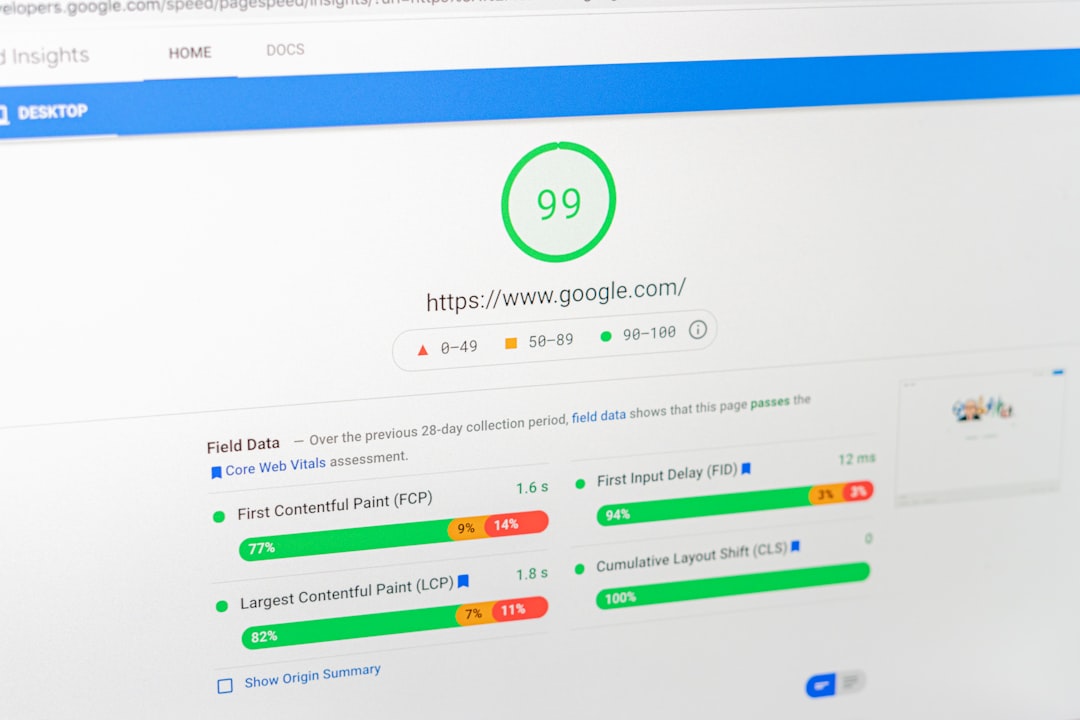
You do not need a perfect score. The goal is a site that loads cleanly, is easy to use, and sends consistent signals about which pages matter most. That usually comes from simplification, not expansion.
If you are experiencing these symptoms, our team at WordPress SEO Expert can help. We can review whether your real problem is indexing, duplication, weak targeting, or a plugin setup that is quietly creating conflicts across the site.
When It Makes Sense to Get Help
If rankings are flat after months of effort, the problem is often prioritization rather than motivation. An outside review can quickly separate settings that matter from busywork that only feels productive.
WordPress SEO Expert can help you sort the technical problems from the content problems before you change anything major. Book a free SEO consultation. No pitch, no pressure. Just an honest look at what your site actually needs and whether your current setup is part of the solution or part of the problem.
Contact WordPress SEO Expert today to schedule a consultation if you want a practical plan that improves your WordPress SEO setup without adding more clutter.