Introduction to Increasing Organic Traffic With a Florida SEO Expert
🌐 Organic traffic is one of the most valuable sources of website visitors for businesses that want to grow online without relying entirely on paid advertising. When people search Google for products, services, or solutions and discover a business through unpaid search results, they can become potential customers, leads, or long-term clients. For businesses in Florida, improving organic traffic can create new opportunities to reach local residents, tourists, property owners, and customers across competitive markets.
A Florida SEO expert helps businesses improve their visibility in search engines through strategic keyword research, website optimization, content development, technical improvements, and authority building. Instead of attracting random visitors, a well-planned SEO strategy focuses on reaching people whose search queries indicate a genuine interest in the business’s offerings. This targeted approach can help businesses attract relevant visitors who are more likely to engage with their websites and take meaningful action.
Florida has a diverse business environment that includes real estate companies, tourism providers, law firms, healthcare practices, restaurants, home service contractors, online retailers, and professional service providers. Each industry has different customers, search patterns, and competitors, which means a single SEO strategy cannot deliver the same results for every business. A qualified SEO professional evaluates these differences before developing a plan that supports specific marketing objectives.
Increasing organic traffic requires more than inserting keywords into website pages or publishing occasional blog posts. Search engines evaluate numerous factors, including relevance, content usefulness, website accessibility, mobile experience, page performance, and signals of credibility. A comprehensive strategy addresses these elements together to improve the likelihood that relevant pages will appear for valuable searches.
Businesses should also understand that organic traffic growth takes time and consistent effort. Results depend on the website’s current condition, competition, industry, content quality, and the resources invested in SEO. Working with an experienced Florida SEO expert can help businesses establish realistic goals, prioritize improvements, and build a sustainable foundation for long-term search visibility.
Understanding Organic Traffic and Its Importance
Organic traffic refers to visitors who arrive at a website through unpaid search engine results. For example, a person searching for a roofing contractor in Orlando might click a company’s website after finding it in Google’s organic listings. That visit counts as organic traffic because the business did not pay for that individual click through a search advertising campaign.
Organic traffic differs from paid search traffic, direct traffic, referral traffic, and social media traffic. Paid search visitors arrive through advertisements, while direct visitors typically enter a website address or use a saved bookmark. Referral traffic comes from links on other websites, and social traffic originates from social media platforms.
Although these channels serve different purposes, organic search can become a dependable source of qualified website visitors. People frequently use search engines when they need information, compare providers, investigate prices, or prepare to make a purchase. Appearing for relevant searches allows a business to connect with potential customers at different stages of their decision-making process.
📈 Organic traffic is valuable because it can continue generating visits after a page has earned strong search visibility. Unlike an advertising campaign that may stop delivering visitors when the budget runs out, a useful and well-optimized page can attract traffic over an extended period. However, rankings are not permanent, and businesses must maintain content quality, monitor performance, and adapt to changing search behavior.
Another important benefit is the opportunity to build brand awareness. Even when visitors do not immediately contact a business, repeated exposure to its website in relevant search results can increase familiarity. When those users are ready to make a decision, they may be more likely to recognize and consider the brand.
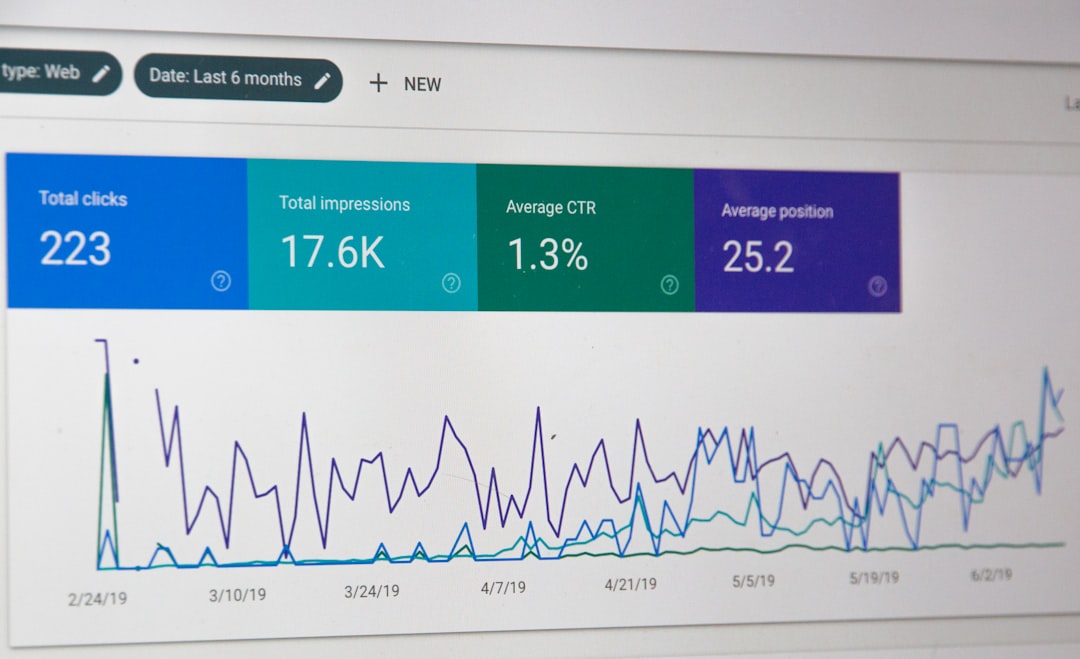
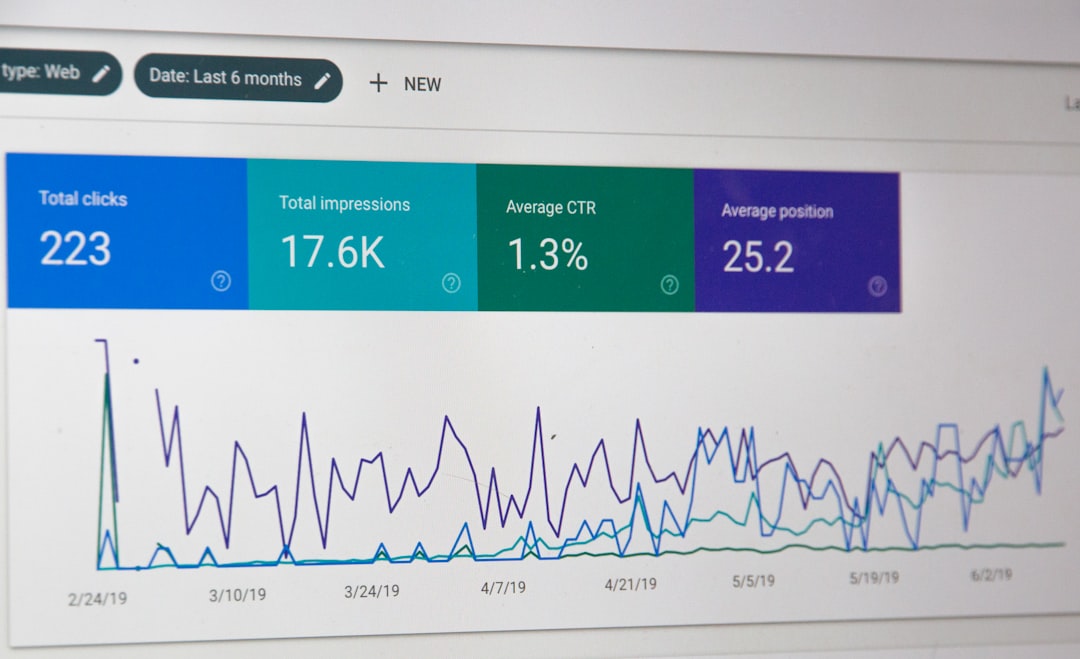
Organic traffic also provides useful information about customer interests. Search Console data, website analytics, and keyword performance reports can reveal which queries bring visitors to the site, which pages attract attention, and where users encounter problems. A Florida SEO expert can interpret these insights to improve content and focus resources on opportunities that support business growth.
However, traffic volume alone does not determine SEO success. A website may receive thousands of visitors without generating meaningful inquiries or sales if its content attracts the wrong audience. The goal should be to increase relevant organic traffic while improving engagement, lead quality, conversions, and the overall value of website visits.
Why Florida Businesses Need an Organic Traffic Strategy
Florida businesses operate in a competitive environment where customers often compare multiple providers before making a decision. In major markets such as Miami, Tampa, Orlando, Jacksonville, and Fort Lauderdale, businesses may compete against established brands, local companies, directories, and specialized service providers. A structured organic traffic strategy helps businesses identify opportunities to stand out in these crowded search results.
Local customers frequently use location-based searches when looking for nearby services. Queries such as “emergency plumber in Tampa,” “family dentist in Miami,” or “vacation rentals near Orlando” indicate that the searcher has a particular location or service requirement in mind. Businesses that optimize relevant pages for these needs can improve their chances of attracting visitors with strong local intent.
Tourism also creates distinct opportunities for Florida companies. Hotels, attractions, restaurants, transportation providers, tour operators, and vacation rental businesses can benefit from content that addresses travel planning questions and destination-specific searches. Because tourists may research activities and accommodations weeks or months before traveling, helpful content can introduce a business to potential customers early in their planning process.
Seasonality is another consideration for many Florida industries. Some businesses experience higher demand during holiday periods, winter travel months, summer vacations, or weather-related service periods. SEO planning should account for these patterns by preparing relevant pages and content before demand increases, rather than waiting until competitors have already established strong visibility.
An organic traffic strategy can also reduce dependence on a single marketing channel. Businesses that rely entirely on paid advertising may experience difficulty when advertising costs rise, campaigns become less effective, or budgets are reduced. Search engine optimization provides another way to attract interested audiences, although it still requires investment in expertise, content, website improvements, and ongoing maintenance.
Small and medium-sized businesses can benefit from focusing on specific, achievable search opportunities instead of trying to compete for every broad keyword. A local landscaping company, for example, may gain more value from targeting relevant service and city combinations than from attempting to rank nationally for a highly competitive term such as “landscaping.” A Florida SEO expert can help identify these opportunities and organize them into a practical growth plan.
A strong strategy also connects SEO activity with wider business goals. If a company wants more consultation requests, online bookings, phone calls, or product sales, keyword targeting and landing pages should reflect those desired outcomes. This alignment makes it easier to evaluate whether organic traffic is contributing to measurable business results rather than simply increasing website visits.
How a Florida SEO Expert Develops a Traffic Growth Plan
A Florida SEO expert begins by understanding the business, its target audience, its services, and its current online performance. Without this initial assessment, recommendations may focus on general SEO tasks that do not address the website’s most important problems. A structured planning process helps identify weaknesses, opportunities, and priorities before major changes are implemented.
Conducting a Website SEO Audit
The first step is often a comprehensive website audit. This assessment examines indexing, crawlability, site structure, metadata, page content, internal links, mobile usability, loading performance, and other factors that can influence search visibility. The expert also looks for duplicate pages, broken links, redirect problems, and technical errors that may interfere with search engine access.
An audit should distinguish between urgent technical issues and improvements that can be handled over time. For example, a page that is accidentally blocked from indexing may require immediate attention, while refining the headings on an already performing article may be a lower priority. This approach helps businesses use their budgets and time more effectively.
Evaluating Current Organic Performance
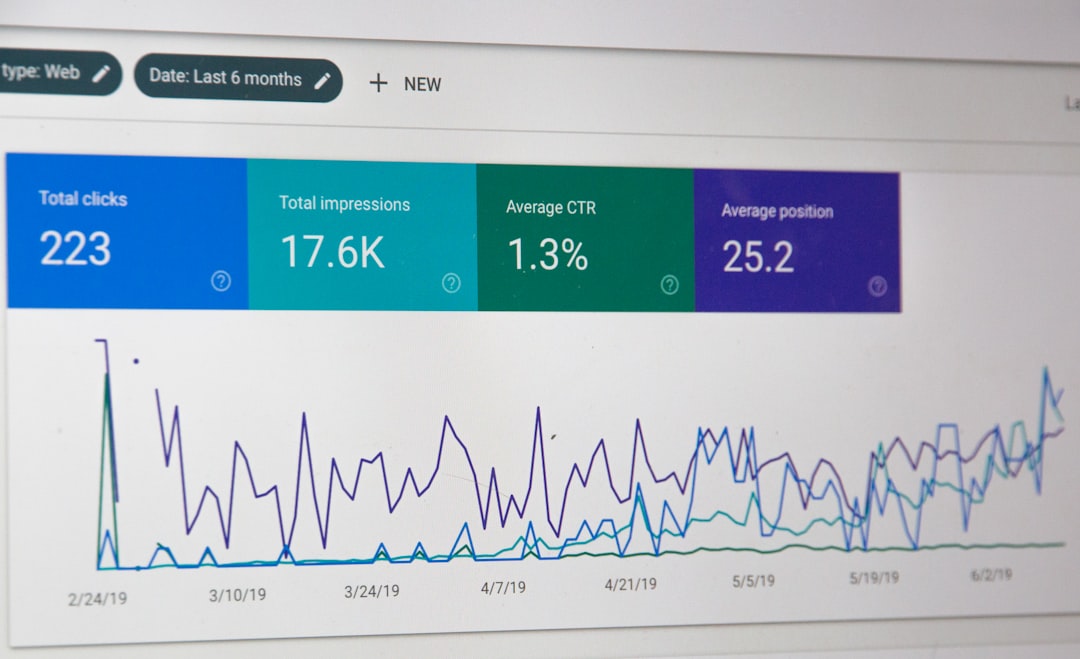
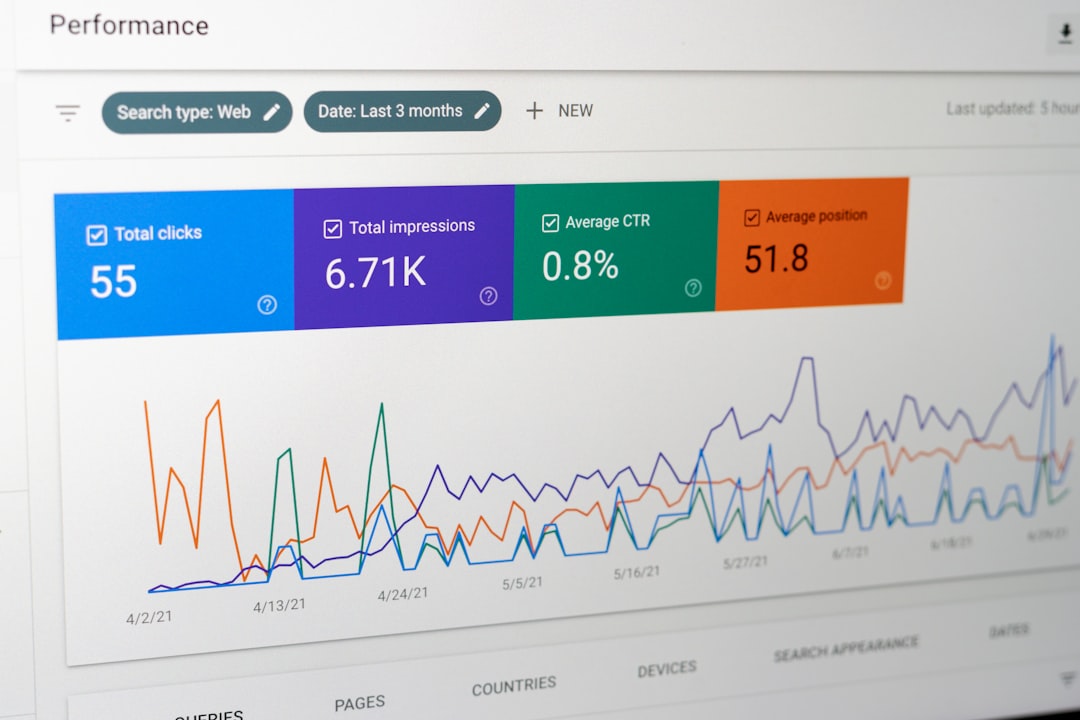
The next step involves reviewing available search and analytics data. Google Search Console can help reveal which queries produce impressions and clicks, which pages appear in search results, and whether certain technical or indexing issues are reported. Website analytics can provide additional information about landing pages, visitor behavior, engagement, and conversions.
Historical performance is particularly useful because it helps establish a baseline for measuring future improvements. An expert may compare performance across different periods while accounting for seasonality, changes in demand, website redesigns, and marketing campaigns. These comparisons provide a more reliable picture than looking at a single day’s traffic.
Researching Competitors
Competitor analysis helps businesses understand which companies are visible for important search terms and what makes their pages competitive. The review may examine their service pages, content depth, local landing pages, internal linking, backlink profiles, and the range of topics they cover. The purpose is to discover gaps and opportunities, not to copy another company’s website.
A Florida SEO expert may identify valuable queries that competitors have overlooked or pages that fail to answer customers’ questions adequately. A business can then create more useful resources, improve its existing pages, and develop a clearer value proposition. Competitor research should always lead to original improvements that reflect the business’s expertise and customers’ needs.
Setting Clear Goals and Priorities
An effective plan establishes measurable goals based on the business’s current position and commercial objectives. These goals might include increasing non-branded organic clicks, improving visibility for priority service keywords, attracting more local visitors, generating qualified leads, or increasing organic revenue. Targets should be realistic and adjusted as performance data becomes available.
The expert then organizes work into stages. Technical fixes, high-value service pages, content improvements, local SEO, and authority-building activities may receive different levels of priority depending on the audit findings. A documented roadmap gives the business a clearer understanding of what will happen, why each task matters, and how progress will be evaluated.
Implementing and Refining the Strategy
SEO is an ongoing process rather than a one-time project. After implementing improvements, the expert monitors rankings, impressions, clicks, organic landing-page performance, and conversions to determine which actions are producing useful results. If a page attracts impressions but receives few clicks, its title and description may need improvement; if visitors arrive but rarely contact the business, the page content and conversion experience may require attention.
Regular reviews help the strategy adapt to new competitors, changing customer needs, website updates, and search engine developments. This cycle of research, implementation, measurement, and refinement allows businesses to make informed decisions instead of relying on assumptions.
Keyword Research for Increasing Organic Traffic
Keyword research is a central part of any strategy designed to increase organic traffic. It identifies the words and phrases people use when searching for information, products, or services related to a business. By understanding these searches, a Florida SEO expert can create pages that match customer needs and improve the website’s relevance to valuable search queries.
Effective keyword research goes beyond selecting phrases with high search volumes. A popular keyword may be too broad, highly competitive, or unrelated to the services a company actually provides. A smaller keyword with strong commercial intent may generate fewer visits but deliver better leads and more sales opportunities.
Identifying Primary and Supporting Keywords
Primary keywords represent the main topic or purpose of a page. For example, a Miami-based air conditioning company might use “AC repair in Miami” as the primary keyword for a dedicated repair service page. Supporting keywords could include related phrases about air conditioner troubleshooting, emergency repairs, maintenance, and local service availability.
These related terms help the page address the subject comprehensively without repeating the same phrase unnaturally. Search engines can interpret context through the language, topics, and relationships presented on a page. The content should therefore explain the service clearly and answer relevant questions rather than attempting to manipulate rankings through excessive keyword repetition.
Targeting Long-Tail Keywords
Long-tail keywords are more specific search phrases that often reveal a clearer need. Examples include “same-day water heater repair in Jacksonville” or “family-friendly vacation rentals near Disney World.” These searches may have lower individual search volumes, but they can attract people who already know what they want.
Long-tail opportunities can be especially useful for small businesses competing against larger companies with established websites. A focused page that answers a specific customer need may be more relevant than a broad page trying to cover every possible service. The expert evaluates search intent, competition, and business relevance before deciding which phrases deserve dedicated content.
Understanding Search Intent
Search intent describes the purpose behind a query. A person searching for “what is local SEO” probably wants an explanation, while someone searching for “SEO consultant in Tampa” may be evaluating service providers. Recognizing this difference helps ensure that each keyword leads to a suitable type of page.
The main intent categories include informational, navigational, commercial investigation, and transactional searches. Informational queries are suited to guides and educational articles, commercial investigation queries may require comparisons and case studies, and transactional queries often align with service or product pages. Navigational searches usually involve people looking for a particular brand or website.
A page is more likely to satisfy visitors when its format matches the purpose of their search. Creating a sales-focused landing page for a question that requires a detailed explanation may lead to a poor user experience. Similarly, an educational article may not be the strongest destination for someone ready to book a service.
Evaluating Keyword Difficulty and Business Value
Keyword difficulty provides an estimate of how challenging it may be to compete for a particular search term, although different SEO tools calculate it differently. The expert should also assess the quality of competing pages, the authority of ranking websites, the relevance of existing content, and the strength of local competition. No single tool metric can reliably predict whether a website will rank.
Business value is equally important. A Florida law firm may prioritize searches associated with its actual practice areas, while a home renovation company may focus on service-specific keywords that lead to project inquiries. Selecting keywords according to relevance and conversion potential helps ensure that organic traffic growth supports business objectives.
Organizing Keywords Into Relevant Pages
Once the keyword research is complete, terms should be mapped to suitable website pages. Closely related keywords can often be addressed within one comprehensive page, while topics with different search intent may require separate resources. This organization reduces unnecessary overlap and helps search engines understand each page’s purpose.
For example, a roofing company could maintain a main roofing services page, a separate roof repair page, a roof replacement page, and educational articles about roof maintenance. Each resource would serve a distinct purpose while supporting the wider topic of roofing services. Internal links can connect these pages and guide visitors toward useful information or relevant service options.
Keyword research should be reviewed periodically because search demand, competition, and customer language can change. New services, emerging questions, and shifts in seasonal demand may create opportunities that were not obvious during the initial research. Consistent evaluation helps businesses maintain a relevant keyword strategy as their markets evolve.
Understanding Search Intent and Customer Behavior
Search intent is essential to increasing organic traffic that produces meaningful business outcomes. It explains why a person performs a search and what kind of information or action they expect to find. A Florida SEO expert uses this understanding to align website content with the needs of potential customers at different stages of the buying journey.
A visitor looking for general information may not be ready to purchase immediately. Someone comparing providers may need pricing details, service explanations, testimonials, or evidence of expertise before making a decision. A visitor searching for an emergency service, on the other hand, may want a phone number, service area, and clear instructions for getting help quickly.
Informational Searches
Informational searches occur when people want to learn something or solve a problem. Examples include “how often should an AC unit be serviced in Florida,” “how to prepare a vacation rental for guests,” and “what to consider before buying a home in Tampa.” These queries provide opportunities to create practical articles, guides, checklists, and explanatory resources.
Informational content should answer the central question clearly and provide enough context to help readers understand the topic. It should avoid unnecessary promotional language that distracts from the user’s immediate need. Where appropriate, the content can link naturally to a related service page for readers who want professional assistance.
Commercial Investigation Searches
Commercial investigation searches occur when people compare potential solutions or providers. Queries such as “best pest control companies in Orlando” or “SEO services for small businesses in Florida” may indicate that the searcher is researching available options. These visitors often benefit from transparent service descriptions, comparison guides, project examples, and clear explanations of what differentiates a provider.
Businesses should present accurate information that helps people make informed choices. Unsupported superlatives and vague claims are less useful than concrete descriptions of the process, service scope, relevant experience, and expected deliverables. A well-structured page can address common concerns while giving potential customers a reason to continue exploring the website.
Transactional Searches
Transactional searches indicate that a person may be ready to take action. Examples include “book a pest inspection in Fort Lauderdale,” “hire a divorce attorney in Miami,” or “schedule AC repair in Tampa.” These searches often align with service pages, booking pages, product listings, and contact pages.
Pages targeting transactional intent should make the next step easy to understand. Visitors should be able to find relevant service details, contact information, availability where applicable, and a clear way to request assistance. Removing unnecessary distractions and providing useful answers can improve the likelihood that organic visitors become leads or customers.
Using Customer Questions to Create Better Content
Customer questions can reveal the concerns that searchers want businesses to address. Questions about pricing, timelines, service areas, qualifications, warranties, and the process of working with a provider may inspire useful website content. Sales conversations, customer support messages, website search data, and feedback can all help identify these topics.
Answering these questions can improve the relevance of service pages and support articles. It can also reduce uncertainty for potential customers who are deciding whether to contact the business. The most effective content reflects genuine customer concerns rather than simply repeating keywords discovered through an SEO tool.
Improving the Visitor Journey
Organic traffic becomes more valuable when visitors can easily find the information they need and understand what to do next. Clear navigation, readable headings, relevant internal links, useful calls to action, and consistent page layouts help users move through the website. A person reading a guide about home maintenance, for example, should be able to find related service information without searching through unrelated pages.
Customer behavior should be evaluated using relevant analytics rather than assumptions. If visitors frequently leave a page without exploring other resources, the content may not meet their expectations, or the page may present usability problems. Reviewing these patterns helps businesses identify opportunities to improve both organic performance and the overall customer experience.

Florida SEO Expert: How to Increase Organic Traffic
On-Page SEO Techniques That Improve Organic Visibility
🔎 On-page SEO involves optimizing the content and HTML elements of individual website pages so search engines and visitors can understand their purpose. It plays an important role in increasing organic traffic because it helps search engines match relevant pages with users’ queries. A Florida SEO expert evaluates each important page to ensure that its content, structure, and optimization support the business’s goals.
Optimizing Title Tags and Meta Descriptions
Title tags help search engines and users understand what a webpage covers. An effective title should describe the page accurately, include the primary keyword naturally when appropriate, and communicate a clear reason to visit. For example, a Tampa plumbing company might use a title such as “Professional Plumbing Services in Tampa, Florida” for its main service page.
Meta descriptions provide a short summary that may appear beneath a page title in search results. Although meta descriptions are not a direct Google ranking factor, a relevant and compelling description can help searchers understand the page and may encourage more clicks. Each important page should have a unique description that accurately reflects its content and avoids exaggerated promises.
Structuring Headings for Readability
Headings divide content into meaningful sections and help visitors locate information quickly. The main heading should clearly identify the page’s subject, while supporting headings organize related details into logical sections. A page about Orlando air conditioning repair might include sections about common AC problems, repair services, emergency appointments, and maintenance recommendations.
Headings should describe the information that follows instead of serving as containers for repeated keywords. A clear hierarchy improves readability, supports accessibility, and helps search engines interpret the page’s organization. Visitors should be able to scan the headings and understand the main points without reading every paragraph.
Creating Useful and Descriptive URLs
Website URLs should be concise, readable, and relevant to the page. A URL such as “example.com/tampa-roof-repair” communicates the subject more clearly than a long address filled with unnecessary parameters or random characters. Simple URL structures can also make websites easier to navigate and maintain.
Businesses should avoid changing established URLs without a clear reason and an appropriate migration plan. When a URL must change, a relevant permanent redirect can help users and search engines reach the new destination. Poorly managed URL changes can disrupt existing links, create duplicate pages, and cause valuable search visibility to decline.
Improving Internal Linking
Internal links connect one page on a website to another page on the same domain. They help visitors discover related resources and assist search engines in understanding relationships between pages. For example, a Florida real estate agency could link an article about preparing a home for sale to its property valuation and listing services.
Descriptive anchor text helps visitors understand what they can expect after clicking a link. Links should be placed naturally within relevant content instead of being added randomly or repeated excessively. A thoughtful internal linking structure can help important service pages receive greater visibility within the website and improve navigation for potential customers.
Optimizing Images and Alternative Text
Images can make a website more informative, particularly for businesses that depend on visual presentation, such as hotels, restaurants, real estate agencies, and home improvement companies. However, large image files can slow down pages if they are not optimized. Appropriate file formats, reasonable dimensions, compression, and responsive image delivery can help maintain visual quality while reducing unnecessary loading time.
Alternative text should describe the meaningful content or function of an image for users who rely on assistive technology. For example, an image showing a completed kitchen renovation could have descriptive alternative text that explains what is shown. Businesses should not fill alternative text with unrelated keywords or use it as a substitute for useful page content.
Creating High-Quality Content That Attracts Visitors
📝 Content is one of the strongest foundations of sustainable organic traffic growth. Helpful articles, service pages, guides, and other resources give search engines relevant information to understand while helping customers solve problems and evaluate their options. A Florida SEO expert develops a content strategy that connects customer needs with the business’s expertise and services.
Publishing Content That Solves Real Problems
High-quality content begins with understanding the audience. A homeowner searching for information about hurricane preparation may need a practical checklist, while a tourist planning a family vacation in Florida may want advice about attractions, transportation, and accommodation. Content that addresses these needs directly is more useful than a page created mainly to repeat search terms.
Each article should have a clear purpose and provide meaningful information. Writers should answer the main question early, explain important details, and include examples or practical steps when appropriate. Relevant supporting information can add depth, but unnecessary repetition should be removed to keep the page focused.
Demonstrating Experience and Expertise
People are more likely to trust content that demonstrates genuine knowledge of its subject. Businesses can strengthen credibility by explaining their processes, sharing original insights, presenting accurate information, and identifying relevant qualifications where appropriate. A Florida home renovation company, for example, can discuss common renovation challenges, material choices, project planning, and factors that influence costs.
Experience-based content should be truthful and verifiable. Customer testimonials, case studies, project photographs, and documented results can support credibility when they are authentic and used with permission. Businesses should avoid invented customer stories, fabricated statistics, and unsupported claims about results.
For topics involving health, finance, law, or other consequential decisions, accuracy and appropriate expertise are especially important. Content should be reviewed by qualified professionals when necessary and updated when important information changes. Clear sourcing and responsible explanations help readers understand the limits of the information provided.
Building a Consistent Content Calendar
A content calendar helps businesses publish resources according to their priorities instead of producing random articles. It can identify target topics, intended audiences, publication dates, responsible team members, and opportunities for internal links. Planning also helps prevent several articles from competing to address the same search intent.
Florida businesses may organize their calendars around customer questions, seasonal demand, local interests, and key service categories. A tourism company might prepare destination guides before peak travel periods, while a roofing contractor could publish practical roof maintenance information before seasonal storms become a concern. Content timing should reflect genuine customer needs rather than assumptions about guaranteed traffic increases.
Updating Existing Content
Increasing organic traffic does not always require publishing more articles. Some websites already contain useful resources that could perform better with clearer explanations, improved organization, current details, or stronger internal links. Reviewing existing content can reveal opportunities to improve pages that receive search impressions but attract relatively few clicks or fail to satisfy visitors.
An update should improve the page’s actual usefulness instead of merely changing its publication date. Businesses should check facts, replace outdated information, remove irrelevant sections, and add details that genuinely improve the reader’s understanding. After changes are implemented, performance can be monitored to determine whether the improvements are delivering better results.
Using Different Content Formats
Written articles are important, but businesses can also use checklists, comparison tables, frequently asked questions, instructional videos, original photographs, and downloadable guides. Different formats can make complex information easier to understand and help visitors engage with the material. The format should suit the topic and the audience’s preferences.
A Florida property management company might publish a rental property maintenance checklist, while a dental practice could create an educational guide explaining common treatment options. These resources can support the website’s wider content strategy and provide useful material for newsletters or social media distribution. However, publishing multiple formats is valuable only when each resource serves a clear purpose.
Technical SEO Improvements for Better Search Performance
⚙️ Technical SEO focuses on the website infrastructure that allows search engines to discover, crawl, render, and index important content. Even an informative website may struggle to attract organic traffic if technical problems prevent its pages from appearing properly in search results. A Florida SEO expert reviews the technical foundation and prioritizes issues that affect accessibility, indexing, usability, or performance.
Improving Crawling and Indexing
Search engines must be able to discover and process relevant website pages before those pages can appear in organic results. An SEO audit should examine robots.txt directives, XML sitemaps, indexing settings, canonical tags, redirect behavior, and reported coverage issues. These checks help identify pages that are accidentally blocked, excluded, or represented inconsistently.
An XML sitemap can help search engines discover important URLs, particularly on larger websites. However, including a URL in a sitemap does not guarantee that Google will index it or rank it. Sitemaps should be maintained carefully and should generally contain the canonical URLs that the business wants search engines to consider.
Canonical tags can help indicate the preferred version of pages that contain duplicate or substantially similar content. Redirects should also be used appropriately when pages move or URLs change. The correct solution depends on the technical circumstances, so businesses should avoid applying blanket fixes without understanding their consequences.
Fixing Broken Links and Redirect Problems
Broken links can frustrate visitors and interfere with website navigation. A technical review should identify links that lead to missing pages, outdated resources, or incorrect destinations. Important broken links should be corrected, and missing pages should be restored or redirected when a suitable replacement exists.
Redirect chains and loops can create unnecessary technical complexity. When a page moves permanently, a direct redirect to the most relevant replacement is generally preferable to sending visitors through several intermediate URLs. Regular technical checks can help businesses maintain a clean website structure as pages are added, updated, or removed.
Implementing Structured Data
Structured data uses a standardized format to describe information on a webpage. Depending on the content, eligible implementations may describe organizations, local businesses, products, articles, events, or other supported entities. This markup can help search engines interpret page information and may make a page eligible for certain enhanced search appearances.
Structured data must accurately reflect visible page content and comply with the relevant search engine guidelines. Adding markup does not guarantee a rich result or a higher ranking. A Florida SEO expert should validate the implementation, monitor errors, and avoid using structured data to represent information that is absent or misleading.
Managing Duplicate Content
Duplicate or very similar pages can make it difficult to determine which URL should be prioritized for a particular search. This issue may occur because of URL parameters, repeated service descriptions, printer-friendly versions, or poorly planned location pages. The solution depends on whether the pages serve distinct purposes and whether they should remain accessible independently.
Businesses should not assume that every instance of similar wording causes a penalty. Instead, they should evaluate whether duplication creates indexing confusion, weakens the user experience, or wastes resources on unnecessary pages. Consolidating overlapping content or clarifying the purpose of each page can improve the site’s overall organization.
Monitoring Technical Health
Technical SEO requires regular monitoring because websites change over time. Content management system updates, new plugins, redesigns, migrations, and changes to navigation can introduce problems that were not present during the initial audit. Monitoring helps identify these issues before they significantly affect important pages.
Google Search Console, analytics tools, crawling software, and performance testing tools can provide useful diagnostic information. The expert should interpret findings in context rather than treating every warning as an urgent problem. The most important priorities are those that affect search accessibility, relevant user experience, and business-critical pages.
Local SEO Strategies for Florida Businesses
📍 Local SEO helps businesses improve visibility for searches connected to specific geographic areas. It is particularly important for companies that serve customers in person or operate within defined service areas, including plumbers, electricians, restaurants, clinics, lawyers, cleaning companies, and real estate agencies. A Florida SEO expert can help these businesses reach potential customers who are actively looking for relevant services nearby.
Creating Location-Relevant Service Pages
A business that serves several Florida cities may need dedicated location pages when each area represents a genuine service market. These pages should explain the services available, relevant local details, customer needs, and the company’s actual coverage. They should not simply repeat the same paragraph while replacing one city name with another.
For example, a contractor serving Tampa and St. Petersburg could create distinct pages when the company has relevant information and meaningful service coverage for both markets. Each page should provide useful details rather than existing solely to capture search traffic. Thin or repetitive location pages can create a poor user experience and may offer little value to searchers.
Maintaining Consistent Business Information
Accurate business information helps customers identify and contact a company. Business names, addresses, phone numbers, opening hours, and website details should be maintained consistently across important online listings. Businesses should correct outdated information when their location, contact details, or operating arrangements change.
Consistency does not mean that every directory must display identical formatting in every field. The priority is ensuring that the underlying business information is accurate and that customers are not confused by conflicting addresses or phone numbers. Regular listing reviews can prevent missed calls and improve the reliability of the company’s online presence.
Earning Relevant Local Links and Mentions
Links and mentions from relevant local organizations can support a business’s visibility and reputation. Opportunities may include genuine partnerships, local business associations, community events, sponsorships, industry organizations, and useful contributions to local publications. The relationship should be authentic and relevant to the business rather than created solely to manipulate search rankings.
Businesses should avoid buying large quantities of low-quality links or participating in link schemes. Such tactics may create risks without delivering meaningful referral traffic or lasting value. A better approach is to develop relationships and resources that provide a legitimate reason for other websites to mention or link to the company.
Building Local Relevance Through Content
Local content can help businesses answer questions specific to the communities they serve. A Florida landscaping company might explain how to select plants suitable for the local climate, while a real estate agency could discuss neighborhood characteristics and home-buying considerations. Such information can demonstrate local knowledge and give visitors a practical reason to explore the website.
Local content should remain accurate and genuinely useful. Businesses should not create articles about every city simply to insert geographic keywords. A smaller collection of well-researched resources can be more valuable than dozens of generic pages with little connection to the company’s actual experience.
Optimizing Google Business Profile for Local Visibility
Google Business Profile is an important tool for eligible businesses that want to appear in Google Maps and local search experiences. A complete and accurate profile helps customers understand what a company offers, where it operates, and how to contact it. For Florida businesses that depend on local inquiries, maintaining this profile should be part of a wider local SEO strategy.
Completing Essential Profile Information
Businesses should use their real-world business name and select the most accurate primary category available. They should also provide an appropriate address or service area, correct telephone number, website, opening hours, and relevant service information. All details should reflect the business’s actual operations and comply with Google’s eligibility and representation guidelines.
Service-area businesses should configure their profiles according to their genuine operating arrangements. Companies that visit customers at their locations should not misrepresent a residential address as a public storefront when it does not qualify. Accurate setup reduces confusion and supports a trustworthy customer experience.
Adding Useful Photos and Updates
High-quality photographs can help customers understand the business before making contact. Depending on the industry, suitable images may include the storefront, team members, completed projects, products, facilities, or examples of work. Photos should be authentic, relevant, and representative of the services being offered.
Businesses can also use available profile features to communicate useful updates, offers, and announcements. The content should be accurate and current, and it should support customers’ decisions rather than overwhelm them with repetitive promotions. Regular maintenance is more valuable than publishing frequent updates that contain little useful information.
Encouraging Genuine Customer Reviews
Reviews can influence customer confidence and help people compare local providers. Businesses should encourage genuine customers to share honest feedback without offering prohibited incentives or attempting to control the opinions expressed. Review requests can be incorporated naturally into the customer experience after a completed purchase or service.
Responding to reviews demonstrates that the business pays attention to customer feedback. Responses should remain professional, acknowledge concerns, and avoid disclosing confidential information. If a review raises a legitimate problem, the company should take reasonable steps to address it rather than treating the response as a purely promotional exercise.
Measuring Local Performance
Businesses should monitor profile interactions and website performance to understand how customers discover and engage with the company. Relevant indicators may include calls, direction requests, website clicks, booking actions, and changes in local search visibility. These metrics should be interpreted alongside actual leads and sales whenever possible.
A complete profile does not guarantee a top position in local results. Local visibility depends on several factors, including relevance, distance, and prominence, and businesses cannot directly control all of them. Consistent information, strong service pages, authentic reviews, and useful local content can contribute to a more credible overall presence.
Building Quality Backlinks and Website Authority
🔗 Backlinks are links from other websites that point to a business’s website. Relevant, editorially earned links can help search engines discover content and understand how pages are referenced across the web. They may also bring referral visitors who are interested in the linked resource or business.
A Florida SEO expert should focus on earning links that make sense for the business’s industry, audience, and content. The objective is not to collect the largest possible number of links but to build a credible online presence through useful resources and legitimate relationships. Link quality, relevance, and context matter more than pursuing arbitrary numerical targets.
Creating Resources Worth Referencing
One sustainable way to earn backlinks is to publish content that other websites have a reason to reference. Resources might include original research, practical industry guides, local data summaries, expert explanations, useful checklists, or well-designed tools. The content should provide something valuable that is not easily replaced by a generic article.
For example, a Florida property management company might create a detailed guide for owners preparing rental properties for hurricane season. Local publications, housing professionals, and relevant organizations may find the resource useful enough to share. Whether links are earned depends on the content’s value, outreach, and the interests of the intended audience.
Developing Genuine Industry Relationships
Businesses can build relationships with suppliers, professional associations, complementary service providers, local organizations, and relevant publishers. These relationships may create opportunities for interviews, expert contributions, resource mentions, and collaborative educational content. Any resulting links should reflect a genuine editorial or business relationship.
Guest contributions can also support visibility when they are published on reputable websites with a relevant audience. The content should be original, informative, and appropriate for the publisher’s readers. Publishing articles solely to place keyword-rich links across unrelated websites is not a sustainable strategy.
Avoiding Risky Link-Building Tactics
Businesses should be cautious about services promising hundreds of backlinks in a short period or guaranteed first-page rankings. Such offers may rely on link farms, private blog networks, automated placements, or other manipulative methods. These approaches can produce poor-quality traffic and may violate search engine spam policies.
Paid advertising and legitimate sponsorships are different from purchasing links intended to manipulate rankings. When a link is paid for or sponsored, appropriate qualification, such as the relevant sponsored attribute, should be used according to search engine guidelines. Transparency helps businesses protect their reputation and maintain a more responsible marketing strategy.
Measuring the Value of Backlinks
Backlink analysis should consider the linking site’s relevance, credibility, editorial context, and potential to send interested visitors. Third-party authority scores can be useful comparative indicators, but they are not direct Google ranking metrics and should not be treated as proof that a link will improve rankings. Businesses should also monitor referral visits, relevant mentions, and the quality of relationships developed through outreach.
Link building is most effective when it supports a wider strategy involving useful content, strong service pages, and a credible business presence. A handful of relevant editorial links may be more valuable than a large collection of unrelated links. Over time, a reputation for providing useful information can create opportunities for organic mentions and referrals.
Improving Website Speed and Mobile User Experience
📱 Website speed and mobile usability influence how comfortably visitors can access and use a website. Many Florida customers search for services while traveling, working, or using a smartphone to solve an immediate problem. A slow or difficult-to-use website can discourage these visitors from exploring the business’s offerings or contacting the company.
Improving Page Loading Performance
Large images, excessive scripts, unnecessary plugins, inefficient hosting, and poorly configured caching can contribute to slow page performance. A technical review should identify the causes of delays rather than relying on assumptions about which changes will help. Image compression, modern formats, efficient code, caching, and suitable hosting can improve performance when applied appropriately.
Businesses should test important landing pages, including the homepage, service pages, booking pages, and contact forms. Performance may vary by device, connection quality, and page complexity, so a single desktop test is not enough to understand the full experience. Regular testing helps identify regressions after design or software updates.
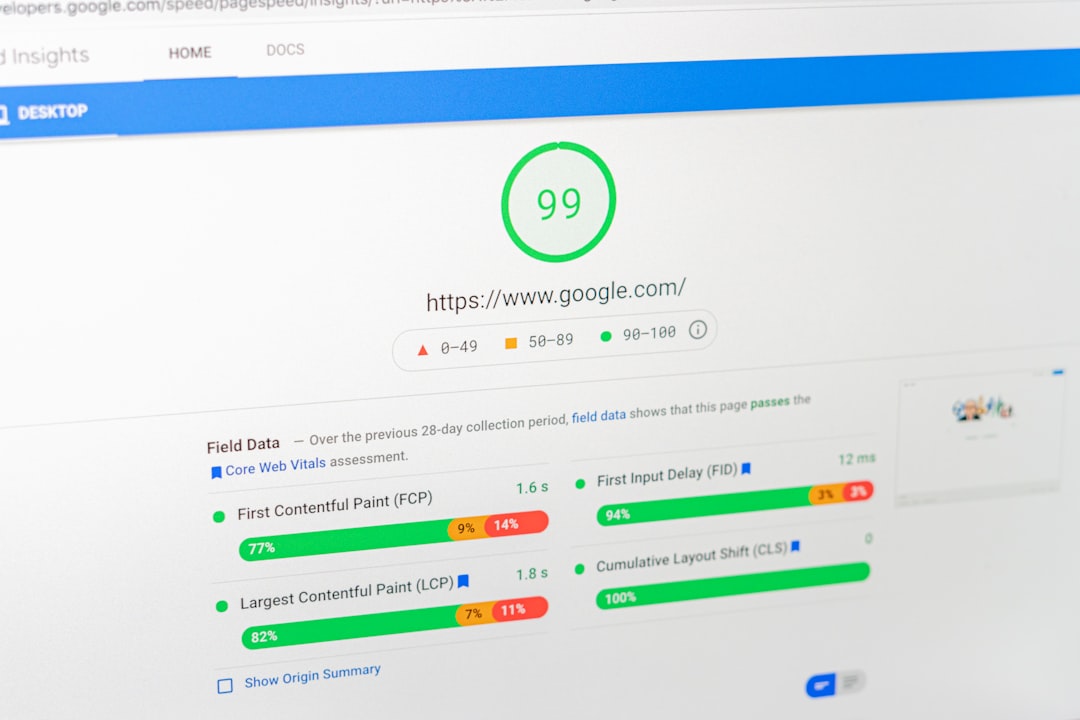
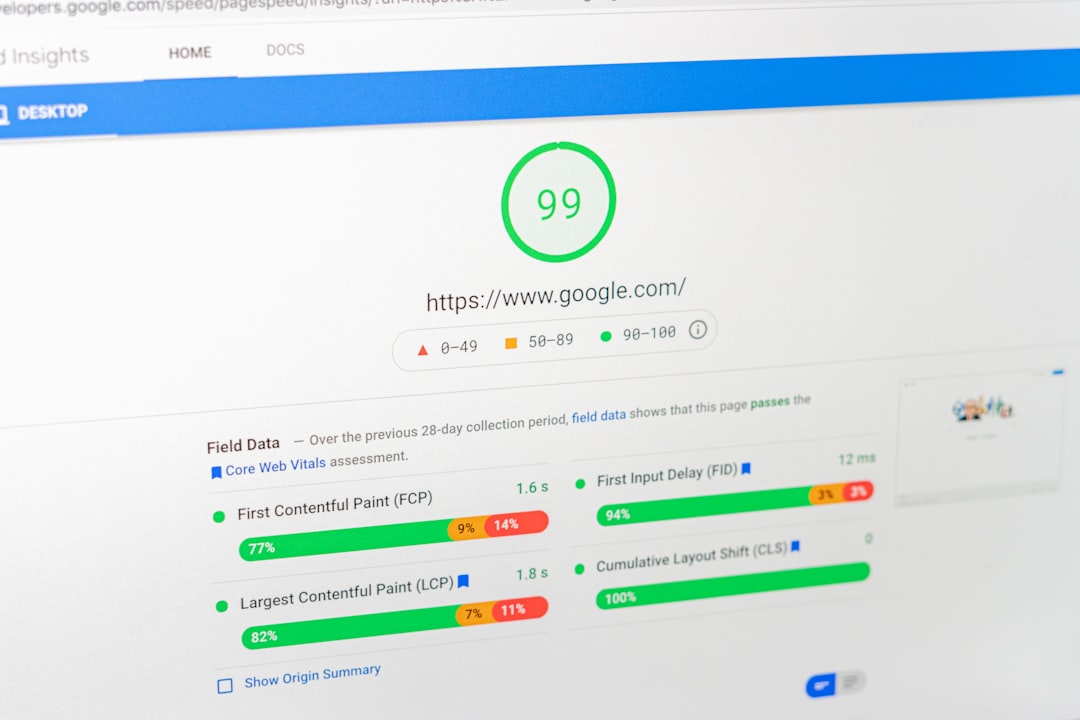
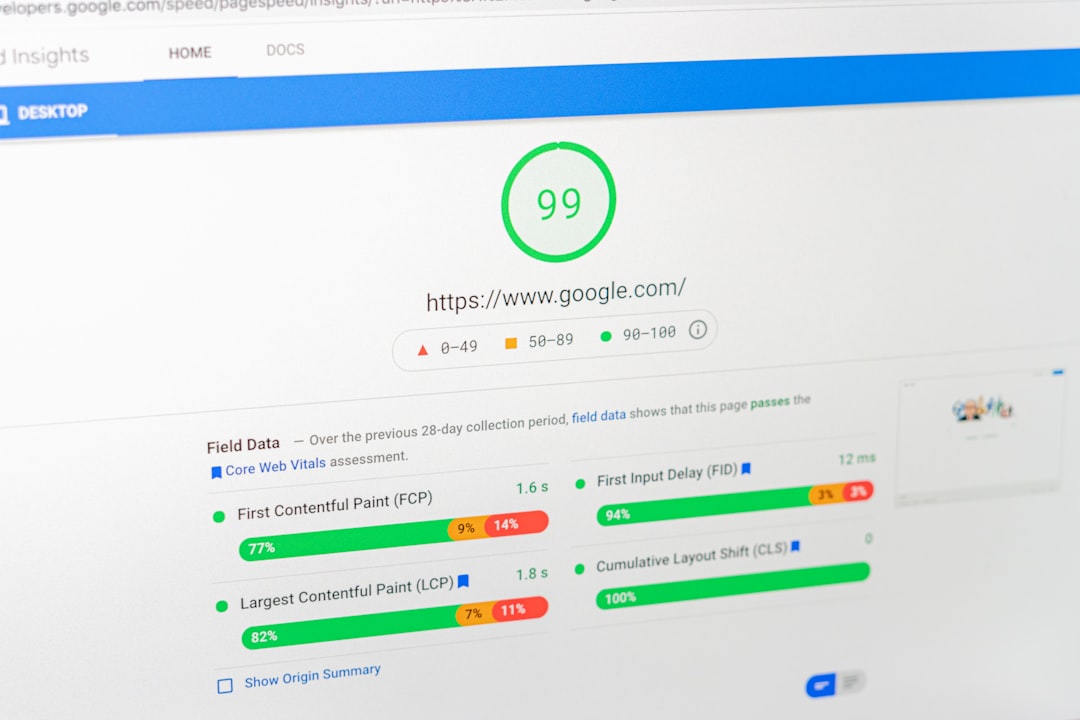
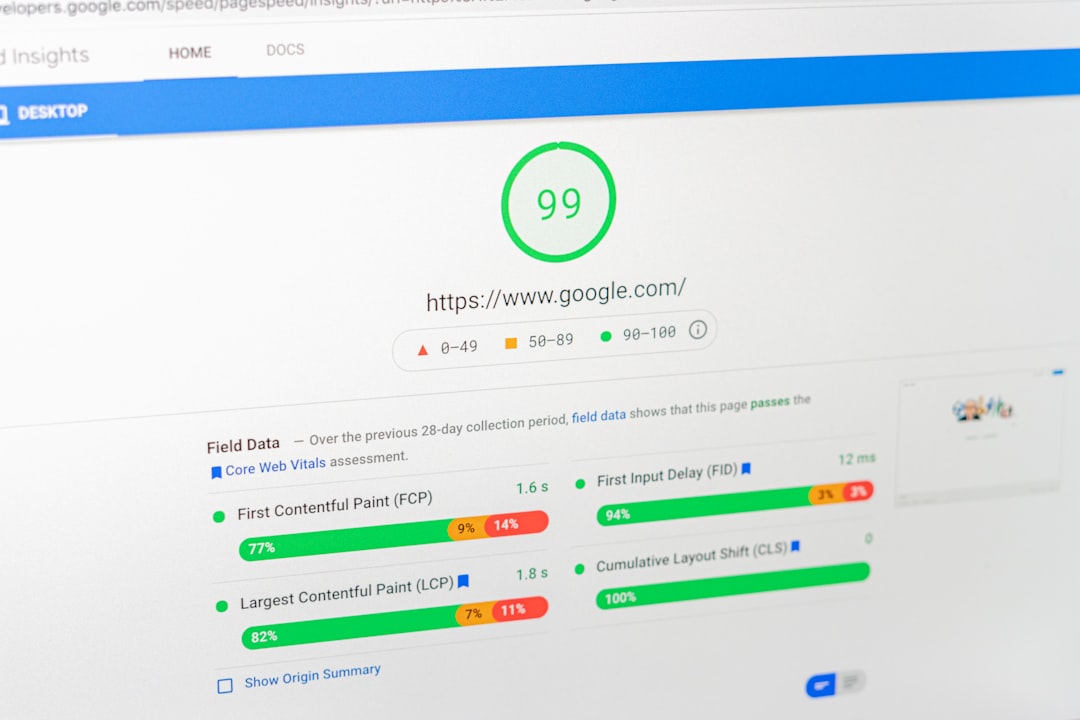
Understanding Core Web Vitals
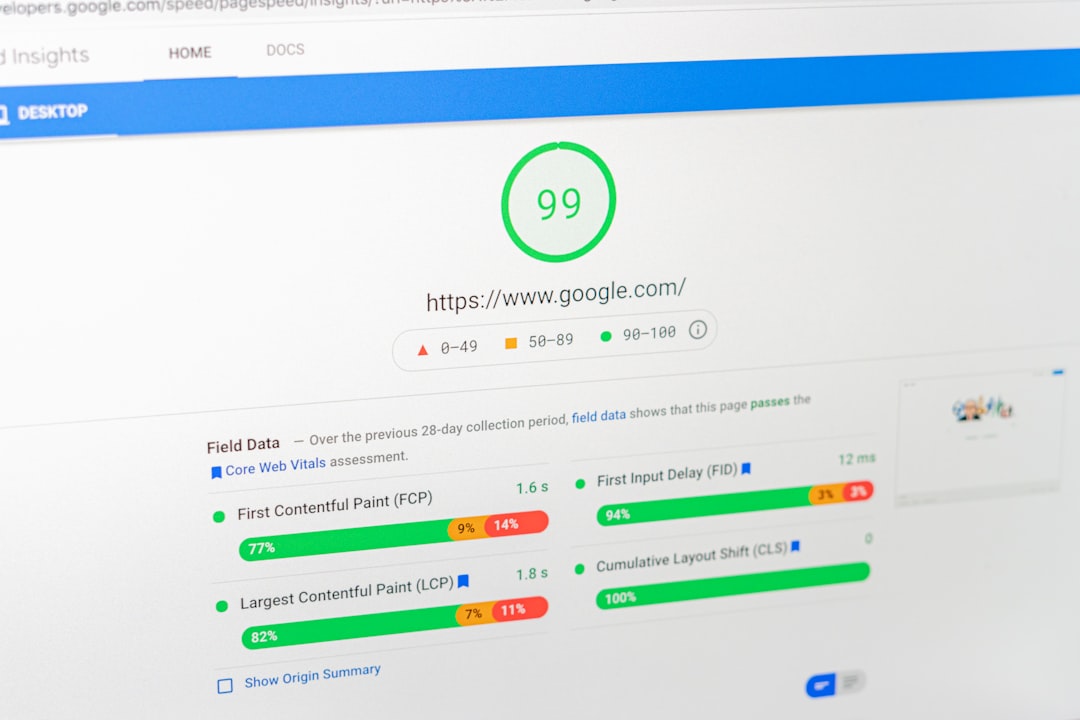
Core Web Vitals are a set of metrics Google uses to evaluate aspects of the user experience. They include Largest Contentful Paint, which measures loading performance; Interaction to Next Paint, which measures responsiveness; and Cumulative Layout Shift, which measures visual stability. These metrics provide useful diagnostic information about how pages perform for real users.
Good Core Web Vitals can support a better user experience, but they do not guarantee high rankings. Relevance, content quality, competition, and many other factors still matter. Businesses should treat performance improvements as part of a broader quality strategy rather than assuming that technical scores alone will generate traffic.
Making Websites Easier to Use on Smartphones
A mobile-friendly website should display content clearly on smaller screens and allow visitors to navigate without unnecessary effort. Text should be readable, buttons should be easy to tap, and important information should not be hidden behind intrusive elements. Forms should request only the information needed to complete the intended action.
Local service businesses should make essential details easy to find, including phone numbers, service descriptions, business hours, and contact options. E-commerce websites should provide a straightforward browsing and checkout experience. A mobile design that supports the visitor’s immediate task can reduce friction and help convert organic visits into meaningful actions.
Improving Accessibility and Navigation
Accessibility improves the experience for visitors who use assistive technologies or have different visual, motor, or cognitive needs. Descriptive link text, appropriate heading structure, sufficient contrast, form labels, and useful alternative text can make content easier to understand and navigate. These practices should be considered during website development rather than added only after problems arise.
Navigation should reflect how customers think about the business’s services and information. Important pages should be accessible without requiring visitors to click through many unrelated sections. A clear structure helps people find what they need and gives search engines a better understanding of the website’s organization.
Connecting User Experience With Business Results
Website improvements should be evaluated according to their impact on visitors and business objectives. Useful measures may include form completion rates, phone calls, bookings, product purchases, and engagement with important landing pages. These measures help identify whether the website is making it easier for organic visitors to take the next step.
If a page attracts relevant traffic but generates few inquiries, the problem may involve unclear messaging, weak trust signals, confusing navigation, or a complicated contact process. Reviewing both technical performance and customer behavior can reveal practical improvements. The goal is to create a website that not only attracts visitors but also helps them accomplish their intended tasks.
Florida SEO Expert: How to Increase Organic Traffic
Using Content Clusters and Topic Authority to Grow Traffic
📚 Content clusters help businesses organize related pages around a central subject. This approach involves creating a comprehensive pillar page supported by more specific articles that answer related customer questions. A Florida SEO expert can use this structure to improve website organization, strengthen internal linking, and help visitors explore topics in greater depth.
For example, a Florida roofing company could create a main roofing services page supported by articles about roof inspections, storm damage, roof replacement costs, maintenance, and roofing materials. Each article would address a distinct question while linking to the relevant service page where appropriate. This structure creates a more connected experience for visitors and helps search engines understand how the website’s pages relate to one another.
Topic authority develops when a website consistently provides accurate, useful information across a relevant subject area. Publishing dozens of shallow articles does not automatically establish authority, and businesses should not assume that covering every possible keyword is necessary. The priority is to create resources that demonstrate expertise, address customer needs, and provide meaningful value.
Content clusters can also reduce keyword overlap when each page has a clearly defined purpose. Before publishing a new article, businesses should review existing pages to determine whether the topic is already covered adequately. Combining overlapping resources or giving each page a distinct search intent can create a more effective content strategy.
Internal links should guide readers naturally between related resources. An educational article might link to a detailed service page, while the service page could link to a relevant guide that answers common customer questions. These connections help visitors move from research to decision-making without forcing them to search for the next step themselves.
Businesses should evaluate content clusters based on their usefulness and performance. Relevant indicators include organic impressions, clicks, engagement, assisted conversions, and inquiries generated by the connected pages. Reviewing these measures can reveal which topics deserve further development and which pages need improvement.
Competitor Analysis for Organic Traffic Growth
🔍 Competitor analysis helps Florida businesses understand the search landscape and identify opportunities to improve their organic visibility. The process involves examining websites that compete for the same customers and search queries, even when those businesses are not direct commercial competitors in every respect. Search results may include directories, publishers, national brands, and local service providers.
A Florida SEO expert begins by identifying competitors that consistently appear for important keywords. The review can examine their service pages, article topics, website organization, local landing pages, and the questions their content answers. This information provides context for understanding what searchers can already find and where existing results may leave important needs unmet.
Finding Content Gaps
Content gaps occur when a website lacks useful information that potential customers are searching for. A competitor may attract visitors through detailed guides about pricing, service comparisons, maintenance, or frequently asked questions that another business has not addressed. Reviewing these opportunities can help businesses develop content that fills genuine information needs.
However, a competitor’s keyword list should not be copied without evaluating relevance. Some keywords may attract visitors who are unlikely to become customers, while others may require expertise or services the business does not provide. Every opportunity should be assessed against customer intent, commercial value, and the company’s ability to create a genuinely useful resource.
Reviewing Competitor Service Pages
Competitor service pages can reveal how other businesses explain their offerings, establish credibility, and guide visitors toward contacting them. Businesses can assess whether their own pages provide sufficient detail about service scope, process, qualifications, service areas, and common customer concerns. The purpose is to identify improvements, not to reproduce another company’s wording or layout without thought.
A business can differentiate its pages through original experience, clearer explanations, authentic project examples, and more helpful answers. It may also improve the user journey by simplifying navigation or making contact options easier to find. These improvements can strengthen the overall quality of the website even before rankings change.
Evaluating Backlink Opportunities
Competitor backlink analysis can identify publications, organizations, and websites that reference other companies in the same industry. Some of these sites may be relevant outreach prospects, especially when they publish useful industry resources or local business information. Each potential opportunity should be evaluated for relevance, credibility, and the likelihood of reaching an interested audience.
A backlink profile should never be assessed by link quantity alone. Links from unrelated or low-quality websites may have little practical value, and manipulative link-building practices can introduce unnecessary risk. Businesses should focus on legitimate relationships and resources that merit editorial attention.
Turning Research Into an Action Plan
Competitor analysis becomes useful when the findings lead to clear priorities. A business might discover that its competitors have stronger service pages, more comprehensive educational content, or a more effective internal linking structure. These findings can be converted into specific tasks with defined objectives and reasonable timelines.
The plan should focus on opportunities that offer the greatest potential value rather than attempting to outperform every competitor in every area. A smaller business may achieve more by improving a handful of relevant service pages than by launching a large content campaign without adequate resources. Continuous analysis helps the strategy respond to changes in competition and customer demand.
SEO Strategies for Different Florida Industries
Florida’s economy includes many industries with different customer journeys, competitive pressures, and search requirements. A strategy that works for a hotel may not be appropriate for a law firm or an online retailer. A Florida SEO expert adapts keyword research, content planning, local optimization, and conversion strategies to the needs of each business.
Real Estate and Property Management
Real estate companies can attract organic traffic through neighborhood guides, property listings, home-buying resources, rental information, and educational articles. Buyers and renters often search for specific locations, property types, price ranges, and neighborhood characteristics. Useful pages should provide accurate information and help visitors understand their available options.
Property management businesses can develop content about rental preparation, tenant communication, maintenance, and property ownership. Local relevance is important, but each location page should contain meaningful information instead of duplicated descriptions. Clear contact options and trustworthy business details can help turn relevant visits into inquiries.
Tourism, Hotels, and Vacation Rentals
Tourism businesses can target travelers researching Florida destinations, attractions, accommodations, and activities. Helpful content may include destination guides, family travel advice, transportation information, seasonal planning, and practical details about nearby attractions. This content can reach visitors during the research stage before they are ready to book.
Booking pages should clearly explain accommodation features, policies, availability, and other relevant details. High-quality photographs and a straightforward booking process can improve the visitor experience. Businesses should also keep important information accurate because outdated rates, amenities, or travel details can undermine customer confidence.
Healthcare and Dental Practices
Healthcare providers can create educational content that explains services, common questions, appointment procedures, and preventive care. Because health information can influence important personal decisions, content should be accurate, responsible, and reviewed by appropriately qualified professionals. Clear provider information and transparent descriptions of services help visitors understand what the practice offers.
Local optimization can help eligible healthcare practices reach people searching for nearby care. However, businesses must handle patient privacy responsibly and avoid publishing identifying information without appropriate authorization. Trust, accuracy, accessibility, and a clear appointment process are essential components of an effective healthcare website.
Legal Services
Law firms can develop service pages and educational resources addressing the legal questions relevant to their practice areas. Potential clients may search for explanations of legal processes, eligibility considerations, costs, and available options. Content should be carefully reviewed for accuracy and should not imply guaranteed legal outcomes.
Location-specific pages may help law firms explain where they operate and which services they provide in those areas. Lawyers should present credentials and experience truthfully while following applicable professional advertising rules. Clear consultation information can help visitors understand how to contact the firm for advice about their individual circumstances.
Home Services and Contractors
Plumbers, electricians, roofers, HVAC companies, cleaners, and renovation contractors can benefit from focused service pages and local search optimization. Customers frequently search for specific services, urgent repairs, estimates, and providers in nearby locations. Pages should clearly explain the work offered, the areas served, and how customers can request assistance.
Educational resources can answer questions about maintenance, warning signs, preparation, and service expectations. Authentic project photographs and genuine customer reviews may provide useful evidence of the company’s work. Accurate service information and a straightforward contact process can help turn relevant search visits into qualified leads.
E-Commerce and Online Retail
Online stores can increase organic traffic by improving product descriptions, category pages, site navigation, and product imagery. Product pages should explain features, specifications, sizes, materials, usage, and other details that help customers make purchasing decisions. Unique descriptions are especially important when a store’s default product information is copied from manufacturers or reused across many listings.
Technical SEO is also important for e-commerce websites because filters, sorting options, pagination, and product variations can create complex URL structures. Businesses should ensure that important products are discoverable and that unnecessary duplicate pages do not overwhelm the site. A well-organized shopping experience can support both organic visibility and sales.
How to Increase Organic Traffic in Major Florida Cities
📍 Florida businesses should consider the characteristics of the markets they serve when developing local SEO strategies. Miami, Orlando, Tampa, Jacksonville, and Fort Lauderdale each have distinct commercial environments, customer needs, and levels of competition. Effective local optimization connects the business’s real service coverage with relevant search demand.
Miami
Miami businesses operate in a diverse market that includes hospitality, real estate, professional services, restaurants, healthcare, and retail. Companies should identify the locations and customer groups most relevant to their offerings instead of targeting the entire metropolitan area indiscriminately. Pages should communicate actual services, locations served, and the specific needs the business can address.
Where a business genuinely serves customers in multiple languages, relevant language-specific content may help people access information more comfortably. Translations should be accurate and professionally reviewed rather than produced as low-quality duplicates. Local relevance, strong service pages, and a useful mobile experience can help businesses compete for suitable searches.
Orlando
Orlando’s tourism economy creates opportunities for hotels, attractions, transportation providers, restaurants, vacation rentals, and travel-related businesses. Companies can develop helpful destination content and service pages that address visitor questions about bookings, locations, amenities, and planning. Businesses should maintain accurate information because travelers often make decisions based on practical details.
Companies serving local residents should also target relevant everyday service needs rather than relying entirely on tourism-related keywords. A home service provider in Orlando, for example, may benefit more from service-specific local pages than from general articles about tourist attractions. Keyword priorities should reflect the business’s actual customers and revenue opportunities.
Tampa
Tampa offers opportunities across healthcare, professional services, real estate, construction, hospitality, and local retail. Businesses can strengthen their visibility by creating clear service pages and resources that answer questions relevant to their target customers. A consistent local presence can help users understand the company’s services and operating area.
Companies should also assess nearby markets only when they can genuinely serve those customers. Expanding into additional location pages without real service coverage can create misleading expectations and thin content. A focused strategy based on relevant demand is more useful than attempting to target every nearby community.
Jacksonville
Jacksonville businesses may serve customers across a broad geographic area, making service-area planning an important consideration. Contractors, healthcare providers, real estate businesses, and other local companies should explain their coverage accurately and organize their pages around meaningful services and locations. Website navigation should make it easy for visitors to find the information relevant to their area.
Local guides, service explanations, and useful customer resources can help businesses demonstrate knowledge of their market. Content should reflect actual experience and practical needs rather than repeating generic descriptions of the city. Search performance should be measured by relevant inquiries and business outcomes, not just impressions from local keywords.
Fort Lauderdale
Fort Lauderdale businesses may target customers in hospitality, marine services, property management, real estate, professional services, and home improvement. Their websites should communicate specialized offerings clearly and provide relevant information for both residents and visitors where appropriate. Accurate business listings and strong service pages can support local discovery.
Businesses serving surrounding communities should decide which locations deserve dedicated content based on real customer demand and service availability. Each page should offer useful local information and a clear explanation of the services provided. This approach supports a more credible local presence than publishing repetitive pages designed only to include city names.
Measuring Organic Traffic and SEO Performance
📊 Measuring performance helps businesses understand whether SEO activities are producing meaningful results. Without consistent measurement, it is difficult to determine which pages attract valuable visitors, which improvements need attention, and whether organic search contributes to business growth. A Florida SEO expert establishes a baseline and reviews relevant metrics throughout the campaign.
Monitoring Organic Clicks and Impressions
Google Search Console provides information about how a website appears in Google Search, including impressions, clicks, click-through rate, and average position for eligible reporting data. Impressions indicate that pages appeared in search results, while clicks measure visits generated through those results. Reviewing these metrics together helps explain whether visibility is translating into website traffic.
An increase in impressions without a similar increase in clicks may indicate that a website is appearing for more searches but is not attracting enough attention. Possible reasons include weak titles, mismatched search intent, or competition from other results. The correct response depends on the queries and pages involved, so businesses should investigate before making changes.
Tracking Organic Sessions and Conversions
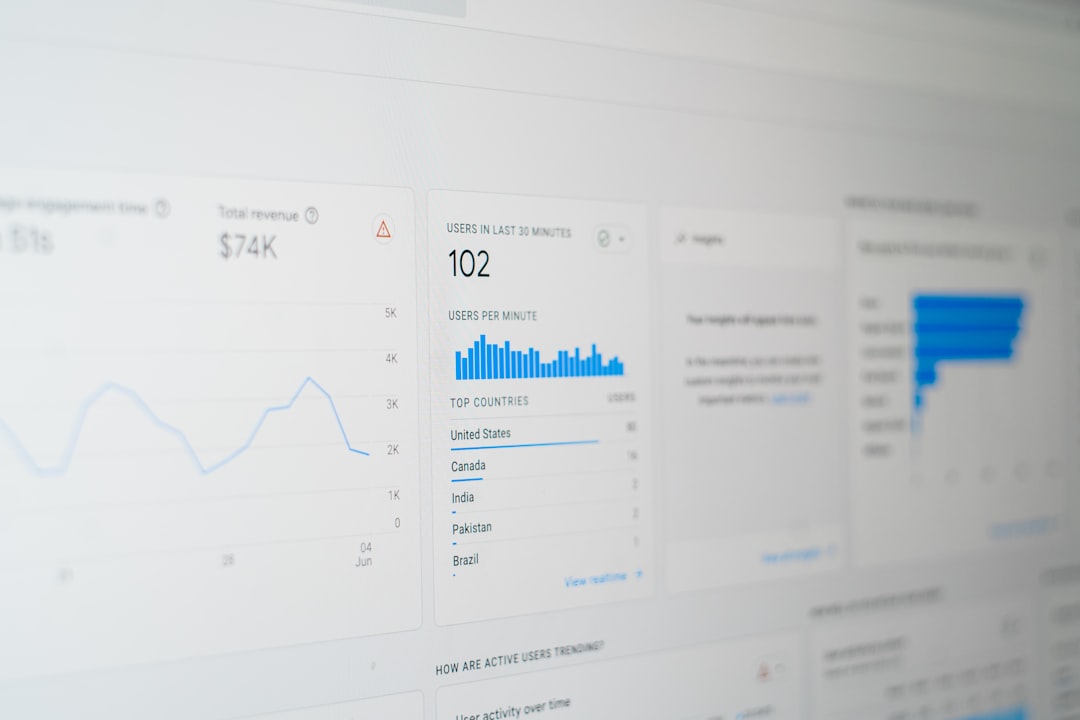
Website analytics can help businesses measure organic sessions, landing pages, engagement, and conversion events. Conversions may include contact form submissions, phone calls, appointment bookings, purchases, or other actions that matter to the company. Tracking should be configured carefully so that events represent genuine customer activity rather than accidental clicks or duplicate submissions.
Businesses should also distinguish between traffic volume and lead quality. A page that attracts fewer visitors but generates valuable consultations may be more commercially useful than a popular article that produces no relevant inquiries. Connecting organic performance with actual business outcomes makes SEO decisions more meaningful.
Comparing Performance Over Time
SEO results should be reviewed across appropriate periods because search demand can vary by season, industry, and local conditions. Comparing similar periods may help account for recurring seasonal patterns, while shorter reporting intervals can reveal emerging technical problems or sudden changes. No single comparison method is appropriate for every business.
Rankings can also fluctuate as search results change and competitors improve their websites. Instead of reacting to every daily movement, businesses should evaluate broader trends and investigate significant changes. This approach reduces unnecessary adjustments and helps teams focus on issues with meaningful consequences.
SEO Metrics Worth Tracking
| Metric | What It Measures | Why It Matters |
|---|---|---|
| Organic clicks | Visits from unpaid Google search results | Shows whether search visibility generates traffic |
| Search impressions | How often pages appear in Google Search | Helps identify visibility and keyword opportunities |
| Click-through rate | The proportion of impressions that generate clicks | Helps assess search-result relevance and appeal |
| Organic conversions | Valuable actions attributed to organic visits | Connects SEO with leads, bookings, or sales |
| Landing-page performance | How visitors interact with important entry pages | Identifies pages that need content or usability improvements |
| Qualified leads | Inquiries that fit the business’s target customer profile | Helps measure the commercial value of organic traffic |
| Organic revenue | Revenue attributed to organic search under the chosen measurement model | Helps evaluate SEO’s contribution to business growth |
Businesses should select metrics according to their objectives rather than trying to maximize every number. A local service provider may prioritize qualified calls and consultation requests, while an online retailer may focus on organic revenue and purchases. Regular reporting should explain what changed, why it may have changed, and what actions are recommended next.
Common SEO Mistakes That Limit Organic Traffic
🚫 Many websites struggle to increase organic traffic because their SEO activities are inconsistent, poorly prioritized, or disconnected from customer needs. Recognizing common mistakes helps businesses avoid wasting resources and identify opportunities for improvement. A Florida SEO expert can review these issues and develop a practical plan to address them.
Keyword Stuffing
Keyword stuffing occurs when phrases are repeated unnaturally in an attempt to influence rankings. This practice can make content difficult to read and may violate search engine spam policies. Businesses should use relevant language naturally while prioritizing clear explanations and comprehensive answers.
Publishing Thin or Repetitive Content
Publishing many pages does not guarantee increased organic traffic. Pages with little original value, duplicated information, or repetitive location text may fail to satisfy searchers. Businesses should prioritize useful resources and consolidate overlapping content when doing so improves clarity and relevance.
Ignoring Technical Problems
Broken links, accidental noindex directives, incorrect canonical tags, and poorly managed redirects can interfere with search visibility. These problems may go unnoticed when a website is evaluated only for its appearance. Regular technical checks help ensure that important content remains accessible and correctly represented.
Neglecting Mobile Visitors
A website that works well on desktop computers may still create difficulties on smartphones. Small text, intrusive pop-ups, slow pages, and complicated forms can discourage visitors from continuing. Testing key customer journeys on mobile devices helps businesses identify problems that may affect engagement and conversions.
Using Manipulative Backlink Tactics
Buying links intended to manipulate rankings, using link farms, and participating in automated link schemes can introduce search policy risks. Large backlink counts do not automatically indicate a strong or trustworthy website. Businesses should focus on relevant content, genuine relationships, and legitimate editorial references.
Expecting Immediate Results
SEO often requires time for technical improvements, content updates, and new pages to be discovered and evaluated. Businesses that expect immediate rankings may abandon useful strategies before sufficient evidence is available. Progress should be evaluated through realistic milestones and relevant performance data.
Failing to Measure Conversions
Traffic reports alone cannot show whether SEO is helping a business achieve its objectives. Without conversion tracking, companies may invest in pages that attract visitors but produce few valuable outcomes. Measuring leads, bookings, sales, and other relevant actions helps align SEO with commercial priorities.
How Long Does It Take to Increase Organic Traffic?
⏳ Organic traffic growth does not follow a universal timeline. Some improvements may produce visible changes relatively quickly, while competitive keywords and new websites may require sustained work over a longer period. The timeframe depends on factors such as website history, competition, technical health, content quality, industry demand, and the consistency of implementation.
During the early stages, an SEO campaign may focus on correcting technical issues, researching keywords, improving priority pages, and establishing performance benchmarks. These activities create the foundation for future growth, but they do not guarantee an immediate increase in clicks. Some websites may show early movement within weeks, while meaningful and consistent results can take several months or longer.
Existing websites with useful content and established search visibility may have opportunities to improve performance by updating pages or resolving technical problems. New websites generally need time to build a useful content base, earn recognition, and compete for relevant searches. Highly competitive industries may require greater investment and more sustained effort than less competitive local markets.
Businesses should avoid treating a specific month as a guaranteed deadline for ranking improvements. Instead, they should establish milestones such as completing a technical audit, optimizing priority pages, publishing planned content, improving relevant search visibility, and increasing qualified organic conversions. These milestones help measure progress even when rankings fluctuate.
Consistency is important because SEO depends on the combined effect of content, technical quality, relevance, authority, and user experience. Regular performance reviews allow businesses to identify successful activities and revise ineffective ones. With realistic expectations and disciplined execution, organic search can become a valuable long-term marketing channel.
Advanced SEO Techniques for Sustainable Traffic Growth
🚀 Once the essential SEO foundations are in place, businesses can explore more advanced methods for improving organic performance. These techniques should be selected according to the website’s size, technical complexity, available resources, and business goals. Advanced SEO is most effective when it solves a real problem or creates a measurable opportunity rather than adding unnecessary complexity.
Improving Search Intent Coverage
A single keyword may represent several different user needs. Reviewing actual search results and customer questions can help businesses determine whether a page adequately addresses the relevant intent. If a topic requires separate informational and commercial resources, creating distinct pages may provide a clearer experience than forcing every purpose into one article.
Search intent should be reviewed as markets and customer expectations evolve. A page that once satisfied visitors may need additional details, better examples, or clearer navigation as the topic becomes more competitive. Regular reviews help keep content aligned with what users are looking for.
Optimizing Large Websites and Content Libraries
Websites with hundreds or thousands of pages may require more structured processes for managing internal links, duplicate content, indexing, and content quality. Templates, automated audits, and carefully designed content workflows can help teams identify issues at scale. Automation should support expert review rather than blindly generating or changing large numbers of pages.
A content inventory can classify pages according to purpose, performance, accuracy, and business relevance. Some pages may need updates, others may benefit from consolidation, and some may no longer serve a useful purpose. Decisions should account for traffic, backlinks, conversions, and user needs before removing or redirecting existing content.
Strengthening Conversion Paths
Organic traffic growth is more valuable when visitors can move easily from useful information to a relevant action. Businesses can review the placement and wording of calls to action, contact forms, booking processes, and supporting trust information. Testing different page layouts may reveal ways to reduce friction without making the experience unnecessarily promotional.
Changes should be evaluated using appropriate conversion data. Businesses should avoid assuming that a more prominent button or a shorter form will always improve results. Testing and careful measurement help determine which adjustments work for the actual audience.
Using Data to Prioritize Opportunities
Advanced SEO planning can combine search performance, analytics, customer inquiries, and commercial information to identify high-value pages. A page with strong impressions and a low click-through rate may present a different opportunity from a page with substantial traffic but weak conversion performance. Each situation requires a different response.
Prioritization should consider potential business impact, implementation effort, confidence in the diagnosis, and the resources available. This prevents teams from spending excessive time on minor issues while more important opportunities remain unresolved. Data-informed decisions can improve efficiency and make reporting more actionable.
Preparing for Changes in Search Behavior
Search engines continually evolve how they present information, and people may discover businesses through different search experiences over time. Websites should continue providing accurate, distinctive, useful information that addresses real customer needs. Businesses should also avoid relying on speculative tactics or claims that a particular optimization guarantees visibility in every search feature.
The strongest long-term approach combines technical reliability, helpful content, relevant local information, credible reputation signals, and ongoing measurement. A Florida SEO expert can monitor changes, evaluate their relevance to the business, and adjust the strategy when evidence supports doing so. Sustainable growth depends on consistent quality rather than chasing every new trend.
Why Choose DealMate for SEO Services
Choosing an SEO provider is an important decision for any business that wants to increase organic traffic and strengthen its online presence. DealMate can be considered by businesses seeking support with keyword research, on-page optimization, technical SEO, content planning, local search visibility, and performance measurement. Before engaging any provider, businesses should evaluate the actual services offered, relevant experience, reporting practices, and suitability for their objectives.
A useful SEO partnership begins with understanding the business and its target customers. Rather than applying identical recommendations to every website, the provider should examine existing performance, competition, technical limitations, and opportunities for relevant traffic growth. A clear plan helps the business understand which tasks will be completed and how their impact will be evaluated.
Transparency should be an important part of the working relationship. Businesses should expect clear explanations of recommended changes, realistic discussions about timelines, and reporting that distinguishes completed activities from measurable outcomes. No provider can responsibly guarantee a specific Google ranking or promise a fixed volume of organic traffic without considering the circumstances.
Content quality, ethical optimization, and measurable progress should remain central to the strategy. Businesses should be cautious of guaranteed-ranking claims, undisclosed link schemes, and reports that emphasize vanity metrics without explaining their commercial value. The right provider should help the business understand both the opportunities and the limitations of SEO.
For companies looking to grow in Florida’s competitive digital market, a structured approach can make organic search a more effective part of their marketing efforts. DealMate should be evaluated on its ability to deliver the services the business needs, communicate clearly, and support sustainable improvements. Reviewing its service scope, relevant work examples, and proposed strategy can help determine whether it is the right fit.
Frequently Asked Questions About Increasing Organic Traffic
What Does a Florida SEO Expert Do?
A Florida SEO expert helps businesses improve their visibility in unpaid search engine results. The work may include keyword research, technical audits, content optimization, local SEO, internal linking, and backlink strategy. The expert also monitors performance to identify opportunities and problems. The objective is to attract relevant visitors and support measurable business goals.
How Can I Increase Organic Traffic to My Website?
Start by understanding your audience and researching the searches relevant to your products or services. Improve important website pages, publish genuinely helpful content, resolve technical problems, and strengthen internal links. Local businesses should also maintain accurate business information and optimize their eligible Google Business Profile. Monitor clicks, qualified leads, and conversions so that future work is based on performance data.
How Long Does SEO Take to Show Results?
SEO timelines vary according to competition, website history, technical health, content quality, and the amount of work completed. Some improvements may produce early movement within weeks, while meaningful traffic growth can take several months or longer. New websites often need more time to establish relevant content and compete for valuable searches. A reliable strategy uses realistic milestones rather than promising guaranteed rankings by a fixed date.
Is Organic Traffic Better Than Paid Traffic?
Neither channel is universally better because each serves different marketing needs. Paid advertising can generate visibility quickly when campaigns are properly configured and funded, while organic search can build a longer-term source of relevant visitors. SEO generally requires sustained work and does not guarantee rankings or traffic. Many businesses benefit from using both channels according to their goals, budgets, and timelines.
How Much Does a Florida SEO Expert Cost?
SEO pricing varies according to the website’s size, competition, technical complexity, content requirements, and service scope. Some providers offer fixed-price projects, while others charge monthly retainers or hourly rates. Businesses should compare deliverables, reporting, experience, and strategic quality rather than selecting a provider solely because it is inexpensive. A clear proposal should explain what work is included and how progress will be assessed.
Does Local SEO Help Increase Website Traffic?
Local SEO can help eligible businesses become more visible for relevant searches connected to their locations or service areas. Useful activities include improving local landing pages, maintaining accurate business listings, earning genuine reviews, and publishing relevant local content. Local optimization may also help customers discover a business through Google Maps and related search experiences. Results depend on relevance, competition, proximity, business eligibility, and other factors.
Why Is My Website Not Getting Organic Traffic?
A website may receive little organic traffic because its pages are not indexed, its content does not match search intent, or it targets highly competitive keywords. Technical problems, weak internal linking, limited useful content, and a lack of relevant visibility can also contribute. Reviewing Google Search Console, analytics, indexing settings, and important landing pages can help identify the causes. The solution should be based on the actual issues rather than applying the same generic fixes to every website.
Do Backlinks Still Matter for SEO?
Relevant, naturally earned backlinks can help search engines discover content and understand how websites reference it. Links may also bring referral visitors and strengthen relationships with relevant organizations or publishers. However, the number of backlinks alone does not determine ranking performance, and manipulative link schemes can create risks. Businesses should prioritize useful content and legitimate links that make sense for their audience and industry.
Can Small Businesses Compete With Large Companies in Google Search?
Small businesses can compete by focusing on relevant services, specific customer needs, and realistic search opportunities. They may benefit from strong local pages, useful specialist content, accurate business information, and an excellent customer experience. Competing for every broad keyword is usually unnecessary and may consume resources without producing meaningful results. A focused strategy helps smaller companies use their time and budget more effectively.
How Do I Measure Organic SEO Success?
Organic SEO success should be measured through a combination of search visibility, clicks, relevant landing-page performance, conversions, and business outcomes. Google Search Console provides search performance data, while analytics tools can help track website behavior and configured conversion events. Businesses should distinguish between general traffic and qualified visitors who are likely to become customers. Regular reporting helps identify successful activities, areas for improvement, and the next priorities.
Conclusion
Increasing organic traffic requires a coordinated strategy that connects keyword research, useful content, technical SEO, local visibility, website usability, and ongoing performance measurement. Florida businesses need to understand their customers and competition before deciding which improvements deserve priority. A well-organized website that provides accurate, relevant information has a stronger foundation for attracting searchers and helping them take meaningful action.
Working with a Florida SEO expert can help businesses identify weaknesses, discover relevant search opportunities, and implement improvements according to clear objectives. Progress should be measured through meaningful indicators such as organic clicks, qualified inquiries, bookings, and sales rather than traffic volume alone. Although results vary and take time, consistent optimization can help businesses build a more sustainable source of online visibility.
For businesses considering DealMate, the next step is to review the available SEO services, discuss specific growth objectives, and evaluate whether the proposed strategy fits the website’s needs. A transparent plan should identify priorities, explain the expected work, and establish realistic performance measures. By focusing on quality, relevance, and continuous improvement, Florida businesses can develop a stronger organic search presence and create more opportunities for long-term growth.