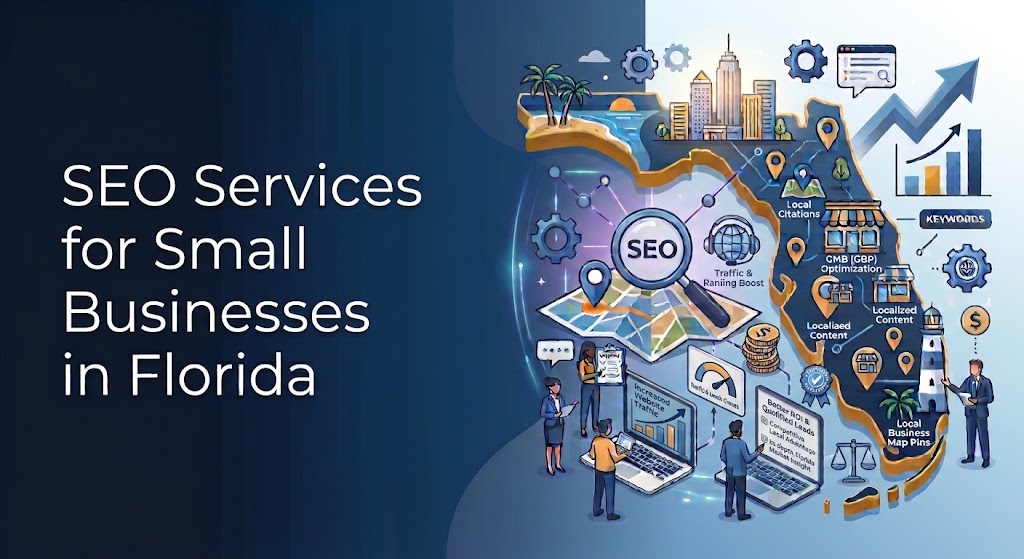
Introduction to SEO Services for Small Businesses in Florida
🌴 Florida is home to thousands of small businesses competing for attention in industries such as real estate, hospitality, healthcare, home improvement, retail, restaurants, and professional services. Whether a company operates in Miami, Orlando, Tampa, Jacksonville, or a smaller community, attracting potential customers online has become an important part of sustainable business growth. SEO services for small businesses in Florida help companies improve their visibility in search engine results, connect with relevant audiences, and generate more opportunities without depending entirely on paid advertising.
Search engine optimization, commonly known as SEO, involves improving a website and its online presence so that search engines can understand its content and present it to users searching for related products or services. A well-planned SEO strategy can help a local business appear when potential customers search for solutions in their area. Instead of focusing only on website traffic, effective SEO prioritizes relevant visitors who are more likely to contact the business, request a quote, schedule an appointment, or make a purchase.
For small businesses working with limited marketing budgets, SEO offers an opportunity to build long-term visibility and compete with larger companies. Although organic rankings take time and require consistent effort, a strong SEO foundation can continue attracting potential customers after individual optimization tasks have been completed. With the right strategy, Florida businesses can strengthen their online presence, establish credibility, and create a more dependable source of customer inquiries.
Understanding Search Engine Optimization for Small Businesses
Search engine optimization is a structured process that improves a website’s relevance, usability, technical performance, and authority. Search engines evaluate many signals when determining which pages should appear for a particular query, including the usefulness of the content, the relevance of the page, the accessibility of the website, and the quality of information available online. Small businesses can use SEO to communicate their services clearly and make it easier for potential customers to discover them.
For example, a plumbing company in Tampa may want to reach homeowners searching for emergency plumbing repairs, drain cleaning, or water heater installation. By creating useful service pages, targeting relevant search terms, improving its local business information, and maintaining a technically sound website, the company can improve its chances of reaching customers who need those services. The objective is not simply to rank for popular keywords but to appear for searches that match the company’s actual services and service area.
SEO generally includes three major areas: on-page optimization, technical SEO, and off-page optimization. Local SEO is particularly important for businesses serving customers within a defined geographic area. These areas work together to help search engines understand what a business offers, determine whether its website provides useful information, and connect relevant pages with appropriate search queries.
On-Page SEO
On-page SEO focuses on improving individual website pages so that their topics, content, and structure are clear to search engines and visitors. Common activities include researching keywords, writing descriptive page titles, improving meta descriptions, organizing headings, optimizing images, and creating helpful service descriptions. Each important page should address a specific customer need rather than repeat the same general information across the entire website.
For a Florida landscaping company, an optimized page might explain lawn maintenance services, describe the neighborhoods served, outline available service options, and answer common customer questions. Relevant keywords should appear naturally in the page title, headings, body content, and other appropriate elements. This approach helps visitors understand the service while giving search engines useful context about the page.
Technical SEO
Technical SEO addresses the underlying structure and performance of a website. Important considerations include mobile usability, page loading speed, secure browsing, crawlability, indexability, XML sitemaps, broken links, and the proper organization of website URLs. Technical problems can prevent search engines from discovering important pages or make the website frustrating for potential customers.
A small business website does not necessarily need complicated technology to perform well in search results. It needs a reliable structure that allows search engines to access its content and enables visitors to find information without unnecessary obstacles. Regular technical checks can identify problems before they significantly affect the user experience or organic search performance.
Off-Page SEO
Off-page SEO involves activities that strengthen a website’s reputation and authority beyond its own pages. These activities may include earning relevant backlinks, developing genuine business partnerships, gaining coverage from reputable publications, and maintaining accurate business information across appropriate platforms. Quality matters more than simply collecting large numbers of links.
A Florida accounting firm, for example, might earn a relevant backlink when a local business association features the firm in a member directory or an industry publication references its expertise. Such opportunities can help people discover the business while contributing to a stronger online reputation. Businesses should avoid purchasing manipulative links or participating in schemes designed to artificially influence search rankings.
Why SEO Matters for Florida Small Businesses
Florida’s diverse economy creates opportunities for businesses across many industries, but it also creates substantial competition for online attention. Customers frequently research businesses before making decisions, comparing services, reading reviews, checking locations, and evaluating websites. If a small business does not appear when relevant searches take place, potential customers may choose competitors that have invested more effectively in their online presence.
SEO helps small businesses become discoverable at the moment customers are looking for a solution. A person searching for a dentist in Jacksonville, a vacation rental service in Orlando, or an electrician in Fort Lauderdale may already have a clear intention to contact a provider. Appearing prominently for relevant searches can help a business reach these prospects without paying for every organic website visit.
Another important benefit is the ability to build trust. A professional website with clear service descriptions, useful educational content, accurate contact information, and authentic customer reviews can make a business appear more credible. SEO supports this process by improving the accessibility and relevance of information that customers need when evaluating their options.
Increased Organic Website Traffic
Organic traffic consists of visitors who arrive through unpaid search engine results. Unlike paid advertising, where traffic generally depends on an active advertising budget, organic visibility can continue delivering visits while pages maintain their relevance and rankings. This makes SEO attractive to businesses that want to diversify their marketing channels and reduce their dependence on paid campaigns.
However, not every website visitor has the same commercial value. A small business should focus on attracting people whose searches align with its services, location, and customer requirements. A smaller number of highly relevant visitors may generate more inquiries than a much larger audience interested in unrelated information.
Better Lead Generation
SEO can support lead generation by connecting potential customers with service pages that answer their specific questions. A well-optimized page should explain what the business does, identify the customers it serves, describe its advantages accurately, and provide a clear next step. Depending on the industry, that next step might involve calling the business, submitting a contact form, booking an appointment, or requesting a written estimate.
For example, a roofing contractor in Sarasota could create dedicated pages for roof inspections, storm damage assessments, roof replacement, and roof repairs. Each page can address the needs of customers searching for that particular service. This structure allows the company to target a wider range of relevant searches while making it easier for visitors to find the information they need.
Improved Marketing Efficiency
Small businesses often have limited resources and must carefully evaluate how each marketing expense contributes to growth. SEO provides a way to build an organic acquisition channel that can complement social media, email marketing, referrals, and paid advertising. Instead of treating each channel separately, businesses can use customer questions and search data to improve their overall marketing strategy.
SEO does require investment in planning, content development, technical improvements, and ongoing monitoring. Results are not immediate or guaranteed, and some competitive markets require considerable effort. Nevertheless, businesses that prioritize useful content, sound technical practices, and relevant search opportunities can build an asset that supports future marketing activities.
How Local SEO Helps Florida Businesses Attract Nearby Customers
📍 Local SEO helps businesses become more visible to customers searching for products or services in a particular geographic area. It is especially valuable for service providers, restaurants, medical practices, retail stores, repair companies, and other organizations that serve customers within specific communities. Local searches may include a city name, neighborhood, ZIP code, or phrases such as near me and open now.
A business in Miami should not automatically target every customer in Florida if its services are limited to Miami-Dade County. A more focused strategy identifies the locations the company can realistically serve and creates useful content around those areas. This approach helps businesses reach relevant audiences instead of attracting inquiries from locations they cannot accommodate.
Local search visibility depends on several factors, including the relevance of business information, the searcher’s location, the prominence of the business, and the quality and consistency of its online presence. No service provider can guarantee a specific local ranking because search engines control their ranking systems. Businesses can, however, improve their eligibility and competitiveness by maintaining accurate information and providing a strong customer experience.
Google Business Profile Optimization
A Google Business Profile allows eligible businesses to manage how their information appears across Google Search and Google Maps. Important details include the business name, address or service area, phone number, opening hours, category, website, services, and photographs. Keeping these details accurate helps potential customers understand how to contact the business and whether it meets their needs.
Small businesses should select the most appropriate primary category and add relevant secondary categories where applicable. They should also review their operating hours, update information when services change, and respond professionally to customer reviews. Businesses operating from a residential address should carefully follow Google’s eligibility and address-display requirements rather than publishing an address that should remain hidden.
A complete profile does not guarantee top placement, but it helps provide accurate and useful information to prospective customers. Businesses should avoid keyword stuffing their business names, creating misleading profiles, or setting up duplicate listings to manipulate visibility. Sustainable local SEO depends on truthful information and a genuine business presence.
Location-Specific Landing Pages
Businesses serving multiple Florida communities may benefit from dedicated location pages when they have meaningful information to provide about each area. A company serving Tampa, Clearwater, and St. Petersburg could create pages that explain the services available in each market, the relevant service boundaries, and the needs commonly addressed in those communities. Each page should provide genuine value instead of simply replacing one city name with another.
Effective location pages include relevant service information, clear contact options, useful questions and answers, and locally appropriate details. Where applicable, businesses can explain their response times, appointment availability, or service coverage without making claims they cannot support. The goal is to help customers determine whether the company is a suitable choice for their particular location.
Creating dozens of nearly identical pages for cities where a business has no meaningful presence can lead to poor-quality content and a frustrating user experience. Small businesses should prioritize the locations they genuinely serve and invest in making those pages useful. A smaller number of strong location pages is often more valuable than a large collection of repetitive pages.
Customer Reviews and Local Reputation
Customer reviews influence how people evaluate local businesses, especially when several providers offer similar services. Genuine reviews can help potential customers understand the quality of a company’s communication, reliability, professionalism, and customer service. They also provide business owners with feedback that can reveal opportunities to improve their operations.
Businesses should develop a consistent process for requesting honest reviews from customers after completed transactions or service appointments. They should never purchase fake reviews, offer prohibited incentives, or pressure customers to provide only positive feedback. Responding courteously to both positive and negative reviews demonstrates that the business takes customer experiences seriously.
Reviews should be considered part of a broader reputation management strategy rather than a substitute for service quality. A business that consistently meets expectations is better positioned to earn positive feedback and customer recommendations. Over time, this reputation can support both customer acquisition and repeat business.
Essential SEO Services for Small Businesses
A successful SEO campaign combines several activities based on the business’s goals, website condition, competition, and available budget. Some businesses may need technical repairs before investing heavily in content, while others may already have a strong website but lack local visibility or relevant service pages. An initial assessment helps determine which improvements should receive priority.
Professional SEO services commonly include keyword research, on-page optimization, technical audits, local SEO, content strategy, link acquisition, and performance reporting. The exact scope depends on the business and its current online presence. Small businesses should understand which activities are included in a service agreement rather than assuming every SEO provider offers the same deliverables.
The following table summarizes common SEO services and the value they can provide to small businesses in Florida.
| SEO Service | Main Activities | Business Benefit |
|---|---|---|
| Keyword Research | Identifying relevant search terms and customer intent | Targets more qualified search traffic |
| On-Page SEO | Improving titles, headings, content, and internal links | Makes important pages clearer and more relevant |
| Technical SEO | Checking crawlability, indexing, mobile usability, and performance | Helps search engines access the website |
| Local SEO | Optimizing local listings and location information | Improves opportunities to reach nearby customers |
| Content Marketing | Creating service pages, guides, and helpful articles | Answers customer questions and builds topical relevance |
| Link Building | Earning relevant, trustworthy backlinks | Supports website authority and discovery |
| Conversion Optimization | Improving calls to action, forms, and navigation | Helps turn relevant visitors into inquiries |
| SEO Reporting | Monitoring rankings, traffic, leads, and conversions | Measures progress and guides future decisions |
SEO Audits and Website Analysis
An SEO audit evaluates the website’s current condition and identifies factors that may limit organic search performance. Depending on the scope, an audit can examine indexing issues, broken links, duplicate content, page titles, internal linking, mobile usability, website speed, and the relevance of existing pages. It may also evaluate whether the website targets appropriate search terms and provides sufficient information about the company’s services.
A useful audit should prioritize issues according to their likely impact, urgency, and implementation cost. For example, fixing a page that search engines cannot index may be more important than adjusting minor wording on a page that already performs well. Clear priorities help small businesses allocate resources effectively instead of making random changes without a defined objective.
The audit should conclude with practical recommendations that explain what needs improvement, why the change matters, and how success can be evaluated. Business owners should be cautious about reports that list technical warnings without explaining their relevance. The purpose of an audit is to support informed decisions, not to overwhelm clients with unnecessary technical terminology.
Competitor Analysis
Competitor analysis helps businesses understand which websites compete for their target search terms and what those websites do effectively. An SEO specialist may review competing service pages, content quality, location targeting, backlink profiles, page structure, and visible search performance. This research can reveal opportunities to provide clearer information or address customer questions that competing websites overlook.
For example, a small pest control company in Orlando might discover that competing businesses provide detailed information about treatment options, inspection procedures, and prevention methods. The company can use this insight to improve its own website with accurate service descriptions and helpful educational resources. It should aim to provide better information rather than copying another company’s content or design.
Competitor analysis should also account for the differences between businesses. A national franchise may have a larger marketing budget and a more established website than a newly launched local company. A realistic strategy identifies achievable opportunities based on the small business’s services, geographic reach, resources, and current online authority.
SEO Strategy and Implementation Planning
An effective SEO strategy begins with measurable business objectives. A local contractor might want more qualified quote requests, while an online retailer may focus on product visibility and completed purchases. Defining the desired outcome helps determine which keywords, website pages, technical improvements, and reporting metrics deserve the most attention.
After establishing goals, the business and its SEO provider can develop a prioritized implementation plan. The plan may include repairing technical problems, improving important service pages, optimizing the business profile, publishing useful content, and earning relevant links. Tasks should be scheduled according to available resources and evaluated as changes are implemented.
SEO should not be treated as a one-time activity that ends after a website has been optimized. Search behavior, competitor activity, customer expectations, and website content change over time. Regular evaluation helps businesses identify new opportunities, maintain existing strengths, and adapt their strategy when the available evidence supports a change.

SEO Services for Small Businesses in Florida
Keyword Research for Florida Markets
🔎 Keyword research is one of the most important components of an effective SEO strategy because it identifies the words and phrases potential customers use when searching for products and services. For small businesses in Florida, the best keywords depend on the industry, target location, customer needs, and competition in the market. Choosing relevant keywords helps businesses develop website content that matches actual search intent instead of relying on assumptions about what customers want.
A business should consider both broad service-related keywords and specific search phrases that indicate a stronger purchasing intention. For example, a general phrase such as plumbing services may attract a wide range of visitors, while emergency plumber in Tampa may reach people who need immediate assistance in a particular area. Although specific keywords may have lower search volumes, they can be valuable when they connect the business with customers who are ready to take action.
Identifying High-Intent Keywords
High-intent keywords are search phrases that indicate a user is considering a purchase, booking a service, or contacting a provider. Small businesses should prioritize keywords that accurately describe their offerings and reflect the questions customers ask before making a decision. This approach helps attract traffic with a meaningful connection to the company’s products or services.
Examples of high-intent searches include roof replacement in Orlando, affordable dentist in Miami, and residential cleaning services in Jacksonville. Businesses can also target informational searches such as how to prepare a home for hurricane season or how often an air conditioning system needs maintenance. Informational content may introduce customers to a company before they are ready to purchase, creating opportunities to build trust and generate future inquiries.
Keyword research should consider relevance, search volume, competition, and user intent together. A keyword with a large search volume is not necessarily the best choice if it attracts visitors outside the company’s service area or people seeking something the business does not provide. A balanced keyword strategy targets realistic opportunities that support both immediate customer acquisition and long-term growth.
Using Long-Tail Keywords
Long-tail keywords are more specific search phrases that often contain several words. They help small businesses target clearly defined needs, services, or geographic areas instead of competing exclusively for broad terms dominated by larger websites. These keywords can be especially useful for businesses operating in competitive Florida markets.
For instance, a broad keyword such as landscaping services may be difficult to rank for because many companies target it. A more specific phrase such as residential landscaping maintenance in Fort Lauderdale communicates a clearer service requirement and geographic preference. A business can create a dedicated page addressing that need, provided it genuinely offers the service in that location.
Long-tail keywords can also reveal useful content ideas. Questions about service costs, project timelines, maintenance requirements, and product comparisons can become informative articles or frequently asked questions. When this content provides accurate answers and supports the company’s services, it can help attract visitors at different stages of the customer journey.
Developing a Florida-Focused Keyword Map
A keyword map assigns relevant search terms to the most appropriate pages on a website. This prevents multiple pages from unnecessarily competing for the same primary topic and helps establish a logical structure for the site’s services and locations. For a Florida business with several service categories, keyword mapping can make the website easier to navigate and optimize.
A roofing company might assign roof replacement in Tampa to its main replacement page, roof repair in Tampa to a separate repair page, and storm damage roof inspections to a specialized service page. Supporting articles could answer related questions about roof inspections, maintenance, and repair decisions. Each page should serve a distinct purpose and provide enough useful information to justify its existence.
Keyword mapping should remain flexible as the business develops new services or gains information about customer search behavior. Search Console data, website analytics, customer inquiries, and keyword research tools can help identify new opportunities. Reviewing this information periodically allows businesses to refine their content strategy based on actual performance rather than assumptions.
On-Page SEO Optimization for Better Rankings
On-page SEO improves the content and structure of individual website pages so that search engines and visitors can understand them more easily. It includes optimizing page titles, headings, meta descriptions, URLs, images, internal links, and the main content. For small businesses in Florida, on-page optimization helps communicate service relevance and makes it easier for potential customers to find the information they need.
Each important page should focus on a clear topic and answer the questions most relevant to its intended audience. A page describing air conditioning repair should explain the available service, common problems addressed, the service area, and how customers can arrange an appointment. General statements repeated across multiple pages provide less value than detailed information that helps visitors make informed decisions.
Optimizing Title Tags and Meta Descriptions
Title tags help describe individual pages to search engines and often appear as clickable headlines in search results. A useful title should communicate the page’s primary subject and, where appropriate, its geographic focus. For example, a title such as Air Conditioning Repair in Orlando | Business Name is more descriptive than a generic title such as Home or Our Services.
Meta descriptions summarize page content and may appear beneath search result titles. Although they are not a direct Google ranking factor, compelling descriptions can help users understand why a page is relevant and encourage qualified clicks. Each important page should have a distinct description that accurately reflects its content rather than repeating the same promotional message throughout the website.
Businesses should avoid filling titles and descriptions with repetitive keywords or unsupported claims. Search engines may generate different snippets depending on the user’s query, so carefully written metadata does not guarantee that the exact text will always appear. The main priority is to describe the page clearly and create an accurate expectation for visitors.
Creating Useful Website Content
High-quality website content answers customer questions, explains services, and helps visitors understand their available options. For small businesses, useful content can include detailed service descriptions, product information, pricing factors, project examples, maintenance advice, and answers to frequently asked questions. The information should reflect the business’s actual expertise and avoid exaggerated claims.
For example, a Florida pool maintenance company could publish a guide explaining how local weather conditions affect pool cleaning schedules and water chemistry. The article might discuss practical maintenance considerations and explain when professional assistance may be appropriate. This type of content can demonstrate subject knowledge while helping potential customers recognize the company’s services.
Content should be written for people rather than created solely to include target keywords. Repeating the same phrase unnaturally can reduce readability and create a poor user experience. A better approach uses relevant terminology naturally, organizes information with descriptive headings, and provides original details that make the page useful.
Improving Internal Linking and URL Structure
Internal links connect pages within the same website and help visitors discover related information. They can also help search engines understand the relationships between pages and find important content. A well-organized website might link a general HVAC services page to individual pages covering installation, repairs, inspections, and maintenance.
Descriptive anchor text makes these connections easier to understand. Instead of using vague phrases such as click here throughout the website, businesses can link relevant words such as residential air conditioning repair or commercial HVAC maintenance. Links should be placed where they help visitors continue their research or take an appropriate next step.
URLs should also be descriptive, concise, and easy to interpret. A structure such as example.com/orlando-roof-repair communicates more information than an unnecessarily long URL containing random parameters. Existing URLs should not be changed without a clear reason, and significant URL changes should include appropriate redirects to preserve access to useful pages.
Technical SEO for a Healthy Business Website
⚙️ Technical SEO helps ensure that a website can be crawled, indexed, and used effectively across different devices. Even excellent content may struggle to attract organic traffic if search engines cannot access important pages or if visitors encounter persistent technical problems. Small businesses should therefore treat technical SEO as a foundational part of their digital marketing strategy.
A technical review may examine website speed, mobile usability, secure connections, indexing directives, canonical tags, XML sitemaps, broken links, structured data, and site architecture. Not every technical warning requires immediate action, and some recommendations depend on the platform and business model. The priority should be to fix issues that interfere with important content, search visibility, security, or customer experience.
Improving Website Speed and Performance
Website performance influences how quickly visitors can view and interact with a page. Slow loading can frustrate potential customers, particularly those browsing on mobile devices or using less reliable internet connections. A faster website makes it easier for visitors to review services, compare options, and complete important actions.
Common performance improvements include compressing oversized images, reducing unnecessary scripts, using browser caching, selecting reliable hosting, and limiting excessive third-party plugins. Businesses should also evaluate how their website performs on mobile devices rather than relying only on desktop testing. Performance tools can help identify the technical changes most likely to improve loading behavior.
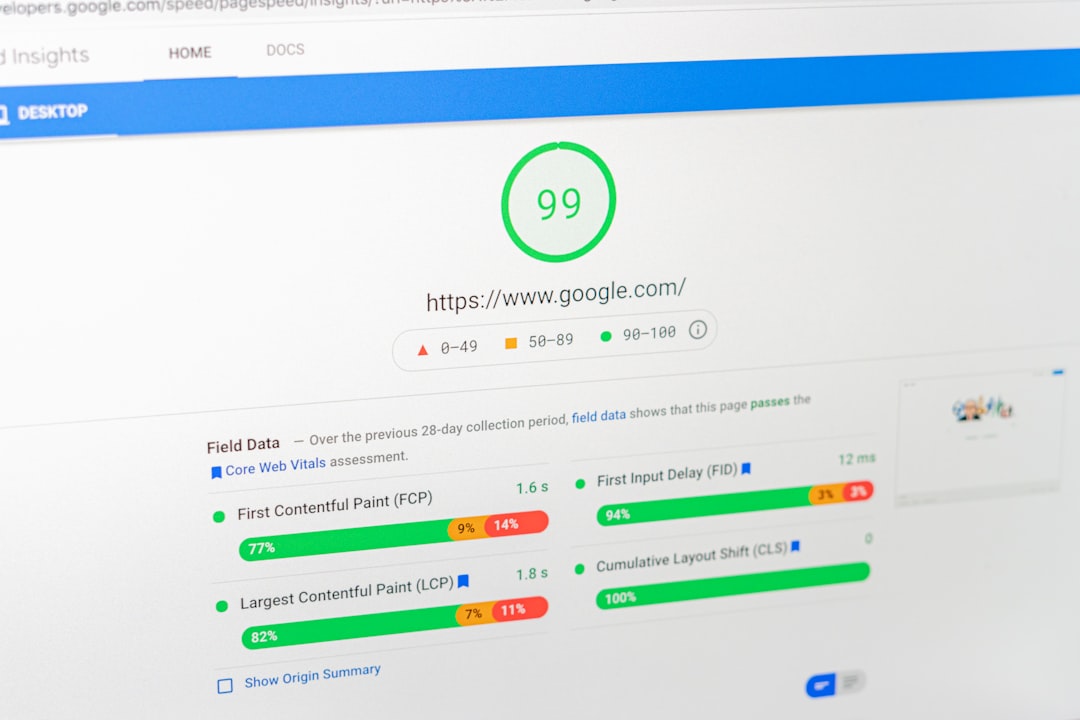
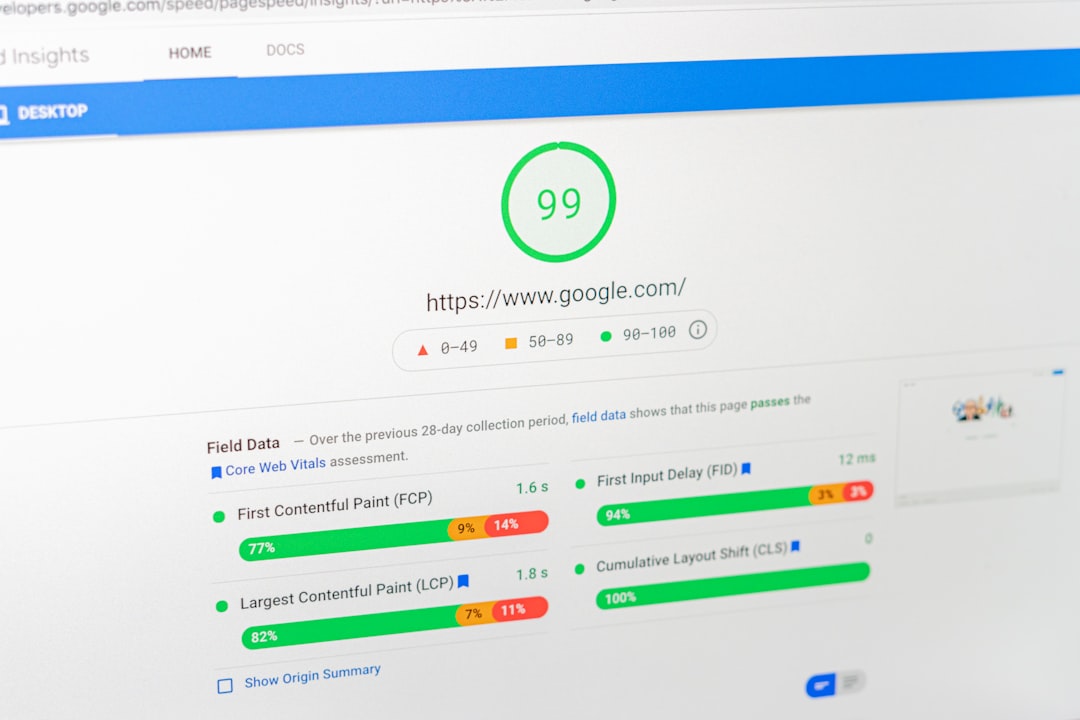
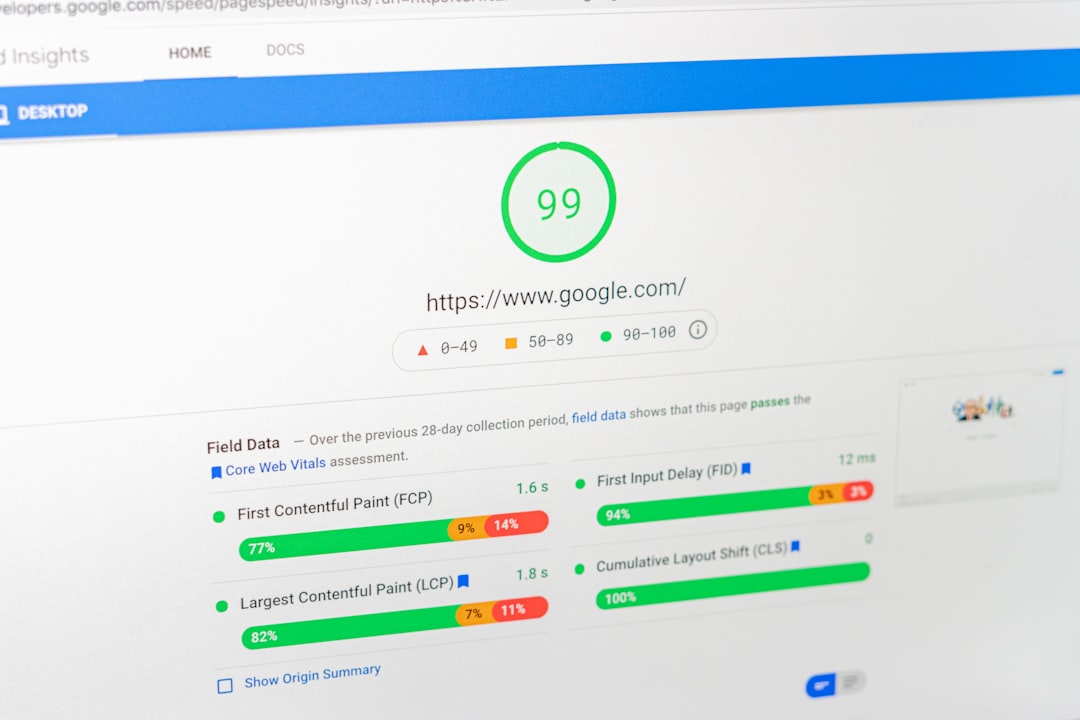
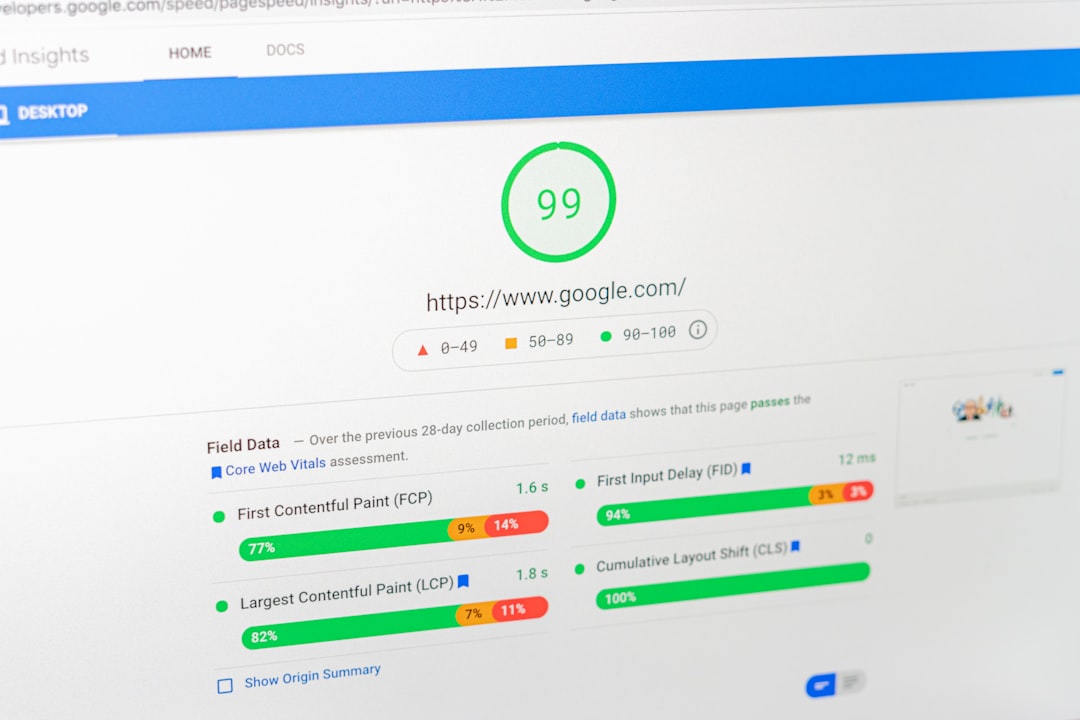
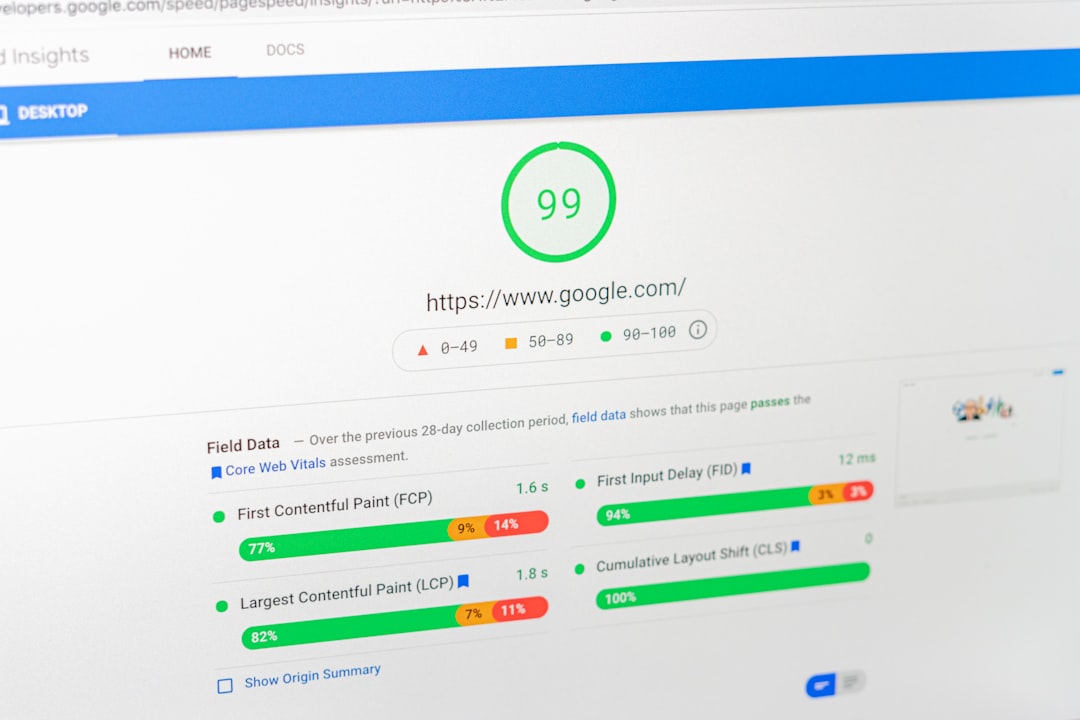
Core Web Vitals provide standardized measures of loading performance, interactivity, and visual stability. They are useful diagnostic indicators, but achieving perfect scores does not guarantee high rankings or increased sales. Businesses should balance technical improvements with content quality, accessibility, and the practical needs of their customers.
Making Websites Mobile-Friendly
Many customers use smartphones to search for nearby services, check operating hours, compare businesses, and make phone calls. A website that works well on a desktop but becomes difficult to use on a mobile screen can lose valuable opportunities. Responsive design helps website content adapt to different screen sizes and makes information more accessible.
Mobile optimization includes readable text, appropriately sized buttons, clear navigation, properly displayed images, and forms that are simple to complete. Contact details should be easy to find, and phone numbers can be configured as clickable links where appropriate. Businesses should test important pages on multiple screen sizes to identify problems that automated checks may overlook.
A mobile-friendly website should also make its main purpose immediately clear. Visitors should be able to understand the services offered, identify the business’s location or service area, and find the next step without excessive scrolling or confusing navigation. A straightforward mobile experience can support both customer satisfaction and conversion opportunities.
Improving Crawling and Indexing
Crawling occurs when search engine systems discover and access website pages, while indexing involves processing and potentially storing those pages for search results. Small businesses need to ensure that important service pages are accessible and are not accidentally blocked by technical settings. Issues involving robots.txt files, noindex directives, canonical tags, and redirect chains can affect how pages are discovered or indexed.
An XML sitemap can help search engines discover important URLs, particularly on larger or frequently updated websites. However, submitting a sitemap does not guarantee that every listed page will be indexed. Pages must also provide useful content and meet the relevant technical requirements.
Google Search Console can help business owners monitor indexing information, identify certain website issues, and understand how pages perform in Google Search. Regular monitoring is particularly valuable after a website redesign, platform migration, or significant URL change. Detecting problems early can reduce unnecessary disruption to organic visibility.
Local SEO and Google Business Profile Optimization
Local SEO helps businesses compete for customers within their service areas by improving their geographic relevance and online reputation. It is particularly important for Florida companies whose customers usually prefer nearby providers, such as dentists, electricians, restaurants, salons, cleaning companies, and repair services. A comprehensive local strategy combines accurate business listings, useful location pages, review management, and a strong website experience.
Businesses should begin by ensuring that their business information is accurate and consistent wherever it appears. Differences in phone numbers, addresses, business names, or operating hours can confuse customers and make it harder to determine which listing is correct. Maintaining reliable information across important platforms creates a stronger foundation for local marketing.
Maintaining Accurate Business Information
A business’s name, address, phone number, website, hours, and service details should reflect its real operations. Companies that move locations, change phone numbers, or modify their operating hours should update their major listings promptly. This is especially important for customers searching for businesses during emergencies or outside normal working hours.
Businesses that travel to customers rather than serving them at a public storefront should configure their local profiles according to the applicable platform rules. They should not display an address where customers cannot actually visit when the rules require that address to be hidden. Accurate service-area information helps set appropriate expectations and reduces inquiries from customers the company cannot serve.
Local listings should be reviewed periodically rather than assumed to remain correct indefinitely. Duplicate profiles, outdated information, and unauthorized changes can create confusion. A simple maintenance schedule can help small business owners keep their online presence reliable without requiring a large marketing team.
Building a Consistent Review Strategy
A structured review process helps businesses collect authentic feedback and respond to customer concerns. Companies can invite customers to share their experiences after a purchase or completed service, using neutral language that does not pressure them to leave positive feedback. The process should comply with the review platform’s policies and avoid incentives or practices intended to manipulate ratings.
Responding to reviews provides an opportunity to demonstrate professionalism and address legitimate concerns. Positive feedback can be acknowledged with a brief, personalized response, while negative feedback should receive a calm and constructive reply. Businesses should avoid sharing private customer details in public responses or making promises they cannot fulfill.
Review management is most effective when supported by consistent operational quality. Customers are more likely to recommend a business when communication is clear, appointments are handled reliably, and the delivered service meets reasonable expectations. Online reputation and customer experience should reinforce each other.
Creating Valuable Local Content
Local content can demonstrate that a business understands the community it serves. A Florida pest control company might explain seasonal pest concerns, while a landscaping business could publish practical advice about lawn maintenance during periods of heavy rain or heat. The content should be accurate, relevant, and connected to the company’s actual services.
Businesses can also create useful guides for local customers, such as preparing a property for storm season, understanding common home maintenance needs, or choosing a suitable service provider. These resources may attract informational searches and help readers become familiar with the company before they need professional assistance. Local details should be included because they improve the content, not merely to insert place names.
A strong local content strategy focuses on the questions and challenges customers genuinely experience. It avoids producing repetitive city pages or unsupported claims about serving communities that fall outside the business’s actual coverage. Over time, relevant local resources can help a business establish a clearer identity in its target market.
Content Marketing and SEO Strategies
📝 Content marketing supports SEO by providing useful information that answers search queries and helps customers make decisions. Small businesses can publish service pages, educational articles, comparison guides, case studies, maintenance instructions, and frequently asked questions. Each content type serves a different purpose, from attracting new visitors to helping prospective customers evaluate the company’s expertise.
For Florida businesses, content opportunities often emerge from local weather, housing, tourism, lifestyle, and service requirements. A property management company could publish a guide for rental property owners, while an air conditioning contractor might explain common signs of cooling system problems. These topics can attract relevant readers when the content provides clear, practical information instead of generic promotional language.
Developing a Practical Content Calendar
A content calendar helps businesses plan publications around customer needs, seasonal demand, available resources, and commercial priorities. Rather than publishing articles randomly, a business can identify its core services and create supporting content that answers related questions. This approach builds a more organized website and reduces the likelihood of repeatedly covering the same subject.
For example, a Florida landscaping company might prioritize lawn maintenance guidance before the rainy season and irrigation-related topics when customers are preparing for warmer months. A roofing company might publish storm preparation information before periods when severe weather concerns become more prominent. Seasonal timing should reflect local conditions and customer needs rather than relying on rigid assumptions about demand.
A realistic schedule is more useful than an ambitious plan that cannot be maintained. A small business might begin by improving its main service pages and publishing a few well-researched articles each month. Content performance can then guide future topics based on organic impressions, relevant clicks, engagement, and actual inquiries.
Creating Content That Builds Trust
Trustworthy content should demonstrate real knowledge, accurately explain important details, and help readers understand their options. Businesses can strengthen content by including original examples, practical recommendations, genuine project photographs, and explanations from qualified staff. Claims about licensing, certifications, experience, guarantees, and results should be accurate and verifiable.
Industries involving health, finance, safety, or other high-impact decisions require particular care because inaccurate information can cause significant harm. Businesses in these fields should ensure that important claims are reviewed by appropriately qualified professionals. Clear explanations of limitations and circumstances can make content more useful than exaggerated promises.
Content should also reflect the questions customers ask before contacting the business. These may include pricing factors, expected timelines, available service options, maintenance requirements, and what to expect during an appointment. Answering such questions can reduce uncertainty and help prospective customers make more informed decisions.
Refreshing Existing Content
SEO does not always require publishing new pages. Existing content may need updates when prices change, services expand, regulations evolve, or customer expectations shift. Reviewing established pages can help businesses correct outdated information, improve clarity, and strengthen sections that no longer meet visitors’ needs.
A content review should evaluate whether the page remains accurate, useful, and aligned with its intended search purpose. Businesses can examine search performance data to identify pages that receive impressions but attract few clicks, pages that have lost visibility, or pages that generate traffic without meaningful engagement. These patterns can suggest where improvements may be worthwhile.
Updates should make a genuine contribution rather than simply changing the publication date. Adding original information, clarifying confusing explanations, improving internal links, or removing obsolete details can improve the page’s usefulness. A consistent content maintenance process helps protect the value of existing website resources.
Link Building and Off-Page SEO
🔗 Link building is the process of earning links from other websites that point to a business’s website. Search engines may use links as one signal when evaluating how pages relate to each other and how a website is referenced across the web. For small businesses in Florida, relevant links can also introduce the company to new audiences and generate referral visits.
The objective should be to earn links that make sense in the context of the referring website. A local contractor might receive a link from a reputable building association, a relevant industry publication, or a community organization with which it has a genuine relationship. Such links are generally more defensible than large quantities of unrelated links obtained through automated or manipulative methods.
Earning Relevant Backlinks
Businesses can earn backlinks by publishing resources that other websites find useful, participating in legitimate community initiatives, sharing original research, and developing professional relationships. A Florida tourism business, for instance, might collaborate with a local destination guide when the collaboration provides genuine value to readers. A professional service provider could contribute expert commentary to a relevant publication.
Original resources can also attract links naturally. These might include practical industry guides, useful checklists, research based on company data, or detailed explanations of common problems. The resource should offer something that other publishers can reasonably reference rather than existing solely as a link-building device.
Outreach should be personalized and relevant to the recipient’s audience. Businesses should avoid mass messages that make unsupported promises or request links from unrelated websites. A smaller number of meaningful relationships can provide more lasting value than a large collection of low-quality placements.
Avoiding Harmful Link-Building Practices
Some providers promise hundreds of backlinks within a few days, but the number of links alone says little about their quality or usefulness. Links obtained through private blog networks, automated spam, irrelevant directories, or manipulative schemes can create risks without delivering meaningful business value. Google may ignore certain unnatural links or take action against websites that violate its spam policies.
Small businesses should ask SEO providers how links are sourced, whether placements are editorially justified, and what quality checks are performed. They should be wary of guarantees involving specific ranking positions or unusually large link quantities at extremely low prices. Responsible providers should be able to explain their methods in clear language.
A healthy backlink strategy emphasizes relevance, editorial integrity, and long-term reputation. Businesses should also recognize that link building is only one part of SEO and cannot compensate for weak content, serious technical problems, or an unclear service offering. Sustainable performance depends on the quality of the entire website and its relevance to customer needs.
Managing Local Citations
Local citations are online mentions of a business’s identifying information, sometimes including its name, address, and phone number. These mentions may appear in legitimate business directories, professional associations, local publications, and industry-specific platforms. Accurate citations can help customers discover the business and reinforce the consistency of its online information.
Not every directory is worth pursuing. Businesses should prioritize platforms that are reputable, relevant to their industry, or genuinely used by their customers. Submitting information to hundreds of low-quality directories simply to increase citation counts can waste time and create maintenance problems.
Citation management is particularly useful when a business has changed its name, moved premises, or updated its contact details. Correcting important outdated listings helps reduce customer confusion and supports a more reliable local presence. The emphasis should remain on accuracy and relevance rather than the number of directory entries.
Mobile SEO and Website User Experience
Mobile SEO focuses on helping smartphone and tablet users access website information comfortably while supporting the technical requirements of modern search. Florida customers may search for nearby services while commuting, traveling, shopping, or dealing with an urgent household problem. If a website is difficult to navigate on a mobile device, visitors may leave before they find the information or contact details they need.
User experience extends beyond loading speed. It includes navigation, readability, accessibility, page organization, visual stability, and the ease of completing important actions. A business website should make it straightforward for visitors to understand its services, assess whether it meets their needs, and contact the company without unnecessary obstacles.
Simplifying Navigation and Contact Options
Website navigation should organize important information into logical categories. Visitors should be able to find service descriptions, pricing information where available, the service area, company details, and contact options without searching through confusing menus. For businesses with multiple service categories, clear navigation also helps customers identify the correct page for their needs.
Contact information should be easy to locate, particularly on mobile devices. Clickable phone numbers, simple inquiry forms, clear appointment options, and appropriately placed calls to action can reduce the effort required to contact the business. Forms should request only the information needed to respond effectively, because excessive fields can discourage submissions.
Businesses should test important customer journeys regularly. For example, they can check whether a visitor can locate a service, understand the offer, and submit an inquiry using a smartphone. Testing these practical steps can reveal problems that standard ranking reports may not show.
Improving Accessibility and Readability
Accessible website design helps people with different abilities use digital information and services. Useful practices include sufficient color contrast, descriptive image text, meaningful headings, keyboard-friendly navigation, and form labels that communicate what information is required. These improvements can make a website easier to use for a wider audience.
Readability is equally important for visitors who are quickly comparing service providers. Short, coherent paragraphs, descriptive headings, straightforward explanations, and helpful visual elements can make complex information easier to understand. Businesses should avoid cluttering pages with intrusive pop-ups, excessive animations, or distracting design features that interfere with the primary task.
Accessibility should be considered throughout the design and maintenance process rather than treated as a one-time technical adjustment. Automated tools can help identify certain problems, but manual testing is also necessary to evaluate real usability. A website that communicates clearly and functions reliably provides a stronger foundation for customer acquisition.
Turning Website Visitors Into Customers
Conversion optimization focuses on helping relevant visitors complete valuable actions. Depending on the business, these actions may include requesting an estimate, calling for an appointment, purchasing a product, or signing up for a consultation. SEO can bring visitors to a website, but the website must communicate value and provide a clear next step to turn that traffic into business opportunities.
Strong service pages should explain the benefits of the service, address common concerns, and provide credible evidence of the company’s experience where available. Calls to action should be specific and appropriately placed, such as Request a Roofing Estimate or Schedule a Consultation. The wording should match what the business can actually provide and avoid misleading urgency.
Businesses should measure meaningful outcomes rather than judging SEO exclusively by traffic growth. If organic visits increase but inquiries remain unchanged, the company may need to investigate search intent, page relevance, contact forms, pricing transparency, or user experience. Combining SEO reporting with conversion data helps identify improvements that support actual business growth.

SEO Services for Small Businesses in Florida
SEO Strategies for Different Florida Industries
Florida’s business environment includes industries with different customer expectations, buying cycles, and search behaviors. A strategy that works for a restaurant may not be appropriate for a law firm, construction company, medical practice, or online retailer. Small businesses should select SEO activities based on their services, target customers, geographic reach, and the types of searches most likely to generate valuable inquiries.
Understanding industry-specific search behavior helps businesses create more relevant website pages and marketing content. A tourism company may benefit from seasonal travel guides, while a home improvement contractor may need detailed service pages and project examples. Tailoring SEO to the business model makes it easier to attract relevant visitors and communicate why the company is a suitable choice.
SEO for Home Services and Contractors
Home service businesses, including plumbers, electricians, roofers, HVAC contractors, and pest control companies, often depend on local searches to generate new customers. Their SEO strategies should emphasize service-specific keywords, accurate business listings, clearly defined service areas, and convenient contact options. Customers frequently want to understand which problems a company can address and how quickly they can arrange assistance.
A Florida HVAC company might create separate pages for air conditioning repair, system installation, preventative maintenance, and emergency services if those offerings are genuinely available. Helpful articles about cooling efficiency, seasonal maintenance, and common system problems can support those service pages. Customer reviews, authentic project photographs, and clear explanations of qualifications can further strengthen the company’s credibility.
SEO for Restaurants and Hospitality Businesses
Restaurants, hotels, vacation rentals, tour operators, and hospitality providers operate in a competitive market where customers often compare multiple options before booking. Their SEO strategies should focus on accurate business information, location-specific pages, relevant photographs, menus or service details, and content that helps customers plan their experiences. Mobile usability is especially important because many travelers research options while already visiting a destination.
A restaurant in Miami could optimize its website for relevant cuisine, dining experiences, neighborhood searches, and special services such as private events or catering. A hotel in Orlando might publish helpful information about accommodation features, nearby attractions, transportation options, and booking policies. Content should remain accurate and useful rather than relying on repetitive city names or unsupported claims about proximity.
SEO for Healthcare and Professional Services
Healthcare providers, legal professionals, accountants, and financial consultants need to establish credibility while helping potential clients understand their services. Their websites should provide clear service descriptions, accurate professional credentials, appropriate contact information, and educational content reviewed by qualified individuals. Because customers may make important health, legal, or financial decisions based on online information, accuracy and transparency are essential.
A dental practice in Jacksonville might create pages covering preventive care, restorative procedures, and appointment information. A law firm could explain the types of cases it handles, the areas it serves, and what clients can expect during an initial consultation. Professional websites should avoid exaggerated promises, misleading success claims, or advice that fails to account for individual circumstances.
SEO for Retail and E-Commerce Businesses
Retail stores and e-commerce businesses use SEO to help customers discover products, compare options, and complete purchases. Important activities include optimizing product titles and descriptions, improving category pages, organizing product navigation, and ensuring that product information remains accurate. Image optimization and mobile performance also matter because shoppers frequently browse products on smartphones.
A Florida retailer selling outdoor equipment might develop category pages for camping gear, patio furniture, or seasonal products. Detailed product descriptions can explain dimensions, materials, features, availability, and appropriate uses. Retailers should also manage unavailable products, duplicate category pages, and changing inventory carefully to prevent unnecessary technical and customer experience problems.
SEO Services for Small Businesses in Major Florida Cities
Florida contains several major commercial centers, each with its own mix of industries, customers, and competitive conditions. A small business should evaluate the markets it genuinely serves instead of automatically targeting every city in the state. Geographic targeting works best when it reflects actual service coverage and provides useful information to potential customers.
A company based in one city may serve neighboring communities, but it should not create misleading location pages simply to attract broader traffic. Businesses with multiple offices can develop appropriate pages for each genuine location, while service-area businesses should describe their coverage accurately. Local keyword research can help identify the geographic opportunities most relevant to the company’s goals.
SEO Opportunities in Miami
Miami has a diverse business environment involving tourism, restaurants, real estate, healthcare, professional services, and retail. Businesses competing in this market may need a clear service specialization and a website that communicates their value effectively. Depending on the industry, content may also need to address customers who speak English, Spanish, or other languages commonly used by their target audiences.
Local SEO for a Miami business can include relevant neighborhood targeting, accurate business listings, service-specific landing pages, and content addressing local customer needs. Companies should avoid translating pages mechanically without considering whether the translated content is accurate and natural for the intended audience. A thoughtful strategy can help businesses connect with customers whose language preferences and service requirements differ.
SEO Opportunities in Orlando
Orlando’s economy includes tourism, hospitality, entertainment, healthcare, home services, and professional businesses. Companies serving residents may have different SEO requirements from those targeting visitors, so keyword research should identify the audience behind each search. A vacation activity provider, for example, may need booking-focused pages, while a local electrician may prioritize residential service searches.
Orlando businesses can strengthen their online presence by developing clear service pages, maintaining accurate operating information, and publishing content that answers relevant customer questions. Businesses with seasonal demand can plan content around genuine changes in customer needs without making unrealistic assumptions about search volumes. Regular performance monitoring helps determine which services and locations deserve additional investment.
SEO Opportunities in Tampa and Jacksonville
Tampa and Jacksonville support businesses across healthcare, construction, logistics, professional services, retail, and other sectors. Local companies can benefit from targeting the specific services they provide and the communities they can realistically serve. A detailed geographic strategy helps businesses avoid competing for overly broad keywords that attract visitors who are unlikely to become customers.
A Tampa contractor might prioritize service pages for relevant neighborhoods and nearby communities, while a Jacksonville professional services firm could develop content addressing common client questions. In both markets, businesses should combine local listings, website optimization, useful content, and authentic reputation management. Results depend on the quality of execution, the level of competition, and the relevance of the website to each search.
Affordable SEO Packages for Small Businesses
💰 Small businesses do not necessarily need a large SEO campaign to begin improving their online visibility. The appropriate investment depends on the website’s condition, the competitiveness of the industry, the number of locations served, and the amount of work required. A newly established local company may need a different service package from an established business competing across several Florida cities.
Affordable SEO should mean prioritizing the most valuable work, not eliminating quality controls or relying on shortcuts. Businesses can begin with essential technical fixes, keyword research, core service pages, and local listing optimization before expanding into more advanced content and link-building activities. A phased strategy allows owners to understand what is being implemented and assess whether the investment supports their goals.
Choosing the Right SEO Service Level
A basic SEO package may include a website audit, keyword research, on-page improvements, and local profile optimization. A more comprehensive package may add ongoing content development, technical monitoring, competitor analysis, link acquisition, and detailed performance reporting. Businesses should compare packages according to the actual work included rather than selecting the lowest advertised price.
The following table illustrates possible SEO service levels. These are general examples rather than verified market quotations, and actual prices vary according to scope, provider experience, competition, and implementation requirements.
| SEO Package | Illustrative Monthly Cost | Typical Services | Suitable Business |
|---|---|---|---|
| Starter SEO | $300 to $600 | Basic optimization, keyword research, and local listing review | Small local business with a limited budget |
| Growth SEO | $600 to $1,200 | Ongoing on-page work, content planning, and performance monitoring | Business seeking broader local visibility |
| Competitive SEO | $1,200 to $2,500 | Expanded content, technical improvements, and link acquisition | Business in a competitive local market |
| Advanced SEO | $2,500 and above | Extensive strategy, multiple service areas, and ongoing optimization | Larger or more complex business |
These figures should be used only as planning estimates, not as guarantees of service quality or results. Some providers charge project-based fees, while others use hourly rates or monthly retainers. Businesses should confirm whether content production, website development, paid tools, link acquisition, and other expenses are included in the proposed fee.
Getting More Value From an SEO Budget
Small businesses can improve the value of their SEO investment by setting clear priorities. Fixing an important indexing problem or improving a high-value service page may be more useful than publishing many articles on unrelated topics. The best starting point is a review of the website, the business’s customer acquisition goals, and the competitive landscape.
Business owners should also distinguish between implementation costs and ongoing management fees. A website redesign, migration, or major technical repair may require additional one-time work, while routine optimization and reporting may continue monthly. Understanding these differences makes it easier to compare proposals and plan expenses accurately.
An affordable SEO provider should explain the planned activities, expected deliverables, reporting process, and limitations of the strategy. No responsible provider can guarantee specific Google rankings or a fixed number of sales from organic search. Transparent communication and measurable objectives provide a stronger basis for evaluating value than dramatic promises.
DIY SEO Versus Professional SEO Services
Small business owners can complete some SEO tasks independently, particularly when managing a simple website with a limited number of services. Basic activities include writing descriptive page titles, improving contact information, maintaining business listings, publishing useful content, and monitoring website performance. Free tools can help business owners understand how their pages appear in search and identify certain technical problems.
However, SEO involves several specialized areas, including technical diagnostics, keyword research, website architecture, competitive analysis, content strategy, and performance interpretation. Business owners who lack the time or experience to manage these tasks may benefit from professional support. The decision should consider the value of the owner’s time, the complexity of the website, and the importance of organic search to business growth.
When DIY SEO Makes Sense
DIY SEO can be a practical starting point for a small company with a simple website, a limited geographic market, and enough time to learn the fundamentals. Owners can begin by ensuring that every core service has a clear page, business information is accurate, and website visitors can easily contact the company. They can then monitor performance and make improvements based on reliable data.
This approach can reduce initial expenses and help owners understand how SEO contributes to customer acquisition. It also enables them to develop useful content based on direct knowledge of customer questions and service delivery. However, business owners should recognize when technical issues or competitive challenges require additional expertise.
When to Hire an SEO Professional
Professional SEO support becomes more valuable when a website has persistent technical problems, serves multiple locations, operates in a highly competitive industry, or needs a coordinated content and link-building strategy. Specialists can provide structured analysis, identify priorities, and implement improvements that may be difficult for an inexperienced owner to diagnose. Their work can also free business owners to focus on sales, service delivery, and daily operations.
Before hiring a provider, businesses should ask about relevant experience, implementation methods, reporting practices, and the specific work included in the agreement. It is also important to establish who owns the website, content, analytics accounts, and business listings. Keeping control of these assets reduces the risk of disruption if the relationship ends.
A hybrid approach may be suitable for many small businesses. Owners can handle basic content updates and customer review requests while an SEO professional manages technical audits, strategic planning, and complex optimization tasks. The right arrangement depends on the company’s resources and the skills available internally.
How to Choose the Right SEO Company in Florida
Selecting an SEO provider requires more than comparing prices or reviewing ranking claims. Small businesses should look for a company that understands their objectives, explains its methods, and offers a realistic plan based on the website’s current condition. A reliable provider should be willing to discuss both opportunities and limitations rather than presenting SEO as a guaranteed shortcut to growth.
Businesses should request a clear proposal describing the initial assessment, priority tasks, expected deliverables, reporting schedule, and communication process. The proposal should explain how the strategy relates to the company’s services and target customers. Providers should also be transparent about additional costs, contract terms, and any work that requires approval before implementation.
Evaluating Experience and Case Studies
An SEO company’s experience can help demonstrate whether it understands the challenges faced by businesses similar to yours. Relevant case studies may describe the original situation, the work completed, the period evaluated, and the measurable outcomes achieved. Businesses should look for evidence that connects SEO activities to meaningful results rather than relying exclusively on impressive ranking screenshots.
Results from another business cannot guarantee similar performance for your company. Markets differ in competition, website history, budget, customer demand, and the quality of existing online assets. A credible provider should explain how these differences affect its recommendations and avoid claiming that previous results will automatically be repeated.
Understanding Reporting and Communication
Regular reporting helps business owners understand what has been completed and whether the campaign is moving toward its objectives. Useful reports may include organic search clicks, impressions, landing-page performance, relevant keyword visibility, local profile activity, and conversions. The selected metrics should reflect the company’s goals rather than presenting large amounts of data without practical interpretation.
A provider should explain significant changes, identify technical or competitive obstacles, and recommend appropriate next steps. Reports should distinguish completed tasks from planned work and should not present ordinary fluctuations as proof of guaranteed success. Clear communication builds trust and allows both parties to make better decisions.
Recognizing SEO Red Flags
Business owners should be cautious of providers promising guaranteed first-place rankings, overnight success, secret methods, or hundreds of backlinks for an unusually low price. Other warning signs include refusing to explain their techniques, withholding access to analytics, creating content without approval, or insisting that the client surrender ownership of the website. Such practices can create unnecessary financial and operational risks.
A reliable provider should explain that SEO results depend on multiple factors and that rankings can fluctuate. The provider should use legitimate optimization practices, protect client assets, and report progress honestly. Businesses should review the service agreement carefully and ensure that the scope of work matches their needs before committing.
Common SEO Mistakes Small Businesses Should Avoid
Even well-intentioned businesses can undermine their SEO efforts by focusing on shortcuts instead of customer value. Common mistakes include keyword stuffing, publishing repetitive content, ignoring mobile usability, neglecting technical problems, and purchasing low-quality backlinks. These practices may waste resources and can make a website less useful to potential customers.
Another mistake is targeting keywords without considering search intent. A company might attract visitors searching for information that has little connection to its services while overlooking more commercially relevant searches. Keyword research should therefore guide the creation of useful pages that match the actual needs and expectations of the intended audience.
Publishing Thin or Duplicate Content
Thin content provides little useful information, while duplicate content repeats substantial material across multiple pages without a meaningful reason. Businesses sometimes create separate city pages by changing only the place name, resulting in pages that offer almost identical information. This approach can create a poor user experience and may make it harder for the website to demonstrate distinct value.
Each important page should serve a clear purpose and provide information appropriate to its topic. Businesses can differentiate pages by discussing specific services, local requirements, customer questions, project examples, or relevant operational details. If two pages serve the same purpose and provide little independent value, consolidating them may be more effective than maintaining both.
Ignoring Website Analytics
Without measurement, businesses may struggle to determine whether SEO activities are attracting relevant customers. Tracking only rankings or total traffic can hide important problems, such as visitors arriving from the wrong locations or failing to complete contact forms. Analytics should be configured to measure the actions that matter to the business.
Small businesses can use Google Search Console to review search performance and an appropriate analytics platform to monitor website interactions and conversions. They should establish a baseline before making major changes so that future performance can be compared meaningfully. Data should be interpreted over suitable periods because seasonal patterns and normal fluctuations can affect results.
Expecting Immediate Results
SEO usually requires time because search engines need to discover, process, and evaluate website content, while businesses need time to implement improvements and establish credibility. Competitive keywords may take longer to improve than specific searches in a less competitive market. Businesses that expect immediate results may abandon useful strategies before enough evidence is available to evaluate them.
A better approach is to set realistic milestones, prioritize important work, and monitor progress consistently. Early indicators may include improved indexing, additional relevant impressions, better engagement, or more visibility for targeted service pages. Revenue and lead growth should also be tracked, but they may depend on factors beyond SEO, including pricing, service quality, seasonality, and sales follow-up.
Measuring SEO Performance and Business Growth
📊 Measuring SEO performance helps businesses understand whether their investment is improving visibility and contributing to commercial objectives. Effective reporting combines search visibility metrics with website behavior and actual customer outcomes. The purpose is not simply to produce monthly reports but to identify which activities are working, which problems remain, and where additional investment may be justified.
Different businesses require different performance indicators. A local service provider may prioritize qualified phone calls and quote requests, while an online store may focus on organic revenue, product-page conversions, and completed transactions. The reporting framework should reflect how the business earns revenue and what customers need to do before becoming paying clients.
Important SEO Metrics to Monitor
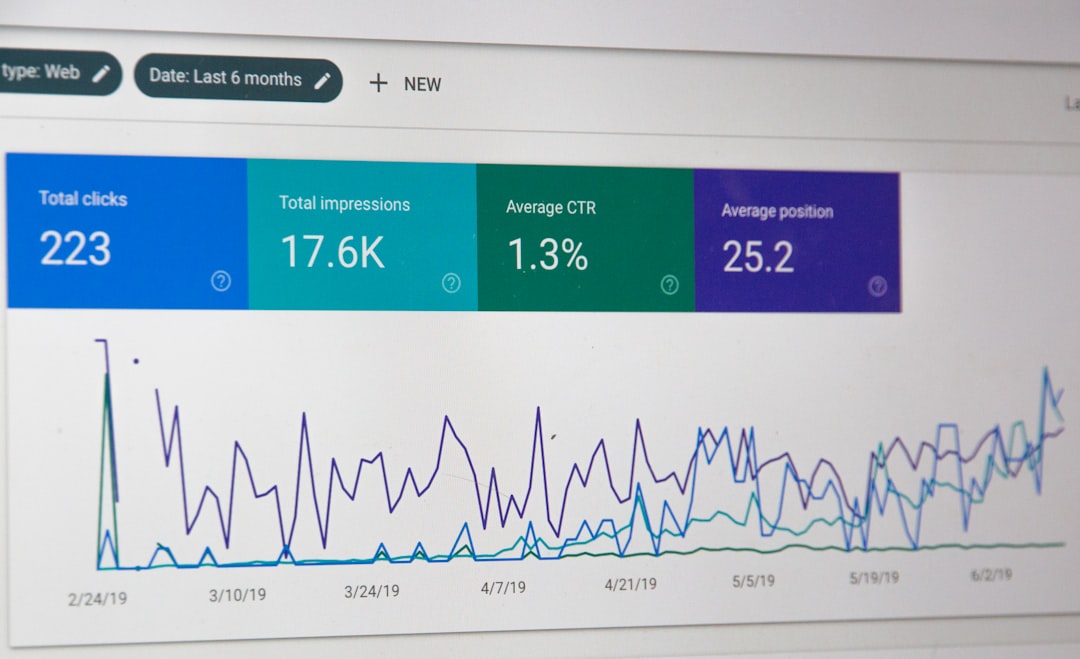
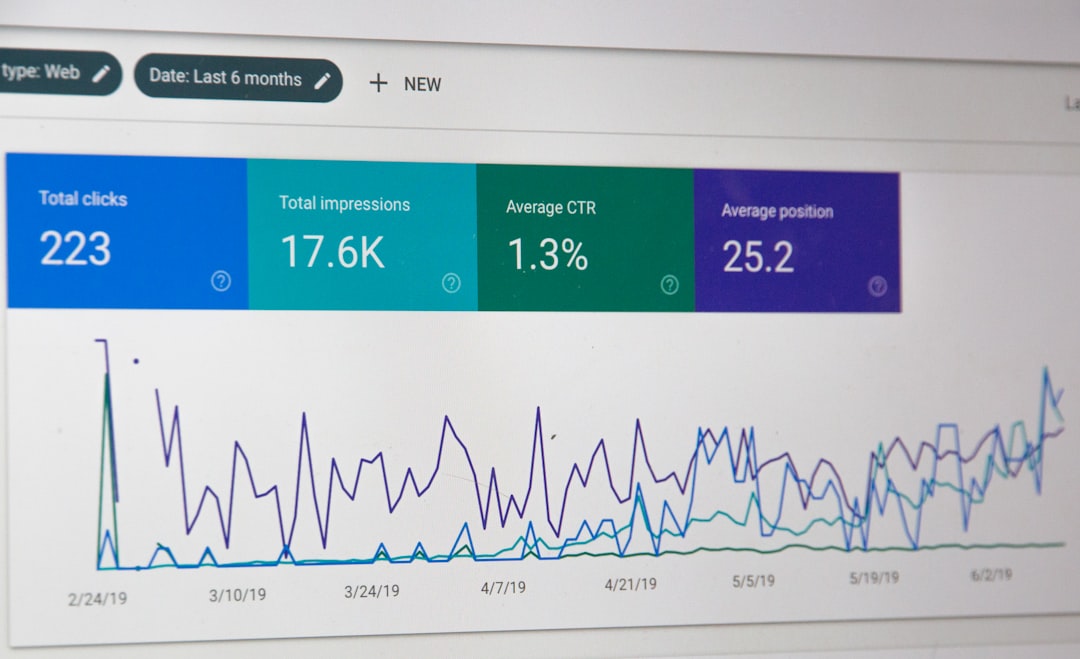
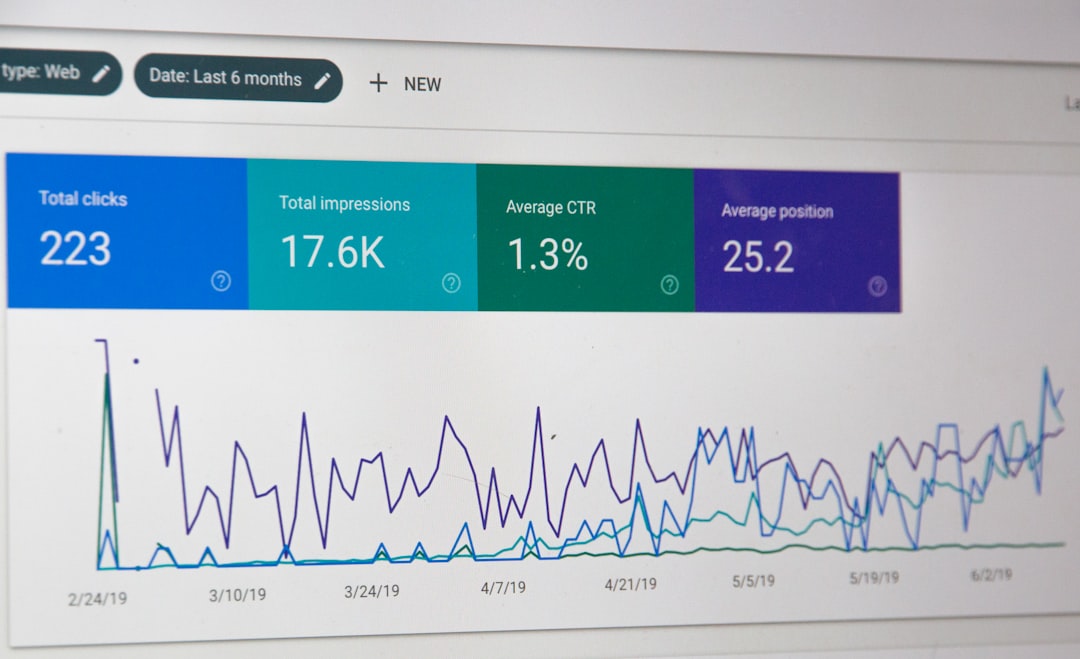
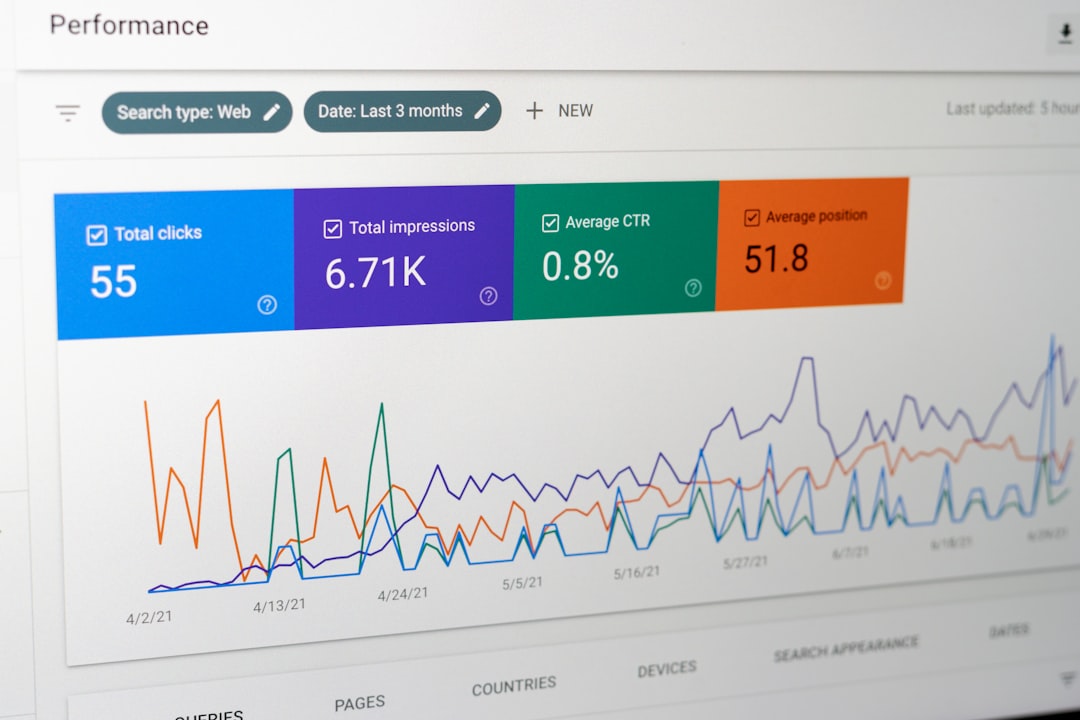
Organic clicks show how many visits arrive from unpaid search results, while impressions indicate how often pages appear in those results. Click-through rate measures the proportion of impressions that generate clicks, and average position provides an aggregated indication of search visibility for tracked queries. These metrics can help identify opportunities to improve page relevance, titles, and search targeting.
Other useful measures include organic landing-page sessions, engagement, contact form submissions, phone calls, bookings, and sales. Local businesses may also monitor relevant business profile interactions, although these should not be treated as direct proof that SEO alone generated a customer. Connecting available data sources provides a more complete picture of performance.
Calculating SEO Return on Investment
Return on investment helps a business evaluate whether the financial benefits of SEO justify its costs. A simple calculation compares the profit attributable to SEO with the amount spent on the campaign. Because SEO results may develop over several months and multiple marketing channels can influence a sale, businesses should use consistent assumptions and avoid attributing every organic conversion entirely to one activity.
For example, suppose a business spends $1,000 on SEO in a month and estimates that organic search generated $3,000 in additional gross profit attributable to the campaign. Using these assumptions, the estimated return would be 200 percent, calculated as the $2,000 net gain divided by the $1,000 cost. This is an illustrative calculation rather than a prediction, and the reliability of the result depends on accurate cost and attribution data.
Businesses should also account for conversion rates, average order values, repeat purchases, lead quality, and the time required to close a sale. A campaign that generates fewer but more profitable customers may be more valuable than one producing a large volume of low-quality inquiries. Measuring commercial outcomes helps owners make better decisions about future SEO spending.
How Long Does SEO Take to Deliver Results?
SEO timelines vary according to competition, website condition, industry, content quality, implementation speed, and the strength of competing websites. Some improvements, such as correcting an indexing problem, may produce noticeable changes relatively quickly after search engines recrawl the affected pages. Broader gains in organic visibility and customer acquisition usually require ongoing effort and evaluation.
A new website targeting highly competitive terms may need substantially more work than an established business with a technically sound website and relevant content. Businesses should avoid relying on a single deadline as a guarantee of success. Instead, they should review progress against realistic milestones and adjust the strategy when evidence indicates that a different approach is needed.
Early Improvements
During the early stages, an SEO campaign typically focuses on research, technical assessment, and correcting important website issues. The provider may optimize titles and headings, improve core service pages, address indexing problems, and strengthen local business information. These activities establish the foundation for further improvements but do not guarantee immediate ranking gains.
Businesses may begin to see changes in indexing, impressions, or visibility for selected searches as the work progresses. However, early changes can fluctuate, particularly when the website has limited history or operates in a competitive market. Consistent monitoring helps determine whether the improvements are producing meaningful progress.
Long-Term Organic Growth
Over time, an effective SEO campaign may expand relevant keyword visibility, attract more qualified visitors, and increase the number of customer inquiries. Continued content development, technical maintenance, local optimization, and reputation building can support these improvements. Performance still depends on external conditions, including competition, search engine updates, and changes in customer demand.
A long-term strategy should include regular reviews of results and priorities. Pages that perform well may need maintenance, while underperforming pages may require clearer content, better targeting, or technical investigation. Businesses that treat SEO as an ongoing marketing process are better positioned to respond to changing opportunities.
SEO Trends Affecting Florida Small Businesses
Search technology continues to evolve, making it important for small businesses to focus on durable SEO principles rather than short-lived tactics. Search engines increasingly provide more direct answers, richer result formats, and AI-assisted search experiences, which can change how people discover information. Businesses should continue prioritizing accuracy, usability, relevance, and original expertise as these systems develop.
Local search remains important for companies serving defined geographic areas. Accurate business details, helpful location information, authentic reviews, and strong website experiences can help customers evaluate local providers. Businesses should monitor how their target audience searches and avoid investing in speculative tactics that promise guaranteed visibility in every new search format.
Helpful Content and Demonstrated Expertise
Content that directly answers customer questions remains a practical investment for businesses across industries. Small businesses can demonstrate expertise by explaining their processes, publishing accurate service information, sharing original examples, and addressing common concerns. This content should reflect real knowledge rather than simply rephrasing information already available on other websites.
Artificial intelligence tools can help with research organization, outlining, and editing, but automatically generated content still requires human review. Businesses should verify factual claims, remove repetitive passages, and add meaningful expertise before publishing. Producing large volumes of generic articles solely to target keywords is unlikely to be a reliable long-term strategy.
Structured Data and Search Presentation
Structured data is a standardized way to provide information about a webpage and its content. Depending on the website, appropriate structured data may describe a local business, a product, an article, or another supported content type. Correct implementation can help search engines interpret information, although it does not guarantee special search result features or higher rankings.
Businesses should use only schema types that accurately reflect their content and follow the applicable guidelines. Incorrect, misleading, or irrelevant structured data can create problems rather than benefits. Technical validation and ongoing maintenance help ensure that structured information remains consistent with what users can actually see on the website.
Adapting to Changing Search Behavior
Customers may use traditional search results, map listings, voice interfaces, social platforms, and AI-assisted tools during their research. A small business can improve its overall discoverability by maintaining accurate information and providing consistent, useful content across relevant channels. The most appropriate channels depend on the audience and the type of service being offered.
Businesses should not abandon established SEO practices in pursuit of every emerging trend. A technically accessible website, relevant content, trustworthy business information, and a strong customer experience remain sensible foundations. Regular performance reviews can help identify which new opportunities deserve attention without diverting resources from activities that already support business growth.
Why Choose DealMate for SEO Services
Choosing an SEO provider is an important decision for a small business because the quality of the strategy and its implementation can influence online visibility, customer acquisition, and marketing efficiency. DealMate can be presented as an option for businesses seeking organized SEO support, but prospective clients should evaluate its actual services, experience, pricing, and documented results before making a decision. The right partnership should be based on transparent communication and a clear understanding of the business’s goals.
Small businesses need SEO recommendations that reflect their available resources and competitive environment. An effective provider should begin by understanding the company’s services, target audience, website condition, and geographic reach before recommending specific activities. This process helps ensure that the campaign focuses on relevant opportunities rather than unnecessary work.
A Strategy Based on Business Goals
SEO should support measurable objectives such as generating qualified leads, increasing relevant organic traffic, improving local visibility, or growing online sales. DealMate’s proposed strategy should identify the outcomes the business wants to achieve and connect those objectives with appropriate optimization activities. Clear priorities make it easier for business owners to understand why each task matters.
A practical plan may include keyword research, service page improvements, local SEO, technical checks, content development, and performance tracking, depending on the company’s requirements. The work should be prioritized according to the website’s current condition and the opportunities available in its market. Business owners should receive an explanation of what will be done, when it will be completed, and how progress will be assessed.
Transparent Communication and Reporting
Small businesses benefit from providers who explain technical findings in straightforward language and share meaningful progress reports. Reports should show completed work, changes in relevant performance indicators, identified challenges, and recommended next steps. This information allows business owners to understand how the campaign is progressing without needing advanced SEO knowledge.
Before engaging DealMate, businesses should confirm the reporting schedule, communication arrangements, service scope, and ownership of digital assets. They should also ask how additional costs are handled and what happens if the service agreement ends. These details help establish realistic expectations and reduce the possibility of misunderstandings.
Sustainable SEO Practices
Long-term SEO depends on useful content, sound technical implementation, legitimate reputation building, and a website that serves customers effectively. Businesses should seek providers that avoid manipulative link schemes, misleading claims, and guarantees of specific rankings. Sustainable methods support a more defensible online presence and reduce the risks associated with shortcuts.
DealMate should be evaluated according to the quality and transparency of its actual work rather than general marketing promises. Prospective clients can request relevant examples, review the proposed deliverables, and ask how results will be measured. By selecting a provider whose approach matches their goals and standards, Florida small businesses can make a more informed investment in organic search growth.
Frequently Asked Questions About SEO Services for Small Businesses in Florida
What Are SEO Services for Small Businesses in Florida?
SEO services help small businesses improve their visibility in unpaid search engine results. These services may include keyword research, on-page optimization, technical SEO, local SEO, content development, and link building. The strategy is designed to connect a business with people searching for relevant products or services. Effective SEO focuses on attracting qualified visitors and supporting meaningful business outcomes rather than traffic alone.
How Much Do SEO Services Cost in Florida?
SEO costs vary according to the website’s condition, the competitiveness of the industry, the number of locations served, and the scope of the work. Some small businesses may begin with a basic monthly package, while competitive campaigns can require a larger investment. Project-based fees may apply to website audits, migrations, or substantial technical improvements. Businesses should compare deliverables, expertise, reporting, and contract terms instead of choosing a provider based only on price.
How Long Does SEO Take to Show Results?
SEO results depend on factors such as website history, competition, content quality, technical health, and the speed of implementation. Some technical improvements may produce changes relatively quickly, while broader organic growth often requires several months of consistent work. No ethical SEO provider can guarantee a specific ranking or exact timeline. Regular monitoring helps businesses evaluate progress and identify opportunities for improvement.
Is Local SEO Important for Small Businesses in Florida?
Local SEO is particularly valuable for businesses that serve customers in specific cities, neighborhoods, or geographic areas. It helps companies maintain accurate business listings, improve relevant local visibility, and provide useful location information. Businesses can strengthen their local presence through genuine reviews, appropriate service pages, and consistent contact details. The strategy should target areas the company genuinely serves rather than attempting to rank everywhere.
Can SEO Help a Small Business Compete With Larger Companies?
SEO can help small businesses compete by targeting relevant customer needs, specific services, and realistic geographic opportunities. A smaller company may be able to serve a specialized audience more effectively than a larger competitor with a broader offering. Helpful content, strong local information, and a good customer experience can create meaningful opportunities for visibility. However, results depend on competition, resources, and the quality of the overall strategy.
What SEO Services Should a Small Business Start With?
A small business should usually begin by reviewing its website, researching relevant keywords, and identifying major technical or content problems. Improving core service pages and ensuring that local business information is accurate can provide a strong foundation. The next priorities depend on the company’s industry, location, competition, and goals. A professional audit can help identify the improvements most likely to provide value.
Is SEO Better Than Paid Advertising?
SEO and paid advertising serve different but complementary purposes. Paid advertising can generate visibility while a campaign is active, whereas organic SEO can build visibility that continues without paying for each individual click. SEO generally requires sustained work and does not provide guaranteed immediate results. Many small businesses benefit from combining both channels according to their budget, customer acquisition needs, and marketing objectives.
Does Every Florida Small Business Need a Website for SEO?
A dedicated website gives businesses greater control over their service information, content, customer journey, and conversion tracking. Some local visibility opportunities are available through eligible business listings even when a company has no website. However, a well-maintained website provides additional space to explain services, answer questions, and generate inquiries. The best approach depends on the business model, but a website can be a valuable long-term marketing asset.
How Can I Measure Whether My SEO Campaign Is Working?
Businesses can evaluate SEO through organic clicks, search impressions, relevant keyword visibility, website engagement, and conversions. Local companies should also track qualified calls, quote requests, bookings, and sales where reliable measurement is available. Google Search Console and suitable analytics tools can provide useful performance information. Reports should connect these metrics with completed SEO work and the company’s broader commercial objectives.
How Do I Choose a Reliable SEO Company in Florida?
Choose a provider that explains its methods, defines its deliverables, communicates clearly, and reports performance honestly. Ask for relevant case studies, a realistic strategy, transparent pricing, and details about website ownership and contract terms. Avoid companies promising guaranteed rankings, overnight results, or large quantities of questionable backlinks. A reliable provider should focus on sustainable practices and tailor recommendations to your business’s actual needs.
Conclusion
SEO services for small businesses in Florida can help companies improve organic visibility, attract relevant customers, and build a stronger digital presence. From keyword research and technical optimization to local listings, content marketing, and legitimate link building, each component contributes to a strategy designed around customer needs and business objectives. The most effective approach combines these activities according to the company’s industry, geographic coverage, competition, and available resources.
Small businesses should begin by understanding their current website performance and identifying the improvements that matter most. Accurate business information, useful service pages, a mobile-friendly website, and reliable performance tracking provide a solid foundation for sustainable growth. As the campaign develops, businesses can expand their content, strengthen their local reputation, and evaluate additional opportunities based on actual results.
Choosing the right SEO partner also matters because transparency, realistic expectations, and consistent implementation can make the process easier to manage. Whether a business works independently or hires a professional provider such as DealMate, its strategy should prioritize useful content, legitimate optimization practices, and measurable business outcomes. With ongoing evaluation and a customer-focused approach, SEO can become a valuable part of a Florida small business’s long-term marketing plan.