Introduction 🌴
Florida is home to a diverse business community, from restaurants and retail stores to law firms, healthcare practices, real estate agencies, and home service providers. With customers increasingly using Google to find nearby products and services, appearing in local search results has become an important part of attracting new customers and building a recognizable brand. Local search engine optimization, commonly known as local SEO, helps businesses improve their visibility when people search for solutions in a specific city, neighborhood, or service area.
For example, someone searching for a plumber in Miami, a dentist in Tampa, or a restaurant in Orlando is usually looking for a convenient option that meets an immediate need. Businesses that provide relevant information, maintain accurate online listings, and create useful website content have a better opportunity to connect with these potential customers. A well-planned local SEO strategy can help Florida businesses become easier to discover, establish credibility, and generate more qualified inquiries.
Local SEO involves more than adding a city name to a website or creating a business profile. It requires a coordinated approach that includes keyword research, Google Business Profile optimization, website improvements, customer reviews, local citations, relevant backlinks, and performance tracking. Each element helps search engines understand what a business offers, where it operates, and how useful it may be to people searching for its services.
This guide explains how Florida businesses can develop an effective local SEO strategy, avoid common mistakes, and build a stronger presence in their target markets. Whether you operate a small local shop, manage a service-area company, or oversee several business locations, understanding local SEO can help you make informed marketing decisions and support sustainable growth.
Understanding Local SEO in Florida 📍
Local SEO is the process of improving a business’s online presence so it can appear more prominently in search results for geographically relevant queries. These searches often include a city, neighborhood, ZIP code, or phrase such as “near me,” although Google can also recognize local intent without an explicit location in the search. The goal is to help potential customers discover an appropriate business when they need a product or service in a particular area.
Google can display local results through its map-based listings, often called the local pack, as well as through standard organic search results. Map results commonly show information such as business names, locations, ratings, hours, and contact options, while organic results may lead users to service pages, local guides, and other relevant website content. A business may appear in one type of result without appearing equally prominently in another, so local SEO should address both its business profile and its website.
Florida presents a varied local search environment because the state includes major metropolitan areas, coastal communities, suburban neighborhoods, and smaller towns. A business serving customers in Jacksonville may need a different keyword strategy from one operating in Fort Lauderdale or Naples because customer needs, competition, and search behavior can vary by location. Understanding the specific market a business serves helps create a more focused and realistic optimization plan.
How Local Search Results Work
Local search visibility depends on several factors, with relevance, distance, and prominence being central considerations in Google’s local ranking approach. Relevance refers to how closely a business matches the searcher’s needs, while distance concerns how far the business is from the search location or location implied by the query. Prominence reflects how well known or established a business appears to be, based on information such as its online presence, reviews, and other relevant signals.
Businesses cannot control every factor affecting local rankings, particularly a searcher’s physical location. However, they can improve their relevance by accurately describing their services, choosing appropriate business categories, and publishing useful information on their websites. They can also strengthen their online prominence by earning genuine customer reviews, developing relevant local connections, and maintaining a consistent digital presence.
It is important to understand that no single action guarantees a top position in local search results. Rankings can vary by search term, location, competition, and time, so businesses should focus on improving their overall visibility and customer experience rather than relying on a single ranking report.
Local SEO Compared With Traditional SEO
Traditional SEO focuses on improving a website’s visibility across organic search results, while local SEO places additional emphasis on geographic relevance and business information. Both approaches involve technical optimization, relevant content, keyword targeting, and authority building, but local SEO also considers factors such as Google Business Profile information, local reviews, and business citations. The most effective strategy often combines both methods instead of treating them as completely separate marketing activities.
For instance, a Florida accounting firm may use traditional SEO to publish detailed resources about tax planning, bookkeeping, and financial reporting. Its local SEO strategy can complement those resources with location-specific service pages, an optimized business profile, and accurate information about the areas it serves. This combination helps the firm address both general informational searches and searches from people seeking professional assistance nearby.
| SEO approach | Primary focus | Example strategy | Potential benefit |
|---|---|---|---|
| Local SEO | Searches connected to a particular area | Optimize a business profile for a Tampa service provider | Greater local discovery |
| Traditional SEO | Organic visibility across broader search topics | Publish an in-depth guide about accounting services | More relevant organic traffic |
| Technical SEO | Website accessibility, performance, and crawlability | Improve mobile speed and fix indexing errors | Easier access for users and search engines |
| Content SEO | Helpful information matching search intent | Create service pages and educational articles | Better answers to customer questions |
| Reputation management | Trust and customer feedback | Request honest reviews and respond professionally | Stronger customer confidence |
A business should select its SEO priorities according to its goals, industry, and existing online presence. A company that depends on nearby customers may prioritize local listings and city-specific pages, while a business serving clients throughout Florida may need a broader content strategy alongside local optimization. Evaluating these needs early helps prevent wasted effort and creates a clearer direction for future marketing work.
Why Local SEO Matters for Florida Businesses 🚀
Local SEO can help Florida businesses reach customers who are actively looking for specific products or services. Unlike broad advertising that may reach people with little immediate interest, local search often connects businesses with users who already have a need and are comparing available options. Appearing at the right moment can increase opportunities for phone calls, appointment requests, store visits, and online purchases.
Florida’s economy includes tourism, hospitality, healthcare, construction, property services, professional consulting, and many other competitive industries. Customers in these markets may compare several providers before making a decision, especially when the service involves a significant expense or an ongoing relationship. A clear local presence helps businesses communicate their services, operating hours, location, reputation, and other details that customers need before contacting them.
Reaching Customers With Strong Purchase Intent
Many local searches reveal that a customer is close to taking action. Someone looking for an emergency electrician in Orlando, a family dentist in Sarasota, or an air conditioning repair company in Miami may need assistance soon rather than simply researching a topic for general interest. Businesses that provide accurate details and relevant landing pages can make it easier for these searchers to understand their options and get in touch.
To attract this audience, companies should create pages that clearly explain their services, service areas, pricing approach where appropriate, and next steps for requesting assistance. Contact details should be easy to find, and calls to action should match the customer’s needs. A straightforward experience can reduce uncertainty and help turn relevant search traffic into meaningful inquiries.
Improving Visibility in Google Search and Maps
A complete Google Business Profile can help eligible businesses present essential information to nearby customers through Google Search and Maps. Depending on the business and the search, customers may be able to view operating hours, read reviews, inspect photos, request directions, or contact the company directly. These features are particularly useful for businesses that rely on local visits or phone inquiries.
However, simply creating a profile does not guarantee strong rankings or consistent customer activity. Businesses should choose accurate categories, complete all relevant fields, keep hours updated, and ensure that their websites provide consistent information. Regular maintenance makes the listing more useful to potential customers and reduces the risk of confusion caused by outdated details.
Building Trust Before the First Contact
Customers often evaluate a business online before they decide whether to call, book an appointment, or visit its location. They may examine customer reviews, service descriptions, photographs, business hours, and the quality of the company’s website. Incomplete information or conflicting details can create doubt, while a professional and consistent presence can help establish confidence.
Trust also depends on how a business communicates with customers. Responding politely to reviews, explaining services honestly, and correcting inaccurate information show that the company takes customer experience seriously. These actions do not guarantee higher rankings, but they can strengthen credibility and help customers make better-informed decisions.
Supporting Sustainable Business Growth
Local SEO can become a valuable long-term marketing channel because useful website content and accurate business information may continue attracting relevant visitors over time. Unlike campaigns that stop generating traffic when advertising spend ends, organic visibility can persist when a business consistently maintains and improves its online presence. Results are not automatic, and rankings can fluctuate, but ongoing optimization can support more predictable customer acquisition.
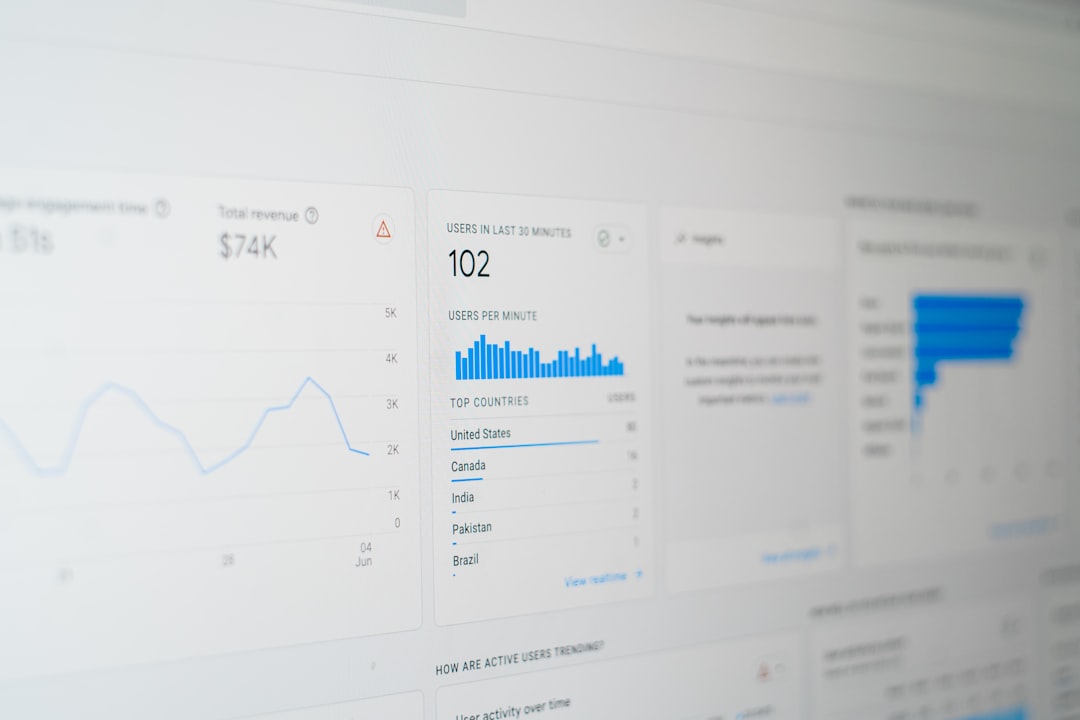
Businesses can also use local SEO data to understand which services attract interest, which locations generate inquiries, and which website pages lead to conversions. This information helps owners make more informed decisions about service offerings, content priorities, and marketing budgets. Over time, a data-informed approach can improve the efficiency of local marketing efforts.
Understanding Florida’s Local Search Market 🌎
Florida is not a single uniform market, and a successful local SEO strategy should reflect the differences between cities, neighborhoods, and customer groups. A business in a densely populated metropolitan area may face different competitors and search patterns from a company operating in a smaller coastal community. Researching local demand before creating content allows businesses to focus on locations and services that genuinely match their operations.
Major markets such as Miami, Orlando, Tampa, Jacksonville, Fort Lauderdale, and St. Petersburg contain businesses across a wide range of industries. Smaller communities can also offer valuable opportunities when a company understands local customer needs and provides relevant services. Rather than attempting to target every city in Florida, businesses should begin with their actual service area and expand only when they have the capacity to serve additional customers.
Targeting Major Cities and Neighborhoods
City-level keywords can help businesses communicate geographic relevance, but neighborhood-level targeting may be useful when customers commonly search for providers in specific districts or nearby communities. A company serving Miami, for example, may need to understand whether its customers search broadly for Miami services or use more specific neighborhood terms. Keyword research and customer inquiries can help determine which geographic distinctions deserve dedicated attention.
Businesses should avoid creating pages for locations they do not genuinely serve. A location page should provide useful information about the services available in that area, relevant travel or service details, and an accurate way to contact the business. When a company has a legitimate local presence or a clear service offering for a particular community, location-specific content can help users understand whether it is an appropriate choice.
Understanding Residents, Seasonal Visitors, and Tourists
Florida attracts permanent residents, seasonal residents, business travelers, and tourists, creating different patterns of search demand throughout the year. Hotels, restaurants, attractions, transportation providers, and recreational businesses may experience noticeable seasonal changes in customer interest. Other industries, such as healthcare and essential home maintenance, may depend more heavily on residents and recurring local needs.
Businesses should consider these patterns when planning content and updating business information. A tourism-related company may publish timely guides that explain local activities, seasonal services, or booking options, while a residential contractor may focus on maintenance needs and service availability. Seasonal content should answer genuine customer questions rather than adding temporary keywords without useful information.
Adapting to Industry-Specific Search Behavior
Different industries attract different types of local searches, so keyword selection and website structure should reflect how customers choose providers. A restaurant customer may look for menus, opening hours, dietary options, and directions, while someone hiring a roofing contractor may want service details, project examples, licensing information, and customer reviews. A medical practice may need clear information about specialties, accepted insurance where applicable, appointment procedures, and office accessibility.
Understanding these differences helps businesses create pages that address the questions customers are most likely to ask. It also helps determine which business profile features, images, reviews, and calls to action deserve the most attention. A strategy built around real customer behavior is generally more useful than copying a competitor’s website structure without considering the business’s own market.
Local Keyword Research for Florida Businesses 🔎
Keyword research is the process of identifying the words and phrases people use when looking for a business, product, or service. For local SEO, the research should connect service-related terms with the geographic areas a business genuinely serves. The objective is not simply to collect a large list of keywords, but to identify relevant search opportunities that can attract potential customers and support business goals.
A Florida cleaning company might investigate phrases such as “house cleaning in Tampa,” “move-out cleaning near Brandon,” or “commercial cleaning services in Jacksonville.” These searches express different service needs and geographic preferences, which may require different website pages or marketing priorities. Choosing keywords carefully helps the business match its content to what potential customers actually want.
Finding Location-Based Keywords
Begin by listing the business’s core services, products, and target locations. Combine these terms to create possible keyword variations, then review search suggestions, competitor pages, customer questions, and available keyword research tools to identify relevant opportunities. Search volume estimates can be useful, but they should be considered alongside competition, commercial intent, and the business’s ability to serve the location.
For example, a plumbing company may organize its initial research around emergency plumbing, drain cleaning, water heater repair, and leak detection. It can then examine how customers search for each service in its primary city and surrounding service areas. This process creates a practical keyword map that connects important search terms to suitable website pages.
Understanding Search Intent
Search intent describes the reason behind a user’s query, and understanding it helps businesses create content that meets the searcher’s expectations. Some users want general information, others are comparing service providers, and some are ready to contact a company or make a purchase. A page that addresses the wrong intent may attract visitors without encouraging meaningful engagement.
Consider the difference between “how to maintain an air conditioner” and “air conditioning repair in Fort Lauderdale.” The first phrase suggests an informational need, while the second may indicate that the user is searching for a local service provider. A useful SEO strategy can target both types of queries through different pages, with educational content supporting broader discovery and service pages helping customers take action.
Prioritizing Long-Tail Local Keywords
Long-tail keywords are more specific search phrases that often reveal a clear service need, customer preference, or location. Examples include “same-day appliance repair in Tampa” or “family-friendly restaurant near Clearwater Beach.” Although individual long-tail phrases may receive fewer searches than broad keywords, they can be valuable when they closely match the services a business offers.
Businesses should prioritize long-tail keywords when they reflect genuine customer needs and can be supported with useful content. Avoid forcing every variation into a single page or repeating the same city name unnaturally throughout the text. Clear writing, accurate service information, and a good user experience should remain the priority.
Creating a Practical Local Keyword Strategy
Once the research is complete, group keywords by service, location, and intent. Assign the most relevant terms to existing pages or identify opportunities for new pages where a distinct customer need deserves its own content. This structure helps prevent several pages from competing unnecessarily for the same search topic and makes it easier to measure the performance of individual services.
A simple keyword plan can help a business turn research into practical work.
| Keyword category | Florida-focused example | Recommended content | Primary objective |
|---|---|---|---|
| Main service keyword | Plumber in Orlando | Main plumbing service page | Reach customers seeking plumbing services |
| Service-specific keyword | Water heater repair in Tampa | Water heater repair page | Attract relevant repair inquiries |
| Neighborhood keyword | House cleaning in South Tampa | Relevant service-area page | Connect with customers in a defined area |
| Informational keyword | How often should Florida homes service an AC unit | Educational blog article | Answer customer questions and build awareness |
| High-intent keyword | Emergency electrician in Jacksonville | Emergency electrical service page | Encourage qualified calls and inquiries |
Review the keyword plan regularly as customer demand, competitors, and business priorities change. Search Console data, website analytics, customer calls, and sales inquiries can reveal which topics deserve additional attention. The strongest local keyword strategy is one that connects search demand with services the business can deliver reliably.
Google Business Profile Optimization 📍
Google Business Profile is one of the most important tools for eligible businesses that want to improve their local presence on Google Search and Maps. It allows businesses to provide essential information such as their name, address or service area, phone number, business hours, website, and available services. A complete and accurate profile helps potential customers understand what the business offers and how they can contact it.
Florida businesses should begin by claiming or creating their profile and completing the verification process required by Google. The profile should represent the real business accurately, using its legitimate business name rather than adding extra keywords or city names to manipulate rankings. Businesses should also select categories that describe their primary operations and add relevant secondary categories only when they accurately represent the services provided.
Choosing the Right Categories and Business Details
Business categories help Google understand the nature of a company and determine which searches may be relevant to its services. A Tampa roofing contractor, for example, should select the category that best describes roofing as its primary business activity rather than choosing an unrelated category simply because it appears popular. Accurate categorization supports relevance and helps customers find businesses that match their needs.
The business description should explain the company’s main services, experience, service area, and useful distinguishing features in natural language. Avoid excessive keyword repetition, exaggerated claims, and information that cannot be verified. A clear description gives potential customers a practical overview of the business before they decide whether to visit the website or make contact.
Adding Photos, Services, and Regular Updates
High-quality photographs can help customers understand what a business looks like, what it offers, and what they may expect from its services. Restaurants can upload genuine images of their food and premises, while contractors may show completed projects and professional equipment. Images should be authentic, relevant, and appropriate for the business rather than misleading stock photographs that misrepresent its operations.
Businesses should also add available services, products, appointment information, and other relevant profile details where those features are supported. Keeping operating hours updated is especially important during public holidays, seasonal changes, and temporary closures. Regular updates can communicate new services, important announcements, or special offers, but they should provide useful information rather than repetitive promotional messages.
Building a Strong Local SEO Foundation 🏢
Local SEO becomes more effective when the information published across the internet is accurate and consistent. Customers may discover a company through its website, Google Business Profile, industry directories, social media pages, or local business associations. If these sources display conflicting phone numbers, addresses, or business names, potential customers may become confused and have difficulty determining which information is correct.
A strong foundation starts with documenting the business’s official name, primary contact number, website, address where applicable, operating hours, and service areas. This information should be checked across the business’s most important online platforms and corrected wherever necessary. Maintaining reliable details supports a more professional customer experience and helps search engines connect information about the same business.
Maintaining Consistent Business Information
Name, address, and phone number information is commonly referred to as NAP data in local SEO. Businesses with physical locations should use their legitimate business details consistently, while service-area businesses should follow platform guidelines for displaying their locations and service areas. A company that serves customers at their premises should not automatically publish a private residential address if that address is not an eligible customer-facing location.
Small differences in formatting do not always create a serious problem, but outdated or contradictory information can cause practical difficulties. For example, an old telephone number on a directory may send customers to the wrong person, while a former office address may lead visitors to a closed location. Regular audits help businesses identify and correct these issues before they undermine customer confidence.
Managing Business Listings and Citations
Local citations are online mentions of a business’s identifying information, often appearing in directories, industry websites, professional associations, and local business listings. Relevant citations can help customers discover a company and reinforce the accuracy of its public information. However, the goal should be to maintain quality and relevance rather than submitting a business to hundreds of low-quality directories.
Florida businesses should prioritize reputable platforms that their customers may actually use. A healthcare practice may benefit from accurate listings on relevant healthcare directories, while a contractor may focus on legitimate trade associations and local business resources. Businesses should periodically review these listings to update contact information, remove outdated details where possible, and resolve duplicate records.
Creating Location-Specific Website Pages 🗺️
Location-specific pages help businesses explain which communities they serve and what services they provide in those areas. They can be useful for Florida companies operating across multiple cities or neighborhoods, especially when customers search for services combined with a geographic term. A well-developed page should answer practical questions about service availability, relevant offerings, and how customers in that location can request assistance.
For example, an Orlando-based home improvement company that genuinely serves Winter Park and Kissimmee may create dedicated pages explaining the services available in each area. Each page should include useful, accurate information rather than changing only the city name while leaving the rest of the content identical. Unique content makes the page more helpful to visitors and reduces the risk of producing large numbers of low-value location pages.
Writing Useful Local Content
A location page should explain the services offered to customers in the area, any relevant service limitations, and what the customer should do next. Depending on the industry, useful details might include typical project types, appointment availability, service-area boundaries, local examples, or frequently asked questions. Only include information the business can support, and avoid inventing local offices, customer testimonials, or project histories.
Local relevance should be demonstrated through genuine business activity and helpful details, not through repeated mentions of landmarks or neighborhood names. A contractor could describe the types of residential projects it handles in a particular community, while a cleaning company might explain the services available for apartments and family homes. This approach gives visitors meaningful information while helping the business distinguish its location pages from generic service descriptions.
Avoiding Duplicate and Thin Location Pages
Creating a separate page for every Florida city is not automatically an effective SEO strategy. Pages with nearly identical content, little local value, and only a substituted city name can provide a poor user experience and may be treated as low-value or doorway-style content. Search engines aim to surface pages that offer meaningful value, so location pages should exist because they serve a genuine customer need.
Before publishing a new page, consider whether it provides distinct information that cannot be addressed adequately on an existing service-area page. If several nearby communities receive the same service and do not require different explanations, a single comprehensive page may be more appropriate. Focus on useful coverage of real service areas rather than the total number of location pages published.
On-Page SEO for Local Visibility 📝
On-page SEO involves improving the content and HTML elements of individual website pages so search engines and visitors can understand their purpose. For Florida businesses, this includes writing clear page titles, useful headings, descriptive meta descriptions, relevant service content, and logical internal links. The goal is to make every important page easy to understand while matching the search intent of its intended audience.
A local service page should clearly identify the service offered and the geographic area where it is available. For example, a page for a Jacksonville pest control company should explain its pest management services, relevant customer concerns, and how people can request an inspection. Natural wording is more important than repeating the same keyword in every heading or paragraph.
Optimizing Title Tags and Meta Descriptions
The title tag helps search engines understand a page’s subject and may appear as the clickable headline in search results. A useful title typically identifies the main service and, where relevant, the target location or business name. For example, “Residential Pest Control in Jacksonville | Business Name” is more descriptive than a vague title such as “Welcome to Our Website.”
Meta descriptions provide a short summary that may appear beneath the title in search results, although Google may generate a different snippet depending on the query. Businesses should write distinct descriptions that explain the page’s value and encourage relevant users to learn more. Neither title tags nor meta descriptions guarantee rankings, but clear descriptions can help users understand which result is most relevant to their needs.
Using Headings and Internal Links Effectively
Headings organize information into clear sections and help visitors scan a page for answers. A well-structured service page can begin with a descriptive main heading, followed by sections covering available services, the process, service areas, customer questions, and contact options. Geographic terms should appear where they improve clarity rather than being forced into every heading.
Internal links connect related pages within the same website and help users navigate to relevant information. A general plumbing page might link to separate water heater repair, drain cleaning, and emergency service pages, while a city page could link to the services available in that location. Useful internal links also help search engines discover important pages and understand relationships between topics across the site.
Creating Clear URLs and Calls to Action
Website URLs should be readable, descriptive, and organized logically. A URL such as /jacksonville-roof-repair/ communicates a clearer topic than a long string of random characters, provided the wording accurately reflects the page’s content. Businesses should avoid unnecessary URL changes because changing established URLs without proper redirects can lead to broken links and loss of existing search visibility.
Calls to action should make the next step obvious and appropriate to the service. A dental practice might offer an appointment request option, while a roofing company may encourage visitors to request an inspection or estimate. Contact forms should ask only for information necessary to respond effectively, and telephone numbers should be easy to locate on mobile devices.
Reviews and Online Reputation Management ⭐
Customer reviews can strongly influence how people evaluate a local business before contacting it. Potential customers often compare ratings, read recent feedback, and look for evidence that a company provides reliable service. For Florida businesses competing in crowded markets, a professional approach to customer feedback can help build trust and distinguish the company from alternatives.
Reviews should be earned through genuine customer experiences rather than purchased or fabricated. Businesses can invite customers to share honest feedback after a completed service, send a follow-up message where appropriate, or provide a convenient review link. Requests should follow the review platform’s policies and should not pressure customers to leave positive ratings in exchange for incentives.
Responding to Positive and Negative Reviews
Responding to positive reviews shows appreciation and acknowledges the customer’s experience. A short, personalized response is usually more meaningful than repeating the same generic message under every review. Businesses should avoid including sensitive personal information and should keep responses professional even when the review appears minor.
Negative reviews require a calm and practical response. The business should acknowledge the concern, avoid personal arguments, and offer an appropriate way to discuss the issue privately when further investigation is necessary. If the review reveals a genuine service problem, the company should use that feedback to improve its processes rather than treating the response as a purely promotional exercise.
Using Customer Feedback to Improve Service
Review patterns can reveal recurring strengths and weaknesses that may not be obvious from internal reports. Customers may repeatedly praise fast communication while mentioning difficulties with scheduling, billing clarity, or appointment delays. Examining this feedback can help businesses prioritize operational improvements that support better customer satisfaction.
Reviews may contribute to local search visibility, but there is no guaranteed ranking outcome from receiving a particular number of ratings. Businesses should focus on earning authentic feedback, responding appropriately, and maintaining a consistent service standard. This approach supports both reputation management and the broader goal of creating a trustworthy local presence.
Local Link Building and Community Connections 🔗
Local link building involves earning relevant links from websites connected to a business’s industry, community, or service area. These links can help users discover the business and may contribute to the website’s authority when they come from credible, relevant sources. For Florida businesses, useful opportunities may include local publications, community organizations, trade associations, business partners, and legitimate event websites.
The best link-building activities usually begin with real relationships or valuable contributions. A local landscaping company might participate in a community garden project, while a professional services firm could contribute practical expertise to a local business publication. If the organization publishes an article or event page that naturally references the business, the resulting link may provide both referral traffic and useful context.
Earning Relevant Local Links
Start by identifying organizations and publications that serve the same community or audience as the business. Local chambers of commerce, professional associations, neighborhood initiatives, and reputable industry websites may offer relevant opportunities, depending on their membership rules and editorial standards. Prioritize sources that make sense for the company rather than pursuing every available link.
Useful content can also attract links naturally. Businesses can publish original research, practical guides, local market insights, or resources that help customers understand a common problem. For instance, a Florida property maintenance company could develop a seasonal home maintenance checklist that local property managers may find useful enough to reference.
Avoiding Risky Link-Building Tactics
Buying links primarily to manipulate rankings, participating in link schemes, and publishing large volumes of irrelevant guest posts can create SEO risks. Businesses should be cautious about providers that promise hundreds of backlinks quickly or guarantee specific ranking positions. Link quality, relevance, editorial standards, and the actual value provided to readers matter more than raw link counts.
A sensible backlink review should examine whether linking websites are relevant, legitimate, and useful to the intended audience. Not every low-traffic website is harmful, and not every high-authority metric proves that a link is valuable. Businesses should evaluate the overall context of a backlink rather than making decisions based on one third-party score.
Technical SEO for Local Businesses ⚙️
Technical SEO helps ensure that search engines can access, crawl, and understand a website while visitors can use it without unnecessary friction. Even a business with excellent local content may struggle if important pages cannot be indexed, the mobile experience is frustrating, or navigation makes essential information difficult to find. Technical improvements should support a website that is both accessible to search engines and practical for real customers.
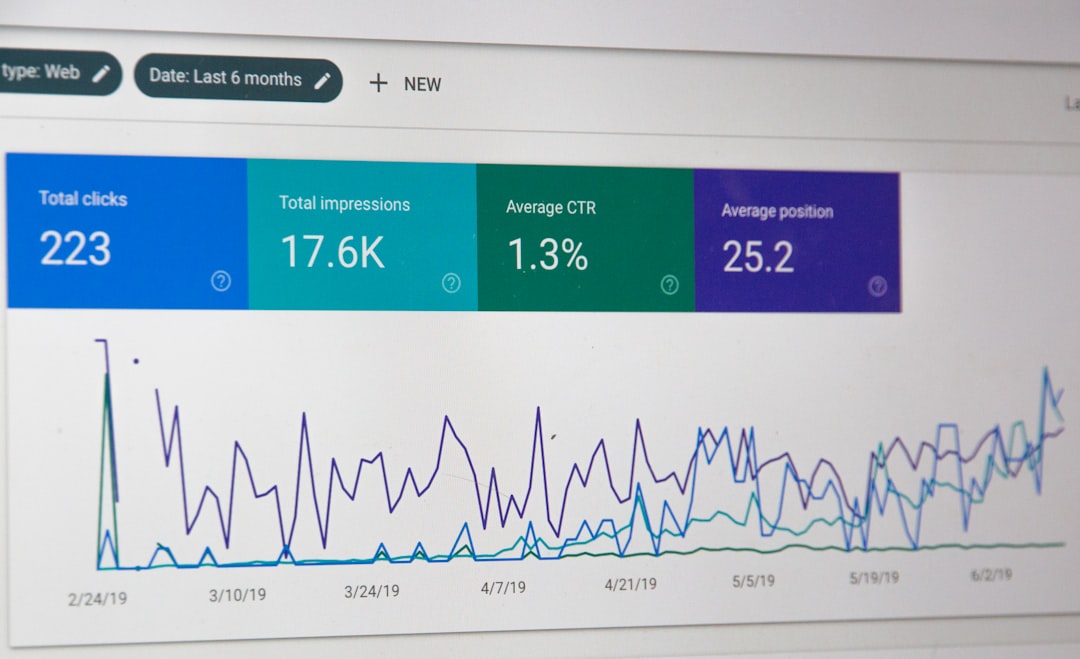
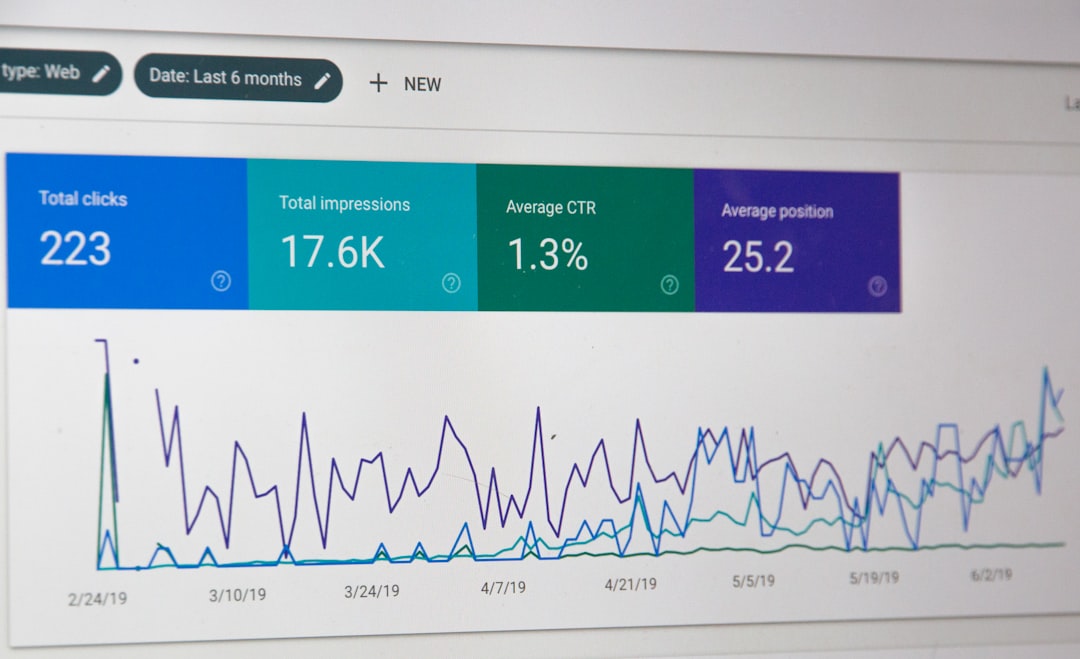
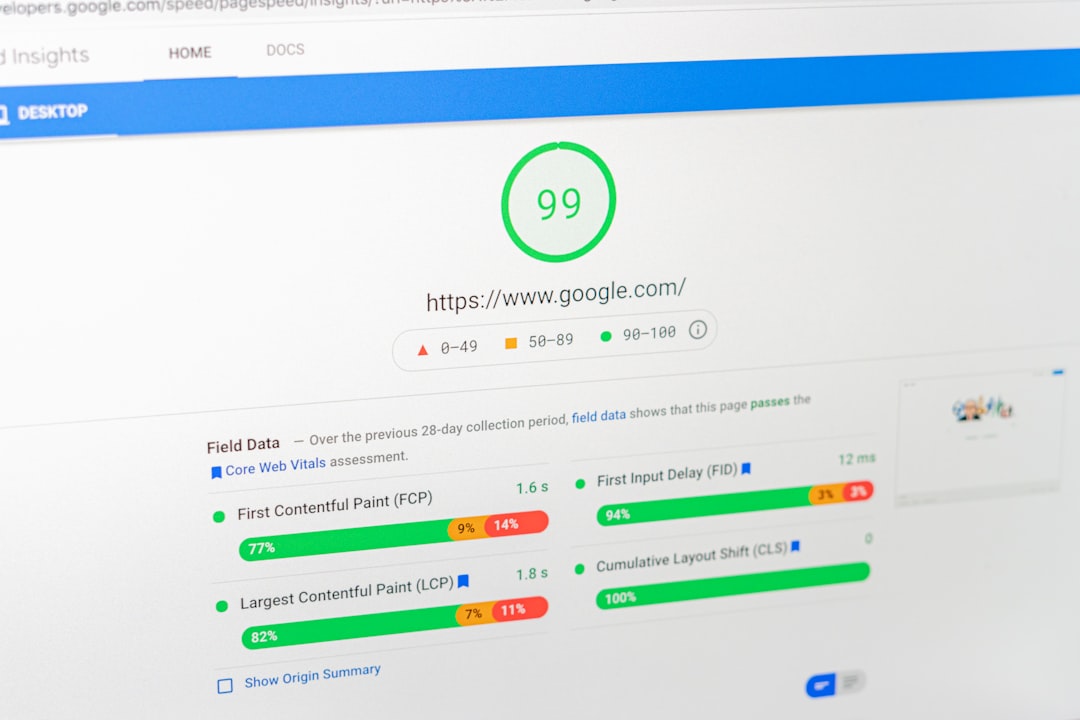
Florida businesses should periodically review page speed, mobile usability, indexing status, HTTPS security, redirects, and broken links. Website owners can use tools such as Google Search Console and performance testing platforms to identify potential issues and monitor important pages. Technical audits should prioritize problems that affect customers, search accessibility, or important conversion paths rather than focusing on minor scores without a clear business benefit.
Improving Mobile Experience and Website Speed
Many local searches take place on smartphones, especially when users need directions, opening hours, or an immediate service. A mobile-friendly website should display clearly on small screens, use readable text, offer accessible navigation, and make contact options easy to find. Forms should be simple to complete, and important buttons should be large enough to tap comfortably.
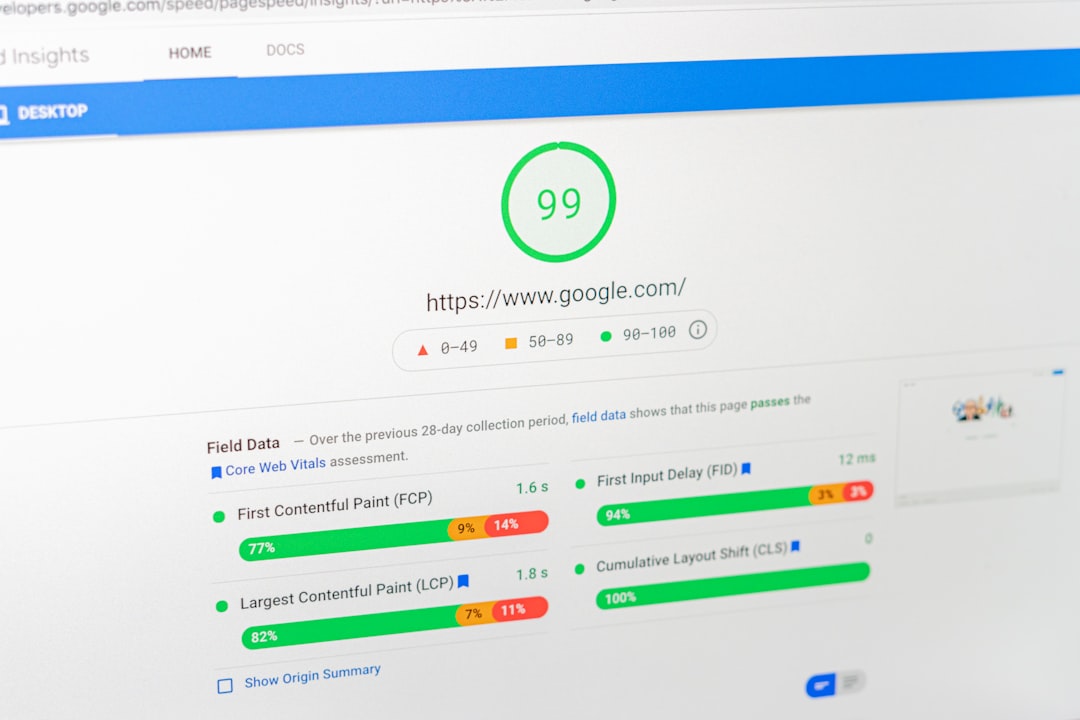
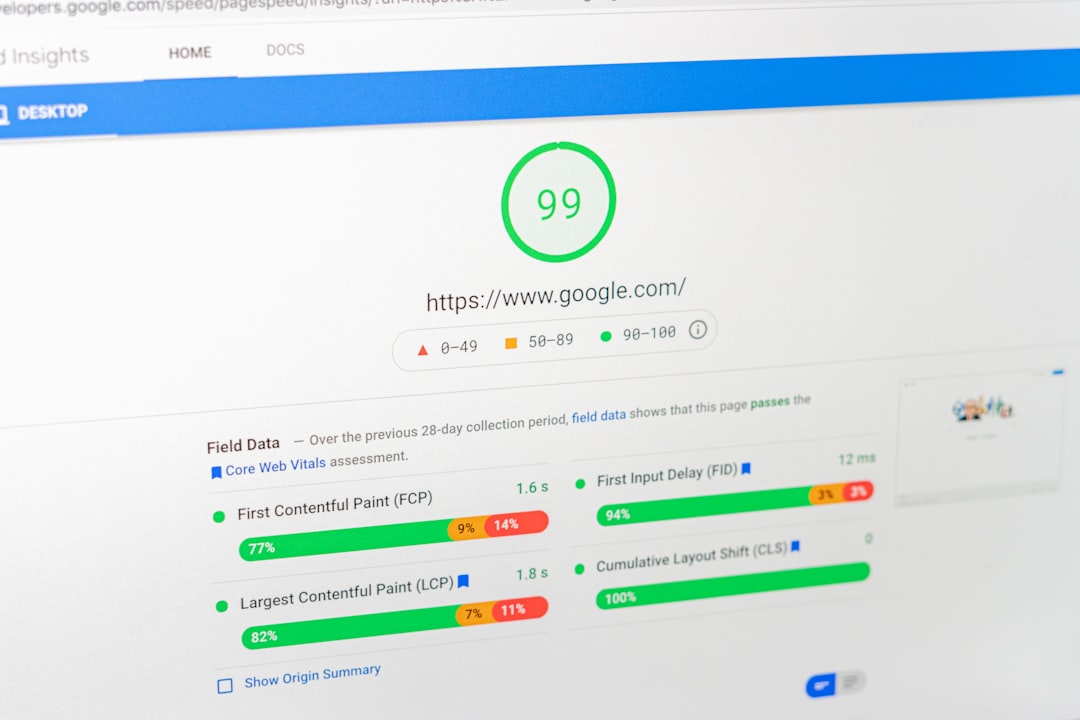
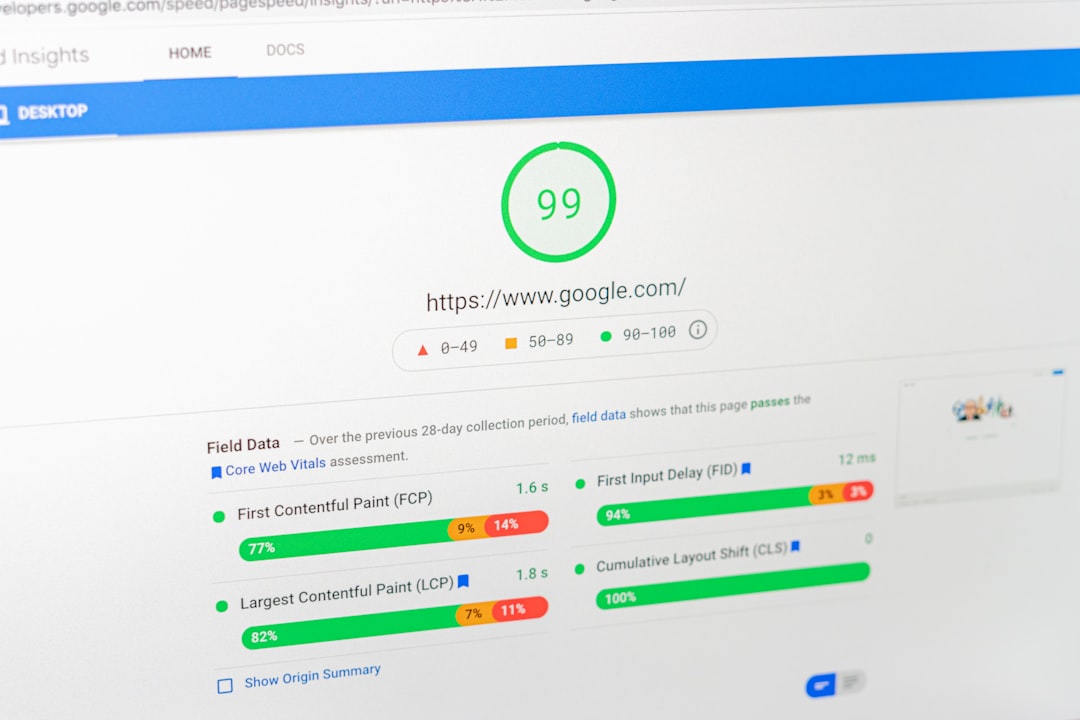
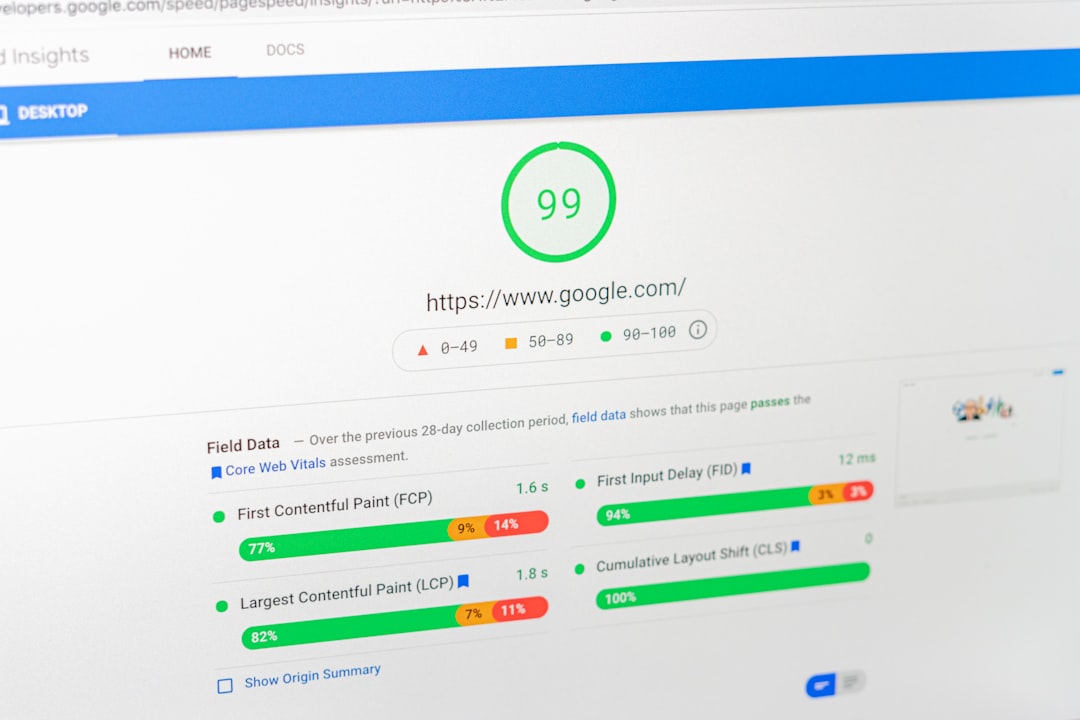
Website speed also affects how easily customers can access information. Large uncompressed images, excessive scripts, unreliable hosting, and unnecessary page elements can slow a website and create frustration. Optimizing images, reducing unnecessary code, and choosing suitable hosting can improve performance, although results should be measured across real page experiences rather than assumed from one test.
Making Important Pages Accessible to Search Engines
Search engines need to discover and crawl important website pages before they can consider them for indexing. Businesses should check that essential service pages are not accidentally blocked, important URLs return appropriate status codes, and internal links point to valid destinations. An XML sitemap can help search engines discover relevant URLs, but submitting one does not guarantee that every page will be indexed.
Indexing problems may arise from accidental noindex directives, incorrect canonical tags, redirect chains, duplicate pages, or thin content. If a new location page does not appear in search results, investigate whether it can be crawled, whether indexing is permitted, and whether it offers enough distinct value. Fixing the underlying problem is more useful than repeatedly submitting the same URL without understanding why it remains unindexed.
Using Structured Data Where Appropriate
Structured data is a standardized way to provide search engines with information about the content of a page. Local businesses may use appropriate LocalBusiness or more specific supported schema types to describe details such as business name, address, telephone number, opening hours, and website. The markup must accurately represent the visible information on the page and follow applicable search engine guidelines.
Structured data can help search engines interpret business details, but it does not guarantee enhanced search listings or higher rankings. Businesses should use the most appropriate schema type and test the implementation for errors. Accurate markup should complement a well-maintained website and business profile rather than replace the need for useful content, reliable contact details, and a strong customer experience.