WordPress on-page SEO is one part of a broader SEO strategy, but it plays an important role in helping search engines understand individual pages. When titles, content, headings, links, and other page elements are properly organized, both search engines and visitors have a clearer idea of what each page provides.
On-page SEO does not guarantee rankings. Search visibility depends on many factors, but improving the elements you control on your own website provides a strong foundation.
It Clarifies What a Page Is About
Search engines need to understand the subject and purpose of a webpage.
Elements such as the title, main heading, content, and internal links provide useful context.
For example, if a page has a clear title such as “WordPress SEO Services for Small Businesses” and the content consistently explains those services, its purpose is easier to understand than a page simply titled “Our Services.”
It Helps Match Search Intent
SEO is not only about keywords. Search intent matters.
Suppose a user searches for “how to improve WordPress SEO.” They are likely looking for instructions, explanations, or practical recommendations.
If the page only contains a sales pitch, it may not satisfy that visitor’s expectations.
On-page optimization helps align the content format and information with what the searcher is trying to accomplish.
It Improves Content Relevance

Relevant content gives search engines and users more context about a topic.
A page about WordPress SEO might naturally discuss:
- Keyword research
- Page titles
- Headings
- Internal links
- Image optimization
- Search intent
- Content structure
These concepts should appear because they are useful to the topic, not because they are a checklist of words that must be inserted.
It Creates Better Page Structure
Headings organize information into sections.
A well-structured article allows readers to quickly locate the information they need.
For example:
H1: WordPress On-Page SEO
H2: What Is On-Page SEO?
H2: Important Elements
H3: Titles
H3: Content
H3: Internal Links
Clear structure also gives search engines additional context about the relationships between sections.
It Supports Internal Discovery
Internal links connect pages within your website.
When related pages are linked naturally, visitors can discover additional information without returning to search results.
For example, an article explaining WordPress keyword research could link to a detailed on-page SEO guide. A relevant service page could then be linked where it genuinely helps the reader.
This creates a connected content ecosystem.
It Can Improve User Experience
Good on-page SEO often overlaps with good usability.
Readable paragraphs, descriptive headings, useful links, optimized images, and mobile-friendly layouts make pages easier to use.
If visitors can quickly find answers and navigate to relevant information, the website becomes more useful beyond search visibility alone.
It Helps Important Pages Receive Attention
Not every page on a website has equal business value.
A company may have hundreds of blog posts but only a few pages that directly generate leads or sales.
On-page SEO helps you identify and strengthen those important pages through relevant content, internal links, clear titles, and useful calls to action.
It Supports Content Updates
SEO is not a one-time task.
Search behavior can change, information can become outdated, and competitors can publish better resources.
Regularly reviewing existing pages allows you to:
- Update outdated information
- Improve weak sections
- Add relevant internal links
- Refine titles
- Address content gaps
- Improve search intent alignment
It Works Alongside Technical SEO
On-page SEO should not be confused with technical SEO.
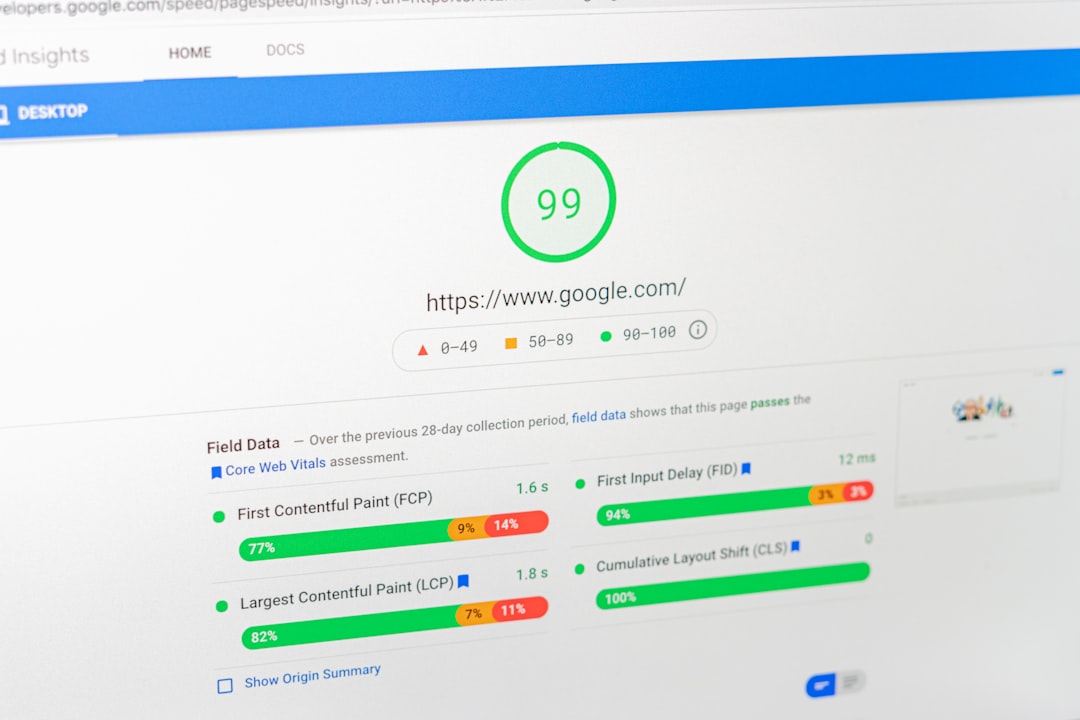
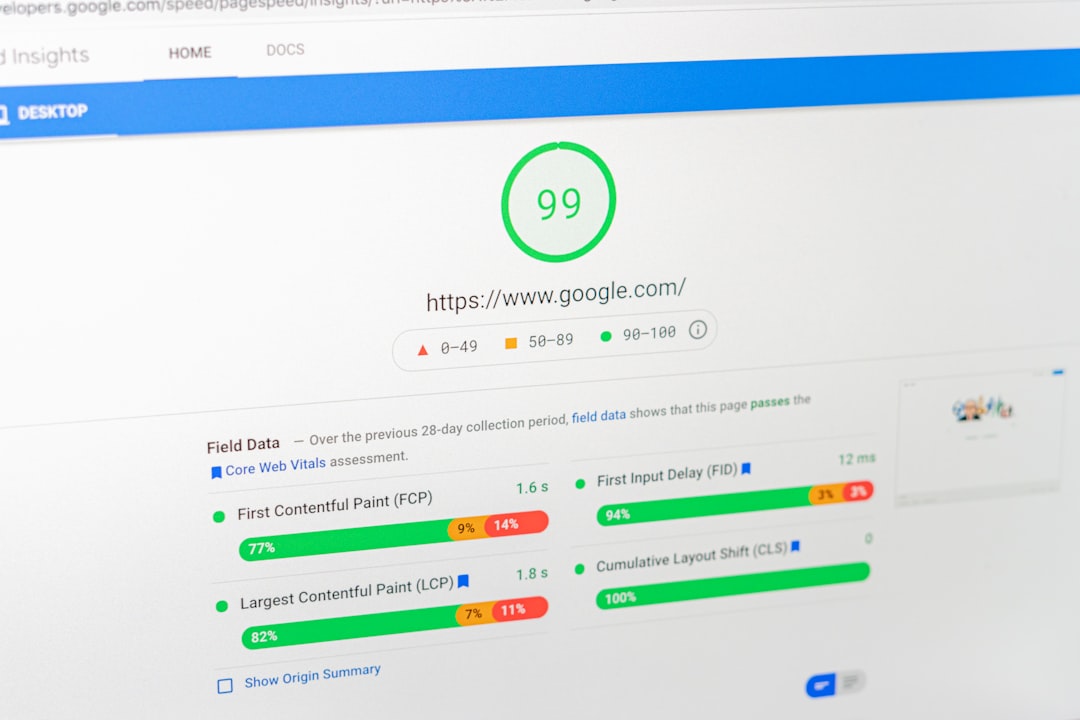
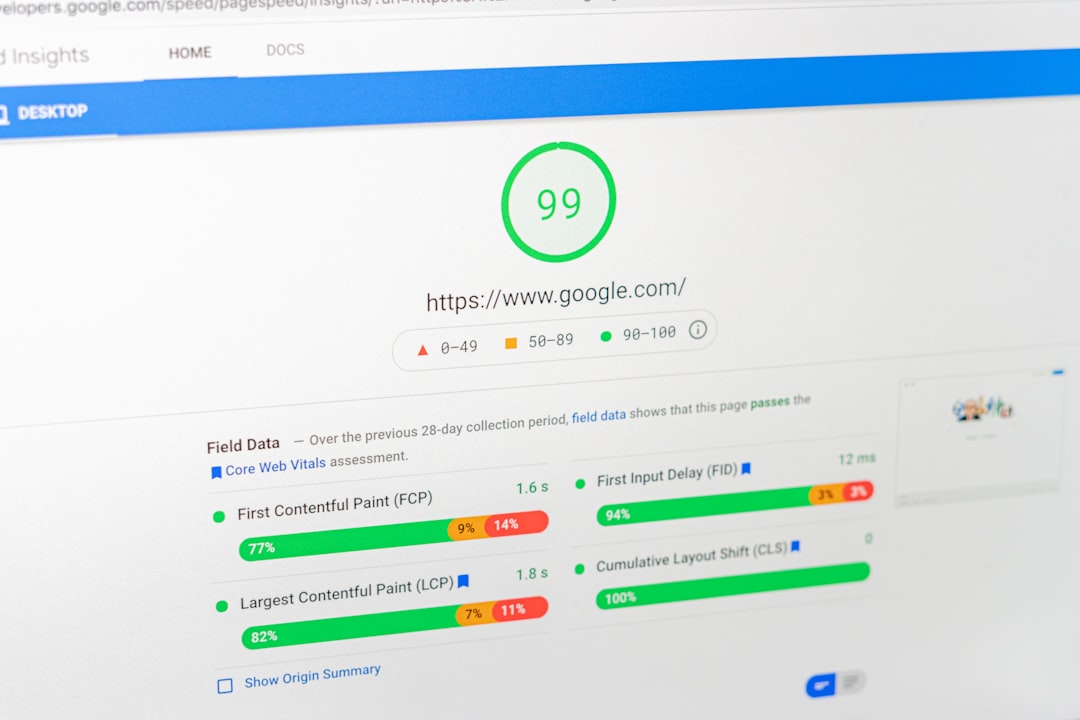
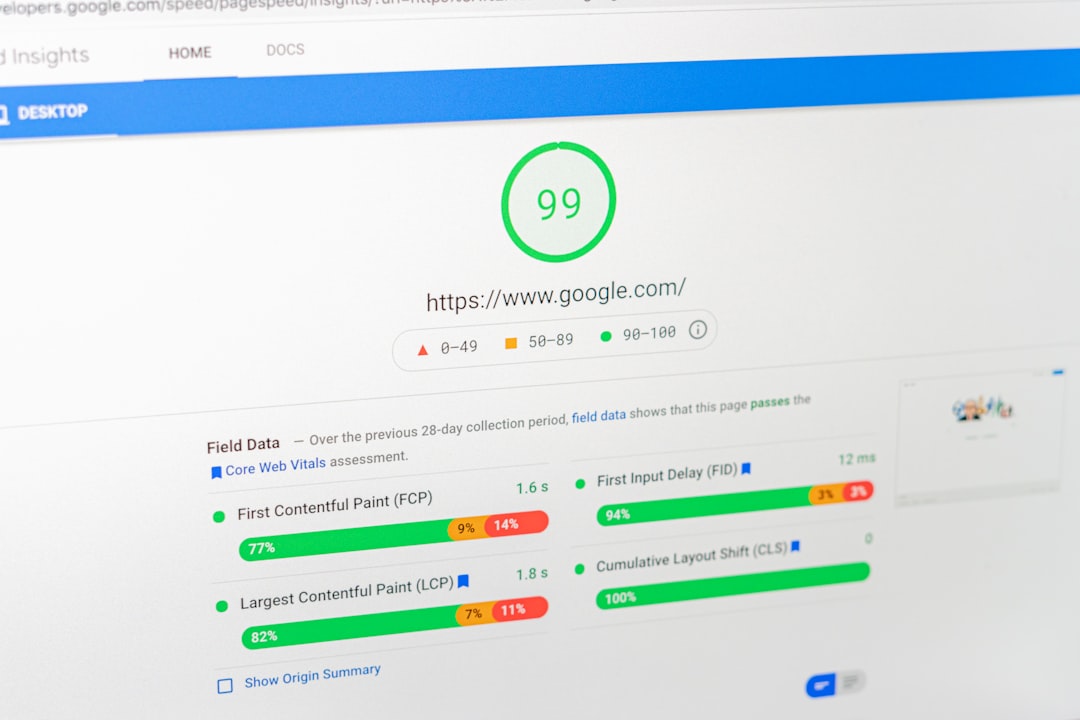
Technical SEO deals with areas such as crawlability, indexing, site performance, and website architecture. On-page SEO focuses more directly on the content and elements of individual pages.
Both areas can work together.
A perfectly written article may still struggle if search engines cannot properly access or index the page.
It Supports Conversion Opportunities
Organic traffic is only one part of the picture.
Once visitors arrive, the page should help them take an appropriate next step.
Depending on the website, this could mean:
- Contacting the business
- Requesting a quote
- Booking a service
- Purchasing a product
- Reading another guide
A useful page should balance search visibility with the needs of actual visitors.
It Provides a Foundation for Broader SEO
On-page optimization cannot replace every other SEO activity. Backlinks, technical health, site architecture, local signals, competition, and many other factors can influence organic performance.
However, on-page SEO gives search engines a clearer understanding of the content you control.
For WordPress websites, a consistent approach to titles, content, headings, internal linking, images, URLs, and search intent creates a stronger foundation for ongoing SEO work. A WordPress SEO professional can help bring these elements together into a broader strategy based on the site’s goals and existing performance.