
Understanding WordPress SEO becomes easier when you look at practical examples. Different websites have different goals, so their SEO strategies should not all look the same.
A service business, ecommerce store, local company, and content website may use different tactics while following the same core principles.
A WordPress SEO company can adapt these practices according to the website’s audience and objectives.
Example 1: Service Business
Imagine a digital marketing agency offering several services.
Instead of placing everything on one page, the website could create dedicated pages for:
- SEO Services
- Content Marketing
- Local SEO
- Technical SEO
Each page can target a relevant topic and explain the service in detail.
Best Practice
Make each service page genuinely useful and distinct. Avoid creating nearly identical pages simply to target different keywords.
Example 2: Local Business

Consider a local plumbing company serving several areas.
The website could include:
- Main service pages
- Location pages where genuinely useful
- Helpful maintenance guides
- Contact information
- Local business information
Best Practice
Only create location pages when the business actually serves those areas and the pages can provide meaningful local information.
Example 3: Ecommerce Store
An online clothing store might organize products into:
Men → Shoes → Running Shoes → Individual Products
It could also publish guides such as:
- How to choose running shoes
- Running shoe size guide
- How to care for running shoes
Best Practice
Use category pages, product pages, and informational content together rather than relying only on product listings.
Example 4: Blog or Content Website
A content website could organize articles around major topics.
For example:
Main Topic: WordPress SEO
Supporting topics:
- Technical SEO
- Keyword research
- Internal linking
- Mobile optimization
- Page speed
Best Practice
Connect closely related articles with internal links so users can explore the topic in greater depth.
Optimize Page Titles Naturally
Page titles should clearly communicate the topic.
For example:
WordPress SEO Services for Small Businesses
is more descriptive than:
Home | Services | Company
Titles should accurately represent the page rather than trying to include every possible keyword.
Use Clear Headings
Good headings make content easier to scan.
A page might use:
H1: WordPress SEO Services
H2: What Our SEO Services Include
H2: Why WordPress Websites Need SEO
H2: How the Process Works
This structure helps readers understand the page before reading every paragraph.
Improve Internal Linking

Suppose a website has an article called:
How to Improve WordPress Page Speed
That article could naturally link to:
WordPress SEO Services
if the service page is relevant to the discussion.
The link should help the reader rather than being inserted solely for SEO purposes.
Keep Images Optimized
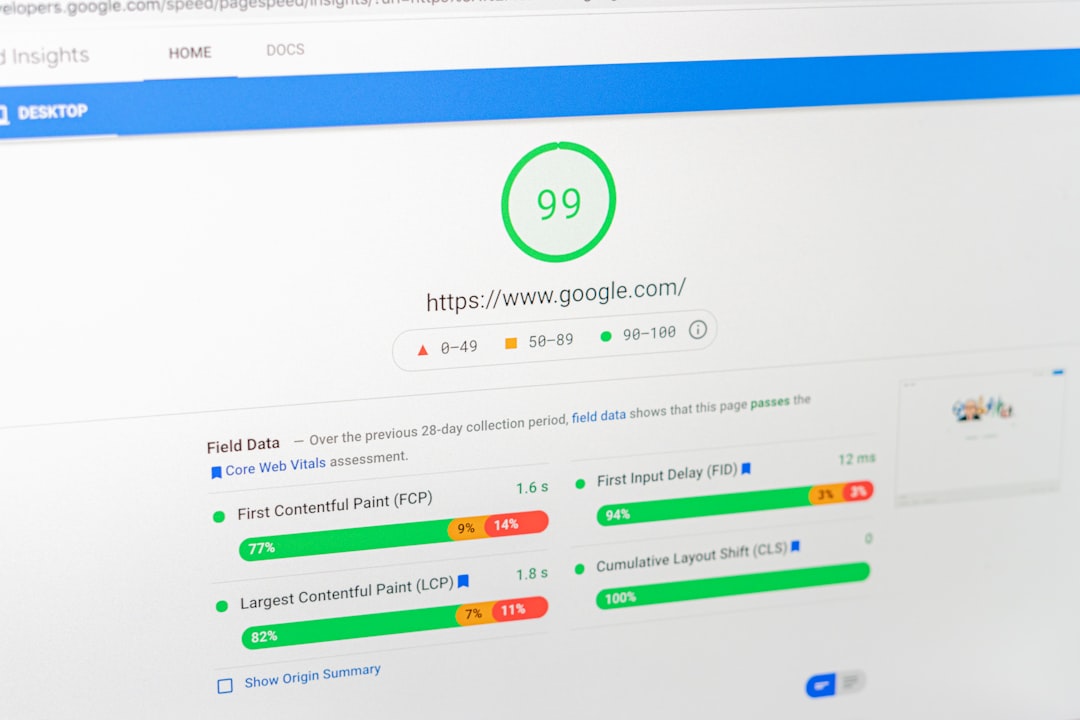
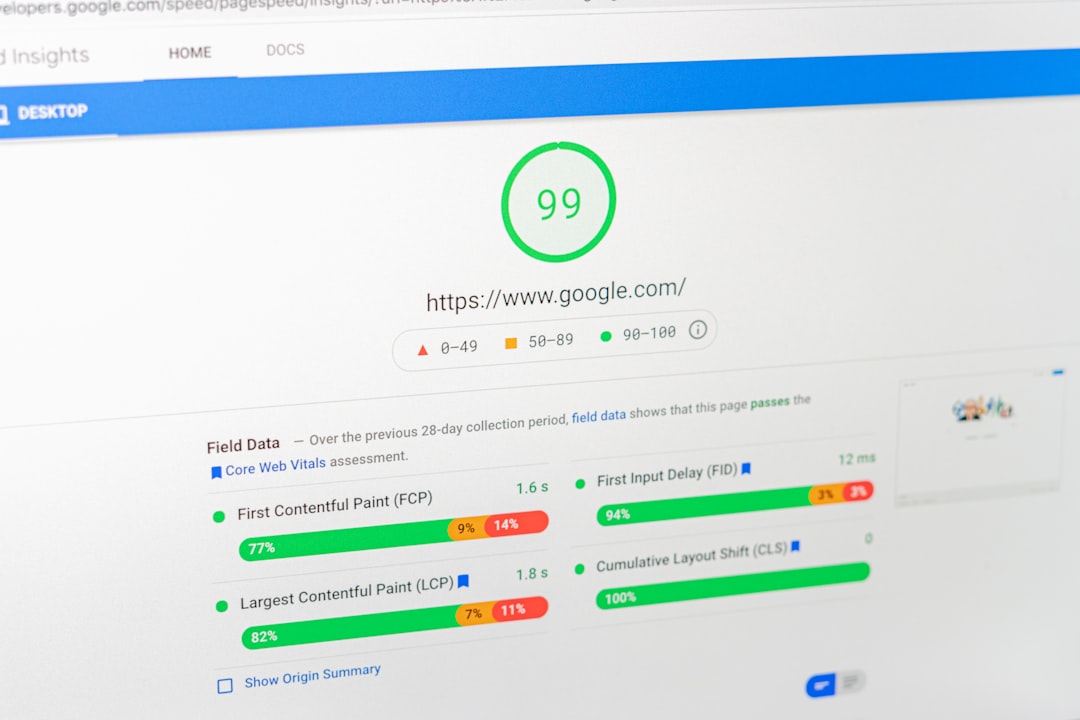
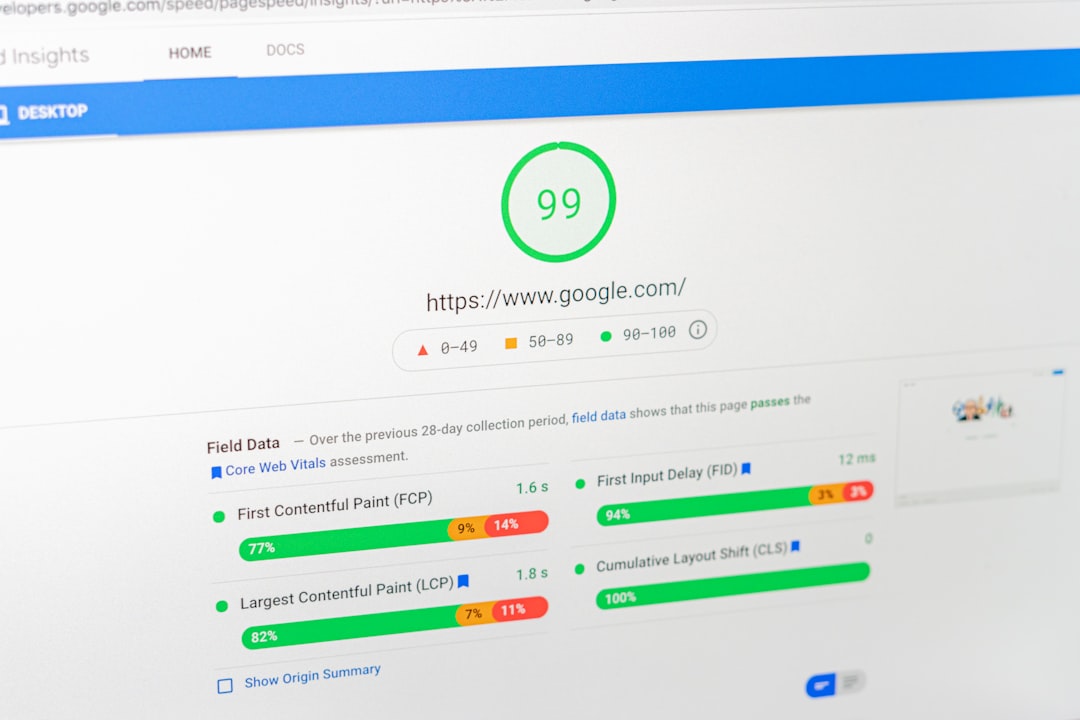
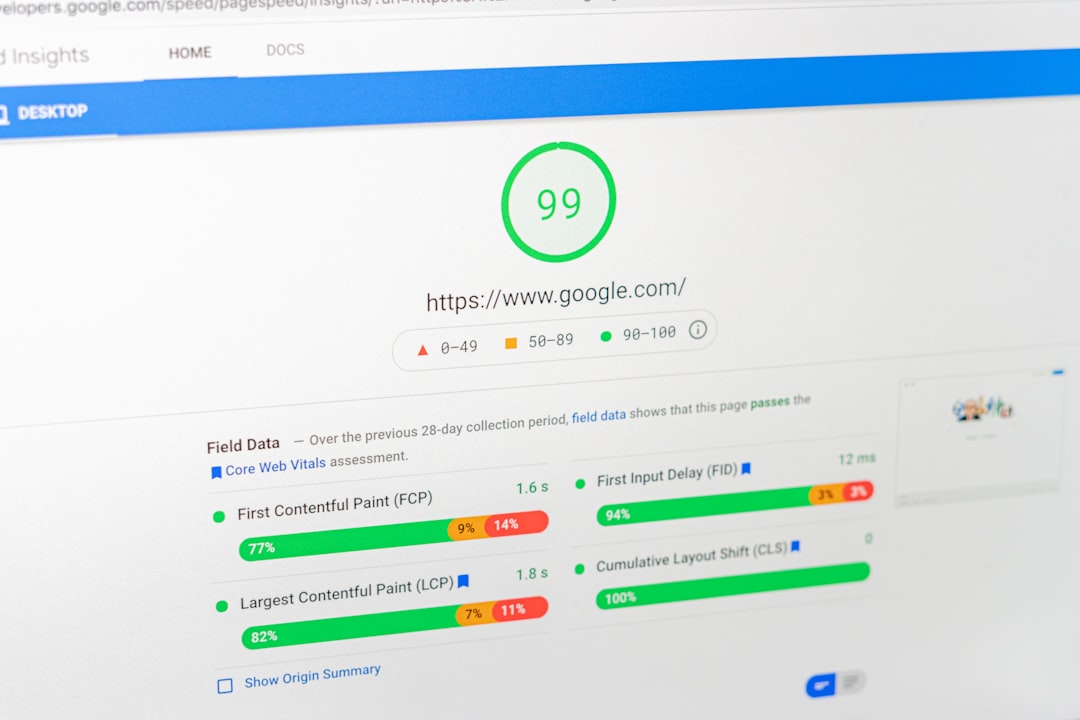
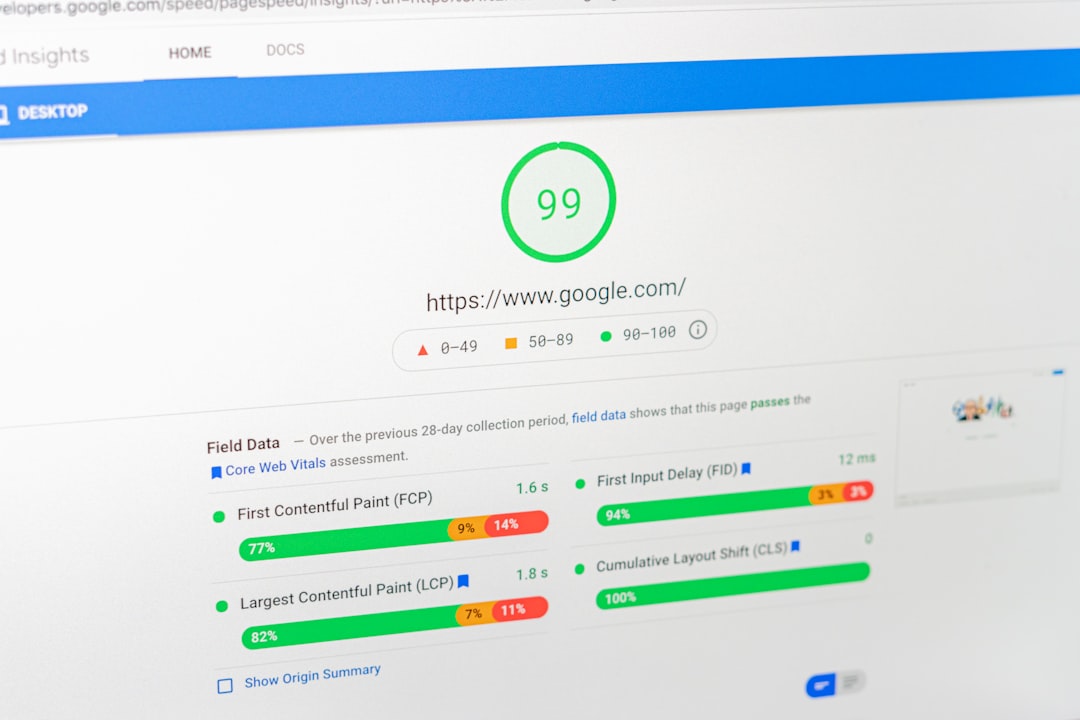
Large image files can affect page performance.
Best practices include:
- Resize images
- Compress them
- Use appropriate formats
- Add useful alt text
- Avoid unnecessary decorative images
Image optimization is particularly important for mobile users.
Keep Technical Settings Organized
A WordPress SEO setup should be simple and controlled.
Regularly review:
- SEO plugin settings
- Sitemap
- Robots.txt
- Canonicals
- Redirects
- Indexing controls
- Unused plugins
Avoid making technical changes without understanding their effect.
Create Content That Solves Problems
One useful way to improve content quality is to focus on customer problems.
Instead of creating an article simply because a keyword has search volume, ask:
What does the reader need to know?
For example, a WordPress website owner searching for SEO help may want to understand why traffic dropped, how to improve speed, or how to fix indexing problems.
Content that directly addresses these needs can be more useful than generic articles.
Track Performance
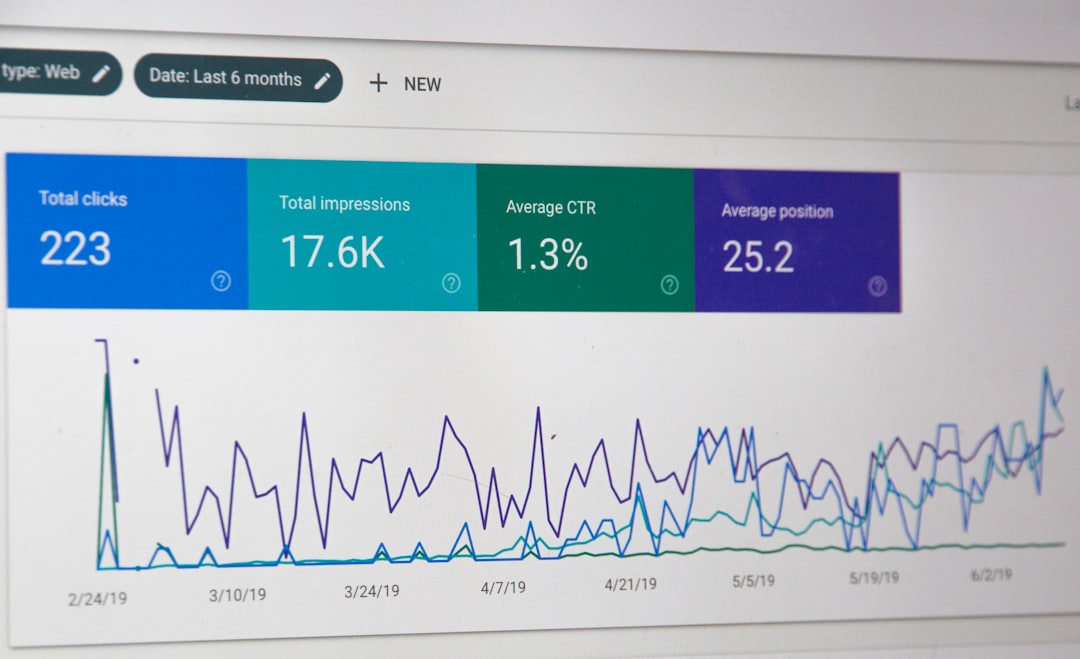
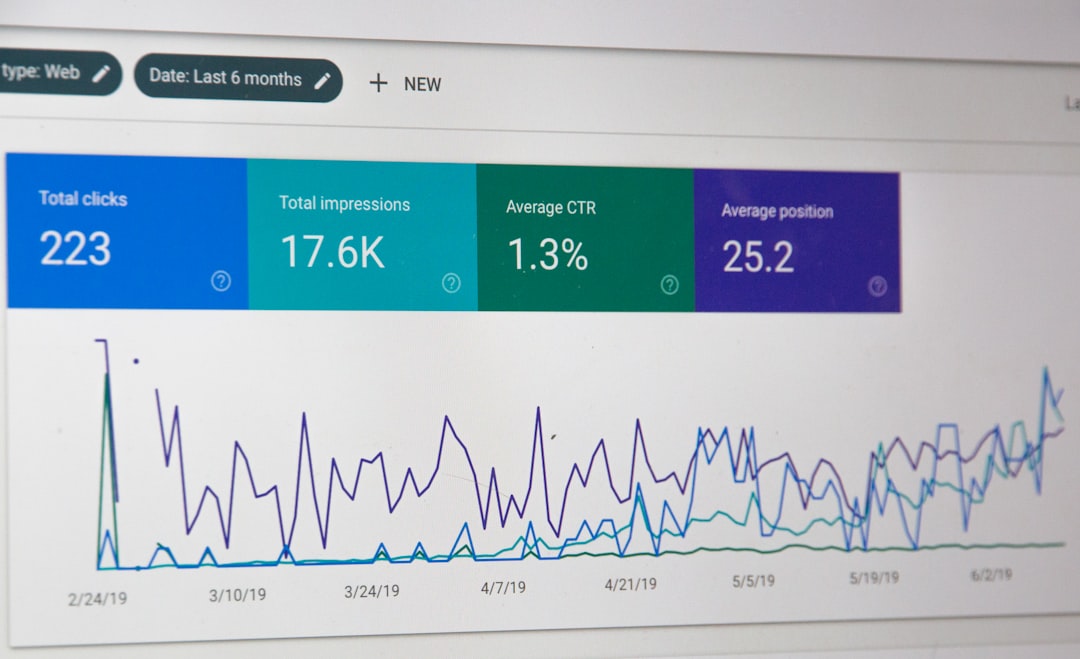
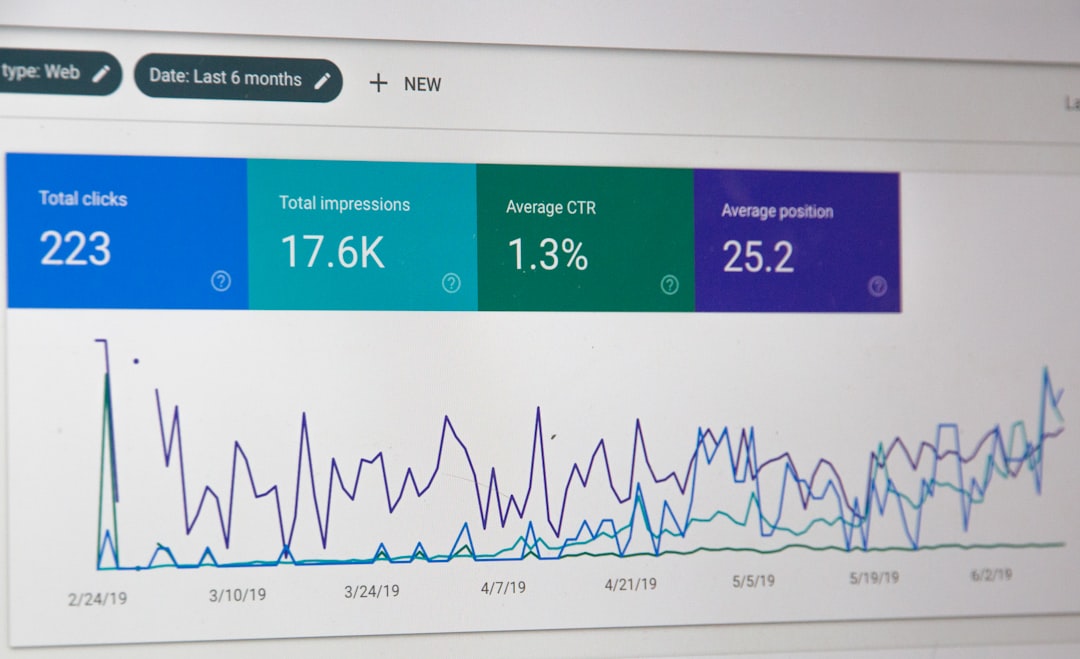
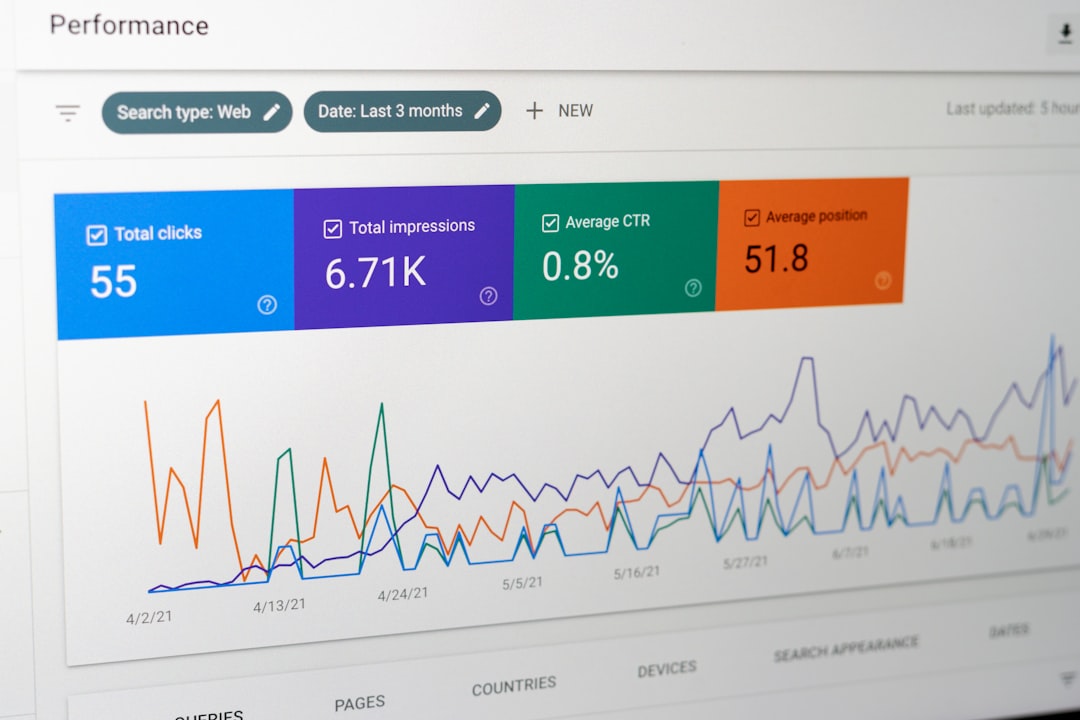
Use search and analytics data to understand how pages perform.
Monitor:
| Metric | What It Can Tell You |
|---|---|
| Impressions | Search visibility |
| Clicks | Search traffic |
| CTR | Search-result appeal |
| Organic traffic | Website visits |
| Conversions | Business actions |
| Leads | Customer interest |
Use these metrics to guide future improvements.
How a WordPress SEO Company Can Apply These Practices
A professional WordPress SEO company can combine these principles into a tailored strategy.
The process may include:
- Website audit
- Keyword research
- Search-intent analysis
- Technical optimization
- Content improvement
- Internal linking
- Performance optimization
- Local or ecommerce SEO where relevant
- Monitoring
- Ongoing refinement
The most important principle is consistency. SEO works best when useful content, technical health, and user experience are treated as connected parts of the same website.