A successful WordPress SEO strategy needs more than a list of keywords and a few optimized pages. It should connect the website’s technical foundation, content, search intent, internal linking, and business objectives.
A WordPress SEO company can help build this strategy in a structured way, making it easier to prioritize work and measure progress over time.
Define the Business Goal First
Before starting SEO, decide what the website is expected to achieve.
Common goals include:
- Generating qualified leads
- Increasing ecommerce sales
- Growing organic traffic
- Improving local visibility
- Promoting specific services
- Building authority around important topics
The goal determines which pages, keywords, and metrics deserve the most attention.
Audit the Existing Website
Start by understanding the current condition of the website.
Review:
- Indexing
- Site structure
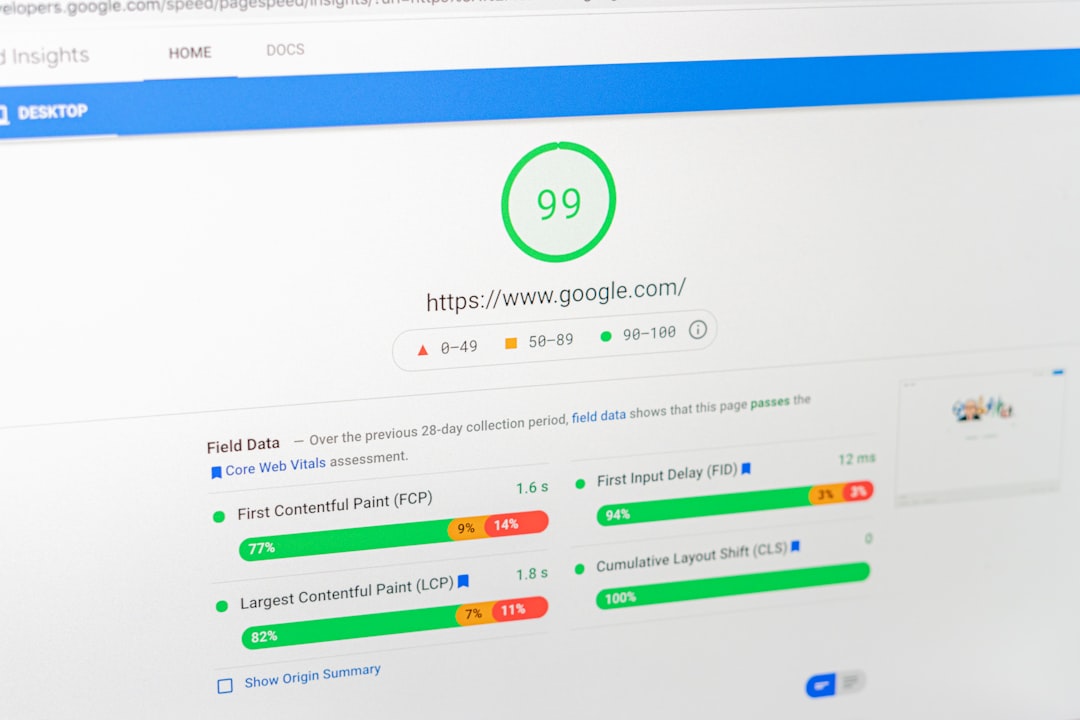
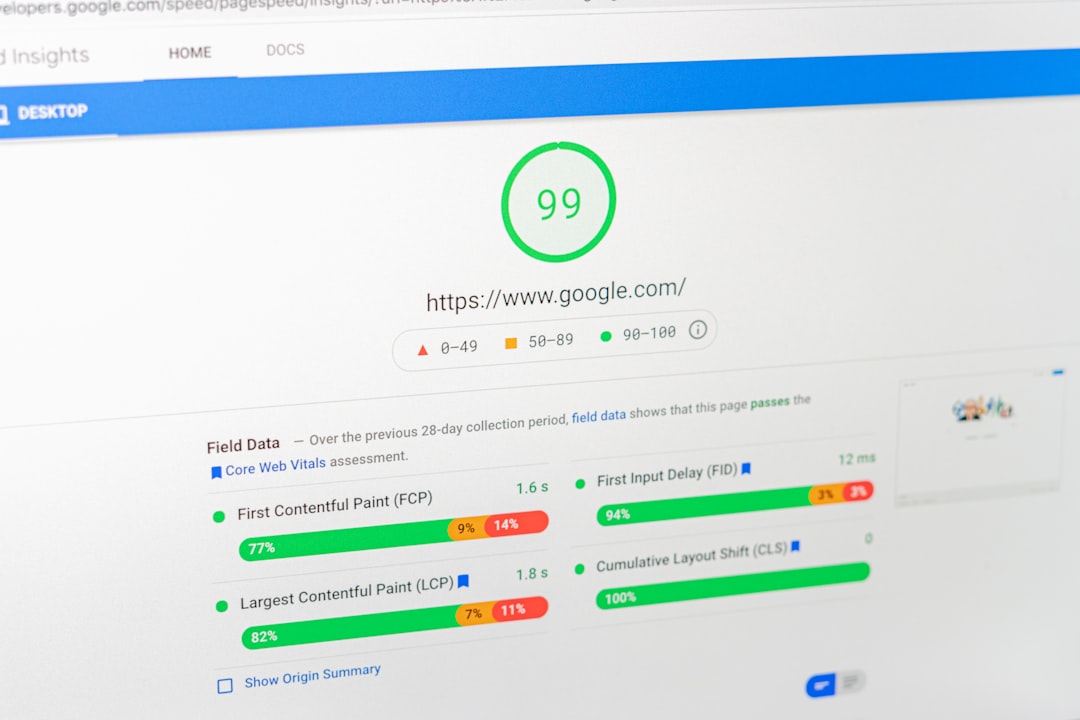
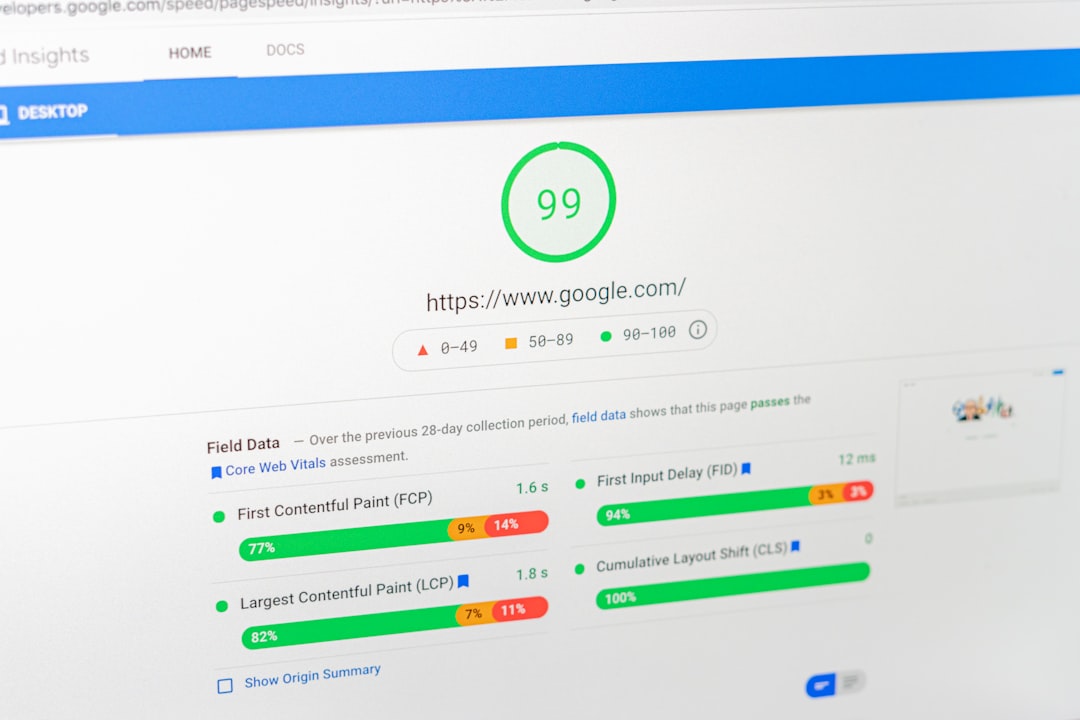
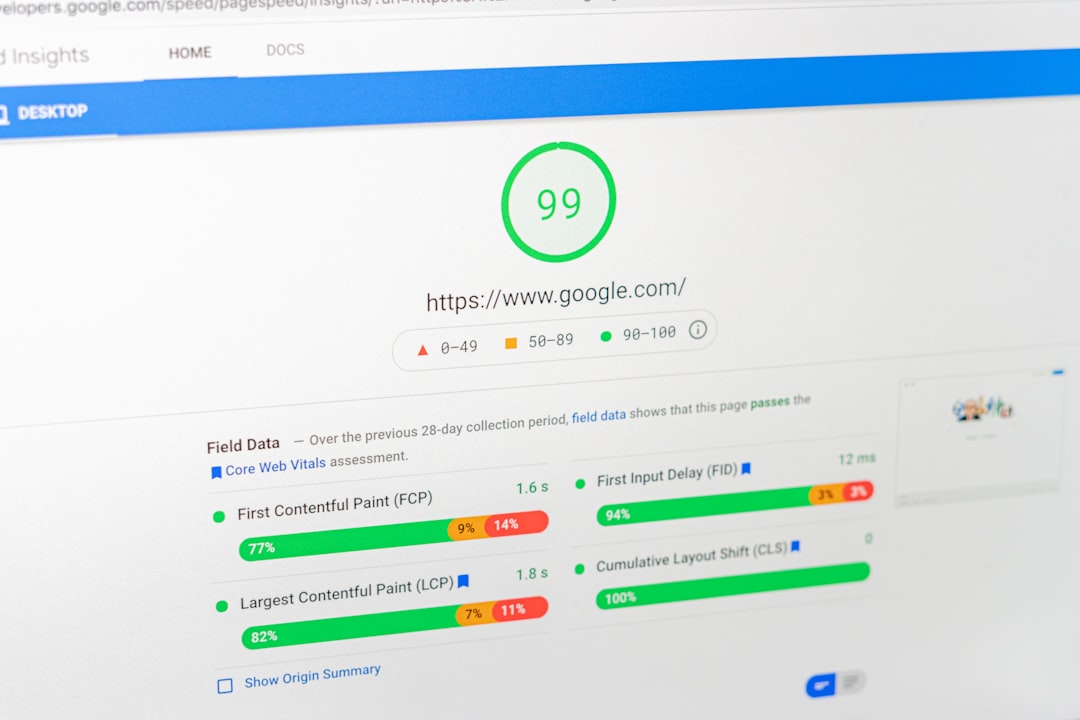
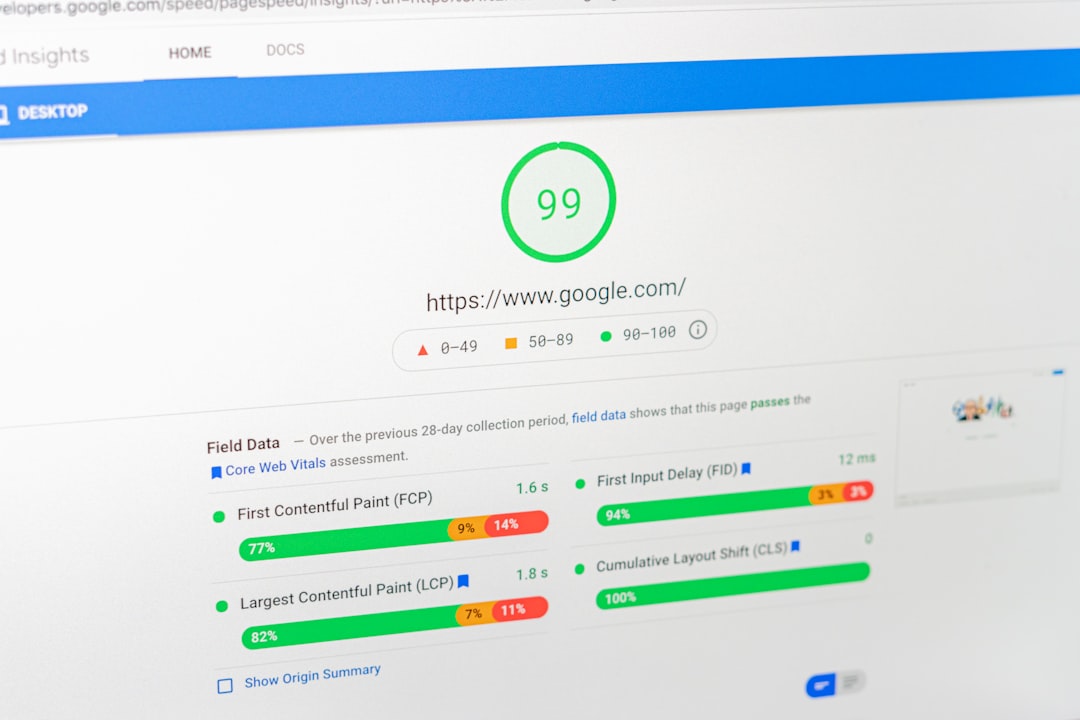
- Page speed
- Mobile usability
- Existing content
- Internal links
- Metadata
- Search performance
- Backlinks
An audit creates a baseline and helps prevent unnecessary changes.
Research the Target Audience

SEO works better when you understand the people behind the searches.
Consider:
- What problems do customers have?
- What services are they looking for?
- What questions do they ask?
- What locations do they search for?
- What information do they need before purchasing?
This information can guide keyword research and content planning.
Build a Keyword Map
Do not assign every keyword to the homepage.
Instead, connect search terms with the pages that best satisfy their intent.
For example:
| Search Intent | Suitable Page |
|---|---|
| General service search | Service page |
| Specific service | Dedicated service page |
| Informational question | Blog or guide |
| Product search | Product page |
| Local service search | Location/service page |
This prevents multiple pages from competing unnecessarily for the same topic.
Optimize Core Pages

Focus first on pages that matter most to the business.
These may include:
- Homepage
- Service pages
- Product pages
- Category pages
- Location pages
- High-value blog posts
Review titles, headings, content, internal links, images, and calls to action.
Create a Content Strategy
Once important pages are optimized, build supporting content around relevant topics.
For example, a WordPress SEO company could create content about:
- Technical SEO
- Keyword research
- Local SEO
- Website audits
- Mobile optimization
- Page speed
- Internal linking
Supporting articles can then link naturally to important commercial pages.
Strengthen Technical SEO
Technical SEO creates the foundation for the rest of the strategy.
Review:
- XML sitemap
- Robots.txt
- Canonical URLs
- Redirects
- Indexing
- Broken links
- HTTPS
- Mobile performance
- Site speed
Technical improvements should be based on actual issues rather than changing settings simply because they exist.
Build Internal Links
Create logical connections between related pages.
For example:
SEO Guide → Technical SEO Service → Contact
This can help visitors move naturally through the website.
Use descriptive anchor text and link only where the connection is useful.
Develop an Authority Strategy
External references can support a website’s credibility and visibility.
Potential opportunities include:
- Relevant industry publications
- Digital PR
- Business partnerships
- Original research
- Professional organizations
- Useful resources
Focus on relevant, legitimate opportunities instead of large quantities of unrelated links.
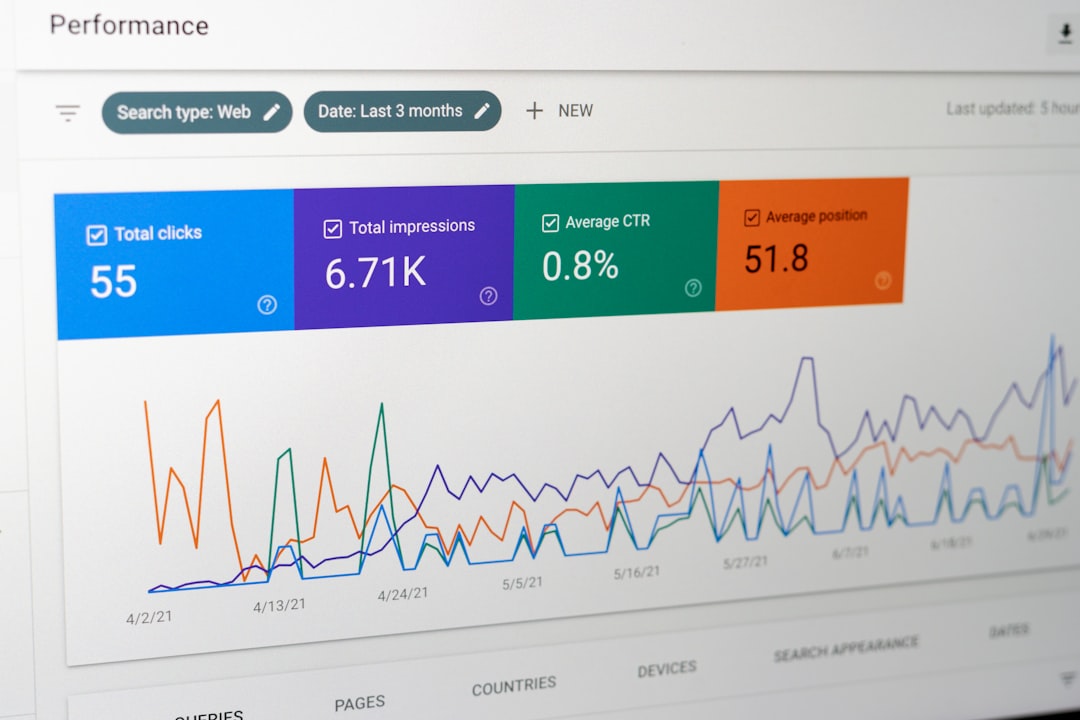
Measure the Strategy
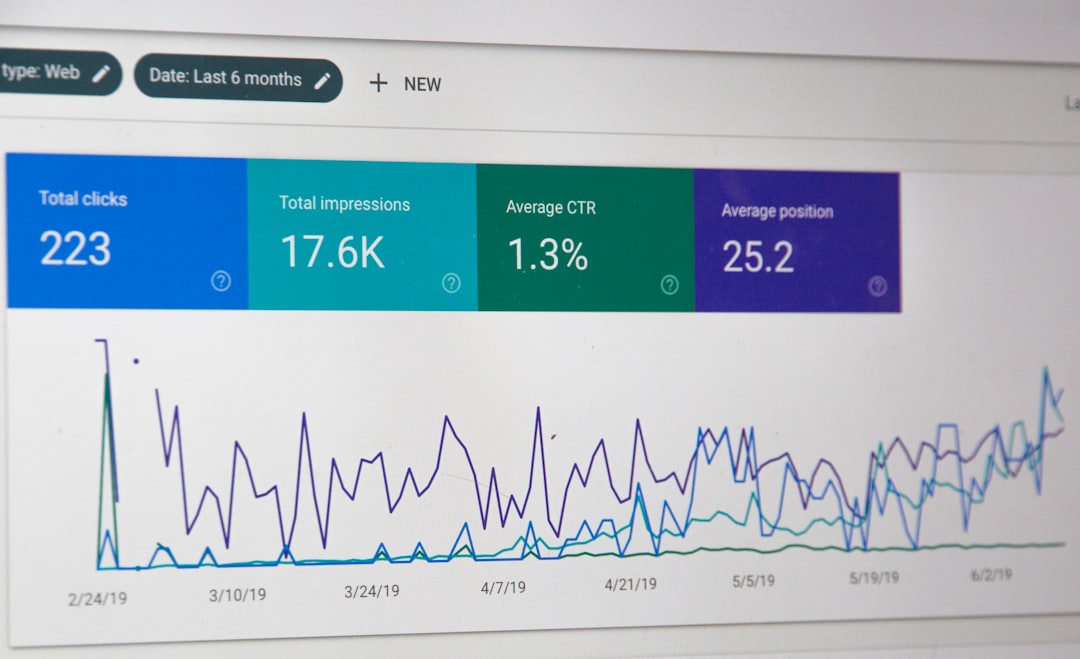
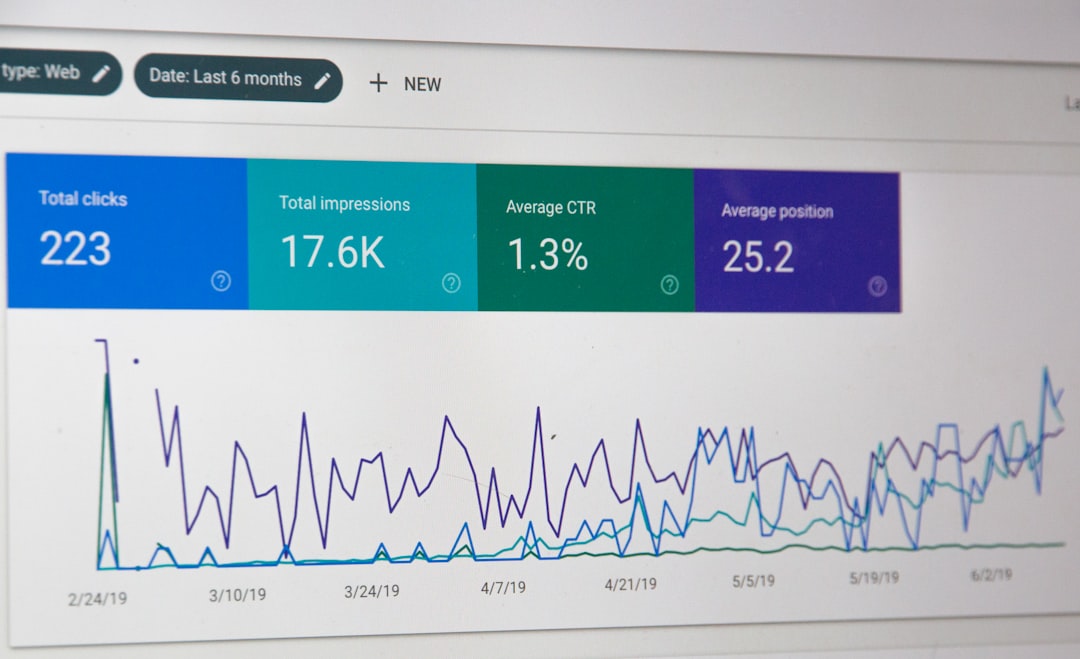
Track both SEO and business performance.
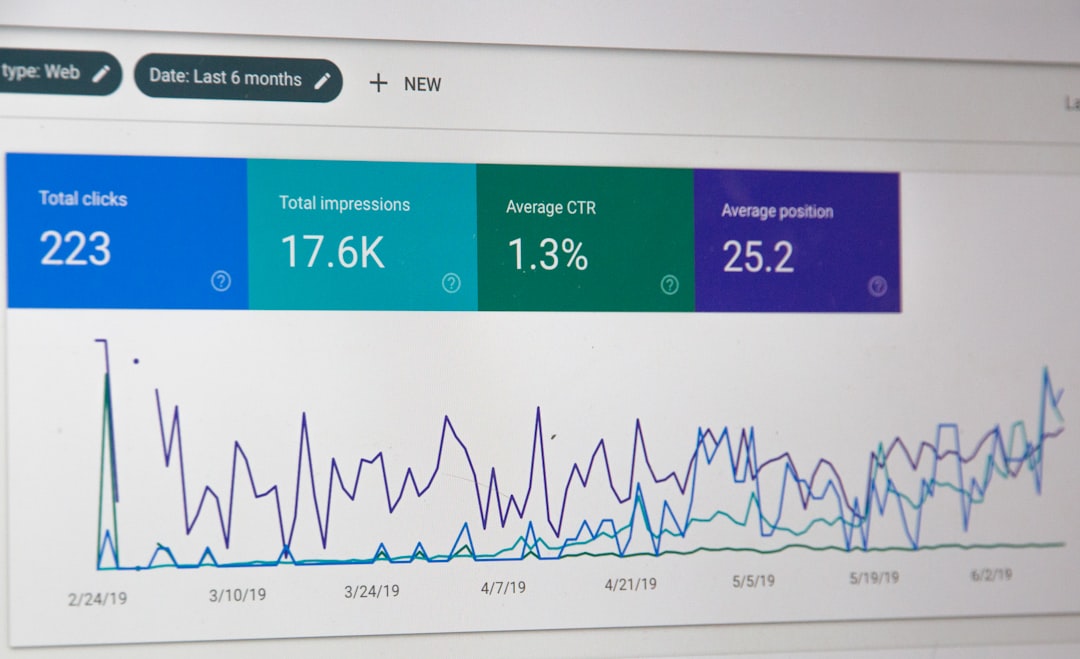
Useful metrics include:
- Organic clicks
- Impressions
- CTR
- Organic traffic
- Rankings for important terms
- Leads
- Sales
- Revenue
A strategy should be adjusted when the data shows that certain activities are not producing useful results.
Create a Practical Workflow
A WordPress SEO company can organize the strategy into stages:
- Audit
- Goal setting
- Keyword research
- Technical fixes
- Core-page optimization
- Content development
- Internal linking
- Authority building
- Performance tracking
- Continuous improvement
This makes SEO easier to manage than attempting every activity at the same time.
Keep the Strategy Flexible
Search behavior, competitors, website content, and business priorities can change.
Review the strategy regularly and update it when necessary.
The goal is not to follow a fixed checklist forever. It is to create a flexible system that allows the website to improve based on evidence and changing customer needs.