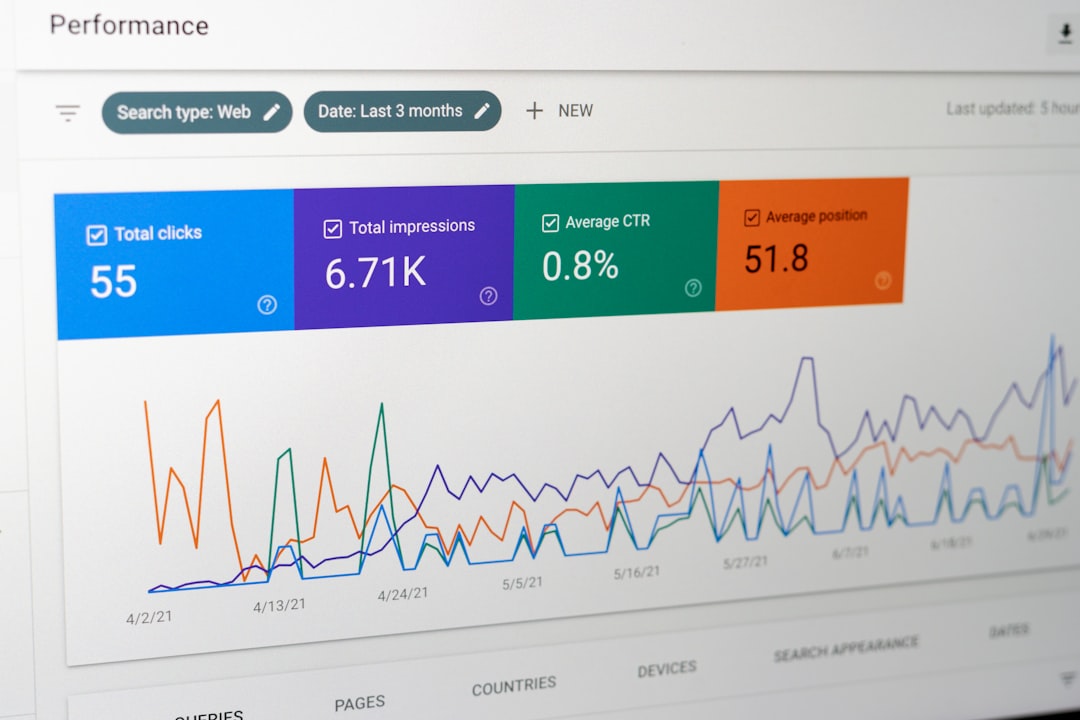

Growing organic traffic takes more than publishing a few blog posts and adding keywords to a WordPress website. SEO growth usually comes from improving several areas at the same time, including technical performance, content quality, site structure, and user experience.
A WordPress SEO company can help businesses create a focused strategy that improves search visibility while keeping the website useful for visitors.
Start With a Clear SEO Strategy
Before making changes, identify what the website needs to achieve.
For example, a business may want to:
- Generate more qualified leads
- Increase product sales
- Improve local visibility
- Promote specific services
- Build organic traffic around important topics
Once the goal is clear, SEO activities can be prioritized around it.
Target the Right Keywords
Keyword research should focus on relevance rather than simply choosing keywords with large search volumes.
Look for terms that match:
- Your services
- Products
- Customer problems
- Locations
- Search intent
- Business goals
Long-tail keywords can also be valuable because they often describe a specific need.
For example, instead of only targeting “SEO services,” a business could create content around more specific searches such as “WordPress SEO services for small businesses.”
Improve Existing Content
Faster SEO growth does not always require publishing new content every week.
Existing pages may already have potential but need improvement.
Review pages that:
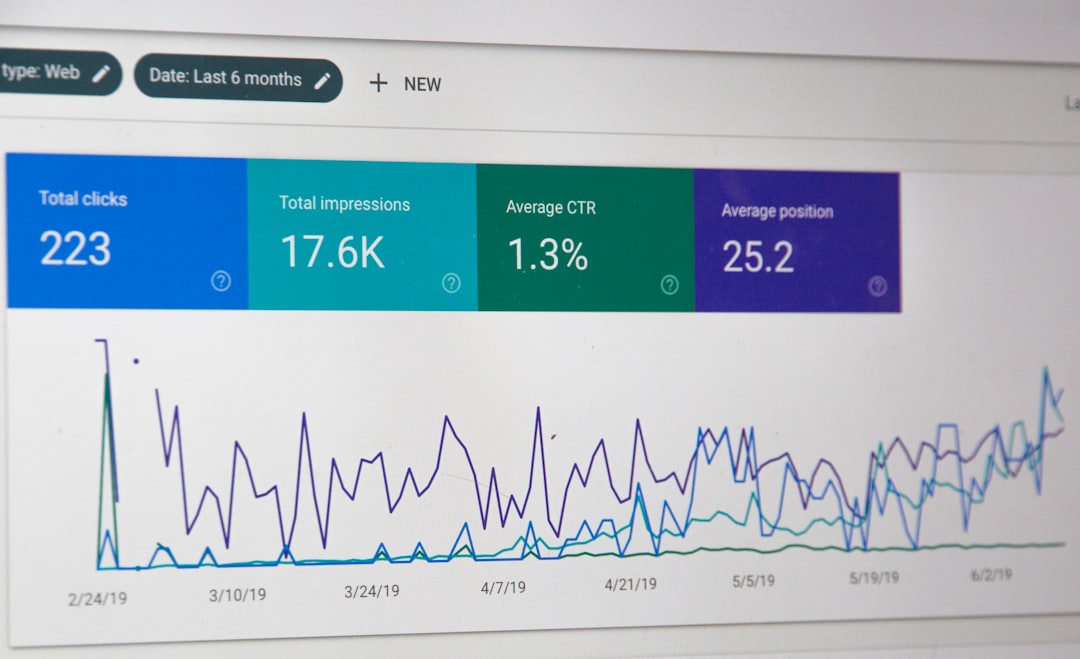
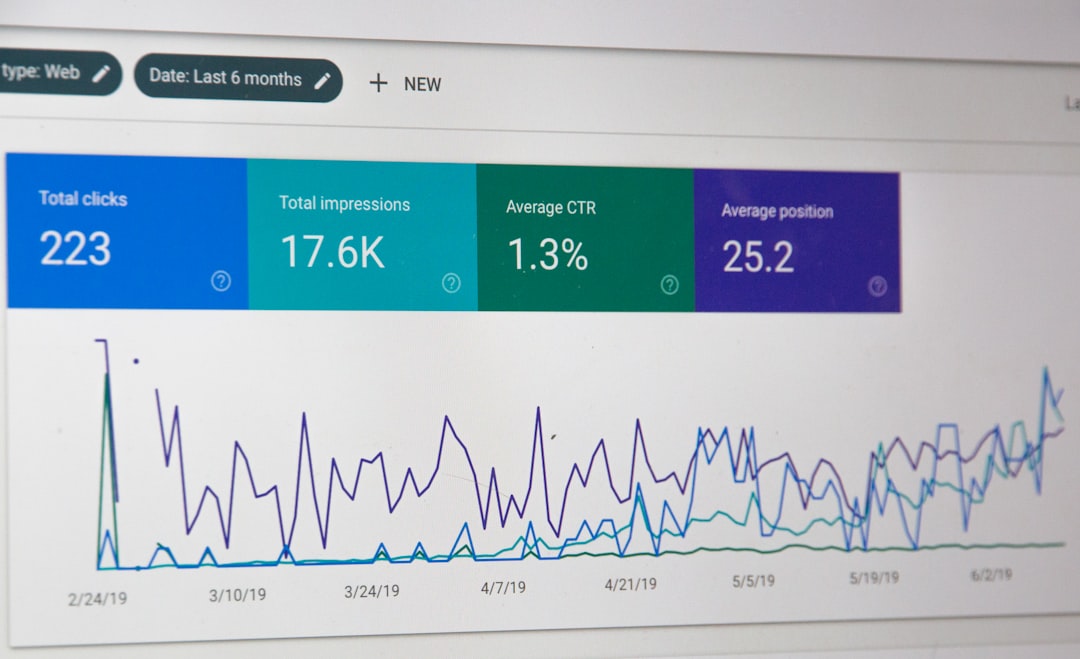
- Receive impressions but few clicks
- Rank on the second page
- Contain outdated information
- Have weak headings
- Lack internal links
- Do not fully satisfy search intent
Updating valuable existing pages can be a practical part of an SEO strategy.
Strengthen Internal Linking
Internal links help visitors discover related information and help search engines understand the relationship between pages.
For example:
Blog Guide → Technical SEO Service → Contact Page
This creates a natural path from informational content to a commercial page.
Use relevant anchor text and avoid adding links simply to increase the number of links.
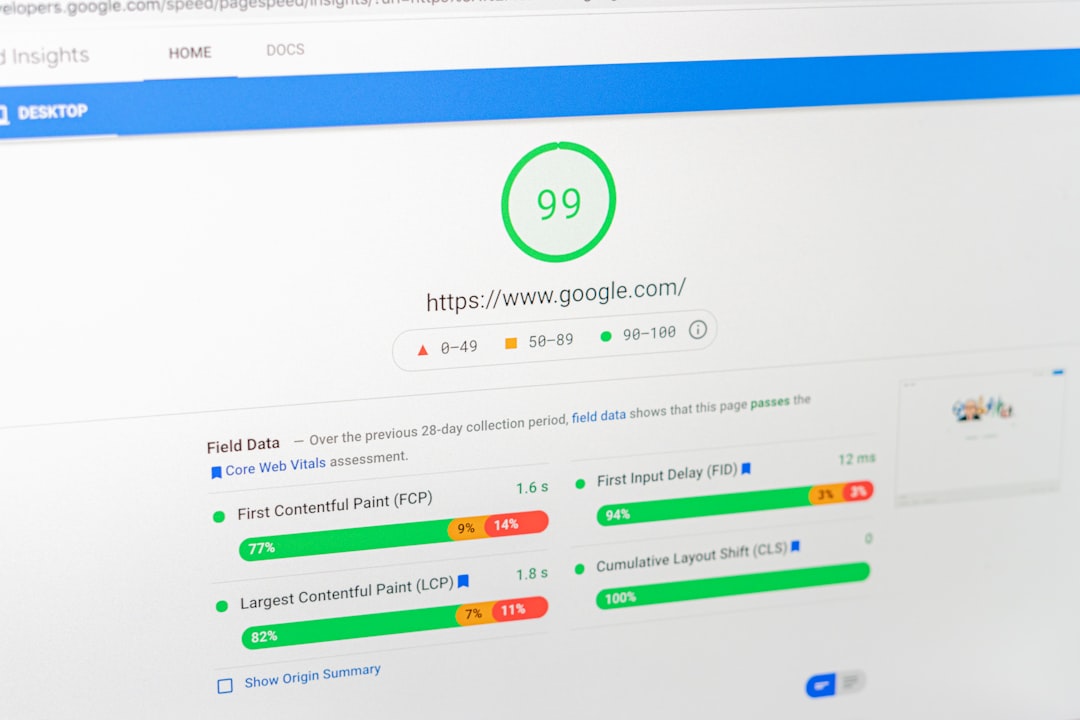
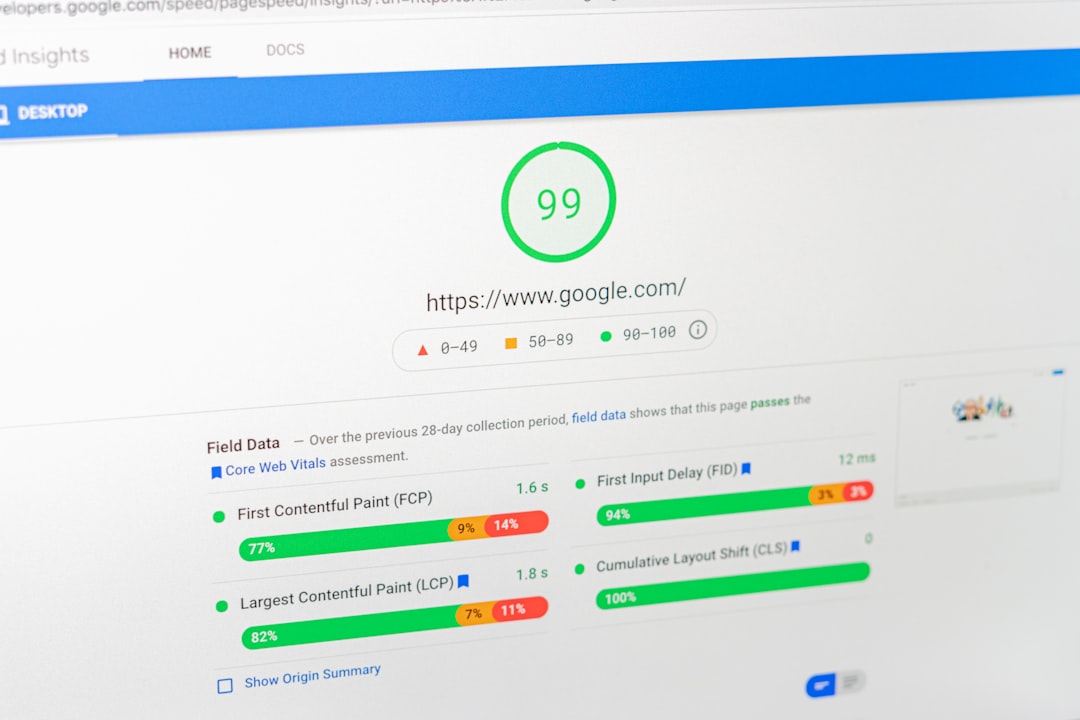
Improve Website Speed
A fast website creates a better experience and supports overall site quality.
Focus on the actual causes of slow performance, such as:
- Large images
- Excessive plugins
- Unnecessary scripts
- Poor hosting
- Heavy themes
- Inefficient third-party integrations
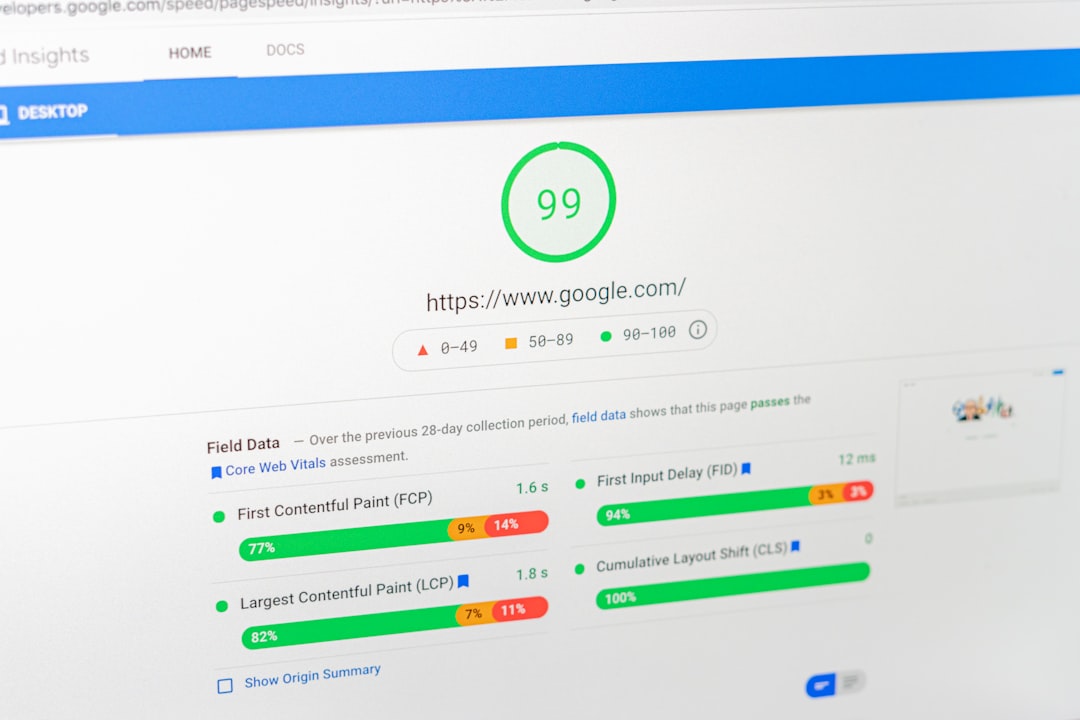
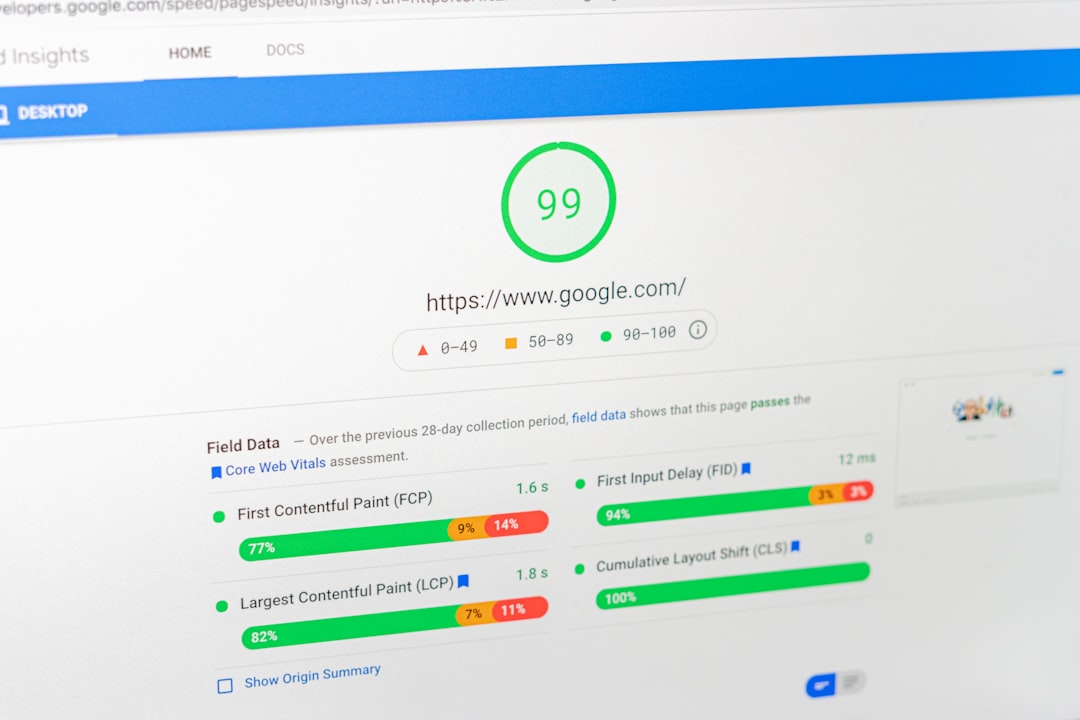
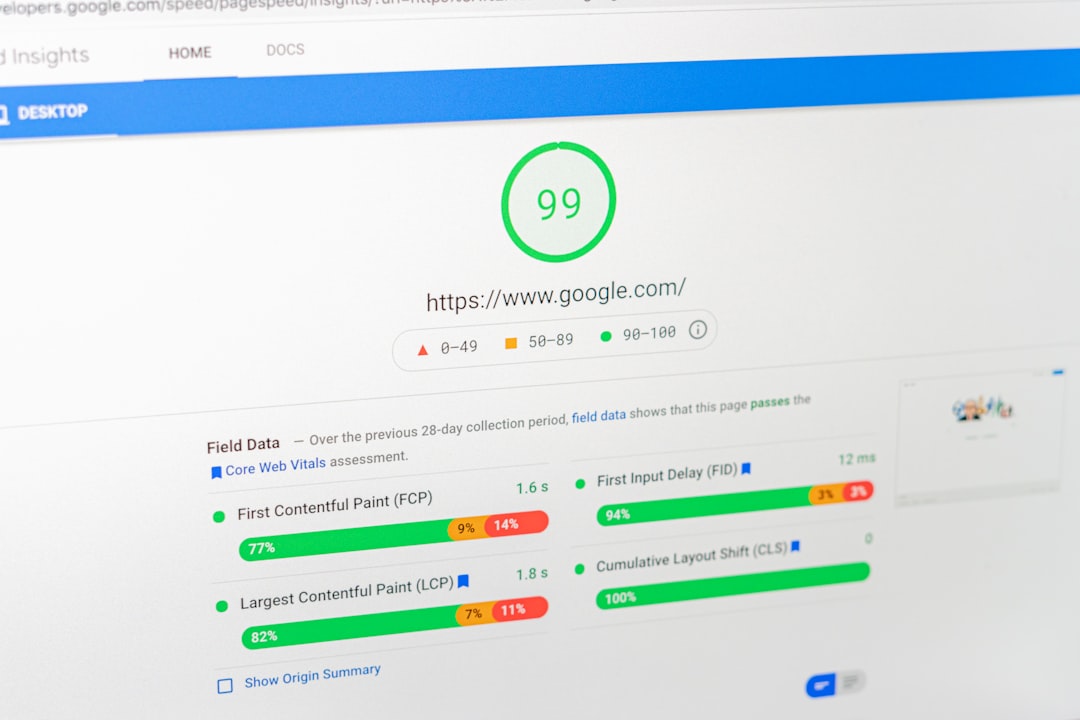
Use performance testing tools to identify specific problems before making technical changes.
Make Mobile Optimization a Priority
A large portion of web traffic comes from mobile devices.
Check whether users can easily:
- Read content
- Navigate menus
- Click buttons
- Complete forms
- View images
- Contact the business
Mobile optimization should be part of regular website maintenance rather than a one-time task.
Build Topic-Relevant Content

Instead of creating random blog posts, build content around topics closely related to your business.
For example, a WordPress SEO company might create content covering:
- WordPress technical SEO
- On-page optimization
- Local SEO
- Website audits
- Page speed
- Keyword research
- Internal linking
Related articles can then connect to one another and to relevant service pages.
Fix Technical SEO Problems
Technical issues can prevent otherwise useful content from performing properly.
Regularly check:
- Indexing
- XML sitemaps
- Robots.txt
- Canonical URLs
- Redirects
- Broken links
- HTTPS
- Mobile usability
Fixing technical problems can create a cleaner foundation for future SEO work.
Earn Relevant Backlinks
Links from relevant and trustworthy websites can support a site’s authority and visibility.
Focus on legitimate methods such as:
- Useful original resources
- Industry partnerships
- Digital PR
- Relevant guest contributions
- Business associations
- Link-worthy research
Avoid relying on large numbers of low-quality or unrelated links.
Track What Actually Works
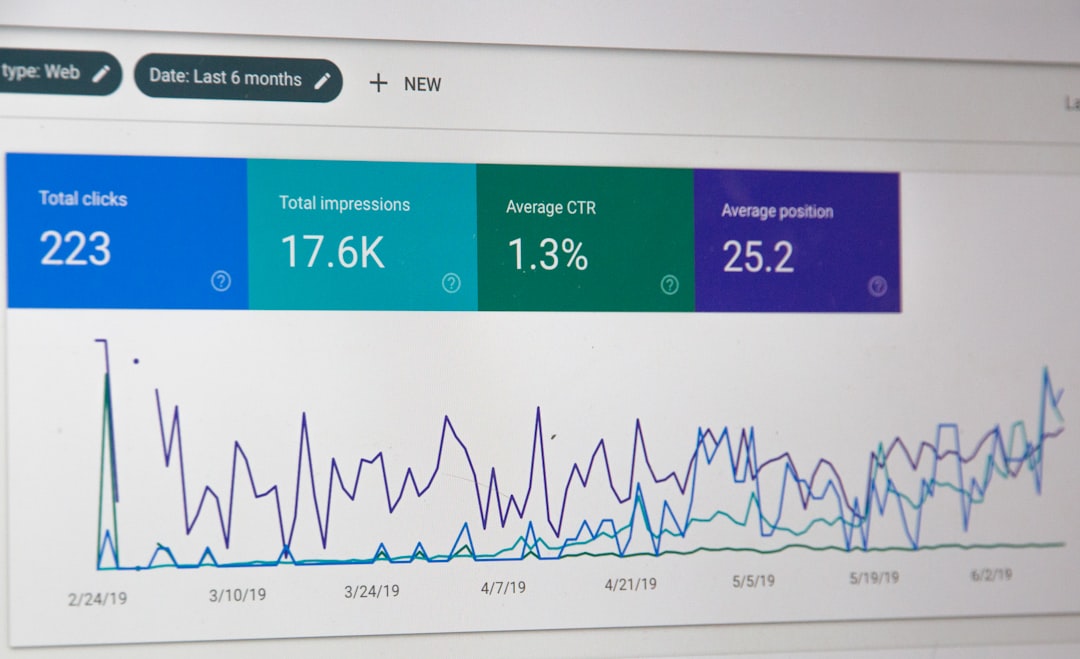
SEO growth should be measured using data.
Useful metrics include:
| Metric | Why It Matters |
|---|---|
| Organic clicks | Shows search traffic |
| Impressions | Shows visibility |
| CTR | Measures search-result engagement |
| Conversions | Shows business impact |
| Leads | Measures customer interest |
| Revenue | Connects SEO with business results |
Review these metrics regularly and adjust the strategy based on what the data shows.
How a WordPress SEO Company Can Support Growth
A professional WordPress SEO company can combine different SEO activities into one organized process.
This may include:
- Website audit
- Keyword research
- Content optimization
- Technical SEO
- Internal linking
- Mobile optimization
- Speed improvements
- Local SEO
- Link-building strategy
- Performance tracking
The exact mix should depend on the website’s current condition and business goals.
Focus on Sustainable Growth
Fast SEO growth should not mean making rushed changes or chasing every new SEO trend. A better approach is to improve the website consistently, prioritize valuable pages, resolve technical issues, create useful content, and monitor results.
With a structured strategy, a WordPress website can gradually build stronger search visibility while providing a better experience for the people it is designed to serve.