

Introduction
Search engine optimization can help Delaware businesses attract new customers, increase website traffic, and build a stronger online presence. When people search Google for a product or service, they usually choose from the businesses they can easily find and trust. If your website does not appear in relevant search results, potential customers may discover your competitors instead.
However, simply having a website does not guarantee that people will find your business online. Many companies invest time and money in SEO but make mistakes that prevent them from achieving meaningful results. Some target the wrong keywords, publish weak content, ignore local search optimization, or overlook technical problems that affect their websites.
These mistakes can be particularly costly for small and medium-sized businesses competing in Delaware. Whether your company operates in Wilmington, Dover, Newark, Middletown, or another local community, your SEO strategy needs to reflect how customers search and what they expect to find.
The good news is that most SEO mistakes can be identified and corrected with the right approach. Understanding what is holding your website back can help you make better marketing decisions, improve your search visibility, and attract more relevant visitors.
In this guide, we will explore ten common SEO mistakes Delaware businesses should avoid, explain why they matter, and provide practical ways to improve your website’s performance.
Mistake 1: Targeting the Wrong Keywords
Keyword targeting is one of the foundations of SEO. It helps search engines understand what your website offers and connects your pages with people searching for relevant products or services.
Unfortunately, many businesses choose keywords without considering whether those searches are likely to attract potential customers.
For example, a Wilmington plumbing company might target the broad keyword “plumbing.” Although this phrase may receive significant search interest, it does not clearly communicate the searcher’s location or specific needs. Someone searching for plumbing information might be looking for a tutorial rather than a professional service.
A more focused phrase, such as “emergency plumber in Wilmington DE,” communicates a much clearer intention. It connects the service with a specific location and may attract people who need immediate assistance.
The same principle applies to businesses in other industries. A Delaware law firm should consider specific searches related to its legal services, while a roofing contractor may benefit from targeting phrases connected to roof replacement, inspections, and storm damage repairs.
Another common problem is choosing keywords based only on search volume. A keyword with thousands of monthly searches is not necessarily valuable if the people searching for it are unlikely to become customers.
How to avoid this mistake:
Start by identifying your main services, products, and target customers. Research the phrases people use when looking for those offerings, and consider whether their search intent matches your business objectives.
Use keyword research tools such as Google Keyword Planner, Google Search Console, Ahrefs, or Semrush to discover relevant opportunities. Compare search volume, competition, and intent rather than relying on one metric.
For Delaware businesses, include relevant location-based phrases when appropriate. However, do not force city names into every sentence. Choose keywords that accurately represent your services and the areas you genuinely serve.
Mistake 2: Ignoring Local SEO
A business can have a well-designed website and useful content but still struggle to attract nearby customers if it ignores local SEO.
Local SEO helps businesses become more visible when people search for products and services in a particular geographic area. It is especially important for companies that depend on customers visiting a physical location or hiring providers who serve specific communities.
Imagine someone in Newark searching for a nearby dentist. They are unlikely to be interested in a clinic located several states away. They want relevant local options, accurate contact information, and a convenient way to schedule an appointment.
If your website does not communicate where your business operates, search engines and potential customers may have difficulty understanding its local relevance.
One of the most important parts of local SEO is your Google Business Profile. It allows businesses to display information such as their name, address, phone number, website, business hours, services, and customer reviews.
An incomplete or outdated profile can create confusion. For example, a business might display an old phone number, incorrect opening hours, or an address that no longer matches its website.
Local website content is equally important. Your website should clearly explain which communities you serve and provide useful information about your products or services.
How to avoid this mistake:
Claim and verify your Google Business Profile, then complete all relevant sections. Make sure your business information is accurate and consistent across your website and important online directories.
Create useful location-specific content when your business genuinely serves different Delaware communities. A company operating in Wilmington and Dover may need to explain its services in both areas, provided it can offer real value to customers in each location.
Encourage satisfied customers to leave honest reviews and respond professionally to feedback. Keep your business hours, contact details, and service information updated.
Local SEO is not simply about adding a city name to your homepage. It involves building a trustworthy and consistent local presence that helps customers find and contact your business.
Mistake 3: Publishing Low-Quality or Repetitive Content
Content plays an important role in helping search engines understand your website. It also gives potential customers the information they need before choosing a business.
However, publishing more articles does not automatically produce better SEO results. Some businesses focus on producing large quantities of content without checking whether their pages are useful, original, or relevant to their audiences.
For example, a Delaware landscaping company might publish several articles with titles such as “Best Landscaping Services in Wilmington,” “Top Landscaping Services in Dover,” and “Best Landscaping Services in Newark.” If the articles contain nearly identical paragraphs with only the city names changed, they provide little additional value.
This approach can create a poor experience for readers and may resemble doorway pages, which are created primarily to capture similar search queries rather than provide useful information.
Another problem is publishing generic articles that repeat information already available on countless other websites. If your content does not answer questions clearly or offer meaningful insights, visitors may have little reason to choose your business.
Your content should demonstrate that you understand your industry and the needs of your customers. A Delaware contractor, for example, could publish practical guides explaining how to recognize roof damage, prepare for a renovation, or choose suitable materials for a particular project.
How to avoid this mistake:
Prioritize quality, relevance, and usefulness over publishing frequency. Before creating an article, identify the question it will answer and the audience it is intended to help.
Make your content original by including practical advice, examples, explanations, and genuine business knowledge. Avoid copying competitors or rewriting existing articles without adding meaningful value.
Review older pages regularly. Update outdated information, improve unclear explanations, and remove unnecessary repetition when appropriate.
Every page should have a clear purpose. It should help visitors understand a topic, compare options, explore a service, or take a useful next step.
Mistake 4: Neglecting On-Page SEO
On-page SEO involves optimizing the individual elements of your website pages so that search engines and visitors can understand their content more easily.
A business may publish an excellent article or service page but fail to optimize its title, headings, URL, meta description, and internal links. These issues can make the page less clear and reduce opportunities to improve its visibility.
One common problem is using generic page titles. A title such as “Home” or “Our Services” does not communicate much about the page. A more descriptive title explains the subject and, when relevant, includes the main keyword.
Headings are another important element. Your main heading should clearly describe the page’s primary topic, while secondary headings should organize the information into logical sections.
Meta descriptions also deserve attention. Although they are not a direct Google ranking factor, they can help users understand what a page offers before clicking on it.
URLs should be descriptive and easy to understand. For example, a page about kitchen remodeling in Delaware could use a clear URL rather than a long string of random numbers and characters.
Internal linking is frequently overlooked as well. When relevant pages link to one another, visitors can discover related information, and search engines can find additional content across your website.
How to avoid this mistake:
Give every important page a unique and descriptive title. Use clear headings that accurately represent the information below them, and write useful meta descriptions that encourage relevant visitors to click.
Keep URLs short, readable, and relevant to the page topic. Add internal links where they genuinely help users explore related services or articles.
Optimize images with descriptive file names and appropriate alternative text. Make sure your content is easy to read on both desktop and mobile devices.
Finally, review your most important pages regularly. On-page SEO is not something you should complete once and ignore. As your business changes and your content develops, your website should be updated to reflect those improvements.

Mistake 5: Having a Slow or Poorly Optimized Website
Website speed and performance have a direct impact on the experience visitors have when browsing your business online. People expect websites to load quickly, display information correctly, and respond smoothly when they click links or interact with different elements.
If your website takes too long to load, visitors may leave before discovering your services. This can reduce the number of people who contact your business and make it harder to turn website traffic into customers.
Slow websites can also experience problems with search performance. Google considers page experience signals as part of its broader ranking systems, including Core Web Vitals, which measure aspects of loading performance, interactivity, and visual stability.
For example, a Delaware restaurant website might contain large, uncompressed photographs, unnecessary animations, and several scripts that delay loading. A visitor trying to check the menu or opening hours may become frustrated if the page takes too long to display.
Common causes of poor website performance include oversized images, excessive plugins, unnecessary JavaScript, unoptimized CSS, slow hosting, and poor caching configurations.
Mobile performance is particularly important. Many people search for local businesses using smartphones while traveling, shopping, or looking for services nearby. If your website works well on a desktop computer but loads slowly on mobile devices, you may lose valuable opportunities.
How to avoid this mistake:
Start by testing your website using Google PageSpeed Insights. This tool provides performance information for mobile and desktop devices and identifies potential improvements.
Compress large images and use modern formats such as WebP or AVIF when supported. Avoid uploading unnecessarily large files, and make sure images are displayed at appropriate dimensions.
Review the plugins and scripts installed on your website. Remove tools that are no longer needed and investigate whether unnecessary scripts are slowing down important pages.
Use reliable hosting, enable appropriate caching, and consider a content delivery network when it makes sense for your website.
Pay particular attention to mobile performance. Test important pages on different screen sizes and make sure visitors can easily access menus, contact information, forms, and service details.
You do not need to achieve a perfect performance score to have a successful website. The priority is to create a fast, stable, and convenient experience for real visitors.
Mistake 6: Failing to Optimize for Mobile Users
Mobile optimization is no longer optional for businesses that want to compete online. Many potential customers use smartphones to search for nearby services, compare businesses, read reviews, and make purchasing decisions.
A website that is difficult to use on a mobile device can create a negative impression before visitors even understand what your company offers.
Consider someone searching for an emergency electrician in Dover. They may need to call a business immediately. If the website displays tiny text, requires horizontal scrolling, or makes the phone number difficult to find, the visitor may leave and contact another provider.
Mobile usability involves more than making a desktop website smaller. The entire browsing experience should be designed around smaller screens and touch-based navigation.
Some common mobile problems include buttons that are too small, overlapping content, difficult navigation menus, forms that require unnecessary information, and images that do not resize correctly.
Pop-ups can also create problems when they cover important content or are difficult to close. Visitors should be able to access the information they need without fighting with unnecessary elements.
How to avoid this mistake:
Use a responsive website design that automatically adapts to different screen sizes. Test your homepage, service pages, blog articles, and contact forms on smartphones and tablets.
Make important actions easy to complete. Phone numbers should be clickable, contact forms should be simple, and navigation menus should be easy to use.
Use readable font sizes and sufficient spacing between buttons and links. Make sure images fit within the screen and that visitors do not need to scroll horizontally.
Pay attention to the pages that generate the most business inquiries. If a particular service page receives significant mobile traffic, make sure its information and contact options are especially accessible.
A mobile-friendly website helps create a better experience for customers and supports your overall SEO strategy.
Mistake 7: Ignoring Technical SEO Problems
Technical SEO focuses on the technical elements that help search engines discover, crawl, understand, and index your website.
Some businesses concentrate entirely on content and keywords while overlooking technical problems that prevent important pages from appearing properly in search results.
For example, a company might publish several useful service pages, but some of them may accidentally contain a noindex instruction. This tells search engines not to index those pages, which means they may not appear in normal search results.
Other technical problems include broken links, incorrect redirects, duplicate pages, missing XML sitemaps, blocked resources, and incorrect canonical tags.
An XML sitemap helps search engines discover important URLs on your website. A robots.txt file provides instructions about which areas crawlers are allowed or not allowed to access. Both should be configured carefully.
Canonical tags are also important because they indicate the preferred version of a page when similar or duplicate URLs exist. Incorrect canonical settings can send confusing signals about which page should be indexed.
Website security should not be ignored either. HTTPS helps protect information exchanged between a website and its visitors and is an important part of maintaining a trustworthy online experience.
Technical SEO problems can be difficult to notice without the right tools. A website may appear perfectly normal to visitors while having crawling or indexing issues behind the scenes.
How to avoid this mistake:
Use Google Search Console to monitor indexing status, crawling issues, and other website problems. Review the Pages report to understand which URLs are indexed and which are excluded.
Check your XML sitemap and make sure it includes the important pages you want search engines to discover. Review your robots.txt file to ensure that useful website content is not accidentally blocked.
Identify broken internal links and fix them. When a URL has permanently changed, use an appropriate redirect to guide visitors and search engines to the correct destination.
Check canonical tags on important pages and make sure they point to the preferred URL. Also, verify that pages intended for search visibility do not contain accidental noindex instructions.
For larger websites, schedule regular technical SEO audits. Finding and correcting problems early can prevent them from affecting important pages for extended periods.
Mistake 8: Forgetting About Internal Linking and Website Structure
A website should be organized in a way that makes it easy for visitors and search engines to understand how its pages relate to one another.
Some businesses create service pages and blog articles without connecting them through relevant internal links. As a result, visitors may struggle to discover related information, and search engines may have difficulty understanding the website’s structure.
Internal links connect one page on your website to another page on the same domain. They help users navigate between related topics and provide search engines with additional ways to discover content.
Imagine a Delaware roofing company that publishes an article about identifying roof damage. The article could naturally link to its roof inspection and roof repair service pages.
Someone reading the article may realize that they need professional assistance. The internal link gives them a convenient way to learn about the company’s services without searching through the entire website.
Internal linking can also help communicate which pages are important. A well-organized website often connects supporting articles to major service pages and relevant category pages.
However, adding links randomly does not create a strong structure. Links should be relevant to the content and useful to visitors.
How to avoid this mistake:
Start by organizing your website around your main services and business categories. Make sure important pages can be reached through clear navigation and do not remain isolated from the rest of the website.
Add contextual internal links within blog articles, service descriptions, and other relevant content. Use descriptive anchor text that tells visitors what they can expect after clicking.
For example, instead of using “click here” for every link, use phrases such as “professional roof inspection services” when linking to a relevant service page.
Create topic clusters around important subjects. A main service page can connect to supporting articles that answer common customer questions, while those articles can link back to the service page when appropriate.
Review your website regularly to identify orphan pages, which are pages that have no internal links pointing to them. Important content should be accessible through a logical website structure.
Mistake 9: Neglecting Google Business Profile and Online Reviews
For businesses serving local customers, Google Business Profile is an important part of an effective SEO strategy. It helps people discover your company through Google Search and Google Maps.
Despite its importance, some Delaware businesses create a profile and rarely update it. Others leave important fields incomplete or fail to respond to customer reviews.
An incomplete profile can make it harder for potential customers to understand what your business offers. Incorrect opening hours, outdated phone numbers, missing service information, or an inaccurate address can create confusion.
Customer reviews also influence how people evaluate local businesses. Someone comparing two contractors in Wilmington may pay attention to their ratings, customer feedback, and how professionally they respond to questions or complaints.
Reviews are not simply about collecting as many positive ratings as possible. They help potential customers understand the quality of the experience they might receive.
Businesses that ignore reviews may miss opportunities to demonstrate professionalism and build trust. Even negative feedback can be handled constructively when responses are polite, relevant, and focused on resolving concerns.
How to avoid this mistake:
Claim and verify your Google Business Profile. Complete all relevant business information and make sure it matches the details displayed on your website.
Choose accurate business categories and provide clear descriptions of your products and services. Add genuine photographs that help customers understand your business and what it offers.
Keep opening hours updated, especially during holidays or temporary schedule changes. If your company serves customers at different locations, make sure each eligible profile follows Google’s guidelines.
Encourage customers to share honest feedback after receiving your service. Never purchase fake reviews or offer incentives in exchange for positive ratings.
Respond to reviews professionally and avoid sharing private customer information. Thank satisfied customers and address negative experiences calmly.
A complete and well-maintained profile can strengthen your local online presence and make it easier for potential customers to choose your business.
Mistake 10: Not Tracking SEO Performance or Measuring Results
One of the biggest SEO mistakes a business can make is investing in optimization without measuring whether the work is producing meaningful results.
SEO involves many activities, including keyword research, content development, technical improvements, local optimization, and link building. Without performance tracking, it becomes difficult to understand which activities are helping your business and which areas need attention.
Some businesses focus entirely on keyword rankings. Although rankings are useful, they do not tell the complete story. A website might rank well for several keywords but receive very few inquiries or sales.
Other businesses look only at total website traffic. However, traffic is valuable only when it comes from relevant visitors who are interested in the products or services you provide.
For example, a Delaware home renovation company might receive visitors from informational articles about general home design. Those visitors may not be ready to hire a contractor. Meanwhile, a smaller amount of traffic from searches such as “bathroom remodeling contractor in Dover” could produce more valuable business inquiries.
Tracking conversions helps connect SEO performance with actual business outcomes.
How to avoid this mistake:
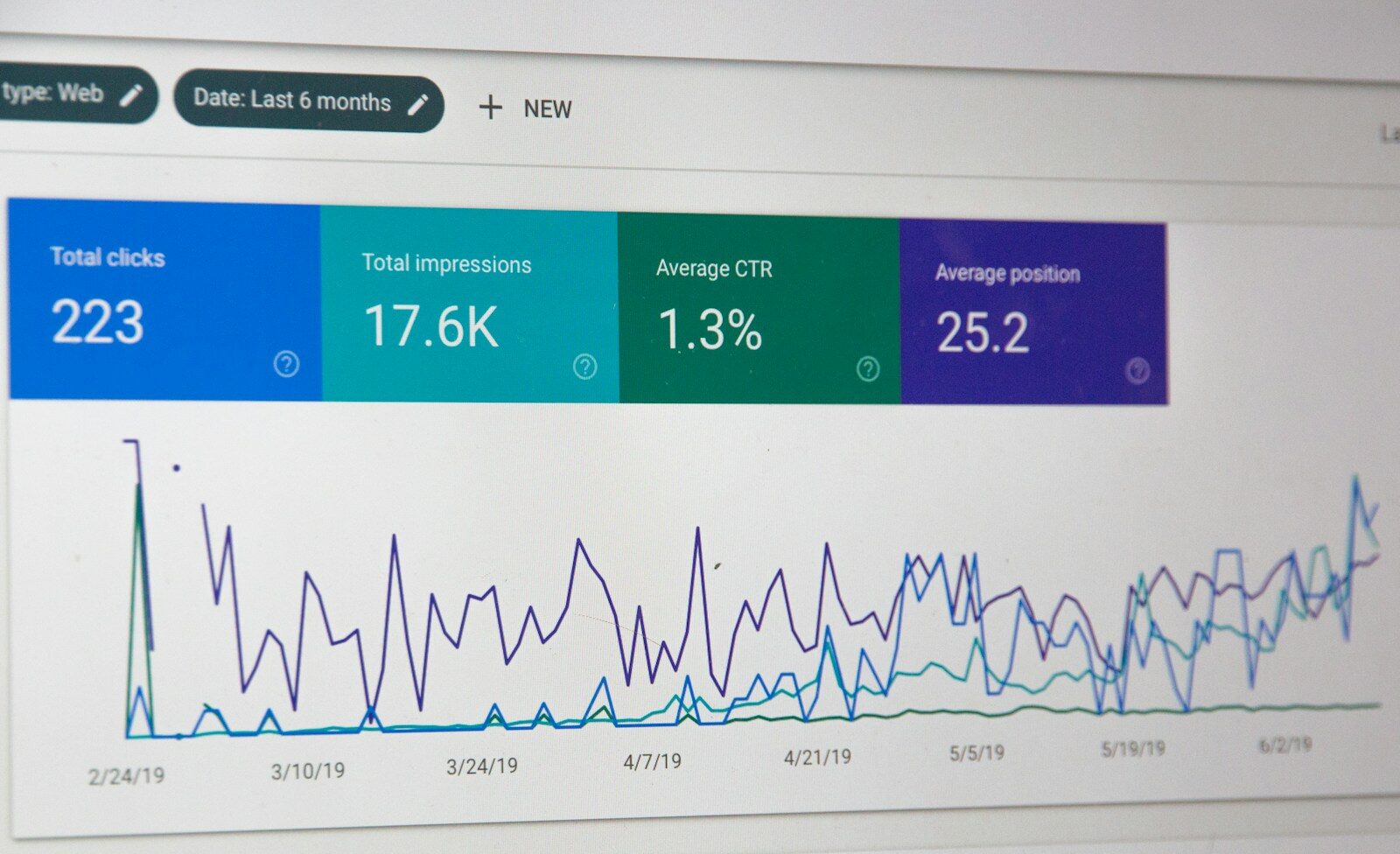
Set up Google Search Console to monitor search impressions, clicks, average positions, and the queries bringing visitors to your website.
Use Google Analytics 4 to understand how people interact with your website after arriving from organic search. Review important landing pages, traffic sources, engagement, and relevant conversion events.
Track business outcomes such as contact form submissions, phone calls, appointment requests, and quotation requests. Make sure your tracking setup measures these actions as accurately as possible.
Create a regular reporting schedule. Monthly reviews can help you identify changes in search performance, discover pages that need improvement, and evaluate progress toward your business objectives.
Do not expect every keyword to produce immediate results. Some pages need time to gain visibility, while others may require better content, stronger internal links, or technical improvements.
The most useful SEO reports explain not only what happened but also what should be done next. Use performance data to make informed decisions instead of changing your strategy based on assumptions.
How Delaware Businesses Can Build a Stronger SEO Strategy
Avoiding common SEO mistakes is an important first step, but businesses also need a consistent strategy to improve their online visibility over time. SEO is not a single task that can be completed once and forgotten. It involves ongoing research, optimization, content development, and performance monitoring.
For Delaware businesses, an effective strategy should begin with a clear understanding of the customers they want to reach. Consider the services your company provides, the communities you serve, and the problems your customers are trying to solve.
A business serving Wilmington may have different local search opportunities from one operating mainly in Dover or Newark. Understanding these differences helps you create content that reflects actual customer needs instead of relying on generic marketing messages.
Start by reviewing your existing website. Identify pages that are outdated, difficult to navigate, slow to load, or missing important information. You should also check whether your website clearly communicates your services, service areas, contact details, and business advantages.
Next, conduct keyword research to identify relevant search opportunities. Organize your keywords according to their topics and search intent, then assign them to suitable pages. This prevents unnecessary duplication and helps every important page serve a clear purpose.
Your content strategy should combine service pages with useful educational resources. Service pages explain what your business offers, while blog articles answer questions that potential customers may have before making a decision.
For example, a Delaware accounting firm could publish articles about small business tax preparation, bookkeeping mistakes, payroll management, and preparing financial records. These topics help potential customers discover the company while researching problems related to its services.
Technical maintenance should also be part of your strategy. Monitor website speed, mobile usability, indexing, broken links, and other technical issues. A website that works properly gives visitors a better experience and allows search engines to access its important content.
Finally, measure your results and use the information to improve your approach. Monitor organic traffic, keyword performance, local visibility, and conversions. Focus on activities that contribute to your business goals rather than chasing rankings that have little commercial value.
A consistent strategy makes SEO easier to manage and helps businesses avoid repeating the same mistakes.
The Importance of Professional SEO Support
Managing SEO independently can be challenging, especially when you are also responsible for running a business. Keyword research, content optimization, technical audits, local SEO, and performance analysis all require time and knowledge.
A business owner may understand their industry very well but may not know why certain website pages are not appearing in search results. Technical problems, incorrect keyword targeting, weak content structure, and poor local optimization can all affect performance.
Working with an experienced SEO professional can help identify these issues and create a more organized improvement plan.
A professional SEO specialist typically begins by evaluating the website and understanding the company’s objectives. This may include reviewing existing rankings, researching competitors, identifying keyword opportunities, checking technical performance, and examining the website’s content.
The next step is prioritizing improvements. Not every SEO issue has the same level of importance. Fixing an indexing problem affecting an important service page may be more urgent than adjusting a minor heading on an article that receives little traffic.
An SEO professional can also help create a content strategy based on customer search behavior. Instead of publishing random blog posts, the business can develop articles that support its main services and target relevant search queries.
For Delaware companies, local SEO experience can be especially valuable. Understanding how to optimize a Google Business Profile, build location relevance, manage business information, and attract genuine reviews can help improve local visibility.
However, choosing an SEO provider requires careful consideration. Avoid companies that promise guaranteed first-page rankings or claim they can deliver thousands of visitors immediately. Search rankings depend on many factors, and no provider can control Google’s entire ranking system.
Look for professionals who explain their strategy, provide clear reporting, communicate realistic expectations, and focus on business results. A reliable SEO partner should be able to explain what work is being performed and why it matters.
How to Choose the Right SEO Expert in Delaware
Selecting an SEO expert is an important decision because your website is one of your company’s most valuable digital assets. The right professional can help you improve search visibility, while an unsuitable provider may waste your budget on activities that produce little value.
Begin by examining the provider’s experience. Ask about the industries they have worked with, the types of websites they have optimized, and the challenges they have helped businesses address.
Experience with local SEO can be particularly useful if your company depends on customers in specific Delaware communities. A professional should understand how local search works and how to optimize a business’s website and online presence for relevant geographic searches.
Ask for an explanation of the proposed strategy before agreeing to a service. The provider should be able to explain how keyword research, technical optimization, content improvements, and local SEO will support your goals.
Transparency is another important factor. You should understand what services are included, how progress will be measured, and how frequently you will receive reports.
Be cautious of providers who focus exclusively on rankings without discussing traffic quality or conversions. Your goal should be to attract relevant visitors who are interested in your products or services.
It is also worth asking how the provider handles website access and ownership. Your company should retain control of its website, domain, Google Business Profile, and important marketing accounts.
Finally, compare providers based on the value of their services rather than price alone. A cheaper service is not necessarily better if it uses poor-quality tactics or provides little strategic guidance.
Choosing an SEO expert who understands your objectives and communicates clearly can make the optimization process more manageable and productive.
Why Choose DealMate for Your SEO Needs?
Choosing the right SEO partner can help your business avoid costly optimization mistakes and develop a stronger online presence. DealMate understands that successful SEO involves more than adding keywords to website pages. It requires a coordinated strategy that connects your business with the people searching for its products and services.
Every business has different goals, customers, and competitive challenges. A local service provider in Wilmington may need a different approach from an online business serving customers throughout Delaware. Understanding these differences is important when building an effective SEO strategy.
DealMate can help businesses focus on the elements that contribute to better search visibility, including keyword research, content planning, on-page optimization, local SEO, and website improvements.
A well-organized keyword strategy helps identify the searches that matter most to your business. Rather than targeting random phrases, the objective is to reach people whose needs match the services you provide.
Content optimization is another important part of the process. Useful website pages and informative articles can help potential customers understand your offerings, compare their options, and make informed decisions.
Local optimization can also help Delaware businesses improve how they appear when people search for nearby services. Maintaining accurate business information and developing relevant local content can support a stronger presence in the communities you serve.
SEO should also be measured over time. Monitoring website performance helps identify opportunities, evaluate improvements, and determine which activities deserve additional attention.
If your business wants to improve its visibility, attract more relevant visitors, and build a stronger digital presence, DealMate can help you approach SEO with a clearer strategy. The goal is to support sustainable growth by connecting your website with potential customers who are actively looking for what you offer.
Frequently Asked Questions
What are the most common SEO mistakes businesses make?
Common SEO mistakes include targeting irrelevant keywords, ignoring local search, publishing low-quality content, and neglecting technical website problems. Businesses also frequently overlook mobile optimization, internal linking, and performance tracking. These problems can limit search visibility and reduce the number of visitors who become customers. Reviewing your website regularly can help identify and correct these issues.
Why is local SEO important for Delaware businesses?
Local SEO helps businesses appear when potential customers search for products or services in nearby areas. It is especially valuable for companies serving communities such as Wilmington, Dover, Newark, and Middletown. Optimizing your Google Business Profile, maintaining accurate business information, and creating relevant local content can strengthen your local online presence. These activities can help connect your company with customers who are more likely to need your services.
How long does it take to fix SEO mistakes?
The time required depends on the type and severity of the problem. Some issues, such as correcting a missing page title or updating inaccurate business information, can be addressed relatively quickly. More complex problems involving website structure, technical SEO, or competitive keyword rankings may require several months of work. Results also depend on how search engines process website changes and how competitive your industry is.
Can poor website speed affect SEO rankings?
Website speed contributes to page experience and can influence how visitors interact with your website. Slow loading pages may frustrate users and increase the likelihood that they leave before viewing your content. Google uses Core Web Vitals as part of its page experience considerations, although speed alone does not determine rankings. Improving performance can support a better user experience and strengthen your overall SEO efforts.
Is keyword stuffing still harmful to SEO?
Yes, keyword stuffing is an outdated practice that can make content difficult to read and may violate Google’s spam policies. Repeating the same phrase excessively does not guarantee better rankings. Instead, use your primary keyword naturally and include relevant terms where they help explain the subject. Focus on creating useful content that answers the questions your customers are asking.
How often should Delaware businesses update their websites for SEO?
There is no universal schedule for updating every website page. Businesses should review important pages regularly and update information whenever services, prices, business hours, or other details change. Blog articles may also need updates when information becomes outdated or new customer questions emerge. Regular performance reviews can help identify which pages need the most attention.
Do small businesses need professional SEO services?
Small businesses can perform basic SEO activities independently, especially when they use accessible tools such as Google Search Console and Google Keyword Planner. However, more advanced work involving technical audits, competitive research, and comprehensive content strategies can require specialized knowledge. Professional support may save time and help businesses avoid costly mistakes. The decision depends on your budget, available time, and marketing objectives.
What is the difference between on-page SEO and technical SEO?
On-page SEO focuses on optimizing the content and elements of individual website pages, including titles, headings, keywords, images, and internal links. Technical SEO focuses on the infrastructure that allows search engines to crawl, understand, and index the website. Examples include website speed, mobile usability, XML sitemaps, redirects, and canonical tags. Both areas are important for building a well-optimized website.
How can I tell if my SEO strategy is working?
You can evaluate your SEO strategy by monitoring organic traffic, search impressions, clicks, keyword performance, and conversions. Google Search Console provides information about how your website performs in Google Search, while Google Analytics 4 helps you understand visitor behavior. Businesses should also monitor valuable actions such as phone calls, contact form submissions, and appointment requests. A successful strategy should contribute to meaningful business outcomes, not just higher traffic numbers.
Should I hire an SEO expert in Delaware?
Hiring an SEO expert may be useful if your website is not attracting relevant visitors or you do not have enough time to manage optimization independently. A professional can identify technical problems, research valuable keywords, improve content, and develop a local SEO strategy. Before choosing a provider, review their experience, services, reporting process, and approach to realistic results. The right specialist should understand your business goals and explain how their work supports them.
Conclusion
SEO can help Delaware businesses become more visible, attract relevant website visitors, and generate new customer opportunities. However, achieving these results requires more than publishing content or adding keywords to a website. Businesses need to understand how search engines work and avoid mistakes that limit their online performance.
Targeting the wrong keywords, neglecting local SEO, publishing weak content, ignoring technical problems, and failing to measure results can all prevent a website from reaching its potential. These issues can also create a frustrating experience for visitors and make it harder to convert traffic into customers.
The best approach is to build a clear SEO strategy around your business objectives. Research the terms your customers use, create useful content, optimize your website for mobile devices, maintain your Google Business Profile, and monitor your performance regularly.
Whether your business operates in Wilmington, Dover, Newark, Middletown, or elsewhere in Delaware, consistent optimization can help you compete more effectively in local search results.
Avoiding these ten SEO mistakes is an important step toward building a stronger online presence. With the right strategy, ongoing improvements, and a focus on customer needs, your website can become a valuable source of visibility, trust, and long-term business growth.