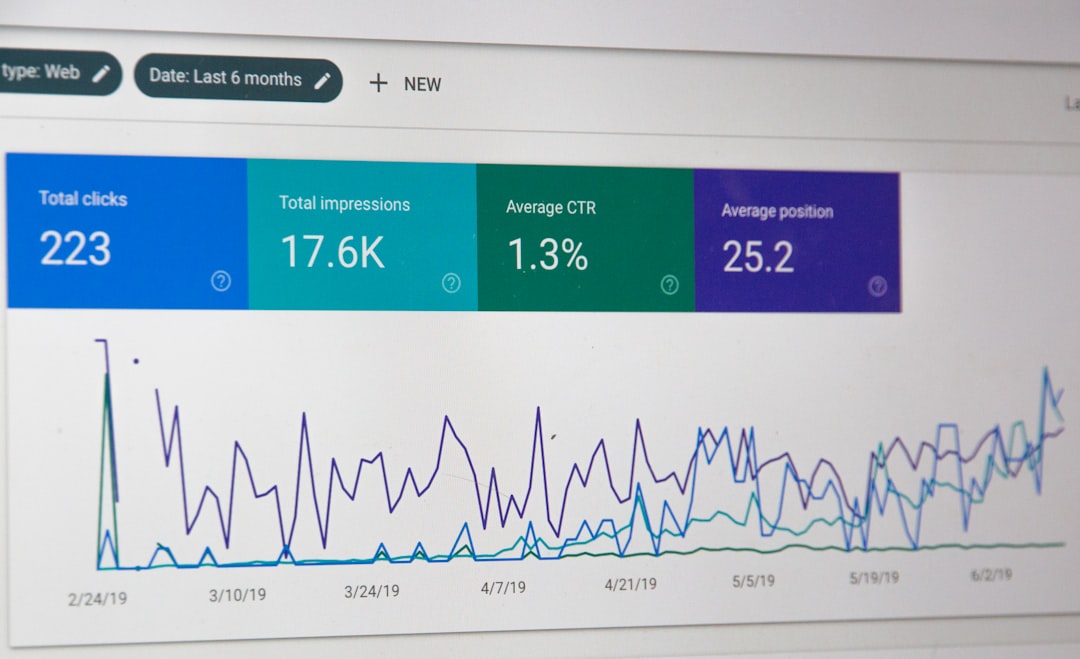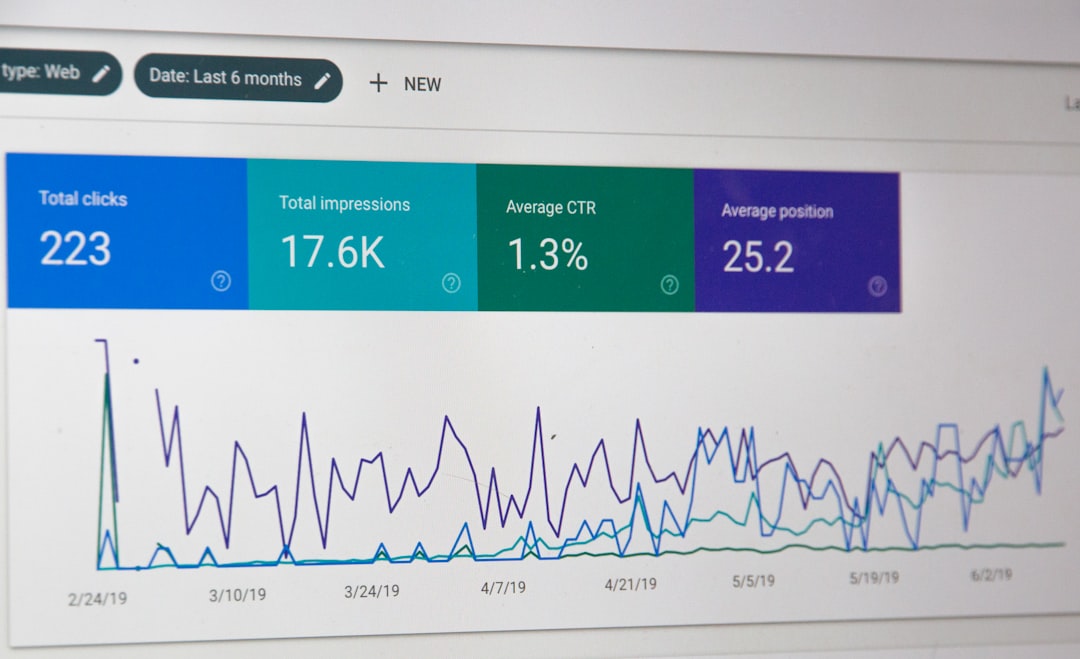

Better WordPress SEO services usually come from fixing prioritization, not adding more tools. If your rankings are flat, the issue is often a scattered service setup: weak targeting, conflicting plugins, thin internal links, or technical problems that keep good pages from sending clear signals.
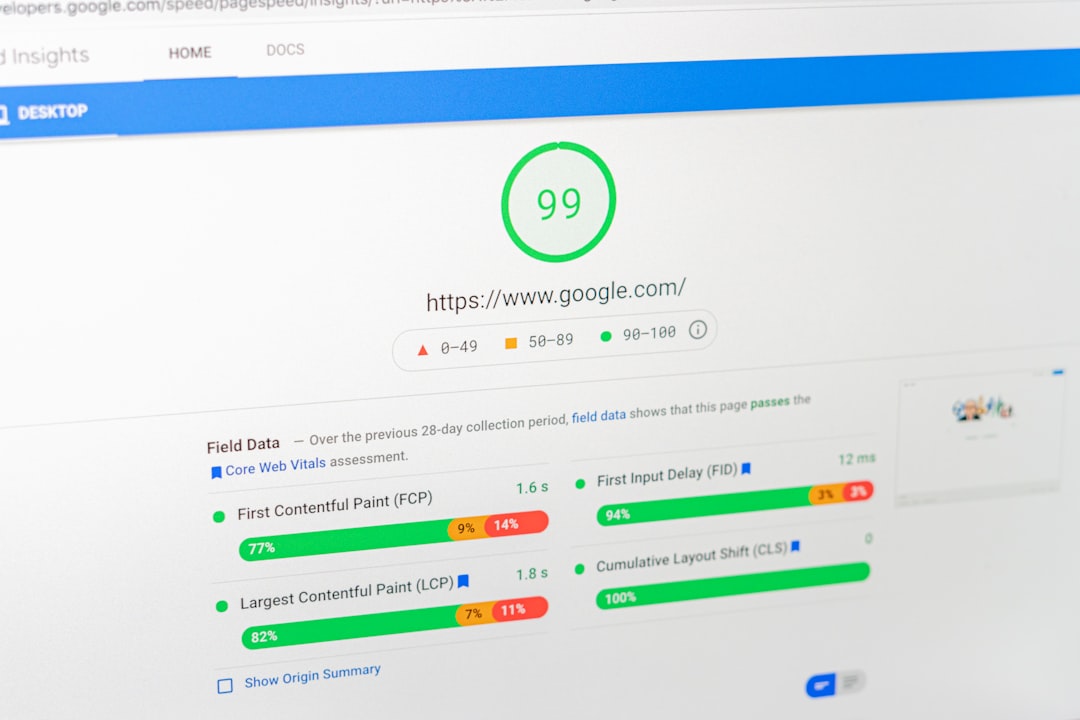
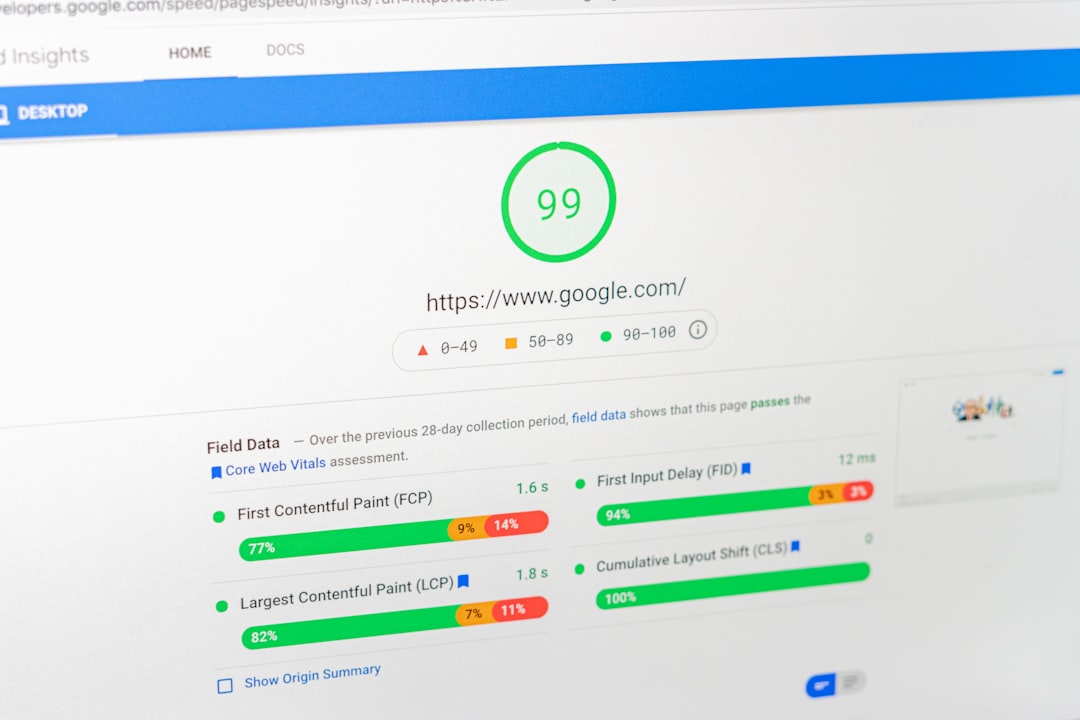
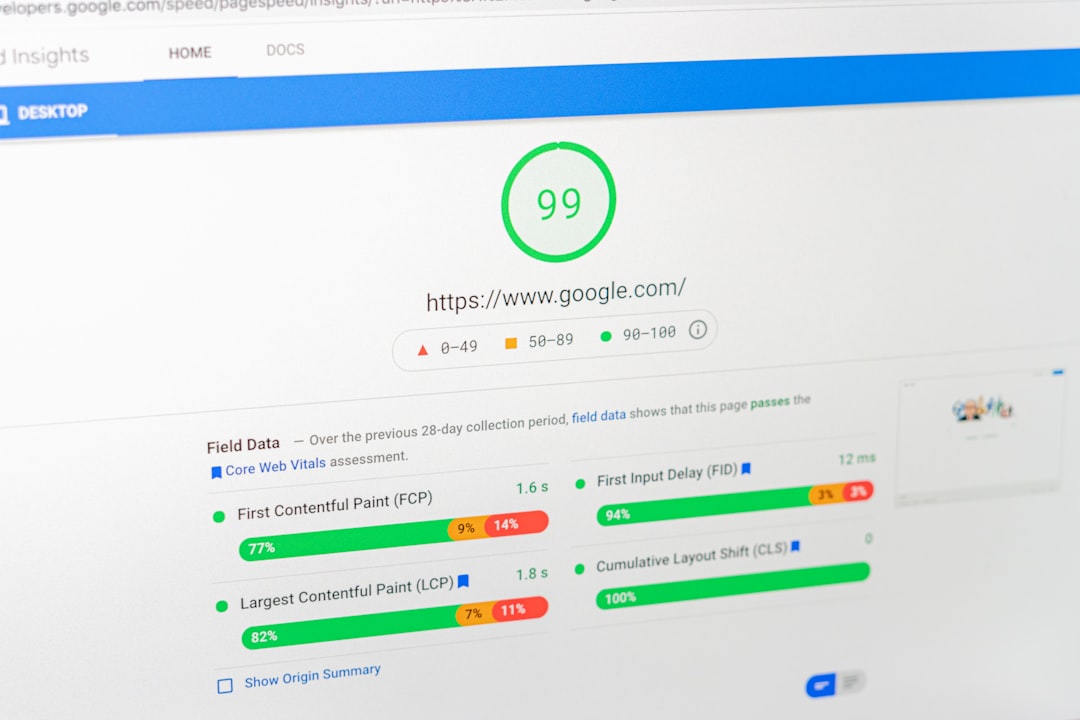
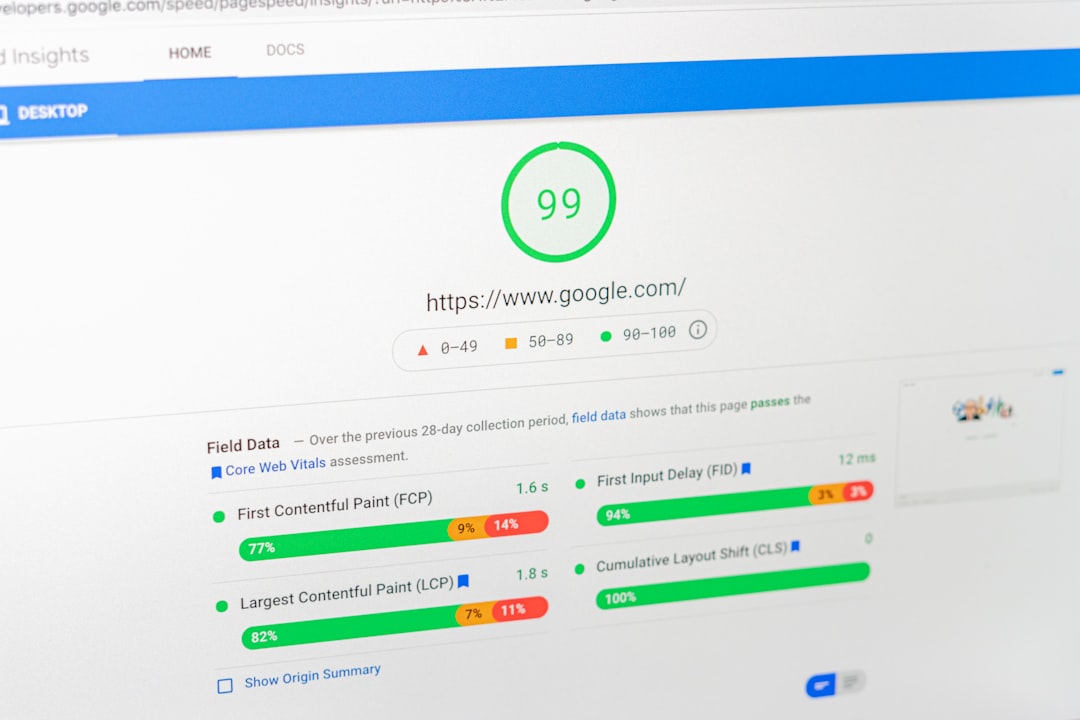
A green light in an SEO plugin does not mean the page deserves to rank. What improves results is a service process that starts with crawlability and indexing, then tightens page targeting, internal linking, and site structure before worrying about polish items like extra schema modules or more plugin features.
What better SEO services should fix first

The first job of any WordPress SEO service is to remove the issues that block visibility. That means checking whether important pages can be crawled, indexed, and reached through clean internal links before spending time on cosmetic optimizations.
Google recommends descriptive, concise titles, unique page descriptions, crawlable HTML links, and structured data that matches visible page content. Those basics shape what a sound WordPress SEO service should focus on first, not a long checklist of disconnected tasks. If you need a broader baseline, review our practical WordPress SEO guide for DIY site owners.
Improve your service process, not just your plugin settings
Stronger WordPress SEO services follow a clear order of operations. Fix the issues that block visibility before the issues that polish visibility. That prevents wasted time on title rewrites and editor scores while deeper technical problems still suppress performance.
A practical service workflow usually looks like this: audit indexing and crawl access, simplify the plugin stack, clean up canonicals and redirects, improve titles and headings on priority pages, strengthen internal linking, and only then expand content or schema. If your current setup feels messy, our guide on fixing WordPress SEO setup problems walks through that cleanup process in more detail.
Use one SEO plugin and one clear owner
One well-configured SEO plugin is enough. Improving WordPress SEO services often starts by removing overlapping tools that generate duplicate metadata, conflicting canonicals, or competing sitemap output.
Service quality drops when nobody owns the final SEO configuration. Decide which plugin controls titles, descriptions, canonicals, schema defaults, and sitemaps. Then document the setup so content editors, developers, and marketers are not all changing the same signals in different places.
Make service pages clearer and more specific
Many WordPress SEO service pages underperform because they are too broad. The fix is not to stuff in more keywords. It is to make each page target one clear intent and describe the audience, problem, and outcome more precisely.
| Weak title | Stronger title |
|---|---|
| SEO Services | WordPress SEO Services for Small Businesses |
| Technical SEO | Technical WordPress SEO Audit for Service Sites |
| SEO Help | WordPress SEO Help for Flat Rankings |
Google’s title guidance is simple: be descriptive, concise, and avoid repetitive boilerplate. That means your core service pages should say exactly what they offer and who they help instead of relying on vague labels that could fit any agency.
Strengthen internal links between services and support content

Internal linking is one of the easiest ways to improve WordPress SEO services because it connects expertise to revenue pages. Service pages should not sit alone in the navigation. They should be supported by blog posts, guides, and related service content that reinforce the same topic.
Link informational posts to service pages where the reader naturally needs help next. Link related guides to each other with descriptive anchor text. Google recommends crawlable HTML links with descriptive anchor text, which is exactly why service architecture matters more than generic plugin scores.
If you are experiencing these symptoms, our team at WordPress SEO Expert can help. When rankings are flat, a focused internal linking review often reveals that your best pages are simply under-supported.
Keep technical SEO tied to visible page quality
Technical improvements matter, but they work best when they support pages that already have a clear purpose. Better WordPress SEO services use titles, descriptions, canonicals, sitemaps, and structured data to reinforce what the page actually is, not to disguise weak targeting.
Google advises creating unique meta descriptions when they better summarize a page and warns that structured data should match visible content and not be misleading. That is why service pages should only use markup that reflects what users can actually see, and why copied descriptions across multiple pages are a missed opportunity.
A simple order for improving SEO services
The easiest way to improve WordPress SEO services is to follow a short, disciplined sequence. Start with visibility blockers, then move to clarity, then strengthen the pages that already matter most.
| Priority | What to improve | Why it matters |
|---|---|---|
| 1 | Indexing and crawl access | Pages cannot perform if search engines cannot reliably reach them. |
| 2 | Plugin and canonical cleanup | Conflicting signals create confusion across the site. |
| 3 | Service page titles and headings | Clearer targeting improves relevance and click potential. |
| 4 | Internal linking | Helps users and search engines understand hierarchy and priority. |
| 5 | Content expansion | Builds depth after the foundation is stable. |
What to stop doing
Stop measuring SEO service quality by how many features are turned on. More modules, more plugins, and more page-level tweaks do not automatically create better performance. Most site owners do not have one catastrophic problem. They have a stack of smaller issues that compound over time.
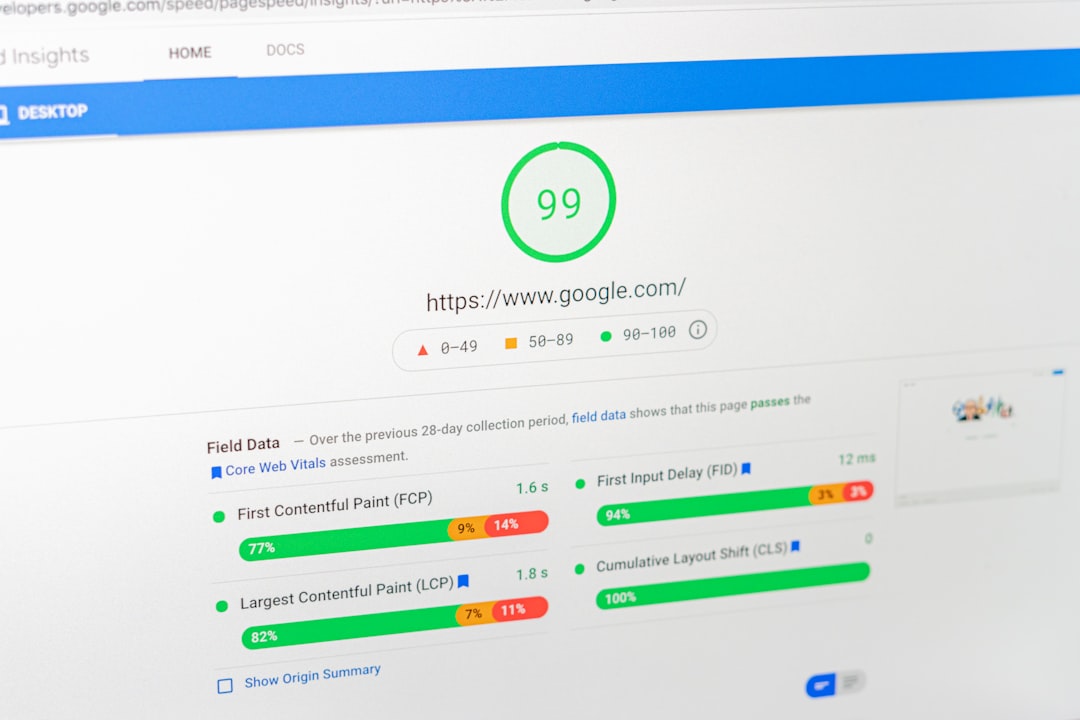
You do not need a perfect score. The goal is a site that loads cleanly, is easy to use, and sends consistent signals about which pages matter most. Better WordPress SEO services simplify the setup, clarify the content, and fix the pages closest to results first.
When expert help makes sense
If you have already installed the plugins, written content, and checked the basics but rankings are still flat, the issue is usually prioritization, not effort. An outside review can quickly tell you whether the real bottleneck is indexing, duplication, weak targeting, or internal link structure.
WordPress SEO Expert can help you diagnose what to fix first instead of guessing through scattered advice and overlapping tools. Book a free SEO consultation. No pitch, no pressure. Just an honest look at what your site actually needs and whether your current setup is part of the solution or part of the problem.
Contact WordPress SEO Expert today to schedule a consultation if you want a cleaner, more practical path to improving your WordPress SEO services.