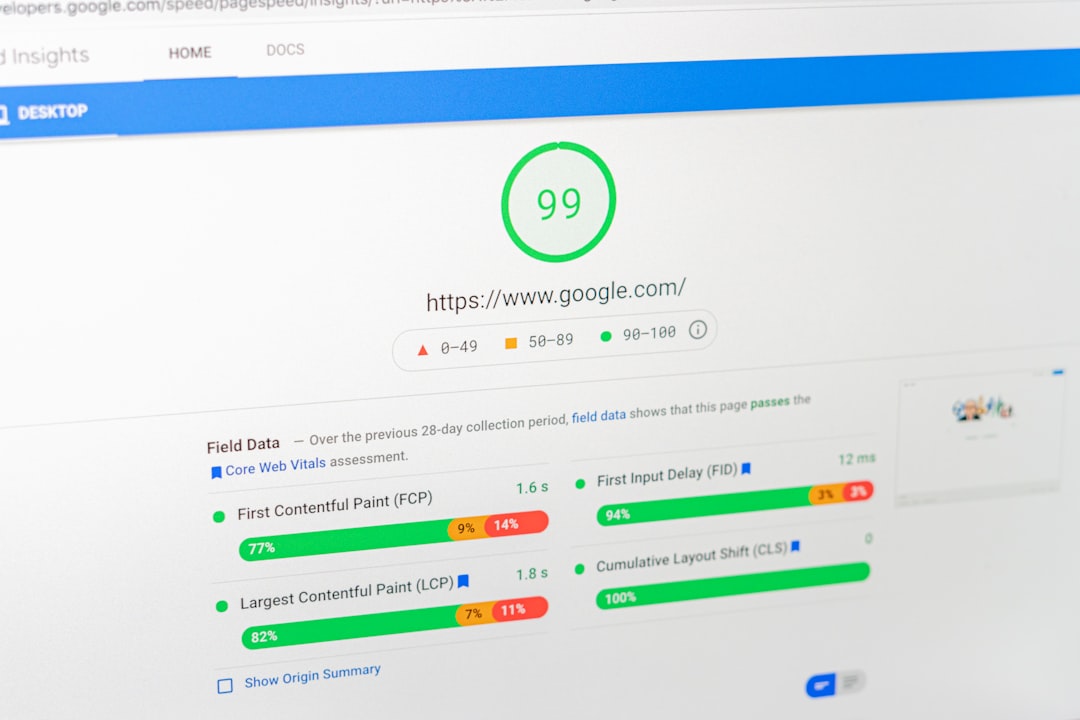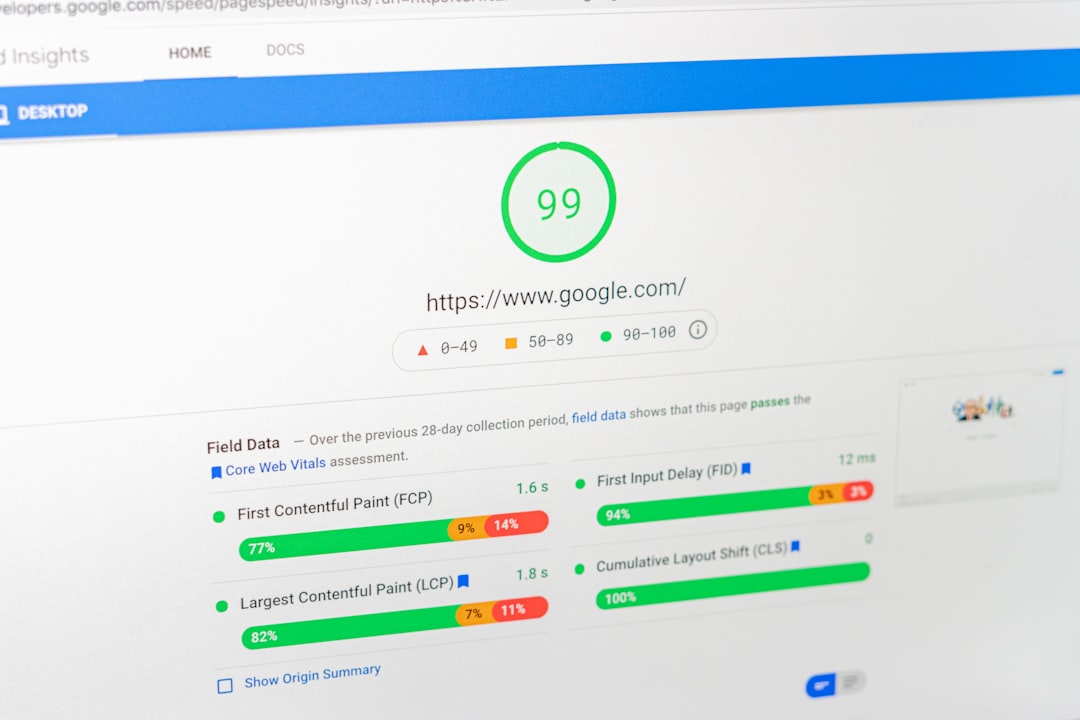

Better results from WordPress SEO services usually come from clearer priorities, not more activity. Many site owners have already published content, installed plugins, and updated metadata. The real gap is often that technical issues, weak page targeting, and scattered internal links are being worked on out of order.
A green light in an SEO plugin does not mean the page deserves to rank. Stronger results usually come from fixing the issues that block visibility first, then improving the pages that already have a real chance to move. If you need a broader baseline before choosing help, review our practical WordPress SEO guide for DIY site owners and our breakdown of how to fix WordPress SEO setup problems.
What Better Results Actually Look Like
Better results do not always start with a rankings spike. They often start with cleaner indexing, stronger click-through from search, more consistent leads from key pages, and fewer mixed signals across your site. That is the difference between busy SEO work and useful SEO work.
For most WordPress sites, improved performance shows up when your important pages become easier for search engines to crawl, easier for users to understand, and easier for the rest of your site to support. Google recommends descriptive, concise title text, distinctive page titles, and crawlable internal links with useful anchor text. Google also notes that a good meta description can help summarize the page for searchers when it is used in snippets. Those basics still matter because they shape how your pages are understood and chosen in search.
Start With the Service Scope, Not the Sales Pitch

If you want better results, judge WordPress SEO services by what they inspect first. A good provider should start with indexing, crawl access, page targeting, duplicate URL risks, and internal links before talking about dashboards, plugin features, or publishing frequency.
That early diagnostic work matters because most sites do not have one catastrophic problem. They have a stack of smaller issues that compound over time. When a service skips the diagnosis and jumps straight to content production or plugin adjustments, it usually leaves the real bottlenecks in place. If your site has WooCommerce filters, archive sprawl, or migration leftovers, those issues can hold down performance no matter how polished the copy looks.
What to ask before you hire
Ask how the service prioritizes work. Ask what they review in Google Search Console, how they handle canonicals and archive indexing, and how they decide whether a page should be improved, consolidated, redirected, or left alone. Clear answers here usually tell you more than a long feature list.
Fix the Pages Closest to Results First
The fastest gains usually come from pages that already have some visibility. Instead of rewriting the whole site, improve pages that are already earning impressions, already aligned to a core service, or already sitting just outside stronger positions.
This is where many WordPress SEO services underperform. They spread effort evenly across every page instead of focusing on the pages that can produce movement sooner. In practice, your home page, top service pages, key category pages, and a short list of posts already getting search impressions often deserve attention before low-value pages. Fix the issues that block visibility before the issues that polish visibility.
| Weak approach | Stronger approach |
|---|---|
| Update every page a little | Improve the pages already closest to meaningful gains |
| Write more posts immediately | Check indexing, targeting, and internal links first |
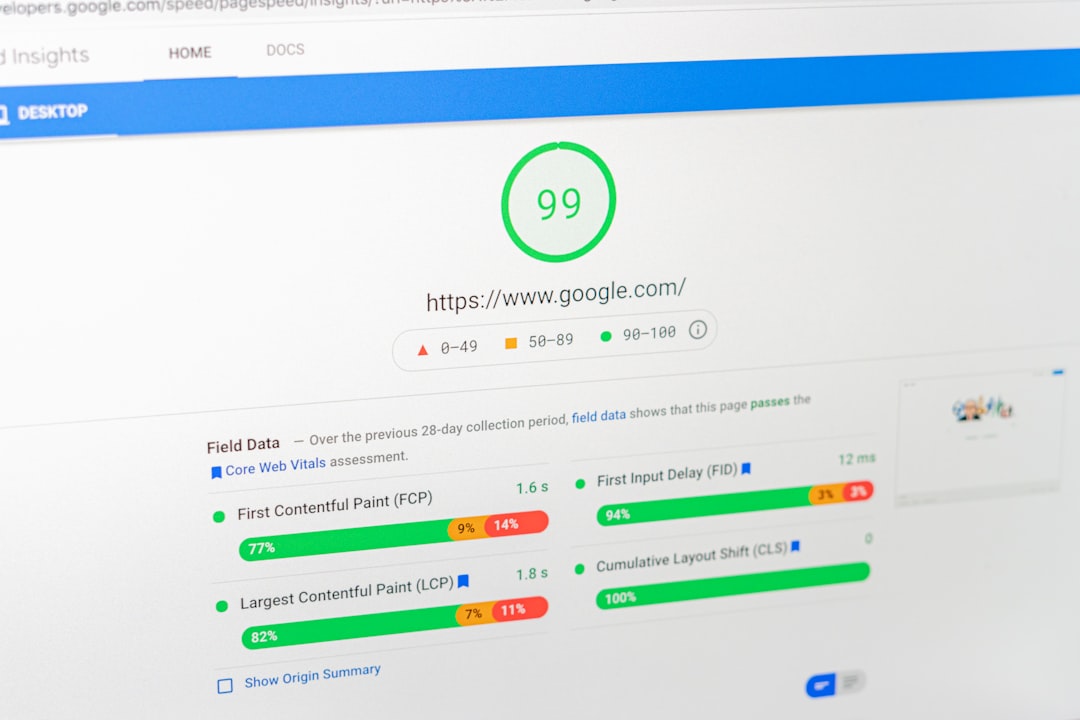
| Chase plugin scores | Improve relevance, crawlability, and page clarity |
| Keep overlapping pages live | Consolidate pages competing for the same intent |
If you are experiencing these symptoms, our team at WordPress SEO Expert can help.
Use One Clean SEO Setup
One well-configured SEO plugin is enough for most sites. Better service results often come from simplifying the setup, not expanding it. Multiple SEO plugins or overlapping schema, redirect, and metadata tools can create conflicting outputs that make the site harder to trust and harder to troubleshoot.
This matters on WordPress because flexibility creates room for clutter. If your service provider never checks whether plugins overlap, whether attachment pages are indexable, or whether thin archives are creating duplicate paths, they may be optimizing on top of noise. A cleaner setup usually gives you more reliable titles, canonicals, sitemaps, and structured output. If this is a recurring issue on your site, our article on advanced WordPress SEO setup strategies is a useful next step.
Demand Better On-Page Decisions
Better WordPress SEO services should improve the way key pages communicate their purpose. That means tighter title tags, clearer headings, more specific internal links, and content that matches one primary intent instead of trying to rank for everything at once.
Google advises site owners to write descriptive and concise title elements, avoid keyword stuffing, and avoid repetitive boilerplate across pages. Google also recommends crawlable HTML links with descriptive anchor text so pages can be found and understood more easily. Those are simple ideas, but they expose weak service work quickly. If your titles are generic, your anchors are vague, and your service pages read like slight variations of each other, the issue is not effort. It is weak targeting.
| Weak title | Stronger title |
|---|---|
| SEO Services | SEO Company | SEO Expert | WordPress SEO Services for Small Businesses |
| Blog | WordPress SEO Tips for Service Businesses |
| Home | WordPress SEO Help for Growing Businesses |
If your content work feels busy but flat, our post on WordPress SEO checklist mistakes to avoid explains why checklists alone often fail to produce results.
Expect Internal Linking to Be Part of the Service
Internal linking should be part of any serious WordPress SEO service, not an afterthought. Strong internal links help search engines discover important pages, understand hierarchy, and connect informational content to the pages that drive inquiries or sales.
Many services focus heavily on metadata while leaving important pages isolated. That is a missed opportunity. Supportive blog posts should link naturally to service pages. Related guides should connect to each other. Key pages should not rely only on the navigation menu or the XML sitemap to be found. Google’s guidance is clear that links should be crawlable and anchor text should be descriptive and relevant, which makes internal linking one of the clearest practical improvements available on WordPress sites.
Watch for Services That Overproduce Content
More content is not automatically better results. If a service creates thin articles, location variants, or near-duplicate pages before fixing structure and intent overlap, it may be adding more noise than value.
Strong SEO services should know when to consolidate instead of expand. One useful page is usually stronger than several weak pages chasing slight keyword variations. This is especially important for WordPress sites with existing archives, category overlap, or older posts that already cover similar topics. The goal is not maximum output. The goal is a site that sends consistent signals about which pages matter most.
How to Measure Whether the Service Is Working
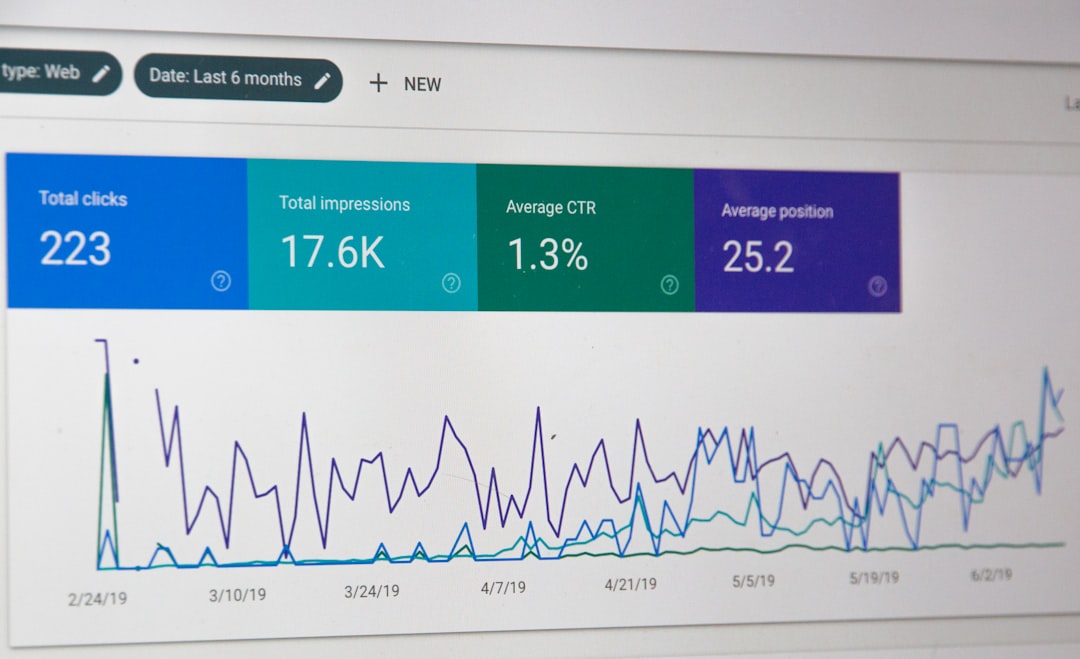
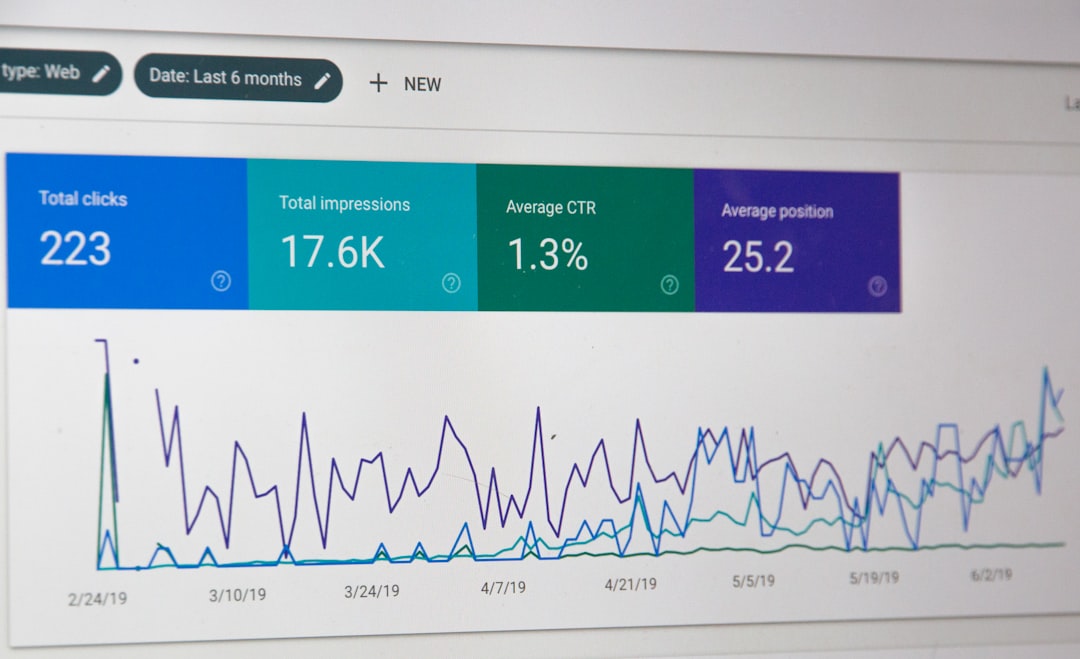
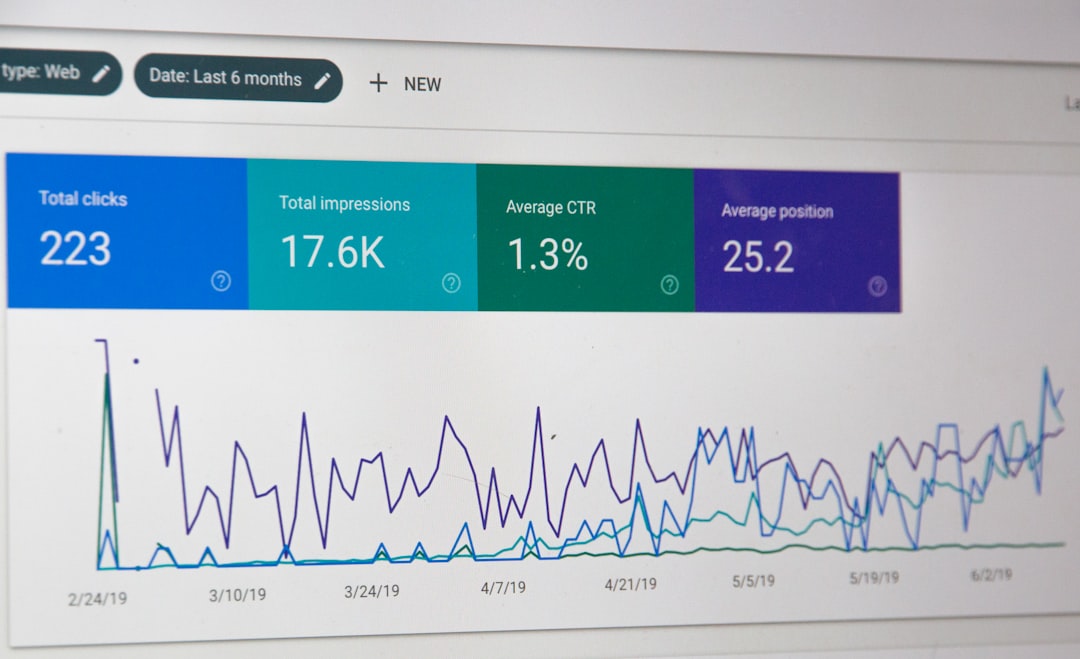
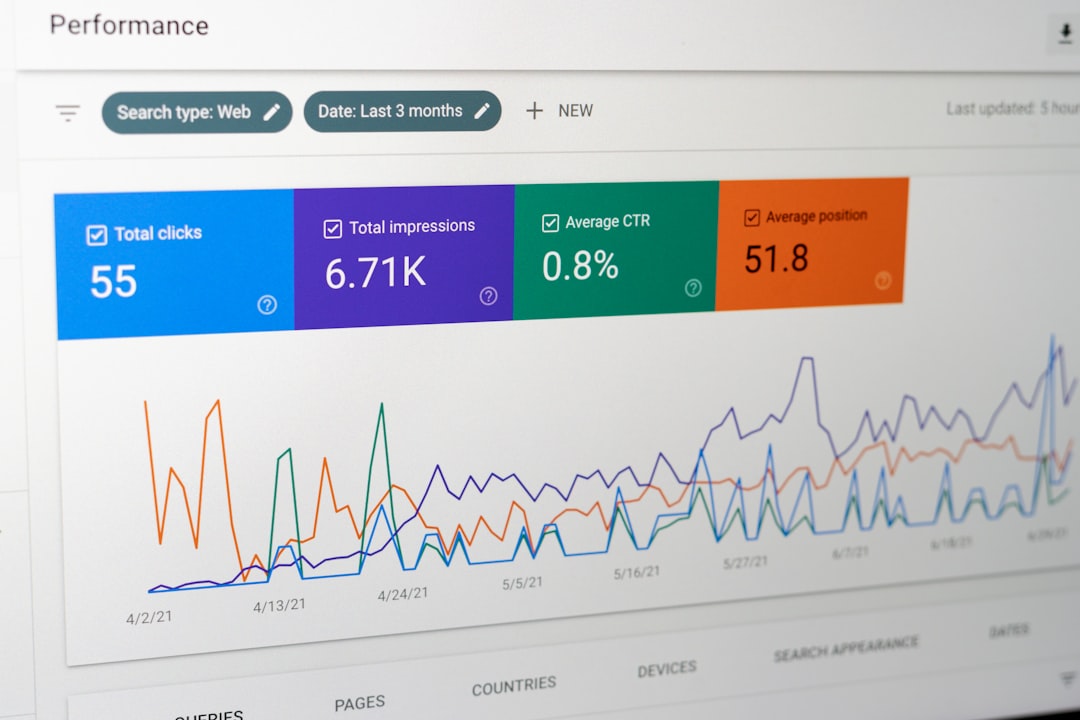
You can usually tell whether WordPress SEO services are helping by looking for clearer signals before dramatic outcomes. Better indexing, stronger page-level impressions, improved click-through on important queries, and better engagement on priority pages all suggest the work is moving in the right order.
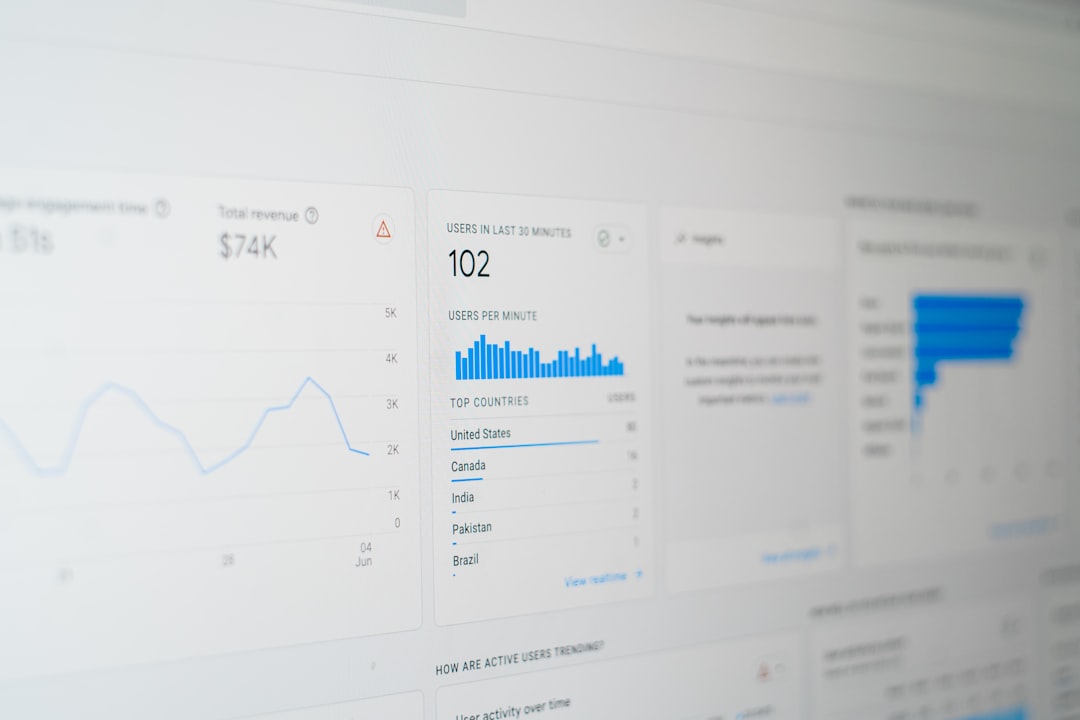
That does not mean every page jumps quickly. It means the site becomes easier to crawl, easier to interpret, and easier to support with future content. If reporting focuses only on keyword screenshots or plugin scores, you are probably not getting a full picture. Better reporting should connect technical fixes, page improvements, and actual page-level movement over time.
Choose Clarity Over Complexity
The best results with WordPress SEO services usually come from simplification. Fewer plugin conflicts, stronger page targets, cleaner indexing decisions, and better internal support often outperform complicated strategies that never solve the core issues.
You do not need a perfect score. You need a site that loads cleanly, is easy to use, and sends consistent signals about which pages matter most. If your rankings are flat and you are not sure whether the real problem is indexing, duplication, weak targeting, or plugin clutter, WordPress SEO Expert can help.
Contact WordPress SEO Expert today to schedule a consultation. Book a free SEO consultation. No pitch, no pressure. Just an honest look at what your site actually needs and whether your current setup is part of the solution or part of the problem.